Tag: foodservice

  • Asia-Pacific Foodservice Outpaces Global Peers with 4% Real Growth

    Asia-Pacific Foodservice Outpaces Global Peers with 4% Real Growth

    The Asia-Pacific restaurant sector expanded 4% in real terms through 2026, outpacing 1% growth across North America and Europe to lead global foodservice performance, according to Technomic Ignite data presented in November 2026 at the Global Restaurant Leadership Conference in Cannes, France.

    Worldwide industry turnover is tracking toward approximately 5.2% nominal growth, or 1.9% adjusted for inflation, even as supply-side shocks, geopolitical disruption, and accumulated food inflation between 25% and 40% curb discretionary purchasing.

    Dining frequency remains heavily weighted toward Asian markets: 92% of consumers in China, 85% in Thailand, and 80% in Singapore eat at restaurants at least once weekly, contrasting sharply with a global average that slipped from 74% before Covid-19 to 66% today.

    Chinese Chains Scale Footprints at Record Speed

    Top international chains based outside the United States are now dominated by Asian headquarters, taking seven of the top ten positions. Five of those seven operators are Chinese concepts: Luckin Coffee with 7 billion dollars in 2025 sales, hotpot operator Haidilao at 6 billion dollars, beverage chain Gu Ming at 4.9 billion dollars, Chagee at 4.7 billion dollars, and Mixue Ice Cream & Tea generating 3.5 billion dollars.

    Expansion figures across the sector show Chinese operators widening the footprint gap against Western legacy peers. Luckin lifted sales 48.9 per cent in 2025 while adding a net 8,708 stores. Gu Ming added a net 3,640 outlets on a 46.1 per cent sales rise. Value-focused chain Mixue posted 33 per cent sales growth while opening 10,996 net locations in a single calendar year.

    Overall sales for the world’s top 150 restaurant brands reached 637.4 billion dollars in 2025 across 596,561 units, up 5.7 per cent in sales and 8.8 per cent by store count. Chinese chains generated an aggregate sales lift of 19.1 per cent, while Japanese operators grew 10.8 per cent. Philippine brands expanded sales by 8.8 per cent, Thai groups registered 7.4 per cent, and South Korean companies posted 7.2 per cent, all exceeding the 4.6 per cent recorded by US-based chains.

    Beverage Formats Take Global Market Share

    Specialised tea chains have emerged as the fastest-growing foodservice category worldwide, posting a 20.9 per cent sales jump to 17.7 billion dollars. Chinese beverage groups accounted for all six of the world’s leading restaurant systems ranked by net store openings in 2025.

    Technomic noted that modern tea concepts were unclassified as a distinct cuisine category in its reporting just one year prior. Rapid rollouts by players like Chagee have formalised the segment across domestic and overseas retail real estate. Coffee shops placed third in worldwide category performance, gaining 7.3 per cent in sales to hit roughly 100 billion dollars.

    Asian and noodle dining concepts took second place among fast-growing menu types, climbing 9.4 per cent. Japan-based udon operator Marugame expanded its footprint beyond domestic sites into Indonesia, China, and the United States, illustrating the export viability of focused single-item models.

    Margin Pressures and Commercial Read-Across

    For landlords, franchisees, and commercial suppliers across Asia, this volume growth masks intensifying margin competition. Foot traffic remains stable across Asian capitals, yet global ingredient costs sit 25 to 40 per cent higher than levels recorded five years ago. Western groups operating in the region are turning to international franchise master agreements to sustain unit growth, as domestic Asian competitors capture mall leases through smaller, tech-enabled store formats with lower fit-out costs.

    The rapid network buildout of discount beverage chains creates direct operational challenges for traditional coffee and quick-service operators. Mixue and Luckin rely on tightly integrated supply chains and app-based ordering that depress average ticket sizes, forcing competing food courts and high-street retailers to rethink rental structures tied to turnover.

    Projections for Regional Foodservice Volumes

    Global consumer demand remains restrained by accumulated food price inflation, keeping discretionary budgets tight across mature and developing territories. Technomic senior principal David Henkes outlined the regional divide during the conference presentation:

    “The Asia-Pacific region is growing like crazy … [with] 4% growth, and again, this is real [growth], so this does not include any type of price increase or inflation,” Henkes said. “There’s no question that, like for a lot of the global economies, Asia Pacific is really driving restaurants and broader food service.”

    Technomic forecasts Asia-Pacific real foodservice growth will moderate slightly to 3.4 per cent in 2027. That projection leaves the region ahead of expected real growth of 1.3 per cent in North America, 0.8 per cent in Latin America, and 0.6 per cent across Europe.

  • Robinsons Retail Opens First Little Marketplace Store in Boracay

    Robinsons Retail Opens First Little Marketplace Store in Boracay

    Robinsons Retail Holdings, Inc. (RRHI) expanded into convenience retail on Oct. 30 with the opening of its first Little Marketplace store at Henann Crystal Sands Resort in Boracay.

    Located in Station 1, the beachfront outlet operates daily from 7 a.m. To 10 p.m., condensing the group’s upscale supermarket format into a smaller footprint tailored for both residents and visitors.

    The pilot store carries specialty groceries, ready-to-eat meals, fresh food, beverages, and travel essentials alongside a Pick & Grill counter for on-site meat preparation and an alcohol-serving bar.

    Combining Groceries With Foodservice

    The concept departs from standard Philippine convenience chains, which lean almost entirely on ambient packaged goods, single-serve snacks, and basic hot counters. By embedding prepared food service into a small space, the company wants to turn quick grocery stops into sit-down dining occasions that lift basket sizes well above typical convenience tickets.

    Store operations draw inventory directly from the supply lines of The Marketplace, the group’s full-line gourmet supermarket banner. The pilot relies heavily on tourists willing to spend metropolitan supermarket rates while staying on an island where logistics add substantial distribution costs.

    Pressures on Island Logistics

    Operating a premium fresh food counter on Boracay carries operational friction that mainland supermarkets rarely encounter. Chilled meats, draft beer kegs, and perishable ingredients require consistent cold-chain transport over sea freight, leaving margins exposed to shipping disruptions and power fluctuations.

    Robinsons Retail is betting that beachfront location inside a major resort complex offsets those overheads through bar sales and premium markups.

    Extending The Marketplace Brand

    The parent firm built The Marketplace around upscale urban centers, stocking imported specialty lines, cheeses, and butchery products for middle- and upper-income households. Little Marketplace strips out the center-store dry goods and broad household categories of those full-sized supermarkets, retaining only high-turnover pantry items, alcohol, and fresh proteins.

    Executive leadership identified tourism hubs as the primary testing ground for the condensed model, citing shifting habits among travelers who want convenience without downgrading from gourmet grocery offerings.

    “We believe this format addresses growing demand for premium yet accessible retail and dining experiences,”

    Said Christine Tueres, RRHI managing director for food segments, big formats.

    Next Steps for the Pilot

    RRHI framed the Boracay location as an operational test before rolling the format into other domestic tourist corridors and lifestyle developments. Executives have not released capital expenditure figures or specific store count targets for Little Marketplace.

  • 7-Eleven Introduces Foodbar Across 16 Singapore Stores

    7-Eleven Introduces Foodbar Across 16 Singapore Stores

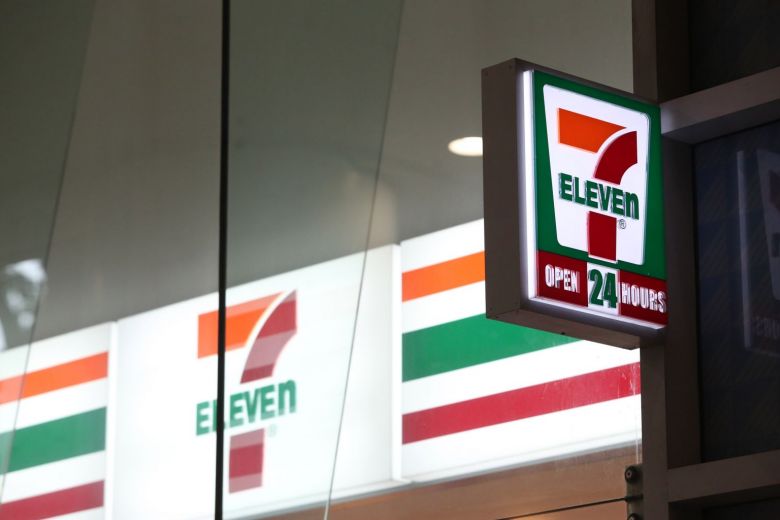
    7-Eleven Singapore has launched Foodbar, a fresh in-store counter concept rolling out across 16 stores islandwide as the convenience retailer moves to capture growing demand for quick, convenient dining.

    Introduced in October 2026, the format serves freshly prepared hot meals alongside snack selections, with plans to expand the footprint over time. Layouts adapt to available floor space, customer profiles and footfall, ranging from build-your-own bowl stations to grab-and-go warming cabinets.

    At larger Foodbar branches, customers can customise warm bowls starting from an assortment of bases before choosing proteins and garnishes, while smaller outlets offer hot snack selections. The initiative deepens 7-Eleven Singapore’s operational push into prepared food across its citywide retail network.

    Customisable Bowls and Snack Counters

    DFI Retail Group, which operates the convenience franchise in Singapore, unveiled the concept on Oct 16. Larger locations feature build-your-own bowl counters where shoppers choose a base of rice, penne pasta or noodles, followed by sauces, garnishes and proteins such as roast chicken, hash browns or chicken cutlets. Outlets with tighter footprints carry hot counter selections including pizza slices, croissants, pancakes and waffles for dine-in or takeaway.

    Store formats are tailored to available floor space and local footfall profiles. To accommodate the equipment and dining customers, the operator is refitting selected units to add interior seating and wider aisles. 7-Eleven Singapore managing director Anushree Khosla said the chain is restructuring store layouts to turn outlets into food and shopping destinations.

    Ready Meals Deliver Double-Digit Gains

    Ready-to-eat items already generate a double-digit share of total sales for 7-Eleven in Singapore, while recording double-digit sales growth. An internal survey conducted in August among 1,020 local convenience shoppers who bought prepared food during the preceding month showed shifting consumer schedules and warmer attitudes toward convenience meals over the past three years.

    The chain’s chilled and ambient ready-to-eat inventory now spans 130 items across meals, breakfast, snacks and desserts. Product developments have borrowed directly from formats popularised by convenience networks in Japan, Taiwan and Thailand. Recent launches include halal-certified Korean-style kimbap, onigiri, and pressed toasties inspired by Thai operators.

    Local partnerships have also driven basket sizes. Since 2021, the convenience chain has rolled out co-branded meals with domestic food operators including Andes by Astons, Lau Wang Claypot Delights, Playmade, Chocolate Origin and Nasty Cookie. Sales data showed these branded collaborations outpaced demand for lower-priced budget lines or dedicated health ranges.

    Following the North Asian Operating Model

    For convenience operators across Southeast Asia, moving into hot foodservice is a necessity born of margin compression in packaged consumer goods. Traditional convenience categories such as tobacco, confectionery and bottled drinks face rising wholesale costs and strict regulatory limits. Japanese chains proved decades ago that back-counter food preparation delivers higher retail gross margins, far above packaged groceries.

    The challenge sits squarely in execution. Hot counters require dedicated exhaust, regular oil management, counter staff training and strict hygiene monitoring in compact retail spaces. Singapore’s severe retail labour shortage makes running hot food preparation behind a single cashier till operationally fragile. If lines slow during the midday lunch rush, core grab-and-go shoppers walk out.

    DFI Shifts Capital After Grocery Sale

    The Foodbar rollout follows a broader restructuring of DFI Retail Group’s regional assets. In 2025, the Singapore-listed group sold its Singapore supermarket division, including Cold Storage, CS Fresh, Giant and Jason’s Deli, to Malaysian operator Macrovalue for S$125 million.

    Exiting lower-margin mass grocery freed operating cash to concentrate on high-turnover consumer businesses where the group holds licensed franchise authority. Alongside 7-Eleven’s food transformation, DFI took direct control of Starbucks licensed operations in Southeast Asia and expanded health inventory across its Guardian pharmacy stores.

    The retailer plans to extend the hot-food format beyond the initial 16 locations in phases, tracking average basket spend and kitchen throughput before committing to additional store conversions.

  • Italian Trade Agency Targets Australia in 18-Month Retail and Foodservice Push

    Italian Trade Agency Targets Australia in 18-Month Retail and Foodservice Push

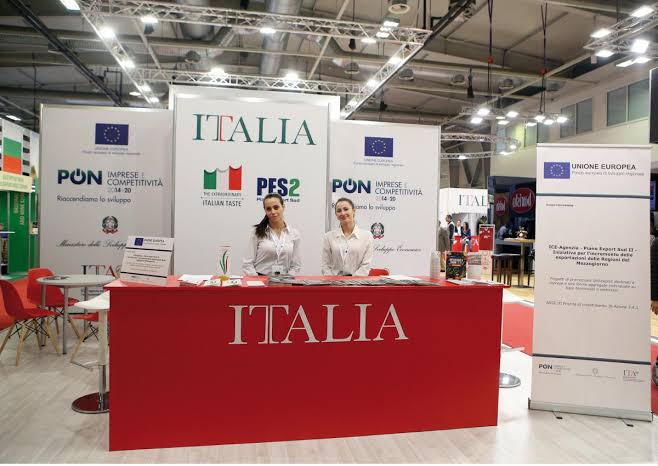
    The Italian Trade Agency is running an 18-month commercial push across Australian grocery and foodservice channels to widen distribution beyond core staples.

    Sydney-based Trade Commissioner Alessandro Lamura, who began his role on August 31, leads the effort targeting hotel catering, institutional dining and major supermarket shelves with specialty bakery goods, sauces, confectionery and frozen foods.

    Targeting Professional Kitchens and Supermarket Shelves

    Italian exporters have long relied on steady demand for pasta, extra virgin olive oil, wine, cheese and cured meats. The agency now wants to place preserved goods, specialty ingredients and ready-to-use food solutions into mainstream supermarkets and independent delicatessens.

    Foodservice sits at the center of the push. Lamura wants Italian ingredients in commercial restaurant groups, hotel kitchens and institutional catering operations, moving past traditional Italian dining rooms. As an institutional matchmaker, the agency gathers market intelligence and connects Italian producers directly to Australian importers, distributors and retail buyers.

    Shifting from Re-Export Hubs to Final-Destination Retail

    Lamura took charge of the Sydney office on August 31. He previously served as deputy trade commissioner across the United Arab Emirates, Pakistan and Oman. Unlike Middle Eastern trade hubs built on logistics zones and re-export volumes, Australia is a high-value domestic market with strict biosecurity protocols and long distributor vetting cycles.

    Australia offers reliable margins for European suppliers eyeing Asia-Pacific. Still, it demands local compliance and shelf consistency. European producers frequently struggle with national biosecurity rules and high transport costs across the continent. Direct work with domestic distributors aims to cut inventory delays and secure permanent shelf space against domestic and regional Asian food brands.

    Strengthening Commercial Presence After Melbourne Trade Event

    This campaign follows the Italian National Pavilion at Fine Food Australia 2026 in Melbourne, which included an August visit by Italian Trade Agency president Matteo Zoppas. Zoppas directed the Sydney office to secure deeper ties with Australian grocery chains and digital marketplaces while expanding attendance at regional industry exhibitions.

    Preparations are underway for Italy’s pavilion at next year’s trade exhibition. The agency will add a live demonstration kitchen and product workshops for commercial buyers.

  • Global Carton Tape Demand to Grow up to 6 Percent Annually Through 2035

    Global Carton Tape Demand to Grow up to 6 Percent Annually Through 2035

    Global demand for clear polypropylene carton tape will expand by 4 to 6 percent annually through 2035 as e-commerce fulfillment and regional trade drive carton sealing volumes across major markets. Online retail parcels now account for 35 to 45 percent of worldwide consumption, with China supplying approximately two-fifths of total volume through export channels.

    Coated biaxially oriented polypropylene film with acrylic or hot-melt adhesives remains the dominant sealing choice for corrugated cardboard boxes across automated warehouse systems. Retail platforms including Amazon and Alibaba have expanded individual parcel shipments, while product returns create recurring re-packaging cycles that reinforce baseline tape use.

    Feedstock Pressures and Production Shifts

    Manufacturing footprints are adjusting to feedstock availability. Output capacity is migrating toward Southeast Asia and the Middle East, where raw polypropylene film supplies are more accessible. Polypropylene feedstock represents 55 to 65 percent of total manufacturing expenses, leaving standard tape margins exposed to raw material price swings.

    Cross-border distribution also faces trade friction. Import tariffs on finished tape currently range from 5 to 15 percent depending on the jurisdiction and existing bilateral pacts. Standard commodity tape remains highly price-sensitive, prompting large fulfillment operators to switch suppliers frequently to protect packing margins.

    Private Label and Specialty Growth

    Large retailers and third-party logistics operators are turning to contract manufacturing to secure supply. Private-label formats now make up 20 to 30 percent of global volume, giving logistics groups tighter cost control over warehouse consumables.

    Specialty formats are outpacing standard stock. High-adhesion variants, reduced-plastic rolls with 15 to 25 percent thinner gauges, and low-noise unwind tapes are expanding at 7 to 10 percent annually. Foodservice and institutional packaging represent another 20 to 25 percent of demand, where strict food-contact compliance and low-odor formulations command higher pricing from delivery platforms and catering operators.

    Industrial packaging buyers are also testing paper and water-activated tape alternatives to meet corporate plastic reduction targets, though synthetic polypropylene films retain the cost advantage on automated packing lines. Market indicators project the global tape index to reach between 145 and 160 by 2035 against a 2025 baseline.

  • Chinese Restaurant Chains Target US Market as Domestic Growth Slows

    Chinese Restaurant Chains Target US Market as Domestic Growth Slows

    Chinese restaurant chains are expanding across the United States to offset slowing growth at home, betting American diners are finally ready to embrace authentic regional menus.

    The push enters a market that already counts more Chinese dining spots than individual locations of almost any major American fast-food chain. For decades, those menus relied heavily on Westernised adaptations like chop suey and fortune cookies, both created in the United States rather than mainland China. Traditional fare struggled to gain traction during the twentieth century as immigrant chefs navigated widespread consumer resistance and discrimination.

    Shifting from takeout staples to authentic menus

    Domestic headwinds across China’s dining sector are now accelerating the overseas push. Operators face tighter consumer spending and intense margin pressure in their home cities, making international expansion an urgent priority rather than a long-term experiment.

    Instead of modifying dishes to suit Western palates, newer entrants are bringing specialized formats straight from the mainland. Concepts range from high-end Michelin-starred Peking duck houses to regional hotpot and noodle formats. The shift reflects growing diner familiarity with authentic Chinese culinary traditions, moving the market away from generic takeout boxes toward distinct regional identities.

    Navigating saturated overseas markets

    Breaking into the American market presents operational hurdles despite the historical presence of Chinese food. Mainland chains must manage higher labor expenses, complex local supply chains, and entrenched domestic competitors while maintaining recipe authenticity.

    The test for Chinese operators is whether authentic regional concepts can capture mainstream suburban foot traffic or remain confined to dense urban centers with established Asian diaspora populations.