Tag: foot traffic

  • Musinsa Opens 100Th Store as Offline Foot Traffic Surges

    Musinsa Opens 100Th Store as Offline Foot Traffic Surges

    South Korean fashion platform Musinsa will open its 100th store on Wednesday in Seoul, crossing 100 million cumulative physical visits five years after launching its brick-and-mortar operations.

    The debut of Musinsa Beauty Seongsu takes the company to 93 domestic stores and seven international outlets. Factoring in four Champion brand stores acquired in 2025, Musinsa operates 104 locations across its wider corporate portfolio.

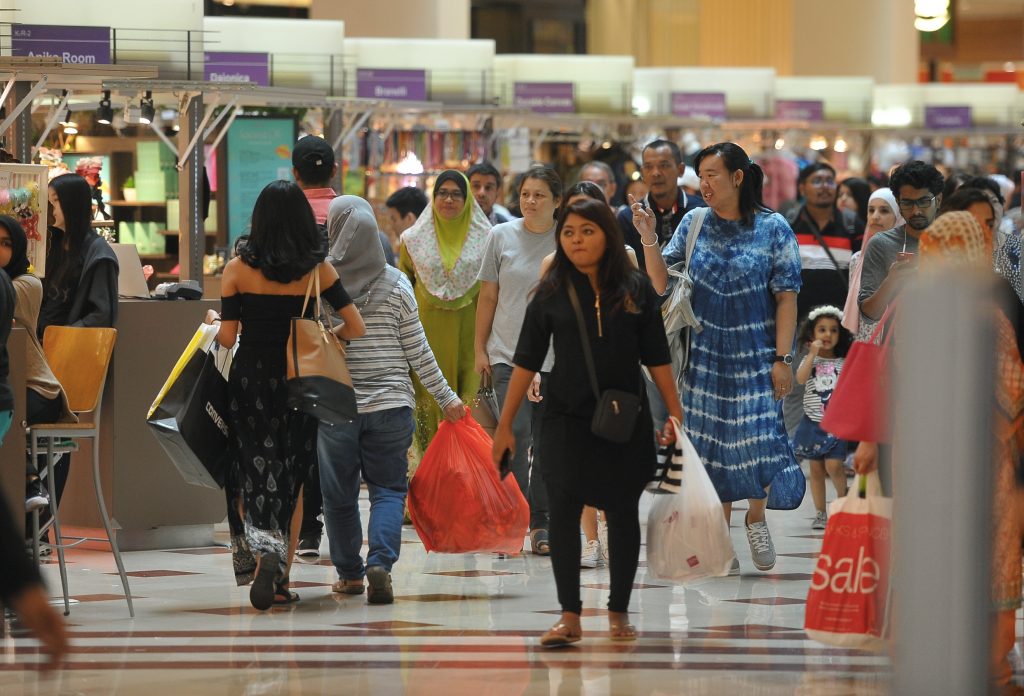
    Domestic store foot traffic across 75 sites increased 92 per cent year on year between January and October. Customer counts at eight flagship Musinsa Store units climbed 84 per cent during the same ten-month window, while visits to the private-label Musinsa Standard chain grew 49 per cent.

    Foreign Card Volumes Reshape Prime Districts

    International tourists now drive a substantial portion of sales at core Seoul flagships. Foreign credit card transactions accounted for 52 per cent of all purchase orders at Musinsa Store branches in Seongsu, Hongdae and Myeong-dong.

    At Musinsa Standard outlets within those same tourist hubs, foreign card payments generated 42 per cent of completed orders. The physical network functions as an offline export channel, converting inbound tourist traffic into cross-border consumers without direct overseas distribution overhead.

    Chinese Outlets Anchor Regional Footprint

    Overseas expansion remains focused on mainland China. Musinsa entered the market with two Shanghai stores last December, followed by five additional sites across Shanghai, Hangzhou and Shenzhen this year.

    Physical storefronts in mainland China operate alongside the company’s multi-brand digital marketplace, serving as regional customer acquisition nodes. Store additions reached 31 locations in 2025 and 40 units during the current year, covering multi-brand apparel, beauty lines, and curated homeware concepts under the 29CM banner.

    Landlord Pressures and Regional Retail Dynamics

    For rival department stores and traditional fashion distributors, Musinsa’s transition from digital native to high-density physical operator alters leasing terms in tier-one retail districts. Multi-brand spaces that assemble independent designer labels siphon foot traffic directly from legacy department store floors, particularly among shoppers under 35.

    The risk shifts to commercial lease overhead if foreign foot traffic dips or consumer discretionary budgets contract. Operating high-street real estate in overseas tier-one cities requires consistent inventory turnover that domestic online data modeling cannot entirely insulate against local retail slowdowns.

    Five Years from Online Community to Multi-Chain Network

    Musinsa began offline trading in 2021 after operating strictly as an online community and digital storefront. Rapid square-footage additions over the past two years reflect a deliberate strategy to absorb brand merchandise into company-controlled physical points of sale.

    Exporting this model tests whether Korean multi-brand apparel curation commands identical pricing power outside the domestic market. The company plans to extend its physical presence into Japan and Southeast Asia after completing its Chinese rollout.

    “We plan to expand our overseas stores beyond China into Japan and Southeast Asia, bringing the offline retail model established in Korea to global markets,” a Musinsa official said.

    Musinsa will add six more physical stores before the end of the year, taking its operating base to 110 locations.

  • Kuala Lumpur Mall Launches Pocket Monsters Mega Retail Campaign

    Kuala Lumpur Mall Launches Pocket Monsters Mega Retail Campaign

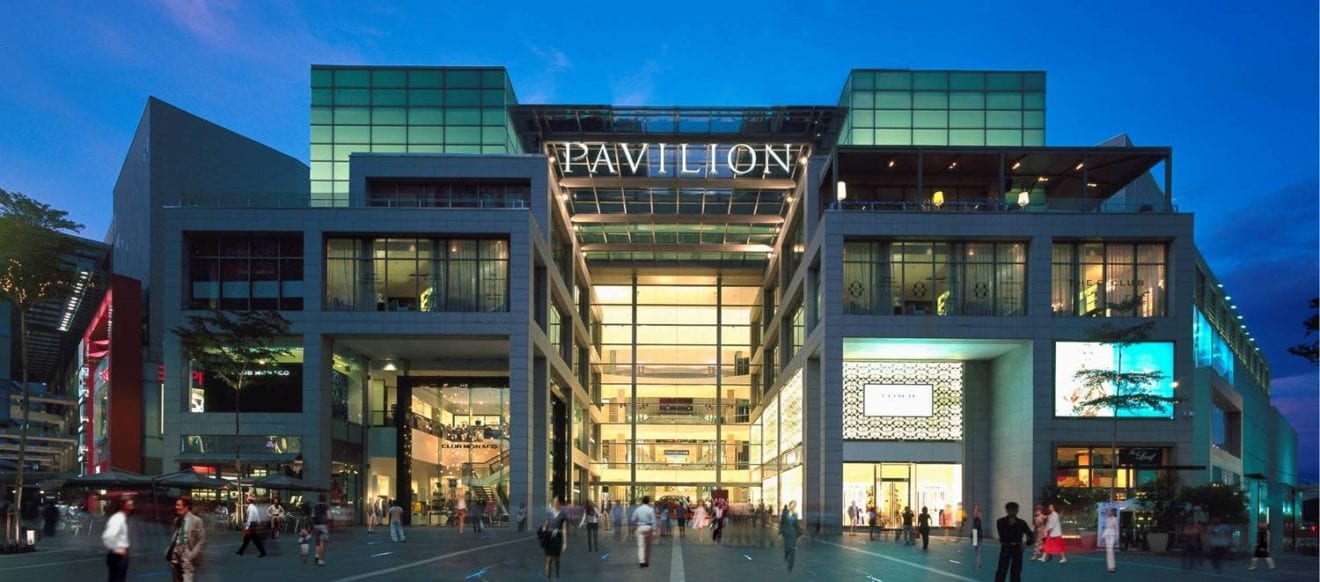
    A Kuala Lumpur shopping mall has launched a mega promotional campaign this week built around the Pocket Monsters entertainment franchise to lift consumer footfall and retail engagement, as reported by The Star.

    The 1 major experiential push combines themed displays, interactive installations and character merchandise across high-traffic retail spaces in the Malaysian capital.

    Entertainment intellectual property in physical malls

    Shopping centres across Southeast Asia increasingly rely on global intellectual property activations to convert casual visitors into paying shoppers. Landlords use character installations and interactive zones to capture family spending during school breaks and weekend shopping peaks.

    Pop culture licensing allows mall operators to differentiate their properties from neighbouring retail hubs without committing to permanent structural overhauls. Merchandising pop-up counters and branded photo opportunities serve as immediate footfall drivers for tenant storefronts nearby.

    Shifting mall footfall strategies in Malaysia

    Malaysian shopping centre operators face persistent competition from suburban developments and expanding e-commerce channels. Securing recognized character franchises provides mall managements with immediate social media visibility and destination appeal.

    Food and beverage outlets and lifestyle retailers positioned near central promotional atriums typically capture the immediate spillover from these events. Landlords structure temporary pop-ups to ensure high tenant dwell times throughout the ground-floor concourses.

    Operational costs and short-term licensing cycles

    Securing franchise rights and building custom exhibition pieces requires substantial upfront capital from shopping centre operators. The commercial return depends heavily on whether increased atrium traffic translates into sustained register receipts across tenanted stores.

    Short-term character campaigns also carry operational limits once the novelty fades among local consumers. Retailers require fast turnaround cycles to rotate seasonal intellectual property before visitor interest wanes.

    The retail pipeline for urban centres

    Experiential retail partnerships continue to dictate leasing and marketing budgets across prime commercial real estate in the Klang Valley. Landlords remain focused on securing exclusive character partnerships to anchor their fourth-quarter marketing calendars.

    Retail operators and tenants will monitor conversion metrics from family-oriented pop-ups as shopping malls finalize their event schedules for the coming retail quarters.

  • Sensormatic Solutions Forecasts Peak 2026 Holiday Shopping Days in Asia-Pacific

    Sensormatic Solutions Forecasts Peak 2026 Holiday Shopping Days in Asia-Pacific

    Sensormatic Solutions issued its annual foot traffic forecast for the 2026 holiday shopping season across retail markets in Asia-Pacific. The predictive traffic analysis targets store operators and mall owners preparing staffing, inventory, and promotional schedules for peak year-end commercial dates.

    The analytics provider tracks in-store sensor data and historical shopper volume to identify the days expected to generate the heaviest physical store traffic. Store chains use these projections to align workforce rotas, supply chain delivery windows, and loss prevention protocols ahead of peak trading surges.

    Data modeling for store operations

    Physical store operations face tighter labor margins and shifting shopper patterns across regional commercial centers. Accurate traffic modeling gives floor managers the lead time needed to schedule floor staff during peak hours while avoiding overstaffing during quieter morning trade.

    Inventory distribution across store networks depends on matching replenishment runs with peak footfall periods. Bottlenecks at cash desks and fitting rooms quickly erode conversion rates when customer traffic outpaces front-line coverage.

    Shifts in regional holiday footfall

    Retailers across Asia-Pacific face divergent calendars, from November promotional events to traditional December holiday spending and regional year-end sales. Compressing shopping activity into fewer peak days raises operational pressure on store teams and physical checkout infrastructure.

    Mall landlords also rely on traffic forecasts to coordinate security deployment, crowd management, and extended operating hours. Misjudging peak hours leads to congested parking facilities and frustrated shoppers.

    Balancing physical stores and online fulfilment

    Physical stores increasingly double as local fulfilment nodes for click-and-collect orders during peak shopping periods. When in-store shopper volumes surge, staff dedicated to picking and packing online orders compete for floor space with walk-in customers.

    Store networks that separate stock management from front-of-house service maintain higher customer satisfaction during traffic spikes. Clear footfall visibility prevents floor staff from being pulled away from direct customer service during critical trading hours.

    Preparing for peak trading dates

    Sensormatic Solutions provides annual traffic benchmarks to help retail chains assess their performance against broader market averages. Comparing individual store entry numbers against market footfall trends helps operators evaluate the return on holiday marketing spend.

    Retailers across the region will monitor preliminary footfall tallies as peak holiday campaigns launch across Asia-Pacific retail corridors.

  • Malaysia Q2 Retail Sales Growth Falls Short as Spending Tightens

    Malaysia Q2 Retail Sales Growth Falls Short as Spending Tightens

    Malaysia recorded weaker than expected retail sales growth in the second quarter. Households curbed discretionary spending under persistent cost of living pressures.

    Store operators were caught off guard. They had anticipated stronger post-holiday consumption across shopping malls and high street locations.

    Squeeze on Household Budgets

    Shoppers across urban centers like Kuala Lumpur redirected budgets toward essential groceries and basic utilities. They cut visits to apparel boutiques, specialty food outlets and consumer electronics chains. That left retailers managing slower foot traffic, smaller basket sizes and rising price sensitivity across mid-market categories.

    Department stores and specialty chains felt the sharpest pinch during the quarter. Food and beverage operators also saw customers trade down to cheaper meals and cut back on cafe visits.

    Operator Margins and Inventory Risk

    This slowdown creates inventory friction for regional retailers that built up stock expecting resilient consumer demand. Excess seasonal merchandise forces heavier discounting. Gross margins take the hit while operating overheads, logistics costs and mall service charges stay high.

    Commercial landlords face tougher lease renewal talks as tenant turnover risk mounts. Shopping center operators across Southeast Asia counted on domestic spending to balance uneven tourist arrivals. A local slowdown weakens tenant revenue-sharing agreements and dampens rental reversion rates.

    Broader Southeast Asian Pattern

    Similar patterns are playing out across neighboring markets, including Thailand and Indonesia. Post-pandemic retail rebounds there also gave way to cautious household budgeting. Earlier quarterly gains relied on festival spending, but momentum vanished once promotional cycles ended.

    Retail groups are now recalibrating third-quarter procurement orders and delaying non-critical store refits. Attention turns to upcoming third-quarter performance data and year-end holiday order books to gauge whether revenue stabilizes before 2027.