Tag: foot

  • Ugg launches footwear collection with NewJeans’ Hanni

    Ugg launches footwear collection with NewJeans’ Hanni

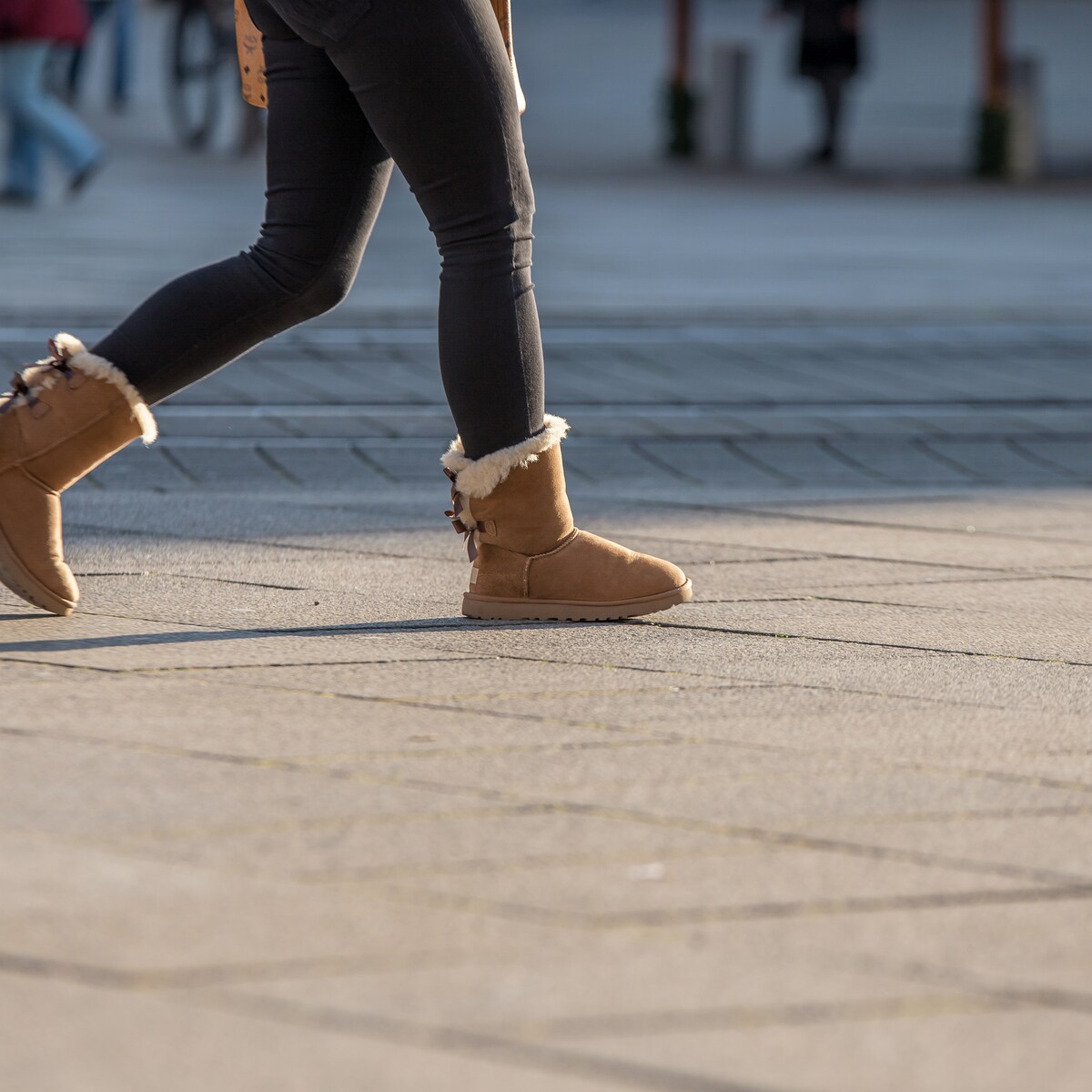
    California-based lifestyle brand Ugg has launched a sandal collection, GoldenRise, in partnership with K-pop girl group NewJeans’ member, Hanni.

    The GoldenRise has a customizable strap that can be worn three ways: as a slide, slingback, or wrap sandal. According to the brand, the collection has 100 per cent recycled polyester straps that adjust over the top of the foot, and the back strap may be wrapped around the ankle, switched for a shorter slingback, or removed completely to create a slide.

    “Rooted in joy, renewal, vibrancy, and warmth, Ugg and Hanni explore the magnetic, effortless feeling that is ‘Big Spring Energy,’” the brand said in a statement.

    The GoldenRise sandal, which Hanni wears in the global Spring/Summer 2025 campaign, is available on Ugg’s website, at Ugg stores, and at select wholesale retailers nationwide.

    Ugg employed leftover leathers and suedes in a new footwear line last year in reaction to the previous seasons’ overstock.

  • Indian fashion chain W expands into footwear

    Indian fashion chain W expands into footwear

    Indian women’s fashion chain W is expanding its business into footwear.

    The firm is preparing to retail shoes in more than 80 W stores across the country, as well as online, offering a collection of various styles of heels and flats. The collection presents classic Western designs with Indian flourishes.

    “At W, we have always strived to give the modern Indian woman a complete wardrobe solution,” said TCNS Clothing MD Anant Daga. “True to our brand promise, we are launching Footapparel, which is an amalgamation of fashion and functionality.

    “Looking at the footwear options available to our customers, we believe finding that one perfect pair which coordinates best, is fashion-forward yet keeps you comfortable throughout the day is a real challenge. This is the space we are addressing with our range of fusion footwear which is both fashionable and comfortable.

    The brand’s shoe designs feature craftwork such as embroidery, braiding, hand weaving, pleating, laser cutwork, quilting, and raffia weaving, amongst others.

  • Esprit shoe range to be developed with Germany’s Deichmann

    Esprit shoe range to be developed with Germany’s Deichmann

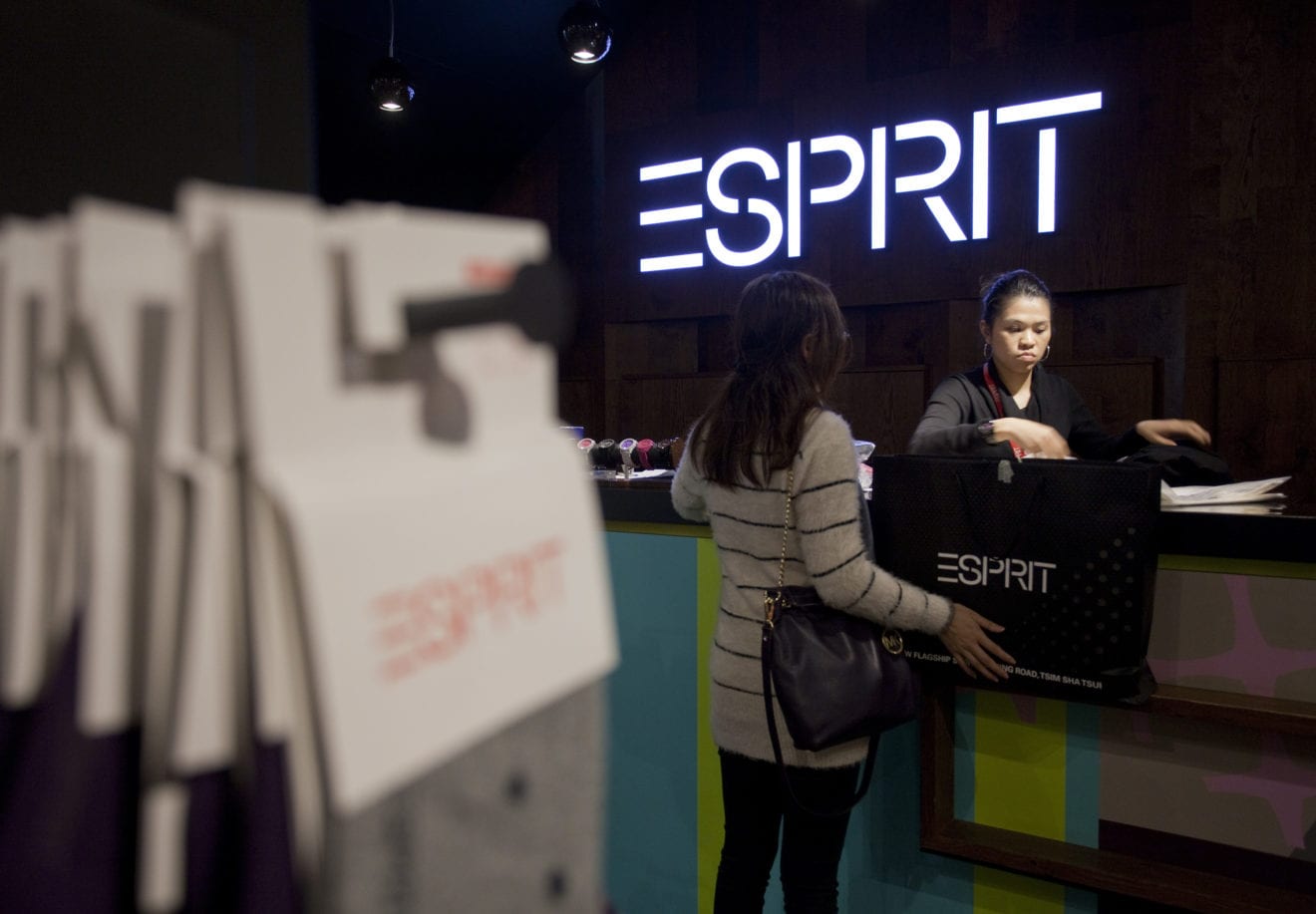
    Hong Kong-headquartered fashion brand Esprit has signed a deal with German shoe retailer Deichmann to jointly develop a footwear range.

    The range will be positioned as offering value for money with designs evolving to reflect fast-changing market trends. It will go on sale in Esprit stores and online during the northern hemisphere spring of next year. Deichmann stores will also carry an Esprit-branded lineup.

    Deichmann will manage the materials sourcing and supply chain requirements to ship product to wholesalers, while the two companies will work together on the designs.

    “In collaboration with Esprit, we would like to be at the forefront of setting trends in the development of fashionable shoe ranges, and we consider Esprit to be a valuable addition to our footwear range,” said Heinrich Deichmann, the company’s chairman.

    “We are looking forward to a close and successful collaboration.”

    Esprit group CEO Anders Kristiansen said Deichmann has enormous expertise in the shoe business and a good understanding of the Esprit brand.

    “I am convinced that together we will develop inspired and fashionable shoes with great quality for our customers,” he said.

  • The Athlete’s Foot to open several more stores in New Zealand

    The Athlete’s Foot to open several more stores in New Zealand

    Performance footwear retailer The Athlete’s Foot has confirmed it will be opening at least 12 new stores across New Zealand and Australia in the next year.

    The news comes as the retailer opens a new flagship in Melbourne Central shopping centre in Australia today, featuring a new format that it hopes to replicate in upcoming store openings.

    “We’re not going to waste any time once we’ve proved this concept over the next couple of months,” The Athlete’s Foot general manager Steve Cohen told.

    “I think The Athlete’s Foot hasn’t opened a lot of stores over the last couple of years, and we have the appetite to absolutely get onto the expansion path.

    “If the Melbourne Central flagship works, and we’re confident that it will work, we see another half dozen of these across Australia and New Zealand pretty quickly… plus another half dozen that we’ve highlighted across the country.”

    The new store features an expanded product line and new technology to better suit product to consumer needs, and provides a roadmap for the future of the business.

    “We have had a few different store evolutions, but it’s been a couple of years now since we’ve really gone out and started again,” Cohen told.

    “Being a flagship, it needed to be at the forefront of the performance footwear space. I think our investment in the store, and the way we’ve progressed the whole experience, is leaps and bounds from where we’ve been in the past.”

    For the first time, The Athlete’s Foot has ditched the traditional foot measuring tool, the Brannock, in favour of its new MyFit3D measurement technology, which creates a 3D render of a customer’s feet and measures their gait and pressure points within 1mm.

    This technology is set to be pushed out across the brand’s 140 stores in the next nine months.

    “It gives you a lot more information relating to the consumer’s foot, and it actually ranks their foot relative to the rest of the population,” Cohen said.

    “People like hearing about themselves, so when you put them on the MyFit3D and you show them how long, or wide, or deep their foot is compared to the rest of the population, it’s a nice interactive way to engage with the customer.”

    With a more accurate measurement, the team in the Melbourne Central store will be able to recommend footwear from its expanded product line, which includes exclusive ranges from Asics and New Balance.

    The store also features LED screens that react to consumer behaviour; for instance, by displaying information about a particular shoe after the customer picks it up off the shelf. This keeps customers in the moment, rather than browsing for additional product information on their phones – and potentially purchasing an item online from another retailer.

    “The main thing is that we can be a lot more nimble in our messaging to the consumer [about] our new arrivals, or product or brand that we want to call out in store,” Cohen said.

    “It’s touch screen as well, so if we decide to go down the path of shopping online or engaging with the consumer from a people point of view we can do that as well.”

    The location played a large part in the product line The Athlete’s Foot was able to secure, with suppliers having been asking for a “cutting-edge performance execution” for some time.

    “What we’ve found off the back of that is that the suppliers are giving access to product that we might not have had access to, and we think that this is an exciting step forward for our brand,” Cohen said, indicating this access will filter through the rest of the business moving forward.
  • Adidas Test to Sell Shoes Made of Ocean Plastic was So Successful

    Adidas Test to Sell Shoes Made of Ocean Plastic was So Successful

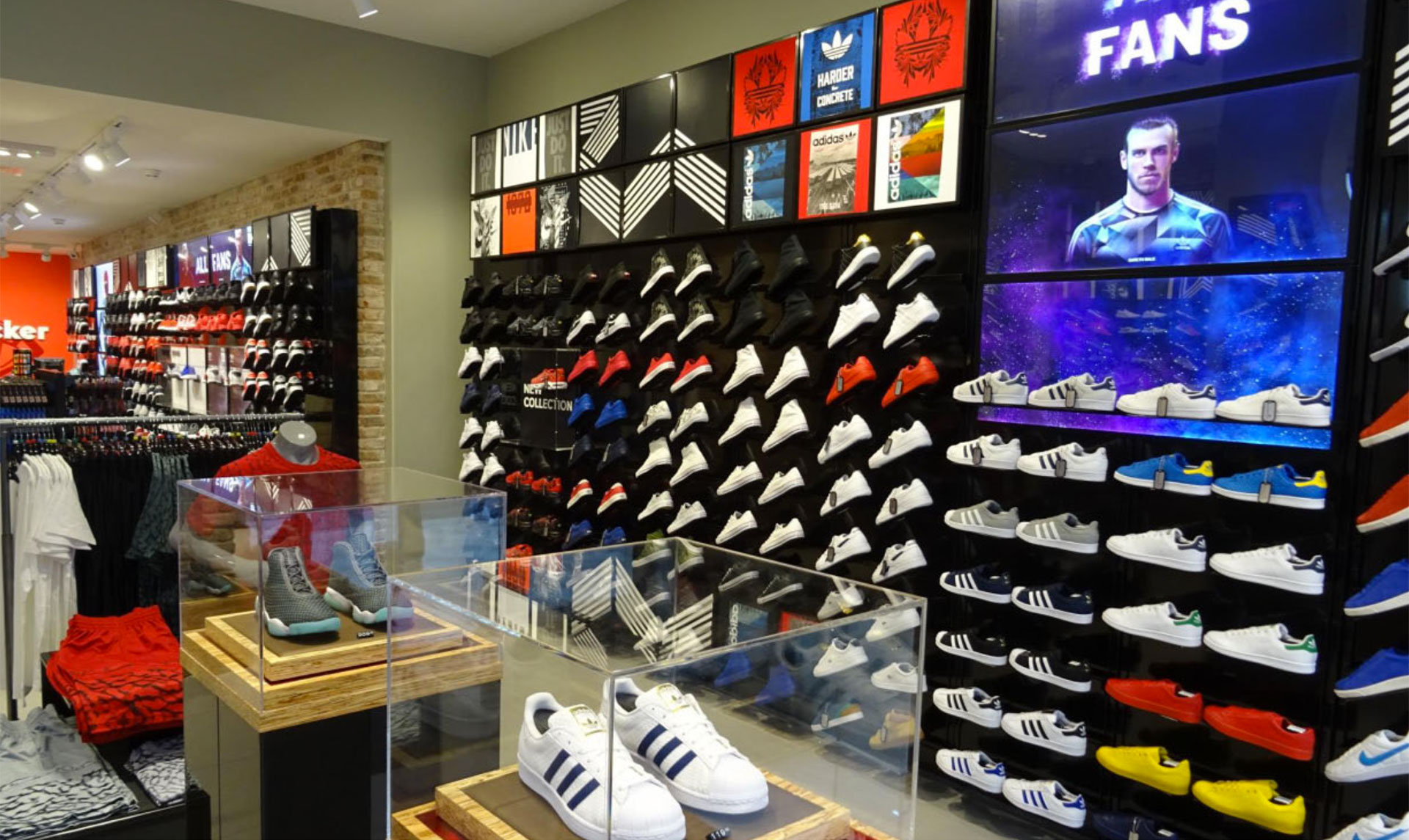
    Adidas has spent the last four years curbing ocean pollution by recycling plastic beach waste into shoes – and because their customers have been so eager for the product, the company is kicking it up a notch. Adidas produced more than five million pairs of recycled plastic waste shoes in 2018, and they plan to incorporate the waste into at least 11 million this year.

    The upcycled plastic waste is made into a yarn which has since become a key component of the upper material of Adidas footwear. In addition to shoes, the company has also used it to make the first ever football jerseys made from recycled materials.

    The sporting goods manufacturer first started making the shoes in collaboration with environmental group Parley for the Oceans back in 2015. They developed the slick kicks using plastic waste intercepted on beaches, such as the Maldives, before it can reach the oceans. The Parley shoes are recreated from editions of their UltraBoost shoe, and a new version of their Adidas Originals shoe.

    And, in 2016, Adidas stores stopped using plastic bags.

    “We also continue to improve our environmental performance during the manufacturing,” said Gil Steyaert, who is responsible for global operations. “This includes the use of sustainable materials, the reduction of CO2 emissions and waste prevention.

    “In 2018 alone, we saved more than 40 tons of plastic waste in our offices, retail stores, warehouses and distribution centers worldwide and replaced it with more sustainable solutions.”

    Additionally, Adidas is committed to using only recycled polyester in every product and application where a solution exists by 2024. As a founding member of the Better Cotton Initiative, Adidas meanwhile sources only sustainably produced cotton.

    Recently, Adidas signed the Climate Protection Charter for the Fashion Industry at the UN Climate Change Conference in Katowice, Poland—and agreed to reduce greenhouse gas emissions by 30% before 2030.

  • Foot Locker’s Newest Store Features a Barber Shop and Gaming Zone

    Foot Locker’s Newest Store Features a Barber Shop and Gaming Zone

    Foot Locker is diving headfirst into experiential retail with the debut of its Hong Kong “power store,” a 26,000-square-foot sneakerhead paradise where shoppers can get a haircut or hang out and play Xbox in between trying on shoes.

    Located in the city’s bustling Kowloon shopping district, the store is one of four the company plans to open throughout Asia in the 2018 fiscal year, with three in Singapore and one in Malaysia rounding out the pack. Only the Hong Kong location, however, qualifies as a power store, which Foot Locker’s chairman and CEO Dick Johnson described on the company’s last earnings call as an effort “in key markets to create more immersive and community-oriented customer experiences.”

    Power stores in Liverpool, England, and Oxford Street in London likewise feature collaborations with local artists, on-site barber shops, sneaker cleanings and gaming zones, all designed to enhance the in-store experience at a time when many sneaker fans do much of their shopping online or via app.

    The company is betting on its new Asia outposts to help drive sales as its growth in the U.S. and Europe have flagged slightly in recent quarters. It is also launching e-commerce in Singapore for the first time, complementing its in-store offerings.

    Throughout the year, the company plans to open 45 new stores and close 120 less profitable locations, and Johnson said power stores are in the works for the domestic market, with the Detroit area up first. The trick, he said, is finding “the right property, the right lease terms and the right construction period to make it happen.”

  • Stores in China using apps to increase foot traffic

    Stores in China using apps to increase foot traffic

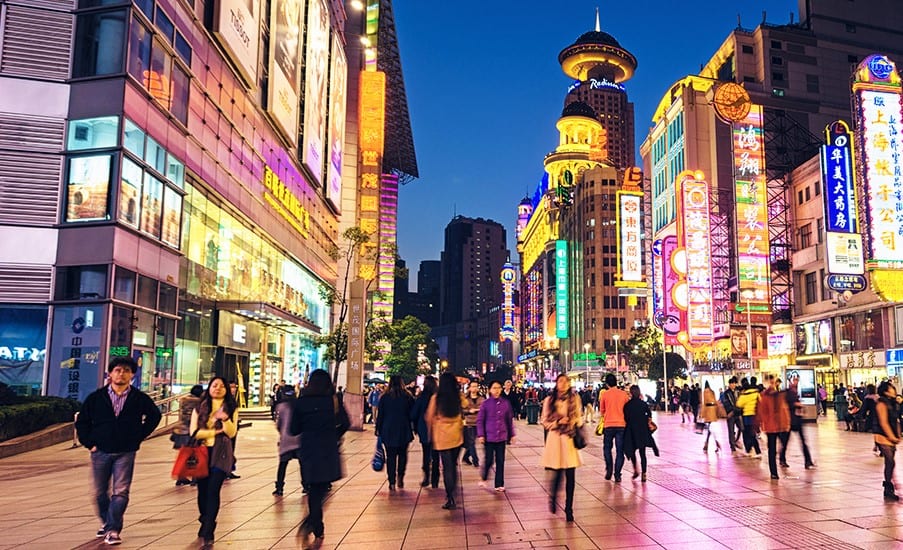
    A growing number of retail stores in China are using specially designed apps to track shoppers’ behavior in a bid to boost sales.

    Yo-ren, an information technology startup, has developed an app to collect information about members enrolled in reward programs offered by stores. Convenience store operator Lawson has introduced the app at select locations in China.

    The Chinese government has desire to make consumption the primary driver of growth. But spreading online shopping will bring the detriment on brick-and-mortar shops.

    Incentive programs

    In 2015, the Shanghai-based Yo-ren, which provides digital marketing services in China, began supplying Lawson stores in Shanghai with an app to manage the convenience store’s reward points program. Since the beginning of this year, the companies have expanded use of the app to other cities, including Beijing, Dalian and Wuhan.

    The app is designed to provide product information and discount coupons while giving customers reward points based on their purchases.

    Under the current plan, members earn 10 points for each yuan they spend, exchangeable for store coupons, at the rate of 1,000 points for 1 yuan (15 cents).

    Since the service was rolled out, the number of members in Shanghai increased to 350,000. About 15% of them use the app at least once a week. These active users visit Lawson stores three times per week on average.

    Lawson has invested around $900,000 in Yo-ren, which is now using the money to enhance the app’s features.

    Tailored services

    Lawson plans to analyze information collected through the app, such as customer profiles and purchase records, for consumer preferences and trends. Findings will then be used to boost traffic during slow business hours, such as by offering coupons for free cups of coffee between 3 p.m. and 5 p.m. at locations close to members’ workplaces.

    Chinese consumers are flocking to internet shopping services provided by Alibaba Group Holding and other e-commerce players. Soaring online purchases are denting earnings at brick-and-mortar retailers, especially department stores.

    Convenience stores have proved less vulnerable to the trend, but Yo-ren CEO Osamu Kaneda said there is still a lot of room for them to boost their ability to attract consumers.

    Yo-ren’s app allows stores to track members in real time. Its features enable stores to analyze customer preferences and then develop new revenue streams from makers through targeted advertising. The app will also help stores tailor their services to match customers’ needs.

    China is in the midst of an economic evolution in which consumer spending is replacing investment and exports as the main driver of economic growth. The service sector is an important link in this shift because it employs large numbers of people.

    But the decline of brick-and-mortar sales will inhibit consumption due to slower job creation in the service sector and lower wages for those jobs.

    To make consumer spending the new engine of economic growth, China needs to engineer a balance between online shopping and sales at traditional retail stores.