Retail News CRM

Tag: Forbes

  • Zhang Yong Tops the latest Forbes Singapore Rich List

    Zhang Yong Tops the latest Forbes Singapore Rich List

    Hotpot-restaurant tycoon Zhang Yong has topped the latest Forbes Singapore Rich List.

    Zhang, the founder of the Haidilao restaurant business, has an estimated net worth of US$13.8 billion (US$19.2 billion) – enough to push last year’s richest Singaporeans, property magnates Robert and Philip Ng into the second spot with their combined wealth of US$12.1 billion. This year is the first in a decade the Ngs, who own Far East Company, have not headed the rankings.

    Zhang, a native of China, has become a naturalized Singaporean citizen and resident, who was previously featured among China’s richest, is now a naturalized Singapore citizen and resident.

    Third place on this year’s list went to Eduardo Saverin, a founder and shareholder of Facebook, who lives in Singapore. His net worth was estimated at $10.6 billion, down $1.2 billion on last year.

    Haidilao opened 130 new restaurants in the first half of this year, boosting sales by 59.3 percent to RMB 11.7 billion (US$1.66 billion).

  • First Vietnamese to enter 200 richest people in the world list

    First Vietnamese to enter 200 richest people in the world list

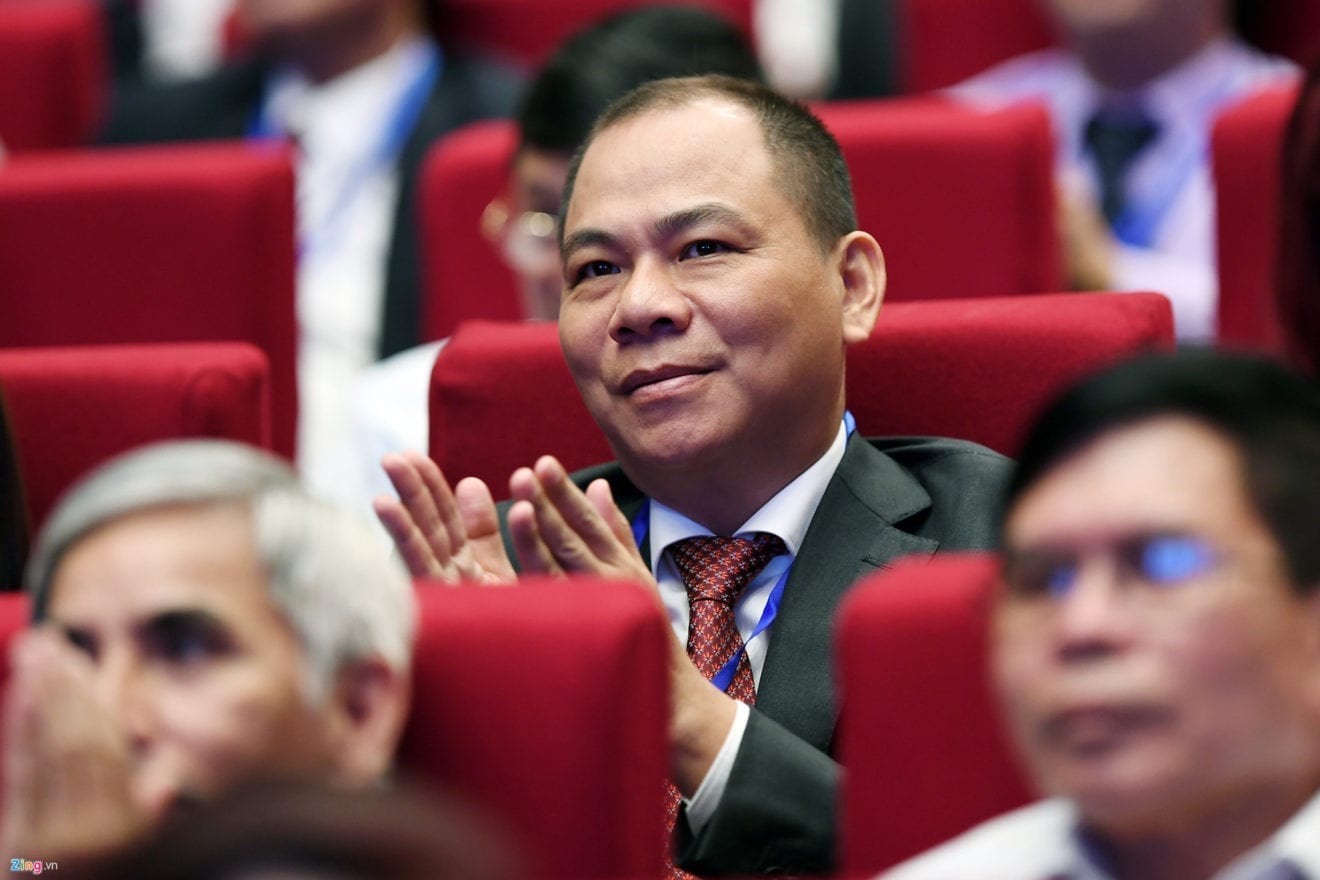
    Pham Nhat Vuong is the first Vietnamese to enter the list of the world’s 200 wealthiest people. He has an estimated worth of $7.5 billion. Vuong, who heads the Vingroup conglomerate, is 198th on the real time billionaires ranking updated by Forbes magazine on Saturday. His net worth has increased by $3.2 billion over last year when he topped Forbes’s list of four Vietnamese billionaires.

    A 13 percent increase in the value of Vingroup’s shares in the first week after Vietnam’s stock market reopened following a 9-day Tet (Lunar New Year Festival) break has been a factor in boosting Vuong’s net worth and catapulting him into the top 200 list.

    Price of Vingroup’s share (VIC) stood at VND112,000 ($4.82) at the end of the trading session last Friday.

    Vingroup, one of Vietnam’s largest real estate conglomerates, has been expanding rapidly into retail, logistics, agriculture, education and healthcare sectors. Vuong was first mentioned as a billionaire on the Forbes list in 2013 with a net worth of $1.5 billion, ranking 974th richest in the world.

    Nguyen Thi Phuong Thao, the other Vietnamese billionaire and owner of budget carrier Vietjet, is 1,014th on the Forbes list of global billionaires with assets worth around $2.3 billion.

    Topping the Forbes list was Amazon founder Jeff Bezos, who became world’s first centi-billionaire with a net worth of $133 billion, up $21 billion from 2018. Bill Gates, Microsoft’s co-founder, was in second place with a net worth of $97 billion.

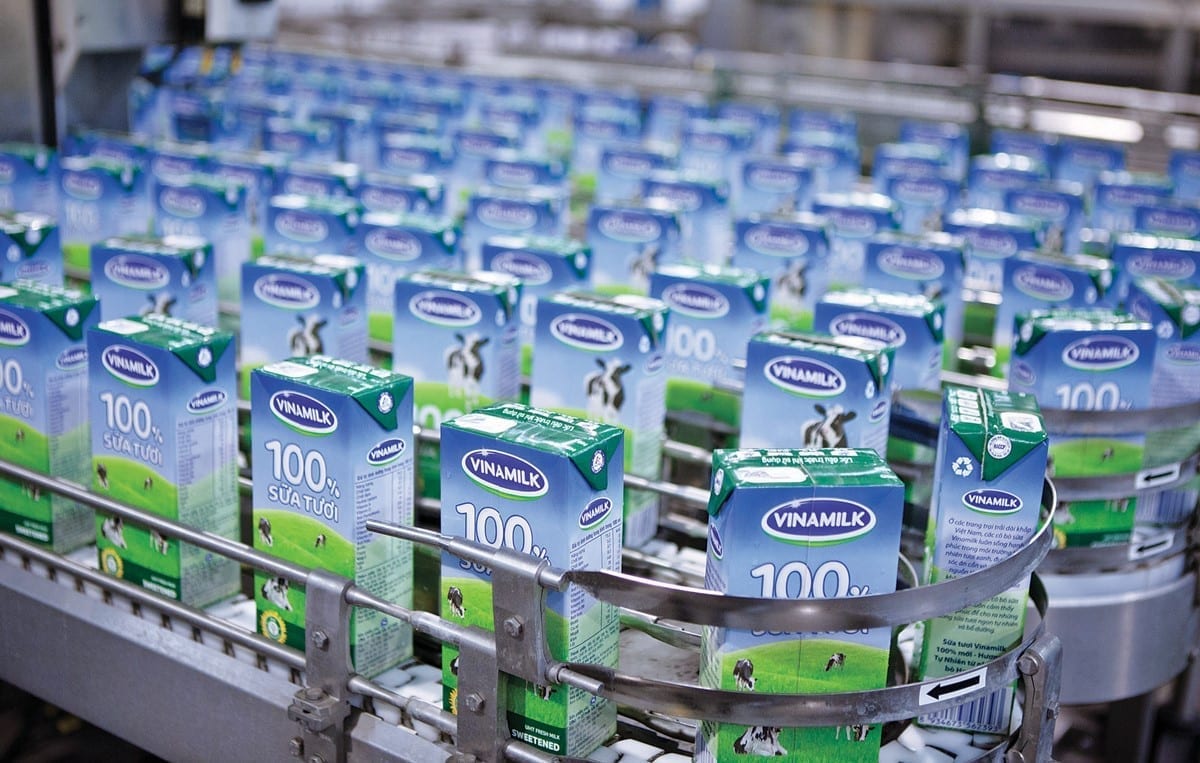
  • Forbes lists Vietnam’s most valuable brands, Vinamilk, Viettel remain top

    Forbes lists Vietnam’s most valuable brands, Vinamilk, Viettel remain top

    Forbes Vietnam has released its third annual list of the 40 most valuable brands in Vietnam, putting their total value at $8.1 billion.

    The value is 50 percent up from last year. Dairy giant Vinamilk and military-run telecom firm Viettel remain the top two as they were in the two previous years.

    Forbes estimates Vinamilk’s brand value at $2.28 billion, much higher than the $1.7 billion last year, and Viettel’s at $1.39 billion.

    State-owned Vietnam Posts and Telecommunications Group (VNPT) takes over third position from Vingroup, Vietnam’s largest real estate company. With a value of $416 million, VNPT makes it to the list for the first time.

    The other brands in the top ten are the country’s biggest brewery Sabeco ($393 million), Vinhomes, the residential property arm of Vingroup ($384 million), Vinaphone, one of Vietnam’s big three mobile operators and belonging to VNPT ($308 million), Vingroup ($307.2 million), food and beverages producer Masan Consumer ($238 million), JSC Bank for Foreign Trade of Vietnam, or Vietcombank ($177.9), and tech giant FPT ($169 million).

    Vinhomes and Vinaphone are also newcomers.

    Just like last year, consumer goods brands account for the majority of this year’s list, followed by finance and banking and technology.

    But the gap between the total value of the finance-banking and consumer goods groups has narrowed, Forbes said.

    The other new entrants this year are Vincom Retail, the shopping mall subsidiary of Vingroup, top coffee firm Trung Nguyen Group, sugar, energy, real estate, and tourism conglomerate TTC Group, and Ho Chi Minh City Development Joint Stock Commercial Bank, or HD Bank.

    Forbes compiled the list by looking at brands’ incomes before and after tax based on their financial reports and data on the stock market.

  • Top 10 largest apparel companies worldwide in 2018

    Top 10 largest apparel companies worldwide in 2018

    Forbes has released the 16th annual Forbes Global 2000 edition which lists the top 10 largest apparel retail companies in the world. The list includes publicly-traded companies from 60 countries and has been complied using data from FactSet

    Research systems to screen for the biggest public companies in four metric: sales, profits, assets and market value. We bring you Forbes ‘World’s Top 10 Largest Apparel Companies’

    View the top list below :

  • Vietnam’s richest man makes huge jump up global billionaires list

    Vietnam’s richest man makes huge jump up global billionaires list

    Pham Nhat Vuong, Vietnam’s first billionaire and owner of giant conglomerate Vingroup, has leapt 97 positions to become the 543rd richest person in the world, released on Tuesday.

    The magazine’s real-time list of the world’s billionaires showed that Vuong’s assets had expanded by more than 14 percent to $4 billion in just 13 days.

    He’d already marked a milestone on November 8 by climbing 227 places in eight months to 640th on the list, with his net worth growing by more than $1 billion.

    His rise came following the IPO of Vingroup’s retail unit Vincom early this month, which was hailed as the biggest IPO debut ever in the country after raising nearly $709 million and valuing the mall operator at around $3.4 billion.

    Vingroup’s shares have also gained nearly 100 percent since mid-2017, closing at VND77,000 ($3.40) on Tuesday. Vuong, 49, owned more than a 27 percent stake in Vingroup as of June this year.

    Vingroup is one of Vietnam’s largest real estate conglomerates, and has been expanding rapidly into retail, logistics, agriculture, education and healthcare. As of the end of September, its subsidiary Vincom Retail was managing, operating and renting 41 shopping malls with a total area of over 1.1 million square meters (272 acres). It also has 22 projects under construction and another 50 in early development.

    Nguyen Thi Phuong Thao, the only other Vietnamese billionaire and owner of budget carrier Vietjet, now ranks 1,177th on the Forbes list with assets worth around $2 billion.

    At the top of the list are Amazon’s founder Jeff Bezos with a net worth of $94.9 billion, followed by Microsoft co-founder Bill Gates with $89 billion and Warren Buffet with $77.9 billion.

  • Vietnam’s richest man leapfrogs Donald Trump on Forbes’ billionaires list

    Vietnam’s richest man leapfrogs Donald Trump on Forbes’ billionaires list

    Vietnam’s richest man and first billionaire has climbed past U.S. President Donald Trump on Forbes magazine’s real time list of the world’s billionaires.

    Pham Nhat Vuong, founder and chairman of Vingroup JSC., was the world’s 640th richest person with a net worth of $3.5 billion as of 5 p.m. GMT on November 8.

    Since the release of Forbes‘ 2017 billionaires list in March, when Vuong was ranked 867th, his net worth has increased by over $1 billion. This gain is largely attributed to Vingroup’s shares gaining nearly 50 percent in the last six months and the IPO of Vingroup subsidiary Vincom Retail earlier this week.

    Meanwhile, the U.S. president and real estate mogul dropped from 544th to 734th with a net worth of $3.1 billion. His fortune has been declining over the past year due to a tough New York real estate market, a costly lawsuit and an expensive presidential campaign, according to Forbes.

    Meanwhile Nguyen Thi Phuong Thao, founder of budget airline Vietjet Air and Vietnam’s second billionaire, was ranked 1246th with a net worth of $1.9 billion.

    At the top of the billionaires list was Amazon’s founder Jeff Bezos with a net worth of $94.9 billion, followed by Microsoft co-founder Bill Gates at number two with $89.5 billion.

    Vingroup is one of Vietnam’s largest real estate conglomerates, and has also been expanding rapidly into retail, logistics, agriculture, education and healthcare. As of the end of September, its subsidiary Vincom Retail was managing, operating and renting 41 shopping malls with a total area of over 1.1 million square meters (272 acres). It also has 22 projects under construction and another 50 in early development.

  • Henry Sy still Philippines’s richest man

    Henry Sy still Philippines’s richest man

    Business tycoon Henry Sy topped Forbes’ list of richest Filipinos, with a 2017 net worth of $12.7 billion. This is his 10th consecutive time to top the list.

    However, this is lower than his 2016 net worth of $13.7 billion.

    Sy is the 94th richest billionaire in the world. The global billionaires’ list released by Forbes magazine on Monday was topped by philantrophist Bill Gates with a net worth of $86.8 billion.

    The 92-year-old billionaire founded Shoe Mart in 1958 and has expanded his business to retail, banking, and property. Forbes said that SM Investments is now the largest retailer in the Philippines. Sy’s children are now running his businesses.

    John Gokongwei Jr. of conglomerate JG Summit also retained his spot at second place, with $5.8 billion net worth. The 90-year-old has interests in an airline, banking, food, hotels, power, chemicals, real estate, and telecommunications.

    Lucio Tan moved from last year’s fifth spot to the third spot with $3.7 billion net worth, down from $4.9 billion a year ago. The LT Group has interests in tobacco, spirits, banking, and property development.

    The youngest Filipino billionaire on the list is the man behind fastfood chain Mang Inasal, Edgar Sia. The 40-year-old businessman’s net worth this year is at $1 billion. He also owns a stake in DoubleDragon Properties.

  • The Five Best Shops For Men In Hong Kong

    The Five Best Shops For Men In Hong Kong

    Hong Kong is known to be a melting pot of activities, yet there’s one pastime in particular that locals and visitors alike always gravitate toward: shopping. The big malls like Pacific Place and Times Square definitely give shopaholics a run for their money, yet in such a dense megalopolis with so many shops to choose from, sometimes the hidden gems are exactly that – hidden. To help you cut through the noise and find your go-to place, here are Forbes’ choices for the five best shops for men in Hong Kong.

    The Monocle Shop

    Image result for the monocle hong kong

    Through collaboration with other niche brands, Monocle offers one-of-a-kind travel items, apparel and other assorted items in their small shop on Wan Chai’s hip St. Francis Yard. Given that Monocle is a magazine and travel guide first, the shop also sells souvenirs and city-specific memorabilia like their iconic city guides, available for New York City, Hong Kong, Copenhagen and many more. If you’re extra curious, poke your head into the back part of the shop, their Hong Kong editorial team’s office space.

    1-4 St. Francis Yard, Wan Chai, Hong Kong, +852 2804 2323, monocle.com

    The Armoury

    The Armoury - Landmark

    If you’re looking for classic, ready-to-wear menswear, The Armoury is the place to go. The owners’ tastefully-curated collection hails from all around the world, and that global appeal has played a major role in the impeccable reputation that The Armoury holds today. Parisian Gentleman sums up their offering perfectly: “Mark Cho, Alan See and Jake Grantham continue to offer a tastefully curated selection from some of the best brands out there, which include the likes of Ring Jacket, Carmina, St Crispin’s, Orazio Luciano, Drake’s and of course, the Florentine Master Tailor Antonio Liverano featured in the Gianluca Migliarotti movie, I Colori di Antonio.”

    Pedder Building Unit 307 (3/F), 12 Pedder Street, Central, +852 2804 6991, www.thearmoury.com

    Landmark Central B47, 15 Queen’s Road Central, Central, +852 2810 4990, www.thearmoury.com

    Delstore

    Image result for delstore hong kong hong kong

    Considered underrated by many, Delstore stocks difficult-to-find pieces from timeless brands, and is definitely a must-visit for any guy passing through Hong Kong. South China Morning Post says: “Owned by Hong Kong native Derrick Leung, the two-storey boutique offers stylish yet inconspicuous men’s outfits and accessories that have way more staying power than those slavishly following seasonal trends. A true champion of locally curated style, Delstore is a hidden treasure for Hong Kong’s male style mavens.”

    3 Schooner St, Wan Chai, +852 2528 1770, delstore.co

    HOLA Classic

    Image result for hola classic hong kong

    For a high-quality yet budget-friendly tailoring, HOLA Classic is the place to go. Thanks to its location in Causeway Bay’s underbelly, So Kon Po, HOLA can offer its modern vintage suits at significantly lower prices than other tailors in Hong Kong (theirs start at $1,980 HKD, which is $255 USD). HOLA also offers quite a selection of eccentric ties and “happy” socks, plus their own line of shoes.

    11A Caroline Hill Road, Causeway Bay, +852 2870 0245, facebook.com/holaclassic.

    kapok

    Certainly one of the quirkiest lifestyle shops in Hong Kong, kapok specializes in creative and authentic pieces from places like Denmark and France, widely known for the enduring quality of their craftsmanship. With one store next to the Monocle shop on St. Francis Yard and the other around the corner on the tucked-away Sun Street, expect to find a wide array of sweaters, messenger bags, tough-to-find magazines, notebooks, and a lot more. Expect to while away thirty or sixty minutes just browsing, chatting with the knowledgeable staff or jamming to the ever-changing Soundcloud mixes that fill the place with an upbeat, enduring energy.

    3 Sun Street, Wan Chai, +852 2520 0114, ka-pok.com

    5 St Francis Yard, Wan Chai, +852 2520 0114, ka-pok.com

    Of course, if you can’t find what you need at these shops, you can always look online to sites like AliExpress, which stocks a seemingly-endless variety of clothing, shoes and accessories. Amazon also ships to Hong Kong, though for some items you may need to use a package forwarder to get them all the way here.

    As Andrew Keith says, “Hong Kong is a city filled with amazing contradictions.” Fortunately, its size and its offering of great shops for men is not one of them. Wherever you choose to go, whether it’s a megamall, a boutique or just online, I hope these five shops open up your eyes to some of Hong Kong’s more unique options.
  • Two Thai clans stay on Forbes rich list

    Two Thai clans stay on Forbes rich list

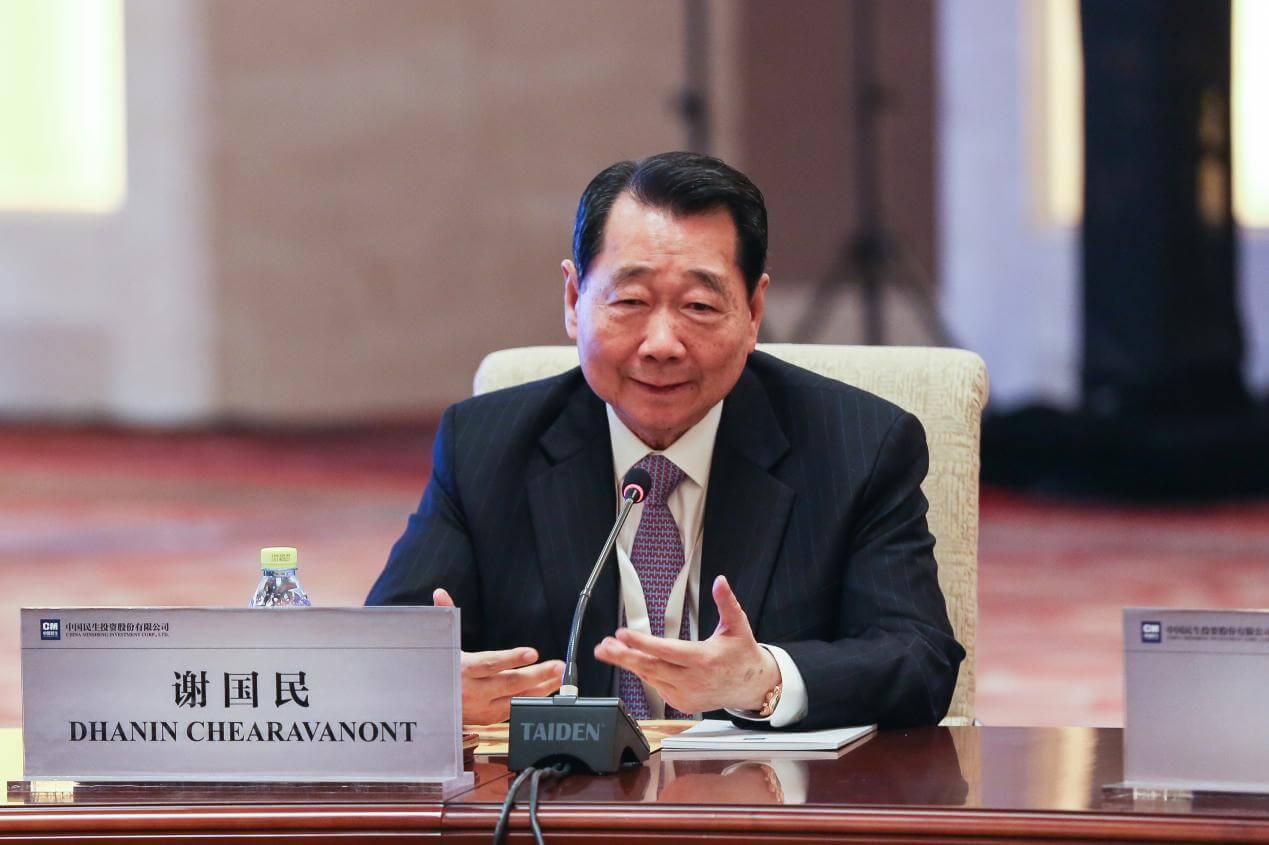
    The Chearavanont and Chirathivat families are among the 50 richest Asia families in 2016 as ranked by Forbes Asia magazine. Families in the top five of this year’s list are in businesses that span technology, livestock, real estate and oil and gas, the magazine reported in its latest issue published yesterday. Leading the list for the second year in a row is South Korea’s Lee family, the founder of Samsung Group, with a combined wealth of US$29.6 billion, up from $26.6 billion last year.

    Thailand’s Chearavanont family, which controls the Charoen Pokphand Group (CP Group), rose to second place with US$27.7 billion in wealth, moving up from fourth place and $19.9 billion last year.

    CP Group led by billionaire Dhanin Chearavanont operates various businesses ranging from poultry, telecom and retail under the 7-Eleven convenience chain in Thailand.

    Third-richest are the Ambanis of India’s Reliance Group with a combined net worth of $25.8 billion, followed by the Kwok family of Hong Kong with $25.2 billion, Asia’s richest real estate family. The Lee family from Hong Kong ranks fifth with $24.7 billion.

    The Chirathivat family, which owns giant retail businesses in Thailand under the Central Group, retains the 14th spot with $13.8 billion. Its combined wealth grew from $11.7 billion last year.

    Headed by chief executive Tos Chirathivat, Central Group just restructured its organisation by recruiting professionals to run the group’s operations, including property, trading, food and online, which have combined sales revenue of about 320 billion baht this year.

    Slipping from this year’s list is the Ratanarak family, a Thai clan that controls Bangkok Broadcasting’s Channel 7 and ranked 45th with $3.5 billion in net worth last year.

    The reports notes that Indian families stood out on the 2016 Forbes list of Asia’s richest families, with 17 of the top 50 families hailing from India.

    Many of these Asian families’ conglomerates have worldwide footprints. Collectively, the top 50 families are worth US$519 billion.

    “Sources of Asian wealth are broadening. You can see that among the rich families here, and even within many of the families — no particular sectors of the economy dominate,” said Tim Ferguson, editor of Forbes Asia.

    The minimum net wealth to qualify for the list was $3.4 billion, up from $2.9 billion a year ago.

  • Indonesia to host Forbes conference

    Indonesia to host Forbes conference

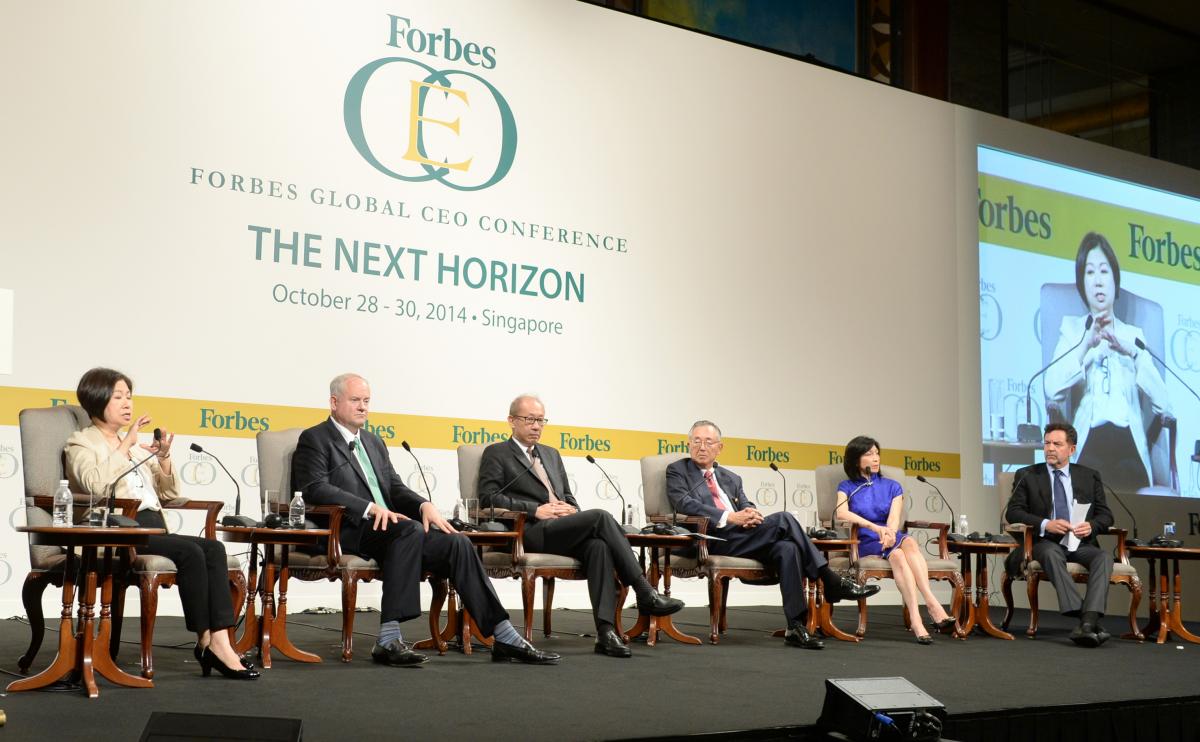
    Indonesia is set to host the Forbes Global CEO Conference for a second time. The gathering will see business players and thought leaders from around the world discuss possible solutions to the continuous global economic slump.

    Now in its 16th year, the conference will host at least 42 speakers and has received confirmation from 300 delegates who have been invited to come to the conference in Jakarta, a change of pace from the 2013 conference held in Bali.

    Forbes Media chairman and chief editor Malcolm Stevenson “Steve” Forbes, Jr. said that Jakarta was chosen to host this year’s conference due to its continued growth even during the global economic slowdown.

    The country’s sheer size and President Joko “Jokowi” Widodo’s efforts to establish economic reforms have caught the eye of business players from across the globe.

    “Even though it’s facing some economic challenges with the collapse of commodity prices, Indonesia is still achieving higher growth rates than many of its neighbors. You have a president who is determined to make major economic reforms to unleash the potential of the Indonesian economy,” he told on Friday.

    President Joko “Jokowi” Widodo has pushed for economic reforms and has issued 13 economic stimulus packages that aim to increase investment and nurture growth.

    The economy grew 5.2 percent year-on-year (yoy) in the second quarter, beating average estimates of 5 percent from economists and Bank Indonesia’s (BI) forecast of 4.9 percent.

    The growth domestic product (GDP) growth rate was higher than the 4.9 percent yoy reported in the first quarter and the 4.7 percent posted in the second quarter of 2015.

    With the second quarter result, the economy has so far expanded by 5.04 percent this year.

    However, despite positive-looking growth, experts have predicted that the official 5.2 percent growth target for the whole year may still be unattainable as the second quarter’s performance was largely due to a surge in consumption and production during the Ramadhan and Idul Fitri festivities, a trend that typically happens every year.

    Meanwhile, not much is happening on the global stage. The World Bank has forecast that global growth will only reach 2.4 percent by the end of the year.

    “So you look around the world and business leaders, whether with established companies or start-ups, they face very real headwinds,” Forbes said.

    Mayapada Group owner Dato’ Sri Tahir said the conference was an important event to show off the economic reforms that Indonesia had made to cut costs and create a conducive investment environment.

    “Through this platform, the President can explain to these 300 and more delegates about Indonesia’s future. This platform is
    important to introduce Indonesia to the world and the world to Indonesia,” he said.

    Mayapada Group is one of the sponsors of this year’s conference.

    The conference, themed “Rising to the Challenge”, will feature distinguished Indonesian and international speakers.

    They include Investment Coordinating Board (BKPM) chairman Thomas Lembong, CT Corp. chairman Chairul Tanjung, AirAsia Group chief Tony Fernandes and Ayala Corporation chairman and CEO Jaime Augusto Zobel de Ayala.

    The conference will be held from Nov. 29 to Dec. 1.

  • Jollibee, Puregold, Robinsons retail make it to Forbes ‘Fab 50’

    Jollibee, Puregold, Robinsons retail make it to Forbes ‘Fab 50’

    Three Filipino companies made it into Forbes’ list of 50 best-performing listed firms in Asia this year.

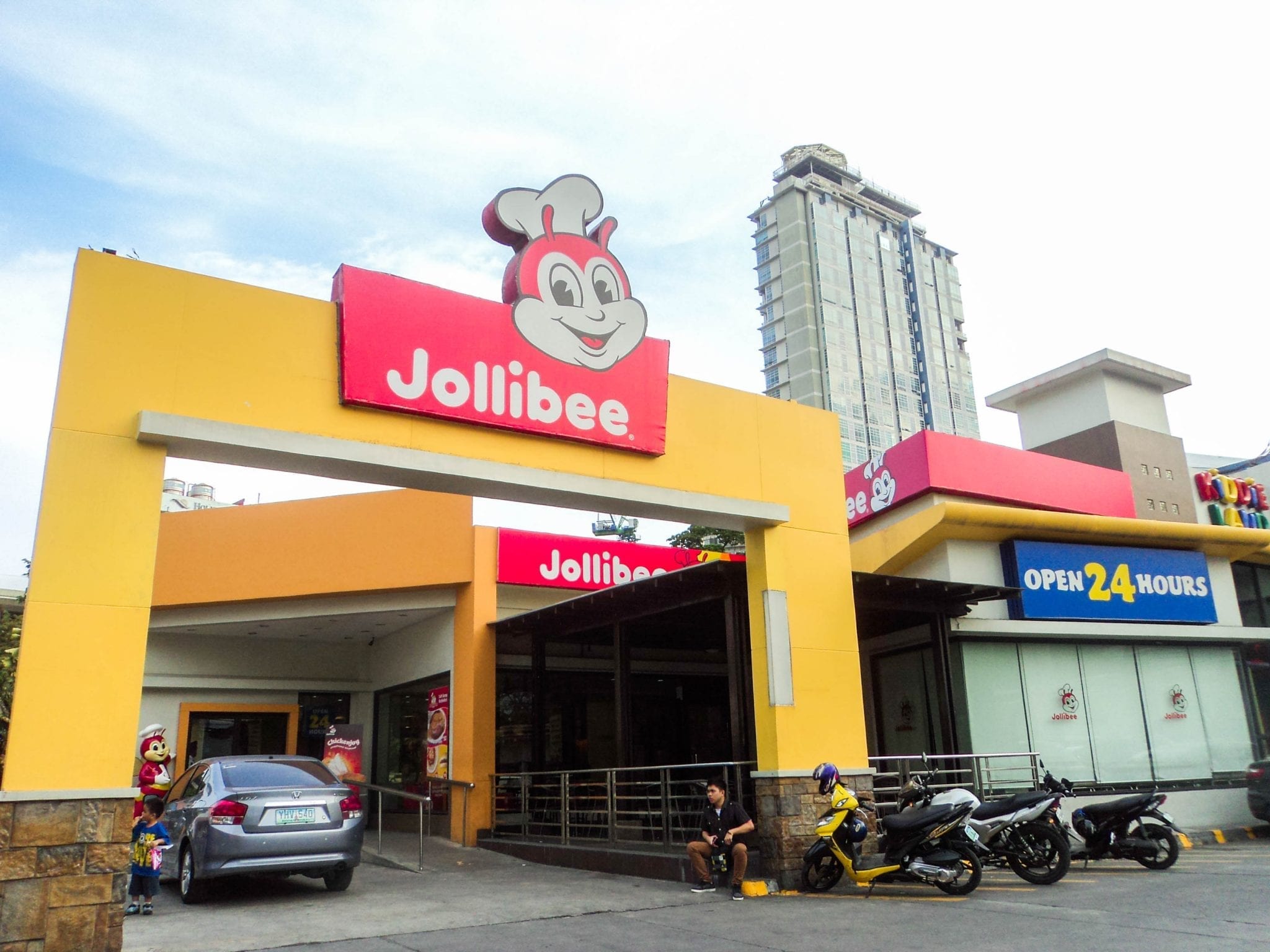
    Jollibee Foods Corp., Puregold Price Club, Inc. and Robinsons Retail Holdings Inc. were included among “Asia’s Fab 50 Companies,” compiled by Forbes Magazine.

    Companies are selected based on their record of revenues, operating earnings and return on capital over the last five years.

    “These 50 companies have solid financial track records, coupled with great management and entrepreneurial skill,” Forbes said in its website.

    China dominated the list with 21 companies, including frontrunner Alibaba Group Holding Ltd. The e-commerce giant has a market value of $242.5 billion.

    With three representatives on the list, the Philippines beat out countries like Australia, Indonesia, Japan, Malaysia, Thailand and Vietnam, with only one company each.

    The Philippine firms, however, still had considerably lower market value than their regional counterparts.

    Fast food company Jollibee was the largest among the three Philippine companies, with a market value of $5.9 billion. Other than the iconic Jollibee brand, it also owns Chowking, Greenwich, Red Ribbon, Mang Inasal, and Burger King in the country.

    Supermarket operator Puregold followed with $2.6 billion. The Lucio Co firm runs the Puregold and S&R Membership Shopping chains.

    Lastly, Robinsons Retail notched $2.5 billion. The company handles Robinsons’ supermarkets and department stores, as well as Ministop convenience stores, South Star Drug pharmacies, among others.

    Meanwhile, property developer SM Prime Holdings, Inc. was cited as one of “Asia’s Stars in the Making.”

    Forbes listed a dozen Asian companies “waiting in the wings” — just narrowly missing out on the Fab 50 for the year. These “rising stars” are considered “potential candidates in the coming years,” Forbes said in its website.

    The Sy-led SM Prime operates SM’s portfolio of shopping malls, residential properties, office buildings, and hotels.

  • China’s Growing E-Commerce Addiction

    China’s Growing E-Commerce Addiction

    I am admittedly an Amazon shopping addict, so it was interesting to have a long conversation recently with Chinese colleagues in Nanning about their own growing addictions to online shopping. They are big fans of Taobao, although they also use other e-commerce sites likeJD.com and Suning.com. My colleagues are representative of a larger trend of Chinese consumers shifting partly from brick-and-mortar shopping to online shopping, and expanding online shopping in its own right. E-commerce now represents a high-growth sector.

    Though relatively new to online shopping, Chinese consumers already make up for almost half of global online retail sales, and are only growing in numbers. Online retail sales amounted to $581.61 billion in 2015, surging 33.3% from the previous year. The volume of online sales in China now exceeds that in the US, and online sales are expected to grow 20% annually by 2020. Furthermore, online shoppers represent the vanguard of China’s growth story, since they tend to be young, urban, and highly educated. They have a different attitude toward shopping than older generations, which were shaped as savers by more challenging political and economic circumstances. Younger shoppers are more willing to spend.

    Compared to brick-and-mortar retailing in China, e-commerce sales often experience fewer licensing requirements and quicker customs clearance. As a result, e-commerce is to some extent replacing shopping in physical marketplaces, and will comprise 42% of growth in private consumption by 2020 according to Boston Consulting and AliResearch. For this reason and others, hypermarkets such as Carrefour and Walmart have shut down a number of stores. Online shopping also allows consumers to access products that are not available in stores, including organic foods and some luxury products from overseas.

    As consumers in Tier 1 and Tier 2 cities (think Beijing, Shanghai, but also Chongqing and Chengdu) become increasingly savvy online shoppers, there continues to be large potential for online sales particularly in Tier 3 and 4 cities. E-commerce penetration amounts to 89% in Tier 1 and 2 cities, but only amounts to 62% in Tier 3 and 4 cities, as per the McKinsey iConsumer China 2016 Survey. The online shopper base in Tier 3 and 4 cities is 257 million, a population number that is larger than that of almost all countries in the world (except India, China as a whole, and the United States). That is serious market potential.

    To keep up with increasing demand from smaller urban and rural areas, online retailers are seeking to expand logistics infrastructure and services. For example, Alibaba ’s logistics arm, Cainiao, now owns 180,000 express delivery stations for the shipment of products and has recently expanded its fresh food distribution centers across China. The firm recently completed its first external funding round and is expected to spend $16 billion over the next five to eight years to expand its network. Growth in China’s underdeveloped logistics sector can certainly be expected to accompany the expansion of e-commerce.

    *originally posted by Forbes

  • Asian retail leaders in Forbes most powerful businesswomen

    Asian retail leaders in Forbes most powerful businesswomen

    Two Asian retail leaders have been added to Forbes magazine’s annual list of 50 most powerful businesswomen in Asia – in The Philippines and Vietnam.

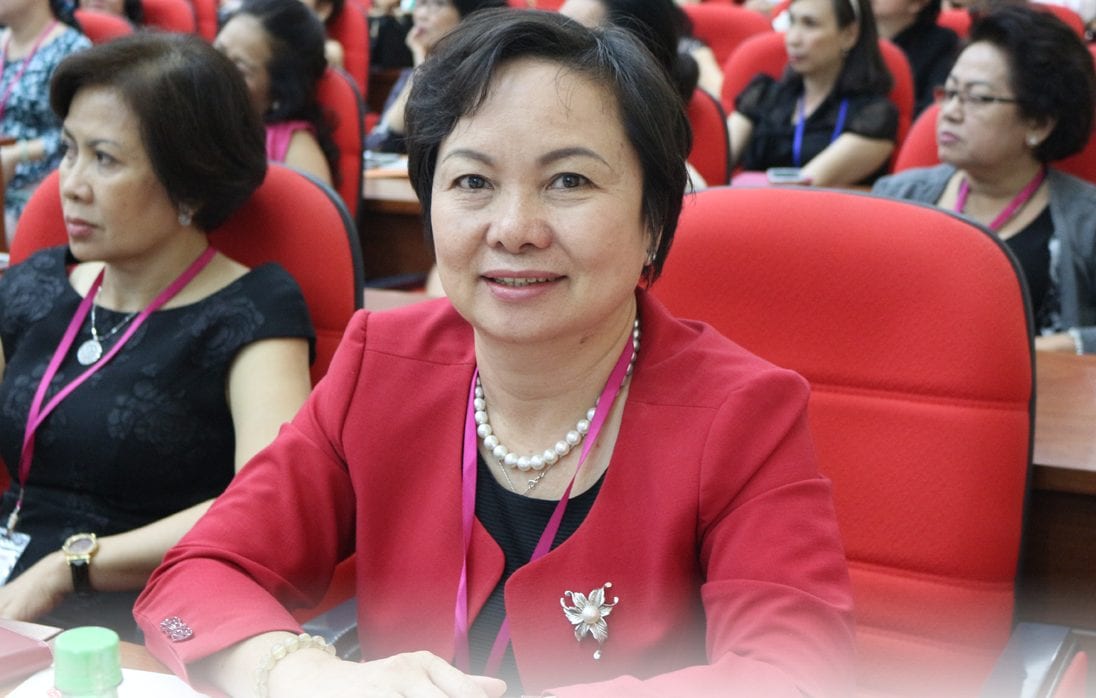
    They are Robina Gokongwei-Pe, the president and COO of Robinsons Retail Holdings, the second-largest multi-format retailer in The Philippines, and chairman/general director Cao Thi Ngoc Dung of Vietnam’s largest jewellery brand, PNJ, which she founded in 1998.

    Robinsons started as a department store in Manila in 1980, expanding into the supermarket business five years later. It entered the DIY business in 1994, the convenience store and specialty store businesses in 2000, and the drug store business in 2012.

    There are six business segments: supermarkets (Robinsons Supermarket and its two new subformats, Robinsons Easymart and Robinsons Selections); department stores (Robinsons Department Store); DIY stores (Handyman Do it Best, True Value, True Home by True Value, and the newly acquired big-box hardware subformat A.M. Builders’ Depot); convenience stores (Ministop); drugstores (South Star Drug and Manson Drug); and specialty stores (from consumer electronics and appliance retailer Robinsons Appliances and Savers Appliances to toys retailer Toys ’R’ Us, one-price-point retailer Daiso Japan, coffee chain Costa Coffee and international fashion brands such as Dorothy Perkins, Topman and Topshop, and international cosmetics brands such as Shiseido).

    Robina Gokongwei-Pe is also a director of Cebu Air, JG Summit Holdings, Robinsons Bank Corporation and Robinsons Land Corporation. She is a trustee of the Gokongwei Brothers Foundation, Immaculate Conception Academy Scholarship Fund and the Ramon Magsaysay Awards Foundation, and is also a member of the University of the Philippines Centennial Commission.

    After attending the University of the Philippines-Diliman, she obtained a Bachelor of Arts degree, majoring in journalism, from New York University in 1984. Pe joined the Robinsons group in 1984 as a management trainee. She is the daughter of the chairman and CEO of the company, John L Gokongwei Jr.

    Cao Thi Ngoc Dung founded PNJ as a store in 1998, and now has a 17 per cent stake of the company, which has more than 3000 employees in 200 stores. The group grossed $350 million in revenue and made a profit of $23 million in its latest trading year.

    Based in Ho Chi Minh City, PNJ opened its own jewellery factory in October 2012. A VND120 billion (US$ 5.38 million) investment, the factory has the capacity to produce 4 million items a year. PNJ’s national expansion started in 1994 with the establishment of a branch in Hanoi.

    This year’s Asia’s Power Businesswomen list represented 14 countries, with China and Hong Kong dominating (14 women), followed by India (8), Thailand (5) and Japan (4). Australia, Indonesia, Singapore and Vietnam each had three, while South Korea and The Philippines each had two. Macau, New Zealand and Taiwan had one each. There were 27 newcomers, about a quarter of them from the tech sector.