For 500 years the Forbidden City in central Beijing was the seat of power in imperial China. Today it is home to the Palace Museum, a tourist magnet that houses some of the country’s most treasured cultural relics from the Ming and Qing dynasties. But this shrine to the past is rapidly becoming a very modern fashion phenomenon thanks to a new range of beauty products that have proved a massive hit with young Chinese women.
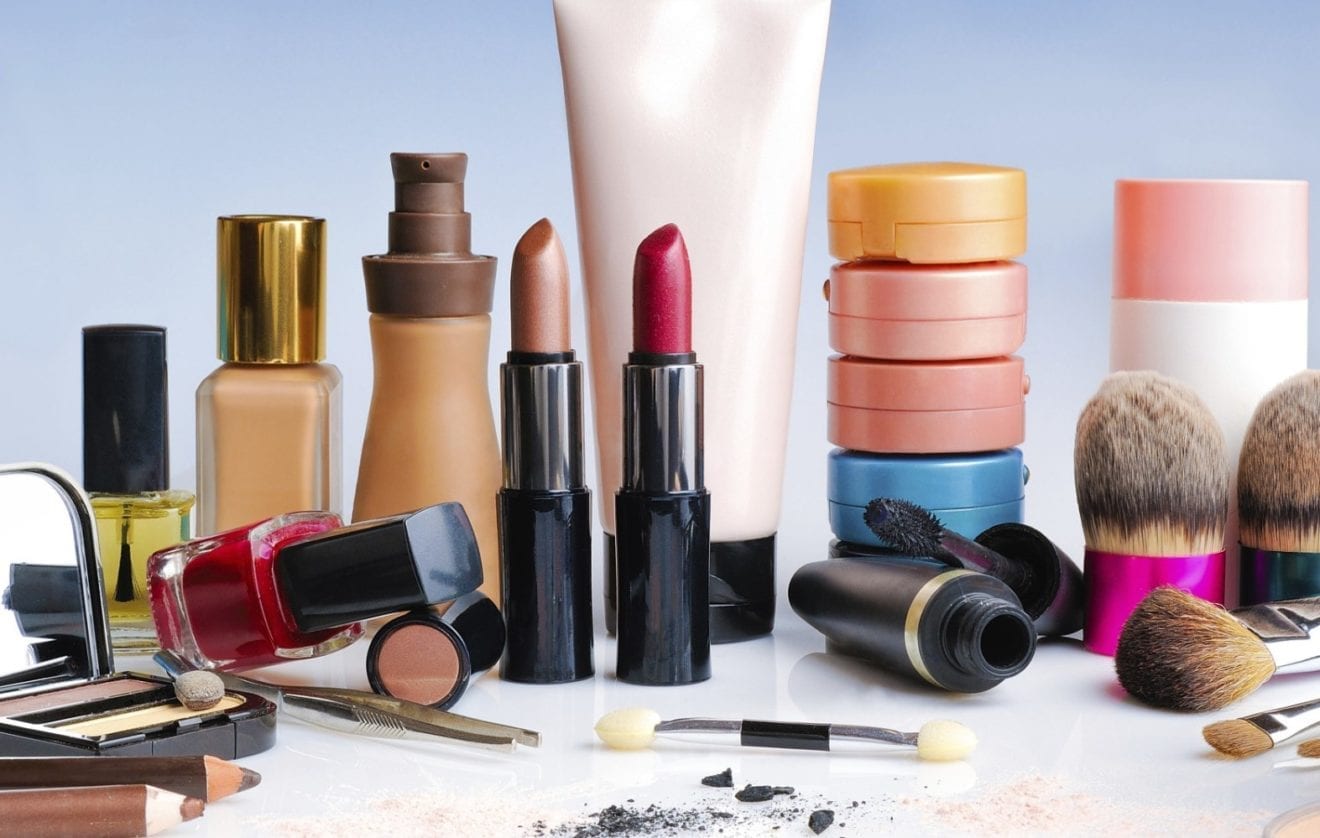
Online buyers snapped up more than 100,000 lipsticks developed by the Palace Museum within four days of their launch earlier this month, helping to turn the historic landmark into a trendy consumer brand.
What captured their hearts was the lipstick’s elegant packaging inspired by the national treasures on display in the museum – the lipstick tube bears patterns such as royal embroideries, antique furniture and fairy cranes – heavenly birds symbolising longevity.
Lizzy Wong, a 24-year-old from the southern metropolis of Guangzhou, is one of millions of loyal new fans of the Palace Museum.
“I bought them mainly for the beautiful cases. Their functionality doesn’t really matter to me,” Wong said. “We girls just can’t resist the charm of pretty designs.”

For several years, the former imperial palace has attracted something of a cult following by developing and selling its own original products, from Chinese-style paper tapes to modern essentials like phone cases, with designs or branding inspired by the past.
Before cosmetics, the Palace Museum found success with products which usually added a humorous twist to the serious traditional culture.
Veronica Wang, associate partner at OC&C Strategy Consultants, which specialises in consumer goods, said the Palace Museum has turned itself into something more than a brand.
“Young consumers are seeking things that are different and new. The Forbidden City captured this need,” Wang said.
The success of the make-up range hasn’t been without challenges. The museum has two online outlets, the Palace Museum Cultural and Creative Store – which is accessed via WeChat and the Palace Museum’s Taobao store, and this has caused some confusion.
The Palace Museum’s brand management was chaotic and would benefit from marketing and brand professionals, said Shaun Rein, the managing director of China Market Research Group.
“When you think of The Metropolitan Museum of Art (in New York), you know that the quality will be pretty good and authentic. But when it comes to the Forbidden City, we really don’t know what the position is,” he added.
Analysts also worry about whether the Palace Museum can replicate its past successes in the future.
“The sustainability of this success will depend on their products and capability to continually innovate,” said Wang.