Tag: foreign direct investment

  • Chinese Capital Pours 4.5 Billion Dollars into Vietnam Manufacturing

    Chinese Capital Pours 4.5 Billion Dollars into Vietnam Manufacturing

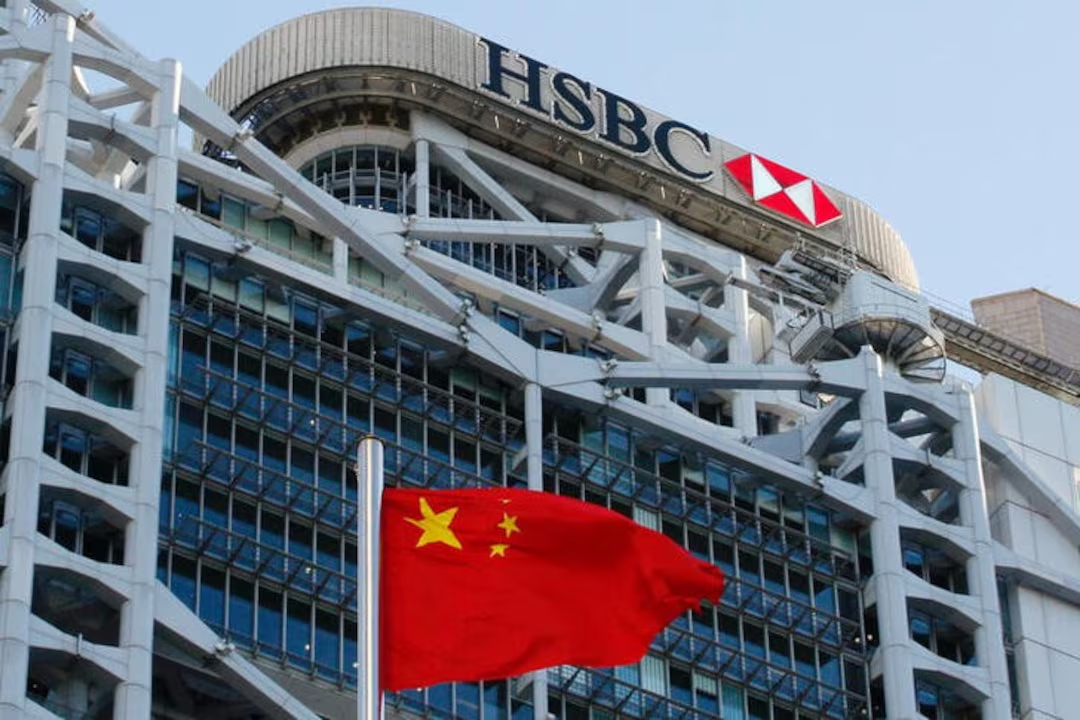
    Chinese and Hong Kong investors registered 4.5 billion dollars in capital across 1,104 new Vietnamese projects in the first nine months of 2026, targeting industrial supply lines.

    Bilateral trade between China and Vietnam expanded 37.6 per cent year on year to exceed 253 billion dollars during the same nine-month period, following a full-year total of more than 256 billion dollars in 2025.

    Factory Lines Take the Bulk of Inbound Funds

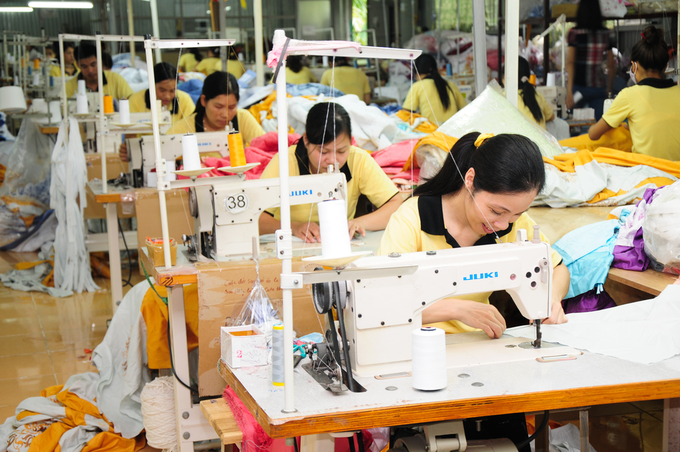
    Manufacturing absorbed 80.61 per cent of the registered capital committed by Chinese groups, placing China fourth among foreign direct investment sources in Vietnam. The figures, presented at the Autumn Economic Forum in Ho Chi Minh City, reveal an accelerating shift from basic merchandise exchange toward deep factory linkages.

    Cross-border commerce now relies on coordinated production networks rather than simple container shipments. Electronics assemblers and industrial component vendors are shifting sub-tier operations directly into Vietnamese industrial parks to retain tariff efficiency while drawing technical oversight from mainland supply hubs.

    Consulate Calls for Direct Process Integration

    Xu Shou, acting consul general of China in Ho Chi Minh City, said the two economies hold complementary industrial structures that demand technical coordination.

    Cooperation between Chinese and Vietnamese businesses has moved beyond traditional trade in goods into a new phase of supply chain coordination, technology exchange, and knowledge sharing

    Xu urged suppliers and downstream manufacturers to align quality control, factory automation, and workforce training. He also pressed for joint ventures in urban rail systems, digital trade infrastructure, and cross-border settlement channels.

    Sourcing Hubs Deepen Downstream Roots

    For consumer brands and contract electronics manufacturers operating across Southeast Asia, these capital commitments reduce the friction of sourcing raw components. Moving intermediate fabrication closer to Vietnamese assembly plants cuts lead times for export-bound goods, but it ties regional factory schedules even tighter to Chinese industrial design and material supplies.

    The operational risk sits squarely in logistics bottlenecks at overland crossing points. Factory operators face acute delays whenever northern border gates back up, which makes physical rail integration and unified technical customs standards the primary gating factor for factory productivity.

    Transport Corridors Form the Next Test

    Hanoi is pushing infrastructure projects to match the incoming industrial volume. Vietnamese Deputy Minister of Finance Nguyen Thi Bich Ngoc met with China’s State Council Research Office in late October, laying out five priority areas that feature the planned Lao Cai-Hanoi-Hai Phong railway line alongside smart border checkpoints.

    Regional conglomerates are building commercial networks around the trade flow. Sunwah Group, through its Sunwah Innovations unit established in 2020, runs business hubs across Ho Chi Minh City, Hanoi, and Da Nang to link early-stage technology and factory partnerships between domestic firms and mainland investors.

  • AmCham Pledges $5 Billion as Bangladesh Seeks US Healthcare Tie-Up

    AmCham Pledges $5 Billion as Bangladesh Seeks US Healthcare Tie-Up

    Bangladesh is courting US medical device makers for local assembly and technology transfer, backed by a national healthcare budget of roughly Tk 70,000 crore. The push aims to draw multinational manufacturers deeper into domestic supply chains rather than relying purely on direct imports.

    State Minister for Health and Family Welfare MA Muhit presented the proposal during an industry roundtable in Dhaka organised by the American Chamber of Commerce in Bangladesh in October 2026. AmCham President Syed Mohammad Kamal highlighted over $5 billion in existing investments and pledged to facilitate another $5 billion over the next five years.

    What Dhaka Wants from US Tech Providers

    Government officials want overseas suppliers to set up local assembly plants, train Bangladeshi engineers, and support equipment across its entire lifecycle. The initiative targets technical institutions including Bangladesh University of Engineering and Technology and the University of Dhaka to build domestic servicing capacity.

    Dhaka is also preparing a national digital monitoring dashboard and e-health system to track how state hospitals use medical machinery. Muhit told company executives that procurement must shift toward transparent contracts and structured after-sales support.

    Regulatory Roadblocks for Device Makers

    Multinational executives at the meeting pressed the government to remove persistent administrative bottlenecks at the Directorate General of Drug Administration. Lengthy approval cycles and import frictions continue to delay shipments of critical hospital equipment and replacement parts.

    AmCham submitted five specific policy demands to streamline market access. The business group called for separate DGDA guidelines for medical hardware, clear registration deadlines with parallel dossier reviews, and predictable maximum retail price formulas aligned with markup rules and the 7.5 percent value-added tax.

    Supply Chain and Tax Reforms

    Device suppliers face high import tariffs on spare components and burdensome customs procedures when sending damaged machinery abroad for maintenance. Industry leaders want tax rationalisation and simpler rules for re-exporting equipment for overseas repairs.

    Country heads from GE HealthCare, Medtronic, and Becton Dickinson attended the discussions alongside US Embassy commercial counsellor Paul Frost and DGDA director general Md Alamgir Hossain. For foreign vendors, local assembly offers protection against currency swings and import restrictions, but high tariffs on sub-assemblies still erode operating margins.

    The Next Regulatory Step

    Dhaka previously lowered select healthcare duties to ease hospital costs, yet device classification rules remain tied to general pharmaceutical standards. That shared framework creates administrative backlogs because diagnostic hardware requires different safety certifications than consumer drugs.

    AmCham is now organising a joint technical workshop with the DGDA and Western medical device manufacturers to draft an international-standard regulatory framework for hospital technology.

  • Hong Kong to Host 21 APEC Economies for 2026 Finance Ministers’ Meeting

    Hong Kong to Host 21 APEC Economies for 2026 Finance Ministers’ Meeting

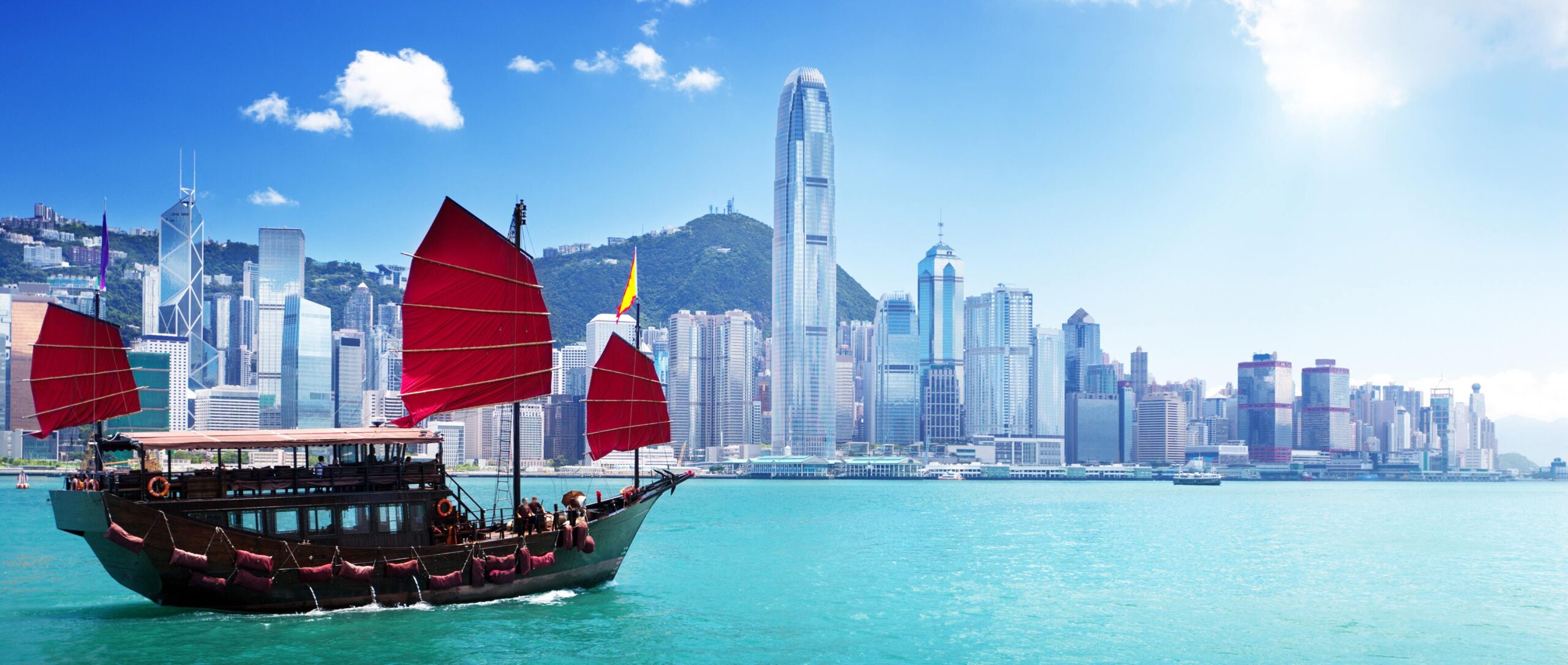
    Hong Kong will stage the Asia-Pacific Economic Cooperation (APEC) 2026 Finance Ministers’ Meeting for the first time from October 20 to 21, hosting delegates from 21 member economies.

    Gathering at the Hong Kong Convention and Exhibition Centre, finance ministers and leading financial institution representatives will meet as part of the wider APEC China 2026 event hosted by the Ministry of Finance, with Financial Secretary Paul Chan Mo-po highlighting the city’s role as a regional connector.

    Trade exposure and direct investment flows

    Total foreign direct investment inflows into APEC economies reached an estimated US$956.3 billion in 2024, with more than US$126 billion flowing into Hong Kong, while member economies collectively accounted for 62 per cent of global gross domestic product in 2021, or US$67.7 trillion.

    Financial Secretary Paul Chan Mo-po noted that the ministerial sessions will center on four core tracks: fiscal policy, digital infrastructure funding, inclusive finance, and talent development. The agenda also covers small-business financing and productivity measures across member markets.

    Capital deployment across regional supply chains

    For cross-border operators and retail conglomerates, the ministerial agenda directly touches liquidity and transaction friction. Supply chain realignment across Asia has forced corporate treasurers to diversify trade settlements and manage currency volatility across multiple jurisdictions. Hong Kong is using the talks to position its debt markets and clearing systems as the primary conduit for those reconfigured trade corridors.

    Commercial banks face tighter regulatory scrutiny across regional corridors, making common standards on digital infrastructure financing a practical priority for lenders. If delegates align on cross-border payment platforms and green bond standards, regional retail chains and consumer goods suppliers could see lower borrowing spreads for sustainability linked projects.

    Green debt issuance and capital market rankings

    Green and sustainable debt issuance in Hong Kong exceeded US$76 billion in 2025, with approximately US$38 billion arranged as green and sustainable bonds. That pool of capital gives commercial developers and infrastructure operators access to institutional funds seeking low-carbon transition assets.

    Andrew Weir, vice-chairman of the Hong Kong Financial Services Development Council, pointed to the city’s concentration of advisory and legal firms as a structural advantage during periods of market friction. “It’s a great opportunity to clarify any areas of potential misunderstanding or clarify areas of collaboration which need deeper engagement,” Weir said.

    Strategic policy rollout before October summit

    The October summit follows the release of the Hong Kong government’s five-year economic blueprint in September. That development strategy prioritizes offshore yuan liquidity, deeper capital market links with the mainland, and expanded wealth management infrastructure. The Global Financial Centres Index ranked Hong Kong third worldwide behind New York and London in the same month.

    Finance ministers and central bank representatives will convene on October 20 to finalize joint policy recommendations on digital trade infrastructure and multilateral green funding mechanisms.

  • Thailand Plans Foreign Investment Push to Lift Economic Growth to 3%

    Thailand Plans Foreign Investment Push to Lift Economic Growth to 3%

    Thailand plans to lift economic growth to 3 per cent within three years by channeling foreign investment into data centres, semiconductors and electric vehicle manufacturing.

    The target comes after Southeast Asia’s second-largest economy grew at an annual average of just 2.34 per cent over the past five years, trailing the faster recoveries posted by regional neighbours.

    Thai Finance Minister Ekniti Nitithanprapas outlined the investment-led strategy ahead of Bangkok hosting the annual meetings of the International Monetary Fund and the World Bank next week. The government is directing capital incentives toward energy-heavy high-tech sectors while investing in renewable power to support incoming factories and server farms.

    Investment ratio drops after 1997 crisis

    Capital spending across the country has never fully regained the share of economic output it held before the 1997 Asian financial crisis, when Bangkok devalued the baht and sought an IMF bailout.

    “After the financial crisis, our investment-to-GDP has declined to around 22% to 23% at the moment. So that’s why our growth momentum has been so slow,” Ekniti said in an interview.

    Rebuilding that baseline forms the core of the current ministerial agenda, but the fiscal room for state stimulus remains constrained. Thailand’s public debt-to-GDP ratio is approaching the official statutory cap of 70 per cent, limiting direct government spending programmes.

    Central bank divergence and consumer debt

    The Ministry of Finance faces a more cautious assessment from the Bank of Thailand, which estimates the country’s potential growth rate at 2.7 per cent. The central bank projects that reaching even that lower expansion rate will take at least four years of structural adjustment.

    Commercial banks and store operators face immediate drag from elevated household debt levels that curb discretionary consumer spending across retail formats. Weaker tourist arrivals have compounded pressure on urban malls and hospitality venues that rely on foreign footfall to offset sluggish domestic purchases.

    Unresolved bilateral trade negotiations with Washington create further export friction for electronics and component suppliers looking to scale up production runs.

    Tech and electric vehicle supply chains

    Industrial developers across the Eastern Economic Corridor have pivoted land allocations toward clean energy infrastructure to accommodate overseas semiconductor and cloud infrastructure groups. These capital-intensive installations demand stable power supplies that traditional local grids cannot deliver without renewable additions.

    Automotive assemblers in Thailand must also transition established internal combustion engine lines to battery-powered vehicles without forfeiting their established regional export volumes. Japanese automakers that dominated local factory floors for decades now face direct competition from expanding Chinese electric vehicle brands establishing assembly hubs around Rayong and Chonburi.

    Outlook improves after February elections

    Credit rating agencies have recognized signs of political stability following the general elections held in February 2026. Fitch Ratings revised Thailand’s sovereign outlook to stable from negative, citing reduced deflationary pressures and greater policy predictability despite broader global energy shocks.

    External headwinds remain acute as global institutions warn that persistent energy volatility, record public debt loads and surging artificial intelligence capital requirements test emerging market fiscal buffers.

    Delegates gather at the Queen Sirikit National Convention Center next week for the IMF-World Bank meetings, where Thai officials will present their foreign investment roadmap to international lenders and corporate executives.

  • HSBC Targets Thailand-Japan Corridor as FDI Stock Hits $104 Billion

    HSBC Targets Thailand-Japan Corridor as FDI Stock Hits $104 Billion

    HSBC expanded banking services across the Thailand-Japan corridor as Japanese foreign direct investment stock in the Southeast Asian economy reached $104 billion.

    Japanese capital represents more than a quarter of Thailand’s total foreign direct investment base, backed by more than 6,000 Japanese companies operating across the country.

    The push comes as Japanese corporations allocate fresh capital to Southeast Asian supply chains. Japanese firms invested $1.2 billion in Thailand in 2025 and committed another $1.1 billion through June 2026, targeting operations that serve both regional and global supply chains. Takeo Kaneko, chief executive and head of banking at HSBC Group Japan, visited Bangkok to meet commercial clients alongside Giorgio Gamba, chief executive and head of banking at HSBC Thailand.

    Shifting Capital Beyond Traditional Manufacturing

    Bilateral commerce between the two nations reached substantial volumes in 2025. Japan took $23.6 billion of Thai exports as Bangkok’s third-largest export destination and delivered $29.7 billion in goods as its second-largest source of imports. Trade between the two countries has more than tripled since 1998.

    Corporate investments are shifting away from basic assembly lines toward higher-value manufacturing and technology. Capital flows increasingly target electric vehicles, advanced electronics, smart appliances, digital infrastructure, and renewable energy transition projects. Both markets are pushing domestic industrial bases up the value chain to protect margins against rising labour costs elsewhere in Asia.

    For consumer brands and component suppliers, this migration changes factory floor requirements and vendor networks. Japanese automotive and electronics manufacturers in Thailand are retooling facilities for battery electric platforms and energy-efficient appliances, forcing local component vendors to meet stricter technological standards or risk displacement by regional competitors.

    Regional Networks and Multi-Market Expansion

    Kaneko’s Bangkok stop formed part of a regional tour covering Indonesia, Malaysia, Singapore, and Thailand. Japanese multinationals are no longer treating Thailand as a single standalone production outpost. Instead, corporate treasurers are linking Thai manufacturing hubs with logistics networks in Malaysia and regional treasury headquarters in Singapore.

    Managing operations across multiple Southeast Asian jurisdictions creates specific balance-sheet demands for corporate treasurers. Companies require cross-border cash pooling, trade finance, foreign exchange risk mitigation, and supply chain liquidity that function across multiple regulatory regimes simultaneously.

    What we are seeing now is a more complex expansion agenda: regional supply chains are being redesigned, technology and sustainability are reshaping production models, and companies are looking for partners who can support them across multiple markets, not just one.

    Long-Standing Ties and Industrial Reorganisation

    Decades of bilateral industrial integration laid the groundwork for the current investment volumes. Japanese automotive assemblers and consumer electronics groups began establishing Thai production clusters in the 1980s, turning the country into an export base for the broader Association of Southeast Asian Nations. HSBC has operated in both Japan and Thailand for more than 135 years.

    Commercial ties are expanding ahead of the 140th anniversary of formal Thailand-Japan diplomatic relations in 2027. Corporate treasurers and lenders are now tracking whether the $1.1 billion in commitments recorded in the first half of 2026 converts into completed factory retooling projects before year-end.

  • Vietnam Enters Global Top 10 for Property Transparency Gains

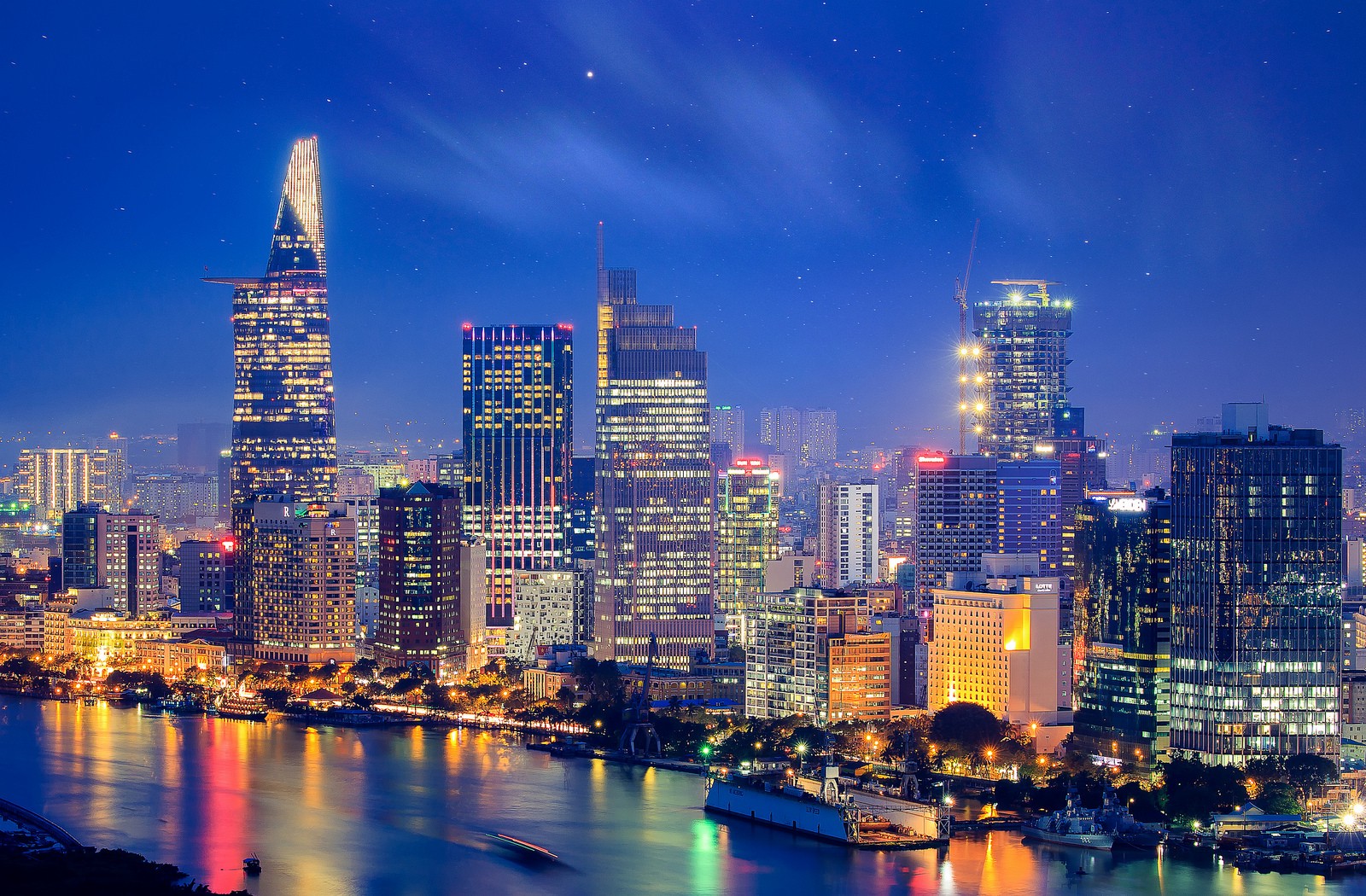
    Vietnam Enters Global Top 10 for Property Transparency Gains

    Vietnam ranked among the world’s ten most improved real estate markets for transparency between 2024 and 2026, according to JLL’s latest global transparency index. The country placed 50th among 88 evaluated territories with a composite transparency score of 3.15, keeping its position in the semi-transparent tier.

    Asia-Pacific led global transparency advances over the two-year cycle, claiming five of the top ten improvement spots alongside India, South Korea, Australia and Thailand. Poland, Qatar, Saudi Arabia, Dubai and Abu Dhabi completed the global top ten list. Improving market clarity helped direct cross-border property transactions across the region hit record levels during the past 12 months.

    Regulatory Overhaul Drives Commercial Clarity

    Vietnam’s upward trajectory follows the implementation of overhauled legal frameworks governing land, housing and real estate business that took effect in 2024. The legislative changes tightened market conduct by requiring property transactions to clear through formal banking channels and mandating verifiable transaction trails.

    Valuation practices also faced stricter scrutiny under the revised Law on Price. The rules require certified valuation professionals and clear audit trails for commercial asset pricing, replacing informal assessment methods that previously clouded asset underwriting.

    Administrative reforms accelerated in 2026 with Decree 357, which regulates the construction, management and operation of nationwide housing and property information systems. The mandate establishes a formal framework to compile comprehensive transaction registries into a single repository by the end of 2026.

    Valuation Gaps and Institutional Friction

    Data fragmentation continues to impose measurable transaction costs on cross-border capital deploying into Vietnamese commercial real estate. Valuation accuracy across semi-transparent markets sits at roughly 70 per cent, with transaction assessments taking up to 20 days to complete.

    Highly transparent markets operate under an entirely different speed and precision profile. In jurisdictions where asset registries and lease disclosures are open to the public, valuation accuracy reaches 90 per cent and execution cycles take five to ten days.

    Narrowing this performance gap requires completing digital land registries, setting up a unified national title database and enforcing international valuation benchmarks across domestic institutions. Institutional investors also require deeper coverage of commercial debt markets and broader adoption of certified green building standards before raising core fund allocations.

    Regional Standing and Capital Flows

    Southeast Asian peers continue to hold varying positions along the transparency scale. Singapore remains the regional benchmark with a top-tier score of 1.9, followed by Thailand at 2.48, Malaysia at 2.56, Indonesia at 2.74 and the Philippines at 2.94.

    Vietnam’s steady ascent from a low-transparency classification before 2020 reflects deliberate structural repositioning. The initial catalyst emerged in 2016 when the government entered the Trans-Pacific Partnership negotiations and committed to building a centralized real estate database.

    Capital allocations have responded directly to the institutional cleanup. Registered foreign direct investment in Vietnam totaled 38.1 billion dollars in the first seven months of 2026, matching full-year tallies from previous cycles and marking a ten-year peak in inbound commitments.

    The fact that Vietnam is ranked among the global top 10 markets with the strongest improvements in transparency is the result of a long and sustained process.

    Next Benchmarks for Market Infrastructure

    For institutional retailers, mall developers and logistics operators, transparent title registries reduce the legal drag that historically stalled greenfield site acquisition and store rollout schedules. Better asset pricing data allows retail landlords to structure verifiable commercial leases and debt facilities without relying on excessive risk discounts.

    The principal operational test now sits with local municipal governments responsible for digitizing cadastral archives ahead of the December 2026 national database deadline. Investors will track whether commercial credit exposure data and listed property company disclosures meet international transparency standards during the upcoming reporting period.

  • Carrefour Returns to India with 50,000-Square-Foot Greater Noida Flagship

    Carrefour Returns to India with 50,000-Square-Foot Greater Noida Flagship

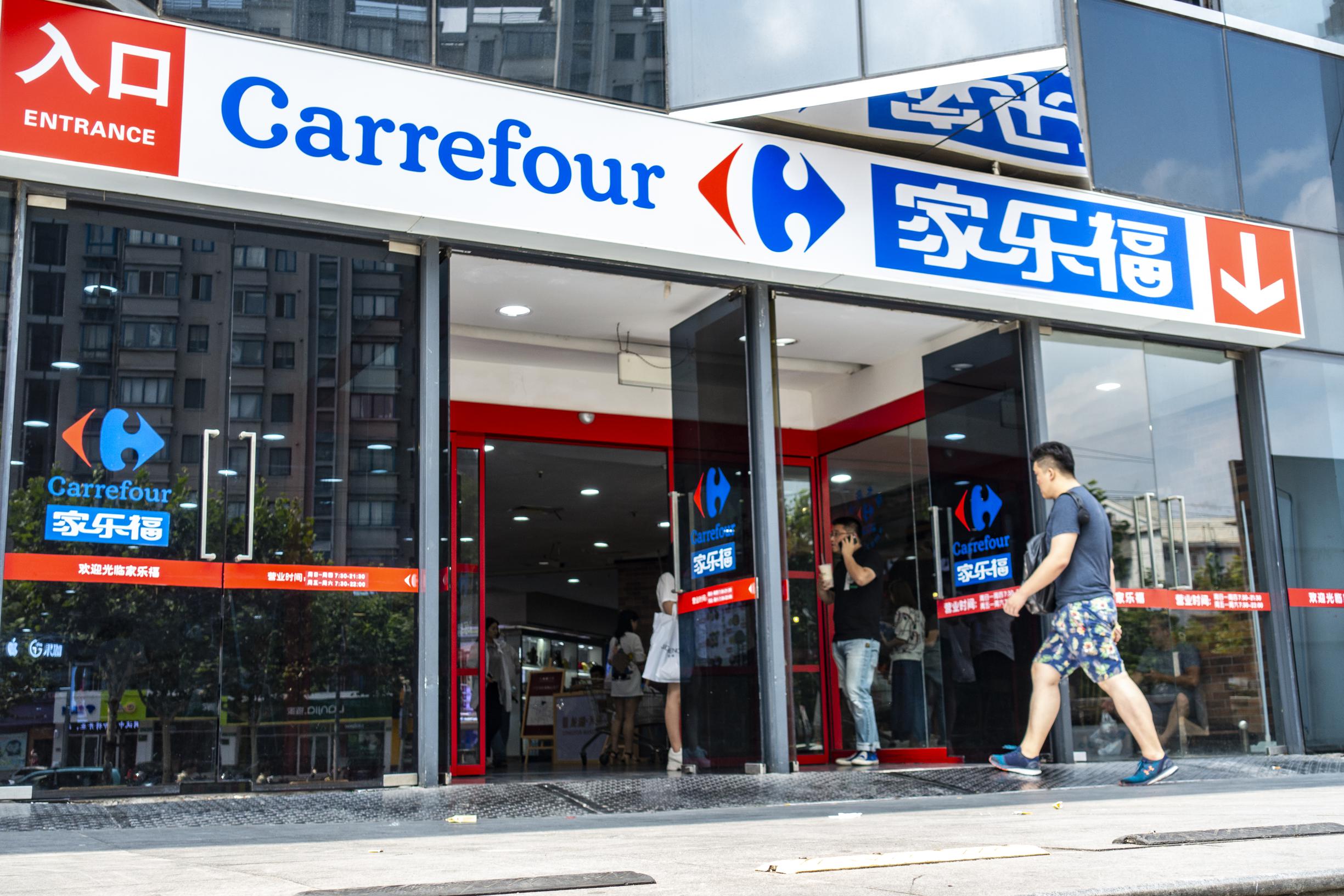
    French grocer Carrefour opened a 50,000-square-foot flagship store in Greater Noida West, returning to the Indian market a decade after shutting down its initial operations.

    The outlet at Boulevard Walk mall stocks more than 15,000 products across fresh food, groceries and household essentials under a franchise pact with Dubai-based Apparel Group.

    Apparel Group, which manages more than 300 fashion and lifestyle stores across 50 Indian cities, will run the local stores and supply chain. The partnership combines Carrefour’s private labels and imported lines with locally sourced goods to build an omnichannel grocery network across North India.

    A Second Run at Multi-Brand Grocery

    Carrefour first set foot in India in 2010 under the government’s cash-and-carry wholesale regulations. It closed its five wholesale depots and left in 2014 after failing to secure a domestic partner to navigate foreign investment limits in multi-brand retail.

    Foreign supermarket chains have long found India difficult to penetrate because of strict ownership caps and entrenched local distributors. While Walmart shifted entirely to wholesale and e-commerce through Flipkart, Carrefour is using a regional master franchisee to shoulder real estate commitments and store-level operations.

    Scaling North India Distribution

    Apparel Group owner APPCORP Holding, led by chairman Nilesh Ved, is using the Greater Noida site as a launchpad to expand Carrefour into additional northern urban clusters.

    The joint venture will now establish dedicated supply chain hubs to support planned store openings across Uttar Pradesh and the National Capital Region.