Retail News CRM

Tag: Foxconn

  • Foxconn workers earn more building the Mate 60 Pro than the iPhone 15 line

    Foxconn workers earn more building the Mate 60 Pro than the iPhone 15 line

    The Huawei Mate 60 Pro is getting a serious look from U.S. government officials who are trying to figure out how Huawei and SMIC (China’s largest foundry) created 7nm Kirin 9000S 5G chipsets in the face of U.S. sanctions. Huawei is not allowed to be shipped any cutting-edge chips made by any chip foundry that uses American technology to produce chips.

    As a result, Huawei’s flagship Mate 50 series and P60 series used Qualcomm’s Snapdragon 8+ Gen 1 application processor after the company obtained a license to import the components. However, Qualcomm was forced to tweak these chips so that they would not work with 5G networks. But out of nowhere, the Mate 60 Pro uses chips produced by SMIC using its second-gen 7nm process node and these chips support 5G.

    The other phone under intense scrutiny, but for a different reason, is the iPhone 15. Apple just unveiled the four new models in the series and worldwide phone buyers are taking a hard look at the new handsets to see which models they want to buy. They also want to see the new USB-C port on the devices.

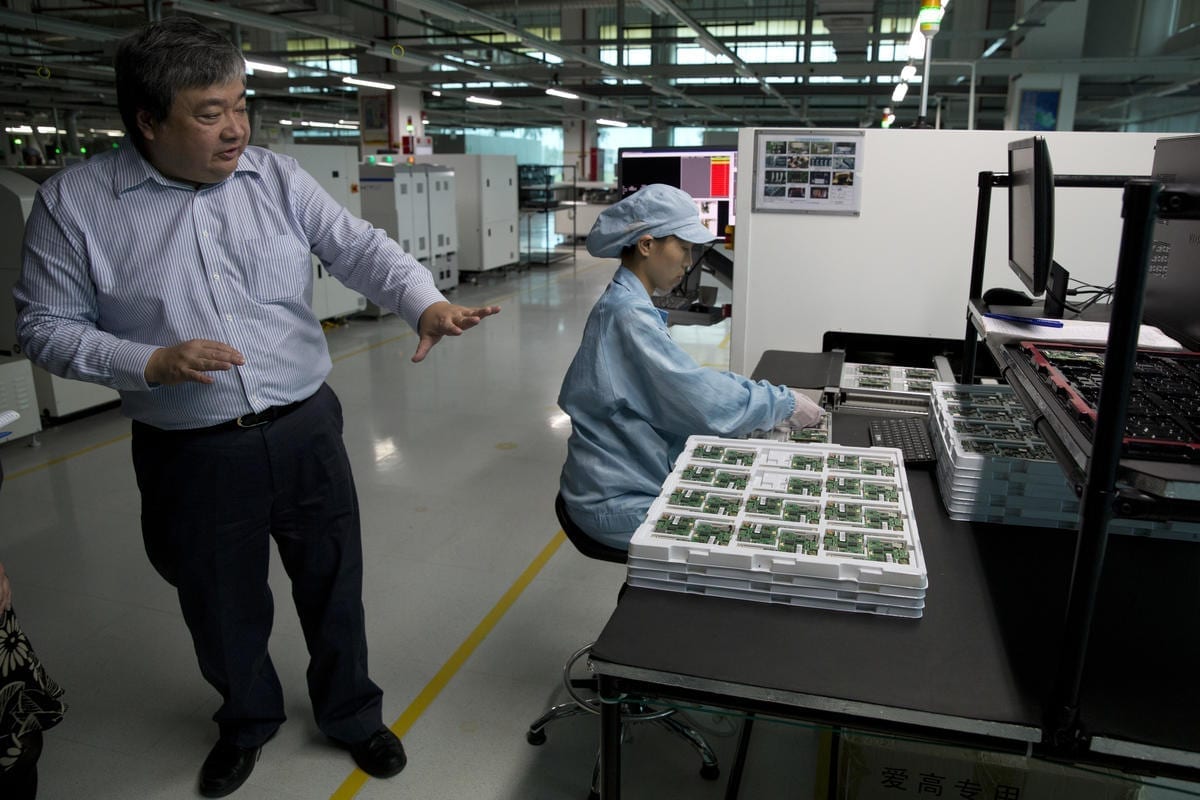
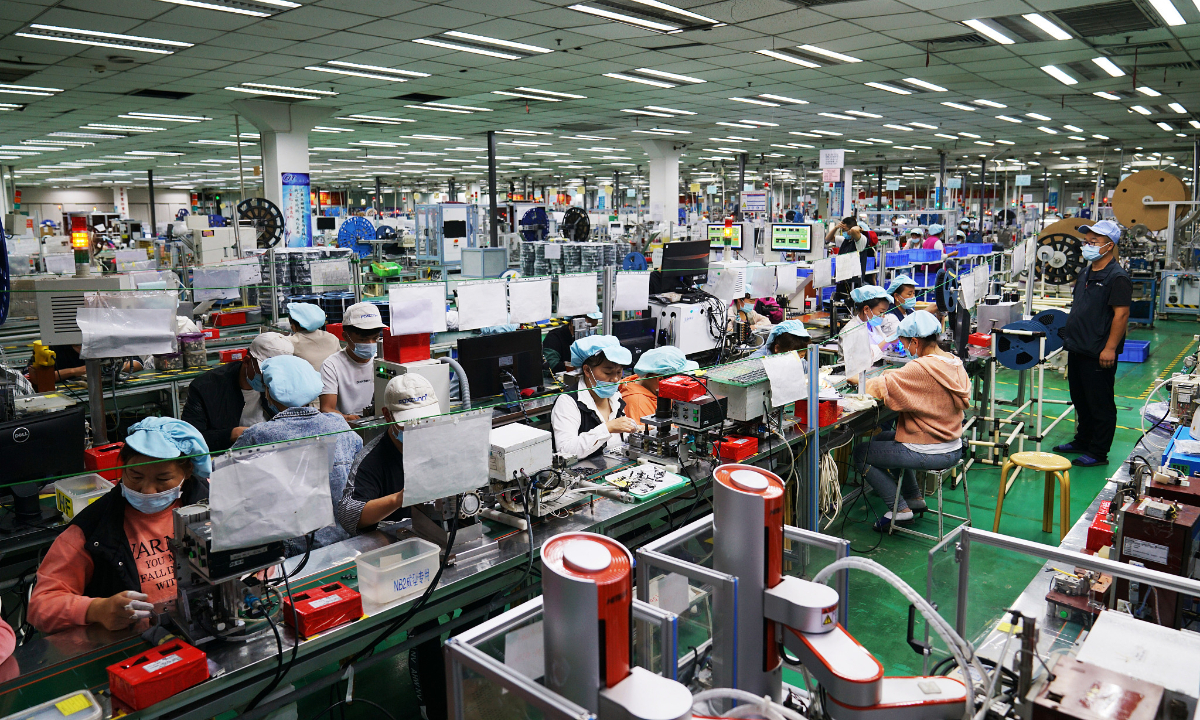
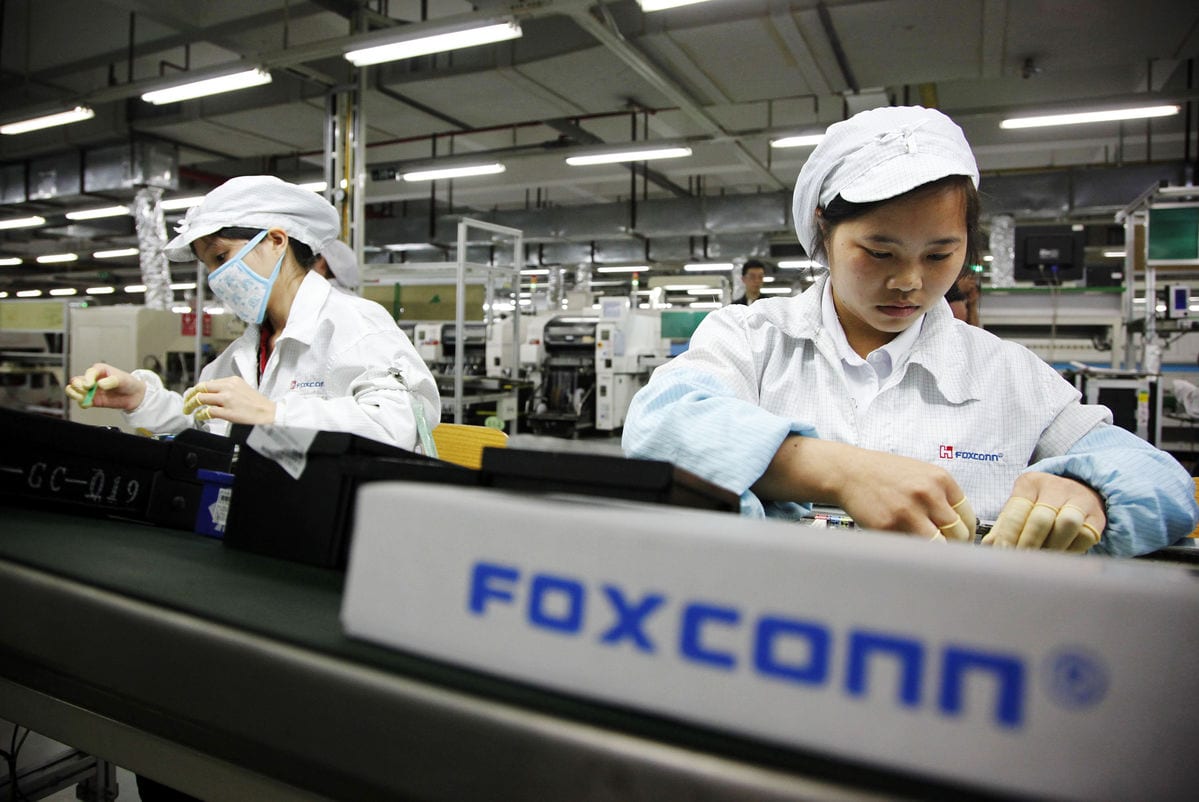
    Interestingly, in China, both the Mate 60 Pro and iPhone are assembled by the same contract manufacturer, Foxconn. And the Foxconn unit that assembles Huawei phones is paying its workers more than the unit that assembles the iPhone.

    Two recruitment agents told SCMP that Foxconn’s FIH division, a subsidiary that used to be known as Foxconn International Holdings, was offering new workers last week 26 yuan an hour ($3.60) to help assemble the Mate 60 Pro at the Foxconn factory in Shenzhen’s Longhua district. Meanwhile, workers helping to assemble the iPhone at Foxconn’s integrated Digital Product Business Group (iDPBG) are making 21 yuan an hour ($2.88), or 19.2% less than those building the Mate 60 Pro.

    A recruitment agent with the surname Xu in Shenzhen said, “The new hires will know what phone they are making after the factory allocates them to different teams based on current demand, but these days they have a higher chance of making handsets for Huawei.” The agent went on to say that those making the iPhone make less than those working for Foxconn’s FIH unit because the iPhone production unit offers more welfare benefits for workers.

    In Zhengzhou, home to the largest iPhone factory in the world, Foxconn is offering workers a peak signing bonus of 6,480 yuan ($888.35). Meanwhile, this year could be one of the toughest launches for the iPhone in China. Not only did the introduction of the Huawei Mate 60 Pro unleash a wave of nationalistic pride in the country, but the CCP banned the iPhone from being used in government offices citing security issues with the phone.

    Just the other day, reliable analyst Ming-Chi Kuo pointed out that Apple doesn’t market the iPhone to those working in government offices and stated that people in China who buy Huawei phones do not buy the iPhone. As a result, he didn’t change his estimate of iPhone shipments for the rest of this year.
  • Foxconn investing in other countries helps Apple diversify iPhone production out of China

    Foxconn investing in other countries helps Apple diversify iPhone production out of China

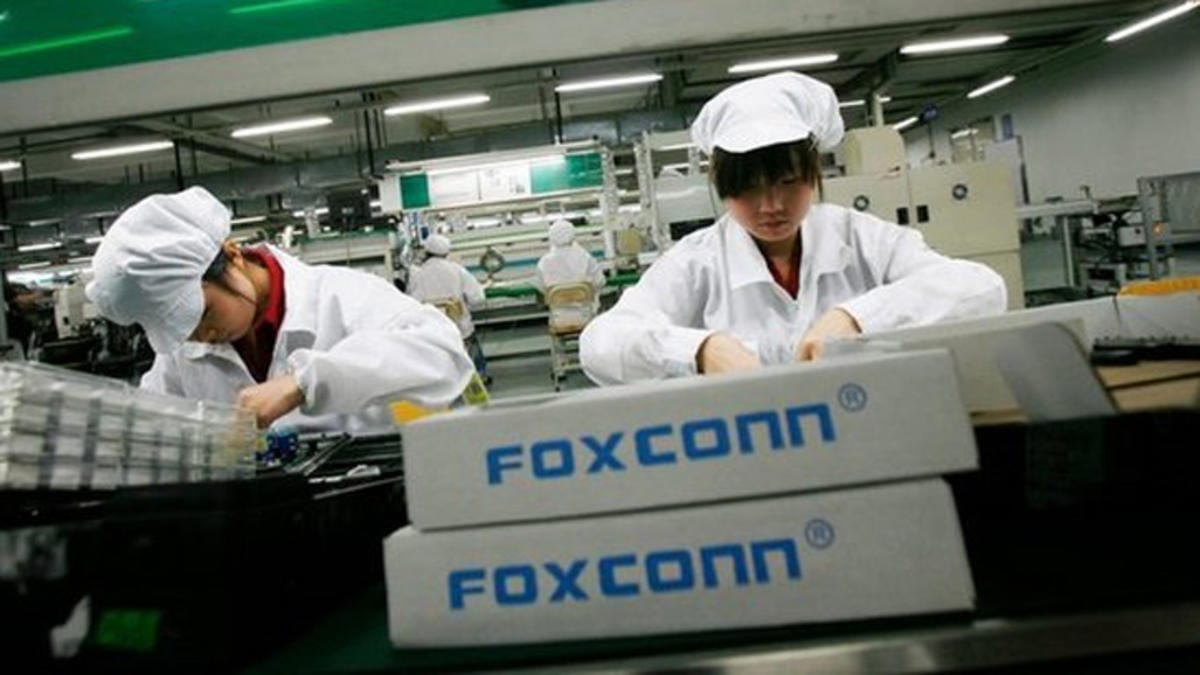
    Apple would love to diversify iPhone production out of China. Not only is Apple concerned about the region in terms of geopolitics, it is also worried about the Chinese government doing things like cracking down on COVID like it did last month in Zhengzhou where contract manufacturer Foxconn has its largest iPhone factory. As a result, workers started leaving the campus forcing Apple to admit that consumers will face a delay in receiving ordered iPhone 14 Pro and iPhone 14 Pro Max models now through the beginning of next year.
    At the beginning of this month, China started to relax its COVID crackdown and Foxconn says that it will soon allow workers at the Zhengzhou facility to return to their rental apartments just outside the campus. During the crackdown, Foxconn refused to allow workers on campus to eat in the company dining room and forced them to consume their meals inside their dorms.
    Apple can’t just pick up iPhone production and move it to another country. It needs to find an area where factories can be built, qualified workers can be found, and suppliers are nearby to deliver components in the quantity and quality that Apple needs. One country where Foxconn already builds certain iPhone models is India. Originally, Foxconn built older iPhone models in the country to avoid an import tax on units shipped into the country.
    Foxconn has been producing the iPhone 14 in India and wants to assemble more current models, some for global distribution. Last month, Foxconn announced that it was planning to increase the headcount at its Indian factory from 17,000 to 70,000 over the next two years.
    Foxconn has invested $500 million in its Indian subsidiary. The company was able to inject the cash into Foxconn Hon Hai Technology India Mega Development Private Limited from its Foxconn Singapore Pte Ltd. unit.

    Apple has to be concerned. With production in Zhengzhou using just 20% of its manufacturing capacity in November (says TF International’s reliable analyst Ming-Chi Kuo), the iPhone 14 Pro series is going to be in short supply this month and into January. That’s not good, especially when you’re in the holiday shopping season. This month, Kuo expects Foxconn to utilize 30% to 40% of its iPhone 14 Pro production capacity in Zhengzhou. That’s better, but still far from normal.

    Besides investing in India, back in August Foxconn agreed to sink $300,000 into a plant in Vietnam that will expand production there. Vietnam is another country, besides India, that Apple has reportedly considered as a replacement for China.
    Apple is getting more aggressive with its plans to move out of China completely. The article mentioned a couple of countries that we’ve discussed often as possible landing places for iPhone production (and we even mentioned the pair in this article), India and Vietnam.
    Foxconn appears to be spreading its investments all over the place. Last week it spent $58.98 million on an investment in the Czech Republic. That is where the manufacturer makes smartphones, displays, and cloud servers. Foxconn also has research and development centers in that region. At the same time, Foxconn put $142 million into its unit in Taiyuan, China which it considers a long-term investment.

    Apple is already moving some chip production from Taiwan to TSMC’s U.S. fabs in Arizona. One facility will produce 4nm chips starting in 2024 while the second plant will go online in 2026 and churn out 3nm chipsets. Apple CEO Tim Cook spoke during a TSMC press conference held in Arizona last week and confirmed that Apple plans on buying chips made in the U.S.A. by TSMC.

    Apple is hoping that in five years, its supply chain looks a lot different than it does now.
  • Foxconn chaos to leave Apple short 6 million iPhone 14 Pro and Pro Max units this year

    Foxconn chaos to leave Apple short 6 million iPhone 14 Pro and Pro Max units this year

    We’ve closely monitored the events at Foxconn’s largest iPhone assembly facility in Zhangzhou, China. The factory reportedly produces half of the iPhone units made worldwide, and this year the plant is turning out iPhone 14 Pro and iPhone 14 Pro Max models. But production has slowed thanks to the exodus of workers who weren’t enamored with China’s COVID lockdown in the city.
    COVID has returned to China, forcing the country to lockdown certain areas. As a result, Foxconn now bans the consumption of meals in the communal dining room, forcing everyone to eat in their dorm. Workers also felt closed in, forced to stay on campus 24/7. After a large number of workers escaped, even Apple had to admit that the production of its pricier iPhone 14 Pro models this quarter would be less than expected. Apple did not specifically give an estimate of how many units it will be short but it did say, “customers will experience longer wait times to receive their new products.” Some reports called for as much as a 33% shortfall.
    Foxconn tried to entice new and former workers to man the assembly lines by offering bonuses for employees who stay for 30 and 60 days, and the Chinese government asked veterans and Communist party members to recruit new employees for Foxconn. And all of these things, the bonuses and the pressure from the government might have worked until last Tuesday night. That’s when a major clash between workers and security guards at the Foxconn grounds in Zhengzhou occurred.

    Workers said that the contracts they were offered would have paid them bonuses only after more than 60 days had gone by, and the employees also said that they weren’t being separated far enough away from older workers who might have COVID. In an attempt to quell the violence, Foxconn offered new employees cash to quit their jobs and leave the Foxconn campus. The company later said that a “technical error” was made relating to the bonuses and it apologized. Supposedly, 20,000 workers took the offer.

    Today, a new report from Bloomberg gives us a better idea about how Apple will be impacted by the chaos we’ve seen in Zhengzhou. The report indicates that Apple will be short nearly 6 million iPhone 14 Pro units this year. And make no mistake about it, the iPhone 14 Pro and iPhone 14 Pro Max are the more expensive 2022 iPhone models. Apple could take a $6 billion revenue hit during the current quarter. That would be 8.4% of the $71.6 billion in iPhone revenue generated during the fiscal first quarter of 2022 (October-December 2021).

    Considering that this shortfall would occur during the holiday shopping season, consumers worldwide could end up frustrated in their attempt to purchase one of the 14 Pro models as a holiday gift. Two weeks ago, even before the issues in Zhengzhou reached a fever pitch, UBS analyst David Vogt said that wait times for the iPhone 14 Pro and iPhone 14 Pro Max in the U.S. and China had hit “extreme levels.” In the U.S., the wait time was 34 days for these models while in China the wait was up to 36 days.

    Vogt pointed out that 35% to 40% of Apple’s calendar fourth quarter iPhone production is assembled during December which could lead to shortages during the fourth quarter of this year and extending into the first quarter of 2023. The analyst expects Apple to ship 83 million iPhone units during the fiscal first quarter of 2023 which already takes into account “recent disruptions.”
    However, Vogt made this comment before the violence broke out at the factory and before Foxconn paid 20,000 workers to leave the facility. If he does have a new updated figure, we will update this story.
  • Apple supplier eyes $300-mln plant in northern Vietnam

    Apple supplier eyes $300-mln plant in northern Vietnam

    Apple supplier Foxconn has leased 50.5 hectares of land in the northern province of Bac Giang and plans to set up a $300-million factory there.

    The plant will employ 30,000 people, according to a statement of industrial property developer Kinh Bac City, which manages Quang Chau Industrial Park where Foxconn eyes to make its investment.

    Foxconn and another Apple supplier, Luxshare Precision Industry, have started test production of the Apple Watch and MacBook in northern Vietnam and plan to produce them for the first time in the country.

  • Taiwan Weighs Foxconn Fine For China Chip Investment

    Taiwan Weighs Foxconn Fine For China Chip Investment

    Taiwan’s government is considering fining tech giant Foxconn up to T$25 million ($835,600) over its investment in a Chinese chip conglomerate without first getting regulatory approval, two sources briefed on the matter said on Friday.

    Foxconn, the world’s largest contract electronics maker, said this week it has become a shareholder in embattled Chinese chip conglomerate Tsinghua Unigroup via a 5.38 billion yuan ($797 million) investment by a subsidiary.

    The investment comes as Taiwan turns a wary eye on China’s ambition to boost its semiconductor industry and has proposed new laws to prevent what it says is China stealing its chip technology.

    Foxconn did not seek prior approval from the Taiwan government before the investment was made and authorities believe it has violated a law governing the island’s relations with China, a person familiar with the matter told Reuters.

    Regulators are weighing whether to hand Foxconn the “maximum” fine possible, which is $T25 million, due to the large size of the Chinese investment, the person added,

    Foxconn referred to an earlier filing on the stock exchange, saying it will deliver the documents to the Economy Ministry’s Investment Commission in the near future.

    A second source said Foxconn could be given a fine of between T$50,000 and T$20 million for investing without approval, adding that regulators will scrutinise the investment and deliver a decision after they receive the company’s application.

    “There’s a chance that an approval will be given. If not, Hon Hai will have to withdraw the investment,” the person said, referring to Foxconn’s formal name, Hon Hai Precision Industry Co Ltd.

    Taiwanese law states the government can prohibit investment in China “based on the consideration of national security and industry development.” Those violating the law could be fined repeatedly until corrections are made.

    Foxconn, best known for assembling Apple Inc’s iPhone, is keen to make auto chips in particular as it expands into the electric vehicle market. The company has been seeking to acquire chip plants globally as a worldwide chip shortage rattles producers of goods from cars to electronics.

    Taipei prohibits companies from building their most advanced foundries in China to ensure they do not offshore their best technology.

    Originating as a branch of China’s prestigious Tsinghua University, Tsinghua Unigroup emerged in the previous decade as a would-be domestic champion for China’s laggard chip industry.

    But the company fell into debt under former chairman Zhao Weiguo, prompting it to default on a number of bond payments in late 2020 end eventually face bankruptcy.

    The conglomerate has yet to produce any global leaders in the semiconductor sector.

  • Apple supplier eyes Vietnam expansion

    Apple supplier eyes Vietnam expansion

    Apple iPhone assembler Pegatron Corp emphasizes its expansion in other countries, including Vietnam, to reduce its dependence on China following the strict Covid-19 lockdowns there.

    “We faced Covid controls for two months. We couldn’t have assessed that in advance, so that makes me emphasize our expansion in Vietnam, India, Indonesia, and North America, Liao Syh-jang, as saying at the company’s annual general meeting in Taipei Wednesday.

    The company is seeking to address labor shortages and the gap between peak and low seasons and increase capacity utilization, he said.

    Pegatron is one of Apple’s three iPhone suppliers along with Foxconn and Wistron.

    In April, the Taiwanese company suspended operations at its Shanghai and Kunshan plants in China due to strict Covid-19 protocols, impacting production and deliveries.

    China has since lifted the restrictions, but still faces a labor shortage that was sparked by the restrictions.

    Chairman T.H. Tung said the company’s customers had “different reasons” for setting up factories in Vietnam, India and Mexico.

    “But one shared factor is the ability to reduce concentration in Shanghai, Suzhou and Chongqing.”

    He added that hiring staff in China has become increasingly difficult over the past seven to eight years.

    Pegatron has mulled expanding to Vietnam since 2020, and is building a factory in the northern city of Hai Phong.

    Several Apple suppliers already have factories in Vietnam, including Foxconn, Luxshare and Goertek, and mainly make AirPods earbuds and HomePod speakers.

    Earlier in June, China’s BYD, one of the leading iPad assemblers, had helped Apple build production lines in Vietnam and could soon start to produce the tablet there.

    It attributed the move to China’s lockdown in and around Shanghai, which disrupted the supply chain for months.

  • Apple suppliers competing for workers in Vietnam

    Apple suppliers competing for workers in Vietnam

    Apple’s major Chinese suppliers are competing for Vietnamese workers as they seek to expand operations outside their country.

    Young Liu, chairman of Foxconn’s flagship unit Hon Hai Precision Industry Co., told reporters in Taipei Saturday that his firm’s Chinese competitors have set up operations near its facilities in Vietnam just to poach workers.

    “The move should not be condoned,” he said without naming any companies.

    In recent years Foxconn’s competitors like Luxshare, GoerTek and BYD have flocked to Vietnam to avoid U.S. tariffs.

    Foxconn employs around 60,000 workers in Vietnam, which is its largest manufacturing base outside China.

    Liu said Foxconn would “significantly” increase the numbers of employees in Vietnam over the next one to two years.

    Earlier reports said Apple would mass produce its iPads for the first time in Vietnam as part of efforts to diversify its supply chain and reduce dependence on China.

  • Thanks to Cook’s secret payment to China, Taiwan’s Foxconn lost some of its iPhone business

    Thanks to Cook’s secret payment to China, Taiwan’s Foxconn lost some of its iPhone business

    Earlier this month we told you that Apple and the Chinese government signed a secret deal valued at $275 billion. Apple reportedly made the payment to prevent the Communist Chinese government from taking regulatory actions against the company. And as we noted in our story about the payment, Apple is now receiving favored treatment in the country.

    According to The Information, since the deal was made, Apple has turned to more supply chain partners from China in order to keep up the end of the deal it made with the country. For example, a year after the $275 billion deal was made, Apple had China’s Luxshare assemble AirPods and it has pulled orders from long-time iPhone assembler Foxconn and gave them to Luxshare. The report notes that Apple’s deal with Luxshare raises the latter’s status placing it among Apple suppliers who assemble a finished product and also handle the packaging.

    With Luxshare’s star on the rise, Foxconn is understandably getting nervous about the possibility of losing Apple’s business. So, it has assembled a team to study the company which we told you about over two years ago.

    Over the last 10 years, Apple has been sending its engineers to work with Chinese companies to help them learn how to build its products. Apple is acutely aware that it needs to maintain a certain reputation in China, especially since the country is responsible for 20% of its business. It also is the largest market in the world for smartphones followed by India and the U.S.

    In a way, replacing Foxconn with Luxshare for iPhone production is a risky move by Apple since U.S.-Chinese trade relations remain volatile and you never know when the Commerce Department might decide to punish more companies in the country outside of Huawei. Currently, Luxshare manufactures some iPhone 13 models, AirPods, and the Apple Watch.

    If there is one country that Apple is heavily relying on, it is Taiwan. In addition to having Taiwan-based firms like Foxconn, Wistron, and Pegatron build its important devices, Apple is the largest customer of Taiwan Semiconductor Manufacturing Company (TSMC), the foundry that builds the chips used in Apple products. There is some concern that China might seek to “takeover” Taiwan.

    But does Apple have anything to worry about here? After all, $275 billion goes a long way and that payment seems to have provided Apple with special favors and could protect the company even in the unlikely event that China attempts to take control of Taiwan and the country’s tech manufacturers.

    When the deal with China was made, Apple CEO Cook signed a 1,250-word “memorandum of understanding” between Apple and a Chinese government agency called the National Development and Reform Commission. Apple received some exemptions from regulations in the country while it helped the Chinese develop “the most advanced manufacturing technologies.”

    Apple also agreed to use more components from Chinese suppliers, sign deals with software firms in the country, make direct investments in Chinese tech companies, work on research with universities based in China, train the country’s most talented tech workers, and more. And this is where Luxshare comes in. As far back as October 2020, Beijing felt that Luxshare was an up-and-coming company that could help China’s standing in the global tech industry and it wanted Apple to help prop up the firm.

    At the time that Reuters made its report in 2020, one of its sources said, “Luxshare is set to rise … it’s just a matter of how fast it could be. It makes sense for China to build up its own supply chain and Luxshare is in line with that state policy.”

  • Food poisoning and protests shut Foxconn plant building iPhone 12 5G in India

    Food poisoning and protests shut Foxconn plant building iPhone 12 5G in India

    News that the Foxconn factory near the city of Chennai in Southern India has closed means that iPhone production in the country will be negatively impacted. The plant churns out iPhone 12 models and factory workers have suffered through a bout with food poisoning which will leave the assembly lines shut down for the remainder of the week. With 150 employees in the hospital, the healthy workers started to protest the incident which also disrupted production.

    A senior official at the directorate of industrial safety and health in Tamil Nadu (which calls Chennai it’s capital) said, “The factory has been shut since Saturday and will be shut till coming Sunday.” Confirming the shutdown, two more senior state officials reiterated that the plant is not running.

    Protesters were arrested after blocking an important highway following the food poisoning incident. Yesterday, those arrested were released. While the factory, as we noted, currently produces the iPhone 12, Apple has been testing iPhone 13 assembly at the facility, and with the factory closed, that testing has been stopped.

    The decision to close the plant was made by Foxconn according to a police officer from the office of the Superintendent of Police in Kancheepuram. This police officer also said that employees at the factory who have been complaining for months about food poisoning and other issues should lodge their complaints with the state labor ministry.

    According to Navkendar Singh, India research director at market research firm IDC, “The impact on Apple is expected to below as it is a lean period … until at least February. In (the first half of 2022) we expect sales to pick up from new product launches and much-needed easing of supply chain issues.” Besides the iPhone, the factory also manufactures the Amazon Fire Stick and some devices for Xiaomi.

    This is the second incident in India over the last year that saw worker unrest at a factory that builds Apple products. Last December, a Wistron factory hosted a riot when 2,000 workers complained that they did receive their wages, and the incident caused $60 million in damages.

    India is the second-largest smartphone market in the world after China and the three contract manufacturers building the device for Apple, Foxconn, Wistron, and Pegatron, have budgeted $900 million over five years to make iPhone units in the country. But because India is a developing market, Apple has focused its Indian production of the iPhone on less expensive older models.

    Apple also plans on building some iPad tablets in India as the country, along with Mexico and Vietnam, have become alternative supply chain centers for Apple as the company seeks to lessen its reliance on factories in China. Apple is afraid that with tensions between the U.S. and China so high, getting access to factories based on the mainland won’t always be a sure thing.Those employees working on the assembly lines usually pay some of their wages for room and board in facilities found near the factory. The riot last year started when Wistron promised an engineering graduate Rs 21,000 ($285) per month, but instead, he was paid Rs 16,000 ($217) the first month which was reduced to Rs 12,000 ($163) over the last three months.

    Considering that Foxconn workers, like the ones toiling for Wistron, are paying their employer for food, the fact that many of them contracted food poisoning was enough of an issue to spark the protests that shut down the highway near the factory, and the factory itself.

    Apple had to get involved in last year’s riot because of the damage to the equipment at Wistron’s factory. This year, it appears that Foxconn was able to keep its production facilities intact.

  • Taiwan’s Foxconn Discussing Electric Vehicle Plant In Wisconsin

    Taiwan’s Foxconn Discussing Electric Vehicle Plant In Wisconsin

    Taiwan’s Foxconn said on Friday it was in talks with the U.S. state of Wisconsin about building electric vehicles there, part of the major Apple Inc supplier’s push to diversify income streams.

    Foxconn and electric car manufacturer Fisker Inc said in May that they had finalized a vehicle-assembly deal. They did not identify a location, but Fisker’s CEO said Foxconn’s Wisconsin site was a possibility.

    In a statement, Foxconn said it had begun discussions with Wisconsin.

    “Foxconn has engaged the Wisconsin Economic Development Corporation to discuss the company’s plans for electric vehicle manufacturing. Foxconn is optimistic about our partnership with WEDC and looks forward to ongoing discussions,” it added.

    The company formally called Hon Hai Precision Industry, gave no further details.

    A Wisconsin Economic Development Corp spokesman said the agency does not comment on any potential talks until a contract is executed.

    In April, Foxconn drastically scaled back a planned $10 billion factory in Wisconsin, confirming its retreat from a project that former U.S. President Donald Trump once called “the eighth wonder of the world” and was supposed to build cutting-edge flat-panel display screens.

    A month earlier, Foxconn’s chairman said it may make electric vehicles (EVs) at the Wisconsin site, though could decide on Mexico, and would make a decision this year.

    Over the past year or so Foxconn has announced several deals on the production of EVs with automakers including Fisker, China’s Byton and Zhejiang Geely Holding Group, and Stellantis NV’s Fiat Chrysler unit.

    On Friday, Fisker said talks with Wisconsin economic development officials were normal in the process of evaluating potential plant sites. The carmaker said in May it had finalized plans for Foxconn to build vehicles for the electric car startup at a U.S. plant starting in 2023, and Wisconsin was one of four options.

    Foxconn aims to provide components or services to 10% of the world’s EVs by 2025 to 2027, posing a threat to established automakers by allowing technology companies a shortcut to competing in the vehicle market.

  • Foxconn Invests $36 Million In EV Partnership With Gigasolar

    Foxconn Invests $36 Million In EV Partnership With Gigasolar

    Taiwan’s Foxconn said a subsidiary has invested T$995.2 million ($36 million) in Gigasolar Materials Corp to develop electric vehicle (EV) battery materials.

    Foxconn, Apple’s main iPhone maker, said the investment via a private placement through a Taiwan-based subsidiary will make it the second-largest shareholder in Gigasolar, known for manufacturing solar cell materials.

    The two companies will jointly develop materials for electric cars, Foxconn said in a statement on Tuesday.

    Foxconn has identified electric vehicles as a key new business and has struck several deals with companies, including Italian carmaker Stellantis and Thailand’s state-run energy group PTT.

    The Taiwanese company aims to provide components or services to 10% of the world’s electric cars by 2025 to 2027, Foxconn chairman Liu Young-way said in October, vowing to lower manufacturing and other costs with its assembling know-how as the world’s largest contract electronics manufacturer.

  • Foxconn suppliers resume operations in coronavirus hotspot Bac Giang

    Foxconn suppliers resume operations in coronavirus hotspot Bac Giang

    Two electric component manufacturers for Foxconn in Bac Giang resumed operations Friday following a temporary suspension due to the coronavirus crisis.

    Fuhong Precision Component and New Wing Interconnect Technology, located inside two industrial parks, were allowed to resume operations as they satisfy Covid-19 prevention standards. Both firms produce electric components for Taiwanese electronics contract manufacturer Foxconn, a major assembler for several Apple products.

    Both firms have to abide by Covid-19 prevention protocols like maintaining distances between workers, providing them accommodation and testing them for Covid-19.

    As originally planned, eight firms in four industrial parks across Bac Giang were supposed to resume operations Friday. But only four firms filed documents to have their production process evaluated, and only two among them, Fuhong and New Wing, made the cut.

    Nguyen Xuan Ngoc, deputy head of the management board of Bac Giang industrial parks, said it would take weeks before all local industrial zones could resume operations due to strict evaluation procedures.

    Bac Giang, home to 13 Samsung suppliers and Apple partners Foxconn and Luxshare, is the most severely hit locality in Vietnam’s latest Covid-19 wave, recording 1,927 cases over the past month. It is followed by neighbor Bac Ninh with 736 cases.

    Bac Giang had to shut four local industrial parks: Van Trung, Quang Chau, Dinh Tram and Song Khe-Noi Hoang starting May 18 after the province recorded a staggeringly high number of new coronavirus cases due to the parks’ large scale and high number of workers. The province has around 240,000 people employed at its six industrial parks.

  • Vietnam a global bright spot in electronics production

    Vietnam a global bright spot in electronics production

    Vietnam stands to benefit from its emergence as a global bright spot in electronics production with some index scores exceeding China and India.

    Experts attribute this to lower labor costs and better policy incentives.

    Jason Yek, Asia country risk senior analyst at market research company Fitch Solutions, said that the increased presence of large electronic manufacturers in Vietnam would generate jobs, support exports and improve the country’s electronics supply chain,

    The country started 2021 off by awarding a license to a unit of Taiwan’s Foxconn on January 18 to build a $270 million plant capable of producing eight million laptops and tablets annually in the northern province of Bac Giang.

    Foxconn, a key supplier for Apple, has so far invested $1.5 billion in Vietnam and plans to raise its investment by $700 million and recruit 10,000 more local workers this year, the government said.

    The company, which is said to be moving some iPad and MacBook assembly to Vietnam from China at the request of Apple, is also looking into investing $1.3 billion in the central province of Thanh Hoa.

    This was followed by a recent decision of Japanese electronics giant Panasonic to end the production of washing machines and refrigerators in Thailand to consolidate appliance assembly in Vietnam.

    Data from U.K. research company Euromonitor International shows 2.8 million refrigerators and 2.27 million washing machines were sold in Vietnam during 2019, compared with 1.92 million and 1.75 million, respectively, in Thailand.

    “As urbanization has advanced everywhere in Asia, regional product preferences have grown similar. The Thai market has little room for growth, but labor costs are high, so it was natural to consolidate production,” Akio Ota, former president of Panasonic Appliances Vietnam.

    Higher scores.

    In a recent report, the Economist Intelligence Unit (EIU), a division of the U.K.-based Economist Group, gave Vietnam higher index scores than China and India in some categories, highlighting the country as a potential manufacturing hub.

    On a scale of 10, Vietnam scored 6 in FDI policy, while both India and China scored 5.5 each.

    Vietnam also exceeded both countries in the score of foreign trade and exchange controls and surpassed India in the labor market.

    EIU explained that Vietnam’s incentives for international firms for setting up units to manufacture hi-tech products, its pool of low-cost workers and the spate of free trade agreements it has signed place it in an enviable position among Asian peers.

    Vietnam’s membership of free trade agreements represents a strong point in its trade relations, reducing export costs, and the country’s low-skilled manufacturing wages will remain competitive for years to come, it added.

    Yek of Fitch Solutions also said that favorable labor demographics, relatively low labour costs, and a strong business environment will continue to aid Vietnam’s bid to attract FDI over the medium term.

    “Vietnam, not being embroiled in trade disputes with major economies such as the U.S. or Europe, also positions it favorably for exporters seeking to use it as an exports manufacturing hub or in some cases, another manufacturing hub in addition to their Chinese operations so as to diversify their supply chains.”

    Nguyen Mai, chairman of Vietnam’s Association of Foreign Invested Enterprises, said the expansion of Foxconn in Vietnam is similar to what South Korean giant Samsung has been doing for nearly 15 years.

    Government data shows that Samsung had poured over $17 billion into Vietnam as of mid-2020 to become the largest FDI company in the country. It has two smartphone factories in the northern region and a TV screen production facility in Ho Chi Minh City.

    The company is also building its largest mobile research and development center in Southeast Asia in Hanoi.

    The expansion of Foxconn in Vietnam increases the possibility that a wave of hi-tech projects will find its way to the country in upcoming years, Mai said.

    However, experts have also listed several disadvantages that are slowing down the country’s efforts to attract investment.

    Yek said that to achieve the government’s goal of moving up the manufacturing value chain, further improvements are needed in the education and skill levels of the labor force, which is a long-term task.

    And while there are ongoing projects to develop the country’s transport and logistics infrastructure, progress has been slow, Yek said. In fact, bottlenecks can appear as the country’s infrastructure capacity fails to keep pace with trade volumes, he added.

  • Foxconn unit receives business license for $270 mln Vietnam plant

    Foxconn unit receives business license for $270 mln Vietnam plant

    The FuKang Technology Company, a Foxconn unit, received a business license Monday to build a plant to produce laptops and tablets in northern Vietnam.

    The plant will be located in the Quang Chau Industrial Park in the northern province of Bac Giang and will annually produce eight million units, the government said in a statement on its website.

    The Taiwanese electronics contract manufacturer has so far invested $1.5 billion in Vietnam and created jobs for more than 35,000 workers and the company, formally known as the Hon Hai Precision Industry Co., plans to raise its investment by $700 million and recruit 10,000 more local workers this year, the government said.

    Last week Foxconn was also looking into investing $1.3 billion in Thanh Hoa Province, 160 km south of Hanoi.

    Last year, the company produced the first batch of display screens at its $26-million factory in the northern Quang Ninh Province.

    Foxconn, a major assembler of Apple products, including the iPhone, and the world’s largest contract manufacturer, came to Vietnam in 2007, and has been operating mainly in the northern provinces of Bac Ninh, Bac Giang and Vinh Phuc, making computers and other electronic products and car parts.

    It has said that Vietnam is its largest manufacturing hub in Southeast Asia.

  • Foxconn eyes development of $319 million workers housing

    Foxconn eyes development of $319 million workers housing

    Taiwan’s Foxconn wants to build housing for workers in northern Vietnam and has made a proposal to the government. The world’s largest contract manufacturer, a contractor for Apple and other global giants seeks to develop three housing projects at a cost of about VND7.4 trillion (nearly $319 million), and has apprised the Ministries of Construction and Planning and Investment of its interest.

    Foxconn wants to build them near industrial parks where it has its plants so that its own workers can also be housed in them.

    If approved by authorities, a project in Viet Yen District in Bac Giang Province will be the largest at 16.7 hectares and have the highest investment of VND3.42 trillion (about $147.4 million).

    Up to VND2.93 trillion ($126.3 million) will be invested in a 6.3-hectare project in Bac Ninh Province’s Que Vo District and the rest of the total investment will be poured into a 9.9-hectare project in Vinh Phuc Province.

    The company said besides apartments they would also have healthcare facilities, schools and shops.

    Since current policies pose certain hurdles, it plans to sell the houses to companies in the industrial zones for them to lease or sell to their employees.

    Foxconn came to Vietnam in 2007, and has been operating mainly in the northern provinces of Bac Ninh, Bac Giang and Vinh Phuc, manufacturing computers and other electronic products and car parts. Last year it expanded to the northern province of Quang Ninh.

    Last week it said for the first time that Vietnam is its largest manufacturing hub in Southeast Asia.

    This year Foxconn expects its exports from Vietnam to double to $6 billion.