Tag: fragrance

  • Goldfield & Banks Opens First Standalone Boutique in Sydney’s Strand Arcade

    Goldfield & Banks Opens First Standalone Boutique in Sydney’s Strand Arcade

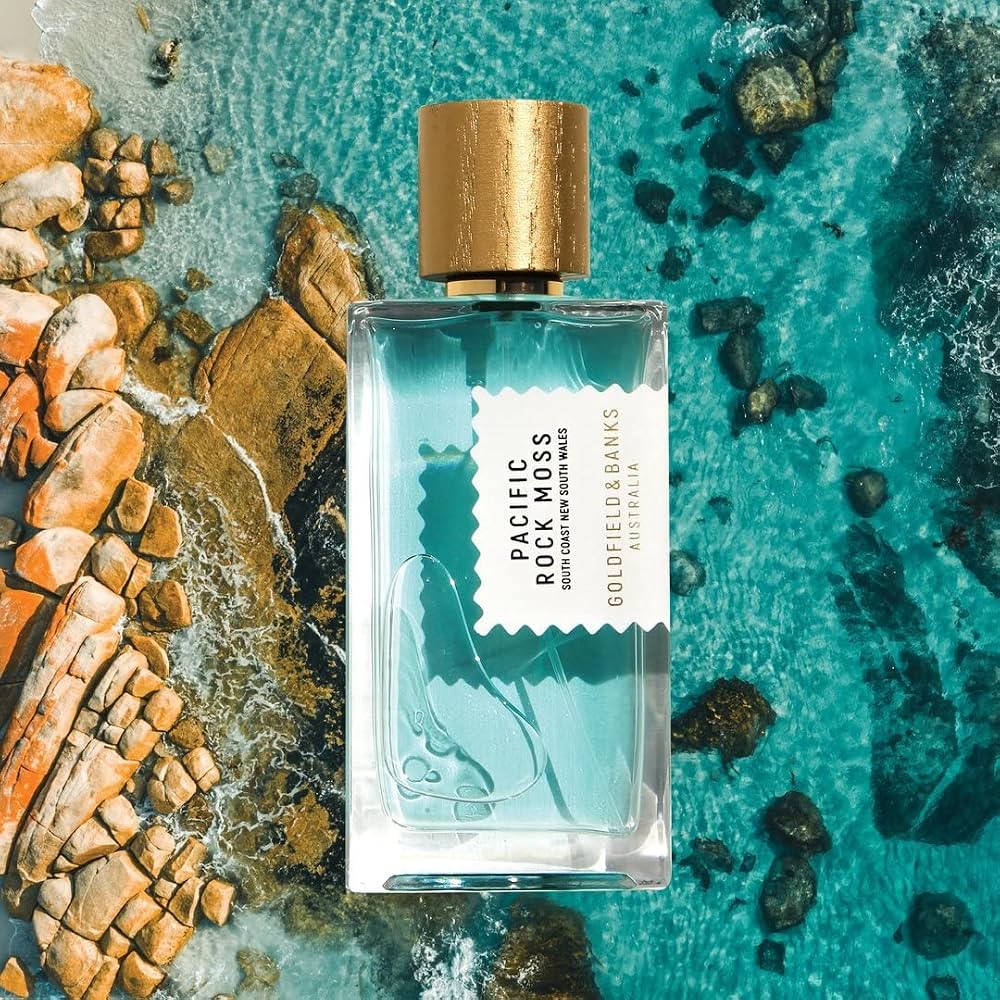
    Goldfield & Banks will open its first flagship boutique in Sydney’s Strand Arcade this December, establishing dedicated brick-and-mortar retail after expanding wholesale distribution across more than 80 countries.

    Founded in Sydney in 2016, the luxury fragrance house enters physical direct-to-consumer store operations on its tenth anniversary, after relying primarily on wholesale distribution through department stores including Harrods, Selfridges and Saks.

    The Strand Arcade Deployment

    The boutique will show the brand’s full fragrance portfolio within a physical format designed alongside Australian interior designer Brahman Perera. The company partnered with its domestic distributor, Prestige Brands Australia, to execute the retail rollout.

    Founder Dimitri Weber said the upcoming opening in Sydney is a “dream come true”.

    “To now have a permanent home in the Strand Arcade, one of Sydney’s most iconic destinations, feels very special. It’s a celebration of everything we’ve achieved over the past decade and an exciting new chapter.”

    The design plan departs from standard department store concessions by deploying native materials, light treatments and tailored display formats. Weber structured the boutique to function as an immersive brand destination rather than a transactional counter.

    Wholesale Transition to Owned Retail

    Niche fragrance brands across Asia-Pacific face rising wholesale customer acquisition costs and tighter shelf allocations in major department store channels. Shifting from multibrand stockists to single-brand boutiques gives independent perfumers direct access to shopper transaction data, higher gross margins per bottle, and complete pricing control.

    For arcade landlords in mature central business districts, boutique perfumeries provide reliable sales densities across compact square footage. Fragrance purchases carry high average order values and minimal stock space requirements compared to apparel tenants.

    Retail Footprint and Distribution Lineage

    Weber started Goldfield & Banks around botanical ingredients native to Australia, directing early distribution into overseas luxury channels before consolidating domestic footprint. The international export track built brand equity in department stores, generating inbound demand from international travellers returning to Sydney.

    Prestige Brands Australia will support the operational handling of the Strand Arcade location as the brand tests standalone retail economics. The store opening in December tests whether independent domestic luxury labels can sustain prime shopping arcade leases on dedicated fragrance sales alone.

  • Givaudan Targets GLP-1 Consumer Spending Shift Toward Beauty

    Givaudan Targets GLP-1 Consumer Spending Shift Toward Beauty

    Givaudan is revamping product development across its beauty and fragrance divisions as weight loss treatments reshape consumer budgets, tracked by 15 generic semaglutide brands entering India since patent expirations began. The ingredient supplier found adult adoption of GLP-1 therapies in the US climbed from 3 per cent in 2024 to 11 per cent in 2026, triggering direct reallocation of discretionary spending.

    Data compiled by the manufacturer from a NielsenIQ Homescan panel revealed American households using the medications increased spending on fine fragrances by 97 per cent while cutting grocery budgets. In Brazil, 47 per cent of buyers reported trimming other expenses specifically to finance treatment doses, signaling a widespread behavioral reallocation away from food toward personal grooming, sports, and travel.

    India Generics Drive Rapid Market Expansion

    Price reductions and the loss of patent exclusivity in markets such as India have dismantled entry barriers for metabolic therapies. The introduction of 15 domestic brands following patent expiries expanded regional supply rapidly, lowering therapy costs and broadening usage beyond narrow clinical segments.

    Lower retail prices combined with the development of oral alternatives to subcutaneous injections are speeding up adoption across emerging economies. For personal care brands operating in Asia, this shift alters the customer base faster than anticipated. Product developers must adjust formulas for consumers managing the physiological consequences of rapid weight reduction.

    Formulations Adapt to Side Effects

    Patients experience specific physiological issues that prompt new topical requirements, notably loss of facial volume, loose skin, barrier dryness, temporary hair thinning, and bad breath. Consumers navigating these side effects prioritize demonstrable performance over brand prestige, checking active concentrations and clinical validation closely.

    Buyers demand formulas that combine medical-grade efficacy with sensory textures. Frédéric Merlin, manager of the Givaudan Digital Factory in Paris, stated: “Faced with these very real concerns, consumers are becoming more demanding: they seek out the right actives, compare concentrations, and check the evidence behind efficacy claims. But they are unwilling to choose between performance and pleasure. They expect visible results, sensorial textures, and an enjoyable experience. Whereas a brand’s reputation may once have been enough to win them over, it is now the efficacy promise, backed by evidence, that makes the difference.”

    Scent Profiles Reflect Appetite Changes

    Social listening data gathered by Givaudan identified two dominant fragrance profiles among treatment users: gourmand compositions and crisp, fresh notes. Appetite suppression does not eliminate interest in rich food-inspired aromas, although nausea risks create sharp aversions to heavy notes, requiring finer calibration by perfumers.

    Energy dips and sleep disruptions linked to these therapies have opened room for functional scents. Givaudan is deploying its patented MoodScentz and DreamScentz platforms, pitching neuro-olfactive formulations that stimulate alertness in the morning or support disrupted sleep cycles at night.

    Digital Factory Tests Commercial Concepts

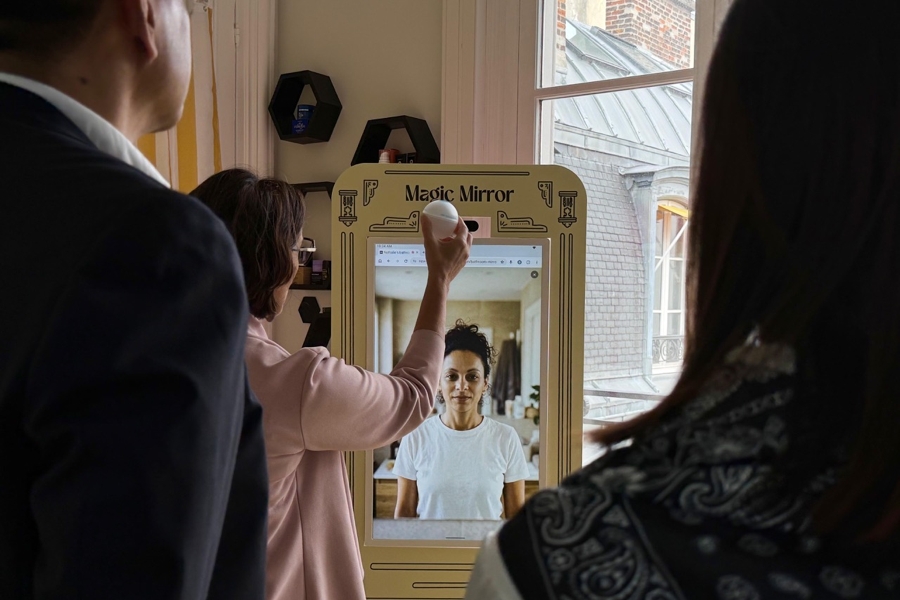
    The company developed an exhibition format called The New Desire at its Paris Digital Factory, built around an artificial intelligence persona named Nathalie to model shifting habits. Brand teams examine over 120 global product rollouts and generate concept packaging tested against simulated consumer feedback.

    Corporate clients have booked repeat sessions at the facility, prompting an operational extension of the program. Fast-moving consumer goods suppliers across the Asia-Pacific region now face parallel realignments on retail shelves: packaged food volumes face headwinds, while functional personal care and premium fragrances capture liberated wallet share.

    Givaudan plans to publish its next wave of field research on GLP-1 olfactory preferences before the end of 2026.

  • Dedicated Men’s Beauty Brands Grew 3% While Wider Market Rose 7%

    Dedicated Men’s Beauty Brands Grew 3% While Wider Market Rose 7%

    Dedicated men’s grooming brands expanded 3 percent globally across 57 countries, trailing the 7 percent growth recorded by the broader beauty and personal care industry, according to retail tracking data from NielsenIQ.

    The divergence emerges despite rising male interest in grooming. In its report The Permission Gap: The Global State of Male Beauty, NielsenIQ found that 36 percent of men say looking their best has become more important to them than five years ago, while 54 percent place greater value on aging well. However, average male household expenditure on personal care remains 28 percent lower than female spending.

    NielsenIQ tracked digital transactions through June 2026 across five European economies, the UK, France, Spain, Italy, and Germany, where men drove approximately 51 percent of online fragrance sales. Tara James Taylor, SVP, Global Beauty Personal Care Vertical at NielsenIQ, noted that brands focusing exclusively on gendered labeling risk missing broader consumer demand.

    India and Emerging Markets Lead Concern Over Appearance

    Attitudes toward personal grooming divide sharply along geographic lines. Concern about personal appearance peaks in developing consumer markets, led by India at 69 percent, Mexico at 63 percent, the United Arab Emirates at 57 percent, and Brazil at 51 percent.

    Developed Western economies register far lower engagement. Only 37 percent of American men, 22 percent of British men, and 17 percent of German men express similar concerns. In Australia, the United States, and Canada, male spending eclipses female spending in only two categories: shaving and fragrance. Across five European markets tracked through June 2026, men accounted for roughly 51 percent of digital fragrance transactions.

    Formulation Replaces Gendered Packaging on Digital Shelves

    Online purchasing data indicates male shoppers actively seek specific treatments rather than gendered marketing. Men increasingly select dermo-cosmetics and Korean beauty brands that emphasize active ingredients and functional outcomes, bypassing products bearing a dedicated male label.

    Sales figures from ten Western European markets reveal dedicated male skincare lines were flat over the past year, while gender-neutral alternatives grew 7 percent. Generational habits reinforce the shift away from conventional branding. Millennial men at 42 percent and Gen Z men at 40 percent view grooming choices as an extension of individual identity, compared to 28 percent of baby boomers.

    Merchandising Risks Mount for Traditional Grooming Brands

    Department stores and health-and-beauty chains face a realigning shelf allocation problem. Brand owners that package identical moisturizer formulas in black or gunmetal-grey bottles risk missing the larger pool of male spenders browsing core skincare fixtures. Retail buyers in Asian hubs who reallocate shelf space from standalone men’s sections to functional K-beauty and clinical ranges stand to capture higher basket values.

    The pressure falls hardest on legacy fast-moving consumer goods suppliers reliant on mass-market men’s ranges. If male consumers continue purchasing active treatments from mainstream skincare fixtures, dedicated sub-brands face diminishing retail footprint and margin compression.

    Brands that focus only on products labeled ‘for men’ may overlook shoppers and opportunities across the wider beauty market

    Tara James Taylor, senior vice president of the global beauty personal care vertical at NielsenIQ, warned that narrow segmentation limits growth.

    Tracking Cross-Category Basket Conversion

    Department store groups and specialty beauty retailers throughout the Asia-Pacific region have spent several fiscal cycles testing segregated male grooming bars versus integrated displays. The latest spending figures provide concrete evidence that floor managers should dismantle isolated men’s corners in favor of functional signage that organizes products by skin concern.

    Retail buyers tracking the sector now look to holiday quarter checkout figures across Asian e-commerce platforms to measure whether male purchasing of ungendered serum and sunscreen lines outpaces traditional male gift sets.

  • Apparel Group Opens 3,440-Square-Foot Victoria’s Secret in Ahmedabad

    Apparel Group Opens 3,440-Square-Foot Victoria’s Secret in Ahmedabad

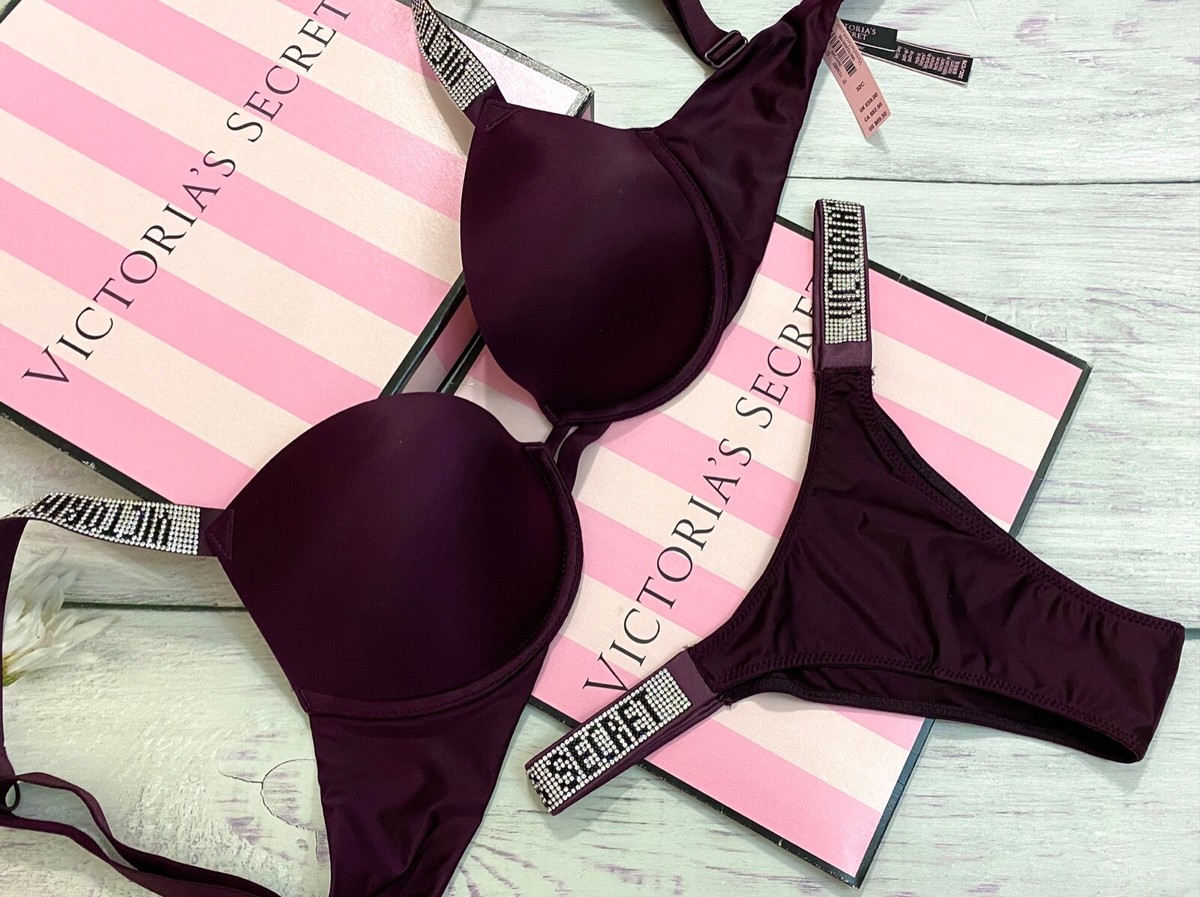
    Apparel Group opened a 3,440-square-foot Victoria’s Secret store at Nexus Ahmedabad One Mall, bringing the brand to Ahmedabad for the first time.

    The debut marks another milestone in the retail conglomerate’s expansion across India, introducing a dedicated space for lingerie, fashion, fragrance, and beauty.

    Anchoring the store’s offer is the Very Sexy collection across fine fragrance and intimate apparel, presented alongside festive-themed window displays timed for Diwali.

    Format and Product Mix at Nexus Ahmedabad One

    The space features the full lingerie catalog, including lines such as Very Sexy, Body by Victoria, Dream Angels, and The T-Shirt collection across bras, panties, and loungewear. Visual merchandising and window displays incorporate festive themes designed around Diwali footfall.

    Alongside intimate wear, the outlet stocks Victoria’s Secret Beauty fragrances, body mists, and skincare lines led by core scent franchises such as Bombshell and Very Sexy. Apparel Group structured the retail floor to blend the brand’s global runway identity with local holiday demand.

    Tier-Two Expansion Across Indian Retail Hubs

    International fashion groups historically limited large-format standalone stores before venturing into secondary urban centers. Apparel Group is bypassing that delay by planting full-scale flagships directly into wealthy state capitals where mall infrastructure matches top-tier standards.

    Nexus Ahmedabad One gives the brand immediate positioning alongside international fashion peers in western India. The risk rests on customer acquisition costs: high-ticket intimate apparel requires sustained volume once initial launch curiosity and Diwali gift purchases taper off.

    Franchise Strategy and Department Store Competition

    The rollout follows Apparel Group’s ongoing strategy of securing exclusive territorial rights for global fashion names and scaling them across organized retail hubs.

    “Introducing Victoria’s Secret to Ahmedabad ahead of the festive season underscores Apparel Group’s commitment to expanding global luxury and fashion access in key Indian markets. Ahmedabad’s dynamic consumer base presents an incredible growth opportunity for our brand portfolio, and this store reflects our vision of building strong, immersive retail experiences where global brands seamlessly integrate into local lifestyle aspirations”.

    Department store concessions and domestic lingerie specialists have built strong online and offline distribution across tier-two Indian cities over the past three years. Apparel Group is betting that standalone destination stores command higher basket sizes and stronger customer retention than multibrand beauty counters.

    Next Steps for Western India Rollout

    The brand opened the doors ahead of peak festive spending to capture seasonal promotional traffic. Mall operators and rival franchise groups now watch fourth-quarter sales per square foot to determine how fast Apparel Group expands Victoria’s Secret into neighboring markets.

  • Interparfums Extends Roberto Cavalli Fragrance License for 20 Years to 2046

    Interparfums Extends Roberto Cavalli Fragrance License for 20 Years to 2046

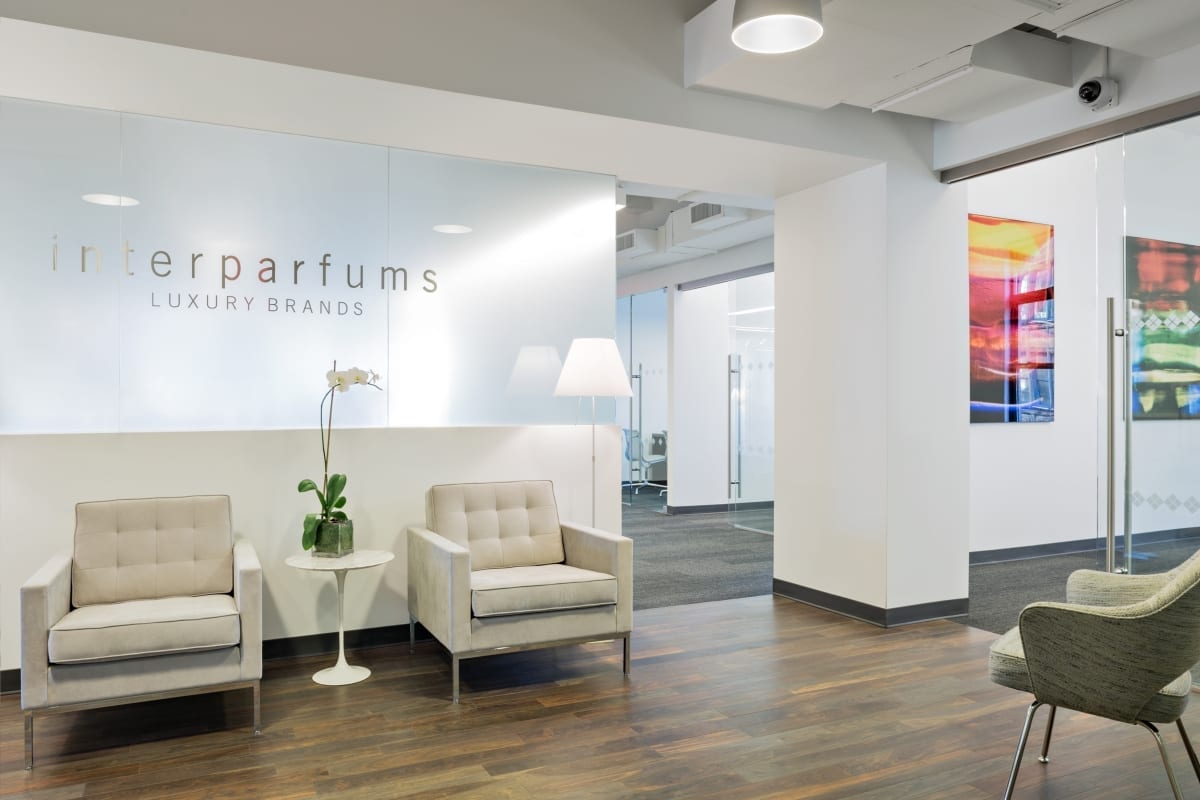
    Interparfums Inc. And Marquee Brands have signed a 20-year extension to their global fragrance license for Roberto Cavalli. The deal keeps the partnership in place through December 31, 2046.

    Sales for the Italian fashion house’s perfume lines rose 8 per cent in the first half of 2026.

    Under the renewed contract, Interparfums retains exclusive worldwide rights to create, develop and distribute fragrances under both the Roberto Cavalli and Just Cavalli names. Operations will stay with Florence-based subsidiary Interparfums Italia Srl. Management oversight will continue from Paris.

    Terms of the twenty-year deal

    Securing a two-decade extension gives the licensee stability to allocate long-cycle product development capital. Most fragrance license renewals run five to ten years. A 20-year commitment locks in prestige retail shelf space for the long term.

    Interparfums took over the Roberto Cavalli beauty business in 2023. During its initial three-year tenure, the company reworked the brand catalogue. It introduced new product lines under Uomo, Just Cavalli and Marbleous, including Marbleous Cypress.

    Product rollouts accelerated in 2025 with the release of Serpentine, positioned by management as the brand’s primary volume driver. The company confirmed Serpentine expanded shelf placement and reach across key international distribution points.

    Growth across international channels

    For department store buyers and distributor networks, the agreement prevents supply chain transitions and protects counter investments. Multi-brand beauty operators in regional retail hubs rely on established fashion labels to pull foot traffic into cosmetics halls.

    The portfolio structure allows Interparfums to address two distinct price segments. Roberto Cavalli competes in prestige luxury retail counters. Just Cavalli targets accessible premium doors and specialty chains.

    Long agreements also give the licensee use when negotiating shelf allocation with retail landlords and airport duty-free operators. Retailers gain assurance that marketing and promotional budgets will not dry up due to an impending license expiration.

    Financial performance and market headwinds

    First-half sales momentum held firm in 2026 despite market volatility. Roberto Cavalli remains the largest fragrance brand in the Interparfums portfolio across Middle Eastern markets, where recent regional disruptions affected retail distribution.

    Wider international expansion offset those regional declines. Chief Executive Jean Madar identified Roberto Cavalli as one of the fastest-growing lines in the company’s broader brand roster.

    Market valuation reflects high expectations for the group’s licensing pipeline. Interparfums trades at a forward 12-month price-to-earnings ratio of 22.85. That compares with a personal care industry average of 13.83 and a consumer discretionary sector average of 15.61.

    Pipeline plans through 2046

    Brand owner Marquee Brands endorsed the execution delivered by the Italian operating team during the initial phase of the agreement.

    Interparfums has proven itself an exceptional steward of Roberto Cavalli fragrances, translating the house’s design language into products that resonate with consumers worldwide.

    Heath Golden, Chief Executive of Marquee Brands, said the agreement reinforces the central commercial role fragrance plays in expanding the fashion label globally.

    Development teams in Florence and Paris are now preparing the next sequence of fragrance flankers and seasonal releases, scheduled for global distribution in 2027.

  • Korea’s Born to Stand Out Opens First Southeast Asia Store in Makati

    Korea’s Born to Stand Out Opens First Southeast Asia Store in Makati

    South Korean luxury perfume label Born to Stand Out opened its first Southeast Asian boutique at Glorietta 4 in Makati City, entering the Philippine market through local distributor Scent & Beauté.

    Founded in Seoul by Jun Lim in 2022, the brand built its identity on high-concentration formulations and unconventional scent profiles, contrasting with the clean, minimalist branding common among East Asian beauty exports.

    Inside the Glorietta 4 Boutique

    The Makati boutique pairs bright crimson interiors with white ceramic-style flacons across the full catalog. Inventory spans four core collections: Dirty and Sticky, Dark and Drunk, Eau Intimité, and the flagship Extrait Extrême tier.

    Formulations in the Extrait Extrême series run between 55 and 62 per cent perfume oil concentration. The brand ages those blends for three months in traditional Korean earthenware jars known as onggi to round out volatile top notes before bottling. The store also stocks scented body lotions, washes, and home fragrances.

    The Play for Manila’s Niche Beauty Spend

    Distributor Scent & Beauté handles store operations, logistics, and retail management for the rollout. The company manages luxury and premium personal care portfolios across the Philippines and Singapore.

    Department store beauty counters in Metro Manila have long favored Western legacy houses, but independent Korean beauty and lifestyle brands are taking dedicated square footage in prime retail properties. Ayala Land continues to reconfigure Glorietta’s ground floors toward specialized retail and indie beauty concepts to capture younger foot traffic.

    What to Watch Next

    Niche fragrance carries high margin potential, yet price elasticity in Metro Manila will test whether consumers convert from entry-level K-beauty purchases into ultra-high-concentration extracts. Scent & Beauté has not disclosed expansion targets for additional locations across Metro Manila or second-tier Philippine retail hubs.

  • Forvr Mood Targets Eight Figures and Eyes Expansion into Australia

    Forvr Mood Targets Eight Figures and Eyes Expansion into Australia

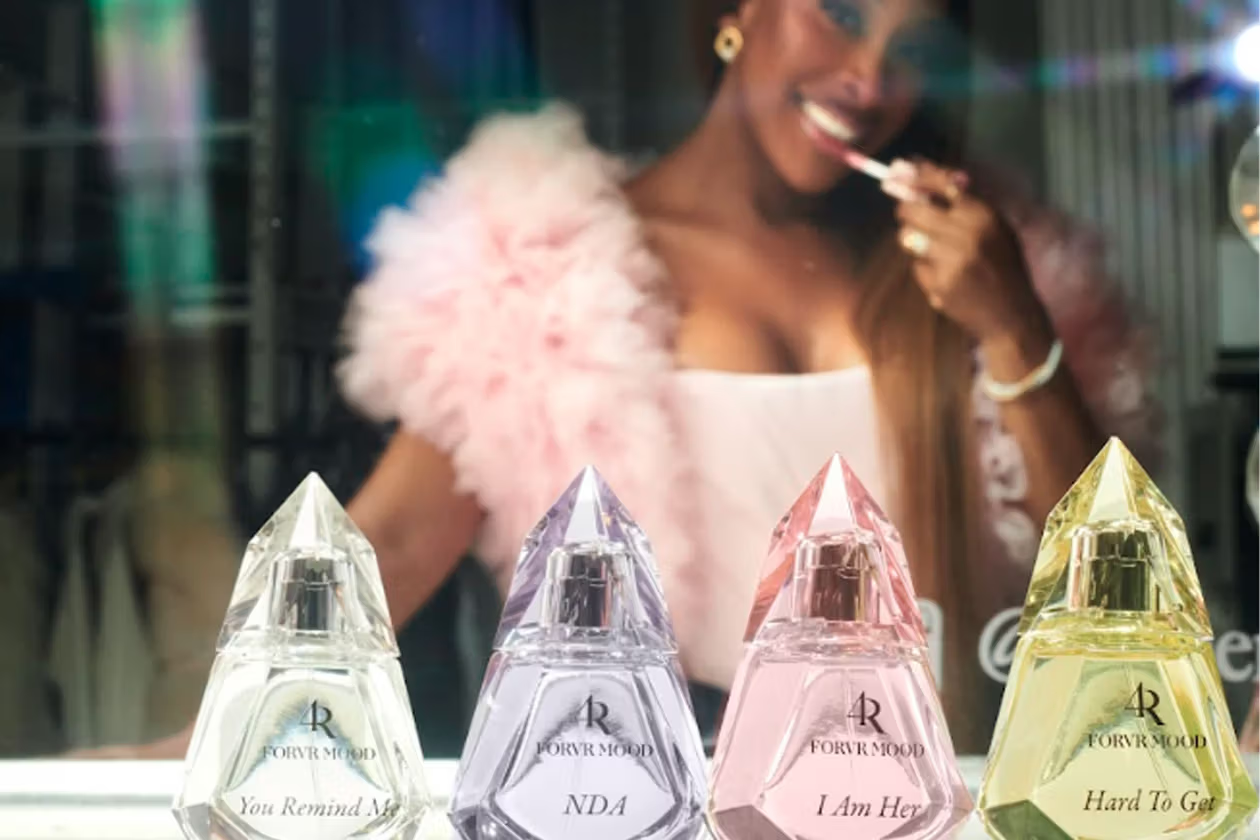
    Fragrance maker Forvr Mood expects revenue to rise by more than 50 per cent this year, crossing into eight figures as it prepares international expansion into Australia.

    Co-founder Denis Asamoah said the brand currently sells across just under 500 Sephora doors in the United States and aims to secure distribution in all chain doors before entering international markets.

    Former finance executive Asamoah launched the business in August 2020 alongside beauty content creator Jackie Aina with roughly $200,000 in startup costs. The label sold 10,000 units within hours of opening its direct-to-consumer site on Aina’s birthday, generating $3 million in sales during its first six months in operation.

    Inventory Lessons and Fragrance Shifts

    Scaling required rapid operational adjustments. The business initially operated out of a 3,000-square-foot space before leasing a 35,000-square-foot warehouse, which management later reduced to a smaller footprint once supply chains stabilized.

    Forecasting remains the core operational hurdle as the brand moves beyond candles into fine fragrance. Following the April 2024 launch of its fine-fragrance collection, Asamoah acknowledged over-ordering production volumes for the ‘Not Your Type’ eau de parfum to prevent the multi-month stockouts that hit earlier product cycles.

    Your influence and your audience may be able to get you your first sale, but without a good product, you are not going to get someone that wants to come and buy again.

    Managing Creator Risk in Retail Channels

    Wholesale buyers across Asia-Pacific evaluate creator-led labels with stricter scrutiny after several high-profile direct-to-consumer brands stumbled on repeat purchasing and wholesale margins. For department stores and specialty beauty chains in markets like Australia, shelf space requires steady replenishment cycles and marketing that reaches consumers outside a creator’s existing digital following.

    Separating the brand identity from Aina’s personal accounts protects the wholesale business from sudden shifts in social media sentiment. Retailers carrying celebrity-backed beauty lines face inventory writedowns when consumer backlash hits a founder, making operational independence a requirement for regional distributors managing multi-market shipments.

    Wholesale Roadmap Ahead

    Forvr Mood began as a candle line designed in four months during pandemic lockdowns before securing shelf space in Sephora’s North American network. The company spent the subsequent four years refining logistics and product formulation ahead of its 2024 fine-fragrance rollout.

    Management is now preparing to pitch the brand to Sephora at Kohl’s locations across the United States. Retail negotiations for overseas distribution in the United Kingdom, Australia and the Middle East will follow as the company completes its domestic store rollout.

  • Thakral to Spin Off Lifestyle Businesses on SGX Mainboard

    Thakral to Spin Off Lifestyle Businesses on SGX Mainboard

    Thakral Corporation plans to spin off its lifestyle businesses for a separate listing on the SGX Mainboard.

    Thakral plans to retain a majority stake in the standalone business unit following the spin-off, while Thakral Corp shares closed down 0.61 per cent at $1.63 on Sept 7.

    Carving out retail and brand distribution

    The business lined up for the initial public offering handles marketing and retail distribution for beauty and fragrance labels across Asia, particularly Greater China and Japan. The unit also manages South Asian distribution for DJI products alongside retail and distribution of Nespresso products in India.

    RHB Bank and United Overseas Bank have been appointed joint issue managers to structure the transaction. Two other divisions will remain with the parent group. These include property development and asset management operations across Australia, Japan and India. Thakral will also keep its enterprise drone components and software business, alongside strategic venture holdings.

    Pure-play valuation against conglomerate discount

    Brand distributors in Asia often command distinct valuation multiples compared to diversified holding companies. Grouping cosmetics with Australian retirement villages and industrial drone parts created a conglomerate discount on the SGX. That mix obscured cash generation across the retail agency business.

    A spin-off creates a direct play on prestige beauty demand in East Asia and consumer appliance growth in India. For principals like Nespresso and DJI, a separately capitalised distributor with its own balance sheet offers cleaner operational reporting. It also concentrates market risk directly in Chinese and Japanese consumer spending.

    Shareholder vote and regulatory pipeline

    Earnings swings hit the parent level earlier in the fiscal year. Thakral posted an adjusted attributable profit of $3.3 million in the first quarter of fiscal 2026. It then recorded a $6.4 million loss in the first half because of fair-value adjustments tied to its GemLife property venture in Australia. The group also expanded its real estate exposure by taking an additional 81.6 per cent stake in a mixed-use healthcare development in Gurugram, India.

    Completing the listing requires SGX approval, regulatory clearances and a formal vote by Thakral Corporation shareholders.

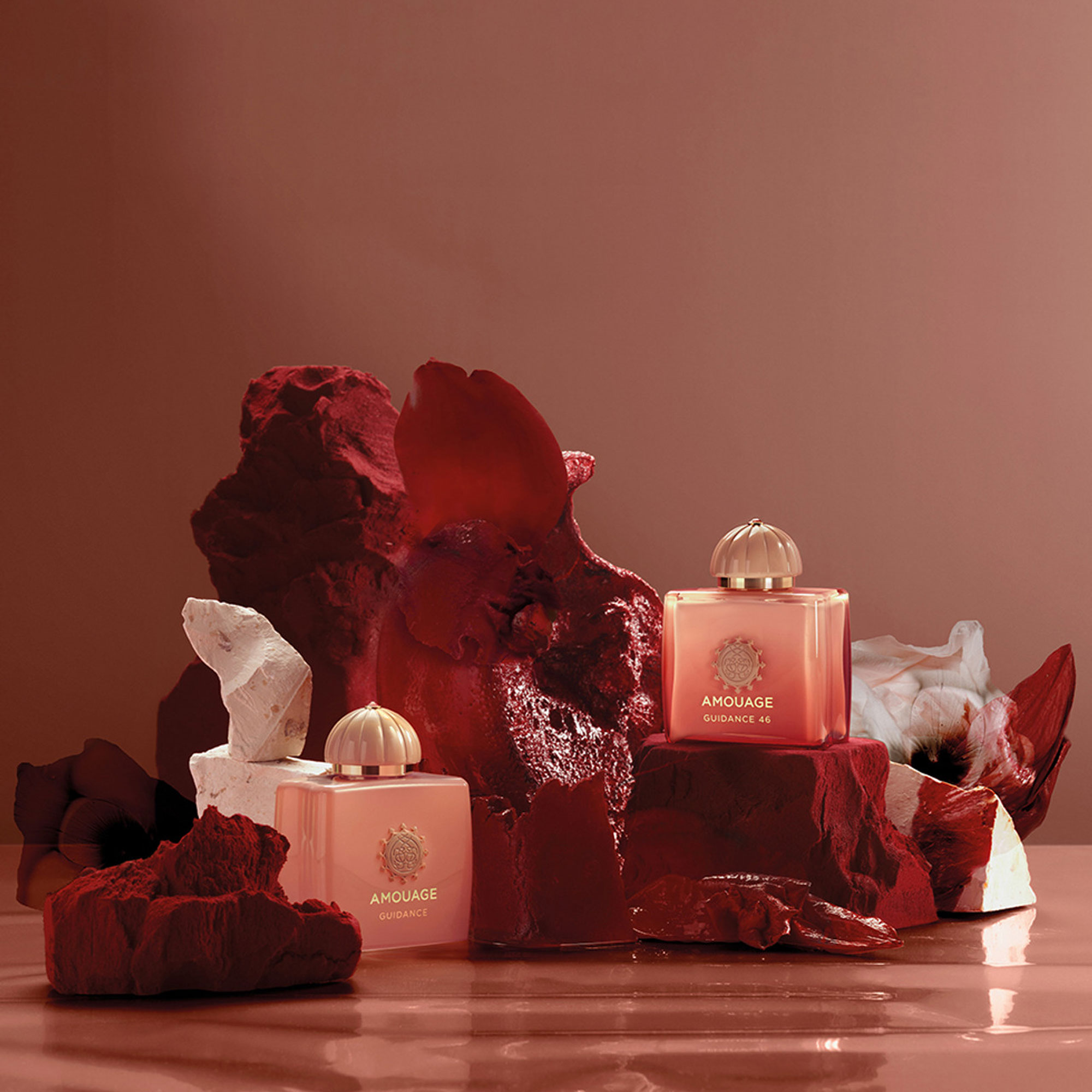
  • Amouage Opens First Standalone Boutique in Indonesia

    Amouage Opens First Standalone Boutique in Indonesia

    Omani perfume house Amouage opened its first standalone boutique in Indonesia at Plaza Indonesia in Jakarta in September 2026.

    Founded in Muscat in 1983, the brand operates in more than 80 countries under parent company Sabco Group.

    Architecture and Store Layout

    Inside the Jakarta boutique, the design draws on Omani geography and traditional building methods. Travertine stone walls, walnut timber, and brushed copper fixtures frame the interior alongside structured, layered arches.

    Display tables shaped like inverted pyramids mirror Oman’s mountain topography. At the center of the sales floor, a dedicated installation titled the Gift of Kings arranges bottles in a radial format beneath an illuminated orb.

    “Indonesia has a deep relationship with scent, craft, and hospitality, and an increasingly sophisticated luxury clientele looking for depth and originality,” said Amouage chief executive Marco Parsiegla.

    Southeast Asian Luxury Demand

    Standalone retail units give niche fragrance makers direct control over pricing, presentation, and customer data. Wholesale department store counters cannot match that access. High-end perfumery maintains strong operating margins in Southeast Asia, where affluent shoppers bypass heritage fashion-house scents for specialized, high-concentration formulations.

    For Indonesian luxury landlords, beauty flagships fill high-yield ground floor units with compact footprints that generate strong sales per square meter. The main operational challenge is sustaining foot traffic and repeat buyers in central Jakarta once opening buzz cools.

    Muscat Heritage and Regional Expansion

    Founded in Muscat in 1983, Amouage built its global business on heavy, resinous perfumes centered on regional ingredients like frankincense, rock rose, and ambergris.

    The Jakarta opening follows an entry into India five months earlier, when the brand launched at Mall of Asia in Bengaluru in April 2026. Amouage is pacing its retail rollout across major Asian metropolitan centers to build a wider network of company-operated doors through 2027.

  • Panpuri Opens First Mainland China Store in Shanghai in 16-Outlet Asian Push

    Panpuri Opens First Mainland China Store in Shanghai in 16-Outlet Asian Push

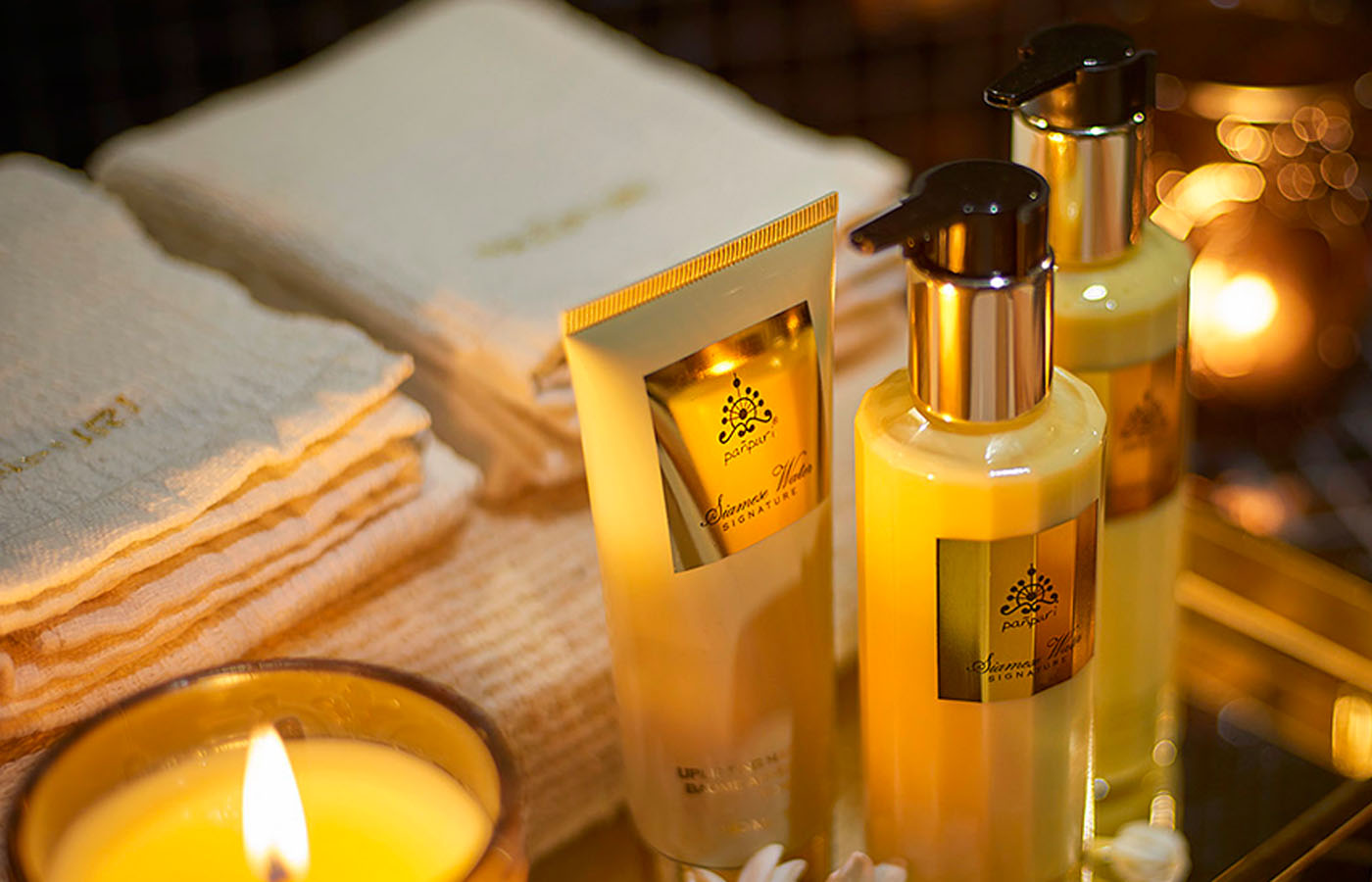
    Thai niche fragrance brand Panpuri opened its first Mainland China store at Shanghai’s HKRI Taikoo Hui shopping centre, anchoring a 16-store regional expansion across Asia this year.

    The Bangkok-based label is entering high-end retail developments in China and Japan to build scale outside Southeast Asia. At the Shanghai boutique, Panpuri is selling its full range of perfumes, home ambience goods and body care products, supported by custom fragrance blending and bespoke gift-wrapping stations.

    Expanding From Shanghai to Tokyo

    Thai entrepreneur Vorravit Siripark founded the business in 2003, pairing traditional Thai herbal and oil treatments with modern skincare formulations. The Shanghai debut follows an Asian expansion plan outlined in May that aims to establish footprint in prime shopping destinations.

    In China, Panpuri is focusing its initial store pipeline on Shanghai and Beijing. In Japan, the company plans to launch its first boutique in Tokyo before adding locations across other major metropolitan areas.

    Southeast Asian beauty and wellness operators have increasingly looked north to East Asian department stores and malls, where consumer spending on niche perfumery and premium personal care remains resilient. Entering prime properties such as Swire Properties’ HKRI Taikoo Hui places the Thai label in direct competition with established European and domestic Chinese fragrance houses fighting for department-store foot traffic.

    Targeting Top-Tier Asian Capitals

    Siripark stated that shoppers in both Japan and China place heavy value on product craftsmanship, atmospheric retail design and emotional brand resonance, making them natural priorities for international growth.

    Attention now turns to the delivery of the remaining pipeline locations across Beijing and Tokyo as the brand works to complete its 16-store regional target before year-end.

  • Asian Teams Secure Four of Six Finalist Spots in L’Oréal Brandstorm

    Asian Teams Secure Four of Six Finalist Spots in L’Oréal Brandstorm

    Asian teams took four of the six global finalist spots at the 34th L’Oréal Brandstorm competition at Vivatech, following pitches drawn from 400,000 proposals across 64 countries.

    The competition centered on luxury fragrance innovation, drawing record participation from Gen Z applicants across Asia who pitched formats ranging from artificial intelligence formulations to wearable scent patches.

    New Formats and Layering Concepts

    Contestants focused on shifting perfume away from standard alcohol spray bottles. Finalist entries incorporated primary packaging designed for fragrance layering, skin patch applicators, and AI tools built to reconstruct scent memories.

    Although the United States team won the overall competition with a melting patch concept called Capturé, Asian teams dominated the final stage. The trend reflects a broader consumer shift across Asian markets, where younger buyers are adopting fragrance wardrobes and personalized scent layering practices traditionally concentrated in the Middle East.

    Green Extraction and Sensory Tech

    L’Oréal used the Paris show to highlight Osmobloom, an air-capture extraction technology developed through a nine-year partnership with Cosmo International Fragrances. The solvent-free process extracts volatile scent molecules from flowers without heat or water, preserving delicate plant structures.

    The group also revealed 12 custom scents developed for the Dataland museum in Los Angeles, pairing algorithmic art with sensor-equipped diffusion necklaces that release fragrances based on visitor movement.

    For retailers and beauty operators across Asia-Pacific, the competition results point to where product pipelines are heading: portable application formats, waterless extraction, and customizable scent wardrobes built for first-time luxury fragrance buyers.

  • Coty Full-Year Revenue Drops Five per Cent to US$5.8 Billion Ahead of Gucci License Loss

    Coty Full-Year Revenue Drops Five per Cent to US$5.8 Billion Ahead of Gucci License Loss

    Coty posted a five per cent decline in full-year net revenue to US$5.8 billion as the beauty group prepares to surrender its lucrative Gucci license.

    Fourth-quarter adjusted EBITDA dropped 26 per cent to US$93.6 million, dragging operating margins down 270 basis points to 7.4 per cent. Like-for-like sales in the final quarter slipped one per cent to US$1.3 billion, prompting Coty shares to fall 7 per cent in after-hours trading after management withheld financial guidance for fiscal 2027.

    Markus Strobel, Coty executive chairman and interim chief executive, designated fiscal 2027 a transition year focused on lowering fixed overheads. The departure of Gucci Beauty will trigger an additional drop in revenue and profit in fiscal 2028.

    Fixed costs and new fragrance licenses

    Management plans to counter the Gucci exit by cutting fixed corporate costs and expanding newer licensing contracts. The pipeline relies on cosmetics under Marc Jacobs Beauty alongside fragrance agreements with Swarovski, Etro and Marni.

    GlobalData managing director Neil Saunders noted that replacing Gucci volume requires stronger performance from remaining prestige lines, especially across department stores and travel retail networks. Retail OCD chief executive Barney Stacher cautioned that cost reductions cannot compensate for weak brand heat across mass colour cosmetics lines such as CoverGirl, Rimmel and Max Factor.

    Mass beauty shelf pressure

    Fragrance sales continue to generate cash across Asian metropolitan markets, but Coty’s mass cosmetics portfolio faces intense shelf competition from nimble regional and domestic beauty labels. Rebuilding brand visibility in physical retail and digital storefronts requires targeted product development rather than broad promotional discounting, according to Pepperdine Graziadio Business School marketing professor Kimber Maderazzo.

    Coty will deliver the final decisions from its strategic review of the Consumer Beauty unit by the end of 2026 before the Gucci transition takes effect in fiscal 2028.

  • Thai Fragrance Powerhouse PanPuri Unleashes Bold Expansion across Asia, Eyes Luxury Retail Hubs in Nine Countries

    Thai Fragrance Powerhouse PanPuri Unleashes Bold Expansion across Asia, Eyes Luxury Retail Hubs in Nine Countries

    Panpuri, a prominent fragrance brand from Thailand, has recently announced an aggressive expansion plan that aims to establish 16 new retail outlets across Asia within the year.

    This initiative marks a significant step in the company’s comprehensive growth blueprint, which envisions over 80 retail locations spread across nine countries by the end of the decade. The new establishments will primarily be located in high-end shopping centers and bustling business districts.

    Since 2024, Panpuri has successfully penetrated markets in Hong Kong, Singapore, and Macau. In line with their expansion plans this year, the company intends to make substantial inroads into the Japanese market, launching first in Tokyo before branching out into other major cities. The fourth quarter will see the brand’s debut in China, with initial focus areas being Shanghai and Beijing.

    Vorravit Siripark, the founder and CEO of Puri Company Limited, stated, “Japan and China are crucial markets for us.” He added, “Consumers in these markets have a keen eye for craftsmanship, detailing, ambiance, and emotional values – qualities that align closely with Panpuri’s brand essence.”

    Siripark emphasized the role of localization in the company’s growth strategy. Every store will be designed to resonate with the culture and pace of the city it is located in, while ensuring the brand’s unique atmosphere is maintained.

    The upcoming Panpuri stores will prioritize immersive sensory experiences, marrying fragrance narratives with aspects of wellness, hospitality, and emotive design.

    North Asia’s contribution to Panpuri’s total revenue is projected to reach 30 per cent by 2029, with the brand aiming for a total revenue of THB 3 billion (approximately US$92 million). While North Asia holds prominence in the company’s plans, Siripark stressed that Southeast Asia will continue to be a cornerstone of their long-term vision.

    In Siripark’s words, “Thailand will always be our home, the hub of our creativity, and the source of our emotional grounding.” He further stated, “We persist in making considerable investments here, especially in wellness experiences and next-gen retail concepts. We also see immense potential in cities like Singapore, where there is a growing fondness for fragrance, ritualistic experiences, and more emotive forms of luxury living.”

    Questions & Answers

    What is Panpuri’s expansion plan for this year?
    Panpuri intends to open 16 new stores across Asia as part of its expansion plan for the year.

    What is the key focus of the next generation of Panpuri stores?
    The next generation of Panpuri stores will prioritize immersive sensorial experiences, marrying fragrance narratives with aspects of wellness, hospitality, and emotive design.

    What is the company’s revenue target by 2029?
    Panpuri aims to generate a total revenue of THB 3 billion (approximately US$92 million) by 2029.

  • Shiros First Hong Kong Outlet: An Experiential Fragrance Haven at K11 Musea

    Shiros First Hong Kong Outlet: An Experiential Fragrance Haven at K11 Musea

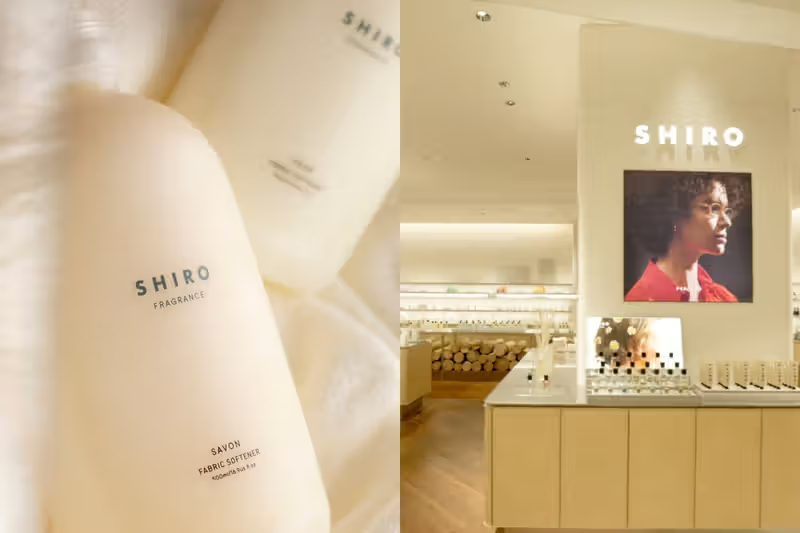
    Shiro, a renowned Japanese fragrance company, recently launched its inaugural store in Hong Kong, incorporating an immersive shopping experience that focuses on in-store fragrance creation.

    The store, located in K11 Musea, showcases an interior design that pays homage to local materials and traditions. Bamboo scaffolding and metal, symbols of Hong Kong’s historical architecture and residential buildings, are prominently featured within the space.

    Discovering the Zero Blender Lab

    A highlight of the store is the Zero Blender Lab, a unique feature that allows customers to design their own personalized fragrance mists. This innovative concept employs prototype scent materials from Shiro’s product development cycle, which would otherwise be discarded.

    Shiro’s initiative aligns with their longstanding commitment to zero waste, a policy they have embraced since 2024 in their product development and store design. As stated by the brand, the Zero Blender Lab offers customers the opportunity to experiment with blending fragrances, all within a setting inspired by the Research and Development room of their Minnano-Sunagawa Factory in Sunagawa, Hokkaido. Shiro aims to provide an experience that mirrors the work of a professional perfumer.

    Founded in Hokkaido, Japan in 2009, Shiro not only specializes in fragrances, but also offers a variety of complementary services through their Shiro Life, Shiro Café, and Shiro Beauty businesses.

    Questions & Answers

    What is unique about Shiro’s new store in Hong Kong?
    The new store offers an immersive shopping experience, with a focus on in-store fragrance creation. It features the Zero Blender Lab, where customers can create their own fragrance mists using scent materials that would otherwise be discarded.

    What is Shiro’s commitment to sustainability?
    Since 2024, Shiro has been striving towards achieving zero waste in both their product development and store design. The Zero Blender Lab is an example of this, as it reuses prototype scent materials that would typically be discarded.

    What other businesses does Shiro operate?
    Besides fragrances, Shiro also runs complementary businesses, including Shiro Life, Shiro Café, and Shiro Beauty, offering a comprehensive lifestyle experience for their customers.

  • Panpuri Unveils ‘Teahouse of Scent’ Flagship in Macau: A Fusion of Traditions and Modern Fragrance Experience

    Panpuri Unveils ‘Teahouse of Scent’ Flagship in Macau: A Fusion of Traditions and Modern Fragrance Experience

    Panpuri, a wellness brand from Thailand, has made a significant stride in its broader expansion plan across Greater China with the inauguration of its premier flagship boutique in Macau.

    The Teahouse of Scent: A Unique Boutique Concept

    The newly established Panpuri Sensorial Boutique, nestled within the heart of The Venetian Macau, takes its design inspiration from the concept of ‘The Teahouse of Scent’. This motif is deeply rooted in Macau’s rich cultural heritage and its long-standing tradition of tea drinking. The store is an imaginative ode to Casa de Cha Long Wa, the last of Macau’s authentic Chinese teahouses, transforming timeless tea rituals into an immersive modern fragrance experience.

    A Reflection of Macau’s Heritage and Panpuri’s Vision

    Commenting on the launch, Vorravit Siripak, Founder and CEO of Panpuri, shared his belief that Macau holds a crucial role in the brand’s regional expansion. The city’s rich history of cultural exchange and craftsmanship resonates with Panpuri’s commitment to promoting holistic well-being. The first-of-its-kind flagship boutique, according to Siripak, is more than just a retail destination. It aims to be a sanctuary that mirrors Macau’s unique heritage and introduces Panpuri’s distinctive approach to fragrance and wellness to the wider community in Greater China.

    Inspired Interior and Signature Scent

    The boutique’s interior is a synergy of misty blue walls, oxidised green metal details, and dark walnut finishes, reminiscent of the design of traditional teahouses. At the core of the store is the ‘Oolong Ritual’, a unique scent inspired by traditional tea ceremonies. This signature fragrance enhances the in-store experience, transforming the tea ritual into a contemporary sensory journey.

    Panpuri made its first global venture in 2024 by opening a flagship store at K11 Musea in Hong Kong. This boutique, however, followed a distinct concept called ‘The Perfumist’s Chamber’, which elegantly fused Thai culture with the dynamic energy of Hong Kong.

    Questions & Answers

    What is the concept behind the new Panpuri Sensorial Boutique store in Macau?
    The Panpuri Sensorial Boutique in Macau is designed with the concept of ‘The Teahouse of Scent’, which is inspired by Macau’s rich cultural heritage and long tradition of tea drinking.

    How does the interior of the new Panpuri boutique reflect the brand’s vision?
    The interior of the boutique features misty blue walls, oxidised green metal details, and dark walnut finishes, reminiscent of the design of traditional teahouses. At the heart of the store is the ‘Oolong Ritual’, a signature scent inspired by traditional tea ceremonies, which speaks to the brand’s focus on holistic well-being through sensory experiences.

    What was Panpuri’s first international location?
    Panpuri’s first international venture was a flagship store at K11 Musea in Hong Kong, which opened in 2024.