Retail News CRM

Tag: france

  • Pharma Leaders At Flypharma Highlight Air Cargo’s Role In Global Health

    Pharma Leaders At Flypharma Highlight Air Cargo’s Role In Global Health

    At the FlyPharma Amsterdam 2025 conference, leaders from the worldwide pharmaceutical industry gathered to highlight the importance of collaboration for the steady global transportation of essential healthcare items and life-saving medicines. The conference took place amidst the backdrop of rapidly changing regulations, shifting trade flows, and an uncertain geopolitical landscape.

    Growth in Pharma Sector Increases Demand for Specialised Air Cargo

    The global healthcare and pharmaceutical industry is projected to achieve a total worth of USD 1.77 trillion by 2025. This growth is primarily attributed to advances in biologics, digital health, and personalized medicine, along with increased patient access on a global scale.

    The industry’s momentum is directly reflected in increased demand for airfreight capacity, especially for temperature-sensitive, high-value shipments. The pharma airfreight segment alone is predicted to witness over 6 percent annual growth, as manufacturers and logistics providers prioritize speed, dependability, and adherence to Good Distribution Practice (GDP) standards.

    Air cargo carriers and airports are making significant investments in IoT tracking, cold-chain infrastructure, and digital visibility tools to cater to this growing vertical. The fastest growth is anticipated in corridors linking Asia, Europe, and North America. The pharma and healthcare logistics sector is emerging as a strong and premium segment within the global air cargo market.

    Schiphol: A Global Centre for Pharma Logistics

    Amsterdam Airport Schiphol is a crucial global hub for pharmaceutical logistics. With its central European location, advanced infrastructure, and robust network of logistics partners, the airport is essential for global pharmaceutical supply chains. Schiphol contributes significantly to the worldwide distribution of vaccines and medicines and enhances the Dutch economy, further establishing the Netherlands as a hub for international trade and innovation in life sciences.

    The pharmaceutical logistics ecosystem at Schiphol has considerable implications not only for global public health but also for the Dutch economy. In 2024, the Netherlands exported pharmaceutical products worth USD 38.49 billion, highlighting the sector’s role in driving trade, innovation, and high-value employment. Schiphol’s success as a pharma logistics hub encourages companies to invest, expand, and drive innovation in the Netherlands, making the country more competitive and appealing to life sciences entities.

    Schiphol’s importance as a global logistics hub was further underscored during the COVID-19 pandemic, during which it served as one of Europe’s primary gateways for vaccine transportation and temperature-sensitive pharmaceuticals.

    The Role of Air France KLM Martinair Cargo in Pharma Logistics

    Air France-KLM Martinair Cargo (AFKLMP Cargo) has positioned itself as a leading player and innovator in pharmaceutical logistics, being among the first airlines to receive IATA CEIV Pharma certification. The airline’s dual-hub structure in Amsterdam Schiphol and Paris Charles de Gaulle, situated in Europe’s “pharma belt,” provides unique resilience and adaptability in a fluctuating market.

    According to GertJan Roelands, SVP Commercial, AFKLMP Cargo, the company’s growth in the pharmaceutical and healthcare segment has been a strategic priority over the past five years. The airline has made considerable investments in infrastructure and introduced new digital solutions while optimizing processes to enhance resilience and transport quality. The airline’s commitment to this strategy is reflected in its record-breaking performance in the pharmaceutical and healthcare segment and its increasing market share.

    Innovation, Sustainability, and Excellence in Cool Chain

    AFKLMP Cargo continues to expand cool-room capacity, develop digital monitoring dashboards for operational visibility, and pioneer sustainable temperature-control solutions such as CO₂-based refrigerant technology at Paris CDG. As personalized medicine and advanced therapies gain traction, the airline collaborates closely with shippers, forwarders, and life science clusters, providing time-critical solutions that are fully compliant with GDP and CEIV.

    Despite market volatility and geopolitical pressures, AFKLMP Cargo remains steadfast in its focus on on-time delivery and maintaining the integrity of the cool chain supply. The resilience demonstrated during the pandemic continues to shape the airline’s long-term strategy.

    In the words of GertJan Roelands, “Pharmaceutical logistics is not just about transportation — it’s about trust, responsibility, and resilience. Our mission is to deliver healthcare products safely and reliably, adapting to new challenges while ensuring patients around the world receive the medicines they need.”

    Questions & Answers

    What are the main factors driving the growth of the global pharmaceutical industry?
    The main factors driving this growth include advances in biologics, digital health, and personalized medicine, along with increased patient access globally.

    What is the projected growth for the pharma airfreight segment?
    The pharma airfreight segment is predicted to grow more than 6 percent annually.

    What role has Schiphol played in global pharmaceutical logistics?
    Schiphol serves as a crucial global hub for pharmaceutical logistics, contributing significantly to the worldwide distribution of vaccines and medicines, and enhancing the Dutch economy.
  • Shein’s Landmark French Expansion: A Shift In Strategy Or Threat To Local Retailers?

    Shein’s Landmark French Expansion: A Shift In Strategy Or Threat To Local Retailers?

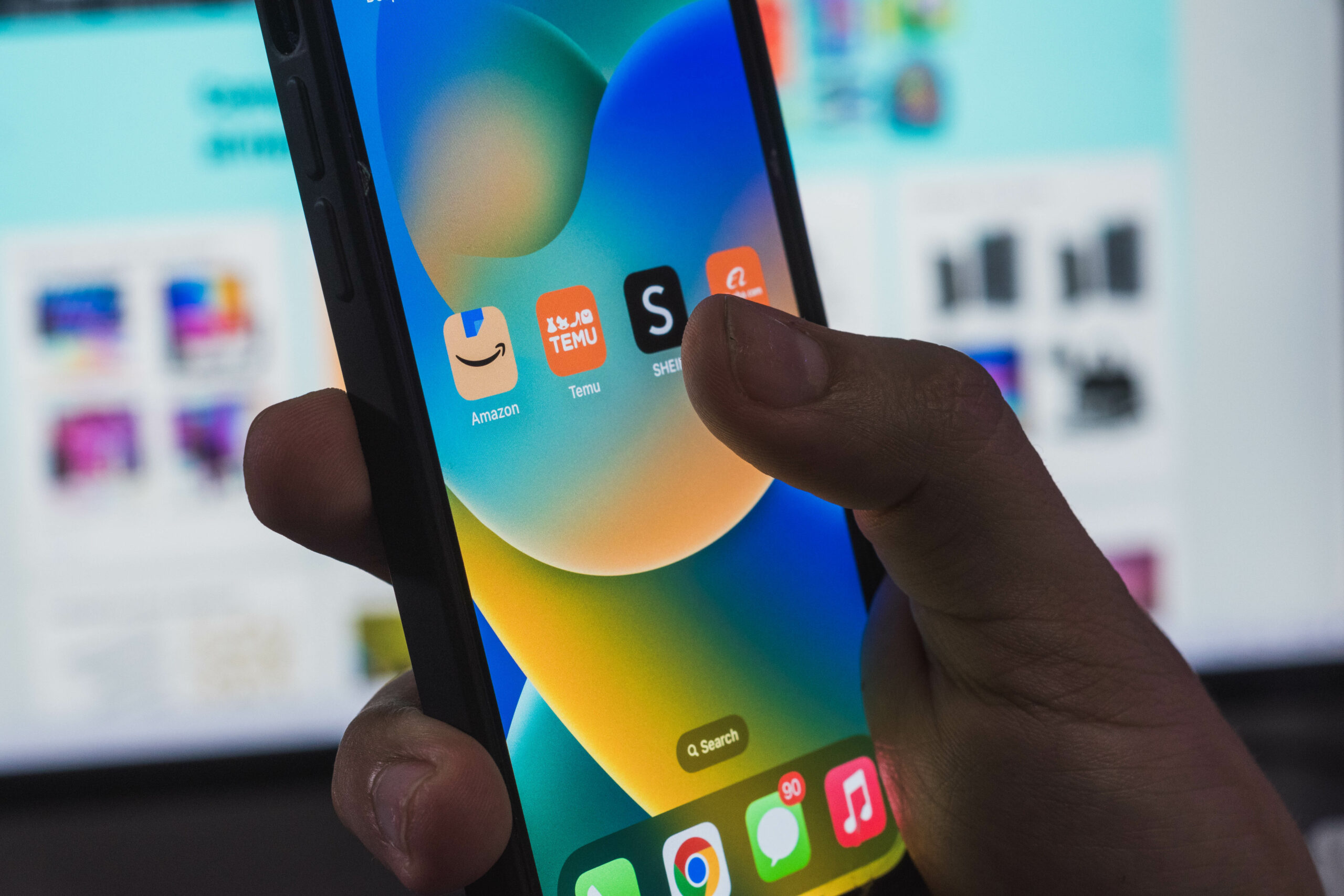
    Online rapid-fashion retailer Shein is set to establish its first ever permanent brick-and-mortar stores in France this November. This significant move has been facilitated through a partnership with department store owner, Société des Grands Magasins (SGM), and has been met with criticism from French retailers.

    Shein’s New Brick-and-Mortar Ventures

    The new Shein outlets will be “shop-in-shops” located in the BHV department store in central Paris and in Galeries Lafayette department stores across five provincial cities. This represents a fresh direction for the retailer, which has so far only ever held transient pop-up stores worldwide, primarily for marketing purposes.

    SGM’s president, Frédéric Merlin, expressed that the introduction of Shein’s outlets would invite a younger demographic to their department stores. He went on to suggest that the same customer may well indulge in a Shein product and a designer handbag during the same shopping trip.

    Controversy Surrounding Shein’s Expansion

    Despite the optimism surrounding this new venture, Shein, known for their highly affordable apparel – including 12-euro dresses and 20-euro jeans – is facing resistance from rival retailers, politicians, and regulators in France. French lawmakers have supported a draft law that proposes regulations on fast fashion. If enacted, this law would prohibit Shein from promoting their products through advertising.

    Yann Rivoallan, head of the fashion retail association Fédération Francaise du Pret-a-Porter, responded to the news with disapproval. In his statement, he expressed his concern about the impact of Shein’s massive influx of disposable products on the French market, after already causing the decline of several local brands.

    French retailers were already experiencing tough competition from global brands like Zara and H&M when Shein made its entry, attracting customers with its continuous discounts and engaging app. This year, a number of French rapid-fashion retailers, including Jennyfer and NafNaf, have had to initiate insolvency proceedings.

    The inaugural Shein store, located on the sixth floor of the BHV, is expected to open in early November. Additional openings in Galeries Lafayette department stores in Dijon, Grenoble, Reims, Limoges, and Angers are planned for the near future.

    Questions & Answers

    What is the significance of Shein’s new stores in France?
    The establishment of permanent physical outlets marks a major change in Shein’s retail strategy, as they have traditionally relied on temporary pop-up stores and online sales.

    Why is Shein’s expansion in France causing controversy?
    The rapid-fashion retailer’s expansion has been met with resistance due to concerns about their impact on local brands, and because they are under scrutiny from lawmakers proposing regulations on fast fashion advertising.

    When and where will the first permanent Shein store open?
    The first store is set to open in early November on the sixth floor of the BHV department store in central Paris. More stores are planned for Galeries Lafayette department stores in various French cities.

  • LVMH’s Bernard Arnault Challenges Proposed Billionaire Tax, Sparking Controversy in France’s Wealth Debate

    LVMH’s Bernard Arnault Challenges Proposed Billionaire Tax, Sparking Controversy in France’s Wealth Debate

    In a robust defense of wealth and economic freedom, Bernard Arnault, the chairman and CEO of LVMH and France’s wealthiest individual, has vehemently criticized a proposed 2% tax targeting billionaires, labeling it a direct threat to the nation’s economic stability.

    The proposed tax aims to levy a charge on fortunes exceeding 100 million euros (around $117 million) and has garnered increasing political momentum in France. Prime Minister Sébastien Lecornu is under pressure from the Socialist Party to integrate the measure into the 2026 budget, with failing to do so possibly leading to a confidence vote that could destabilize his government.

    Arnault did not hold back in an interview asserting, “This is clearly not a technical or economic debate, but rather a clearly stated desire to destroy the French economy.” He directed his ire at the proposal’s main architect, economist Gabriel Zucman, dismissing him as “first and foremost a far-left activist” leveraging “pseudo-academic competence” to undermine the economic system he believes is essential for societal welfare.

    In a spirited rebuttal, Zucman, who teaches at France’s École Normale Supérieure and the University of California, Berkeley, defended his position. “I’ve never been an activist for any movement or party,” he stated on X, emphasizing that his research is based on empirical analysis rather than ideological bias.

    Though Zucman has been affiliated with left-leaning economic initiatives, he has consistently argued that the super-wealthy are often paying a disproportionately lower share of taxes compared to average citizens. The proposed tax, according to Zucman, seeks to bridge that widening divide.

    Public sentiment appears to sway in favor of the tax, with an Ifop poll commissioned by the Socialist Party revealing an impressive 86% approval rate among respondents. This support highlights a growing desire for equity in the tax system, indicating a potential shift in societal perspectives toward wealth distribution in France.

    Questions & Answers

    What is the proposed billionaire tax in France?
    The proposed 2% tax would apply to fortunes exceeding 100 million euros ($117 million) and is aimed at addressing perceived inequities in the tax burden among the ultra-wealthy.

    Who is Gabriel Zucman, and what is his stance on the wealthy’s tax contributions?
    Gabriel Zucman is a prominent economist advocating for the tax, arguing that the ultra-rich pay a lower tax rate relative to their wealth compared to average citizens, and he believes the proposed tax would help close this gap.

    What level of public support does the tax have?
    Recent polling indicates strong public backing for the tax, with 86% of respondents approving of the initiative, reflecting a potential shift in attitudes toward wealth distribution and tax fairness in France.

  • Shein Slapped With $176m Fine Over Data Violations, Vows To Appeal

    Shein Slapped With $176m Fine Over Data Violations, Vows To Appeal

    Internet-based, fast-fashion purveyor Shein has come under fire from France’s data protection authority, resulting in a fine of 150 million euros ($175.61 million USD) for the company’s misuse of cookies. This decision has been contested by Shein, who plans to appeal.

    Violation of Data Protection Laws

    The Commission Nationale de l’Informatique et des Libertés (CNIL), a government entity responsible for ensuring consumer data protection, condemned Shein’s website for its failure to abide by regulations. The issue at hand was the collection of consumer data without their explicit consent.

    During a test conducted in August 2023, the CNIL found that even as users of Shein’s French site opted out of cookies – small files utilized by websites and advertisers to identify individual users and track their online activity – the cookies were still present on the user’s computer.

    According to the European Union’s General Data Protection Regulation, cookies are categorized as personal data due to their ability to identify customers and target them with advertisements. Websites are obligated to secure consent to use these cookies.

    Significant Fine Reflects Multiple Breaches

    The CNIL stressed that the hefty fine was a reflection of Shein’s multiple violations. The company was found to be depositing cookies without user permission, ignoring user choices, and failing to provide adequate information.

    Contributing to the size of the penalty was also Shein’s significant reach, with the CNIL pointing out that 12 million French residents visit the site monthly.

    Shein to Contest Decision

    Shein has pushed back against the CNIL’s actions, voicing their intention to file an appeal. The company described the fine as “wholly disproportionate” considering the nature of the purported issues, their current compliance, and the proactive steps they’ve taken towards correction.

    The company stressed that they’ve been fully cooperative with the CNIL since August 2023, and have bolstered all facets of their data protection procedures.

    Founded in China and headquartered in Singapore, Shein suggested that the fine was political in nature, rather than the result of a fair and balanced enforcement.

    Shein, known for its affordable fashion items, has faced backlash in France, where legislators have supported a proposed law to regulate fast-fashion. If this law is enforced, Shein’s advertising would be prohibited.

    The 150-million-euro fine represents approximately 2% of the 7.684 billion euros revenue reported by Shein’s Ireland-registered entity in Europe in 2023, the most recent year for which data is available.

    Questions & Answers

    What was Shein fined for?
    Shein was fined for improperly using cookies on its website, which resulted in the unlawful collection of consumer data.

    Why does the size of the fine matter?
    The size of the fine reflects the severity of Shein’s violations, taking into account multiple instances of non-compliance, including placing cookies without consent, not honoring user choices, and failing to adequately inform users.

    What implications does this have for Shein’s operations in France?
    This incident, coupled with local lawmakers’ consideration of a law to regulate fast fashion, could potentially impact Shein’s ability to advertise and operate in France.

  • France Slaps Shein with $47M Fine Over Deceptive Business Practices: What This Means for Retail

    France Slaps Shein with $47M Fine Over Deceptive Business Practices: What This Means for Retail

    In a notable crackdown on misleading retail practices, France’s antitrust authority has levied a hefty fine of 40 million euros (approximately $47.17 million) against fast-fashion giant Shein. The company, founded in China, has been scrutinized for alleged deceptive business strategies, including misleading discount promotions, as a result of a nearly year-long investigation.

    The French Competition, Consumer Affairs, and Fraud Prevention Agency reported that Infinite Style E-Commerce (ISEL), the entity that oversees Shein’s sales, misled customers by manipulating discount information. The company has accepted the fine and the findings of the agency.

    Discount Dilemmas and Regulatory Repercussions

    As per French law, the reference price for discounts must reflect the lowest price offered by a retailer in the 30 days leading up to a promotion. However, Shein ran afoul of these regulations by neglecting to consider prior pricing or, rather creatively, inflating prices before applying discounts. The agency’s findings suggest that Shein effectively “deceived consumers about the authenticity of discounts they could benefit from,” a revelation that casts a shadow over the retailer’s credibility.

    Results of the Investigation: Numbers That Speak

    The investigation examined a vast array of products on Shein’s French website from October 2022 to August 2023, and what it uncovered was startling: 57% of the advertised deals were found not to be offering any true price reduction, while 19% reflected discounts that were less beneficial than presented, and 11% represented actual price hikes disguised as discounts. It seems that Shein’s pricing tactics were about as transparent as a foggy window.

    Shein Responds: A Commitment to Compliance

    In light of the allegations, Shein has stated that ISEL was made aware of the breaches concerning reference pricing and environmental regulations as early as March last year. Following this notification, corrective measures were implemented within a mere two months. Shein emphasized that all the issues identified had been rectified over a year ago and reaffirmed its commitment to adhering to French regulations.

    Questions & Answers

    What specifically led to Shein’s fine in France?
    The French antitrust agency fined Shein for misleading customers about discount authenticity, particularly by failing to adhere to regulations around discount references.

    How did the investigation assess the validity of Shein’s discounts?
    The investigation revealed that a significant portion of Shein’s advertised deals—57%—did not offer real savings, and many promotions were deceptive, some even involving price increases.

    What steps did Shein take in response to the allegations?
    Shein indicated that upon being informed of the regulatory breaches, it implemented corrective actions swiftly, declaring that all issues had been addressed more than a year ago.

  • agnès b. brings art to Hong Kong

    agnès b. brings art to Hong Kong

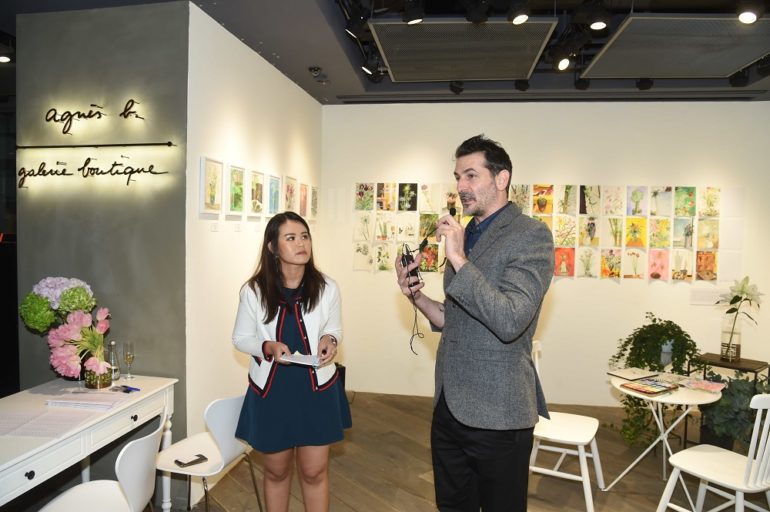
    agnès b. Galerie Boutique has always brought beautiful and artistic works to Hong Kong. In January, agnès b. Galerie Boutique was pleased to welcome renowned, published Belgian cartoonist turned artist, François Olislaeger, who has participated in exhibitions at the Contemporary Art biennal in Le Havre in France, at the Cité de l’Architecture and at the Gaité Lyrique.

    In Hong Kong for the first time, François exhibits his Une Fleur Par Jour (A flower a day) project inspired by his obsession with heavenly flowers.

    In 2016, François Olislaeger turned himself into a florist crafting an incredible herbarium of Cacti, Bougainvillea, Lysis, Daisies and Tulips with the utmost care and attention to detail. It is here that he honed in on his craft using gentle, pastel watercolours to depict “simply” feeling the power of flowers and paint.

    Through each flower’s lifecycle François focused on the emerging blossoms, changes of colour palettes, the variation of gestures and movement from each unique bloom, he then reinterpreted it through soft watercolours onto canvases with a sense of artistic freedom and playfulness.

    François Olislaeger’s flowers don’t have the precision of botanic boards – it is not his vocation. They don’t have the radicalness of those of Ellsworth Kelly yet. The creativity is somewhere else, in the context, in the setting, some details more or less noticeable – a colour, an incongruous presence, and petals hanging. François Olislaeger’s flowers are innocent. For the moment, they talk mainly about love – of art, of life, of a father for his young daughter Lila – and about the transformation of a very talented cartoonist becoming a painter.

    agnès b. Galerie Boutique is showcasing more than 80 pieces of François’s collection in this exhibition, some of the artworks were previously exhibited in agnès b. Galerie du jour in Paris, however for the majority of his collection – this is their first showcase and the exhibition is now open to public until 30 June 2019.

    agnès b. Galerie boutique was delighted to welcome François Olislaeger to the vernissage of his exhibition at the agnès b. Galerie Boutique on the night of 31 January 2019.

    Media and KOL friends were treated to a personal recollection of what inspired him to create his artwork as well as witness François live paint the Lily and two other artworks exclusively for the Hong Kong exhibition. agnes b. Galerie Boutique also designed 7 styles of temporary tattoo stickers that guests were about to take home a memory of his art.

  • France’s Danone faces legal action over plastic use and reporting practices

    France’s Danone faces legal action over plastic use and reporting practices

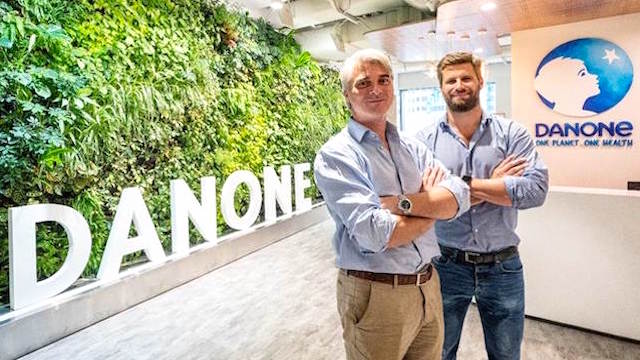
    Some environmental groups have taken legal action against French bottled water and dairy group Danone over its plastic use, accusing it on Monday of failing to sufficiently account for all the plastic used along its production cycles.

    Danone, the world’s biggest yoghurt maker producing infant formula and the popular mineral water brand Evian, said in a statement emailed to Reuters that it was “very surprised by this accusation which we firmly refute”.

    The case, brought at a Paris civil court on Monday, comes as a growing number of non-governmental organizations are acting against large companies by using a 2017 French law establishing a ‘duty of care’ along supply chains to avoid harm to human rights and the environment.

    But unlike a similar case brought against oil giant TotalEnergies to fight a controversial pipeline project in Africa, environmental group Surfrider and its partners, Client Earth and Zero Waste France, say they do not want to launch criminal proceedings against Danone.

    “We want Danone to re-publish its compulsory duty of care report and specifically account for its plastic use, including a concrete strategy to reduce it,” said Antidia Citores, the French spokeswoman for ocean protection campaign group Surfrider Foundation Europe.

    She added that Danone so far did not sufficiently account for all the plastic used along its production cycles from agriculture to packaging and was not telling the public how exactly it intends to reduce its use.

    It is now up to a judge to decide whether or not to open a lawsuit.

    “Danone has long been recognised as a pioneer in environmental risk management”, the company said in the statement to Reuters, adding it had brought down its plastic use by 12% between 2018 and 2021.

  • France fines Microsoft $64M over advertising cookies

    France fines Microsoft $64M over advertising cookies

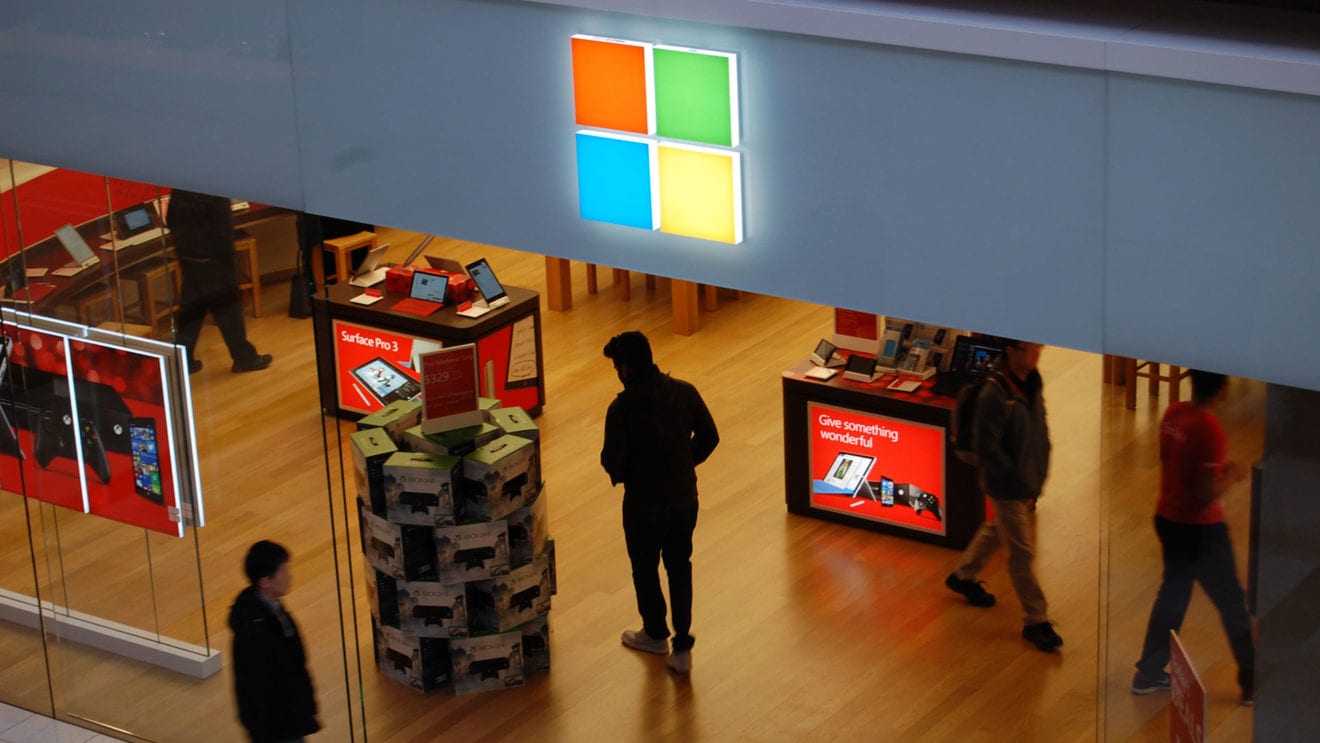
    France’s privacy watchdog said Thursday it has fined US tech giant Microsoft 60 million euros ($64 million) for foisting advertising cookies on users.

    In the largest fine imposed in 2022, the National Commission for Technology and Freedoms (CNIL) said Microsoft’s search engine Bing had not set up a system allowing users to refuse cookies as simply as accepting them.

    The French regulator said that after investigations it found that “when users visited this site, cookies were deposited on their terminal without their consent, while these cookies were used, among others, for advertising purposes.”

    It also “observed that there was no button allowing to refuse the deposit of cookies as easily as accepting it.”

    The CNIL said the fine was justified in part because of the profits the company made from advertising profits indirectly generated from the data collected via cookies — tiny data files that track online browsing.

    Bing offered a button for the user to immediately accept all cookies, but two clicks were need to refuse them, it said.

    The company has been given three months to rectify the issue, with a potential further penalty of 60,000 euros per day overdue.

    The fine was issued to Microsoft Ireland, where the company has its European base.

    In a statement Microsoft said that it had “introduced key changes to our cookie practices even before this investigation started.”

    “We continue to respectfully be concerned with the CNIL’s position on advertising fraud,” it said, adding that it believes the French watchdog’s “position will harm French individuals and businesses.”

    Cookie control

    Cookies are installed on a user’s computer when they visit a website, allowing web browsers to save information about their session.

    They are hugely valuable for tech platforms as ways to personalise advertising — the primary source of revenue for the likes of Facebook and Google.

    But privacy advocates have long pushed back.

    Since the European Union passed a 2018 law on personal data, internet companies have faced stricter rules that oblige them to seek consent from users before installing cookies.

    Last year, the CNIL said it would carry out a year of checks against sites not following the rules on using web cookies.

    Google and Facebook were sanctioned by the French regulator with fines of 150 million and 60 million euros respectively for similar breaches around their use of cookies.

    The two firms also face scrutiny over their practice of sending the personal data of EU residents to servers in the United States.

    And tech giants continue to face a slew of cases across Europe.

    Earlier this month, Europe’s data watchdog imposed binding decisions concerning the treatment of personal data by Meta, the owner of Facebook, Instagram and WhatsApp.

    The European Data Protection Supervisor said in a statement that the rulings concerned Meta’s use of data for targeted advertising, but did not give details of its ruling or recommended fines.

    The latest case follows complaints by privacy campaigning group Noyb that Meta’s three apps fail to meet Europe’s strict rules on data protection.

  • Renault To Produce New Alpine Model At Dieppe Site

    Renault To Produce New Alpine Model At Dieppe Site

    French carmaker Renault will produce the new electric model of its Alpine brand at its Dieppe site in northern France, Chairman Jean-Dominique Senard said on Friday.

    “There was uncertainty over the future of that plant a few years ago and now thanks to the work of Renault’s teams…we will be able to really secure the future of that plant,” Senard said.

    Renault, Nissan, and Mitsubishi Motors on Thursday said they planned to deepen cooperation in electric vehicle (EV) production as their two-decade-old alliance positions itself to compete as auto markets switch to EVs.

    Senard also told France Inter radio that Renault hoped to hire a further 2,500 staff for its French factories.

  • Sacrebleu! French brewers use algae to make blue beer

    Sacrebleu! French brewers use algae to make blue beer

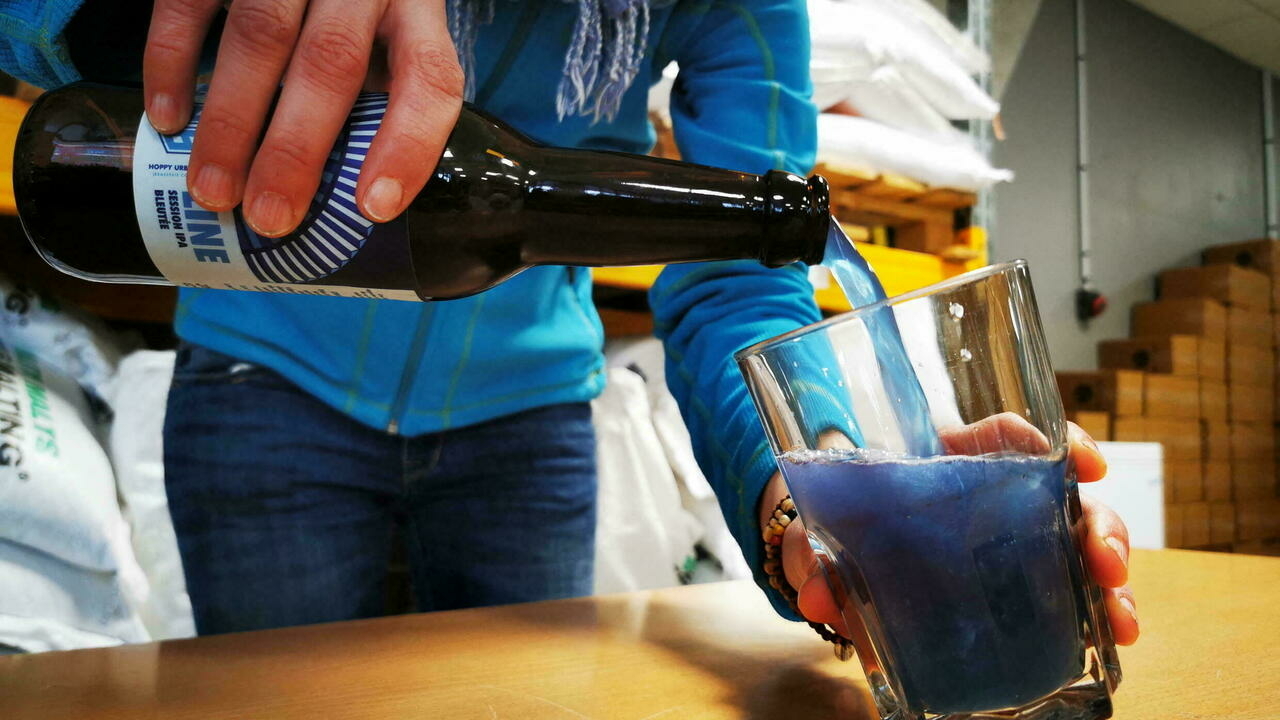
    A French brewer has started using algae with a naturally-occurring pigment to turn their beer blue.

    The beer, with the brand name “Line”, is the result of a tie-up between a firm that wants to popularise the algae as a dietary supplement, and a nearby craft brewery that was looking for a way to make its beverages more distinctive.

    The beer is selling well, said Sebastien Verbeke, an employee of Hoppy Urban Brew, which makes the drink. “It’s getting an enormous amount of interest and curiosity on the part of the public,” he said.

    The blue tint comes from spirulina, an algae that is grown in basins by a company called Etika Spirulina in northern France. The component of the spirulina that gives the blue colour, called phycocyanin, is then added to the beer during the brewing process.

    Tasting a freshly produced bottle of the beer, brewery employee Mathilde Vanmansart described it as hoppy, light, and with fruity notes, while the only evidence of the added algae was the distinctive color.

    Xavier Delannoy, whose farm provides the spirulina, said after several test batches, the brewery had found a blend that appealed to customers.

    He said 1,500 bottles of the blue beer were sold between October and December last year, and the brewery is now preparing to ramp up production to meet demand.

  • Cognac sales jump 31 per cent as drinkers go upmarket

    Cognac sales jump 31 per cent as drinkers go upmarket

    Cognac sales surged by nearly a third last year as American and Chinese drinkers guzzled old vintages, in the latest sign premium drinks makers are putting the pandemic behind them.

    Sales of the brandy, produced in the Cognac region of France, rose by almost 31 percent in value to €3.6 billion (US$4.1 billion), industry group BNIC said on Monday.

    Volumes were up 16 percent to 223.2 million bottles.

    “This growth reflects a real recovery of cognac, as well as new consumption habits,” BNIC said in a statement, noting sales had also risen compared with 2019, before the pandemic struck.

    The outlook should remain positive in the coming months for all destinations, BNIC added.

    The news comes after France’s champagne industry said last month it expected record sales in 2021, and follows strong results from several spirits companies.

    Cognac sales to its largest market, the United States, climbed 11 percent, with 115 million bottles shipped in 2021.

    Sales to China, its second-biggest, leapt 56 percent with 34 million bottles shipped, while European sales were up 8 percent to reach 37.1 million bottles.

    In late November, spirits group Remy Cointreau raised its full-year profit forecast after a better-than-expected first half, driven by strong demand for its premium cognac in China, the United States, and Europe.

    Pernod Ricard, which owns Martell cognac, also pointed to a jump in sales in China.

    The 2021 harvest, at 867,312 hectolitres, was within the 10-year average and should support further growth for the sector, BNIC said.

  • Papa John’s launches in Cambodia

    Papa John’s launches in Cambodia

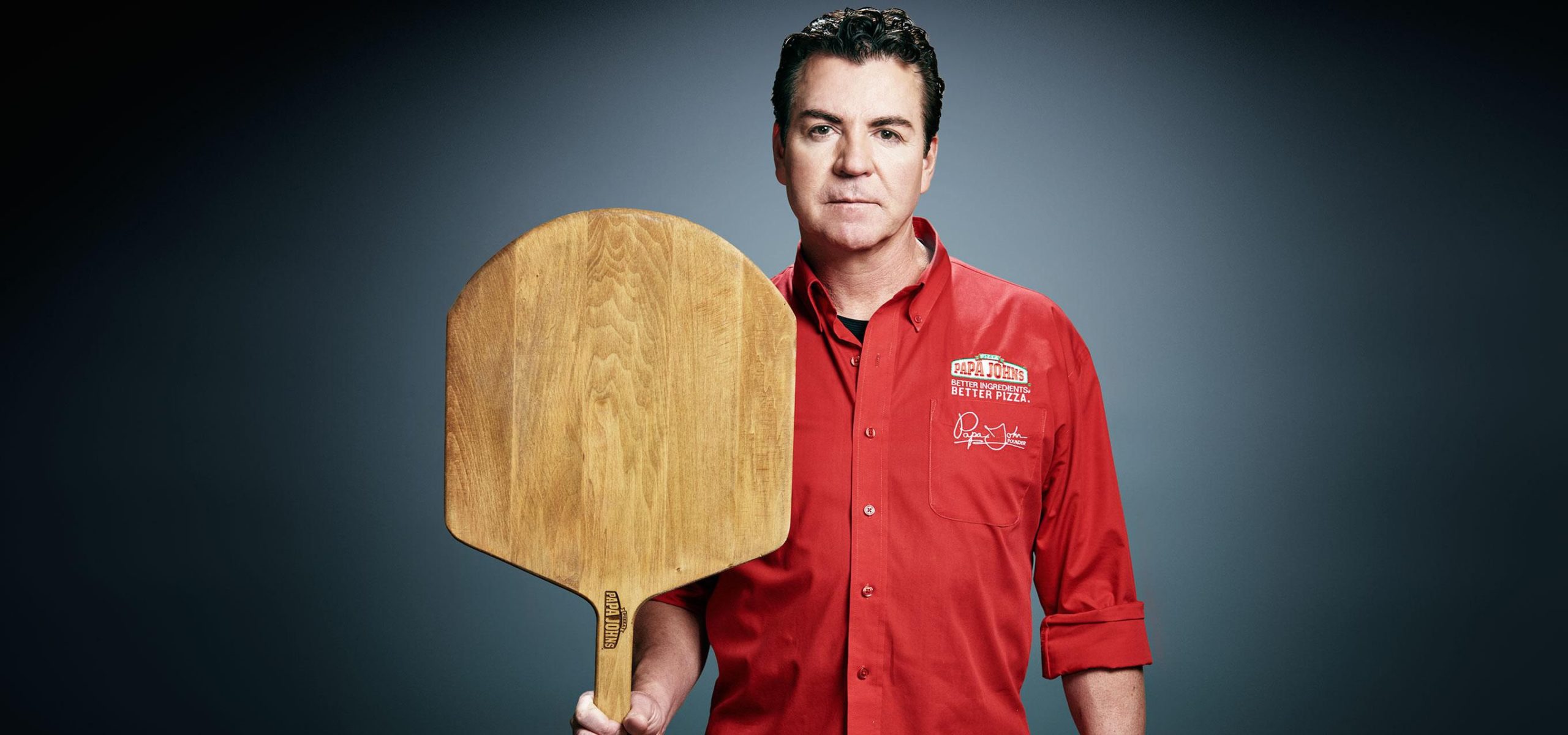
    US pizza chain Papa John’s is launching in Cambodia with 15 restaurants scheduled to open during the next three years. The company opened its flagship store in Phnom Penh last month.

    “Papa John’s Cambodia team is truly passionate about pizza,” said Peter Xu, Papa John’s Cambodia franchisee.

    “With our ‘Better ingredients – Better pizza’ promise, we look forward to providing local pizza lovers with quality products and outstanding services.”

    Xu also owns a Papa John’s franchise in New York and other business ventures in Cambodia.

    Jack Swaysland, Papa John’s COO, international, said that following a record year of sales and growth, Papa John’s is well-positioned to accelerate international development, a key pillar for the brand’s long-term growth.

    Papa John’s has restaurants in 48 countries, with the latest new openings in France, Spain, Tunisia, Iraq, the Netherlands, Morocco, Kazakhstan, Kyrgyzstan, Poland, the Bahamas, Pakistan, and Portugal. The company is eyeing expansion in Brazil, Japan, and Southeast Asia.

  • PSA Boss Sees More Auto Deals

    PSA Boss Sees More Auto Deals

    The head of Peugeot maker PSA Group expects more consolidation in the auto industry as carmakers invest vast sums to make electric vehicles, he said on Monday, while predicting some wouldn’t make it through the coming decade.

    “Only the most agile with a Darwinian spirit will survive,” Carlos Tavares said at the Reuters Automotive Summit teleconference, adding PSA was no longer investing in internal combustion engines as Europe and China push for cleaner driving.

    Tavares also said PSA was far ahead of its objectives in meeting European Union CO2 emission targets.

    PSA is working towards a planned merger with Italian-American Fiat Chrysler Automobiles NV (FCA) and Tavares reiterated this was on track for the first quarter of 2021.

    “So far, so good,” he said, adding much of the hard work in bringing the two companies together had already been done.

    PSA and FCA will operate under the name Stellantis after they merge, becoming the world’s fourth-largest carmaker.

    Tavares said one of the tasks facing the merged group would be improving its performance in China, the world’s largest car market, where it will have a considerably smaller market share than in Europe and the United States.

    “No global car company can afford not to be in the largest car market in the world,” Tavares said.

  • China’s Miniso makes it’s Parisian debut

    China’s Miniso makes it’s Parisian debut

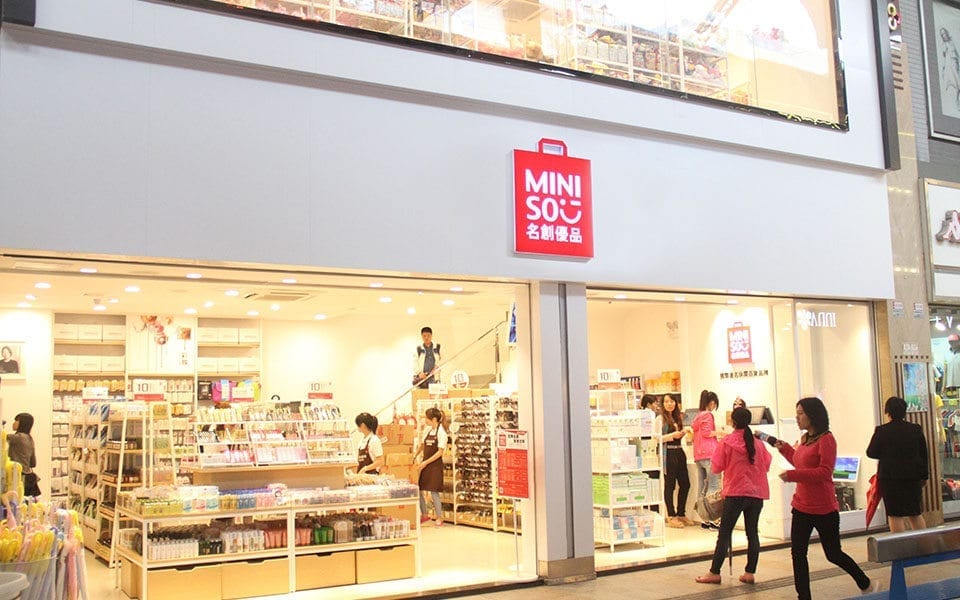
    MINISO, the Japanese-inspired lifestyle product retailer, opened its inaugural outlet in Paris today. The first store to open in Europe since the company’s successful listing on the New York Stock Exchange earlier this month, it signals continued global expansion for the brand as retail rebounds in Europe.

    Two more store openings are planned in France for this year, and MINISO aims to open additional locations in 2021. The retailer offers around 2,000 creative and low-priced goods ranging from creative home necessities, health and beauty products, fashion accessories and stylish gifts to office supplies, boutique package decorations, digital accessories, as well as food and seasonal products.

    Luxury bargains for fashion-forward consumers

    Shoppers in the chic District 8 now have the choice to purchase sleek goods without worrying about the price tag. Located on 58 Rue de la Chaussée-d’Antin, MINISO’s new store is within walking distance of Paris’ luxury stores, and offers more than 80% of its well-designed, quality products priced at under 10 euros.

    Before officially bringing its international aesthetic to the global fashion capital, MINISO first caught Parisians’ attention by debuting 40 original products at the Manson & Objet Fair last September. Almost exactly one year later, the brand was introduced to the French market by seasoned retail businessman Jonathan Siboni, the President of Luxurynsight.

    “Following much anticipation, I am thrilled to bring MINISO to French consumers. MINISO was a love-at-first-sight story for me at the Maison & Objet Fair last year,” said Siboni. “From the start, Ye Guofu’s vision has been generous and consistent, with an accent on customer experience. We have solid evidence that only being a visionary in retail can lead to also becoming a giant in digital. I was set on bringing this popular brand to the French market the moment I saw their stylish yet affordable products together with their advanced store management, and even more so determined after visiting dozens of MINISO stories throughout Europe.”

    MINISO, too, shares that excitement and eagerly looks forward to bringing its successful brand to France.

    “For MINISO, the French market is one of the most important and influential markets in Europe and across the world. Through our close collaboration with Mr Siboni and his team, we plan to open two other stores in Paris by the end of this year, said Edward Zhu, MINISO regional director. “We are confident that French consumers will increasingly fall in love with the thousands of affordable, quality products that MINISO has to offer.

    International design influence

    In 2018, the company established the MINISO Design Academy (MDA) in order to create more high-quality products that skillfully blend creativity and practicality. As of this June 30, the MDA has teamed up with 25 external partners and 49 brilliant designers from FinlandDenmarkNorwaySpain and South Korea. Their work has won 28 renowned international design awards such as the iF, Red Dot and ‘K Design’. The company is also continuously searching for and cultivating young designers with its MINISO Design Day, participating in art fairs and holding design competitions.

    MINISO opened its first store in Guangzhou, China, in 2013. Following seven years of rapid growth, MINISO has now opened more than 4,200 stores in over 80 countries and regions, including the US, UK, CanadaAustraliaSpain, UAE, India, and Mexico. Earlier this month, MINISO listed on the NYSE, becoming the fastest budget chain to go public.

  • Maison Kitsune makes Thai debut at Bangkok’s EmQuartier

    Maison Kitsune makes Thai debut at Bangkok’s EmQuartier

    Maison Kitsune has opened Thailand’s first Kitsune boutique and cafe at EmQuartier shopping center in Bangkok. The boutique and cafe occupy a 145sqm area with two entrances. The store design is a fusion of Japanese and Parisian style.

    The boutique’s facade features three white arches, “creating an impression of the endless sky”. The brand’s latest collection is displayed behind the glass windows. Located in the middle of the entrance is the brand’s signature Fox.

    The store interior features brass frames and wooden elements in contrast with white walls and marble floors. Meanwhile, the Kitsune cafe wall features “ Japanese-inspired panels in varnished bamboo stalks, a nod to Thai traditional craftsmanship”. The cafe houses an outdoor area with four tables set up in front of the store.

    The cafe offers a variety of drinks to pair with sweet and savory treats. The Cafe Kitsune collection of tableware, ready-to-wear and accessories is also available to bring home.

    Maison Kitsune is a French-Japanese electronic music record label and fashion brand created in 2002 by Gildas Loaec, Masaya Kuroki and London-based company Abake.