Tag: Franchises

  • Fashion franchises are a popular trend in Vietnam

    Fashion franchises are a popular trend in Vietnam

    At a one-day event held last week at the japan External Trade Organisation (JETRO) Office in Ho Chi Minh City, a group of more than 10 Japanese fashion giants introduced their wares to potential Vietnamese partners. These firms include Isato Design Works; In Design Lab; M-Trading, Inc; Kobe Leather Cloth Co., Ltd.; T-Three Co., Ltd; and Sachiyo Hayashi Beauty Laboratory Co.; Ltd. They all aim to open franchise stores in Vietnam in the future.

    This event was the first of its kind held by JETRO Office in Ho Chi Minh City, targeting Vietnamese companies which have already organised franchising deals or are interested in such deals in the future. In total, 30 Vietnamese firms attended.

    Maison Fashion Group and Imex Pan Pacific (IPP Group) are the most prominent Vietnamese firms to form franchise deals with international brands, but more look to be on the way.

    In recent years, Japanese firms have invested in many service-related projects in Ho Chi Minh City. This market is expected to develop even more in the future. “In addition, Vietnam is home to specific regulations on foreign investment and trading habits, thus penetrating this market via co-operative agreements with local partners is an optimal choice”, said Teramoto Ukai, a JETRO official.

    Japanese electronic products and consumer goods have long been famous in Vietnam for their quality. And now, Japanese firms want to tap into the local fashion market, which is growing at an annual rate of 10%-15%.

    Miniso, a leading Japanese lifestyle brand, is one of the latest firms to connect with Vietnamese market. In April 2016, Miniso signed a franchise deal with le Bao Minh Group.

    “Vietnam has growing consumer demands, thanks to rising incomes and [interest in] global trends. In addition, Vietnam is considered to be one of the 10 Asian retail markets with the fastest growth. The important thing is how to select brands and partners to cash in on the potential”, said Le Thi Ngoc Hai, chairwoman of Le Bao Minh Group.

    Miniso, which has been franchised successfully in the Republic of Korea, Malaysia, China, the Philippines, and Thailand, opened its first three stores in Hanoi in August 2016. It plans to have 13 stores in-country by the end of 2016, between Hanoi, Ho Chi Minh City, Danang, Nghe An, Can Tho, and Haiphong, Hai added.

    This franchising path follows a greater franchising trend in Asia. Along with the food and beverage sector, healthcare, education, and retail, fashion in Vietnam has attracted many famous global brands.

    The UL’s Monsoon Accessorize entered the Vietnamese market in 2009 after signing a franchise deal with Maison, and has since opened three stores nationwide. Spain’s Mango, which also has Maison as its franchise partner, opened its first local Mango store in 2004 and now has 10 stores in Ho Chi Minh City and Hanoi.

    In 2011, the UK’s Karen Millen entered Vietnam in partnership with Maison, and now has stores in Hanoi and Ho Chi Minh City. That same year, France’s Christian Louboutin entered the local market, with one store in Ho Chi Minh City.

    Singapore’s Charles & Keith and the UK’s Topshop also appeared in Vietnam via franchise deals. Charles & Keith now has seven stores in Vietnam after six years in the local market, while Topshop has one store in Ho Chi Minh City. In another case, IPP Group, owned by Jonathan Hanh Nguyen, has also been a favoured franchise partner for international fashion groups, including Italy’s Bulgari S.p.A., the US’s GPS Strategic Alliances with Gap and Banana Republic, and the UK’s Warehouse. They each have opened three stores in Vietnam.

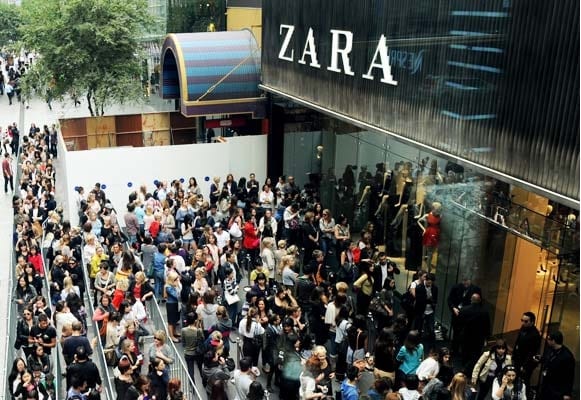
    Zara, a famous Spanish clothing and accessories retailer, officially opened its first store in Vietnam in early September 2016. The opening was wildly successful- on its opening day, it chocked up around VND5.5 billion (US$251,000) in revenue.

    According to a source from Zara, it plans to open a chain of seven stores in Vietnam in the future, including two in Hanoi in 2017.
  • Hong Kong McDonald’s Next delivers world first

    Hong Kong McDonald’s Next delivers world first

    Forty years after the franchise entered Hong Kong, a taste of the future is offered by the new McDonald’s Next concept store – a world first.

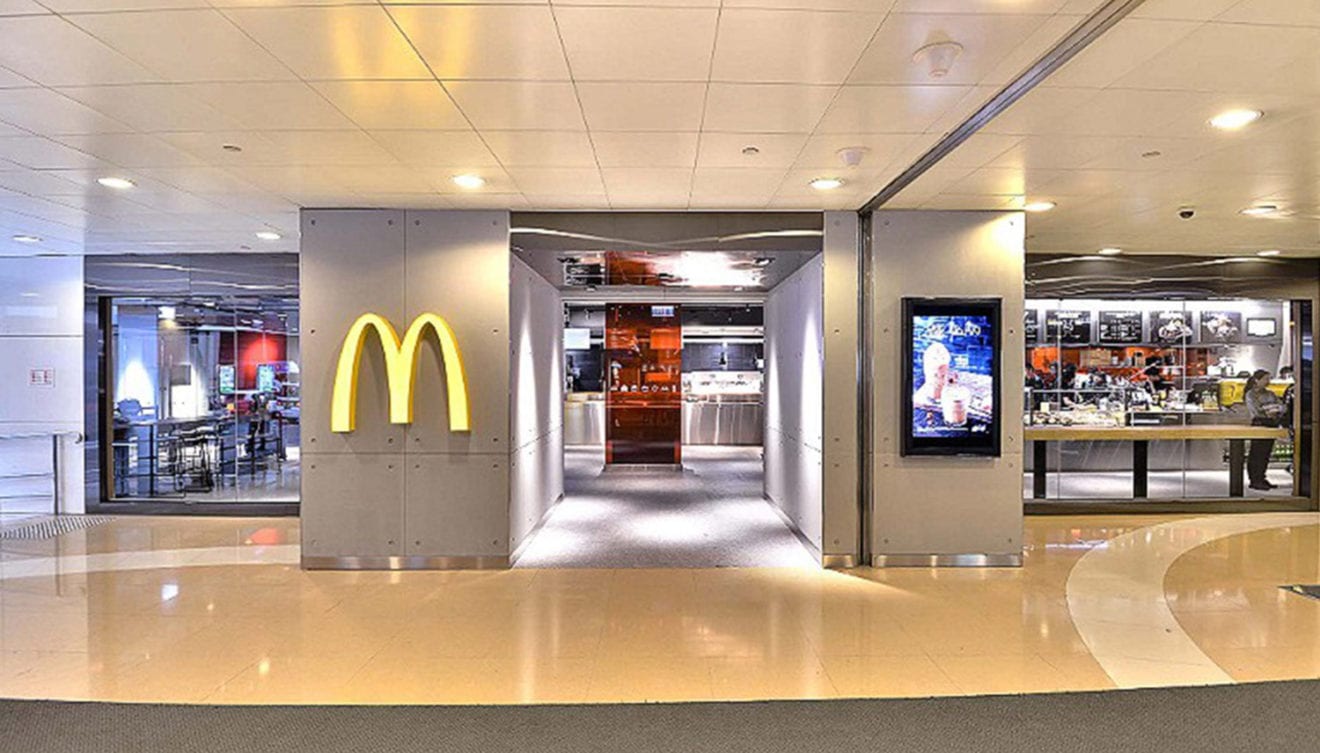
    In Admiralty Centre, the store has replaced the red-and-yellow colour palette with a black-and-white logo, ambient lighting, and glass and metallic interiors. There is not a clown to be seen – and the biggest surprise is a salad bar with 19 ingredient options including two choices of base greens, two types of cheese and three sauces.

    Also new for McDonald’s is table service after 6pm and premium coffee blends. Customers can also charge their mobile devices, use free Wi-Fi and can use self-ordering kiosks. For diehards, the regular menu is still available, plus there is the brand’s new Create Your Taste (CYT) concept, allowing touch-screen customisation of burgers. Launched last year, CYT has been rolled out in locations in Australia, China, Hong Kong (nine outlets), the UAE and the US.

    McDonald's Next Hong Kong salad

    McDonald’s Next combines the restaurant, CYT and McCafe all in one, offering a variety of exclusive products, says the company in a press release.

    Since CYT was introduced in Hong Kong in July, it was noticed that customers increasingly opted for healthy options, which led the brand to extend the concept to salads. Salads can also be matched with grilled chicken, chopped eggs, crayfish and cous cous or quinoa. The burgers are served on wooden boards.

    Also in response to local tastes, both coffee and desserts have been upgraded. Its new McCafe Premium House Blend single-origin beans are being packaged for customers to take home, and the restaurant serves traditional Belgian berry waffles.

    McDonald's Next Hong Kong burger on board

    A new “theatre kitchen” features bright lights and glass counters displaying ingredients. Customers may also watch the food preparation process. The restaurant decor includes a large screen displaying continually changing “interesting food patterns”, while there is “carefully selected” background music and adjustable LED lights to create atmosphere.

    McDonalds Next Hong Kong people eating

    As well as having new uniforms, the staff have had 720 hours’ of training for table service, offered from 6pm until the restaurant closes at 1am.

    “It’s friendlier, and feels more like a cafe than a McDonald’s,” French businessman Nicolas Cottard has told CNN. “I think it’s increased the value of the brand.”

    McDonald's next Hong Kong counter

    The introduction of the new concept follows McDonald’s announcing a major turnaround plan in May after both revenues and customer numbers tumbled internationally. CFO Kevin Ozan said the restaurant’s performance reflected the ongoing pressures of the business – not only competition in the fast-food market, but also the growing awareness of health issues around the world. Half of the global respondents to a Nielsen Global Health & Wellness survey last year said they were trying to lose weight, while 75 cent of them said they were changing their diets to focus on more natural, fresh foods.

    The McDonald’s Next restaurant was designed by Australian company Landini Associates, which told Dezeen magazine the grey-walled restaurant is “an experiment in non-design”.

    McDonald's Next Hong Kong interior

    “The colourful graphic environments that became the signature for McDonald’s internationally are replaced with a more simple, quieter and more classic approach,” said the Sydney-based architectural practice.

    “The intention is to hero the food, the service and the people who come to enjoy it, and to create a ‘recognisable neutrality’ that allows this to happen.”

    Landini Associates is now working on similar stores in Australia, China and Singapore.

    McDonald's Next Hong Kong bagged coffee