Retail News CRM

Tag: free

  • Shopee Slapped with $7700 Penalty for Misleading Free Shipping Promotions in Vietnam

    Shopee Slapped with $7700 Penalty for Misleading Free Shipping Promotions in Vietnam

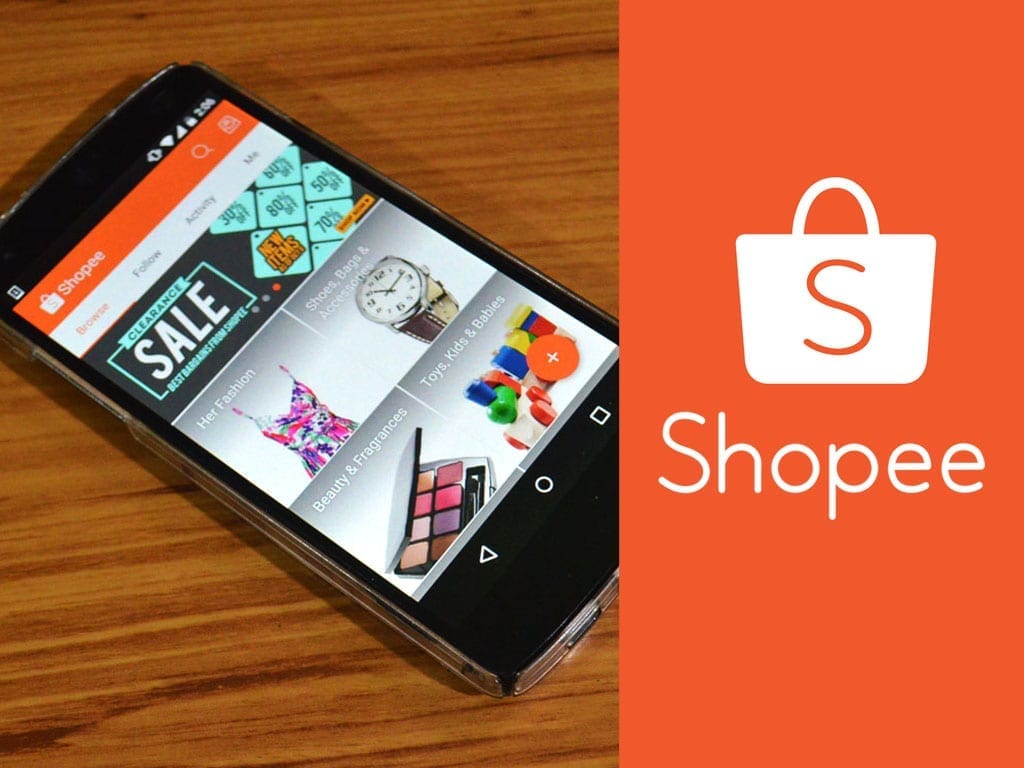
    Shopee, Singapore’s leading online retail platform, has recently been penalized VND200 million (US$7,700) by the Vietnam Competition Commission (VCC) due to deceptive advertising practices linked to a free shipping campaign initiated in August 2025.

    Confusing Advertising Practices

    The charge came after the e-commerce giant used phrases like “Free Shipping for All Orders,” “Everything Ships Free,” and “Wherever We Deliver, Shipping Is Free for All Orders,” in their promotional materials. Despite disclaimers outlining the conditions for the free shipping offer, several advertisement interfaces didn’t fully disclose the terms and exclusions, leading to confusion amongst customers.

    During the promotional period, roughly 94% of orders were shipped free of charge. The remaining orders either obtained partial shipping discounts or no discount at all due to non-compliance with the required conditions.

    Throughout the investigation, Shopee was cooperative, providing necessary information and documents to the VCC. Apart from the financial penalty, the online platform has updated information on its website, mobile application, and related social media pages to rectify this.

    Addressing the Issue and Future Plans

    Shopee has expressed its commitment to review and enhance the transparency of its communication strategies moving forward. This is with the aim of ensuring that details about promotional campaigns are precise and comprehensive.

    Despite the penalty, Shopee continues to be a formidable force in the Southeast Asian e-commerce landscape. A 2025 report shows the platform managed to sustain its dominant position within Vietnam’s online retail marketplace. It accounted for a staggering 58% market share, registering a gross merchandise value of over $11.8 billion. Competitor platforms, TikTok Shop, Lazada, and Tiki collectively made up the remaining market share.

    Questions & Answers

    What was the cause of the fine imposed on Shopee?
    Shopee was penalized due to misleading advertising related to a free shipping promotion. The company failed to clearly outline the conditions and exclusions of this offer.

    What steps has Shopee taken following the penalty?
    Shopee has rectified the information on its website, mobile application, and social media pages. Additionally, it is committed to improving the transparency of its communication activities for better clarity on promotional campaigns.

    Despite the penalty, how is Shopee performing in the e-commerce market?
    Shopee continues to lead in the Southeast Asian e-commerce market, particularly in Vietnam. In 2025, it recorded a gross merchandise value of over $11.8 billion and accounted for a 58% market share.

  • Durian-Giveaway Mania: Over 500 Seniors Swarm Singapore Stall for Free King of Fruits

    Durian-Giveaway Mania: Over 500 Seniors Swarm Singapore Stall for Free King of Fruits

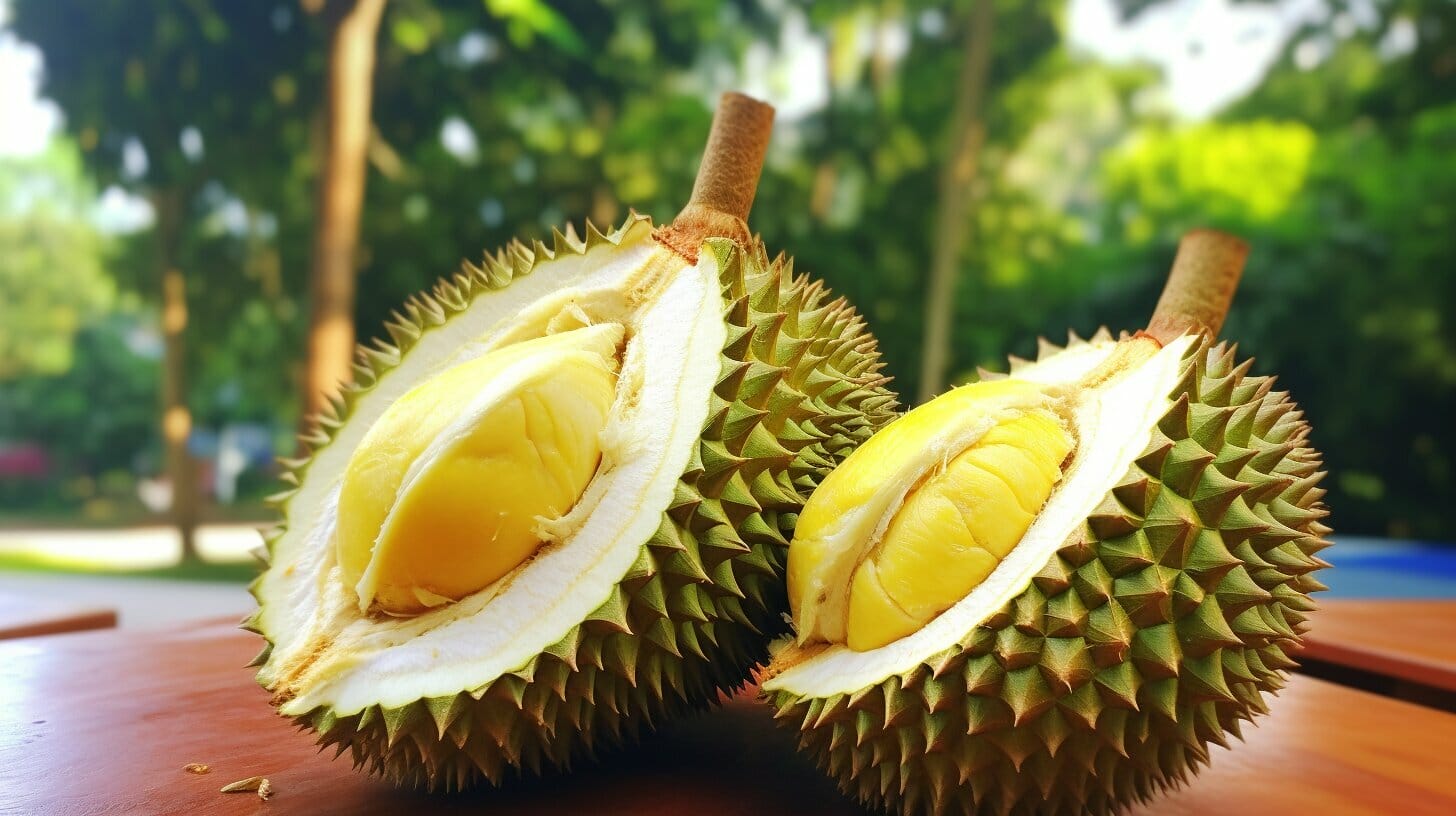
    In an act of goodwill and community service, a durian stall in Singapore, Famous Durian, recently held a sizable giveaway of the beloved fruit for senior citizens. The event drew a crowd of over 500 individuals, some of whom waited patiently for more than three hours to get their share of the prized fruit.

    A Popular Event for Seniors

    The giveaway event was scheduled to begin at 6 p.m. on Monday on Yishun Street 81. However, as early as 5 p.m., around 200 senior citizens were already lined up in anticipation. A 71-year-old retiree who was among the early birds expressed her joy at claiming the durians for the first time.

    An Appreciation Gesture

    The owner of the durian stall, a 43-year-old man, stated that the event was held as a gesture of appreciation to the community and as a means to allow elderly residents to enjoy the revered fruit. He prepared around 1,200 kilograms of durians, approximately 1,000 pieces, for the event, inviting anyone aged 60 and above. He noted that the distributed fruits were valued at over S$10,000 (US$7,730).

    Overwhelming Turnout

    Each participant could take home two durians, including one Mao Shan Wang (Musang King), a highly preferred variety in Singapore, and one of a different variety. Despite having organized such an event on three previous occasions, the turnout this time around was unexpectedly large, prompting the owner to distribute an additional 100 durians. Unfortunately, the entire stock ran out by 7:20 p.m., with some seniors eventually receiving only one durian instead of the promised two. The owner acknowledged that some participants were unhappy with this outcome, but assured that it was unintended.

    Spreading Love and Kindness

    In a post-event message, Famous Durian emphasized that the giveaway aimed to “spread a little love” with “no returns, no agenda” in a world that feels chaotic. The post read, “Kindness costs nothing, but it means everything. I hope everyone can pass this love forward and make our society a little softer.”

    Durians are a favorite among Singaporeans, with the city-state importing about 85% of its durians from Malaysia. During the peak season, the city-state imports around 100,000 kilograms of the fruit per day.

    Questions & Answers

    What was the purpose of the durian giveaway?
    The giveaway was organized by a durian seller as a gesture of appreciation to the community and as a way to allow elderly residents to enjoy the fruit.

    How many durians were given away and what was their value?
    The seller prepared around 1,200 kilograms of durians, approximately 1,000 pieces, for the event, with the distributed fruits valued at over S$10,000 (US$7,730).

    Were all participants able to receive two durians as promised?
    Due to the unexpectedly large turnout, some participants eventually received only one durian instead of the promised two. The entire stock ran out before everyone could receive their full share.

  • New Zealand’s Non-Alcoholic Sensation Free AF Shakes Up UK Market with Delectable RTD Cocktails

    New Zealand’s Non-Alcoholic Sensation Free AF Shakes Up UK Market with Delectable RTD Cocktails

    Free AF, a New Zealand-based company specializing in non-alcoholic beverages, has made its debut in the UK market. Their range of ready-to-drink (RTD) cocktails is now available to consumers across the country in Morrisons retail locations and online.

    Product Availability

    The product lineup available in Morrisons stores includes two flavours: Apero Spritz and Spiced Rum & Ginger. The Margarita flavour, on the other hand, can be purchased online through both Amazon and Free AF’s own website.

    Each 250ml can is reasonably priced at £2.50 (equivalent to A$5). The beverages feature Afterglow, a unique blend of New Zealand botanicals that give the drinks a warming sensation similar to that of alcohol, without any actual alcohol content.

    Company Expansion

    Free AF, founded by Lisa King, has already established a significant market presence in New Zealand and the United States. Their products are available in over 4,000 stores across the US, including popular retail chains Target, Walmart, and Sprouts.

    King expressed her excitement about the company’s expansion into the UK market, despite the challenging economic climate. “Entering the UK market is a huge milestone for us,” she said. “Every stage of growth has been shaped by our customers here at home. Their feedback influenced everything – from flavour to purpose – and that’s what’s enabled us to scale globally.”

    Brand Presence

    The brand has made appearances at high-profile events such as Coachella, New York Fashion Week, and NZ Fashion Week. Recently, Free AF announced a three-year partnership with The Nelson Mandela Foundation. As part of their commitment, a portion of Free AF’s global sales will go towards supporting the non-profit organization.

    Questions & Answers

    What is Free AF?
    Free AF is a New Zealand-based company that specializes in non-alcoholic beverages.

    What flavours are available from Free AF in the UK?
    The flavours available in the UK include Apero Spritz and Spiced Rum & Ginger in Morrisons stores, and Margarita online.

    Where else is Free AF available?
    Apart from the UK, Free AF products are also available in New Zealand and the United States, with their products being stocked in over 4,000 stores across the US.

  • Spotify restores free lyrics access

    Spotify restores free lyrics access

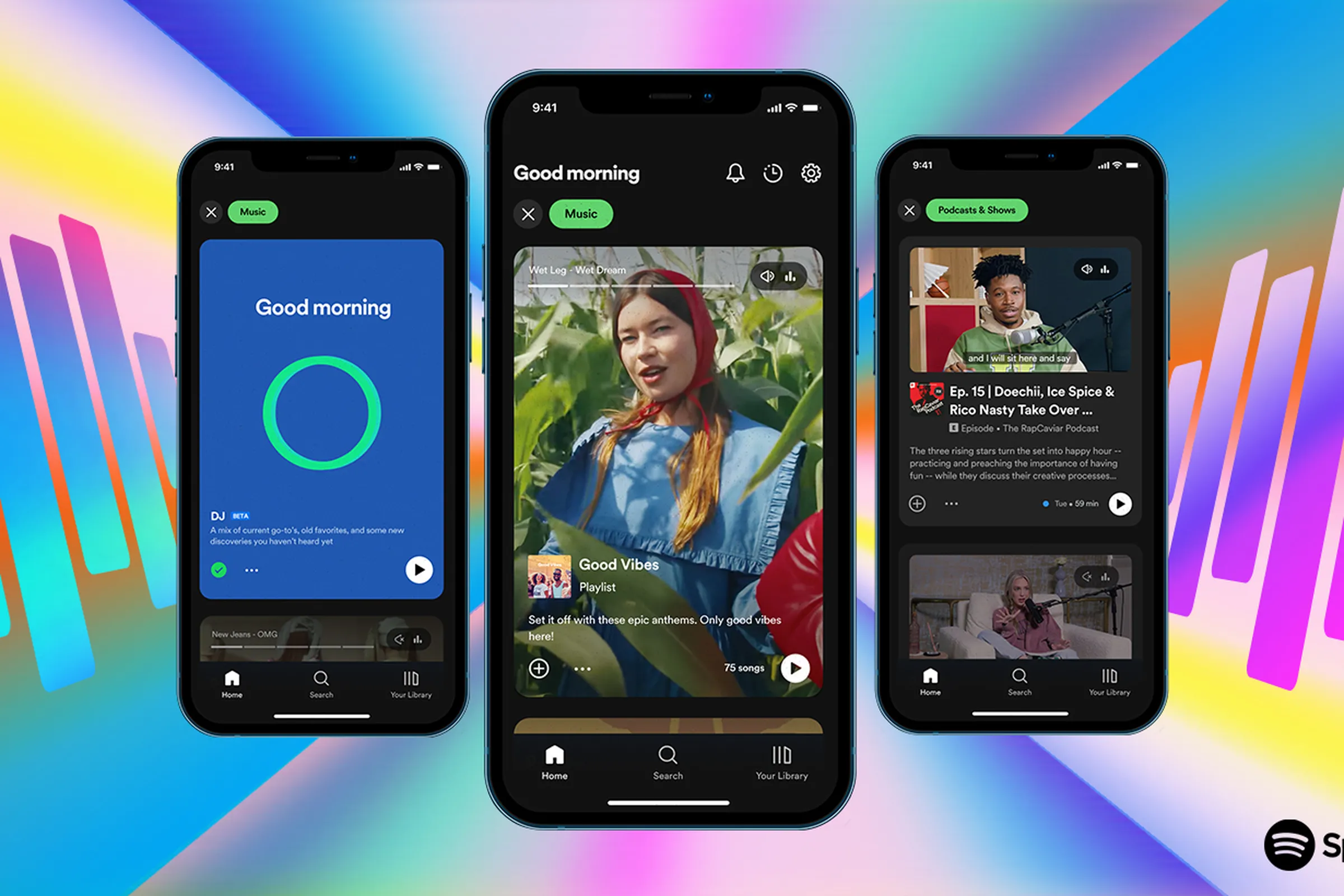
    Free Spotify users are now able to view song lyrics for all songs again, after being restricted earlier this year. The company previously limited free users to viewing lyrics for only three songs a month, pushing a paid subscription to access lyrics for any song. However, Spotify has now reversed this decision, allowing free users to enjoy unlimited access to lyrics once more.

    Spotify’s decision to limit lyric access for free users in May was met with negative feedback. It was viewed by some as an attempt to incentivize users to upgrade to their paid subscription tiers, which start at $11 per month. However, the company seems to have shifted its strategy, prioritizing improvements to the free user experience. This change aligns with CEO Daniel Ek’s recent statements about enhancing the free product pipeline based on performance in certain markets.

    While the exact reasons behind Spotify’s change of heart remain unclear, it’s evident that the company is constantly experimenting and iterating on its features. The spokesperson’s statement emphasizes this, stating that feature availability can vary across different tiers, markets, and devices.

    During a recent earnings call, CEO Daniel Ek mentioned ongoing plans to integrate additional enhancements into the free experience in the coming months. These improvements aim to make the free tier more appealing and valuable for users, potentially attracting a wider audience to the platform.

    It’s worth noting that Spotify’s commitment to enhancing the free experience goes beyond lyrics access. The company is likely exploring various avenues to make the free tier more attractive and engaging for users. This could involve introducing new features, improving the user interface, or even experimenting with different advertising formats.

    Although Spotify is still testing and refining its features, the company appears to be actively listening to user preferences and making necessary adjustments to cater to both free and paid users. The recent reversal of the lyrics restriction suggests that Spotify is open to adapting its strategies based on user response and market trends. It will be interesting to see how this change impacts user engagement and satisfaction on the platform in the long run.

  • Patties relaunches its Ruffie Rustic Foods range entirely meat free

    Patties relaunches its Ruffie Rustic Foods range entirely meat free

    As Australians choose to incorporate more vegetables and meat alternatives into their diets, Ruffie Rustic Foods is relaunching its frozen-ready meal range as an entirely plant-based option to help satisfy this demand.

    Launched in 2019, Ruffie Rustic Foods is an Australian-owned brand of frozen ready-made meals produced by Patties Foods Ltd.

    The new range includes plant-based chicken-less schnitzel with al dente penne Pomodoro, butter chicken-less in rich coconut milk sauce, spaghetti and meat-less balls in Napoli sauce, Thai green chicken-less curry, and portobello mushroom risotto with white beans & broccoli.

    According to the food company, the entire range of products are made with locally sourced ingredients and is high in protein, meat-free, plant-based, and vegan-friendly.

    “With this new plant-based range, we want to treat our customers to the classic flavors they love, in a modern and convenient way,” said Anand Surujpal, GM of Marketing & Innovation, Patties Foods Ltd.

    Ruffie Rustic Food’s frozen range is available in Woolworths and select Independent Grocers and Petrol & Convenience stores nationwide for RRP $7.00

  • Tourism recovery can take off alongside flights resumption

    Tourism recovery can take off alongside flights resumption

    Tourism companies see a proposed plan to gradually resume international flights as a necessary first step for their sector to recover from the pandemic-inflicted slump. Nguyen Minh Man, head of marketing at the HCMC-based TST Tourist Co., said that a slow and careful reopening of Vietnam’s borders can form a strong foundation to resume tourism activities.

    “This is a golden time for the tourism industry to prepare their human resources and products to recover and achieve a breakthrough next year,” he added.

    Nguyen Cong Hoan, deputy director of Hanoi Redtours, said that although the flight resumption won’t be able to “save” Vietnamese tourism this year, it will be a necessary first step for recovery.

    International flights will first help resume trade and business activities, which will boost demand for niche tourism segments such as golf and luxury tourism, and after that, other popular segments will start to recover, he said.

    “If vaccinated passengers can enter the country in September, that would be an ideal time to travel to Vietnam’s warm beaches or visit terraced fields during the harvest.”

    The Civil Aviation Authority of Vietnam (CAAV) is considering the resumption of international flights starting July, with Japan, South Korea and Taiwan the first destinations, each side operating four flights a week.

    All passengers will be quarantined upon arrival as per the Health Ministry protocol. It is expected that around 6,000 to 7,000 passengers would enter the country each week from the three Asian destinations.

    The CAAV has proposed that starting September, vaccinated foreign passengers into the country are allowed into the country without requiring centralized quarantine.

    Vietnamese carriers are eagerly awaiting the government’s green light to take to the skies again.

    Budget airline Vietjet resumes regular flights to Thailand, Japan, South Korea, and Taiwan this month, serving Vietnamese citizens wishing to study and work abroad, as well as stranded foreigners wanting to return home.

    On return trips, the carrier will only carry Vietnamese citizens being repatriated or foreign experts with permission to enter the country as per government regulations.

    Meanwhile, national flag carrier Vietnam Airlines has said it will reopen international commercial flights connecting Hanoi and HCMC with several Asian destinations including South Korea, Japan, and Australia this month.

    However, tourism companies are not too optimistic about a quick recovery. Hoan of Hanoi Redtours said that for this year and the next, domestic travel will be the main revenue source for his company, and prospects for international travel will only look up in 2023 as the earliest.

    “We are seeing rising numbers of individual and company trips bookings domestically, and this will be our main focus for the time being. Until the Covid-19 situation is well under control globally, we should not pin our hopes on international travel.”

    Vietnam closed its national borders and canceled all international flights in March 2020. Since then, only Vietnamese repatriates, foreign experts, and highly-skilled workers are being allowed in under strict conditions.

    The number of foreign visitors to Vietnam in the first quarter fell 98.7 percent year-on-year to 48,000 with travel restrictions in place to mitigate the impacts of Covid-19.

  • Spotify free-tier users will be targeted with more relevant ads

    Spotify free-tier users will be targeted with more relevant ads

    Spotify has found a way to better generate more revenue from the ads it delivers to users of its free music streaming service. Although today’s announcement is aimed at advertisers that will now be able to target ads based on the category of podcasts people listen to, users of Spotify’s free service are the ones affected by the decision.

    Up until now, Spotify’s free-tier users would be targeted by ads based on the music they listen to, such as genre or playlist, but starting today, advertisers will be able to target them more specifically based on the category of podcasts they like.

    Spotify said that this is just the first step towards building a solid advertising strategy around podcasts, which was started not long ago by the partnership with Samsung and 3M.

    We aspire to develop a more robust advertising solution for podcasts that will allow us to layer in the kind of targeting, measurement, and reporting capabilities we have for ads that run alongside other content experiences like music and video.

    The new ads will play between songs for those who don’t pay for Spotify Premium, so that doesn’t change. However, free-tier listeners will notice that there are now more specific, depending on the podcasts they listen. The new capability is now rolling out to 10 market: Australia, Brazil, Canada, France, Germany, Italy, Mexico, Spain, UK, and the US.

  • New Deliveroo Subscription Service gives Food Lovers Free Delivery

    New Deliveroo Subscription Service gives Food Lovers Free Delivery

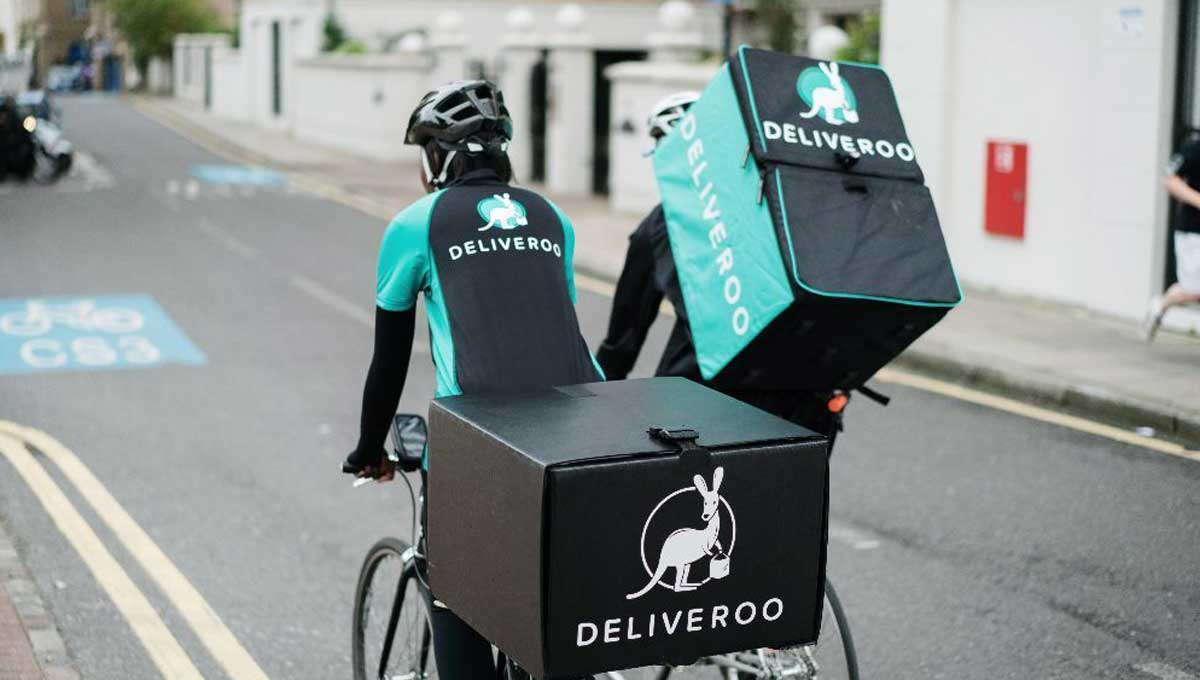
    Deliveroo the leading food-delivery company is today launching Deliveroo Plus, a new subscription service available for food lovers across Hong Kong. The new service, priced at HK$98 a month, will enable customers to get unlimited free delivery. Customers will be able to benefit further by trialling Deliveroo Plus free for two weeks or more.

    Deliveroo Plus is being rolled out following a successful launch in the UK. During their first two months of signing up to the pilot, half of all customers saved nearly £25 (around HK$ 260) over the time period, whilst one in ten saved over £75 (around HK$ 770).

    Brian Lo, General Manager, Hong Kong at Deliveroo said, “At Deliveroo, we are continuously striving to innovate our offer as well as expand our delivery platform. Through the launch of Deliveroo Plus, Deliveroo aims at rewarding our users with a better value for money. This new subscription service provides a more affordable option to the frequent users while the earnings of riders is expected to rise with the increasing demand for food delivery.”

    Customers throughout Hong Kong wishing to subscribe to Deliveroo Plus will see the option to sign up to the service on their basket at checkout and in the ‘Account’ section of the app and website.

  • Philippines taps UNDP to accelerate free Wi-Fi rollout

    Philippines taps UNDP to accelerate free Wi-Fi rollout

    The Philippines’ Department of ICT (DICT) has signed a partnership agreement with the United Nations Development Program (UNDP) aimed at fast-tracking the deployment of free Wi-Fi access in public places.

    Under the agreement, the UNDP will provide support for the government’s Pipol Konek – Free Wi-Fi Internet Access in Public Places Project.

    The UNDP will conduct area-based network analysis of target sites, oversee monitoring of project impact, and continue to provide technical training to stakeholders involved in the rollout.

    The UNDP and the DICT will meanwhile jointly take charge of project oversight. The project participants plan to hold workshops and consultative meetings to address the challenges with the rollout and investigate potential solutions.

    The DICT sought the assistance of the UNDP in September last year to expedite the project and aid in the capacity-building initiatives of the companies involved in the rollout. A formal signing ceremony was held last week during the first project board meeting.

    “Today as we set to seal this meeting of minds, the Department is optimistic that our goals of providing free Internet access and promoting knowledge-building among our citizens will soon be realized,” DICT acting secretary Eliseo M Rio Jr said at the signing ceremony.

  • Korean duty-free sales to see first drop in 14 years

    Korean duty-free sales to see first drop in 14 years

    “The Korean duty-free industry may see a drop in on-year annual sales in 2017, which would make it the first decline in 14 years, according to data from the customs regulator Sunday.”

    Since the outbreak of the Severe Acute Respiratory Syndrome virus in 2003, the duty-free industry had seen steadily rising sales until last year.

    Especially in 2016, sales had risen sharply to 12.3 trillion won (US$10.83 billion), breaking the 10 trillion-won mark thanks to the popularity of Korean music and dramas and heavy marketing aimed at the Chinese market by duty-free operators.

    However, those numbers had been heavily reliant on large tourist groups from China which were brought to downtown duty-free outlets by travel agencies. This demand spiraled down beginning in mid-March when Beijing imposed an unofficial ban on travel packages to Korea.

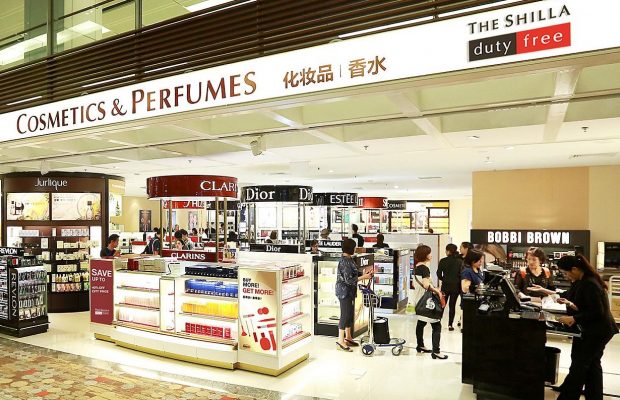
    The loss of inbound traffic from China took a heavy toll on duty-free operators such as Lotte Duty Free, who had previously pulled in up to 70 percent of its revenues from Chinese tourists.

    The blow was even harder for newer duty-free operators who do not have the brand power of industry leaders Lotte and Shilla, and are heavily dependent on tourist groups.

    Earlier this month, Hanwha Galleria announced that it would be returning its permit to operate a duty-free outlet at Jeju International Airport due to continued losses.

    The move followed months of repeated bidding for the fashion and accessories duty-free area of the second terminal at Incheon International Airport, which eventually went to Shinsegae DF after Incheon Airport agreed to lower the rent prices by 30 percent.

    Recent developments have indicated a sharp turn away from the optimism that had previously surrounded the duty-free industry, which had led to intense bidding wars between operators to win licenses for downtown outlets.

    Analyst Choi Min-ha wrote for Korea Investment & Securities that this year‘s annual sales for the duty-free sector was likely to reach around 10.5 trillion won, marking the first drop since the SARS crisis.

    “Although numbers of Koreans leaving the country are rising, they are not enough to make up for the losses from Chinese tourists,” Choi said.

  • Indonesian Tourism Industries Support Visa-free Policy

    Indonesian Tourism Industries Support Visa-free Policy

    Indonesian tourism industries have expressed support to the adoption of visa-free policy by the government so far, citing positive impact on the tourism sector.

    The general chairman of the Association of Indonesian Tourism Industries (GIPI), Didien Junaedy, said here on Saturday (Feb. 4) that the adoption of the policy is essential to boost tourism in the country.

    He said that the policy has been proven to significantly increase the arrival of foreign tourists in their countries.

    Through Presidential Regulation Number 21, 2016, the Indonesian government has provided visa-free facility to visitors from 169 countries for a short visit.

    The regulation was produced in March 2, 2016, and so it is not yet a year old. According to me, the evaluation should be done after two years of its implementation,” he said, adding that it would take several months to familiarize.

    Junaedy added that tourism industrialists grouped in GIPI have seen and felt the positive impacts of the policy.

    He stated that consistency in the implementation of the policy would be needed with regard to building public trust in foreign countries.

    Supervision on the other hand, however, is also needed to minimize possible violations of the regulation, he noted.

    “GIPI has planned to gather tourism industrialists eight times in the first semester this year to strengthen its support for the implementation of the Presidential Regulation Number 21,” he asserted.

    Junaedy admitted that there had also been negative excesses coming from the policy, such as visa overstay problem and illegal worker problems.

    “Their number however is relatively small compared to millions of foreign tourists visiting Indonesia legally, like in other countries that implement the same policy,” he added.

    He also said that the negative impacts of the policy must be overcome, and solution to the problems must be found through joint efforts.

    “We must not blame each other over trivial problems but must cooperate to overcome them,” he stated.

    He said that the visa-free policy has so far been one of the strong factors that has played a major role in meeting the target of foreign tourist arrivals, which was set at 15 million this year and 20 million by 2019.

  • Idea may offer unlimited free 4G data

    Idea may offer unlimited free 4G data

    India’s Idea Cellular is reportedly considering launching its own unlimited free 4G data offer to compete against disruptive new market entrant Reliance Jio Infocomm.

    Idea is considering offering unlimited data in certain plans with a validity of 1 to 1.5 years, potentially only for 4G customers, citing sources.

    According to the report, Idea may also introduce free incoming calls for international roaming and new loyalty plans for existing customers.

    The entry of pan-Indian 4G operator Reliance Jio has shaken up India’s telecoms market, due in part to the operator’s decision to offer free services for customers for its first six months of operation, ending in March 31.

    Rival operators have been pressed to respond with their own offers to attract and retain customers. Bharti Airtel recently introduced an offer for 3GB of extra data per month until December this year.

    In line with this development, Vodafone India has introduced a new prepaid plan offering unlimited 3G or 4G data roaming for an hour for just 16 rupees ($0.235). The company will also offer unlimited in-network local voice calls for an hour for 7 rupees. Vodafone’s 2G customers will be able to buy an hour of unlimited data for 5 rupees.

  • Tax free shopping spend drops in Asia and Europe

    Tax free shopping spend drops in Asia and Europe

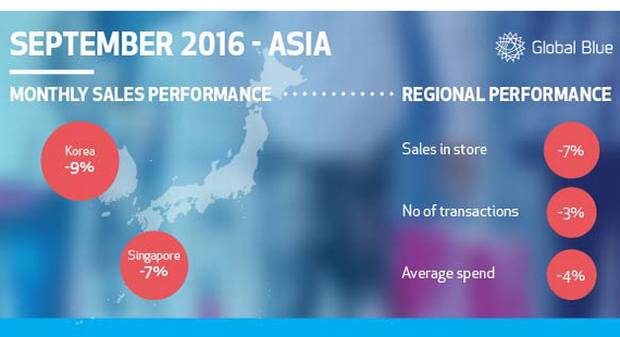
    Tax free shopping sales in Asia fell -7% year-on-year in September, compared to declines of -13% in August, according to Global Blue. The number of transactions dropped -3%, while average spend was also down -4% over the same period. Global Blue said Singapore, Japan and South Korea all saw declining tax free sales for the first time in three years.

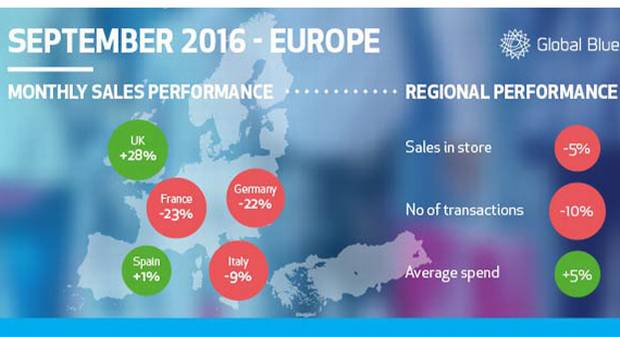
    In Europe, tax free shopping declined -5% year-on-year during September, compared to -3% in August.

    European transactions were down -10%, but average spend was up +5% year-on-year.
    asia_600x300

    Asian countries

    Global Blue said the increase in arrivals by middle-class Chinese travellers supported growth in tax free sales and the number of regional transactions, but was not enough to offset the decline in spend in Singapore, Japan and South Korea.

    Both Japan and South Korea saw a -9% dip in sales, while in Singapore sales fell -7%.

    The positive momentum seen earlier in the year has now gone, Global Blue said, reflected by the deep drop in average spend in Japan of -30% year, and the -13% fall in South Korea.

    In these two countries, the rise in arrivals was offset by the decline in average spend as a result of the strengthening currency in both countries. In September, the Japanese yen was +21% and the Korean won was +10% against the Chinese yuan, Global Blue noted.

    A shift in the Chinese traveller profile towards value seekers and experiential Free Independent Travellers is becoming the “new normal” across the region, the retail intelligence company said, which also had a negative impact on sales.

    Global Blue said it was witnessing a change in shopper profile in Japan’s department stores, as Millennials and Free Independent Travellers look beyond the country’s department stores and head to more niche or independent fashion and luxury retailers outside the Global Blue merchant network.

    With increasing numbers of less affluent Chinese arriving in Singapore from second- and third-tier cities, the country’s duty free retailers have been slow to offer a more diverse retail mix, Global Blue said.

    Chinese travellers are using Singapore as a departure point for cheaper shopping over the border in Malaysia.

    The number of travellers entering Singapore by land is rising (up +55% according to the latest Singapore Tourism Board figures reported in Jing Daily). Some of these tourists are on overland tours and therefore take in cheaper markets as well as Singapore’s high-end malls, unlike the higher-spending visitors who arrive by air.

    Singapore is also facing a challenge this quarter due to health concerns over the Zika virus outbreak, which is reducing visitor numbers, Global Blue noted.

    Chinese shopping across South Korea and Singapore saw tax free sales declines of -15% this month.

    While the tough comparison with 2015’s MERS-hit summer period has ended in South Korea, the Chinese are not returning in any great numbers due to the political tensions between the two countries, Global Blue noted.

    Hong Kongese tax free sales in South Korea and Singapore significantly declined in September (-77% and -98% respectively). While the local currency is strong, the legal context for the largely daigou traders is negatively impacting on sales, according to the company.

    Indonesians and Thais are now making up for the tax free spend at both destinations. In Singapore, Indonesian tax free sales are up +7% year-on-year, fuelled by positive currency exchange rates. In South Korea, Thais contributed to a massive sales spike of +87% year-on-year. Singaporean sales were also up +17% in September, a result of high net worth individuals who are regular shoppers in the region.
    eu-600x300

    European countries

    The tax free shopping decline in Europe is a slight improvement compared to the first half of the year, the company said, although countries hit by terrorism last year saw a reduction in sales.

    France and Germany continued to feel the effects of the downturn in visitors from Asia, with tax free sales down -23% and -22% respectively in September.

    The most serious decline in spending in France came from the Chinese, at -40%, while in Germany, Chinese spending was down -26%.

    Spain and southern European countries continued to outperform the continental Europe average of duty free sales, Global Blue said. Spain saw an increase in tax free sales of +1% compared to last September, while Greece increased total sales by +18%.

    The UK benefited from the fall in the pound and currently remains the best value luxury destination for duty free shoppers. The pound is now around -14% down on the euro since the Brexit vote, and almost -20% against the US dollar, Global Blue said.

    However, this situation is unlikely to last beyond next spring, the company noted, as most luxury goods are imported into the UK. From next season price increases on all imported goods will inevitably lead to higher prices in UK stores.

    The UK also benefited from the end of Ramadan and the annual back to school period for Chinese students, characterised by visiting families’ gift spending.

    The Chinese are the most valuable nation of shoppers for UK retailers, and they increased their spending by +25% during September.

    Saudi Arabia, Qatar, the UAE and Kuwait contributed to a +8% uplift in European sales in September.

    Cutbacks by the Saudi government, where well over half the population are state-employed, will put pressure on Saudi citizens’ outbound travel plans and spending in the medium term, Global Blue noted.

    Morocco posted a +28% rise in total sales in Q3 year-on-year, as shoppers avoided destinations that have suffered terrorist attacks. Cyprus saw a +11% uptick during the same period; Global Blue attributed this to an increase in Russian shoppers.
  • PT Telkom has added a number of new wifi hotspots in Bali

    PT Telkom has added a number of new wifi hotspots in Bali

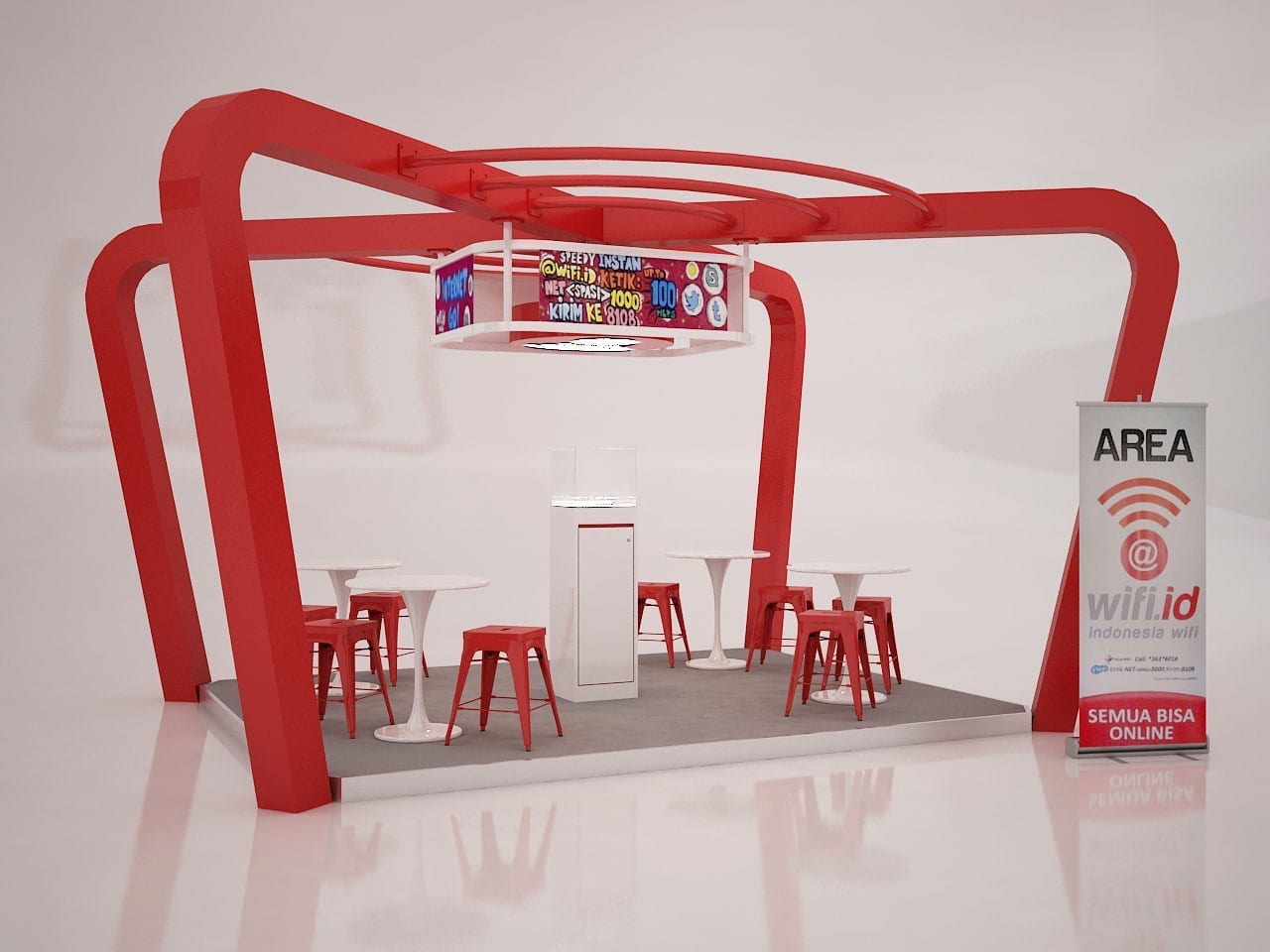
    The hotspots are under the network’s “Wifi.id.corner” program, which has users register for accounts and choose from a variety of packages that Telkom touts as affordable. 

    The new Wifi.id.corner spots are split between the island’s capital city, Denpasar, and north Bali city, Singaraja. 

    “In Bali, the fixed broadband services through Wifi.id.corner are spread across 200 locations. 170 of them are in Denpasar and 30 others in Singaraja, Buleleng,” quoted Nusra Suparwiyanto, executive vice president of PT Telkom Region 5 (East Java/Bali), as saying. 

    Suparwiyanto says Telkom is responding to the growing needs of Bali netizens with these 200 hotspots, which can be found in public spaces such as schools, universities, housing complexes, ports, and also city parks.

    Here’s the impressive part though—this wifi is supposed to be pretty darn fast. According to Suparwiyanto, the network is boasting speeds above 100 mbps—a speed we’re sure most of us aren’t familiar with in Bali. 

  • Indonesia provides free domain names for SMEs

    Indonesia provides free domain names for SMEs

    The Communications and Information Ministry is trying to propel small and medium enterprises (SMEs) into regional and global markets, by providing free domain names to help them take advantage of the country’s growing e-commerce sector.

    The government will provide the free domain names to about 8 million SMEs in all parts of the country until 2020, Communications and Information Minister Rudiantara said on Wednesday.

    In the first stage, the ministry would provide free domain names to 1 million SME customers of stateowned Bank Rakyat Indonesia (BRI) by 2018, he said. The ministry, in partnership with BRI, has also developed a digital platform for SMEs.

    “We want to speed up the [1 million free domain name] program and BRI has a lot of SME customers,” Rudiantara said on the sidelines of the signing of the memorandum of understanding (MoU) in Jakarta, adding that that it might collaborate with other companies if necessary.

    Under the current cooperation with BRI, the SMEs will be given a free domain name for a year. At present, a commercial domain name in Indonesia costs between US$10 and $20 a year.

    BRI president director Asmawi Syam said the free domain would directly involve SMEs in the e-commerce business and expand their market, while the digital platform would help transform the SMEs which are the backbone of the Indonesian economy.

    Currently, BRI has 9.5 million SME debtors in total. The program, launched in August, has managed to facilitate free domain names for 5,000 of them. As of September, BRI’s outstanding loans to SMEs stood at Rp 397 trillion ($30.4 billion).

    According to data from the Central Statistics Agency (BPS), there are more than 54.5 million SMEs in Indonesia. Accounting for around 60 percent of the country’s gross domestic product (GDP), they provide jobs for almost 99 percent of Indonesian workers.

    BRI consumer banking director Sis Apik Wijayanto explained that not all of the lender’s clients in the SME segment would participate in the program, as it was only aimed at companies with good business prospects.

    The domain names, he further said, would allow them to sell their products nationwide and even abroad.

    “If they are growing, it will be also good for BRI. When they have wider market, their turnover will increase and they will need bigger financings or loans from BRI to expand their business,” Sis said.

    The ministry’s target of 1 million domain names, he added, could be easily achieved due to the large number of BRI’s SME customers.

    The lender has been disseminating information related to the program in its 12 regional offices in 10 provinces and aiming to do so in all 34 provinces in the country. It has also provided training for its clients in Yogyakarta, and in seven cities of West Java, on how to manage a website.