Tag: freight forwarding

  • Singapore Wholesale Sea Freight Prices Jump 25.4 per Cent

    Singapore Wholesale Sea Freight Prices Jump 25.4 per Cent

    Singapore transport and storage operators pushed wholesale charges higher in the second quarter, led by a 25.4 per cent quarterly surge in sea freight rates.

    Official producer price figures from the Department of Statistics released on Oct 28 confirm that wholesale freight forwarding costs rose 10.2 per cent over the same period, while postal and courier services climbed 7.1 per cent.

    The price increases hit wholesale markets after an index tracking imported fuels, lubricants and related materials spiked by nearly 79 per cent month-on-month in March. That energy shock followed the outbreak of the Iran war on Feb 28 and the effective closure of the Strait of Hormuz, an export channel that handled roughly 20 per cent of global oil and gas output. Although fuel import metrics eased later in the year, they settled well above their baseline levels.

    Uneven Impact Across Shipping Modes

    Liquid bulk and gas transport absorbed the steepest increases because of their structural dependence on Middle East transit lanes. Crude oil and liquefied natural gas carriers faced direct rerouting requirements, while container shipping lines operating predominantly outside the Persian Gulf recorded milder cost adjustments. Container operators still absorbed indirect pressure through pricier bunker fuel and schedule disruption across regional transshipment hubs.

    Air freight forwarding registered the sharpest immediate shock within forwarding segments. Air cargo handlers dealt with route deviations, constricted capacity and jet fuel premiums. Sea freight forwarders absorbed a combination of higher carrier spot rates, emergency bunker additions and war risk insurance surcharges, whereas domestic land freight forwarding pricing held steady through the period.

    Courier Adjustments and Domestic Storage

    International parcel delivery networks responded by adjusting their baseline tariffs. The 7.1 per cent increase in postal and courier indices stemmed entirely from cross-border traffic, while domestic Singapore delivery tariffs softened over the quarter. Global integrators operating regional sorting hubs in the city-state have passed energy expenses directly to corporate shippers.

    DHL Express has scheduled a general rate increase for January 2027, citing global energy costs and local operating conditions. Upstream handling fees in Singapore also crept higher during the second quarter, with cargo handling charges rising 2.7 per cent month-on-month and warehouse storage fees gaining 0.6 per cent.

    Pressure Mounts on Regional Supply Chains

    For consumer brands and cross-border merchants, wholesale transport cost hikes squeeze gross margins at the inbound inventory stage. Retail businesses often absorb wholesale freight spikes during the initial shipping cycle to defend unit volumes, but prolonged upstream inflation forces retail price tags higher once existing inventory depletes.

    Importers across Southeast Asia face two distinct operational choices. They can absorb degraded margins during upcoming peak sales quarters or pass freight surcharges into final shelf prices. E-commerce platforms that rely on international air parcels face the immediate prospect of higher threshold requirements for free shipping programs.

    The Pipeline of Upstream Costs

    Before the conflict escalated in February, liquid bulk freight tariffs fluctuated within narrow bands and container rates trended lower across major Pacific routes. That period of pricing relief ended abruptly once bunker fuel benchmarks tracked global crude upward. By Oct 23, Brent crude touched more than US$117 a barrel, its highest point since April, after strikes hit commercial tankers near the Strait of Hormuz.

    Commercial shippers now look to the third-quarter producer price indices and DHL Express’s scheduled tariff revision in January 2027 to gauge whether logistics operators will levy fresh baseline increases.

  • Broekman Logistics Highlights Middle Corridor for Europe-Asia Project Cargo

    Broekman Logistics Highlights Middle Corridor for Europe-Asia Project Cargo

    On 13 October 2026, Broekman Logistics highlighted the growing strategic importance of the Middle Corridor as European and Asian shippers seek alternative transport routes for project cargo, industrial equipment and high-value freight.

    The Netherlands-based logistics company said continued investment in rail infrastructure, ports and terminals along the Trans Caspian route is improving connectivity and creating new options to reduce dependence on established maritime corridors.

    Multimodal Links Across the Caspian Sea

    Running through Turkey, Georgia and Azerbaijan, the corridor crosses the Caspian Sea to reach Kazakhstan, Turkmenistan and Uzbekistan. Shippers combine short-sea shipping, rail freight and road haulage to bypass maritime bottlenecks and geopolitical flashpoints.

    Moving breakbulk cargo across the route requires coordination across multiple rail gauges, seaports and customs jurisdictions. Broekman Logistics focuses on synchronised route surveys, transit permits and heavy-lift transfers at Caspian terminal interchanges.

    Transit Coordination and Gateway Roles

    Turkey serves as the western anchor for the corridor, feeding European traffic through rail and highway links toward the South Caucasus. Turkish ports handle transshipment for landlocked Central Asian destinations that lack direct maritime access.

    Route selection depends on physical constraints along the way. Axle-load limits, bridge clearances, rail tunnel dimensions and Caspian port crane capacities dictate whether oversized equipment can move intact or requires disassembly before crossing inland borders.

    Operational Bottlenecks for Project Cargo

    Terminal upgrades along the Trans-Caspian line have expanded container handling, yet breakbulk cargo faces different operating realities. Transporting industrial machinery requires dedicated roll-on/roll-off vessel capacity and heavy-lift handling gear, which remain limited across Caspian Sea crossings.

    Customs alignment across five transit countries is the primary variable for schedule reliability. For equipment suppliers and engineering contractors, single-point delays at rail-to-ship transfer points can disrupt installation timelines at Central Asian mining and energy developments.

    Border Clearances and Caspian Vessel Capacity

    Infrastructure authorities along the corridor have invested in rail sidings and port berths across Baku, Aktau and Kuryk to improve transfer speeds. These terminal projects aim to establish predictable transit intervals for industrial shippers evaluating overland options against long-haul sea routes.

    Commercial viability for heavy freight now rests on the delivery of scheduled Caspian ferry slots and standardised customs transit documentation across Kazakh and Azerbaijani border points.

  • Flexport Connects Freight Platform to AI Tools Claude, Gemini and OpenAI

    Flexport Connects Freight Platform to AI Tools Claude, Gemini and OpenAI

    Flexport has linked its freight forwarding, customs brokerage and fulfilment platform to commercial artificial intelligence tools including Claude, Gemini and OpenAI. Flexport CEO Ryan Petersen presented the integration, which uses an open API and the Model Context Protocol, during a technology release in September.

    The system allows Australian retailers importing goods or expanding into overseas markets to replace spreadsheets stitching together five vendors with a single system of record. Connecting live freight data directly into enterprise planning platforms helps supply chain teams automate forecasting without waiting 12 hours for manual updates across international time zones.

    How the Data Pipeline Operates

    Cross-border retail shipments frequently stall when tracking numbers fail to match purchase orders across disconnected third-party logistics portals. Customs paperwork, transit updates and carrier records arrive through separate emails and PDFs. Discrepancies between enterprise resource planning software and physical transit status often go unnoticed. Containers then miss scheduled delivery windows at regional distribution centres.

    Live transit status, container utilisation rates and customs filings now feed directly into forecasting software. Enterprise planning platforms can adjust safety stock thresholds automatically. They also update landed cost calculations without staff chasing forwarders across time zones.

    The Operational Shift for Asia-Pacific Retailers

    Regional operators face compounding logistics risks as product origins multiply across manufacturing corridors in Australia and Southeast Asia. A single delayed container in transhipment hubs like Singapore disrupts wholesale commitments when inventory systems rely on manual entry. Direct data piping gives supply chain teams early warning before transit delays turn into retail stockouts.

    Operational risk now shifts from manual data entry errors to data governance and integration reliability. Connecting logistics data to external large language models requires clean origin records and consistent carrier updates at the source. Automated forecasting tools still produce faulty delivery estimates if upstream freight partners fail to digitise customs milestones.

    September Product Rollout Sets the Foundation

    Flexport chief executive Ryan Petersen introduced the Model Context Protocol architecture during a corporate technology release in September. The deployment targeted chronic data disconnects between freight forwarders, domestic customs brokers and enterprise resource planning systems.

    Older freight software rollouts focused on internal tracking dashboards rather than machine-readable feeds for external analytical models. By exposing live shipping data to outside generative tools, the company aims to reduce manual reconciliation across multi-lane retail supply chains.

    Next Steps for Integration and Rollout

    Global forwarding lanes now run the technical deployment for commercial importers and exporters using the platform. Supply chain operators must next integrate their proprietary forecasting algorithms and enterprise resource planning software with the open protocol to automate real-time reordering schedules.

  • SAS Cargo Names Allied Aviation GSSA for Five Weekly India Flights

    SAS Cargo Names Allied Aviation GSSA for Five Weekly India Flights

    SAS Cargo appointed Allied Aviation as its general sales and services agent in India on 1 October to fill bellyhold capacity across five weekly flights between Mumbai and Copenhagen.

    The scheduled widebody service runs on Airbus A330 passenger aircraft, opening direct air freight corridors between western India and Scandinavian distribution hubs.

    Under the agreement, Allied Aviation handles local cargo sales, ground supervision, and revenue management across the country. The sales push targets five primary export sectors: pharmaceuticals, temperature-controlled perishables, garments, engineering machinery, and cross-border e-commerce parcels.

    Network coverage across major manufacturing hubs

    Allied Aviation will market the Scandinavian capacity through its established regional branch network. That footprint spans nine major export and logistics centres: Mumbai, Ahmedabad, Hyderabad, Kolkata, Delhi, Chennai, Bengaluru, Kochi, and Thiruvananthapuram.

    Exporters based in automotive and textile clusters across southern and western India gain direct routing into northern Europe without transiting through Gulf hubs. That eliminates one transfer point and reduces transit times for time-sensitive cargo.

    “This is an important addition to our airline portfolio, giving Indian exporters direct capacity into Copenhagen and access to SAS Cargo’s wider network across Scandinavia and beyond,” said Kritika Seth, executive director, Allied Aviation.

    Shifting trade flows and airline representation

    Competition among general sales agents in India has intensified as foreign carriers rebuild long-haul networks into South Asia. WestJet Cargo appointed AVIAREPS as its Indian cargo sales agent in mid-September, highlighting how North American and European carriers rely on local agencies rather than dedicated sales forces to manage regional freight demand.

    For retailers and industrial suppliers, dedicated Scandinavian lift provides direct access to Nordic consumer markets. The commercial risk sits squarely on yield management, where agents must secure high-paying pharmaceutical and electronics contracts to balance lower-yielding garment and general freight volumes.

    Fleet deployment and scheduled operations

    Deploying the Airbus A330 on the Copenhagen-Mumbai city pair gives SAS Cargo predictable lower-deck container capacity on every flight. Long-haul bellyhold operations depend on rapid turnaround times and tight coordination with freight forwarders in tier-one and tier-two industrial corridors.

    The carrier previously focused its Asian cargo footprint primarily on East Asian manufacturing gateways. Adding five weekly frequencies into Mumbai connects Nordic industrial supply chains directly to Indian contract manufacturers.

    Next commercial steps in Miami

    Allied Aviation will take its expanded carrier representation portfolio to international forwarders at the TIACA Air Cargo Forum in Miami, scheduled for 26 to 29 October. The agency plans to finalise winter booking allocations and forwarder block space agreements at the event.

  • Singapore Logistics Group PAL Line Targets 30 per Cent Energy Cut by 2026

    Singapore Logistics Group PAL Line Targets 30 per Cent Energy Cut by 2026

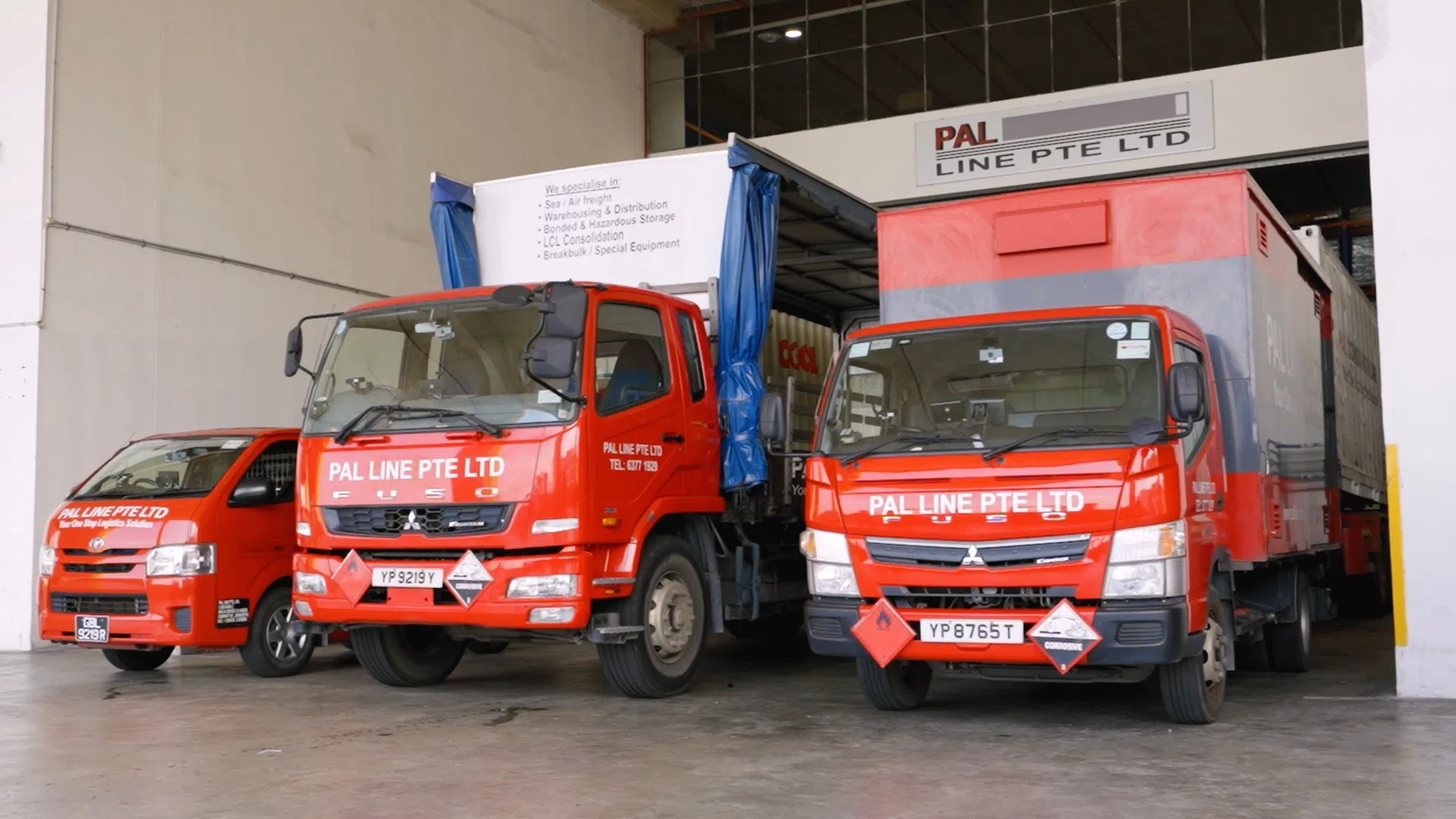
    Singapore freight forwarder PAL Line is converting 70 per cent of its warehouse fleet to electric power while targeting a 30 per cent cut in facility energy use by 2026.

    The company operates across five Asian markets and manages more than 50,000 square feet of climate-controlled warehousing linked to an automated sorting platform for regional e-commerce shipments.

    Automating regional fulfillment

    PAL Line runs warehouse facilities equipped with real-time inventory tracking, climate controls and automated sorting machinery handling cargo from consumer electronics to heavy industrial equipment. The centralized system connects inbound receiving directly to outbound linehaul trucking and freight operations across Southeast Asia.

    Live tracking dashboards feed stock data directly to corporate shippers, allowing inventory managers to alter replenishment schedules while shipments move through the hub. Automated sorting has cut unit handling costs and reduced dispatch errors for cross-border merchants selling into regional markets.

    Electrification and network routing

    Ground operations inside the company’s hubs now rely on electric forklifts for 70 per cent of daily load transfers. Transport routes outside the gates run on GPS telematics designed to cut idling time and lower overall diesel burn.

    Facility retrofits completed since 2021 include low-draw LED systems and recycled packaging standards across all active regional sites. Management aims to lower baseline electricity consumption across its real estate footprint by 10 to 30 per cent before the end of 2026.

    The regional mid-tier squeeze

    Mid-sized logistics operators across Southeast Asia face intense pressure to match the technological scale of global forwarders without matching their capital budgets. By building proprietary digital tracking into mid-sized facilities, regional specialists can retain mid-market retailers that require specialized customs handling and flexible storage without paying tier-one enterprise rates.

    Risk remains concentrated in cross-border execution. Expanding physical routes between Singapore, Thailand, Malaysia, Myanmar and mainland China exposes forwarders to shifting customs enforcement, variable border wait times and uneven road infrastructure that can disrupt automated delivery promises.

    Cross-border footprint since 2008

    PAL Line started as a basic freight forwarding operation in Singapore in 2008 before rolling out customs brokerage, contract logistics and trucking services. Regional expansion began in 2013 with market entries into Malaysia, Thailand, Myanmar and China.

    A major overhaul in 2016 introduced the group’s centralized warehouse management software, shifting the firm from manual forwarding to digital contract logistics. The company secured a place on Singapore’s Enterprise 50 list in 2024 following its cross-border warehouse expansion.

    The key milestone to watch is the delivery of the 2026 warehouse audit, which will measure whether PAL Line meets its 30 per cent energy reduction target across its Southeast Asian facilities.

  • FedEx Commits $150 Million to Build Automated Air Cargo Hub at Delhi Airport

    FedEx Commits $150 Million to Build Automated Air Cargo Hub at Delhi Airport

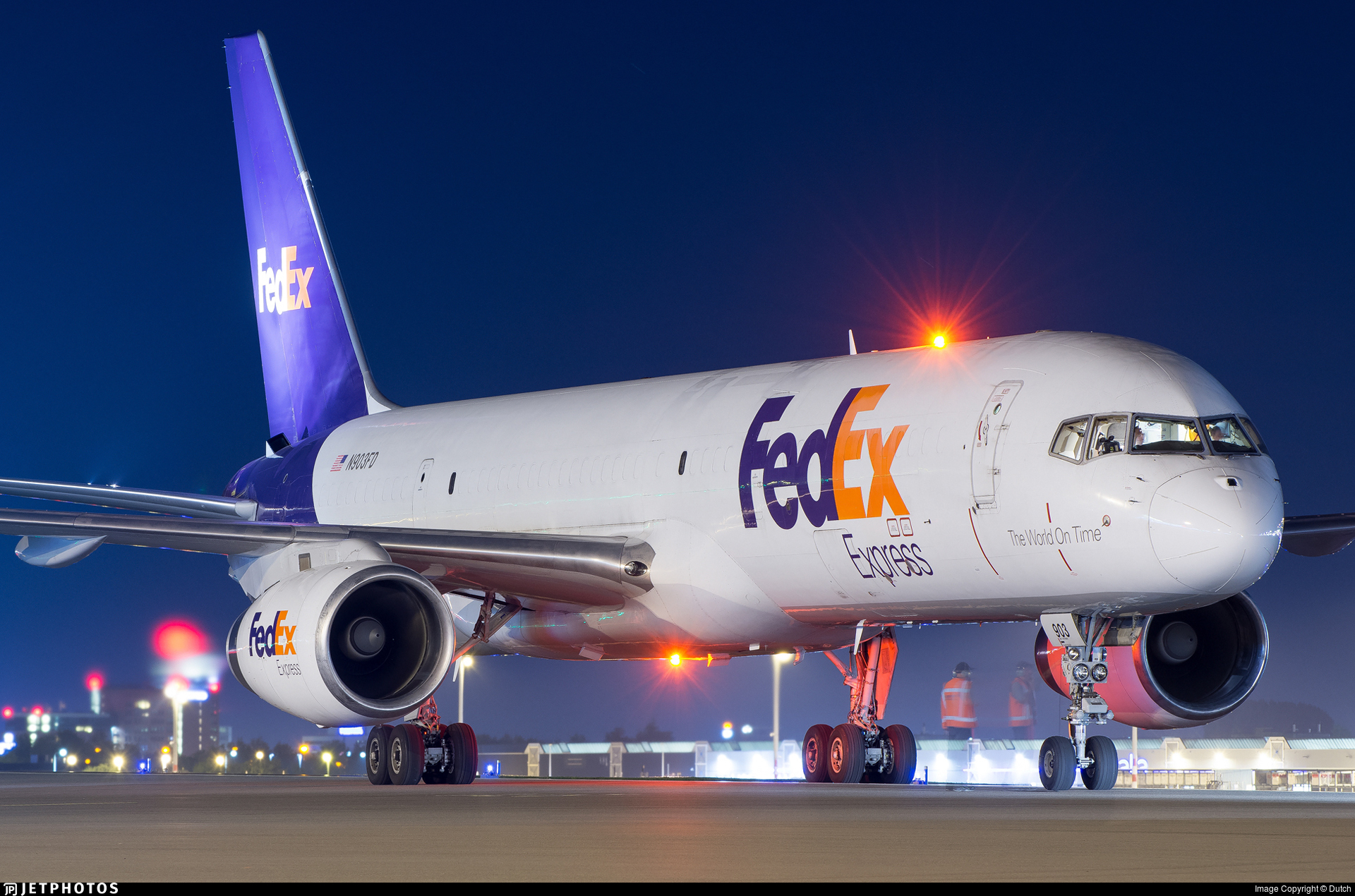
    FedEx will spend $150 million to build and equip a dedicated air freight terminal at Delhi international airport, expanding its international cargo processing capacity across northern India. The planned 230,000-square-foot facility will lift the carrier’s sorting rate at the airport from 600 packages an hour to 5,000.

    The investment will consolidate FedEx’s scattered pickup and delivery operations around the airport into a single base. It includes high-speed automated conveyor lines and computer vision scanners powered by artificial intelligence to route international parcels through customs and sorting lanes.

    Consolidation at GMR Cargo Campus

    Airport operator GMR Airports Ltd is developing the broader cargo zone to house airlines, freight forwarders, and logistics providers. Phase 1 will cover roughly one million square feet, with construction starting shortly. A planned second phase could add between 500,000 and one million square feet of space.

    FedEx is leasing the warehouse structure from GMR and financing all internal sorting systems, scanning hardware, and IT infrastructure. The site design allows for modular physical expansion as freight volumes increase.

    “India is a critical market in our global network, with North and East India playing an important role in the country’s growing trade and economic opportunity,” said Kami Viswanathan, president of FedEx Middle East, Indian Subcontinent and Africa. Viswanathan noted that the expanded presence aims to give regional exporters faster links to overseas buyers as annual Indian merchandise trade exceeds $1.2 trillion.

    Expanding the Indian Triangle

    The Delhi project is the third major air cargo site FedEx has funded in India over the past nine months. In February, the Memphis-based logistics group committed $250 million for an on-airport freight facility at Navi Mumbai International Airport, an Adani Group project targeting 500,000 metric tons of cargo capacity in its initial phase. FedEx will run that site alongside its existing operations at Mumbai’s legacy airport.

    Before that, in December, the company opened a 60,000-square-foot hub at Kempegowda International Airport in Bengaluru, processing up to 4,000 packages an hour across pharmaceutical, industrial, and technology export lines.

    Connecting Delhi, Mumbai, and Bengaluru gives FedEx dedicated airport-side sorting hubs across India’s three largest manufacturing and technology corridors. Construction on the Delhi cargo park begins in the coming weeks, with GMR preparing the phase one site for tenant fit-outs.

  • Apex Logistics Faces US Probe over Alleged Nvidia Chip Transshipment to China

    Apex Logistics Faces US Probe over Alleged Nvidia Chip Transshipment to China

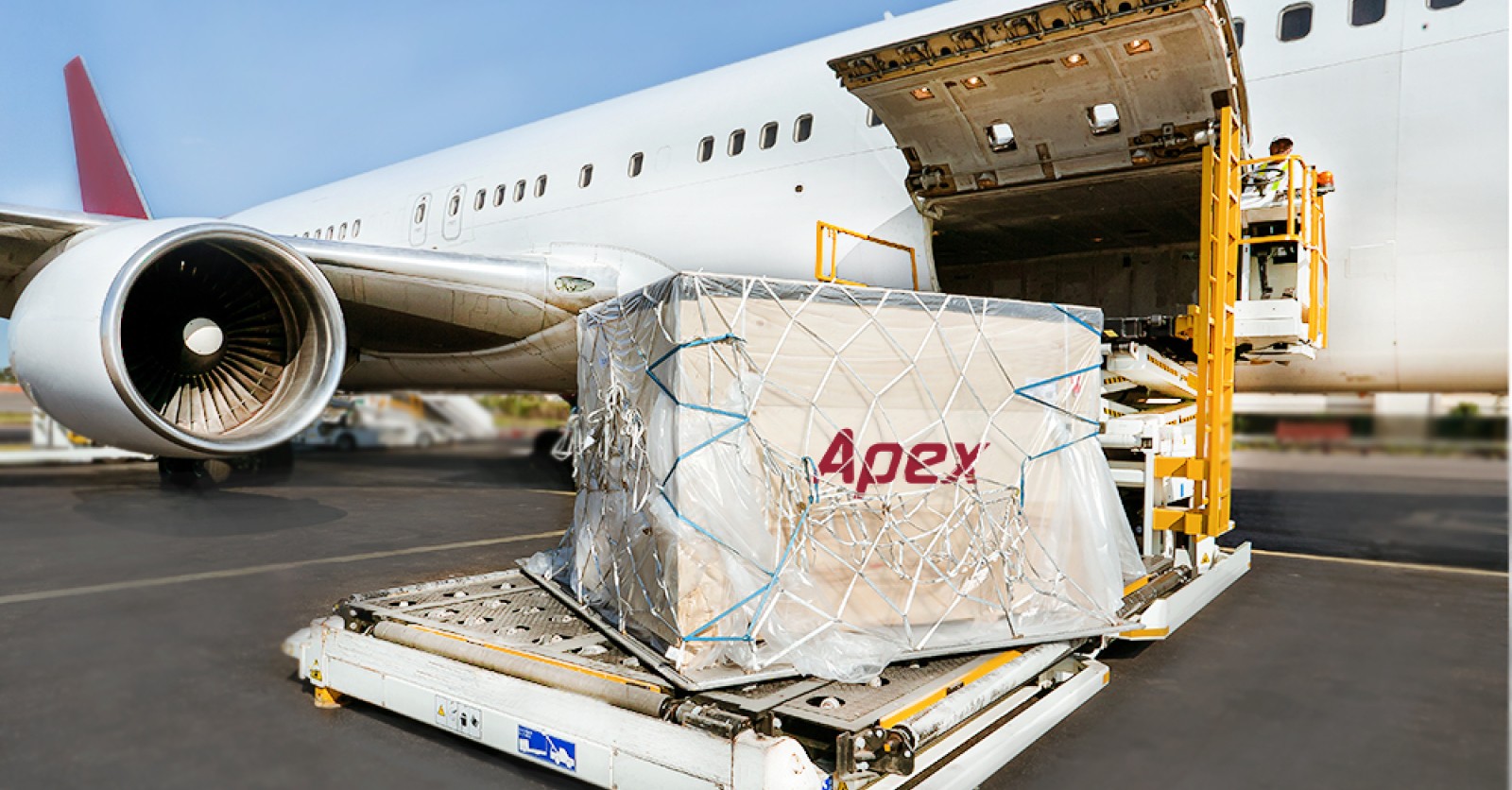
    US authorities are investigating Singapore-headquartered Apex Logistics over the suspected diversion of Nvidia-powered artificial intelligence servers to mainland China through Southeast Asian transshipment hubs. The inquiry focuses on cargo handled in 2024 and could mark the first US enforcement action against a commercial freight company for illicit semiconductor trade.

    Swiss logistics group Kuehne+Nagel, which bought a majority stake in Apex in May 2021 and acquired the remaining shares in October 2025, confirmed the subsidiary is assisting the investigation. Kuehne+Nagel stated it has not been contacted directly by US investigators, describing the probe as an isolated issue concerning specific past shipments.

    How the Taiwan to Hong Kong routing worked

    Investigators are examining a supply line that moved Nvidia-powered server hardware from Taiwan to the United States, dispatched it to a destination in Southeast Asia, and then forwarded it to Hong Kong. From Hong Kong, ground carriers transported the hardware across the border into mainland China. The US inquiry centers on the leg between American ports and Southeast Asian distribution points.

    Apex acknowledged US scrutiny regarding a limited batch of cargo moved during 2024 that reached prohibited destinations. The company stated it is cooperating with investigators and maintains compliance protocols across its network. Apex was founded in Shanghai in 2001 and registered its corporate entity in Singapore in February 2016.

    The servers under review were assembled by California-based Super Micro Computer. Super Micro maintains no direct contract with Apex, as the freight forwarder was hired directly by third-party buyers purchasing the hardware.

    Scrutiny on Southeast Asian hubs

    Washington has restricted direct sales of advanced AI processors to China since 2022, expanding those curbs to include custom chips such as the H20 over national security and military computing concerns. As export controls tightened, enforcement agencies increased audits on cross-border logistics firms that handle transshipment routes across Asia.

    Freight forwarders across Singapore and Malaysia face heightened compliance checks from Western trade officials seeking to close multi-leg shipping channels. Singapore Prime Minister Lawrence Wong stated on August 23 that the country will not permit illicit trade through its facilities, while noting ports cannot audit the full manufacturing chain of every container in transit. The US Commerce Department is reviewing freight documentation from the 2024 shipments to determine if formal export violation penalties apply.

  • NY/NJ Foreign Freight Forwarders & Brokers Association Announces 2025 “Captain of Industry” Award Recipient

    NY/NJ Foreign Freight Forwarders & Brokers Association Announces 2025 “Captain of Industry” Award Recipient

    The NY/NJ Foreign Freight Forwarders & Brokers Association,  announces that Charlene Riley has been selected as the recipient of the 2025 Captain of Industry Award. This prestigious honor is awarded to individuals who have demonstrated exceptional leadership, commitment, and long-standing service to the association and the international trade and logistics community. Ms. Riley will be honored on Wednesday, June 25, 2025, during the association’s annual Dinner Cruise, an event co-hosted with the Traffic Club of New York (TCNY).

    An industry veteran and licensed Customs Broker since 1989, Ms. Riley currently serves as East Coast Import Operations Manager at J.W. Allen. With a distinguished career spanning several decades in freight forwarding and customs brokerage, Ms. Riley has served in a variety of managerial roles. Ms. Riley began her career with Barthco, where she managed numerous offices across the country. She then spent over two decades with John A. Steer Co., rising to the position of Vice President of their NY/NJ office.

    “Charlene Riley exemplifies the integrity, expertise, and dedication that define our industry,” said Jeanette Gioia, President of NYNJFFF&BA. “Her leadership has guided not only our Association but the entire trade community through complex challenges and periods of great change. It is a privilege to recognize her with the 2025 Captain of Industry Award.”

    Ms. Riley has held several leadership positions with the NYNJFFF&BA, including Board of Governors, Treasurer, Vice President of Imports, and President, and most recently as Senior Advisor and former Chair. Her strategic guidance and deep operational knowledge have been instrumental in advancing the mission of the association. She is also a key contributor on the national stage through her active involvement with the National Customs Brokers and Forwarders Association of America (NCBFAA) especially the Future Role of the Broker Committee. She had represented the Port of New York/New Jersey on the Customs Committee, chaired the Legislative Committee, and headed the FIATA Committee, having represented the U.S. at two FIATA World Congress events.

    The celebration will take place aboard the Cornucopia Destiny, departing from Liberty Harbor Marina, 11 Marin Blvd, Jersey City, NJ, with boarding beginning promptly at 6:00 PM and disembarking between 9:30-10:00 PM. For details see Dinner Cruise 2025 – NYNJ.  Guests will enjoy an evening of networking and celebration featuring an open bar, appetizers, full dinner and dessert, DJ music, and dancing. Contact (732) 741-1936 for more information.

  • ZIM buys 7 ships in move from charters to owning vessels

    ZIM buys 7 ships in move from charters to owning vessels

    In a clear move away from chartering to owning ships, Israeli carrier ZIM Integrated Shipping Services announced the acquisition of seven secondhand vessels – five 4,250 TEU vessels and two 1,100 TEU vessels – for a consideration of approximately $320 million.

    “Since going public our focus has been to allocate capital to strengthen our commercial prospects and create long-term shareholder value,” Eli Glickman, ZIM President & CEO, said. “With the opportunistic acquisition of these much-needed vessels, we have drawn on our strong cash position and our agile approach to maintain and expand our operating fleet to meet growing customer demand, while remaining committed to delivering industry superior profitability.”

    Glickman said ZIM will continue to complement the primary strategy of chartering in the vast majority of vessels by selectively acquiring second-hand tonnage.

    ZIM had earlier this month announced the launch of Ship4wd, a digital freight forwarding platform to offer end-to-end shipping solutions.

    NYSE-listed ZIM had reported a revenue of $4.1 billion for the first half of 2021, an increase of over 150 percent from $1.6 billion in the corresponding period of 2020. Net income had zoomed to $1.5 billion from $13 million.

    For the second quarter, ZIM had reported a revenue of $2.4 billion and net income of $888 million. ZIM carried 921,000 TEUs in the second quarter of 2021, a year-over-year increase of 44 percent. Average freight rate ($/TEU) more than doubled in Q2 to $2,341 from $1,071. For the first half of the year, the average freight rate ($/TEU) nearly doubled to $2,145 from 1,081.

    “Our outlook for the remainder of 2021 and into 2022 is very positive and we are excited about our strategy to further enhance our position as an innovative digital leader of seaborne transportation and logistics services,” Glickman had said while announcing the results.

    ZIM is expecting second-half 2021 results to exceed first-half results.