Tag: freight transport

  • Bangladesh Plans Rail Shift to Cut Export Logistics Costs

    Bangladesh Plans Rail Shift to Cut Export Logistics Costs

    Bangladesh Railway plans to overhaul its freight operations to lift rail cargo market share from barely 3 per cent to 20 per cent, targeting direct track connections into industrial supply chains.

    The shift aims to reroute bulk consumer freight and apparel exports away from congested national highways into dedicated rail corridors linking Chattogram Port with Dhaka manufacturing hubs.

    Under the Logistics Policy 2025, transport planners want rail to carry a fifth of all commercial freight across the country. To map that buildout, state operators launched the Tk 930 million Green Railway Transport Project Preparation Facility Project, backed by World Bank financing. The study evaluates track lines running from Faujdarhat to the Chattogram Goods Port Yard, alongside future connections into the planned Bay Terminal and the Mirsharai Economic Zone.

    Overhauling Chattogram Port Rail Access

    Chattogram Port handles roughly 90 per cent of Bangladesh’s international merchandise trade, yet rail links across its terminal footprint remain uneven. Older installations including the General Cargo Berth and Chittagong Container Terminal have direct tracks, while newer sites like the Patenga Container Terminal and New Mooring Container Terminal lack equivalent integration.

    That disconnect leaves cargo trains idling while diesel trucks haul containerised freight across jammed access roads. Track gauge fragmentation complicates the network further. Large segments of the eastern railway run on narrow metre-gauge tracks, requiring costly transshipment before rolling stock can connect with broad-gauge lines servicing northern and western trade lanes.

    The feasibility project assesses the rolling stock and yard hardware required to eliminate those delays. Planners are auditing requirements for dedicated freight locomotives, container wagons, shunting yards and loading tracks, alongside modernised maintenance depots in Chattogram.

    Building Inland Terminals Near Dhaka

    Upstream logistics hinges on getting containers quickly into garment manufacturing belts around the capital. The proposed Dhirasram Inland Container Depot in Gazipur serves as the primary inland node designed to clear maritime boxes away from maritime quays.

    Shippers running supply chains between Dhaka and coastal docks currently face unpredictable transit schedules. Road transport delivers flexibility on local spurs, but highway bottlenecks add substantial inventory holding costs for consumer brands, textile mills and bulk distributors. Shifting cargo to scheduled freight trains cuts fuel burn while lowering per-ton haulage expenses on longer runs.

    Railway freight targets extend beyond export apparel boxes. State authorities want long-term freight agreements covering petroleum products, fertiliser, grain imports and construction materials, securing reliable baseline volume through predictable tariff contracts.

    Logistics Realities for Regional Shippers

    For factory operators, retail importers and cargo forwarders, rail is viable only if end-to-end transit times beat road haulage. Shifting cargo off roads requires modern handling machinery, quick digital customs clearance and dependable departure times at inland dry ports.

    Commercial transport planners argue that engineering projects must incorporate freight forwarders and port operators before track laying begins. Without matching first-mile handling and competitive terminal fees, inland container depots risk operating below capacity while trucks continue to command container flows.

    Regional trade corridors present additional operational capacity. Bangladesh Railway forms part of the Trans-Asian Railway framework, offering rail freight routes into India, Nepal and Bhutan. Unlocking those border routes requires harmonised customs systems and unified track standards to eliminate cross-border shunting delays.

    Technical evaluations for the World Bank funded port link project are expected to complete their studies by the end of 2027.


  • BYD Builds 150,000Th Commercial NEV as Heavy Truck Output Ramps Up

    BYD Builds 150,000Th Commercial NEV as Heavy Truck Output Ramps Up

    BYD rolled out its 150,000th commercial new energy vehicle at its Huai’an factory in Jiangsu on October 9. The milestone vehicle was a Q3 electric semi-truck.

    Commercial vehicle sales climbed 28.46 per cent year-on-year to 53,032 units across the first nine months of the year. That growth accelerates an operational pivot toward long-haul freight.

    Power Specs and Heavy Freight Demand

    The Q3 tractor unit uses a Blade Battery setup with peak motor output of 600 kW and dual-gun fast charging. Downtime on intercity logistics routes is critical. Battery replenishment speeds determine whether zero-emission heavy haulage can compete on operating margins with diesel equivalents.

    Long-distance road freight demands sustained power output and dense charging support. These requirements create high technical barriers for battery-electric platforms. The company plans to allocate additional capital expenditure to its long-haul heavy truck lines to expand across primary arterial freight corridors.

    Diverging Growth in Vehicle Lines

    Commercial vehicle volumes are outpacing the rest of the manufacturer’s catalog. Deliveries reached 6,848 commercial units in September alone. That figure rose 113.33 per cent from a year earlier, despite easing 0.88 per cent from August.

    Total group deliveries, including passenger cars, slipped 3.94 per cent to 3,131,576 units through September. Institutional fleet replacement cycles and decarbonisation mandates are cushioning commercial transport. These fleet contracts shield heavy vehicles from retail price wars curbing broader consumer demand.

    Logistics Fleet Shifts Across Asia

    Fleet operators across Asia-Pacific face tightening emissions regulations in urban centres and regional shipping hubs. These rules compel logistics providers to electrify their middle-mile and port-drayage fleets. BYD is positioning its heavy-duty trucks against regional diesel incumbents, shifting electrification from municipal transit to private commercial transport.

    Infrastructure hurdles now outweigh vehicle availability constraints for suppliers and fleet managers. Operators adopting 600 kW dual-gun heavy haulers must secure dedicated grid allocations and depot charging hardware. This requirement concentrates operational risk around depot power supply rather than vehicle range alone.

    Global Expansion Beyond Bus Fleets

    Truck production builds on an eighteen-year commercial vehicle programme that started with municipal electric buses. Dedicated truck research began in 2012. The programme gradually broadened into urban parcel delivery vans, cold-chain trucks and heavy port hauliers with battery-electric and hybrid powertrains.

    Production of the T5 light-duty truck crossed the 10,000-unit threshold in 2025, while the smaller T4 platform debuted in export markets. Commercial operations now span more than 70 countries and territories. These global operations include bundled fleet management software, maintenance contracts and depot charging equipment.

    Factory lines at Huai’an are scaling Q3 output as regional logistics firms begin scheduled fourth-quarter fleet replacements across eastern China.

  • Mitsubishi Heavy Plans $638M Commercial Shipyard Expansion

    Mitsubishi Heavy Plans $638M Commercial Shipyard Expansion

    Mitsubishi Heavy Industries will invest approximately 100 billion yen ($638 million) to expand commercial shipyard capacity by 25 percent by fiscal 2028. The capital outlay targets yards building commercial tonnage as global fleet replacement orders accelerate across Asian trade lanes.

    Operations at facilities including the Shimonoseki shipyard in western Japan focus on commercial vessels such as liquefied natural gas-fueled ferries and specialized freight carriers. Rising demand for lower-emission vessels and fleet renewals has tightened shipyard availability across Northeast Asia, pushing builders to add yard space and modernize fabrication lines.

    Expanding Berth Space for Freight Vessels

    The capital program will lift Mitsubishi Heavy’s commercial output capacity across its domestic yard footprint over the next four years. Commercial fleet operators face tightening delivery schedules through the late 2020s, with regional berths in Japan, South Korea, and China booked years ahead for container ships, gas carriers, and roll-on/roll-off cargo ferries.

    Expanding domestic yard capacity allows Japanese operators to secure construction slots closer to home rather than relying entirely on overseas yards. The investment focuses on high-value, specialized commercial ships that require complex engineering, including alternative-fuel propulsion systems.

    Competition Across Regional Yards

    Shipbuilders across East Asia are racing to lock in high-margin commercial contracts as freight networks retool for stricter marine emissions rules. Chinese and South Korean yards continue to dominate high-volume standard container vessel builds, forcing Japanese groups to specialize in advanced fuel technologies and specialized domestic freight tonnage.

    For regional supply chain operators, the expanded capacity provides additional construction throughput for coastal and regional trade vessels. The primary commercial risk rests on rising steel prices and chronic labor constraints in Japanese industrial manufacturing, which can erode project margins during multi-year build cycles.

    Policy Support for Domestic Shipyards

    The expansion aligns with broader Japanese industrial policy aimed at rebuilding domestic maritime manufacturing capacity. Tokyo has rolled out 1.4 billion dollars in support programs for shipbuilders, backing yard modernization, robotics, and the revival of domestic production for vessels such as liquefied natural gas carriers.

    Japanese builders are also constructing new large-scale docks for the first time since 2017 to handle larger hull designs. Mitsubishi Heavy and peer yards are pairing structural expansion with automated welding and digital yard management to counter skilled labor shortages in the sector.

    Timeline for Yard Delivery

    Work on the yard upgrades will roll out in phases toward the fiscal 2028 completion target. Cargo operators and logistics planners will monitor construction timetables and berth commissioning dates as Mitsubishi Heavy allocates new build slots over the coming financial quarters.

  • BYD Unveils 44-Tonne ETT 44 Electric Truck with 651-kWh Battery

    BYD Unveils 44-Tonne ETT 44 Electric Truck with 651-kWh Battery

    BYD unveiled its 44-tonne ETT 44 electric tractor unit at Hanover’s IAA Transportation show in September 2026. The vehicle enters Europe’s heavy-duty truck market with a 651-kilowatt-hour battery.

    The flagship model delivers peak output of 1,000 horsepower. It claims a driving range of nearly 600 kilometres on a single charge.

    Built on a 4×2 tractor configuration, the ETT 44 uses BYD’s proprietary lithium iron phosphate Blade Battery chemistry. Standard drive power sits at 743 horsepower. The unladen tractor unit weighs between 10.95 and 11.14 tonnes depending on final equipment trim. The company includes a 10-year or 1.2 million-kilometre warranty on the battery pack.

    Megawatt Charging and Fleet Hardware

    Charging hardware is built for high-throughput commercial fleet depots. Using standard CCS2 connectors, the truck draws up to 420 kilowatts to charge from 20 per cent to 80 per cent in 60 minutes. Connecting via the Megawatt Charging System lifts input capacity above 1.5 megawatts. That cuts the charging window to 20 minutes and recovers roughly 400 kilometres of operating range.

    The heavy tractor heads an expanded commercial transport lineup. In Hanover, the Chinese manufacturer also introduced rigid 4×2 and 6×2 chassis models, including a 26-tonne swap-body platform and a hooklift variant. Together with the smaller E-Vali electric van, the range covers logistics weights from 3.5 tonnes to 44 tonnes.

    Rivalry in Long-Haul Logistics

    For European logistics operators and Asian export supply chains, fleet electrification is shifting from urban delivery vans into heavy regional freight. Chinese truckmakers are moving into the European heavy-vehicle market as legacy manufacturers defend their home turf. BYD faces established heavy-duty models from Volvo, Daimler Truck and MAN. Volvo claims up to 700 kilometres on its FH Aero Electric.

    Competition from Chinese heavy-vehicle peers is accelerating. Manufacturers including Sany, Sinotruk and Skyworth displayed competing heavy-duty electric tractor units at Hanover to secure European logistics contracts. BYD counters with in-house battery cell production and bundled ancillary services, packaging vehicles alongside proprietary charging hardware, stationary energy storage systems and fleet financing.

    Commercial Vehicle Expansion

    Overseas expansion began with municipal electric transit buses before expanding into light delivery vans across international markets. Moving into long-haul freight exposes the brand to stricter uptime demands. Commercial hauliers also require higher charging infrastructure support.

    BYD will now roll out commercial fleet trials across European logistics corridors. Initial customer deliveries and depot charging installations are scheduled to begin across core transport hubs.

  • Asia-Pacific Delivery Drone Market to Expand 33.7% Annually Through 2031

    Asia-Pacific Delivery Drone Market to Expand 33.7% Annually Through 2031

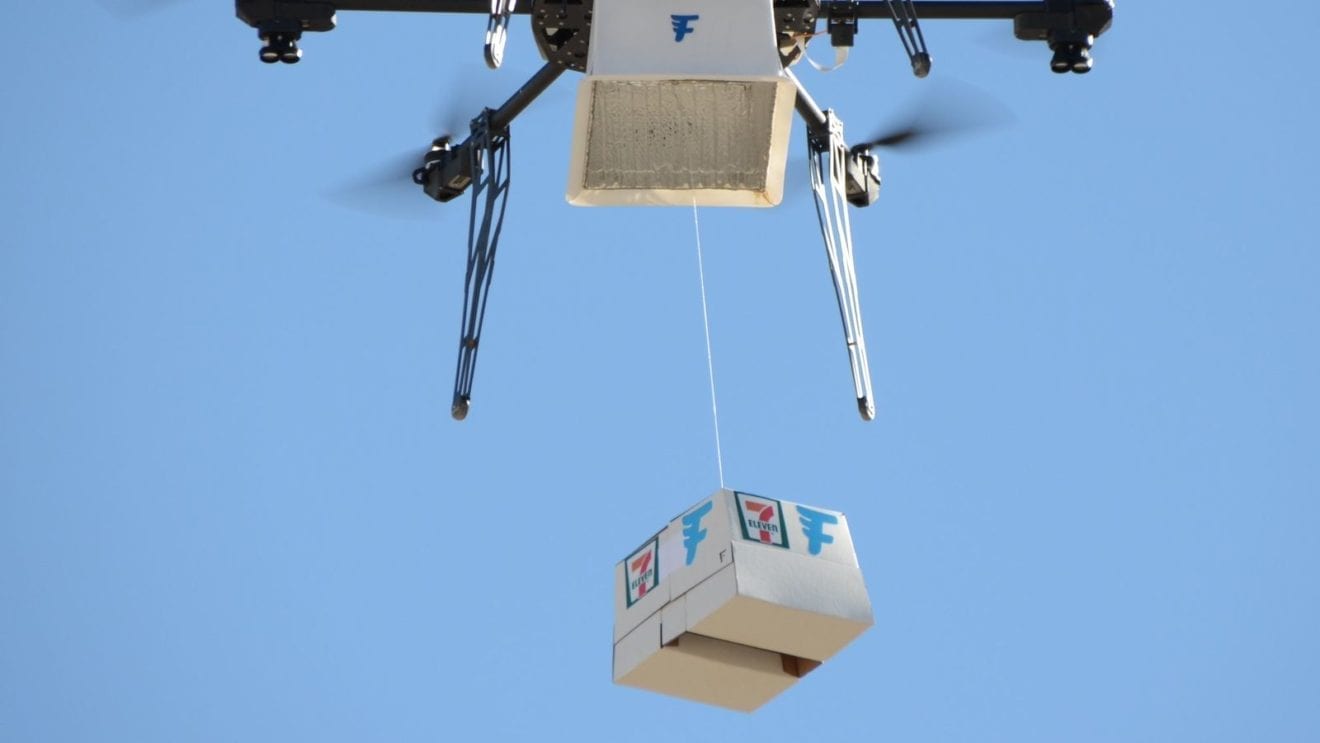
    The Asia-Pacific delivery drone market will expand at a compound annual rate of 33.68 per cent through 2031 as retailers and carriers shift from pilot trials to commercial flight networks.

    Global market revenue reached 1.47 billion dollars in 2026 and is projected to hit 6.74 billion dollars by 2031. The expansion relies heavily on dense urban on-demand delivery alongside rural distribution corridors across Asia.

    Economics and Airspace Pressures

    Operating costs explain the push into commercial airspace. At sufficient route density, autonomous drone delivery can drop to approximately 2 dollars per parcel, compared with roughly 13.50 dollars for traditional truck-based last-mile transport. That cost gap is accelerating investments from e-commerce platforms seeking two-hour order fulfillment from urban micro-hubs.

    Technical hurdles continue to cap immediate capacity. Rotary-wing aircraft captured 72.56 per cent of shipments in 2025 because they can hover and access tight landing spots in crowded cities. However, payloads under 5 kilograms made up 65.71 per cent of all deliveries, limiting most operations to prepared meals, pharmaceuticals, and small consumer packages.

    Unmanned traffic management systems around metropolitan airports also remain incomplete. Regulators require geofencing and collision-avoidance systems, yet aviation authorities still lack the digital infrastructure needed to coordinate thousands of simultaneous commercial flights over dense residential blocks.

    Payload Limits and Regional Flight Paths

    Asian operators are tackling geography by deploying different airframes for different terrains. In China, JD Logistics now flies fixed-wing drones across approximately 200 rural routes, using the platform’s longer range to bridge transport gaps where road links add hours to delivery times.

    Government policy is shaping fleet deployment across the rest of the region. India has carved out dedicated corridors for medical supplies under its Drone Rules while offering incentives for domestic airframe manufacturing. Japan has cleared multi-prefecture autonomous flight operations, and logistics providers in Indonesia and the Philippines are testing island-to-island freight runs.

    For retailers across the region, aerial logistics is ceasing to be an experimental marketing exercise. While western operators like Walmart and Wing Aviation scale across suburban markets in the United States, Asian carriers are building high-frequency routes where physical geography makes ground transport uncompetitive.

    The next metric to track is the commercial rollout of hybrid vertical-takeoff aircraft and 5-to-10-kilogram payload capacity, which operators plan to clear with regional civil aviation bodies before 2028.

  • Philippine Fuel Retailers Raise Diesel by P2.31 per Liter

    Philippine Fuel Retailers Raise Diesel by P2.31 per Liter

    Philippine fuel retailers will raise pump prices on August 25, adding P2.31 per liter to diesel and P1.08 per liter to gasoline.

    The adjustment extends a second consecutive week of increases across Metro Manila and provincial networks, following a sharp rise on August 18 when diesel jumped P3.84 and gasoline gained P2.49. Kerosene will also climb by P0.95 per liter for the week of August 25 to 31, according to Department of Energy pricing data.

    What Drives the Regional Surge

    Dubai crude climbed roughly $8.90 per barrel during trading between August 10 and 14, driving refined product benchmarks higher across Asia. International diesel prices climbed $11.40 per barrel over the same period, while international gasoline rose $6.50 per barrel.

    Shipping constraints through the Strait of Hormuz contributed to the tighter supply outlook. Tanker transits through the passage dropped from 17 vessels on August 10 to 16 on August 11, reflecting persistent friction between Iranian and US-Israeli forces.

    Transport Costs and Supply Chains

    Rising pump prices squeeze operating margins for regional delivery fleets and retail logistics networks across the archipelago. The Philippines imports almost all of its fuel requirements, making freight and retail transport immediately sensitive to movements in global oil benchmarks and foreign exchange rates.

    Current retail levels sit well above baseline figures recorded in February. Prior to the escalation in Middle East maritime disputes, common retail prices in Metro Manila stood at P55.00 per liter for diesel and P56.00 per liter for RON95 gasoline.

    Russia also maintained its export ban on diesel during the August trading cycle, limiting replacement cargoes for Asian buyers and keeping regional diesel prices firm.

    Energy authorities will monitor crude throughput and tanker traffic through the Persian Gulf during the next trading window to assess adjustments for the first week of September.