Tag: fresh food

  • China Eastern Signs Skagen Salmon Deal as Direct Food Arteries Expand

    China Eastern Signs Skagen Salmon Deal as Direct Food Arteries Expand

    China Eastern Airlines’ logistics subsidiary signed a salmon supply agreement with Denmark’s Skagen Salmon at the China International Import Expo in Shanghai.

    To support the flow, China Eastern opens a dedicated cargo route connecting Shanghai with Copenhagen during November, establishing a direct air artery between northern Europe and mainland retail networks.

    The agreement taps surging Chinese consumer appetite for fresh seafood, pairing European farm output with China Eastern’s dedicated cold chain infrastructure and direct retail distribution channels.

    Cold Chain Monitoring and Livestream Shelves

    The carrier’s logistics unit built an end-to-end corridor covering origin transit, customs clearance, domestic warehousing, and processing at localized fresh-food hubs. It uses proprietary in-pack temperature loggers to record full transit curves, pinpointing environmental breaches across thousands of flight miles.

    Finished stock heads directly to physical supermarket counters and livestream e-commerce operators, stripping traditional layers of import brokers. That immediate link matters as domestic consumer appetites shift toward traceable chilled seafood over frozen blocks.

    Zespri Scales Direct Maritime Access

    Direct maritime routing shows parallel efficiency gains across produce aisles. New Zealand marketer Zespri dispatched the chartered vessel Kowhai from the Port of Tauranga on March 17 carrying 4,750 tons of new-season fruit, docking in Shanghai 12 days later.

    Its first shipment of more than 3,000 boxes reached a Shanghai agricultural trading hub on April 2 and cleared out before the end of the day. The brand projects global sales of 260 million standard retail trays and NZ$6.3 billion ($3.5 billion) in total revenue for the 2026/27 season.

    China accounts for NZ$1.4 billion of that projected total, equal to more than 1.5 billion individual kiwifruit moving across 34.37 million domestic households. The company expanded its retail presence from 35 Chinese cities in 2019 to 82 cities in 2026.

    “We will keep innovating, sustain our steadfast partnerships in China, and keep Zespri at the forefront of the kiwifruit category here,” said Michael Jiang, president of Zespri China and APAC South.

    South American Transit Times Drop

    Direct maritime infrastructure in South America is altering port economics for trans-Pacific fresh cargo. COSCO SHIPPING Ports Chancay Peru expects its terminal to handle close to half of its 1 million twenty-foot equivalent unit capacity this year, general manager Wang Bin reported on Sunday.

    Direct transit between Chancay and Shanghai now takes 23 days, cutting freight expenses by more than 20 percent. The port runs five regional feeder routes gathering shipments from neighboring markets, funneling avocados and blueberries onto fast trans-Pacific services.

    Data from the State-owned Assets Supervision and Administration Commission shows Chancay handled 62 percent of Peru’s agricultural exports to China between January and September, delivering roughly $210 million in trade value.

    The Margin Squeeze on Traditional Distributors

    State carriers and volume fruit marketers are increasingly taking operational control of origin packing, temperature logging, and regional distribution. For independent importers and regional wholesale dealers, this consolidation cuts off trading margins on premium items.

    Large supermarket chains and rapid-delivery platforms gain predictable arrival dates and reduced spoilage rates, giving them room to discount premium fresh categories. The operational risk falls on port clearance velocity: when high-value perishable volume converges on single terminals, any processing pause damages expensive stock.

    China Eastern’s cold chain unit established its integrated model after identifying Denmark as a supply node that fit spare European belly and freighter capacity. The Copenhagen flight schedules beginning this November will test whether air freight yields can hold steady through winter perishable cycles.
  • 7-Eleven Malaysia Launches Four Michelin-Crafted Ready Meals at RM15.90

    7-Eleven Malaysia Launches Four Michelin-Crafted Ready Meals at RM15.90

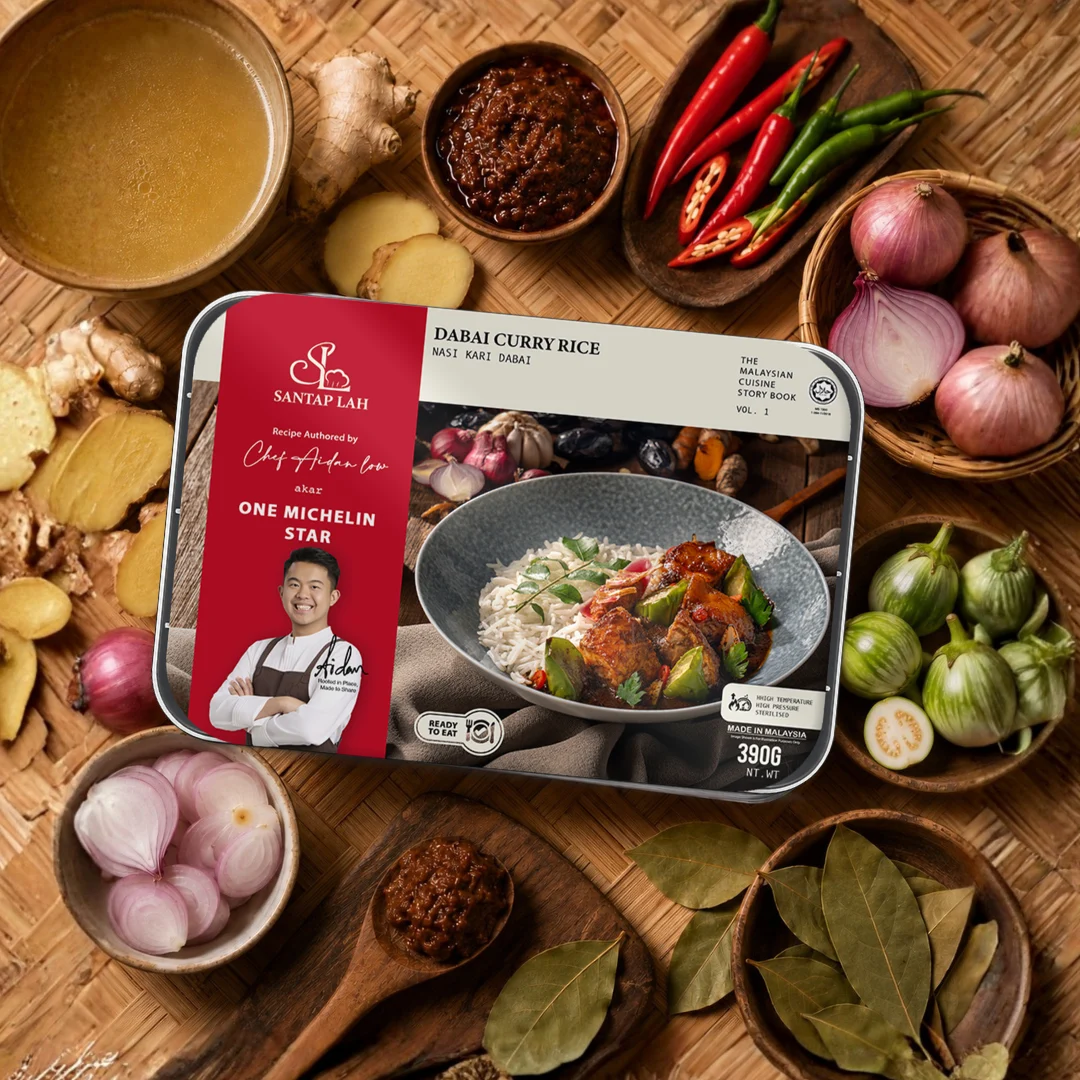
    In September 2026, 7-Eleven Malaysia rolled out a four-dish ready-to-eat meal range developed with Michelin Guide chefs. Each counter-served rice dish costs RM15.90.

    Branded as Santap Lah, the collection is available exclusively across the chain’s CAFÉ by 7-Eleven store format in Malaysia. Every meal is halal-certified and made without preservatives. Staff heat each portion directly at the service counter.

    Star chefs take to the convenience counter

    The lineup pulls recipes directly from high-end kitchens in Kuala Lumpur and Penang. Raymond Tham, chef at one-star Beta KL, developed the Kadok Chicken Rice. Aidan Low of one-star akar contributed the Dabai Curry Rice. Penang-based Kim Hock Su from one-star Restaurant au Jardin created a vegan option, Hericium Mushroom Rendang with Rose Water Rice. A fourth dish, Rose Chicken with Buttered Rice, comes from Nurilkarim of Michelin-selected Jawi House.

    Selling fine-dining recipes in plastic trays requires rigid cold-chain controls and tight commissary standardisation. The retailer is using shelf-stable heating techniques and preservative-free recipes to tackle the quality drop common in mass-produced convenience food.

    The margin fight in fresh food

    Convenience operators across Southeast Asia are leaning heavily on proprietary ready meals to defend gross margins against grocery discounters and food delivery platforms. Ready-to-eat lines yield higher gross margins than packaged consumer goods. However, they carry sharp inventory risks if off-peak sales drop.

    In Malaysia, 7-Eleven faces stiff competition in fresh food from FamilyMart. That rival built its local market share on hot snacks, oden, and chilled lunch boxes. By putting Michelin-starred names on its menu, 7-Eleven aims to capture office workers looking for quality lunches without paying full restaurant table rates.

    Expanding the cafe footprint

    This rollout ties into the chain’s broader conversion of standard convenience outlets into the larger CAFÉ by 7-Eleven format. These stores dedicate more floor space to seating, barista coffee, and ready-to-eat meals.

    Customer uptake across suburban locations outside central Kuala Lumpur will test the Santap Lah range next. Spending power is tighter in these areas, where standard hawker meals still sell well below the RM15 mark.

  • Muji launches fresh food concept store with JD

    Muji launches fresh food concept store with JD

    Japanese retail giant, Muji, has forayed into the fresh food industry with the launch of a food complex in collaboration with JD’s Seven Fresh in Shanghai.

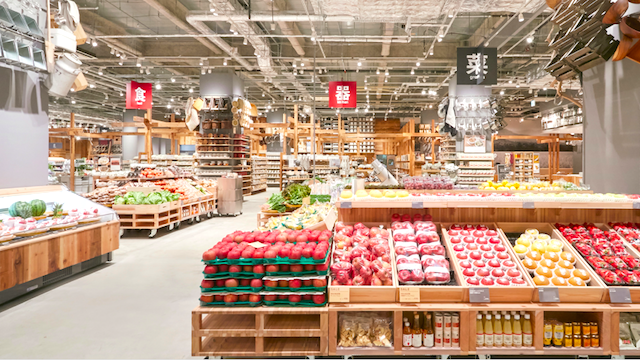
    Operated by both companies, the complex is located inside Ruihongtiandi shopping mall and spans 400sqm, housing a Muji store and fresh food supermarket, Seven Fresh, which is also the chain’s first presence in the city.

    Unlike Muji’s usual stores, the 1208sqm Muji store in the complex offers an expanded selection of food products, including ramen, oatmeal, frozen food, ice cream and pizza. Its fashion brands, Muji Labo and Muji Walker, are also available in the store.

    The Seven Fresh store features an omnichannel concept with both online and offline services, and customers can have their online orders delivered in as soon as 30 minutes.

    The store-in-store concept is not the first collaboration of the two companies: last year, Muji launched a new format MUJIcom, at JD headquarters in Beijing, providing employees selected products such as daily necessities and food, including lunch boxes featuring simple meals.

  • Picky consumers spur growth in online fresh food sales in China

    Picky consumers spur growth in online fresh food sales in China

    China’s urban consumers, prodded perhaps by a series of food-safety scandals, are becoming much more picky about what they eat. They are increasingly willing to pay a premium for imported products and are being drawn in larger numbers to retailers that deliver fresh fruit and vegetables to the doorstep.