
Tag: fresh produce

  • Chinese Chocolate Persimmon Prices Drop 70% in Vietnam

    Chinese Chocolate Persimmon Prices Drop 70% in Vietnam

    Chinese chocolate persimmons dropped to VND30,000 ($1.15) per kilogram in Vietnam, falling 70 percent year-on-year to reach their lowest level since entering the market in 2023.

    The price collapse puts the imported fruit roughly 10 percent below domestic persimmons from Da Lat and at one-third the price of Central Highlands Fuji varieties.

    Supply Surge Across Traditional Stalls

    Street stalls and wet-market vendors across Hanoi and Ho Chi Minh City sell the fruit between VND30,000 and VND60,000 per kilogram depending on grading. The Shanxi specialty, known for its brown-speckled seedless flesh, crisp texture, and lack of astringency, has shifted from a niche novelty into a volume product across urban centres.

    Importers route the fruit directly to neighbourhood shops and wet-market stalls rather than channeling volume through wholesale central markets. This direct delivery model cuts handling layers and accelerates stock turnover on retail floors.

    Upstream Pricing in Shanxi

    Farmgate economics in China explain the steep retail drops across Vietnamese cities. In Shanxi province, bulk wholesale orders trade at CNY0.8 to CNY1.2 per jin, or half a kilogram, translating to VND6,000 to VND9,300 per kilogram before transport.

    Chinese e-commerce platforms show similar pricing pressure. JD.com lists 1.5-kilogram boxes of crisp Shanxi chocolate persimmons at promotional prices of CNY14.9, equal to about VND38,500 per kilogram for domestic consumers.

    Squeezing Domestic Growers

    Direct supply lines from northern China challenge domestic fruit producers in Lam Dong and the wider Central Highlands. Local growers face higher harvest and transit costs, leaving domestic varieties unable to match the volume pricing of northern imports during peak harvest windows.

    Specialty fruit shops that previously commanded premium margins on Japanese-origin varieties now face price erosion. When standard street vendors sell comparable seedless stock at VND30,000 per kilogram, premium fruit boutiques lose their pricing use.

    Cross-Border Produce Inflow

    The persimmon surplus forms part of a wider trade shift between the two countries. Vietnam imported nearly $900 million worth of fruits and vegetables from China during the first eight months of the year, an increase of 51 percent over the same period last year.

    Persimmons arrived alongside rising shipments of Chinese grapes, apples, and pears across land border crossings. Customs clearance volumes through northern border gates over the final quarter will determine whether retail persimmon prices stabilise or face further downward pressure before the seasonal harvest concludes.
  • Australia’s Grape House Group Goes into Liquidation Owing $43.6 Million

    Australia’s Grape House Group Goes into Liquidation Owing $43.6 Million

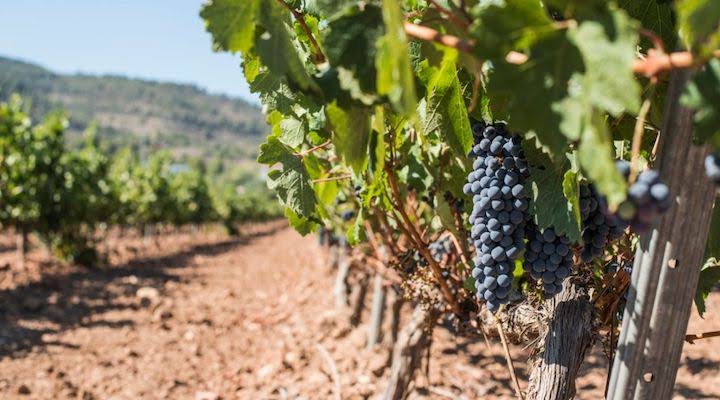
    Australian table grape producer The Grape House Group has entered liquidation with debts totaling $43.6 million. Regulatory notices published by the Australian Securities and Investments Commission confirmed the filing.

    The collapse ends more than seven decades of operation for the Euston-based grower. It had exported fresh fruit across international markets since its founding in 1952.

    Creditors Face Unsecured Debts

    Company members met on October 2 to vote in favor of winding up the enterprise and its related entities. The liquidation filing covers Grape House and several trading vehicles tied to the Costa family, who controlled the farm across two generations.

    Operations centered on table grape production in regional New South Wales, directing volume into export channels across Asia and other overseas markets. Liquidators must now assess plant, vineyard property, and outstanding accounts to service the $43.6 million shortfall.

    Post-Penalty Capital Strain

    This wind-up follows regulatory enforcement against the business. In 2025, the New South Wales District Court imposed a $1 million fine on the company after formal legal action.

    That financial penalty added immediate cash pressure to an operation already carrying heavy borrowing. Packaging, cold storage, and freight charges require constant working capital in export networks. The court sanctions left little margin for operational recovery.

    Export Supply Chain Exposure

    For wholesale fruit importers and retail buyers across the Asia-Pacific region, the closure removes an established supplier ahead of the southern hemisphere harvest cycle. Competing growers in the Sunraysia and Murray Valley corridors will absorb open export allocations. Still, logistics providers and local suppliers face direct exposure to the outstanding debt pool.

    Agricultural supply chains across eastern Australia continue to face tighter bank covenants and rising input costs. These pressures are accelerating insolvencies among mid-tier family operations that expanded through debt.

    Asset Realization Process

    Liquidators will now formally convene the first statutory meetings of creditors. They will present a verified schedule of assets, secured lender positions, and employee entitlements.

  • Pesticide Action Australia Tests 78 Supermarket Produce Samples Across Five Cities

    Pesticide Action Australia Tests 78 Supermarket Produce Samples Across Five Cities

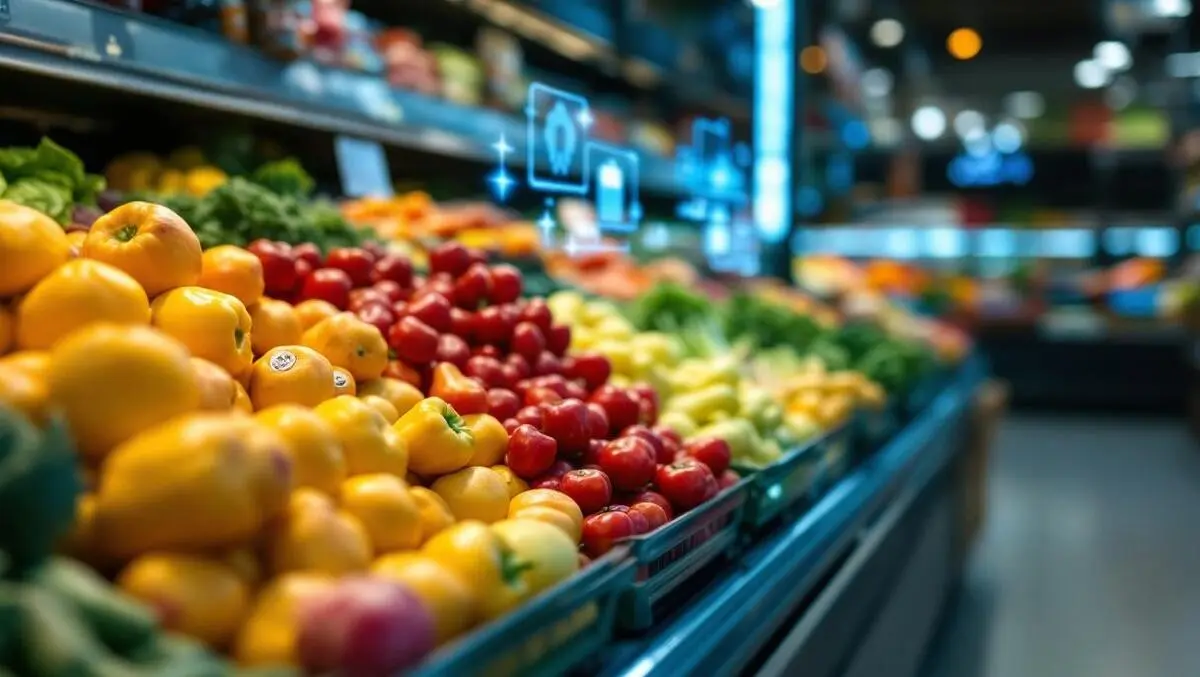
    Pesticide Action Australia tested 78 fruit and vegetable samples from Aldi, Coles and Woolworths across five cities. The group examined chemical residue levels across major grocery supply chains.

    Fresh produce sold by Australia’s three dominant supermarket operators was targeted to review compliance standards across the commercial food network.

    Independent testing across major grocers

    Pesticide Action Australia bought the 78 fresh produce samples in June and submitted them to an accredited laboratory for residue screening. Everyday produce lines were sourced directly from retail shelves in five metropolitan markets to compare items across corporate supermarket networks.

    The assessment tracks how national retail supply chains monitor chemical usage from farm gate to supermarket shelf. It examines the performance of growers, commercial compliance auditors, statutory regulators and retail category buyers responsible for inventory safety.

    Scrutiny on supermarket fresh supply chains

    Supermarket chains in Australia handle most domestic fresh produce distribution through direct grower contracts and central distribution hubs. Coles and Woolworths control the bulk of national grocery volume. Aldi maintains a network of contracted fresh suppliers.

    Quality assurance programs across these chains rely on third-party certifications and vendor declarations. Independent testing that finds variances between supplier paperwork and product chemistry forces retailers to tighten inbound audit protocols at distribution centres.

    Commercial pressures on growers and retailers

    Fresh produce procurement operates on narrow gross margins, tight delivery windows and strict visual presentation benchmarks. Retail buyers set rigorous specifications for appearance and shelf life. This puts pressure on farms to manage pests and spoilage aggressively throughout the growing cycle.

    Retailers carry the brand risk when chemical residue questions enter the public domain. Primary producers manage crop spraying schedules and withholding periods, but consumer-facing grocers face reputational exposure if auditing frameworks fail to verify compliance before stock reaches store displays.

    Auditing frameworks across Asia-Pacific

    Regulatory scrutiny over food safety standards has intensified across Asia-Pacific supply chains. Institutional procurement teams demand transparent farm-level tracking. Retailers across the region have expanded farm-gate testing requirements and reduced reliance on self-certified grower declarations.

    Grocers in developed markets increasingly require contracted growers to register chemical applications through digital compliance systems. These platforms track chemical volumes, application dates and mandatory pre-harvest intervals to ensure finished produce meets statutory maximum residue limits prior to distribution.

    Next compliance checkpoints

    Supermarket quality assurance teams are reviewing supplier audit data ahead of the peak summer fresh produce harvest. Retail compliance divisions continue evaluating independent residue findings alongside state food authority monitoring programs across national supply networks.