Tag: frieght

  • Exploring the Stability of Kuala Lumpur’s Logistics Sector: Insights for 2023

    Exploring the Stability of Kuala Lumpur’s Logistics Sector: Insights for 2023

    The logistics landscape in Kuala Lumpur is poised for remarkable stability through 2025, as detailed in a recent report by JLL. This trend is largely fueled by the booming e-commerce sector and the global technology upcycle, spurred on by a surge in artificial intelligence (AI) innovations that are reshaping the demand for modern logistical spaces.

    Tax Changes and Market Adjustments

    A significant shift is on the horizon with Malaysia’s expansion of the Sales and Service Tax (SST), effective July 2025. This adjustment brings real estate leasing transactions into the tax fold, introducing an 8% taxation rate. As landlords and tenants grapple with these changes, negotiations will likely become central to finding a balance in operational costs.

    Rapid Growth in Logistics Properties

    The logistics property sector is experiencing exceptional growth, propelled by new developments that are witnessing impressive net absorption rates. High-quality facilities are attracting eye-catching tenancies from leading sports brands and consumer goods companies.

    This surge can be predominantly traced back to sectors such as Automotive, Electrical and Electronics (E&E), and third-party logistics (3PL) providers, alongside various manufacturers. Current projects are enjoying robust pre-commitment rates, signaling strong market confidence.

    Major Developments on the Horizon

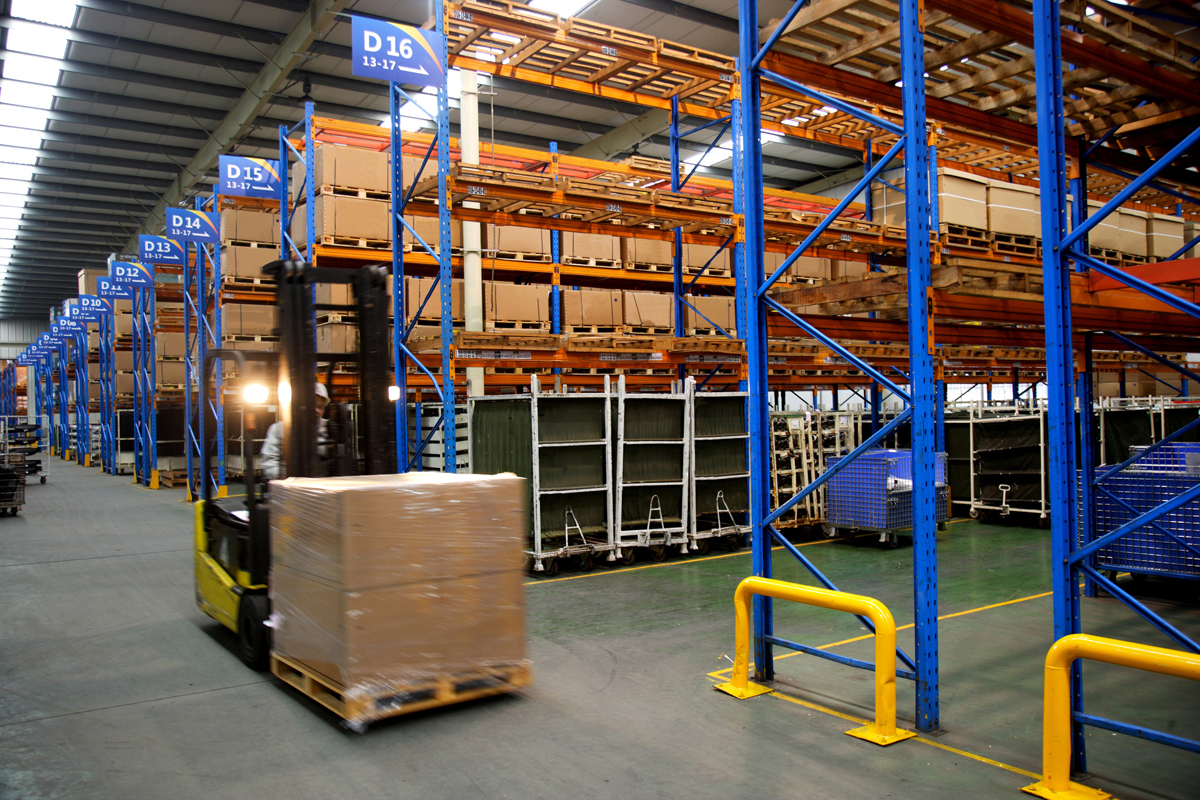
    In the second quarter of 2025, notable expansions in Shah Alam and Pulau Indah added approximately 2 million square feet of Grade A warehouse space to the market, answering specialized demand from the Automotive and E&E industries. Surprisingly, vacancies remain astoundingly low, at just 2%, even amid these new deliveries. Companies are increasingly migrating towards premium quality spaces, indicating a clear preference for top-tier facilities.

    Stability Amid Potential Challenges

    Despite some anticipated challenges, such as increases in SST and electricity costs slated for July, rental rates have held steady within the market. Pulau Indah, in particular, has seen notable growth as emerging prime facilities close the gap with more established submarkets.

    Real Estate Investment Trusts (REITs) are actively expanding their portfolios through strategic acquisitions. A prime example is AmanahRaya REIT’s acquisition of a warehouse in Kuala Langat through a sale-and-leaseback arrangement, which not only secures stable income but also assures operational continuity for the tenant—a win-win in today’s fast-paced market.

    Questions & Answers

    What key factors are driving growth in the logistics sector in Kuala Lumpur?
    The logistics sector’s growth is primarily driven by the expansion of e-commerce, the Automotive and Electrical and Electronics industries, along with 3PL providers, each increasing demand for modern storage solutions.

    How will the new Sales and Service Tax affect landlords and tenants?
    The introduction of the 8% SST on real estate leasing transactions will likely prompt landlords and tenants to engage in negotiations to adapt to the new tax landscape, helping to manage the impact on operational costs.

    What does the current vacancy rate suggest about the market?
    With the vacancy rate at an impressive 2%, the logistics market shows strong demand dynamics, as companies prefer to incorporate higher-quality spaces, indicating a healthy appetite for premium logistical solutions.
  • airBaltic Cargo partners with cargo.one to accelerate and enhance its digital sales

    airBaltic Cargo partners with cargo.one to accelerate and enhance its digital sales

    airBaltic Cargo, the cargo division of the Latvian national airline, has joined forces with cargo.one to soon offer its services upon the air freight industry’s go-to procurement platform. airBaltic Cargo is partnering with cargo.one as part of plans to expand its market presence globally and boost revenues. cargo.one will offer airBaltic Cargo customers the most convenient and user-friendly booking method, and will enable the airline to market its services to a footprint of freight forwarders across 134 countries.

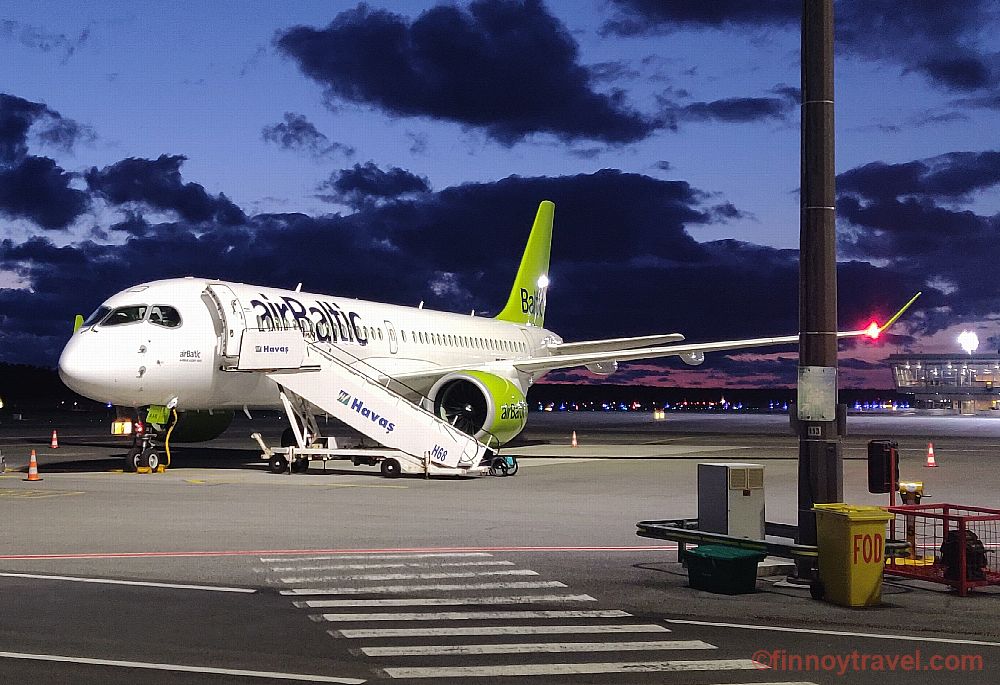
    Headquartered in Riga, Latvia, airBaltic Cargo offers freight forwarders modern and flexible belly capacity on more than 100 routes throughout Baltics, Europe, the Middle East, North Africa, and the Caucasus. Leveraging its main hub in Riga and additional bases in Tallinn, Vilnius, Tampere, and seasonally Gran Canaria, airBaltic Cargo flies into many shorter runway destinations that other airlines often do not. airBaltic Cargo also boasts one of the youngest and most efficient fleets in the world, consisting of 49 Airbus A220-300 aircraft, and planned to expand to 100 aircraft by 2030.

    The partnership coincides with airBaltic Cargo’s exciting program of expansion, having recently invested in The Baltic Cargo Hub – soon to be the largest dedicated air cargo handling center in the Baltics, and will further enhance airBaltic Cargo’s import, export and transit capabilities at RIX Riga Airport. cargo.one will soon deliver thousands of forwarders a step-change in access to airBaltic Cargo capacity for its entire network – with the ability to discover, quote, book and track its capacity in seconds. The addition of airBaltic Cargo is the latest example of cargo.one’s uniquely strong depth and diversity of global supply options.

    Iļja Seļiverstovs, VP Cargo at airBaltic, commented, “Digital sales is a vital driver of our cargo growth plans. It makes every sense to leverage cargo.one to expand our market reach and sales, and ensure airBaltic Cargo services remain front of mind with thousands of forwarders using the platform daily. Working alongside cargo.one, we will ensure that every customer receives the best possible end-to-end experience.”

    Moritz Claussen, Founder & Co-CEO of cargo.one, added, “We are thrilled to enable airBaltic Cargo to take its digital sales strategy to the next level, and our collaboration will capitalize upon its strengths in relevant markets. Forwarders rely upon cargo.one’s comprehensive global market view to discover, quote and book their air shipments, and the addition of airBaltic Cargo capacities will provide a strong option for many.”

    Accelerating its digital distribution with cargo.one allows airBaltic Cargo to better scale sales across a truly global footprint, build its brand presence within thousands of forwarding branches, lower its cost of sale, and boost sales efficiency and market responsiveness. cargo.one is the industry leader for optimizing the digital distribution progress of all sizes of airline.

    airBaltic Cargo’s partnership with cargo.one strengthens the airline’s digitalization program, ensuring that a greater proportion of customers benefit from digital speeds, accuracy and convenience. Booking on cargo.one also equips airBaltic Cargo customers with cutting-edge tools for winning and processing air shipments.

    From Winter 2024, freight forwarders using cargo.one will be able to book airBaltic Cargo capacity for general cargo, perishables and temperature sensitive pharma shipments, across its entire network.

  • Qatar Airways Cargo links with Xiamen Airlines

    Qatar Airways Cargo links with Xiamen Airlines

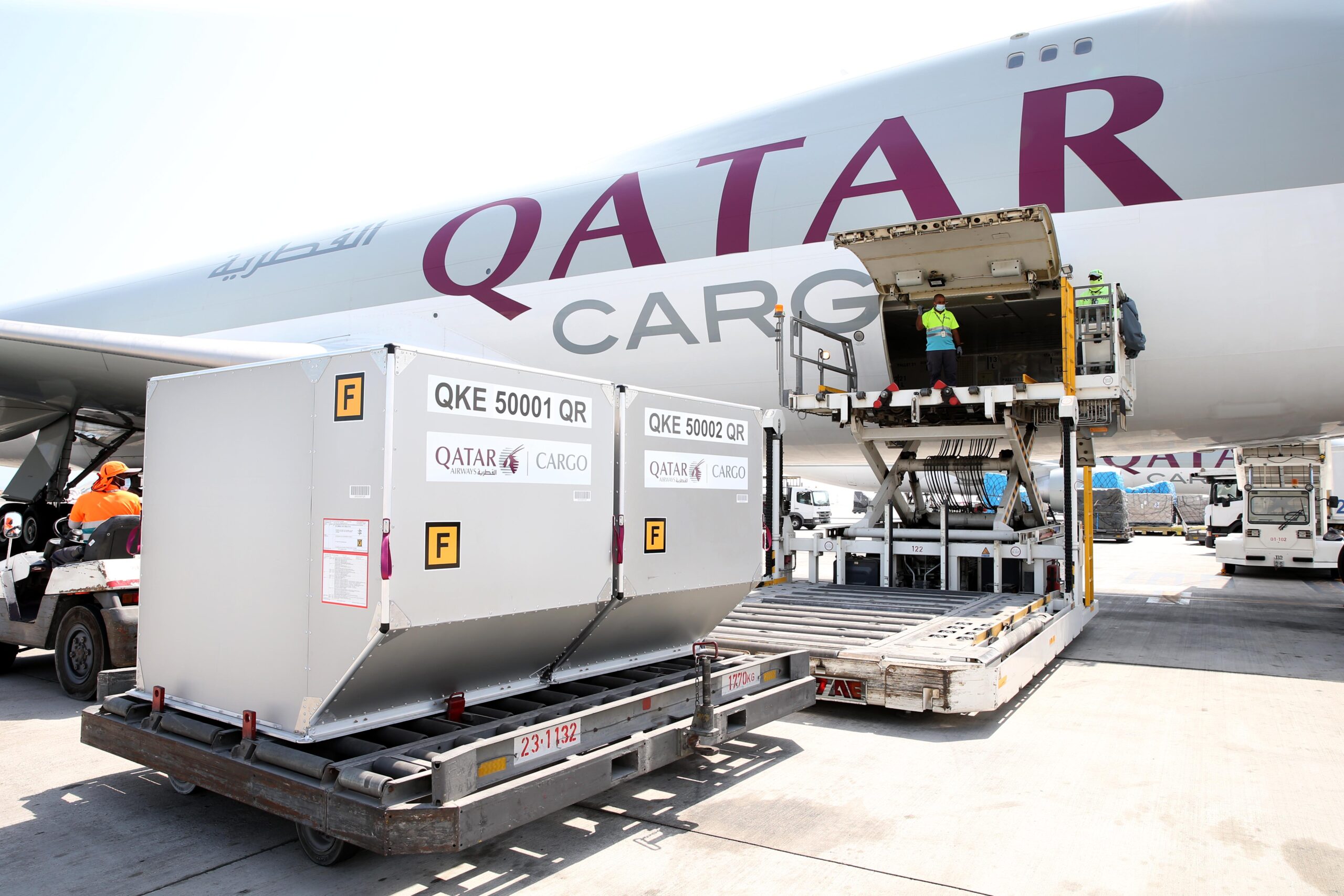
    Qatar Airways Cargo will offer additional capacity to/from China on the belly space of Boeing widebody jets with a new tie-up with fellow Skyteam member Xiamen Airlines.

    Under the agreement, Xiamen Airlines will launch daily flights on 20 October between Beijing’s Daxing International Airport (PKX) to Doha’s Hamad International Airport (DOH). The Chinese carrier will also launch two weekly flights from Xiamen (XMN), one of China’s special economic zones, to Doha, starting 31 October.

    This is the first time that the Chinese carrier will operate non-stop passenger flights to Qatar.

    A B787-9 will operate the new direct services from PKX to DOH, whilst the XMN-DOH return service will be operated by a B787-8, with more than 100 tonnes of capacity on both flights. Qatar Airways Cargo now serves 9 destinations in China, offering over 2,800 tonnes of cargo capacity each week.

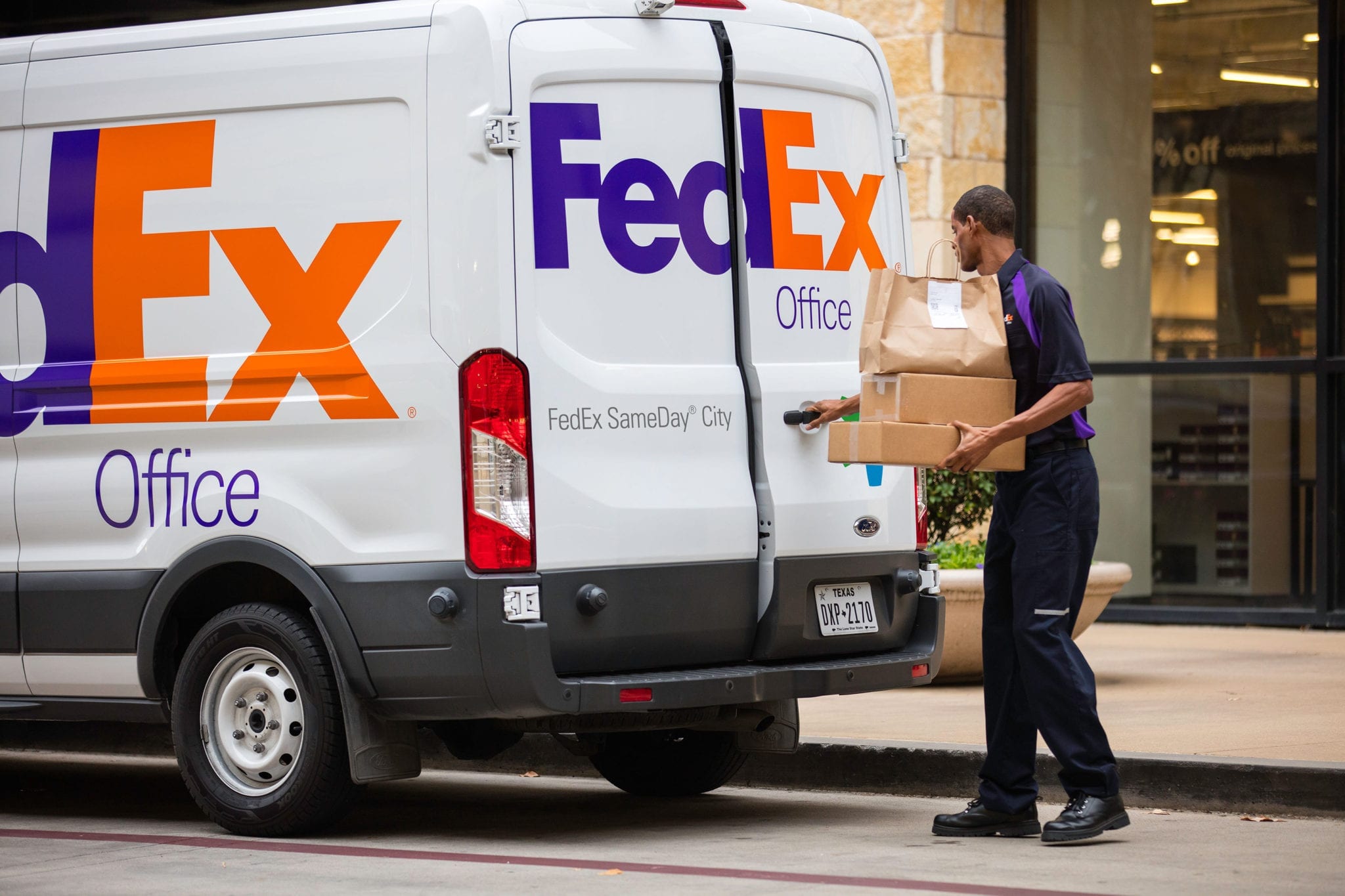
  • John Dietrich to join FedEx as finance chief

    John Dietrich to join FedEx as finance chief

    Ex-Atlas CEO, John W. Dietrich, is set to join FedEx as executive vice president and chief financial officer, effective 1 August.

    With more than more than 30 years of experience in the aviation and air cargo industries, Dietrich held several leadership roles at Atlas Air Worldwide since 1999, including serving as president and chief executive officer, and member of the board of directors from 2020.

    Prior to Atlas Air, Dietrich was with United Airlines for 13 years. He currently serves as chairman of the National Defense Transportation Association, as a director on the board of AAR Corporation, as a board member of the International Air Transport Association, and a member and former chairman of the National Air Carrier Association.

    Together with Dietrich’s appointment, FedEx also announced strategic shifts within the finance organization to further bolster its ongoing transformation.

    “The evolution of our Finance leadership team is critical to our transformation as we continue to build a more intelligent, flexible and efficient network,” said Raj Subramaniam, president and chief executive officer. “I am pleased to welcome John to FedEx. He is an accomplished and seasoned leader in the transportation industry whose unique combination of financial and operational expertise is a strong complement to the existing executive leadership team at this important time for the company. His appointment, along with the other strategic changes within the Finance leadership team, will further strengthen our ability to generate efficiencies, improve margins, and enhance returns.”

  • Shipping firms report double-digit growth

    Shipping firms report double-digit growth

    Shipping companies have had one of their best quarters in years with most reporting double-digit growth thanks to high rates.

    Vinalines, the country’s biggest shipper, saw a near doubling of its profits year-on-year to VND1.43 trillion (US$61.19 million) in the second quarter.

    Private player Gemadept reported an 87 percent increase in profits to VND334 billion, the highest since the second quarter of 2018.

    Hai An Transport and Stevedoring made it to the top three after profits rose 3.3 times to VND324 billion.

    It was its most profitable quarter in nearly six years.

    Vietnam Ocean Shipping JSC (Vosco)’s profits were only up 7.5 percent to VND260 billion, but it was its most profitable quarter in 14 years.

    The Petrovietnam Transportation Corp (PVTrans)’s gross profit rose to a 15-year high of VND440 billion, but net profit fell 16 percent to VND265.5 billion as financial income decreased.

    The industry attributed growth to high freight rates, which have quadrupled since 2020 to $8,000 for a 40-feet container, according to data brokerage Bao Viet Securities compiled from Bloomberg.

    But market research firm FiinGroup warned that in the second half of this year the rates would fall and costs, especially of fuel, would rise.

    It also expected China to continue with its zero-Covid strategy, which could drag demand down.

    China accounted for a fourth of global goods throughput last year, according to data from its Ministry of Transport and German data portal Statista.

  • Malaysia’s AirAsia eyes air cargo carrier

    Malaysia’s AirAsia eyes air cargo carrier

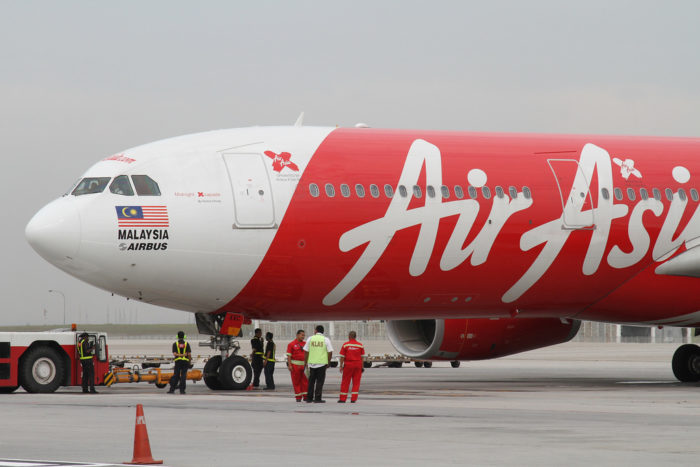
    Malaysia’s flagship budget airline AirAsia Group is in early acquisition discussions for air cargo carrier Raya Airways to beef up its logistics business, The Edge Weekly reported on Saturday (Jan 22) citing sources.

    The business weekly said the airline has approached businessman Ishak Ismail whose family owns Raya Airways, to acquire the carrier, and are in early conversations, according to people familiar with the matter.

    AirAsia and Raya Airways did not immediately respond to requests for comment.

    AirAsia’s logistics unit Teleport said in November it was aiming to expand its fleet of cargo planes and scale up its freight business.

    Top executives at Raya Airways were not keen to sell the carrier, however, as they have plans for an initial public offering, the report said.

    AirAsia was last week classified as a PN17 firm by Malaysia’s stock exchange, a tag given to financially distressed firms. It said it was working on a plan to “regularise its financial condition”.

  • Germany’s DB Schenker To Order 1,500 Electric Trucks From Sweden’s Volta

    Germany’s DB Schenker To Order 1,500 Electric Trucks From Sweden’s Volta

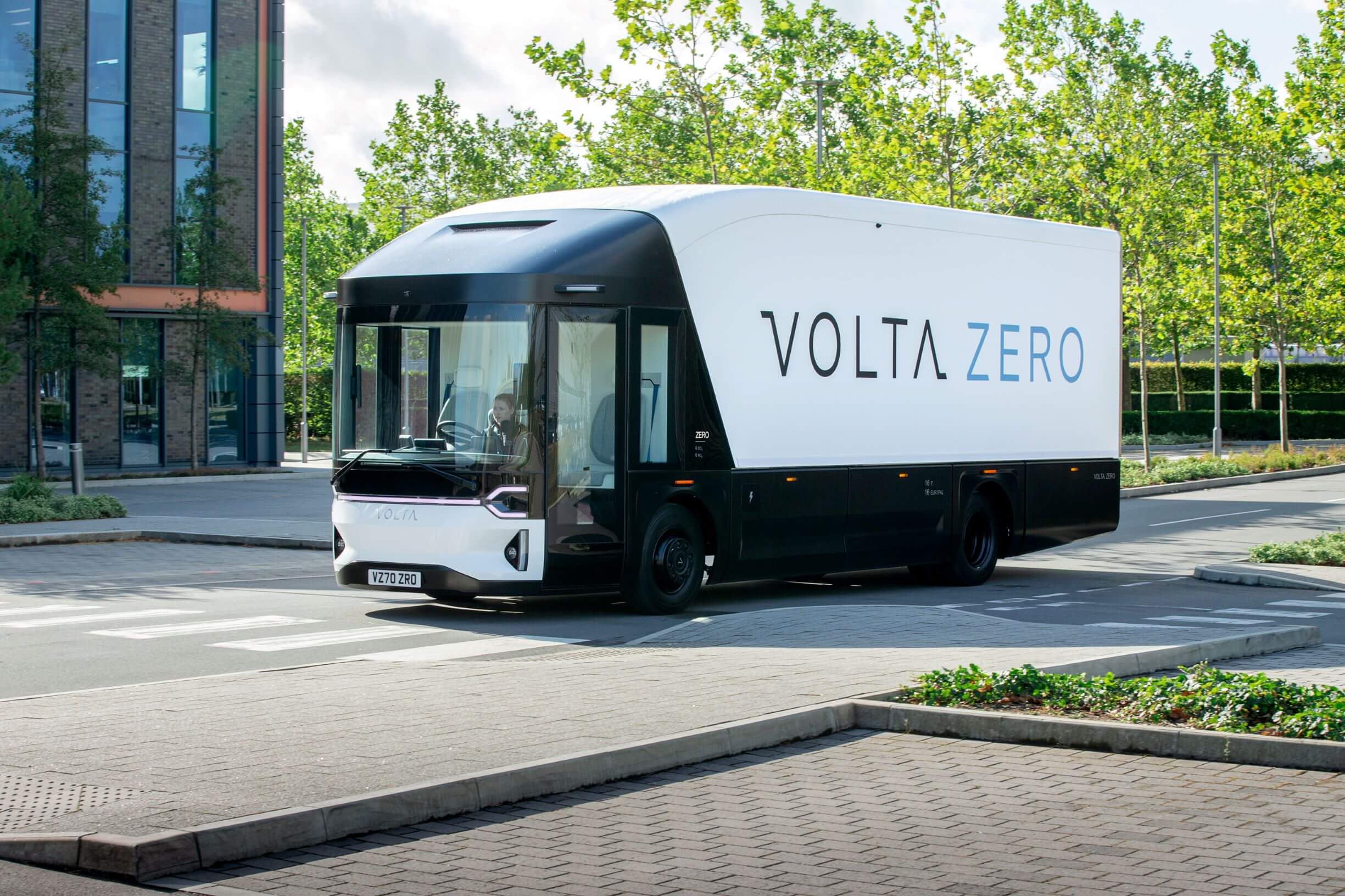
    Deutsche Bahn’s logistics unit Schenker will order almost 1,500 electric trucks from startup Volta Trucks to transport goods from European terminals into city centres and urban areas, the companies said on Tuesday. DB Schenker will use prototype electric trucks in the spring and summer of 2022 in distribution operations, findings from which will be used in the production of 1,470 electric trucks. Those trucks will be made at a former MAN truck plant in Austria that was taken over by Steyr Automotive. The electric trucks will operate at 10 DB Schenker locations in five countries.

    The companies didn’t immediately provide details on the transaction’s value.

    Stockholm-based Volta Trucks, which also operates in the UK, plans to start production of the Volta Zero, a 16-tonne electric truck, in 2022. Bans on fossil-fuel commercial vehicles will take effect in some European cities over the next few years, putting pressure on logistics providers to find zero-emission alternatives.

    “The large-scale partnership with Volta Trucks allows us to significantly increase the pace of electrification of our fleet and invest in greener transport solutions,” Cyrille Bonjean, DB Schenker’s executive vice president for land transport in Europe, said in a statement. DB Schenker has around 74,200 employees in over 130 countries. The latest order brings Volta Trucks’ order book to around 4,500 electric trucks. It previous biggest public order was for 1,000 trucks, from French refrigerated truck firm Petit Forestier.

  • Kerry Logistics recognised as “Most Honoured Company” for sixth year in a row

    Kerry Logistics recognised as “Most Honoured Company” for sixth year in a row

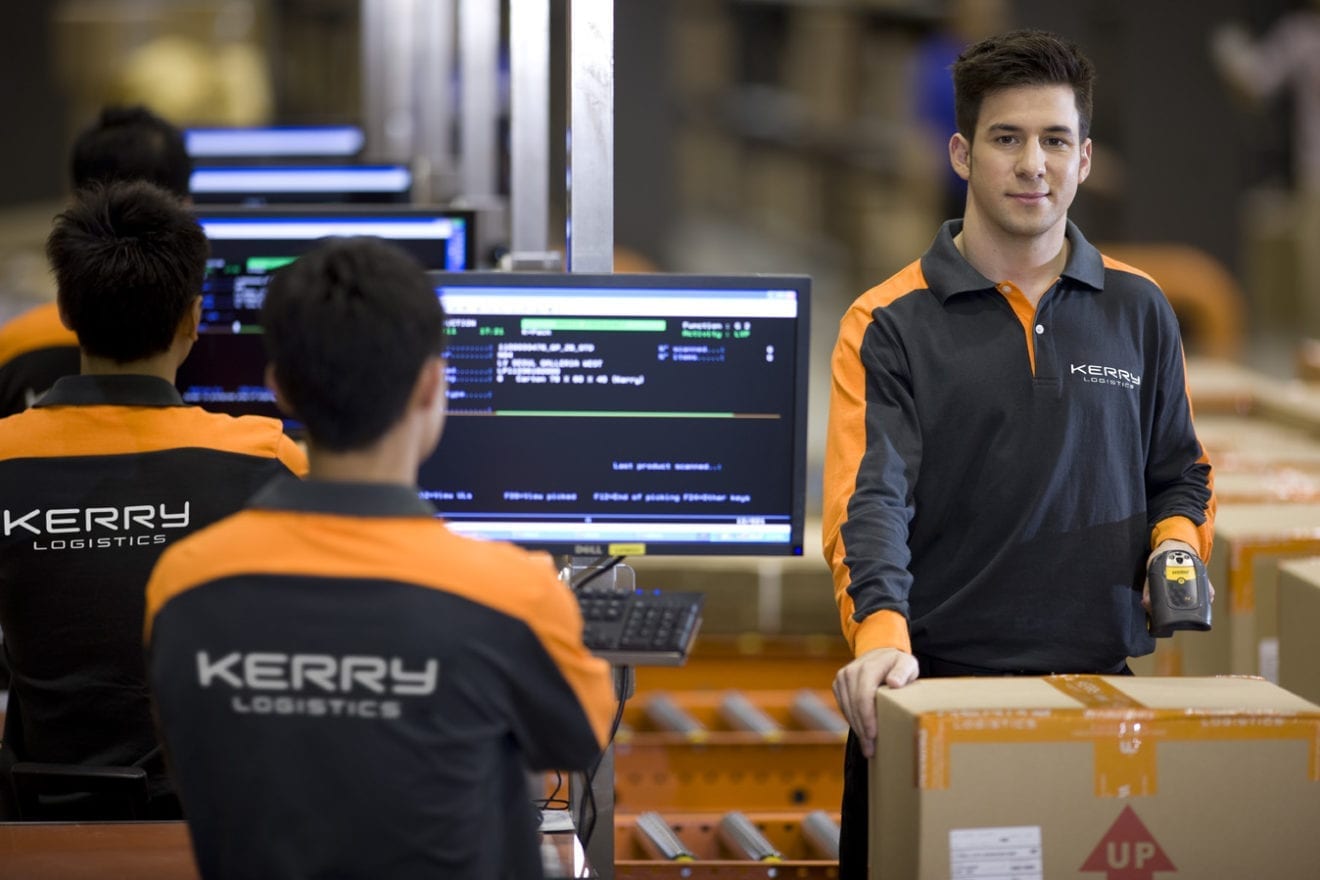
    Kerry Logistics Network Limited (‘Kerry Logistics Network’; Stock Code 0636.HK) is honoured to be recognised as one of the “Most Honored Companies” in Institutional Investor’s annual All-Asia (ex-Japan) Executive Team rankings for the sixth consecutive year. It was also ranked in the top three in five categories under the Transportation sector.

    Kerry Logistics Network and its key executives secured top three in the following categories, based on votes from buy-side analysts, money managers, and sell-side researchers at securities firms and financial institutions that cover the Asian region:

    • Best CEO – William Ma
    • Best CFO – Ellis Cheng
    • Best Investor Relations Professional – Iris Tsang
    • Best Investor Relations Program
    • Best ESG

    William Ma, Group Managing Director of Kerry Logistics Network, said, “We are honoured to be recognised once again for our commitment to a proactive investor relations strategy. While it has been imperative to respond to the challenges brought by the pandemic, in terms of investor relations, we have remained steadfast in maintaining our transparency, stepping up communication with the investment community and addressing investors’ concerns. Despite all the difficulties, we believe it is of paramount importance for us to keep our shareholders and investors up to date, particularly on Kerry Logistics Network’s latest corporate developments, while providing comprehensive disclosure to our stakeholders to ensure we create value for all. We are grateful to Institutional Investor and the investment community for the long-term support, and we will continue doing our best in applying global best practices in our investor relations programme.”

    Kerry Logistics has received the “Most Honored Companies” accolade since 2016. The 2021 All-Asia (ex-Japan) Executive Team rankings were determined by the votes from over 4,000 investment professionals across 1,285 financial services firms. The survey covered several core areas, including “Financial Disclosure”, “IR Services & Communications”, “COVID-19 responses”, “ESG”, “CEO”, “CFO” and “IR Professional”.

  • Logistics Company Cogos To Add 2500 EVs To Its Fleet Over Next 24 Months

    Logistics Company Cogos To Add 2500 EVs To Its Fleet Over Next 24 Months

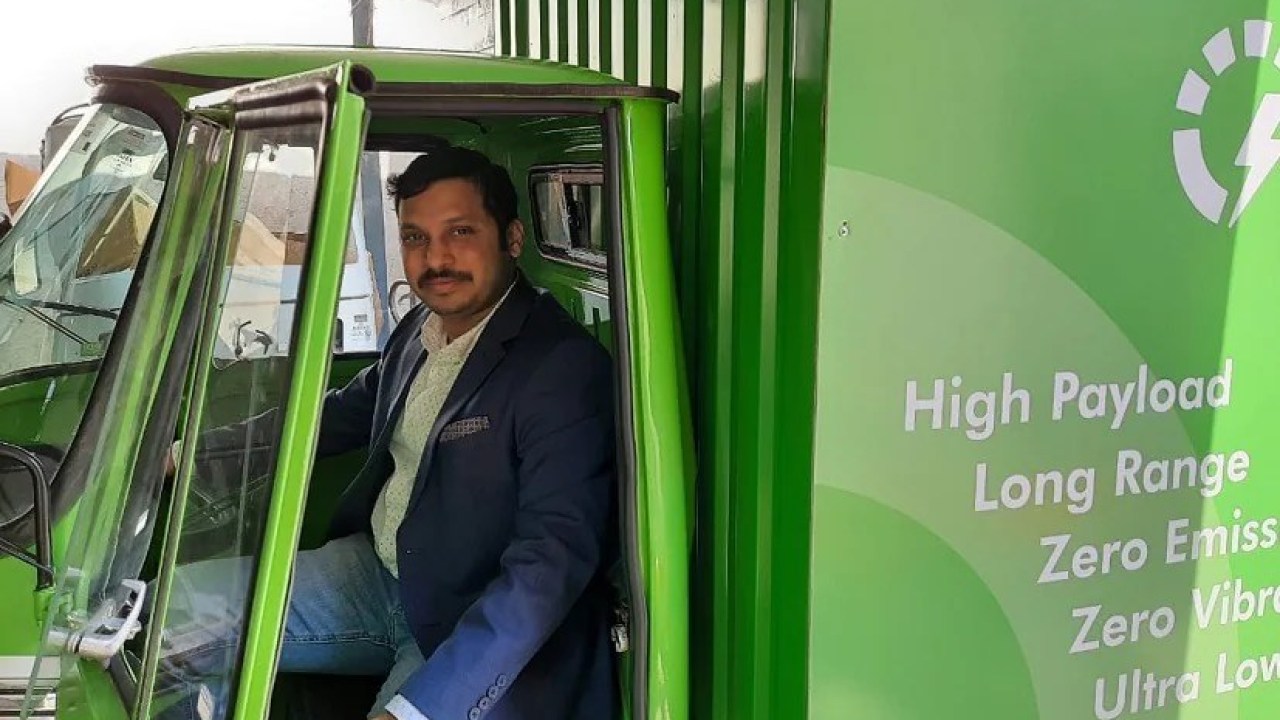
    Bengaluru-based logistics platform, Cogos, has announced that it will be adding 2500 electric vehicles (EV) to its delivery fleet across Bangalore, Hyderabad, Delhi, and Gujarat, and later in Maharashtra and Tamil Nadu. The company claims that it wants to reduce the carbon footprint of its fleet, and this move will help it achieve a reduction of 15000 tonnes of CO2 when running at full capacity, per year. The EVs will be added to the company’s fleet in a phased manner, over the next 24 months. Cogos has partnered with electric vehicle manufacturers like Altigreen, Mahindra, and Piaggio among others procure these EVs.

    Talking about the development, Prasad Sreeram, Co-founder and CEO, Cogos said, “It is important for us, as a logistics company, to focus not just on efficiency and cost, but also on sustainability. With this fleet augmentation of 2500 EVs, we are on track to achieve as much as 30 percent of our revenues from green technologies by 2023. We want to give customers a significant edge in efficient and responsible distribution and last-mile delivery solutions. EV is the future of mobility and city logistics have higher operating costs and lower traveling distances, hence are best suited for EV adoption for the logistics sector.”

    While currently, the company operates with three-wheeler commercial vehicles that have a payload capacity of 500 kgs, it is already working with the OEMs for four-wheeler EVs with a capacity of 1 tonne. The EVs will be used for the e-commerce, grocery, distribution, and mobility sector. Cognos has already entered into deployment agreements of 500+ vehicles for leading E-Com Enterprise and another 300+ with Food, FMCG, and Mobility enterprises.

    Cogos aims to strengthen the ecosystem by promoting EV ownership and creating a pool of fleet-owning entrepreneurs focused on sustainable growth. The company says that it will have a special focus on women empowerment through entrepreneurship and upskilling, along with evangelizing the benefits of EV to finance providers. To realize that, the company has entered into a tripartite agreement with the owner-operator and the financing entity, to support better financing for driver-partners. Cogos is also educating potential fleet owners on the benefits of EVs, like the fact that the cost of operating a commercial EV is only 50 paise per kilometer, which is multiple times lesser than fossil-fuel-based vehicles.

  • Dematic Awarded Automation Project for Two Americold Temperature-Controlled Warehouses

    Dematic Awarded Automation Project for Two Americold Temperature-Controlled Warehouses

    Dematic announced today it has been awarded an automation project for two temperature-controlled warehouses with Americold, a leading temperature-controlled infrastructure and supply chain solutions and services company, to improve efficiency for a major grocery retailer in the U.S.

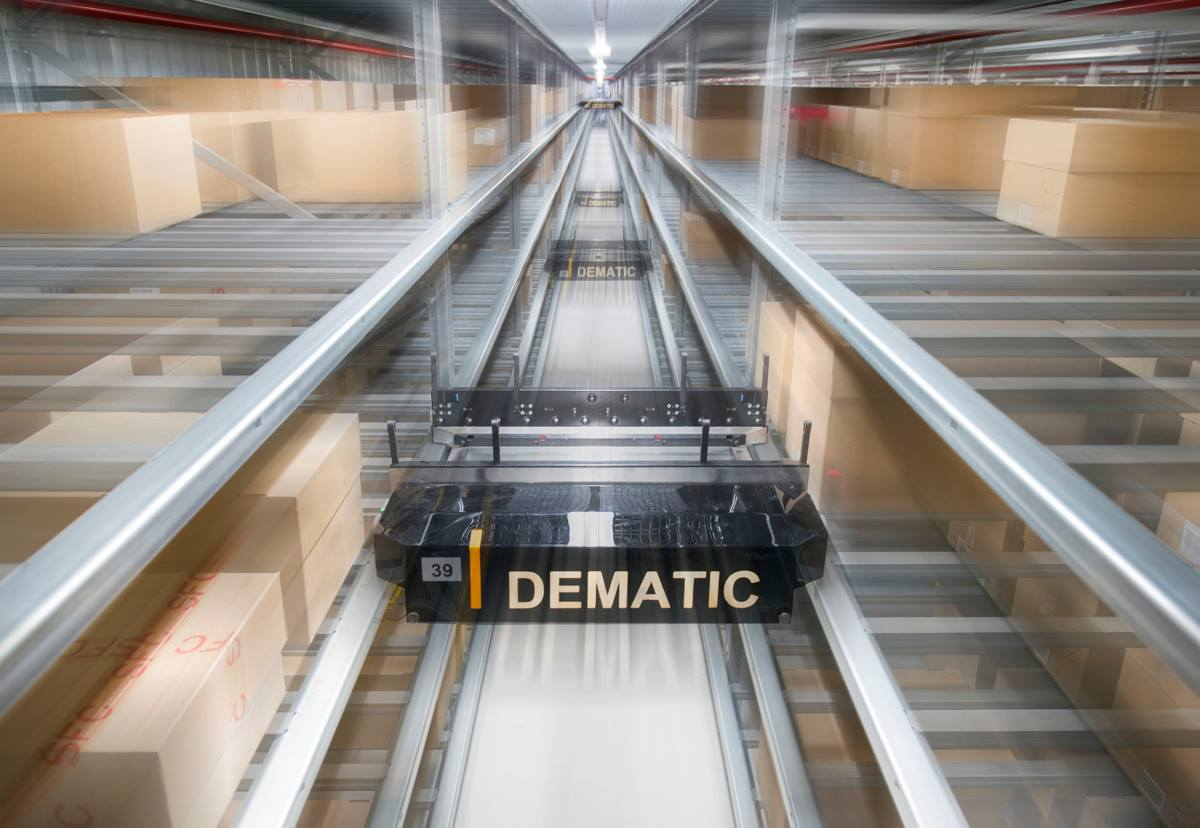
    The Dematic integrated solution includes goods-in receiving, automatic delayering, tray handling, sortation, automatic pallet building, dispatch trailer sequencing and ergonomic case picking. The solution will feature both a Dematic high-bay unit load AS/RS for pallets and the Dematic Multishuttle® for case buffering and sequencing. The combination of these technologies, managed and operated by Dematic software, creates the most effective compact mixed-case handling solution on the market.

    “At Americold we have a unique lens into the temperature-controlled supply chain. To help us offer world-class service to our customers, we were seeking an automation partner to facilitate the future hyper-connected, enabled supply chain in retail fulfillment,” stated David Stuver, Executive Vice President of Supply Chain Solutions at Americold. “With large-scale global capabilities and innovative automation solutions, Dematic is an ideal partner to help us create state-of-the-art facilities that will help Americold transform the supply chain.”

    The new facilities will be true four-wall automated solutions with automated mixed-case palletising systems to ensure cube optimisation improvements. Highly efficient packing will mean fewer trucks needed for delivery, and shelf-ready pallets will allow for the quickest possible stocking of store shelves.

    Bernard Biolchini, CEO, Dematic Americas stated, “The Dematic Center of Excellence for Grocery worked in true partnership with Americold to develop the right solution. These fully automated facilities, powered by Dematic iQ software, will provide immense operational flexibility, supporting an omnichannel experience and multi-channel growth.”

    About Dematic

    Dematic is an intralogistics innovator that designs, builds and supports intelligent, automated solutions for manufacturing, warehouse and distribution environments for customers that are powering the future of commerce. With engineering centres, manufacturing facilities and service centres located in more than 25 countries, Dematic’s global network of 8,000 employees have helped achieve more than 6,000 worldwide customer installations for some of the world’s leading brands. Headquartered in Atlanta, Dematic is a member of KION Group, a global leader in industrial trucks, supply chain solutions and related services, and a leading provider of warehouse automation. 

    About Americold Realty Trust

    Americold is the world’s largest publicly traded REIT focused on the ownership, operation, acquisition and development of temperature-controlled warehouses. Based in Atlanta, Ga., Americold owns and operates 183 temperature-controlled warehouses, with over 1 billion refrigerated cubic feet of storage, in the United States, Australia, New Zealand, Canada and Argentina as of March 31, 2020. Americold’s facilities are an integral component of the supply chain connecting food producers, processors, distributors and retailers to consumers.


  • Logistics heading to personalisation in digital era

    Logistics heading to personalisation in digital era

    The biggest trend in logistics right now is arguably not artificial intelligence, blockchain or even visibility, it’s hyper-personalization – which is ushering in a new era of delivery once only accessible to big global companies and corporates.

    For Asia’s legions of entrepreneurs and small businesses – more than 70 percent of whom are now exporting beyond Asia Pacific – personalization offers new opportunities to compete and create competitive advantage.

    Already, the transport and logistics industry is at a threshold moment in terms of the use of personalization – the ability to dynamically and uniquely tailor the shipping experience to any customer or individual.

    Yet while many micro-businesses believe in the power of personalisation for their brand – allowing consumers to choose the color of a dress, say, or add a monogram to a handbag – far fewer know that tapping new customization and personalization strategies in logistics is easier than ever.

    So just how can Asia’s small businesses deliver greater personalization in the shipping experience? And use logistics to gain ground against often older, larger or more established brands?

    Logistics made just for you

    FedEx, for example, has always operated beyond the norms of what’s expected for a shipping company. We know that our company is more than just packages shipped – it’s what we deliver that matters, such as dreams when a start-up sends out its first packages; joy at Chinese New Year; even hope when shipping relief supplies.

    What’s more, while the most important aspect of the growing US$4.5 trillion e-commerce economy is shipping, we recognize that to many, it’s largely invisible.

    So what’s changing and what’s important when it comes to customization and personalization, in a world where 11 percent of global GDP is already directly attributable to digital technologies?

    The first step is to change our mental model that logistics is something that happens after services and products are sold.

    Just as WeChathas evolved into a billion-dollar ecosystem of apps, products and services creating hyper-personalized experiences from start to finish – be it in food, clothing, paying utility bills or even shipping a package using the likes of FedEx, so too is the delivery experience starting sooner.

    For instance, we now help SME e-tailers at the frontend to close more business on their website, or on the backend in after-sales service, matching shipping strategies with customer needs.

    Innovation itself is also more mobile – it’s estimated that around 90 percent of logistics today happens behind the mobile phone – meaning that we must deliver differently.

    Our ‘new normal’ of personalized logistics is all about connecting customers with greater convenience – same-day deliveries, more ‘last mile” choices including self-collection locations; even new, advanced tracking that can nickname shipments and create personal ‘watch lists’.

    Visibility is yet another way to personalize the shipping experience – since knowing the status of packages and having control over them is at the top of any customer’s wish list. Take FedEx Delivery Manager for instance, which can request delivery notifications, sign for deliveries in advance, have shipments delivered to a secure location, suspend deliveries and more.

    Here, hyper-personalization is about driving greater flexibility – with the ability to customize and select day and delivery options – usually at no extra cost to an SME or its customers.

    More than ever, consumers want more from their supply chain and logistics – the ability to return goods to a physical location; the ability to get a text message saying goods are about to be delivered; track product requirements online; vary the delivery window and location, even the ability to “click and collect” – collecting goods from a secure location like a locker box or a 7-Eleven store.

    We’ve also seen growth in customisation and postponement which is giving SMEs more options to manage inventories more efficiently. By delaying product packaging and assembly for as long as possible, exact customer specifications can be met whenever products are needed.

    But that’s just the start. Our industry is at a tipping point, barely scratching the surface of what’s possible as customers expect more, and demand more.

    The personalisation of everything

    The future of logistics is set to be ‘personalised everything’.

    Already, shipping is moving further away from a generic or one-size-fits all approach to a highly personalised pattern of world commerce – with the ability to customise, flex and individualise delivery in ways that are just only beginning to become clear.

    Just as brands that create a personalised experience are growing two to three times faster than their peers – and seeing revenue increases of up to 10 per cent[4] – so too will small businesses be able to create one-of-a-kind supply chains that help them grow, compete and connect globally.

    As Alan Kay once said: “The best way to predict the future is to invent it” – so we are working on a number of technology innovations that will further change the way we do business and the way we serve our customers. But what can we expect to see?

    Among a multitude of on-demand style innovation, the day is coming where the ultimate personalised logistics accessory of the future will be the ability to book a shipment by talking to your digital personal assistant.

    Picture a small business customer initiating the process, answering questions from the digital assistant, hands-free and paper-free, to complete a booking with a courier – or robots, zipping to your home or SME office to pick up the package.

    So why should Asia’s entrepreneurs and SMEs care?

    Such hyper personalisation innovation – existing or futuristic – is impressive. We are at an unprecedented moment in history in terms of connectivity, where more and more consumers are becoming hyper-connected across multiple devices – ranging from mobiles to smart phones to wearables and even home appliances.

    This personalisation of connectivity – where we’ve moved from walking among 100,000 products in a store to accessing more than 10 million products on a phone – is giving today’s small businesses the opportunity to compete on customer experience on a scale never seen before.

    This year is shaping up to be a banner year for small businesses – four in five of whom are already using e-commerce, and 64 per cent of which expect to see an increase in e-commerce revenue in the next year.

    As we move closer to 2020 – a year when customer experience is expected to overtake price and product as the number the key brand differentiator – the opportunity for Asia’s SMEs is now.

    The ability to compete on customer experience using hyper personalisation is open to businesses of all sizes. And it may just be small businesses that win the future battle for personalisation.

  • DHL eCommerce Solutions names Samuel Conroy as MD in Vietnam

    DHL eCommerce Solutions names Samuel Conroy as MD in Vietnam

    DHL eCommerce Solutions, a division of Deutsche Post DHL Group, has named Samuel Conroy as managing director for Vietnam. Prior to joining DHL, Conroy held senior general management roles in various Southeast Asian countries and was most recently the CEO of the Middle East Cluster for Damco Logistics.

    “Samuel brings with him a wealth of knowledge in the logistics business as well as general management experience gained from working across different markets in both country and regional capacities,” said Kiattichai Pitpreecha, CEO, DHL eCommerce Solutions Southeast Asia. “His enthusiasm and strategic hands-on leadership approach will be crucial to exceeding customer expectations and delivering profitable growth.”

    Conroy’s extensive general management experience has been supplemented with previous project management and functional implementation successes across a broad logistics environment. He previously also served as the director of the Australian Chamber of Commerce in Vietnam.

    “Vietnam currently has one of the fastest growing e-commerce markets in the world,” said Conroy. “With more than half of Vietnam’s population already using the internet and more than 50 million smartphone subscribers, we must fully utilize our e-commerce capabilities across the DHL divisions to help our customers create a strong base of operations and overcome infrastructure challenges to capitalize on that speed of growth.”

  • Industries Senior exec resignations show eLogistics Challenges

    Industries Senior exec resignations show eLogistics Challenges

    Ride hailing firm Go-Viet confirmed last week that general director Nguyen Vu Duc and deputy general director Nguyen Bao Linh have quit their positions. Two days after Go-Viet’s announcement, Nguyen Xuan Truong, CEO of local delivery service Ahamove, resigned from the position he had held for 3.5 years. His departure came after Tran Duc Huy, marketing director of the company, quit in March.

    Industry insiders say that senior leaders of eLogistics firms have to leave if they are not able to satisfy drivers, customers and investors happy at the same time, which means maintaining growth in a highly competitive market.

    A senior official of an eLogistic company who asked not to be named said that Vietnamese managers face difficulties in this industry because it is new to most of them.

    These leaders need to overcome challenges in technology application, the country’s transport infrastructure and the legal framework. Besides, it becomes increasingly difficult to maintain growth when the number of partner drivers increases.

    “Drivers are called partners because they do not technically work for the company, that’s why the company needs to make both partners and customers happy while making the company grow at the same time,” the official told.

    The leaders who resigned might have done so because of the internal challenges they faced when their startups’ scale expanded, experts say. Nguyen Phuong Mai, managing director of online recruitment firm Navigos Search, said that some leaders want to have the same freedom they had when they founded the company with a group of friends, which is difficult in the later stages when they have to compromise with investors’ demands.

    Strong competitors in the market are another possible reason for the executives quitting, although they do not publicly admit this.

    eLogistics companies have to compete with each other in “burning” money to attract drivers and customers. When asked the biggest challenge an eLogistics company CEO faces, Nguyen Huu Tuat, CEO of FastGo, answered: “Money.”

    At Go-Viet, Duc and Linh’s resignations came at a time when the company was stagnating in all its services – ride-sharing, food delivery and package delivery. Since the start of this month, the company has cut its drivers’ revenue to 20 percent, prompting many drivers to consider switching to another ride-sharing service.

    Meanwhile, its main competitor, Grab, has been expanding its food delivery service and its cashless payment service GrabPay by Moca, which now has new features allowing users to pay their electricity, water and phone bills.

    Tuat said: “An eLogistic startup might have glory today and die tomorrow because the larger the company is, the more money you have to burn.”

    A report by Google and Singaporean investment firm Temasek valued Vietnam’s online and food delivery market at $500 million last year; and forecast that it would reach $2 billion in 2025.

  • DHL Express recognized as Asia Pacific Best Employer in 2018

    DHL Express recognized as Asia Pacific Best Employer in 2018

    DHL Express, the world’s leading international express services provider, has been named Asia Pacific Best Employer 2018 by Aon Hewitt, the global talent, retirement and health solutions business of Aon plc. This is the fifth time DHL Express has won this award in the region, since 2013.

    This accolade is conferred to companies which have won Aon Hewitt awards in at least three countries across the region, and DHL has exceeded this expectation by winning Best Employer in India, Malaysia, Philippines, Singapore and Thailand.

    Ken Lee, CEO, DHL Express Asia Pacific said, “It is an honor to be recognized as a leading employer and an excellent workplace in Asia Pacific again. This award is a huge win for the region because it is strong proof that we have been successful in building positive relationships with our employees, who are such vital assets to the success of our organization. As we aim to remain Employer of Choice, employee engagement continues to be our top priority and we are committed to sustained investment in our employees to help them realize their full potential.”

    Based on a comprehensive study, nominated companies were thoroughly assessed by an independent external committee based on three types of sources: employee opinion survey, human resources practices, and CEO questionnaire and interview. According to Aon Hewitt, DHL Express has demonstrated and achieved consistently high performance in key areas of Employee Engagement, Compelling Employer Brand, Effective Leadership and High Performance Culture across the region. Additionally, employee perception indicates that DHL Express excels in critical execution enablers including infrastructure and technology that drive productivity and encourage collaboration, and openness to diversity in the environment.

    DHL Express’ continuous investment in talent growth, including its Certified International Specialist (CIS) and Certified International Manager (CIM) programs has trained over 60,000 employees in Asia Pacific as of 2017. Employees are trained on the company strategy, and fundamentals of international and management skills such as ensuring respect and results while interacting with colleagues.

    In addition to the CIS and CIM programs, DHL Express regularly organizes activities that celebrate and recognize employees’ dedication and cultivate employee engagements at all levels. These include initiatives such as ‘Staff Appreciation Week’ and ‘Employee of the Year’. Most recently in August 2018, DHL Express held its DHL AsiaCup in Singapore — the annual employee football and cheerleading event involving more than 1,000 employees, to rally teams across the region to build an even stronger employee network and celebrate their successes.

    First conducted in Asia in 2001, Aon Hewitt’s Best Employers study aims to recognize companies that have a real competitive advantage by investing in its people, and to explore the winning attributes of a workplace of choice.

  • Ninja Van ready to pounce on rivals in Singapore

    Ninja Van ready to pounce on rivals in Singapore

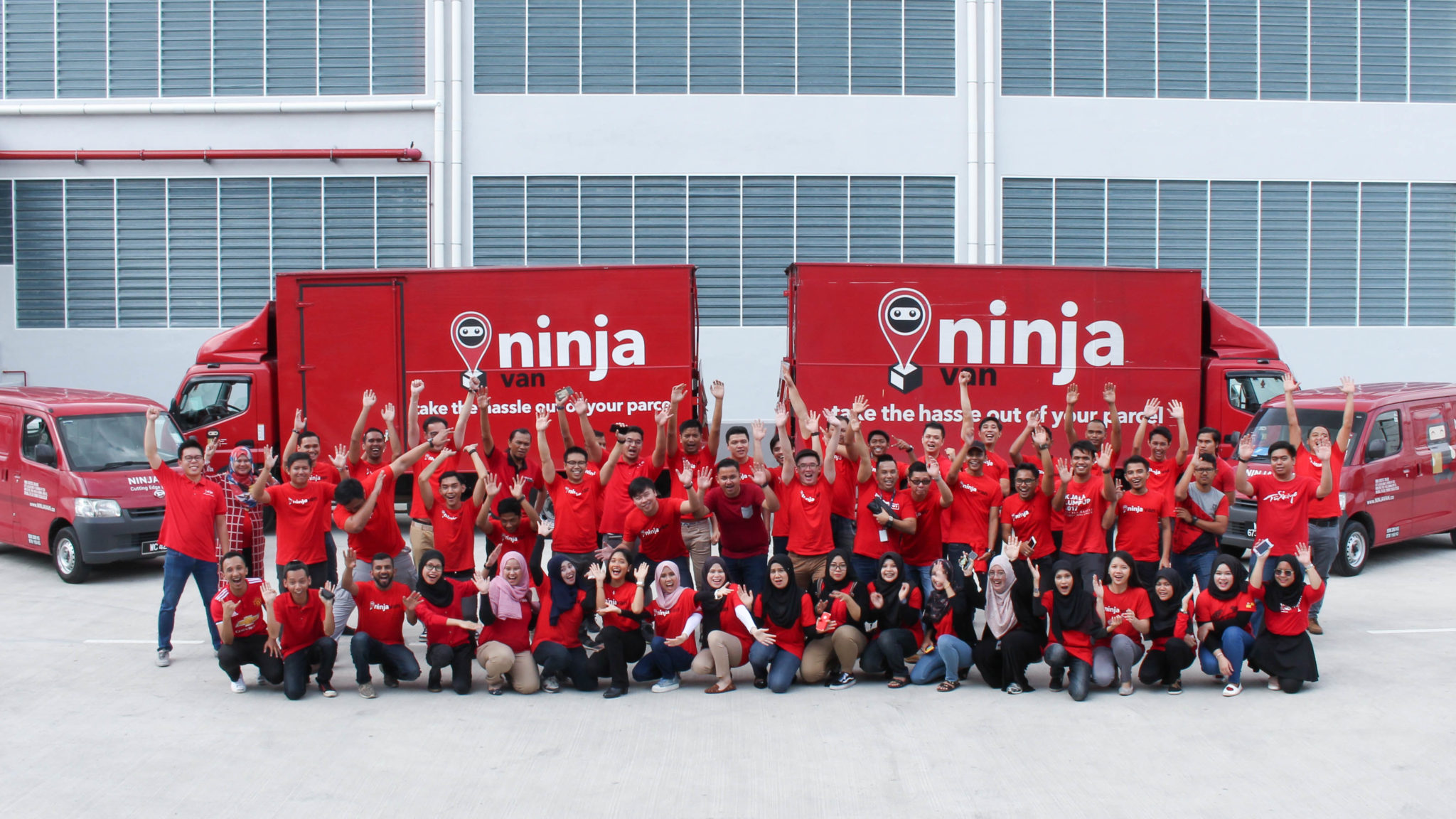
    Like the Japanese warrior it is named after, homegrown logistics tech startup Ninja Van is taking the fight to its rivals in its bid to become the top delivery e-commerce service here and in the region.

    For a start, Ninja Van plans to increase its parcel collection points to 500 by the end of the year — more than doubling its current number of 200 stations around the island. They are usually found near MRT stations and in shops, and the locations include Toa Payoh, Woodlands, Clementi, Punggol, and Orchard Road.

    To help enhance the customer’s delivery experience, it plans to give them a “live” option to redirect their parcels. Mr Lai Chang Wen, 31, Ninja Van’s co-founder and chief executive, said in an interview with TODAY that the service will be launched here before the end of the year, and will be gradually rolled out in other countries in South-east Asia.

    It will provide customers with information on when their parcels will arrive, and if they are unable to receive it in person, they can redirect it to a nearby Ninja Point, or request for it to be left at the door or neighbour’s house via the company’s website or mobile application.

    Mr Lai said this service is designed to cater to customers’ demands, making it “hassle-free”, and that it will help improve the collection experience.

    “We want to give customers more options, rather than just tracking,” he said.

    Currently, customers can also choose to self collect the parcels rather than have them delivered to their homes. Some collection points, such as those at shopping malls, are very “popular”, he added.

    The collection point service, known as Ninja Collect, includes automated parcel lockers called Ninja Box, as well as Ninja Points that allow for collection at retail shops.

    Ninja Van’s 500 points islandwide ensures that there is a pick-up point located within 500 metres from any residential home, said Mr Lai. TODAY understands that its rival, government-linked company Singapore Post (SingPost), has over 150 automated parcel lockers, called POPstations, in Singapore.

    While this push by Ninja Van could be seen as a threat to SingPost, Mr Lai insisted that both firms can “co-exist and challenge each other to keep improving”. He believes that Ninja Van’s e-commerce parcel delivery service is “on par” with SingPost’s.

    In the next three to five years, the firm will focus on strategies such as social commerce where customers shop on social media platforms such as Facebook, Instagram and Internet forums.

    He added: “We are looking at how we can allow mid-tier Korean cosmetic brands to sell (their products) in South-east Asia. For social commerce… the sellers need to find a way to ship the parcels. We provide that solution for them.”

    Ninja Van’s social commerce business is currently focused on Indonesia, Thailand and Vietnam. An expansion within the region would potentially increase their driver numbers by over 300 per cent, bringing the total count in the region to between 30,000 and 50,000 drivers.

    WE’RE A RHINOCEROS, NOT A UNICORN

    Founded here in 2014 by Mr Lai and his partners, Ninja Van has since expanded its business to the rest of South-east Asia, including Malaysia, Indonesia, Thailand, Vietnam, the Philippines, and Myanmar.

    The Singapore office employs 200 staff and 400 drivers, while its businesses overseas have a total of 2,000 full time staff and 10,000 drivers.

    Early this year, the tech company raised a record amount — believed to be over US$85 million (S$111.5 million) — in its series C funding round. It is believed to be the largest series C funding raised for the region.

    The development drew the attention of observers, who said that Ninja Van could be the next “unicorn”, which is a privately held startup company that is valued at US$1 billion or more.

    Ninja Van has raised more than US$115.5 million to date.

    Mr Lai said that the company’s expansion plans are “on track”. The startup currently covers about 80 per cent of South-east Asia, and with the funding, it can grow its network of depots, trucks, drivers and sorting spaces, he added.

    He also said that the firm is focused on South-east Asia for now. There are also no plans to diversify from its core logistics business, nor does it plan to pursue new projects such as ride hailing firm Grab’s e-wallet payment solution Grabpay, for instance.

    Dismissing talk that the company could be a “unicorn”, Mr Lai prefers for it to be seen as a rhinoceros instead.

    “A unicorn gives the connotation of being sexy, too prim and proper, and elusive,” he said.

    “A rhinoceros is more grounded. It’s rare but you can actually find it. It is a bit grungy, and dirty and real. That’s the business we are in.”

    LIVING THE DREAM?

    Looking to the future, Mr Lai said that Ninja Van needs to keep its digital and innovative culture alive and well in order to prevent it from being “disrupted” by competitors.

    Aside from its staff, technology is also a key part of its business. For example, in Vietnam, the company uses a “certain form of machine learning” and tech algorithms to identify addresses in the country and check if the location is accurate.

    While running a startup and being your own boss might sound like he is “living the dream”, Mr Lai, who did not have any experience in logistics when he co-founded Ninja Van, said that would-be entrepreneurs should not think that way.

    He said: “People join for the wrong reasons. They think it is very cool, but it is quite tiring. The real reason to start a company should be because you want learn, to challenge yourself, and to try to make a difference.”

    The busy entrepreneur works seven days a week, and he is always on his phone replying to messages and taking business calls. He only spends around 80 days a year in Singapore, with the rest of his time spent travelling around the region for his business.

    He added: “There is no line (between business and leisure). Whatever needs to be done, you do it.”