Tag: fuel retail

  • Pakistan Fuel Marketers Add 96 Retail Stations Across Country

    Pakistan Fuel Marketers Add 96 Retail Stations Across Country

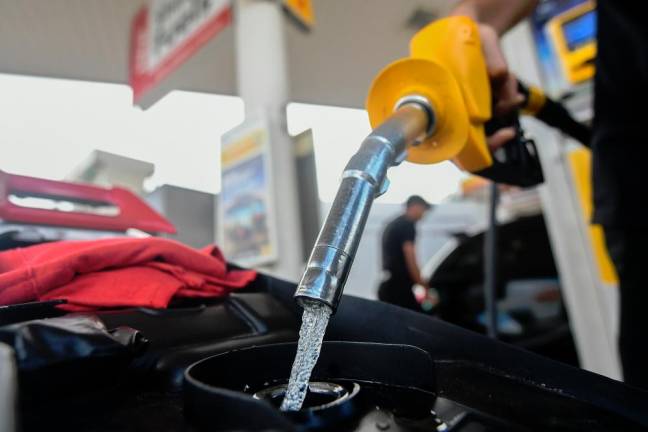
    Oil marketing companies across Pakistan expanded their fuel retail forecourts during 1QFY27, commissioning dozens of new petrol pumps despite national targets aimed at electric vehicle adoption. Market leader Pakistan State Oil completed 37 new retail sites during the three-month period, lifting its nationwide network to 3,727 stations, the largest footprint in the country.

    Wafi Energy Pakistan Ltd added 54 new Shell retail sites and nine electric vehicle charging locations during the first nine months ending Sept 30. The sustained commercial buildout indicates that forecourt operators continue betting on rising petrol demand over official electrification goals.

    Under the Auto Policy 2026-31, the government aims to make 30 per cent of all new vehicles electric by 2030. Yet distributors on the ground are responding to daily road traffic anchored by petrol-powered two-wheelers and 660-1,000cc cars, which remain the primary mobility choice for consumers navigating weak public transit networks.

    Network Expansion Along Freight Corridors

    Attock Petroleum commissioned five new retail outlets during the quarter while decommissioning six underperforming locations under a network optimisation programme. Its operational network counted 816 stations on September 30, including 46 company-owned, company-operated sites.

    Private distributors are chasing traffic along newly built highways, bypasses and motorways linking northern transit points. Forty-eight licensed distributors maintain active operations across the country out of 50 permits issued by regulators. Forecourt operators focus investments on high-throughput intercity arteries where commercial vehicle flow guarantees daily volume.

    Commuters rely on personal two-wheelers because metropolitan transit systems remain patchy and overburdened. When petrol prices fluctuate following international supply shocks, consumers turn to smaller displacement engines rather than abandoning combustion models entirely. That consumer preference shields forecourt retailers from sudden drops in fuel transactions.

    Slow Build for Charging Hubs

    Electrification investments remain modest additions to existing forecourt footprints. Pakistan State Oil installed chargers in Faisalabad and Multan during the quarter, bringing its charging network to 16 locations nationwide.

    Attock Petroleum activated highway charging points at the Dandiwal Service Areas on the M-4 Motorway through a venture with Hubco Green. The distributor also installed a heavy-duty charger at a company-owned site in Islamabad with Huawei Technologies Pakistan and AE Power Energy, with plans to equip 13 more stations.

    Forecourt operators argue that gas stations represent poor locations for battery recharging. Globally, drivers of electric bikes and passenger cars recharge at homes, apartments and commercial shopping centres rather than sitting at roadside forecourts. State pressure to add chargers at petrol stations therefore runs against natural consumer refuelling habits.

    Motorcycle Volumes Sustain Forecourt Footfall

    Vehicle fleet economics heavily favour gasoline distributors. The country holds 30 million motorcycles, five million cars and 10 million rickshaws on its roads, with no statutory retirement policy requiring old combustion engines to be scrapped after decades of use.

    Between 50 and 60 per cent of two-wheelers rely on petrol. Local assembly plants turned out 442,179 motorcycles during July and August, up from 321,788 units in the prior-year period. Assembly reached 2.416 million two-wheelers in fiscal 2026, compared to 1.692 million in fiscal 2025.

    Electric alternatives gained ground from a low base, with electric two-wheeler sales rising to 240,000 units in fiscal 2026 from 60,000 units in fiscal 2025. Passenger car sales for the first quarter of fiscal 2027 reached 41,872 units, climbing from 29,318 units a year earlier, even as purchases of larger sport utility vehicles, pickups and vans dropped to 8,608 units from 12,949.

    Attock Petroleum plans to install charging hardware across 13 additional retail locations as oil marketing companies monitor whether state regulators will force further capital spending into commercial charging hubs.
  • Shell Sells 200 Indonesian Fuel Stations to SEFAS Group

    Shell Sells 200 Indonesian Fuel Stations to SEFAS Group

    Shell has completed the sale of its retail fuel business in Indonesia to local partner SEFAS Group, transferring a network of roughly 200 service stations across the country.

    More than 160 of those forecourts are company-owned sites, and all of them will continue trading under the Shell name through a long-term trademark licensing agreement.

    Announced on Friday, October 30, 2026, the transfer hands over operations to SEFAS while preserving Shell-branded fuel products for Indonesian motorists without disruption.

    Transfer to PT Isla Energy Indonesia

    The transaction shifts Shell’s downstream forecourt assets, supply chain infrastructure, and fuel distribution operations into PT Isla Energy Indonesia, which SEFAS now owns entirely. The deal also hands SEFAS full control of a fuel terminal in Gresik, East Java. Neither company disclosed the financial terms.

    Forecourts will keep selling Shell-formulated fuels without interruption, leaving customer loyalty schemes, payment systems, and forecourt retail partnerships intact at store level. Operating fuel retail through local licensees allows foreign energy majors to cut direct capital expenditure while taking high-margin brand royalties from high-volume emerging markets.

    Forecourt Retail Shift in Southeast Asia

    Fuel retailing across Southeast Asia has shifted away from direct ownership by international majors toward local distribution specialists who operate roadside convenience stores, quick-service dining, and vehicle maintenance franchises more aggressively. Running company-owned networks in Indonesia requires heavy working capital to manage import supply chains and land leases.

    For Indonesian forecourt operators and convenience store concessionaires, the ownership change puts site development decisions in the hands of a local distributor with immediate domestic supply ties. SEFAS absorbs the operational risk of managing site inventories and wholesale fuel margin volatility, while Shell collects licensing revenue without carrying forecourt real estate on its balance sheet.

    Lubricants and Manufacturing Kept In-House

    Shell kept its Indonesian lubricants and industrial manufacturing divisions entirely separate from the retail sale. The energy group continues to operate its lubricant oil blending plant in Marunda, Bekasi, which produces up to 300 million litres annually.

    That manufacturing footprint expanded in September 2026 when Shell started commercial operations at a grease plant with an annual capacity of 12,000 metric tons. SEFAS agreed in August 2026 to buy the retail fuel business before working through Indonesian regulatory clearances and closing procedures.

    Forecourt operators will watch how quickly SEFAS expands the network beyond Java and whether it updates PT Isla Energy Indonesia’s convenience retail partnerships across the remaining dealer-owned sites.

  • Costco Posts Stronger Sales as Fuel Savings Drive Membership Traffic

    Costco Posts Stronger Sales as Fuel Savings Drive Membership Traffic

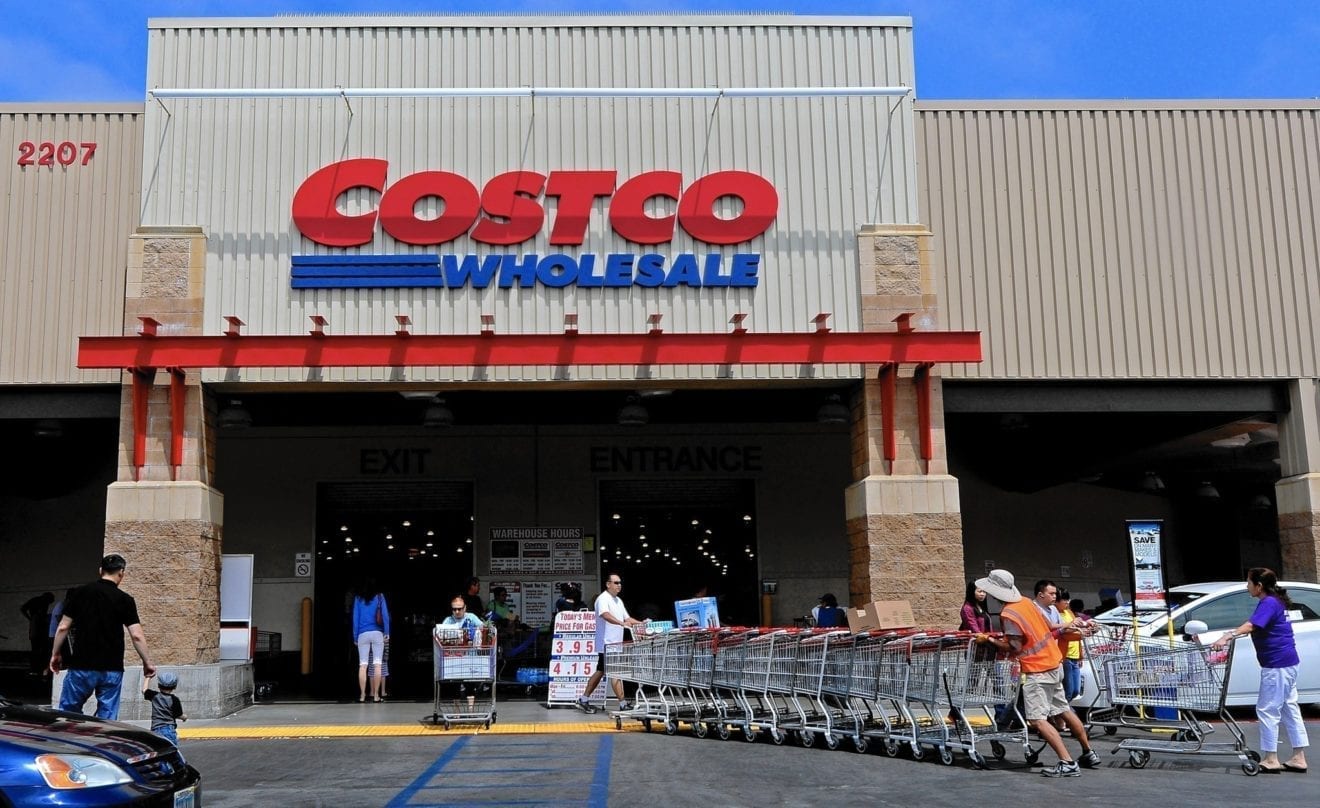
    Costco Wholesale beat earnings expectations for its fiscal fourth quarter. Cheap fuel prices drove customer traffic, lifting full-year petrol savings for members to US$3.2 billion.

    Higher pump prices across global markets inflated raw, unadjusted comparable warehouse sales by close to 270 basis points in the quarter ended August 31.

    Fuel traffic feeds warehouse volume

    Chief executive Ron Vachris told investors that lower forecourt pricing drove foot traffic across the international warehouse network all year. Costco undercut conventional service stations on fuel. That pulled motorists onto the property and straight into aisles for bulk groceries and merchandise.

    Fuel inflation added close to 2.7 percentage points to unadjusted comparable store sales between June and August alone. Shares in the warehouse club rose 2.93 per cent after the release as investors tracked steady renewal rates and volume gains.

    Inflation alters shopper spending

    Warehouse operators benefit when energy costs climb and household budgets tighten. Higher pump prices squeeze discretionary spending. Discount retailers with forecourts grab market share from traditional grocers by offering immediate relief on petrol bills.

    That forecourt pricing creates a hurdle for competing supermarket chains and suppliers. Rivals without petrol pumps struggle to match the footfall conversion wholesale clubs generate during spikes in energy costs.

    Energy markets shake wholesale margins

    International oil markets saw sharp swings alongside rising debt yields during the period. Benchmark crude climbed on regional supply tensions and export route threats. Prices then pared gains as diplomatic talks sought to protect shipping flows.

    Costco absorbed volatile commodity costs by leaning into high transaction volumes. It kept fuel margins thin while collecting predictable recurring revenue from core annual memberships.

    Monitoring the next renewal cycle

    Persistent input cost pressures continue as interest rates stay elevated across major economies. Results from the August quarter show membership loyalty holds firm when value pricing is visible at the pump.

    Attention now turns to whether fuel volume gains continue to translate into general merchandise sales across overseas networks. Investors will track membership renewal rates and comparable store sales in the filing for the first quarter of fiscal 2027.

  • Vietnam Fuel Retailers Raise RON95 Gasoline to VND27,080 per Liter

    Vietnam Fuel Retailers Raise RON95 Gasoline to VND27,080 per Liter

    Vietnam raised retail fuel prices on Thursday afternoon, pushing the cost of popular RON95 gasoline up 5.67 per cent to VND27,080 ($1.04) per liter.

    The price adjustment by the Ministry of Industry and Trade and the Ministry of Finance also lifted E5 RON92 biofuel by 5.01 per cent to VND26,390 per liter.

    Diesel gained 1.84 per cent to settle at VND30,490 per liter, according to the joint ministerial pricing schedule.

    Global Market Pressures on Import Costs

    State regulators linked the domestic price adjustments to shifting international crude benchmarks and regional refined petroleum costs. Global RON95 gasoline traded up 0.7 per cent to $147.2 per barrel over the pricing window, while diesel refined products dropped 5.1 per cent to $173.3 per barrel.

    Geopolitical turbulence in the Middle East drove crude market volatility. Market pricing absorbed Iranian statements outlining conditions for resuming diplomatic talks with the United States, alongside escalating regional friction involving Houthi forces and Saudi Arabia.

    Refined fuel imports into Southeast Asian distribution networks reacted immediately to these shifts. Vietnam remains structurally dependent on imported refined fuels and raw petroleum components to cover domestic refinery shortfalls.

    Operating Costs for Retailers and Transport Fleets

    Higher fuel expenses flow directly into delivery and retail operating margins across Hanoi and Ho Chi Minh City. Last-mile motorcycle couriers, cold-chain trucks, and regional distribution networks face immediate cost increases as transport overhead expands.

    Fleet operators typically attempt to pass fuel surcharges along to commercial shippers. In a competitive retail consumer market where household budgets face food and energy inflation, absorbable price headroom remains narrow.

    Urban convenience store operators and supermarket chains must balance logistics surcharges against consumer basket sensitivity. Distribution networks that expanded fleet investments earlier in the year face higher baseline operational expenses this quarter.

    Supply Pressures and Pricing Cycles

    Vietnam regulates domestic pump prices through coordinated weekly reviews to align state-guided ceilings with Singapore market benchmarks. Prior to this adjustment, domestic fuel levels tracked lower than several neighboring Southeast Asian markets despite rising crude import costs.

    Global energy disruptions have sustained price pressure across international distribution channels throughout 2026. Domestic supply lines rely on continuous equilibrium between state-regulated retail margins and global cargo procurement pricing to prevent inventory drawdowns at independent filling stations.

    Regional power and industrial demand continue to absorb energy supplies across the wider ASEAN corridor, keeping refined fuel crack spreads firm. The next joint pricing determination from the Ministry of Industry and Trade and the Ministry of Finance will benchmark import costs entering October.

  • China’s Meiyijia Opens Two Ohmee Stores at Petrolimex Stations in Hanoi

    China’s Meiyijia Opens Two Ohmee Stores at Petrolimex Stations in Hanoi

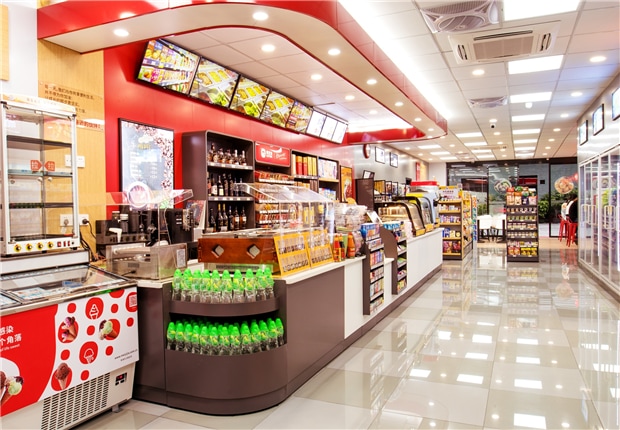
    Chinese convenience chain Meiyijia has opened two Ohmee Express stores at Petrolimex petrol stations in Hanoi following its entry into Vietnam in April. The pilot tests a forecourt retail model in the chain’s first overseas market.

    The tie-up links China’s largest convenience operator with Vietnam’s dominant petroleum distributor. Meiyijia runs more than 40,000 stores in its domestic market.

    Pilot Sites on Hanoi Arteries

    Both outlets operate on Ngoc Hoi and Nguyen Quy Duc streets in Hanoi. They stock packaged food, drinks and daily necessities alongside standard fuel station services.

    Petrolimex deputy general director Nguyen Ngoc Tu said the partnership supports plans to convert traditional petrol stations into multi-service commercial hubs. The strategy responds to shifts in vehicle energy use and digital payments.

    Fuel Forecourt Competition in Vietnam

    Forecourt retailing gives convenience operators a direct way to bypass street-level real estate bottlenecks in Southeast Asia. Securing prime roadside retail space in Hanoi and Ho Chi Minh City carries steep rents and heavy competition from players like Circle K, WinMart+ and GS25. Partnering with a state-backed fuel network gives Meiyijia immediate roadside access and built-in vehicle traffic without negotiating individual retail leases.

    Customer conversion presents the main operational challenge. Petrol buyers in Vietnam make brief refuelling stops on motorbikes. Basket sizes stay modest unless the forecourt store offers quick food service or payment utilities that draw riders off their bikes.

    Cross-Border Expansion from Guangdong

    Meiyijia entered Vietnam in April under the Ohmee banner, selecting the country for its first international expansion. Founded in Guangdong in 1997, the company built its domestic network on a low-cost franchise model. It penetrated lower-tier Chinese cities before expanding into higher-density urban centres.

    Results from the two Hanoi pilot stores will determine whether Meiyijia and Petrolimex roll out the Ohmee Express format across the fuel distributor’s nationwide network of filling stations.

  • BVM Petroleum Partners with Intertek to Boost Fuel Quality in Cambodia

    BVM Petroleum Partners with Intertek to Boost Fuel Quality in Cambodia

    Cambodian fuel distributor Bright Victory Mekong Petroleum signed an agreement with quality assurance firm Intertek on Friday to tighten fuel quality inspections across its domestic retail network.

    The partnership coincides with an expansion of BVM Petroleum’s storage capacity as Cambodian authorities enforce stricter quality standards and market compliance across downstream distribution.

    BVM Petroleum chief executive Sou Sophivann and Intertek regional managing director Chee Teck Ang signed the agreement at the Hyatt Regency Phnom Penh, witnessed by Commerce Minister Cham Nimul.

    Inspection Standards and Downstream Expansion

    Under the arrangement, Intertek will run independent testing and compliance audits across BVM Petroleum’s supply chain. The testing protocol verifies fuel specifications before shipments enter retail pumps and commercial supply lines.

    Sophivann said the testing regimen is necessary to build consumer confidence as the distributor expands fuel storage sites and broadens its wholesale reach. Cambodia relies entirely on refined petroleum imports, leaving downstream operators exposed to varying regional product grades.

    Chee Teck Ang said meeting strict technical specifications directly supports the country’s transport, industrial, and agricultural operations while safeguarding commercial equipment.

    Market Scrutiny and Retail Oversight

    Downstream petroleum operators across Southeast Asia face stricter scrutiny from regulators seeking to curb blended, out-of-specification fuels at retail stations. Independent testing partnerships have become a primary tool for local independent distributors competing against established international retail brands in the region.

    The Ministry of Commerce confirmed it is preparing an initiative to evaluate and recognize fuel companies that comply with trade standards and consumer protection rules.

    BVM Petroleum will now implement Intertek verification across its expanded storage depots before deploying standardized supply across its retail station network.

  • Taiwan Fuel Retailers Freeze Pump Prices for Fourth Week as Currency Offsets Crude

    Taiwan Fuel Retailers Freeze Pump Prices for Fourth Week as Currency Offsets Crude

    CPC Corp and Formosa Petrochemical held Taiwan retail fuel prices steady this week, freezing forecourt rates for a fourth consecutive week despite crude topping US$93 a barrel. The decision leaves domestic transport costs stable across thousands of service stations as logistics networks enter the late-summer freight cycle.

    Retail unleaded gasoline remains at NT$30.5 per liter for 92-octane, NT$32 for 95-octane, and NT$34 for 98-octane at both retail chains. Premium diesel holds at NT$29.3 per liter at state-run CPC stations and NT$29.1 per liter at Formosa pumps.

    Crude Spike Versus Currency Gains

    International crude rallied last week after geopolitical friction between the United States and Iran threatened oil supplies. CPC calculates weekly domestic price adjustments through a floating formula weighted 70 percent to Dubai crude and 30 percent to Brent.

    Under that formula, Taiwan’s baseline import crude basket averaged US$93.01 per barrel last week, up from US$89.84 the week before. Foreign exchange movements absorbed the shock. The New Taiwan dollar appreciated to an average of NT$31.901 against the greenback from NT$32.194 a week earlier, cutting the landed cost of dollar-denominated crude deliveries.

    Pump Rates at the Forecourt

    Price stability at the pump shields commercial delivery fleets and consumers from short-term commodity spikes. Fuel distributors across Southeast and East Asia have faced margin compression over the past two quarters as crude volatility tests state-managed pricing mechanisms and retail price caps.

    Both refiners will review their pricing formula at the close of trading on Friday, with market attention focused on whether the US$93 crude threshold forces an adjustment in next week’s retail slate.

  • Viva Energy Convenience Earnings Jump 86% in First Half

    Viva Energy Convenience Earnings Jump 86% in First Half

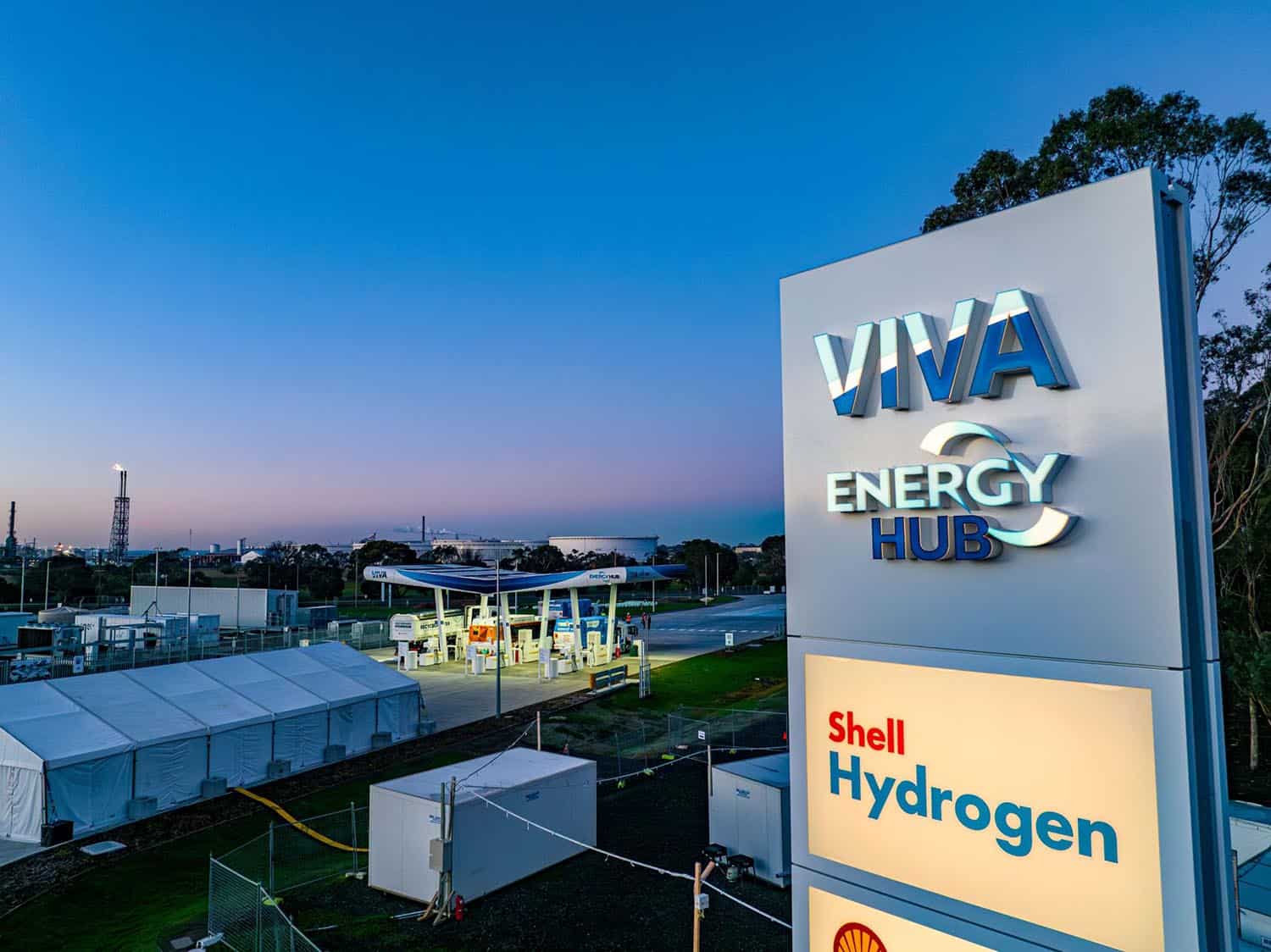
    Viva Energy lifted adjusted EBITDA in its convenience and mobility division by 86.4 per cent to $774.4 million in the first half ending June 30.

    The convenience and mobility arm contributed $138.7 million to underlying group earnings, supported by higher retail fuel margins and stronger customer footfall across its Australian service stations. Group EBITDA rose 154 per cent to $774.4 million, landing inside the company’s previously stated guidance range.

    Liberty Integration Adds Volume

    Acquisition volume drove a substantial share of the division’s gains. Viva Energy integrated the Liberty Convenience network in March, adding retail fuel throughput and boosting non-fuel convenience sales across company-operated sites.

    The group’s performance mirrors a broader trend across Asia-Pacific fuel retailing, where operators such as rival Ampol are pivoting heavily toward convenience store merchandising to offset volatile refining margins. Forecourt retailers across the region are redesigning site formats to capture higher-margin grocery and ready-to-eat food sales from commuter traffic.

    Network Optimization Continues

    Management continues to roll out convenience upgrades across the company’s retail footprint. The operational focus shifts to second-half store conversion targets and margin retention across the integrated Liberty and Shell-branded network.

  • Ampol Convenience Earnings Rise 12% to $299 Million in First Half

    Ampol Convenience Earnings Rise 12% to $299 Million in First Half

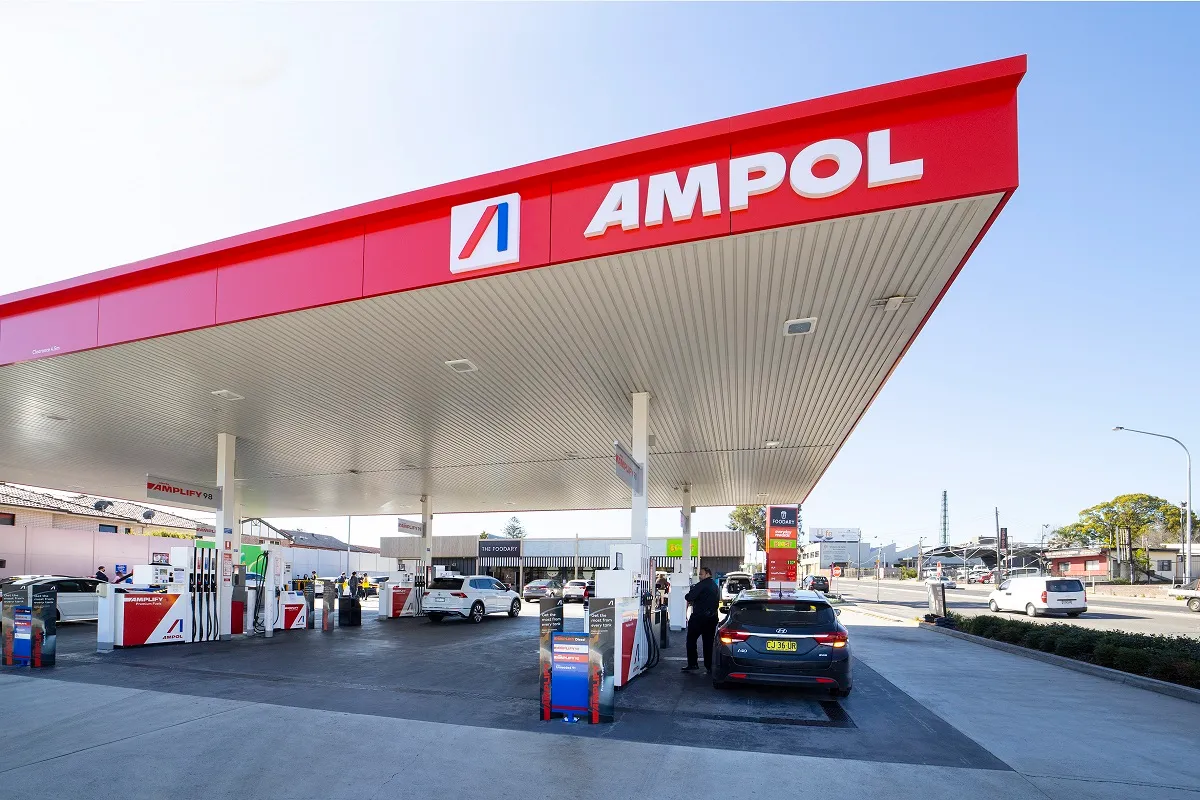
    Ampol Limited lifted its convenience division earnings 12 per cent in the first half of 2026, riding out global oil market volatility linked to Middle East tensions. Adjusted earnings before interest, tax, depreciation and amortisation for the retail network reached $299 million on a replacement-cost basis.

    Earnings before interest and tax in convenience climbed to $204.5 million for the six months ended June 30. Across the wider group, underlying net profit after tax on a replacement-cost basis reached $857.2 million.

    Volume Gains on the Forecourt

    Convenience fuel sales volumes rose 2.4 per cent during the half. Growth centered on base-grade petrol and standard diesel, helped by steady product availability across company-controlled forecourts while wholesale supply chains faced regional shipping constraints.

    Higher pump throughput carried additional foot traffic into store aisles. The shift toward value-oriented base fuels reflects tighter household budgets across Australian metro and regional markets, where motorists continue to trade down from premium fuel grades.

    Shifting Margins Across the Network

    Forecourt operators across Australia and Southeast Asia face a tricky balancing act between volatile wholesale procurement costs and sticky retail shop margins. Competitors such as Viva Energy and standard supermarket-aligned fuel sites have stepped up food and drink promotions to offset lower margins on refined fuel imports.

    Ampol relies on its domestic refining and supply infrastructure to keep supply steady when geopolitical shocks disrupt trade routes. The focus turns to whether retail shop baskets can hold their value into the second half as motorists watch day-to-day spending at the register.