Retail News CRM

Tag: fueled

  • Hong Kong Retail Sales Soar for 11th Consecutive Month, Fueled by Local Demand and Tourism Surge

    Hong Kong Retail Sales Soar for 11th Consecutive Month, Fueled by Local Demand and Tourism Surge

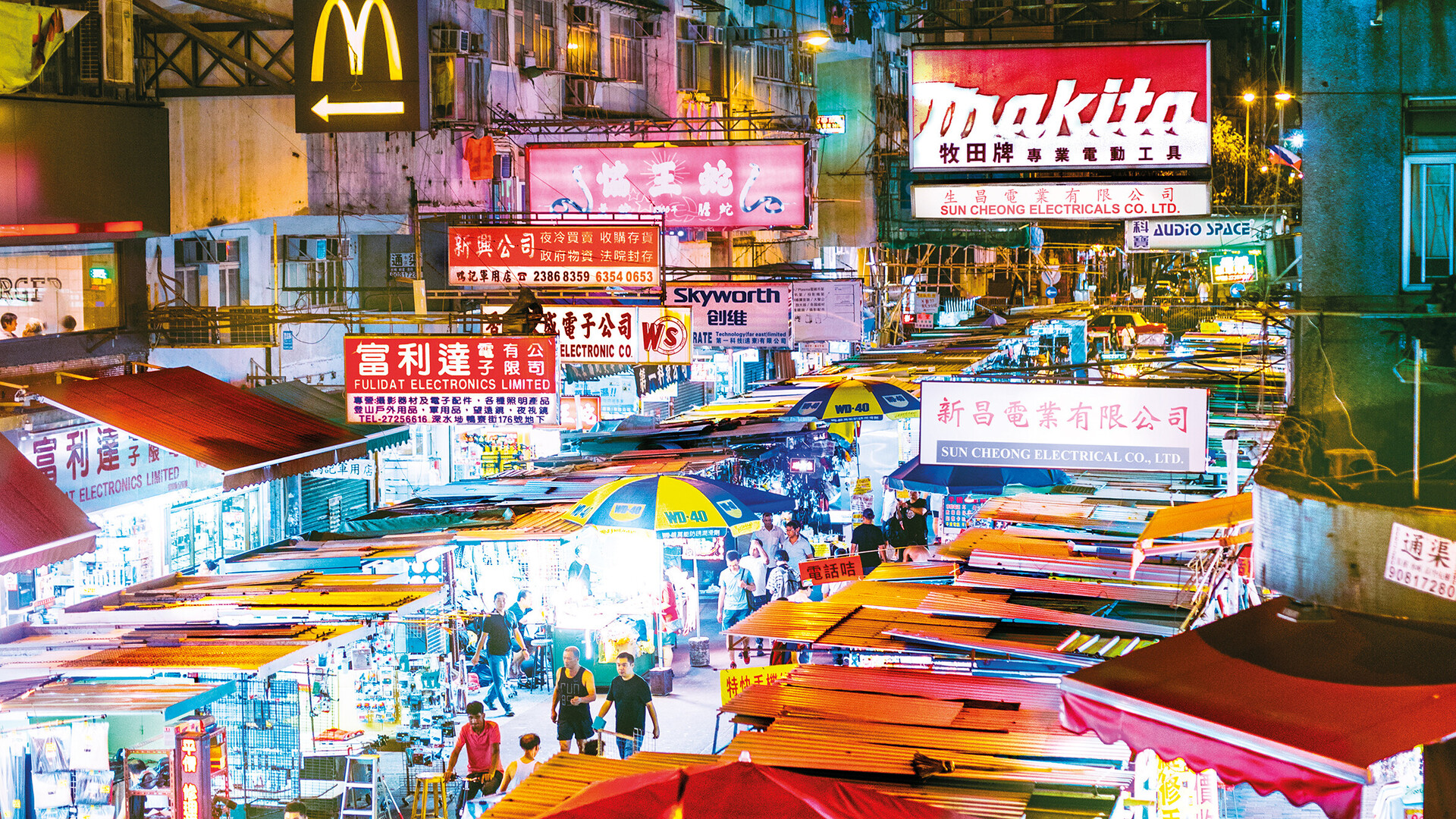
    In March, Hong Kong’s retail sector saw a 12.8% increase in sales compared to the same month in the previous year. This marks the 11th consecutive month of growth, according to recent government data. Sales touched HK$33.9 billion (US$4.33 billion), demonstrating a healthy economy. In February, the year-on-year rise was recorded at 19.3%.

    Key Growth Areas

    Motor vehicle sales exhibited notable progress, with a surge in purchases just before the first registration tax concessions for electric private cars expired at the end of March.

    When it comes to sales volume, a 9.8% increase was observed in March compared to the same period last year. This is slightly less than February’s 17.5% rise.

    For the initial quarter of 2026, the total value of retail sales rose by 12.1% year-on-year, while the volume of retail sales witnessed a 9.8% increase.

    A government representative attributed the positive trajectory of retail sales to the recovery of local demand, steady growth in tourist arrivals, and a favourable macro-financial environment.

    The Hong Kong Tourism Board reported a 14% year-on-year increase in visitor arrivals in March, reaching 4.35 million. Chinese mainland visitors, who account for a significant portion of these arrivals, increased by 15.9% year-on-year to 3.19 million.

    Sector-Specific Performance

    Specific sectors such as jewellery, watches, clocks, and valuable gifts experienced a robust growth of 27.2% year-on-year in March, following a 24.2% rise in February.

    The motor vehicles and parts sector saw an impressive 80.8% year-on-year jump in March, substantial growth from the 37.3% rise seen in February.

    Meanwhile, the clothing, footwear, and related products sector saw a modest increase of 5.9% year-on-year in March, a decrease from the 14.1% rise recorded in February.

    Questions & Answers

    What was the percentage increase in Hong Kong’s retail sales in March?
    Retail sales in Hong Kong saw a 12.8% rise in March compared to the same month in the previous year.

    Which sectors saw significant growth in March?
    The motor vehicles and parts sector, as well as the jewellery, watches, clocks, and valuable gifts sector, experienced substantial growth in March.

    What factors contributed to the positive outlook for retail sales?
    The recovery of local demand, steady growth in inbound tourism, and a favourable macro-financial environment have all played a role in the optimistic outlook for retail sales.

  • Vietnam’s Seafood Exports Soar 13% in January Fueled by Asian Markets

    Vietnam’s Seafood Exports Soar 13% in January Fueled by Asian Markets

    In January, exports of seafood from Vietnam totaled US$874 million, a year-on-year increase of 13%. The Vietnam Association of Seafood Exporters and Producers noted that this boost was largely due to demand from Asian markets, particularly China, Japan, and ASEAN. Key product groups like pangasius, a type of catfish, as well as squid and octopus, contributed significantly to these robust export figures.

    Decline in U.S. Shipments

    However, U.S. shipments experienced a decline, especially in tuna exports. The downturn was attributed to factors such as the Marine Mammal Protection Act’s impact and difficulties in obtaining certificates of analysis for seafood exports, a crucial step in the export process.

    China Leads as Largest Seafood Market

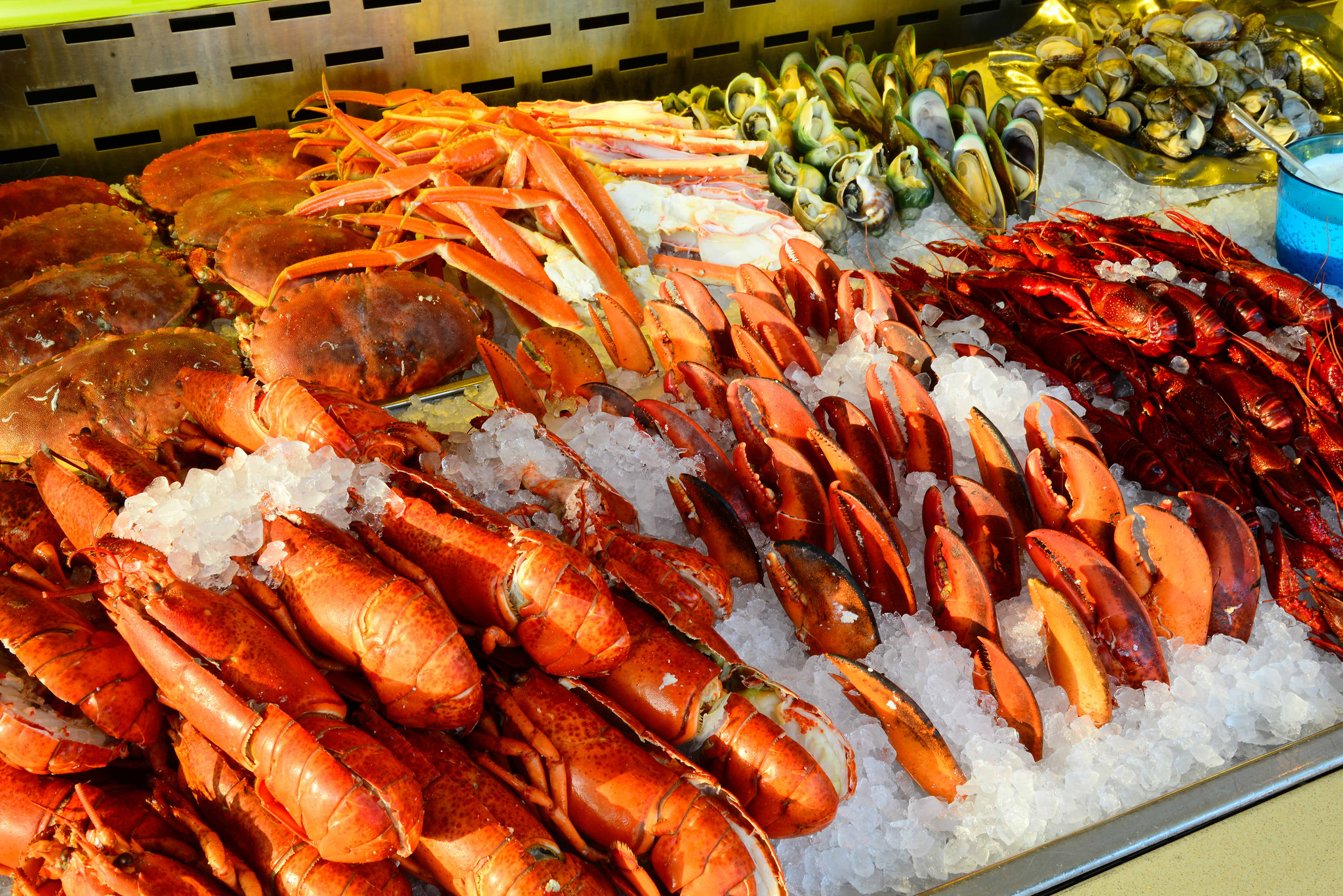
    China solidified its position as Vietnam’s biggest seafood market in January; export values reached nearly $250 million, marking a 28.7% surge year-on-year. This uptick is mainly due to increased shrimp demand ahead of the Lunar New Year, a period when the consumption of premium seafood products usually escalates. Many businesses also seized the opportunity of this festive demand to increase their lobster shipments.

    Anticipated Seafood Export Downturn in February

    The Association anticipates a downturn in seafood exports in February. This prediction is based on disruptions to production and logistics during the Tet (Lunar New Year) holiday, persisting regulatory issues in the U.S., and a potential decrease in Chinese demand following an early period of stockpiling.

    Questions & Answers

    What caused the 13% increase in Vietnam’s seafood exports in January?
    The main factors contributing to this increase were robust demand from Asian markets, particularly China, Japan, and ASEAN, coupled with strong performance from key product groups like pangasius and squid and octopus.

    Why was there a decline in U.S. shipments of Vietnamese seafood?
    The decline in U.S. shipments can be attributed to the effects of the Marine Mammal Protection Act and challenges in obtaining certificates of analysis for seafood exports.

    Why is a downturn in seafood exports anticipated in February?
    The predicted downturn is due to potential disruptions in production and logistics during the Tet (Lunar New Year) holiday, ongoing regulatory challenges in the U.S., and an expected drop in Chinese demand after an early period of stockpiling.

  • Vietnam’s Auto Market Zooms Ahead: 24% Sales Growth in October Fueled by Promotions & EV Surge

    Vietnam’s Auto Market Zooms Ahead: 24% Sales Growth in October Fueled by Promotions & EV Surge

    In a significant rebound from an initially sluggish year, the Vietnam Automobile Manufacturers Association (VAMA) reported a 24% surge in car sales in October, with a total of 37,910 vehicles sold. This increase reflects a revival in consumer demand coupled with an abundant supply, and is also attributed to the appeal of promotional programs during the year-end shopping season. The association, which comprises more than a dozen major auto companies, provided this information in its latest report.

    October Sales in Detail

    Breaking down the October sales, passenger cars dominated, with 27,246 units sold marking a 33% rise from September. Commercial vehicles also saw a boost, accounting for 10,162 units, a 6.6% increase. However, special-purpose vehicles experienced a slump in sales, dropping 15% to 502 units. Locally assembled vehicles saw a 19% increase in sales to 17,129, while imports, or completely built-up (CBU) units, witnessed a 28% surge with 20,781 units sold.

    SUVs, sedans, and MPVs were the top selling segments, aligning with the urban mobility needs of consumers.

    Factors Driving the Surge

    Industry experts pin the October sales boom on a confluence of factors. Aggressive promotional campaigns, improved supply chains, more flexible consumer credit, lower interest rates, and rising urban demand all played a role. The launch of multiple new models from Japanese, Korean, Chinese, and European brands also fueled the increase in sales.

    In the year to date, VAMA members have sold a total of 289,331 units, a 9.5% hike year-on-year. Sales of domestically assembled vehicles increased by 2%, while imports saw a significant 18% jump, indicating a growing consumer preference for imported vehicles with diverse designs and advanced technology.

    VinFast’s Record Performance

    However, it’s worth noting that these figures from VAMA may not fully represent the market, as the association does not include several major players such as VinFast and Hyundai, the two leading carmakers by market share in Vietnam, along with other brands like Audi, BYD, and Jaguar Land Rover.

    VinFast, a local automaker, reported a record delivery of 20,380 electric vehicles in October, bringing its total for the first ten months of 2025 to 124,264 units, the highest ever for a Vietnamese automaker. This milestone solidifies VinFast’s leadership in the electric vehicle segment and underscores its significant contribution to the local automotive industry.

    Looking Forward

    Vietnam’s auto market is poised for a promising year-end, with the influx of new models, growing demand for imported cars, and VinFast’s record performance shaping a dynamic, competitive, and technology-driven industry landscape.

    Questions & Answers

    What were the factors driving the surge in October auto sales in Vietnam?
    Promotional campaigns, improved supply chains, flexible consumer credit, lower interest rates, and rising urban demand, along with the launch of new models, primarily contributed to the surge.

    Which was the top-selling vehicle type in October?
    Passenger cars dominated the sales in October, registering a 33% rise from September.

    What does VinFast’s record delivery of electric vehicles indicate?
    VinFast’s record delivery underlines its leadership in the electric vehicle segment and marks a significant contribution to the Vietnamese automotive industry.

  • “Yum China’s Expanding Empire: Over 17,500 Stores Fueled by Digital Sales and Franchise Strategy”

    “Yum China’s Expanding Empire: Over 17,500 Stores Fueled by Digital Sales and Franchise Strategy”

    Yum China, operating franchises such as KFC, Pizza Hut, and additional dining brands, has disclosed a stable growth in its third-quarter financial results, citing robust digital and delivery sales as primary contributing factors. These assets served to balance a tempered in-store sales trajectory in an increasingly cautious consumer market.

    In the financial quarter culminating on September 30, the company recorded an annual revenue increase of 4%, amounting to USD 3.2 billion. In addition, Yum China reported an 8% rise in operating profit, reaching USD 400 million, which expanded margins to 12.5%.

    Sales and Store Count

    The quarter saw system sales increase by 4%, bolstered by the opening of 536 new stores. Furthermore, same-store sales experienced a minor growth of 1%. Cumulatively, Yum China’s store count now totals 17,514, including 12,640 KFC outlets and 4,022 Pizza Hut locations.

    Digital Sales and Delivery

    Yum China’s growth was largely underpinned by digital sales, which accounted for an impressive 95% of total sales. Simultaneously, delivery sales experienced an upward surge of 32% year-on-year, contributing to 51% of the company’s total revenue.

    Joey Wat, CEO of Yum China, expressed satisfaction with the company’s steady performance within a dynamic market, attributing the positive growth to expanding store openings, encouraging same-store sales growth and margin expansion.

    Brand Performance

    KFC emerged as the primary growth driver for the company, noting a 5% rise in system sales and a 2% same-store growth. Throughout the quarter, KFC expanded by 402 new stores, with 41% operating as franchises. KFC’s operating profit increased by 6%, amounting to USD 384 million and improving margins to 16%.

    Meanwhile, Pizza Hut demonstrated moderate growth with a 4% rise in system sales and a 1% increase in same-store sales. An additional 158 new outlets lifted the operating profit by 7%, resulting in USD 57 million.

    Collective membership across both KFC and Pizza Hut escalated 13% year on year, reaching 575 million. This growth saw member sales contributing to 57% of total system sales.

    Wat also emphasized the swift expansion of both Kcoffee, now with over 1,800 outlets, and Kpro, a concept brand focusing on energy bowls and smoothies. The latter brand has expanded to over 100 locations in top-tier cities.

    Future Plans

    Looking forward, Yum China anticipates opening between 1,600 to 1,800 new stores within the current year, with a higher proportion of franchised locations. The company aims for 40-50% of new KFC stores and 20-30% of new Pizza Hut locations to operate as franchises. The company also intends to continually innovate their menu offerings to encourage customer loyalty and repeat visits.

    Questions & Answers

    What is the primary growth driver for Yum China?
    The primary growth driver for Yum China is its KFC brand, which experienced a 5% rise in system sales and 2% same-store growth.

    What contributed to the robust growth of Yum China’s digital and delivery sales?
    Yum China’s digital channels, franchise strategy, and flexible store formats contributed to the significant growth in its digital and delivery sales.

    What are Yum China’s future expansion plans?
    Yum China plans to open between 1,600 to 1,800 new stores in the coming year, largely focusing on franchised KFC and Pizza Hut locations. It also plans to continue innovating its menu offerings to encourage repeat customer visits.