Tag: fueling

  • Nvidia’s Multi-Billion Dollar Quest: Fueling the Expansion of AI Infrastructure with Top Financial Firms

    Nvidia’s Multi-Billion Dollar Quest: Fueling the Expansion of AI Infrastructure with Top Financial Firms

    Nvidia, a prominent player in the tech industry, publicized its deal with several major firms such as Apollo, Blackstone, Blackrock, Brookfield, Goldman Sachs, and KKR, among others. The intent of this agreement is to collect a minimum of 500 billion dollars in long-term financing from their clients. This substantial fund aims to facilitate the expansion of AI infrastructure.

    Nvidia’s Ambitious Leap Towards AI

    Jensen Huang, the CEO of Nvidia, regards this initiative as a crucial stride towards the enhancement and expansion of artificial intelligence. In his view, the evolving prominence of computing capacity is transforming it into an asset class in itself, with chips becoming a substantial investment opportunity.

    Huang was joined by several senior executives from some of the world’s leading financial groups during the announcement. Larry Fink, the CEO of Blackrock, acknowledged the AI infrastructure expansion as a significant economic opportunity. As per his estimates, the United States would need an additional 70 gigawatts of power, and constructing one gigawatt of data center capacity would cost between 50 and 60 billion dollars.

    Unprecedented Opportunities and Challenges

    Fink projects this venture as an immense financial opportunity that would generate an abundance of new jobs. He emphasizes the urgency to generate the necessary funds to ensure the United States maintains its global leadership in the AI race. He projects that this endeavor would necessitate trillions in fresh capital.

    David Solomon, the CEO of Goldman Sachs, voiced his confidence in Nvidia’s potential growth and the opportunities it presents. He stated, “We strongly believe in the continued development and the opportunities associated with it.”

    However, concerns have arisen among investors that the technology companies and their financial backers are accelerating AI investment to an unsustainable pace. These concerns have been fueled by a recent correction in technology and semiconductor stocks due to unexpectedly strong competition from China.

    Huang clarified that the funding would not be sourced from Nvidia but from external investors. The consortium plans to establish dedicated pools of capital at a considerable scale and on enticing terms for Nvidia’s customers, with the goal of making it easier for them to access scarce computing capacity on a large scale.

    Despite the apprehensions, Nvidia has already secured deals worth hundreds of billions of dollars with companies across the AI industry. Nvidia also recently expanded its partnership with the South Korean conglomerate SK Group, with plans to conduct more than 500 billion dollars’ worth of business with each other in the future.

    Questions & Answers

    What is the primary goal of Nvidia’s deal with major firms?
    The primary purpose is to facilitate the expansion of AI infrastructure by raising at least 500 billion dollars in long-term financing from their clients.

    What is the role of computing capacity, according to Nvidia’s CEO?
    According to Jensen Huang, the CEO of Nvidia, computing capacity is transforming into an asset class in itself, with chips becoming a substantial investable asset.

    What are the concerns among investors?
    Investors have expressed concerns that technology companies and their financial supporters might be pushing AI investment to an unsustainable pace, especially in light of recent corrections in tech and semiconductor stocks due to strong competition from China.
  • Dien May Xanh Sets Sights on Record-Breaking $546M IPO, Fueling Vietnams Vibrant Retail Market Boom

    Dien May Xanh Sets Sights on Record-Breaking $546M IPO, Fueling Vietnams Vibrant Retail Market Boom

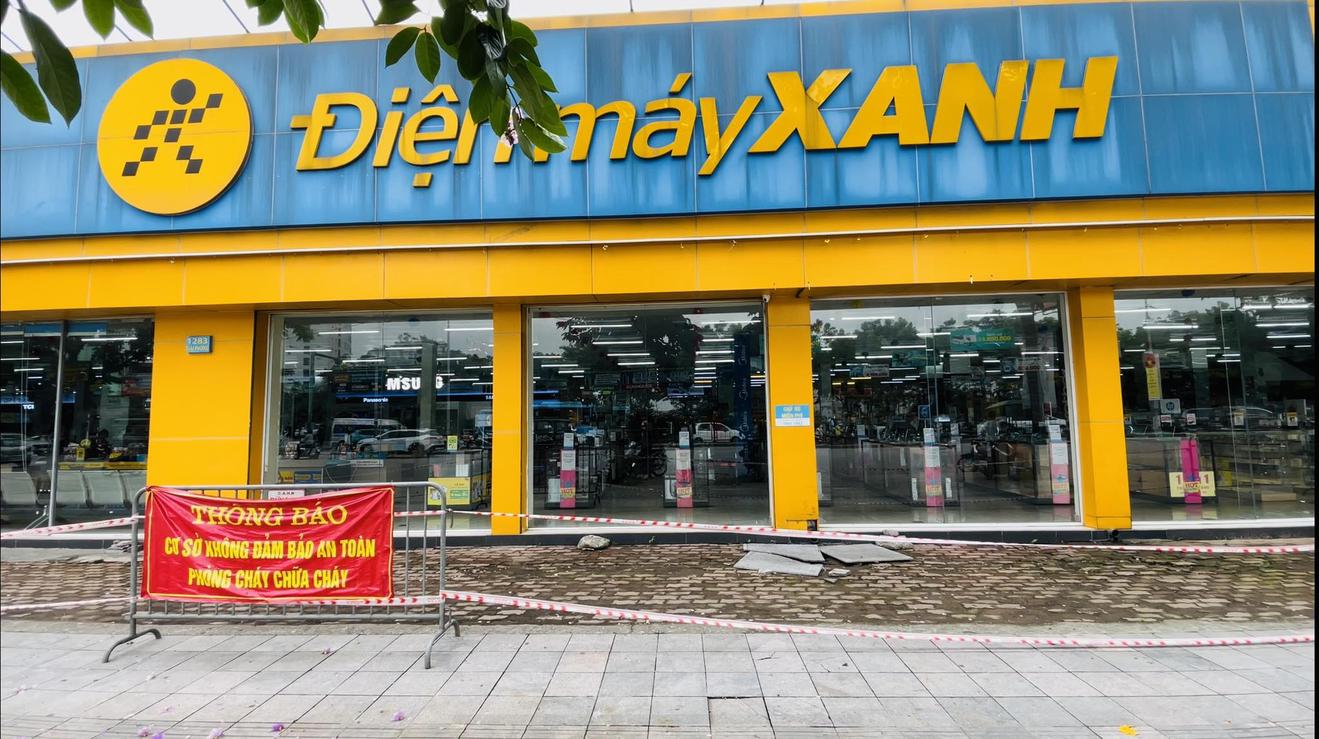
    Dien May Xanh, a Vietnamese electronics retailer and a branch of the Mobile World Investment Corporation, is set to garner approximately US$546 million via an initial public offering (IPO) later this year. The company aims to offer 79.5 million regular shares, each priced at 80,000 VND (US$3.04). If successful, this could be one of the most significant consumer retail listings in Vietnam in recent times. Vietcap Securities will serve as the adviser for the IPO.

    Purpose and Use of IPO

    Dien May Xanh has stated that the IPO is designed to boost transparency, fortify brand equity, and fuel future growth. The funding generated from the sale of shares will be directed towards debt repayment, business expansion, and other operational investments. This strategic move is to fortify the company’s foothold in Vietnam’s fiercely competitive consumer electronics industry.

    The company operates under the umbrella of the Mobile World Investment Corp (MWG), which holds the reputation of being one of Vietnam’s most prominent listed retailers. Dien May Xanh has established itself as a dominant force in the retail landscape with its vast national network of electronics and home appliance outlets.

    Known for its wide-ranging product inventory that includes smartphones, televisions, home appliances, and consumer technology products, Dien May Xanh has successfully catered to the increasing domestic spending and surging demand for digital devices.

    Growth Projections and Market Response

    By 2030, the company is aiming for an 11 percent compound annual revenue growth and a 16 percent annual net profit growth. These are ambitious yet attainable targets considering the current trajectory of Vietnam’s retail industry.

    Supported by the launch of five new growth pillars, Dien May Xanh is intent on reinforcing its market supremacy. It seeks to position itself as a compelling long-term investment option for both local and international financial institutions.

    The announcement of the IPO comes at a time when Vietnam’s capital markets are witnessing a surge in momentum, with a growing number of companies exploring listings. Market analysts have noted an uptick in investor interest, spurred by the possibility of Vietnam transitioning from a frontier market to an emerging market. This potential upgrade could attract an influx of foreign investment.

    Questions & Answers

    What is the main objective of Dien May Xanh’s IPO?
    The IPO aims to increase transparency, fortify the company’s brand equity, and support its future growth.

    How does Dien May Xanh plan to use the funds raised from the IPO?
    The funds raised will be channeled towards repaying debts, expanding the business, and making operational investments.

    What are Dien May Xanh’s growth targets for 2030?
    The company aims to achieve an 11 percent compound annual revenue growth and a 16 percent annual net profit growth by 2030.

  • FedEx Bolsters APAC-Europe Trade Lane with Five New Weekly Flights, Fueling E-commerce and Retail Growth

    FedEx Bolsters APAC-Europe Trade Lane with Five New Weekly Flights, Fueling E-commerce and Retail Growth

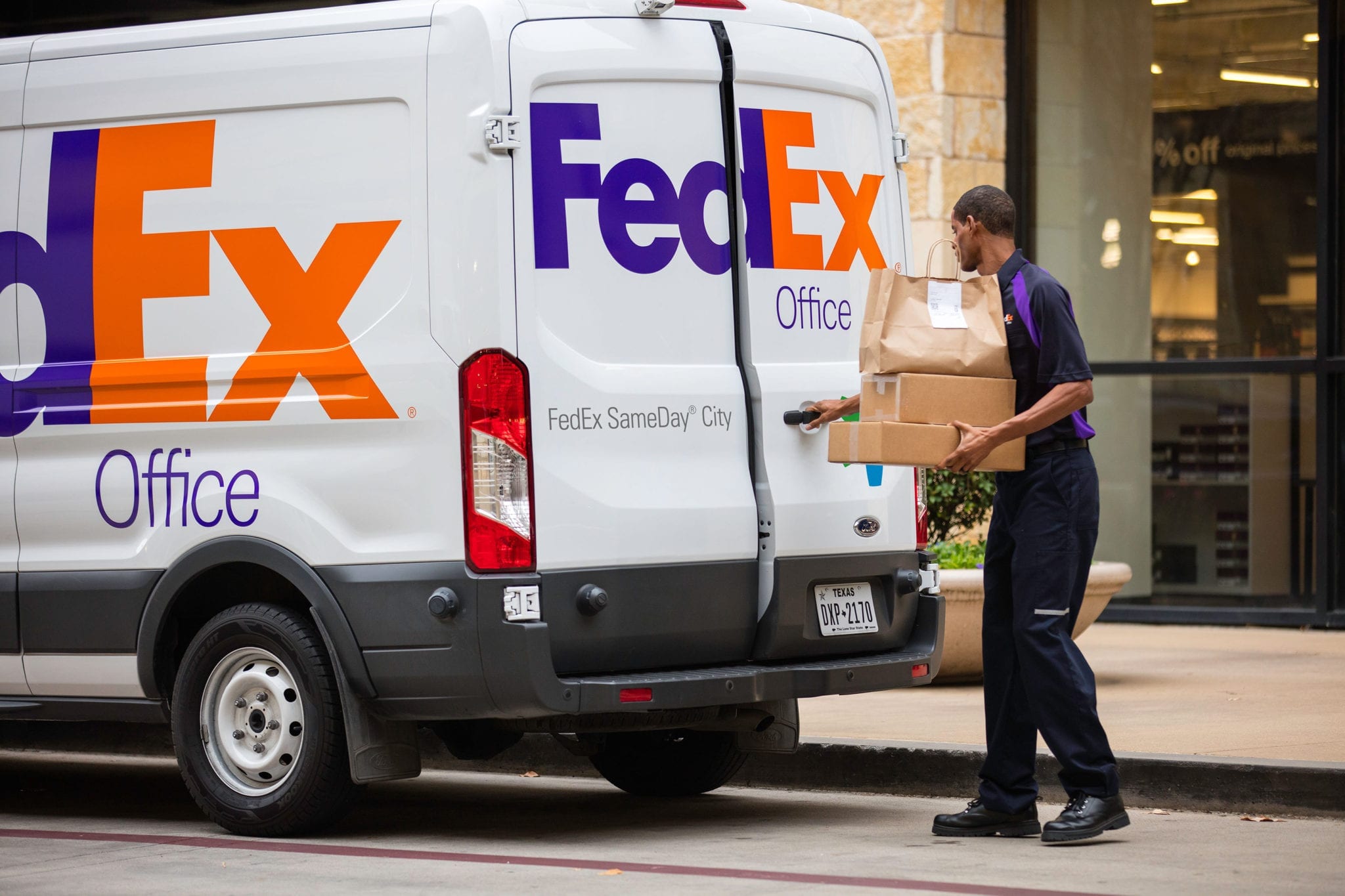
    Federal Express Corporation (FedEx), a prominent international express transportation corporation, recently disclosed its plans to add five additional weekly flights connecting the Asia Pacific region (APAC) with its European base at Paris Charles de Gaulle Airport. This move will not only reinforce the reliability of services on the Asia-Europe trade route but also paves the way for businesses to access European markets swiftly and reliably. Moreover, this move comes just in time for the year-end holiday shopping season, offering businesses increased flexibility.

    Details of the Expansion

    The additional flights will emanate from two main hubs: three flights from the FedEx APAC hub at Guangzhou Baiyun International Airport and two from the FedEx Shanghai International Express and Cargo Hub. Employing Boeing B777 freighters, all flights will connect directly to the FedEx European hub at Paris Charles de Gaulle Airport.

    This expansion will augment the average daily capacity between APAC and Europe, enabling businesses in the area to leverage growth prospects in sectors experiencing high demand, such as e-commerce, manufacturing, hi-tech, and retail industries. The Europe-Asia trade lane has been thriving, with a consistent increase in air freight volume over the previous two and a half years and an impressive 13% year-on-year surge in August 2025.

    The European Union serves as the largest import market for more than 100 countries, with APAC economies being among the fastest-growing suppliers. This upward trend is expected to accelerate as businesses are seeking out new trade and growth prospects in Europe.

    Supporting Asia-Europe Trade

    Salil Chari, Senior Vice President of Marketing and Customer Experience, Asia Pacific, FedEx, noted that the Asia-Europe corridor is one of the fastest-growing trade routes. According to a survey conducted by FedEx of nearly 4,000 customers in Asia this year, over 20% stated plans to shift their trading focus to Europe within the coming year.

    FedEx’s increased service frequency between APAC and Europe means that the company now operates 26 weekly flights connecting APAC deliveries to Europe. This enhanced service allows express shipments to reach major European destinations in as little as 48 hours. FedEx has also improved its connectivity from Northern Vietnam to Europe, further strengthening trade links for Asia’s importers and exporters.

    Long-term Commitment

    This expansion of flight services underlines FedEx’s long-term commitment to facilitating global commerce and boosting the success of businesses across the Asia Pacific and beyond.

    Questions & Answers

    How is FedEx enhancing its services?
    FedEx is adding five additional weekly flights connecting the Asia Pacific region to its European base at Paris Charles de Gaulle Airport.

    Which sectors will benefit from this expansion?
    High-demand sectors such as e-commerce, manufacturing, hi-tech, and retail industries will benefit from this expansion.

    What is the frequency of FedEx’s service between APAC and Europe?
    With the increased service frequency, FedEx now operates 26 weekly flights connecting Asia Pacific deliveries to Europe.

  • Global hike pushes Vietnam fuel price to 7-year high

    Global hike pushes Vietnam fuel price to 7-year high

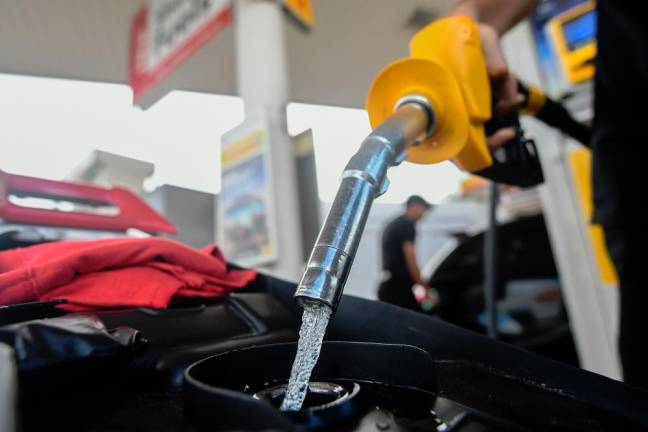
    Fuel prices in Vietnam have surged by over 52 percent to a seven-year high, with global rates shooting up as demand rises in economies reopening.

    The government has hiked fuel prices up by 40.23–52.59 percent this year with the latest increase Tuesday bringing the popular fuel RON 95 to VND24,330 ($1.07) per liter, the highest since September 2014.

    Global prices have also been rising. Brent futures rose 0.5 percent, to settle at $86.40 a barrel Tuesday, while U.S. West Texas Intermediate (WTI) crude ended 1.1 percent higher at $84.65.

    Those were the highest closing prices for both global benchmarks since October 2014.

    A global supply shortage and strong demand in the U.S., the world’s biggest consumer, is said to be the reason behind the increase.

    Gasoline and distillate consumption in the U.S. is back in line with five-year averages after more than a year of depressed demand.

    While China’s red-hot power and coal markets have cooled somewhat after government intervention, energy prices remain elevated worldwide as temperatures fall with the onset of the northern winter.

    Since last month, Vietnam has pushed up fuel prices four times, but the combined increase this year is still lower than that of global rates thanks to the fuel price stabilization fund, the Ministry of Industry and Trade and the Ministry of Finance said in a joint statement Tuesday.

    They noted that global rates have increased 59.08–76.03 percent this year.

    However, the price stabilization fund, set up to offset fluctuations in global fuel prices, is seeing shortages.

    As of Tuesday, state-owned fuel distributor Petrolimex had a negative VND262 billion balance in its stabilization fund. At state-owned PVOil, the negative balance was VND697 billion as of Oct. 11.

    By the end of August, 15 of 35 fuel companies in the country reported a combined negative balance of VND1.47 trillion.

    Together with the remaining sum from the other 20 companies, the total balance of the fund stands at VND600 billion now.

    Experts have said further price hikes in the future can deplete the balance. The fund’s balance had fallen to a negative VND620 billion in mid-2019.

    The high fuel prices have raised concerns of rising inflation.

    Ngo Bich Lam, former head of the General Statistics Office, said that a 10 percent increase in fuel prices will lower GDP by around 0.5 percent and pump up the Consumer Price Index (CPI), which measures inflation, by 0.36 percentage points.

    This shows the strong impact of fuel price fluctuations on the economy, he said.

    Some people have mentioned the possibility of lowering fuel tax to offset the increase. Tax and fees account for over 60 percent of fuel prices.

    At VND4,000 per liter or 16.4 percent of the current price, environmental tax is one of the biggest boosters of fuel prices.

    The Ministry of Industry and Trade and the Ministry of Finance are considering lowering fuel taxes, including environmental tax, to keep domestic prices stabile, Le Viet Nga, deputy head of the domestic markets under the trade ministry, had said at a press briefing last month.

    A fuel distributor in Hanoi who did not want to be named said that the government could lower taxes for biofuel E5 RON 92 by VND1,000 per liter from the current VND3,800.

    This 26 percent discount will reduce the impacts of the price hike on businesses and citizens at a time the economy is only beginning to recover, he said, adding that it would also boost consumption of biofuel, which is cheaper than RON 95.

    Vietnam imported $2.93 billion worth of fuel in the first nine months, up 15.3 percent year-on-year, according to Vietnam Customs.