Tag: FujiFilm

  • Eastman Kodak Overtakes Canon as Japan’s No. 1 Camera Brand in Fiscal 2025

    Eastman Kodak Overtakes Canon as Japan’s No. 1 Camera Brand in Fiscal 2025

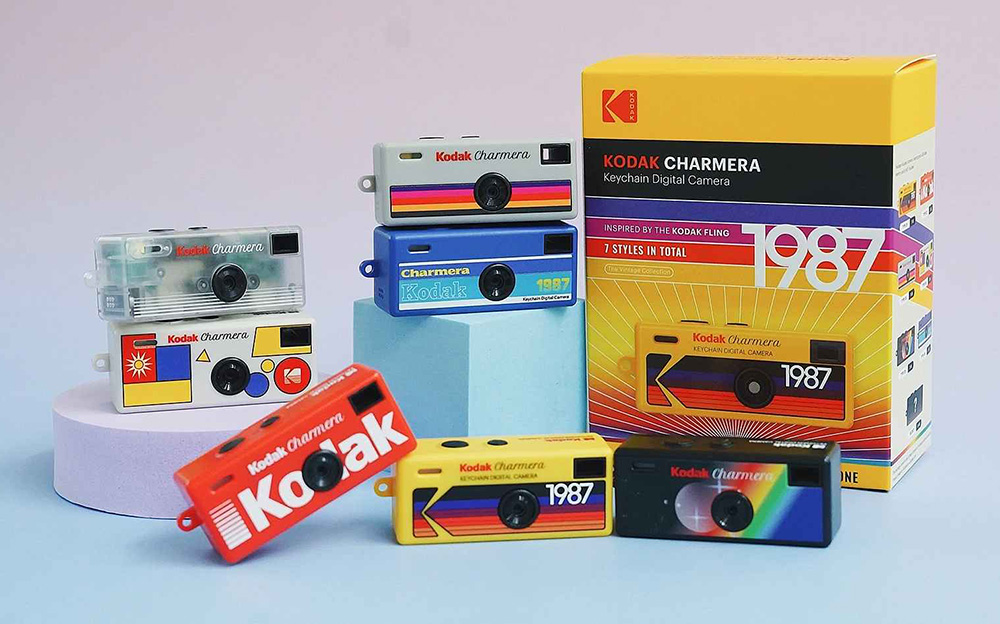
    Eastman Kodak overtook Canon as the No. 1 camera brand in Japan by sales volume in fiscal 2025. The result ended the Japanese company’s 20-plus-year streak at the top of the market.

    American digital cameras captured the top spot after striking a chord with Gen Z and boosting appeal among young buyers.

    Budget compacts challenge high-end mirrorless

    Distributed by Maspro Denkoh in Japan, the Kodak Pixpro FZ55 led the surge while affordably priced below 30,000 yen.

    That price point separated Kodak from legacy domestic rivals. Over the past decade, Japanese camera makers largely abandoned budget compacts. They focused instead on high-margin mirrorless bodies costing well over 100,000 yen.

    Canon loses unit leadership after 20 years

    For over two decades, Canon dominated Japanese sales tables with both entry-level compacts and interchangeable-lens systems. Domestic makers then shifted production capacity toward premium gear and video tools. That shift left the sub-30,000 yen tier bare.

    Electronics chains stocked the Pixpro line to fill that opening. Younger buyers snapped them up, wanting dedicated point-and-shoot cameras without flagship smartphone price tags.

    Demographic shifts alter store assortments

    Demand in Japan has split along demographic lines. Older hobbyists and commercial creators still buy premium mirrorless systems. Younger shoppers choose pocket digital cameras for everyday snapshots.

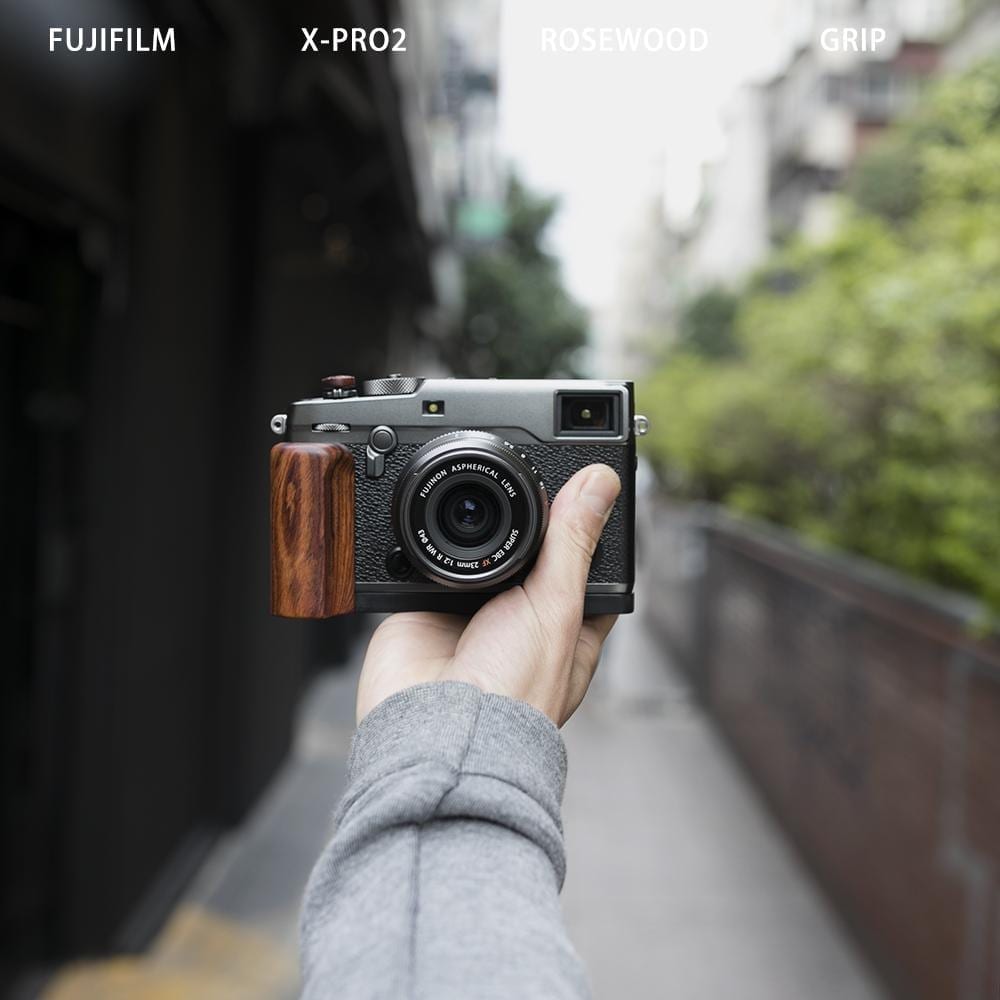
    Fujifilm broke into Japan’s top three digital camera makers on strong interest from female shoppers. Combined gains by Kodak and Fujifilm show demand for standalone cameras reaching beyond traditional photo enthusiasts.

    Distribution networks realign for budget hardware

    Store buyers across Tokyo and regional hubs handle a starkly different product mix today. High-end camera counters still produce substantial revenue per ticket. Unit volume, however, belongs to lower-cost lines.

    Maintaining steady inventory across retail chains will test distributor Maspro Denkoh and Kodak as demand persists. Japanese camera brands must now decide whether to contest the budget category again or permanently yield volume to protect high margins.

  • Fuji Xerox changes name to FUJIFILM Business Innovation

    Fuji Xerox changes name to FUJIFILM Business Innovation

    Brand change reflects corporate strategic direction and ongoing commitment to innovation. FUJIFILM Business Innovation Vietnam Company Limited (formerly known as ‘Fuji Xerox Vietnam’) today announced it had changed its name as part of a region-wide rebranding initiative, following the name change of its parent company, Fuji Xerox Co., Ltd., to FUJIFILM Business Innovation Corp.

    The move follows Fuji Xerox’s decision to end its technology agreement with Xerox corporation on the agreement’s expiration date of March 31, which provided for brand licenses, technology and sales territories. The name change takes place with immediate effect.

    As FUJIFILM Business Innovation Vietnam Co., Ltd, the company will continue to offer its core printing and document technologies and services, in addition to an expanding portfolio of enterprise software solutions and managed print room services.

    While the company will continue to sell existing products under the Fuji Xerox brand, it will also commence sales and marketing activities of new products under the Fujifilm brand.

    Over the years, Fujifilm’s considerable research and intellectual property has yielded an array of new applications for its technologies, such as using microporous photographic film technology to create yeast filters used in brewing beer, or creating lightweight sensors from the company’s Fujinon lens technology designed especially for outer space and carried aboard satellites.FUJIFILM Business Innovation is one of more than 300 subsidiaries in the FUJIFILM Holdings portfolio, including leaders in diverse fields such as healthcare, biotechnology, imaging, and photography.

    FUJIFILM Business Innovation offers innovation to businesses globally to help maximize their organizational strengths. The company has pioneered numerous technologies and accumulated expertise since being established as Fuji Xerox in Tokyo in 1962.

    As a $9 billion enterprise with approximately 40,000 employees globally, the company portfolio includes R&D, manufacturing and sales of world-class multifunction printers, production printers and IT solutions, and business process outsourcing services.

  • Fujifilm to cut 10,000 jobs at subsidiary amid Xerox takeover

    Fujifilm to cut 10,000 jobs at subsidiary amid Xerox takeover

    Japanese technology firm Fujifilm on Wednesday announced 10,000 job cuts by March 2020 at its Fuji Xerox subsidiary, which it said was facing an “increasingly severe” market environment.

    In a major shake-up, Fujifilm also announced it would be combining Fuji Xerox with US giant Xerox, bringing both companies under its umbrella to create what it said was the world’s largest “document solutions company” by revenue.

    As part of a cost-cutting package that it hopes will save 50 billion yen (RM1.793 billion), Fujifilm announced “personnel reductions of 10,000 people domestically and overseas” at Fuji Xerox.

    Founded in 1934, Fujifilm became synonymous with the photography business but has since expanded into cosmetics and medical equipment.

    Fuji Xerox, which manufactures printers and copiers for offices mainly in Asia and the Oceania regions, employs around 46,000 people in total.

    “It is expected that this combination will generate a large number of synergies,” said Fujifilm in a statement, with Fuji Xerox mainly doing business in Japan and Asia and Xerox in the US and Europe.

    Xerox had faced a revolt from two major shareholders, Carl Icahn and Darwin Deason, who between them control 15 percent of the company.

    They recently published a joint letter urging the company to consider selling itself and calling for the immediate replacement of its CEO.

    The restructuring will have an impact on Fujifilm’s operating income, the firm said, revising down its forecasts for the current fiscal year to 130 million yen from 185 million yen.

    Net profit however was forecast to rise to 140 million yen from 125 million yen due to one-off gains from sales of investment securities.

  • Jay Mart launches Jaycamera chain

    Jay Mart launches Jaycamera chain

    Thai mobile handset distributor Jay Mart plans to spend THB50 million (US$1.4 million) opening up to 10 Jaycamera shops by the end of this year.

    The outlets are forecast to initially draw in revenue of THB800 million, and within three years the company hopes to claim 40 per cent of the camera market for the lead position in Thailand, with revenue of THB4 billion.

    Chief marketing officer Narathip Wirunechatapant says growth potential in the Thai camera market prompted the company to set up the chain, providing mid- to high-range models and accessories. It will focus mainly on mirrorless and digital single-lens reflex (DSLR) cameras in the THB20,000 to THB200,000 range with young people as the target market.

    The main brands are Canon, Casio, FujiFilm, GoPro, Nikon, Olympus and Sony. In May, the chain will start selling upmarket smartphones such as the Huawei P10.

    Jaycamera launched in the Fashion Island department store, with other outlets to follow in Central and The Mall department stores in and around Bangkok.

    Narathip says that by the end of this year the Thai camera market could reach about THB8 billion and the company hopes to gain about 10 per cent of that.

    By the end of 2019, the company says it will have about 50 Jaycamera shops nationwide, and will also sell camera products at more than 200 Jaymart shops.