Tag: functional food

  • Thai President Foods Launches THB 25 Functional MAMA Noodles

    Thai President Foods Launches THB 25 Functional MAMA Noodles

    Thai President Foods launched MAMA OK ROSE’ across Thailand in November, pricing the functional instant noodle packs at THB 25 for a six-month commercial run.

    The lineup sells in two functional options: a High Protein version delivering 17 grams of protein per pack, and a High Fiber version with 10 grams of dietary fibre plus probiotics.

    Both variants use a Korean-style rosé flavour profile, tapping imported recipe trends that dominate local convenience store shelves. The manufacturer built the rollout around a six-month sales window to test sustained demand before deciding on permanent manufacturing line allocations.

    Functional shifts across convenience shelves

    Thai convenience retail has seen functional dairy and RTD formats crowd out standard items on refrigerated shelves. High-protein flavoured milk and probiotic shots secured long-term shelf space, demonstrating that local shoppers will pay for explicit nutrient counts on daily staples.

    MAMA is now translating that basket behaviour into ambient packaged noodles. Instead of asking consumers to buy separate bottled protein shakes or dietary supplements that carry higher price tags, the company is packaging these macronutrients into a THB 25 hot meal format.

    Reversing the reformulation strategy

    The launch reflects an intentional change in how Thai President Foods addresses health-conscious consumers. The group previously rolled out reduced-sodium noodles, but the line failed to gain commercial traction among shoppers who perceived less salt as a compromise on seasoning strength and texture.

    Rather than stripping out core ingredients, the product team pivoted to an additive proposition. Delivering measurable nutritional gains through added protein and gut-health ingredients gives retail buyers a clearer merchandise hook than standard health claims that focus solely on reduction.

    Execution and shelf allocation

    Pop singer Ink Waruntorn fronts the MAMA OK ROSE’ media and promotional push, maintaining her commercial role across the broader MAMA OK brand family. Retaining the same brand ambassador links the experimental functional items directly to the established line.

    For category managers and store operators, instant noodles remain high-velocity, low-margin inventory. Securing a THB 25 price point on an ambient pack allows operators to lift average basket values in an aisle typically anchored by traditional packs.

    What to track next

    The core commercial metric is whether Thai President Foods extends production past the six-month trial window. Repeat purchase volume in modern trade will determine if functional instant noodles remain an occasional promotional gimmick or become an established ambient category across Southeast Asia.
  • Lactasoy Launches 19G Benefitt Plant Protein Drink in Thailand

    Lactasoy Launches 19G Benefitt Plant Protein Drink in Thailand

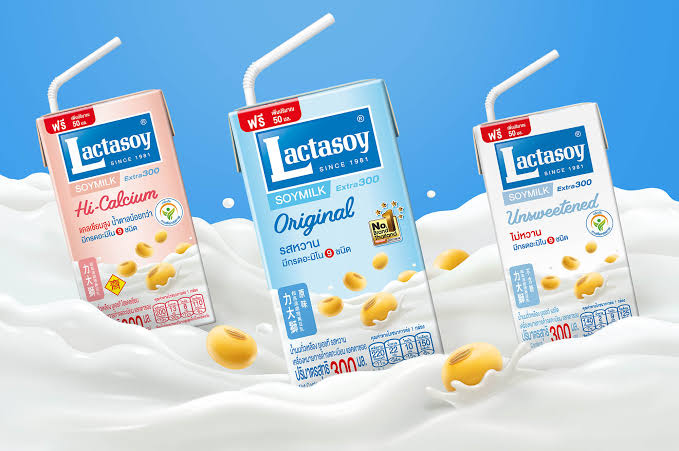
    This week, Lactasoy Co., Ltd. Introduced Benefitt Plant-Based Hi Protein Original in Thailand, delivering 19g of protein in each 250ml carton. Sourced from a blend of soy and pea protein, the beverage is designed for health-conscious consumers seeking a convenient source of high-quality protein.

    Packaged in single-serve cartons, the product is formulated to support muscle health. It expands Lactasoy’s Benefitt soy milk brand into high-density plant protein.

    Formulating for protein density

    Combining soy and pea proteins gives the beverage a broader amino acid profile than standard single-source soy drinks. Delivering 19 grams in a 250ml carton matches levels typically found in dairy whey RTD beverages.

    Single-serve cartons also lower entry barriers for casual fitness consumers who want functional nutrition without mixing powders. That format fits convenience store chillers, where grab-and-go purchases drive daily RTD beverage volume.

    Shifting RTD dairy alternatives

    Thailand’s packaged soy milk sector has long relied on entry-level, sweetened staples sold in volume. Higher ingredient costs and shifting dietary preferences are pushing manufacturers toward functional, premium formulations with explicit health claims.

    Lactasoy is shielding its retail margins by creating dedicated sub-brands like Benefitt. High-protein claims command higher retail price points than commodity soy milk, protecting profitability as baseline ingredient costs fluctuate.

    Retail shelf competition

    Competition in Southeast Asian functional beverages is concentrating in modern trade chillers. Traditional soy brands now face dedicated fitness RTDs, imported oat milk brands, and local plant-based innovators fighting for refrigerated shelf space.

    Suppliers must balance taste and viscosity against higher protein concentrations. Chalky textures and bitter plant notes often deter repeat buyers, making formulation execution decisive for category retention.

    What operators will watch

    Convenience operators and hypermarkets will track whether high-protein plant beverages can build repeat demand beyond dedicated gym-goers. Retail distribution execution across convenience store networks will determine initial sales velocity.

    Reorder rates over the first two quarters will show whether the 19g protein blend can establish Benefitt as a regular purchase or remain a niche alternative on Thai shelves.

  • Thailand’s Sponsor Enters Sports Nutrition with Energy Gel Launch

    Thailand’s Sponsor Enters Sports Nutrition with Energy Gel Launch

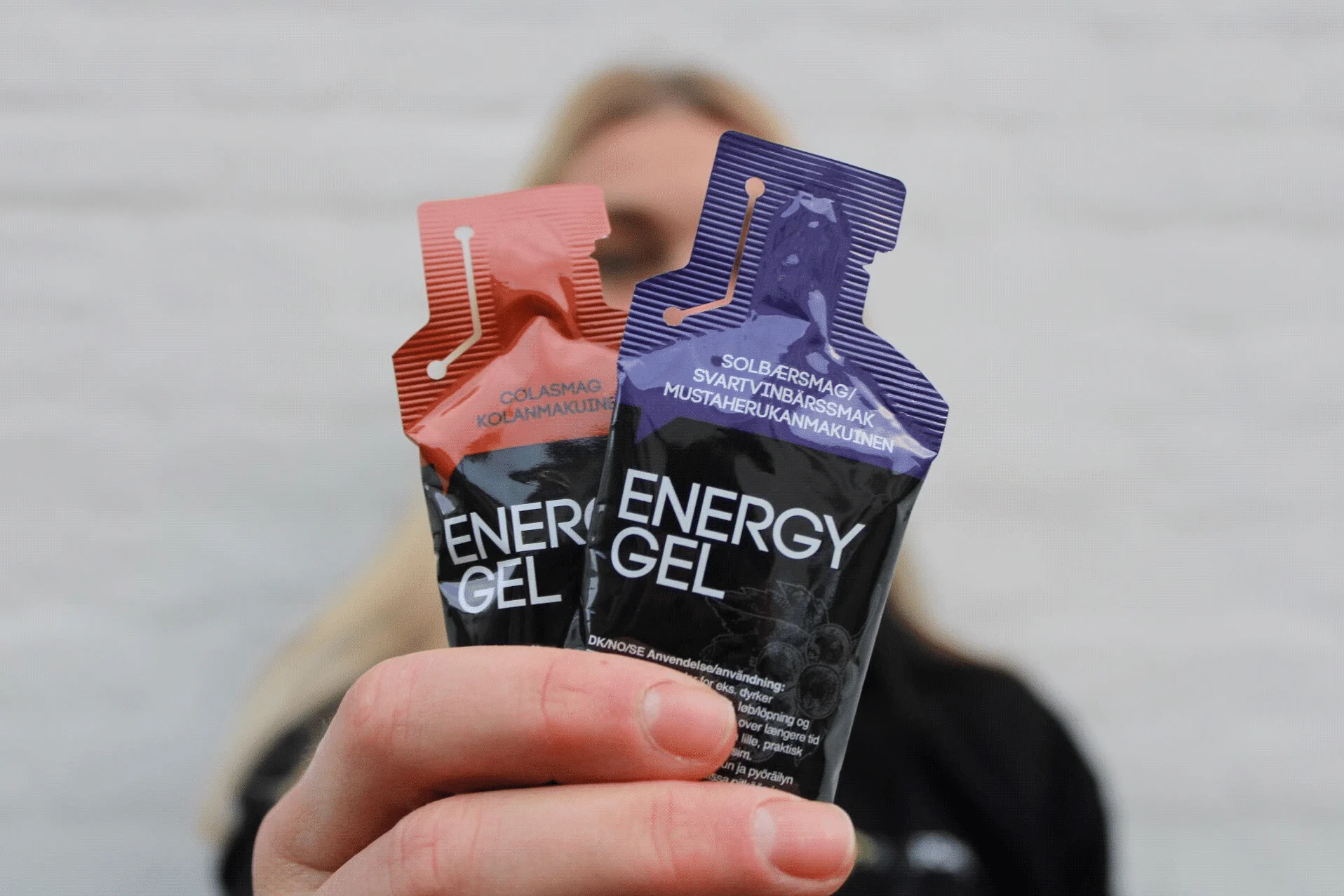
    TCP Group expanded its flagship Sponsor beverage brand into specialised sports nutrition in Thailand. It rolled out Sponsor Pro Energy Gel Plus for endurance athletes.

    The product release targets a domestic running sector that logged more than 1,500 organised race events across Thailand in 2025.

    Formulation and athlete targeting

    Each packet contains 120 calories alongside five electrolytes designed to maintain hydration under heavy exertion. TCP Group formulated the product with what it calls a Triple-Phase Energy system, blending multiple carbohydrate sources to regulate energy release during prolonged exercise. The recipe also incorporates ViNitrox, a proprietary grape and apple extract aimed at supporting physical endurance. Retail distribution begins with two options: Original and Watermelon Berry.

    Product development involved consultations with Thai athletes and sports nutritionists. Rather than relying solely on race sponsorships, the brand designed portable sachets for runners to consume before and during competition without carrying bulky bottles.

    Shifting from hydration to sports nutrition

    Entering the gel category shifts Sponsor from general sports hydration into high-margin functional sports nutrition. Energy gels command higher retail price points per gram than standard isotonic bottled drinks. That gives beverage makers better revenue density on convenience store shelves. For retailers like 7-Eleven and CJ Express in Thailand, stocking single-serve nutrition pouches near checkout counters creates incremental basket value from fitness consumers.

    This shift puts TCP Group in direct competition with imported endurance brands that historically controlled specialty running shops and cycling outlets across Southeast Asia. By using its vast domestic distribution network, Sponsor can place technical sports fuel in ordinary neighborhood outlets where international specialty labels rarely maintain shelf presence.

    Portfolio roadmap across regional markets

    Recent portfolio updates aim to widen Sponsor’s consumer base beyond heavy manual workers and casual sports players. In May 2023, TCP Group introduced Sponsor Go 0% Sugar to capture health-conscious shoppers who avoid sweetened functional drinks. The parent group expanded in May 2024 by pushing Sponsor, Ready and Warrior into overseas territories across India, Africa and the Middle East, before rolling out a Watermelon Berry beverage variant in April 2025.

    Retail buyers in Bangkok now await sell-through figures from early marathon activations this quarter to see whether endurance runners adopt the local gel over established Western sports nutrition imports.

  • Sanitarium Launches 2 So Good High Fibre Milks at Woolworths

    Sanitarium Launches 2 So Good High Fibre Milks at Woolworths

    Sanitarium Health Food Company expanded its plant-based beverage portfolio on September 23, 2026, launching 2 new milks under its So Good brand.

    The So Good High Fibre + Prebiotics almond and oat milks rolled out nationwide across Woolworths stores and online.

    Sanitarium formulated the cholesterol-free range to help consumers increase daily dietary fibre intake and support digestive health across everyday uses like breakfast cereals, smoothies, and hot beverages.

    Gut health on the shelf

    Consumer interest in digestive wellness continues to alter product development schedules across Asia-Pacific grocery aisles. Dairy alternatives previously competed almost entirely on taste and base ingredients like soy, almond or oat. Adding prebiotic fibre pushes the category toward fortified nutrition. That helps capture health-conscious shoppers who want gut support without buying separate supplements.

    For retailers, functional plant milks offer higher shelf-margin potential than standard base alternatives. Woolworths secured early distribution for a high-awareness domestic brand, giving its beverage aisles a dedicated plant-based health proposition.

    Functional shifts across the category

    Plant-based beverage producers face stiffer competition as supermarket shelf space tightens. Brands across the region have shifted formulation strategies away from dairy mimicry and toward measurable nutritional additions like protein, vitamins and digestive aids. Sanitarium aims this launch straight at competitors using baseline formulas.

    Execution risks centre on taste and texture. Fortified fibre can alter the viscosity and mouthfeel of plant-based milks. That change often deters repeat buyers if the formulation interferes with morning coffee or breakfast cereal.

    Distribution and retail execution

    Sanitarium created the functional lineup after tracking sustained consumer demand for simpler daily nutrition. Putting functional benefits directly into pantry staples lowers adoption barriers for households seeking more dietary fibre without changing their daily routines.

    “We know many Australians are looking for simple ways to support their wellbeing, and fibre is an essential part of that,” said So Good Senior Brand Manager Nicole Toby.

    Tracking supermarket scan rates

    Category scan data and basket sizes over the coming retail quarter will guide Sanitarium’s next steps. Those supermarket figures will determine whether the company expands the line into independent grocers and export channels across the broader Asia-Pacific region.

  • Zuum Adds Strawberry Energy Gum in Ten-Product Expansion Push

    Zuum Adds Strawberry Energy Gum in Ten-Product Expansion Push

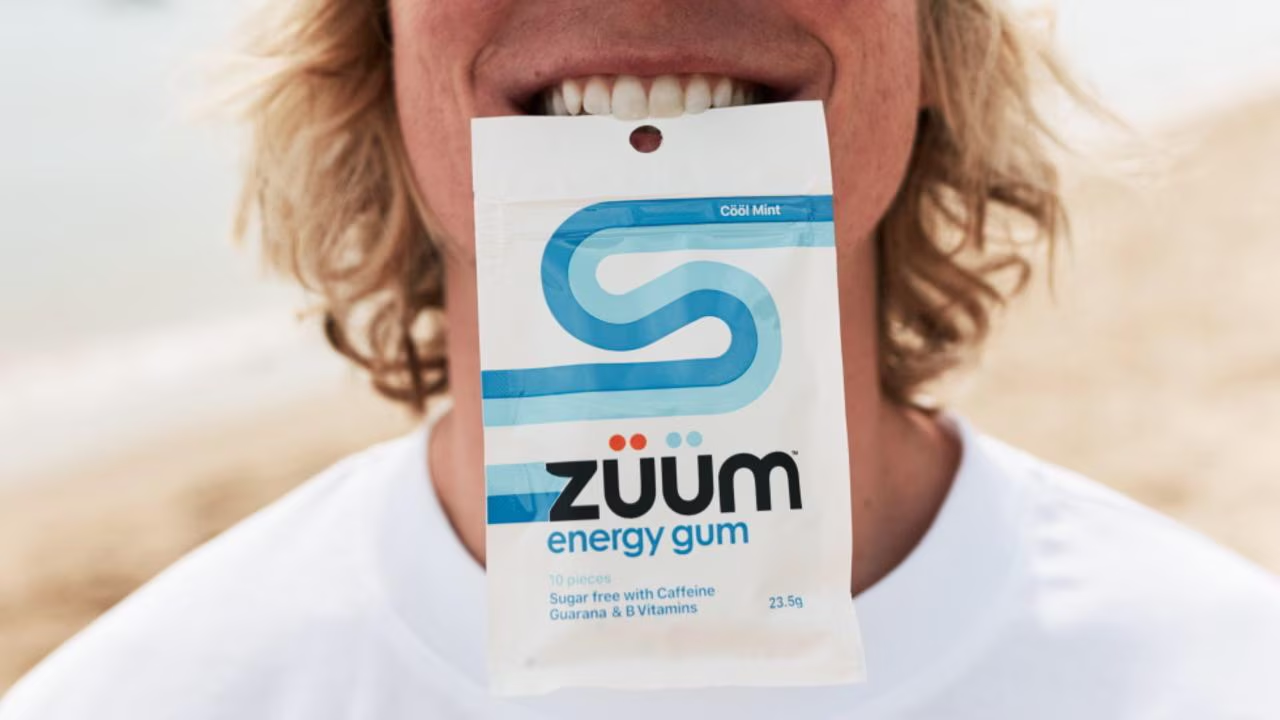
    Australian functional consumer brand Zuum launched an extra-strength strawberry energy gum in September 2026. The release kicks off a planned 10-product rollout across domestic and overseas retail networks.

    The new variant expands the core Performance Energy Gum line. Zuum is targeting wider shelf space in convenience chains, pharmacies and online direct-to-consumer channels.

    Expanding the functional gum lineup

    Cool Mint, Extra Strength Arctic Mint, Spearmint and Watermelon already sit in the range. The strawberry gum sells through Zuum’s website alongside physical retail stockists.

    Functional chewing gums deliver active ingredients like caffeine and vitamins through oral absorption. That format provides faster uptake without liquid volume, giving shoppers an alternative to ready-to-drink energy beverages and traditional confectionery.

    Convenience and pharmacy distribution

    Convenience stores and pharmacy banners serve as the primary distribution ground for impulse functional products across Australia. Checkout placement captures commuters and workers seeking quick alertness fixes.

    For retailers, high-margin functional confectionery delivers strong sales density per square centimetre at front registers. The products challenge conventional mints and sugary gums, which face steady volume pressure from health-conscious consumers.

    Competitive pressure in energy alternatives

    Energy gum competes directly with canned energy drinks, caffeine pouches and functional tablets. While canned drinks dominate total volume, portable formats win on pocket-sized convenience and zero-sugar recipes.

    Survival in functional confectionery requires steady sales velocity after opening promotional campaigns fade. Retail buyers routinely clear counter space of slow-moving stock keeping units.

    Retail rollout timeline

    Zuum established its mainstream retail footprint in 2024 when convenience operator 7-Eleven introduced the gum line to Australian stores. That partnership gave the brand national visibility across high-traffic urban and roadside locations.

    Nine additional products will arrive before the end of the second half of 2026. The company is now negotiating broader listings in domestic pharmacy chains and selected international markets.

  • PepsiCo Launches Nobby’s Protein Coated Almonds in 45G Packs

    PepsiCo Launches Nobby’s Protein Coated Almonds in 45G Packs

    PepsiCo Australia expanded its impulse snacking portfolio on September 16, 2026, with the launch of Nobby’s Protein Coated Almonds.

    The single-serve range comes in 45g packages featuring whole roasted almonds enclosed in a protein-enriched coating and seasoning.

    Functional Formats for Front-of-Store Displays

    The product enters the market in two flavours: Cacao, delivering 11g of protein per pack, and Salted Caramel, providing 10.8g of protein per pack.

    Traditional packaged nuts already carry a natural health halo, but multinational snack makers face rising competition from dedicated sports nutrition bars and fortified confectionery. Adding a concentrated protein coating lets PepsiCo position a heritage pub-snack brand like Nobby’s directly against specialized fitness snacks on convenience racks.

    Margin Pressure and Category Competition

    For convenience operators and grocers, the format offers higher revenue per square centimetre of impulse shelf space compared to conventional salted peanuts. The risk rests in repeat purchase behaviour: coated nuts carry a heavier processing load, and shoppers buying functional protein often scrutinize sugar levels and ingredient purity before committing to daily consumption.

    Rival consumer goods manufacturers in Australia and across broader Asia-Pacific markets have pursued similar line extensions, turning core confectionery and nut brands into macro-friendly alternatives. PepsiCo itself continues to tweak recipe formulations across its regional portfolio to counter slowing volume growth in traditional fried snacks.

    Shelf Performance Metrics to Watch

    The Australian launch follows wider category revamps across PepsiCo’s regional business, where the company has sought to offset shifts away from high-sodium savoury snacks with portion-controlled, higher-margin impulse items.

    Retailer uptake across nationwide fuel and grocery chains over the fourth quarter will indicate whether the brand can hold dedicated impulse real estate outside its traditional salted nut stronghold.

  • Sunrice Launches Microwave Rice Range with 10G of Protein

    Sunrice Launches Microwave Rice Range with 10G of Protein

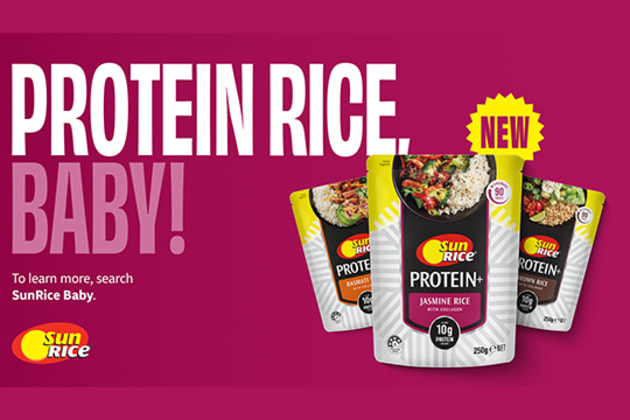
    Sunrice launched a ready-to-heat rice lineup infused with collagen across Australia in September 2026, delivering at least 10 grams of protein per pouch.

    The product roll-out targets the 28 per cent of Australian grocery shoppers who actively seek high-protein items during routine supermarket trips, according to Euromonitor consumer data.

    Collagen across three core grain types

    Branded as Sunrice Microwave Protein+, the range introduces functional ingredients to standard Jasmine, Brown, and Basmati varieties. Each pack heats in 90 seconds, keeping the standard shelf-stable pouch format intact while committing further to nutritional density per serving.

    Fortifying basic carbohydrates with animal-derived collagen shifts rice from a pure bulk filler into the higher-margin functional meal category. Food manufacturers across Asia-Pacific face steady consumer migration toward protein-dense diets, forcing commodity grain processors to reformulate mature product lines.

    Shifting staple grains into functional grocery

    Supermarket operators in Australia continue allocating more centre-store shelf space to enhanced staples, where suppliers command pricing premiums over unfortified private-label equivalents. For Sunrice, lifting product margins through functional fortification provides a hedge against volatile farmgate grain prices and competitive retail discounting.

    Similar functional grain launches across regional markets in Southeast Asia and Japan have relied on plant isolates rather than collagen. Sunrice chose collagen to hit double-digit protein grams without altering the grain texture or extending cook times for microwave prep.

    Category expansion targets pantry shoppers

    Category trials have previously paired microwave grain pouches with legumes, seeds, and ancient grains. By partnering with research institutions including the CSIRO on processing techniques, the company has worked to stabilize nutritional additives during commercial pouch sterilization.

    Supermarket distribution for Sunrice Microwave Protein+ begins across major Australian grocers this quarter, with retailers tracking rate-of-sale numbers against standard single-serve pouches through the end of the financial year.

  • Danone Launches YoPro High-Protein Yoghurt in New Zealand

    Danone Launches YoPro High-Protein Yoghurt in New Zealand

    Danone launched its high-protein yoghurt brand YoPro in New Zealand in September 2026. The rollout includes 15g and 20g protein formats manufactured at its Victorian processing site.

    An exclusive distribution deal with Foodstuffs North Island places the brand directly into the cooperative’s supermarket network.

    Protein formats and supply lines

    Standard YoPro pots and pouches contain 15g of protein per serve. The concentrated YoPro Perform line offers 20g per serve. Danone formulated both product tiers without added sugar or artificial sweeteners, targeting gym-goers and convenience shoppers seeking functional dairy.

    Supply ships across the Tasman from Danone’s manufacturing facility in Victoria’s Kiewa Valley. Using this established Australian base allows the dairy group to test New Zealand consumer demand without committing capital expenditure to local processing infrastructure.

    The exclusive grocery route

    The arrangement gives Danone immediate shelf space across high-volume banners including Pak’nSave and New World. For Foodstuffs, exclusive rights to an established Australian brand create a temporary point of difference against rival Woolworths New Zealand.

    Exclusivity deals carry operational trade-offs. Danone cuts its addressable market in half by bypassing Woolworths and South Island stores. That places the entire burden of brand adoption on a single cooperative’s promotional schedule.

    Battle for dairy shelf space

    This launch pits Danone against domestic dairy giants where Fonterra and boutique local processors dominate chilled cabinets. High-protein and low-sugar yoghurt has developed into a reliable growth pocket across Asia-Pacific dairy. It pulls consumers away from standard flavoured yoghurts that carry higher sugar loads.

    Danone spent several years building YoPro into a category leader in Australia before expanding the supply chain eastward. That playbook relies on heavy athletic marketing and high protein-to-calorie ratios to defend premium shelf pricing against private-label alternatives.

    Distribution now shifts to in-store execution across North Island supermarket chillers as Foodstuffs completes category resets for the spring retail cycle.