Retail News CRM

Tag: Fung Group

  • Fung Group sells Circle K retail network

    Fung Group sells Circle K retail network

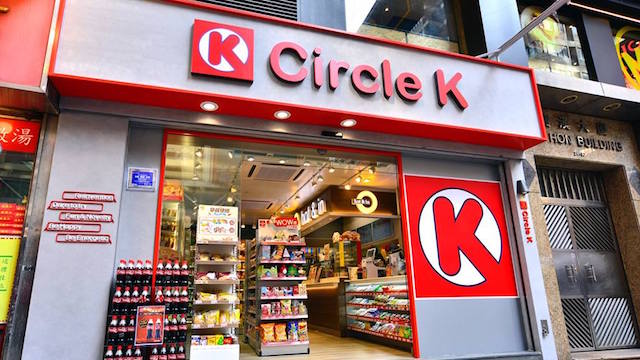
    Fung Group has sold its Guangzhou Circle K-store network to Chinese retailer Suning for an undisclosed sum.

    Facing intense competition in the mainland convenience-store market, the network of 61 outlets has failed to make a profit since the brand’s launch there in 2002. The Guangzhou Circle K business recorded a net loss of HK$21.4 million in 2014 before then parent Convenience Retail Asia sold the business to its 41-per-cent shareholder Fung Group the following year for $48 million (US$6.12 million). Since then, Fung Group has closed at least 12 stores there.

    Suning Xiaodian, Suning.com’s convenience-store business, will take over the Guangzhou Circle K stores, broadening its footprint in the city.

    Convenience Retail Asia continues to own and operate more than 300 Circle K stores in Hong Kong, Macau, and Zhuhai.

    The president of Suning’s consumer-goods business, Bian Nong, said Circle K’s experience in merchandising, supply chain and store management will supplement Suning’s existing operations in Guangzhou.

    Suning has been rapidly expanding its brick-and-mortar store business in recent months, acquiring supermarkets from Carrefour and the Chinese business of Spanish grocer Distribuidora Internacional de Alimentacion.

  • Fung Retailing, Alibaba to collaborate bringing lifestyle brands into China

    Fung Retailing, Alibaba to collaborate bringing lifestyle brands into China

    Fung Retailing and Alibaba have formed a strategic partnership to launch more international lifestyle brands in Mainland China. The partnership will bring closer Alibaba’s 600-million user base and Fung Retailing’s 3000+ network of stores across Greater China, UK, France, South Korea, Singapore, Malaysia, Thailand and the Philippines. Its partly- or majority-owned businesses include Circle K and Zoff (under Convenience Retail Asia), Trinity, Toys R Us, Suhyang Networks, the UCCAL Fashion Group and Branded Lifestyle Holdings.

    The Fung Retailing and Alibaba collaboration aims to meet the increasing demand of Chinese consumers, building on the strengths of both parties in online and offline retailing, the two companies said in a statement. At the same time, it will better serve global brands by leveraging Fung Retailing’s global portfolio of brands, offline retail channels and marketing know-how, as well as Alibaba’s ecosystem, digital retail leadership, technology, and consumer insights.

    “That will help global brands tailor their product development and marketing strategies to meet the ever-changing needs of Chinese consumers,” the statement said. “The brands can also draw on Alibaba’s new retail channels, including Tmall and Intime, as well as Fung Retailing’s offline stores, thereby reducing costs, risks, and the time traditionally associated with entering the China market.”

    Photo: At the Fung Retailing and Alibaba MOU signing ceremony this week, from left: Sabrina Fung, group MD of Fung Retailing, Dr Victor Fung, group chairman of the Fung Group; Daniel Zhang, CEO of Alibaba Group; and Toby Xu, VP of Alibaba Group.

    Under a memorandum of understanding signed this week, both companies will join forces in global brand recruitment and offer brands merchandising, marketing and omnichannel distribution services. This collaboration will focus on the mainland China market as a first step, and potentially expand to other regions riding on Alibaba’s platforms.

    Speaking during the signing ceremony in Shanghai, Alibaba CEO Daniel Zhang said Alibaba wants to help global brands expand their foothold in China by fully integrating its New Retail capabilities, big data and technology with Fung Retailing’s “unparalleled advantages in brand and supply chain resources”.

    “We believe this partnership represents the beginning of a new chapter for New Retail.”

    Fung Retailing’s group MD Sabrina Fung said retail is changing exponentially, so it’s important to stay ahead of the curve, which this agreement allows the company to do.

    “Through this exciting strategic partnership with Alibaba, we will help customers navigate the full Chinese retail economy and reach China’s 1.4 billion consumers more easily. In this evolving retail landscape, and faced with changing consumer behavior and disruptive retail technologies, we are focused on developing new ways to do business,” she said.


  • Fung partners with French fashion label Ikks

    Fung partners with French fashion label Ikks

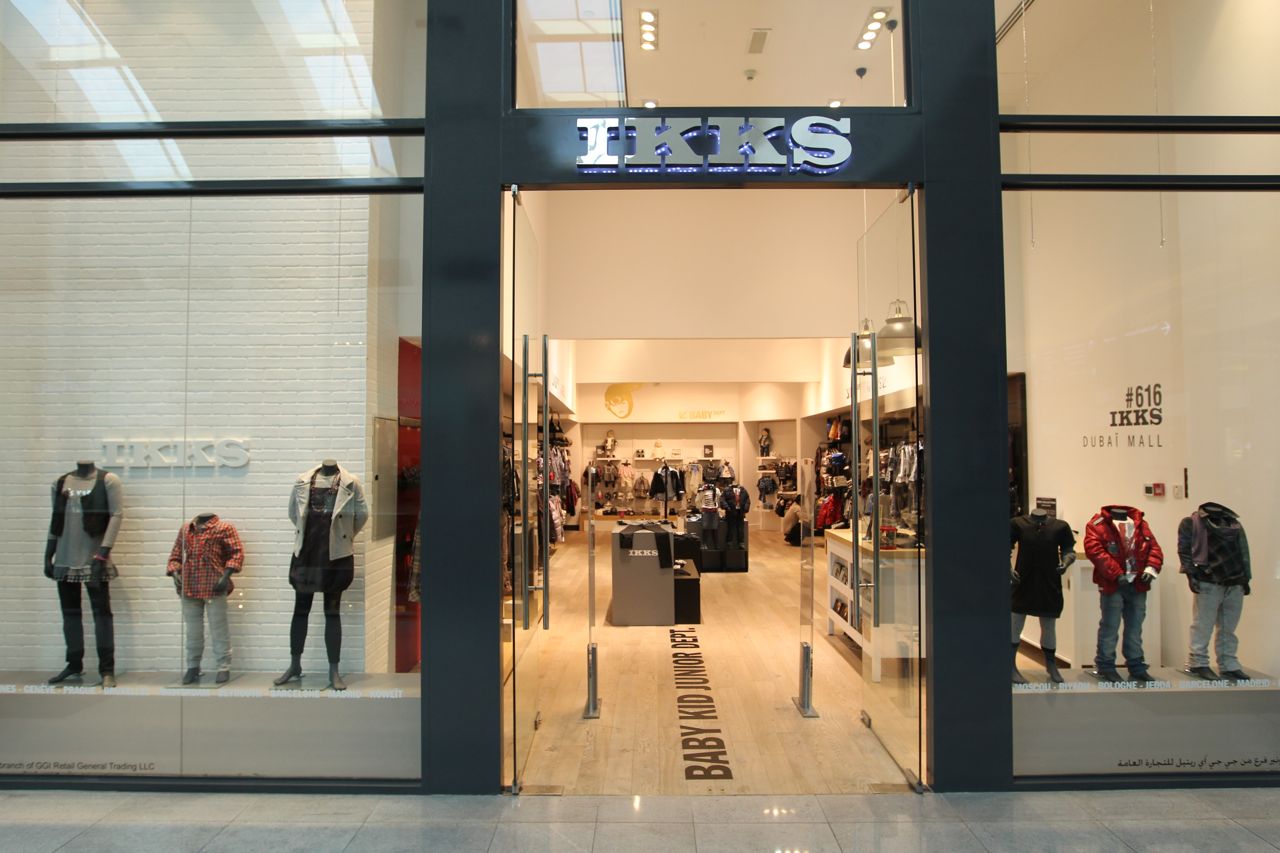
    French fashion label Ikks has launched in Mainland China after forming a partnership with Fung Kids.

    Four stores have been opened in Shanghai and Beijing focusing on the brand’s new childrenswear line, with more planned on both the mainland and in Hong Kong in advance of a wider Asian expansion.

    Ikks Group has 3600 outlets in 45 countries and reportedly plans to open 50 Ikks Paris Junior stores across China within the next four years.

    Childrenswear is a new category for Ikks, founded in 1987, which has previously specialised in womens fashion. The new range was launched last month, after being developed with the help of Fung Group.

    Ikks Group CEO Pierre-Andre Cauche said he hopes the Fung JV will help the brand expand its awareness in greater China.

    “Developing children’s clothing in China is a long-term project. We are certain that Chinese parents will appreciate the brand’s disruptive positioning which – it should be remembered – was the first label 30 years ago to have re-imagined kids fashion to copy the adult wardrobe,” he said.

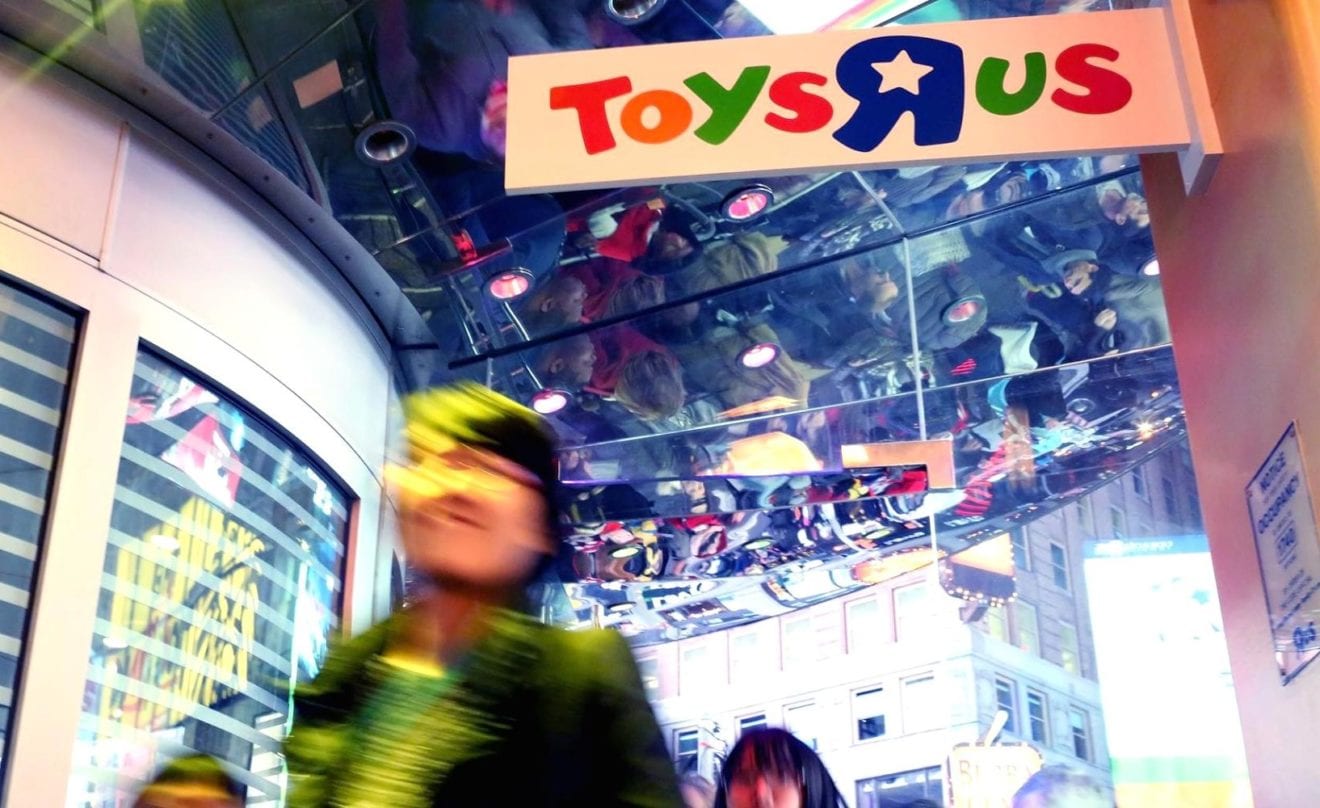
  • Toys R Us battle heads to court

    Toys R Us battle heads to court

    Fung Retailing’s battle with the administrators of bankrupt Toys R Us has ramped up, with the latter company filing an injunction request in US courts this week.

    The Hong Kong company is working to protect its first-right-of-refusal clause on acquiring shares in the Toys R Us Asia business, beyond its existing 15 per cent cornerstone holding. That was a condition of its investment.

    But Toys R Us, well aware that the toy retailer’s strongest and most valuable business unit is the Asian company, want to maximise the gain from its sale through an open auction process, in order to have as much cash as possible to pay creditors.

    Various international media outlets have reported an 85 per cent stake in the Toys R Us Asia business could be worth more than US$1 billion and there have been unconfirmed reports Fung Retailing wants to purchase the entire business, most likely with a private equity partner.

    Toys R Us’ application for an injunction seeks to block Fung Retailing’s attempts to open arbitration over the sale. Toys R Us claims Fung is trying to derail the reorganisation process and Bloomberg has previously reported the US company wants to void the first-right-of-refusal clause.

    Bloomberg observed: “This uncertainty will drive down bids – benefiting Fung (which can then either exercise its right of first refusal … or bid for the asset at a depressed price), but harming the debtors and their creditors (whose primary basis for recoveries will be the value achieved from the Asia JV sale).”

    Toys R Us Asia has more than 220 stores in Mainland China, Hong Kong, Singapore, Thailand, Malaysia, Brunei and Taiwan.

  • Hong Kong’s Fung Group injects US$35M into India’s B2B e-commerce ShopX

    Hong Kong’s Fung Group injects US$35M into India’s B2B e-commerce ShopX

    The Fung family has invested US$35 million in Indian technology platform ShopX.

    The funds came from Fung Strategic Holdings a member of Fung Investments, the private investment vehicle of the families of Dr Victor Fung and Dr William Fung.

    ShopX is described as India’s leading B2B e-commerce company, connecting India’s consumers and small merchants with brands and suppliers directly to purchase products and services.

    India’s retail market is estimated to reach US$1.1 trillion by 2020, and small-to-medium sized businesses play an important role in the Indian economy, making up about 90 per cent of the retail sector. Until now, they largely remain ‘offline’ in small villages and towns serving the local surrounding population.

    ShopX, founded by Amit Sharma and Apoorva Jois in May 2015, aims to be the preeminent e-commerce platform serving more than 12 million small merchants across India, enabling everything from ordering to delivery, payments and localised customer support. ShopX already covers 50,000 retailers in more than 300 locations across India.

    Nandan Nilekani, a leading entrepreneur, has been an early investor in ShopX, supporting the company from inception with more than $18 million in personal investment and active mentorship.

    “The ShopX model provides small retailers access to the same cutting-edge technology and supply chain solutions as any established e-commerce or organised retailer,” he said.

    “This access provides an onboarding ramp into the formal economy for millions of India’s small retailers and the next 400 million consumers. ShopX has been built on scalable and sound business principles like platform thinking, capital efficiency and a sustainable growth model. We are very excited to welcome the Fung Group into ShopX, and look forward to expanding the platform with their investment and strategic synergies.”

    Victor Fung added: “This is one of a series of investments the Fung Group and its companies are making to advance new, disruptive technologies shaping the future of retail and supply chain. ShopX is combining technology and an innovative business model to transform the traditional retail model in India. Given the country’s sheer population size and rising consumer spending power, not only do we see tremendous opportunity in India, but also the successful application of this model to other parts of the region.”

    Tech focus

    The ShopX investment follows recent Fung Group initiatives and investments in new technologies including:

    • A partnership with Tencent-backed WeDoctor to create an e-commerce platform connecting China’s myriad of hospitals with medical device manufacturers and service providers to centrally procure medical devices, consumables and services.
    • A partnership with JD.com to develop AI-driven retail solutions.
    • A new innovation lab with Shima Seiki, the Japanese company behind the world’s most advanced computerised flat knitting machines, to conduct specialised materials R&D.
  • Toys R Us Asia assures it will not be affected by US’s liquidation

    Toys R Us Asia assures it will not be affected by US’s liquidation

    Toys R Us Asia has repeated earlier assertions that its business will not be affected by the liquidation of Toys R Us stores in the US and UK, amid reports that Australian operations would likely need to close.

    Toys R Us Asia’s joint-venture partner Fung Retailing, which owns approximately 15 per cent of the toy retailer’s Asia-Pacific arm, has clarified that its 400 stores in greater China and Southeast Asia remain open for business.

    “Toys R Us Asia is open for business and continuing to serve our customers as we always do,” Toys R Us Asia president Andre Javes said.

    “We are a financially robust and self-funding retail operation, which continues to significantly grow and invest in this region.

    “Every year we are opening new stores in all our markets and particularly in China where we now operate over 150 stores and will be opening another 30 in the coming months.”

    Toys R Us Asia operates as a separate legal entity to Toys R Us Inc, and according to Fung is “financially independent from all other Toys R Us operating companies around the world”.

    Last week, Toys R Us’s US-based CEO David Brandon was quoted by The Wall Street Journal as saying that the retailer’s 39 stores in Australia would likely be liquidated.

    The Australian operations are currently being run by local MD Dianne Guerreiro, who less than six months ago was charting expansion for the business, outlining a plan to open up to 20 stores in the coming years.

    Toys R Us Australia has also said it is “business as usual” despite the US collapse.

    The US parent announced that it would be winding down the majority of its operations last week after efforts to save the company collapsed when lenders decided not to extend their support for the ailing business.

    The toy retailer, which has more than 800 stores across America, has struggled to keep up with escalating competition from the likes of Amazon and Walmart in recent years, particularly as online shopping has become more prevalent.

    Fung Retailing did not elaborate on its plans for the Asian arm if its US-based partner Toys R Us Inc goes under.


  • Toys ‘R’ Us is said in talks to sell Asia unit to Fung Group

    Toys ‘R’ Us is said in talks to sell Asia unit to Fung Group

    Toys ‘R’ Us Asia may be taken over by to its local partner, the Fung Group.

    A deal could give Toys ‘R’ Us Asia a valuation of at least US$1 billion. The private holding company of Hong Kong’s billionaire Fung brothers is considering finding partners to join it in the purchase, and if a deal is reached the group may seek an IPO after one to two years, according to the source.

    The US company and some of its North American subsidiaries filed for bankruptcy in September, the Asian unit being excluded. Growth in Asia Pacific helped offset weak sales in the US and Europe in the quarter ended October 28. The company combined its Japanese business with the broader Asia venture last year, which now has more than 400 outlets throughout the region.

    Representatives for Toys ‘R’ Us and Fung Group have declined to comment on the possibility of the Asia business being offloaded.

    Separately, the UK arm of Toys ‘R’ Us is likely to start a court-led administration process this week after failing to secure new financing to meet a tax liability due this month. The business faces a £15 million ($21 million) value-added tax bill, and talks with potential buyers have fallen through in the past few weeks.

    Toys ‘R’Us Asia was set up in 1986. Fung Group is also the biggest shareholder in Li & Fung, a supplier to Wal-Mart Stores and other US retailers. KKR, Bain Capital and Vornado acquired New Jersey-based Toys ‘R’ Us in a $7.5 billion leveraged buyout in 2005. The company has more than 1600 stores and nearly 65,000 employees worldwide.

  • Trinity Group confident despite loss

    Trinity Group confident despite loss

    With revenue totalling HK$1.9 billion (US$245 million), Hong Kong-listed retailer Trinity Group lost HK$88.5 million last year.

    Trinity Group, which sells premium menswear brands in greater China and Europe, says it continued to be dragged down by the dampened consumer spending environment in China, but has implemented business reforms as well as restructuring aimed at improving its position long term.

    As well as the slower growth in China, its main market, the group also lost money with one-off restructuring costs and the impact of the RMB’s depreciation.

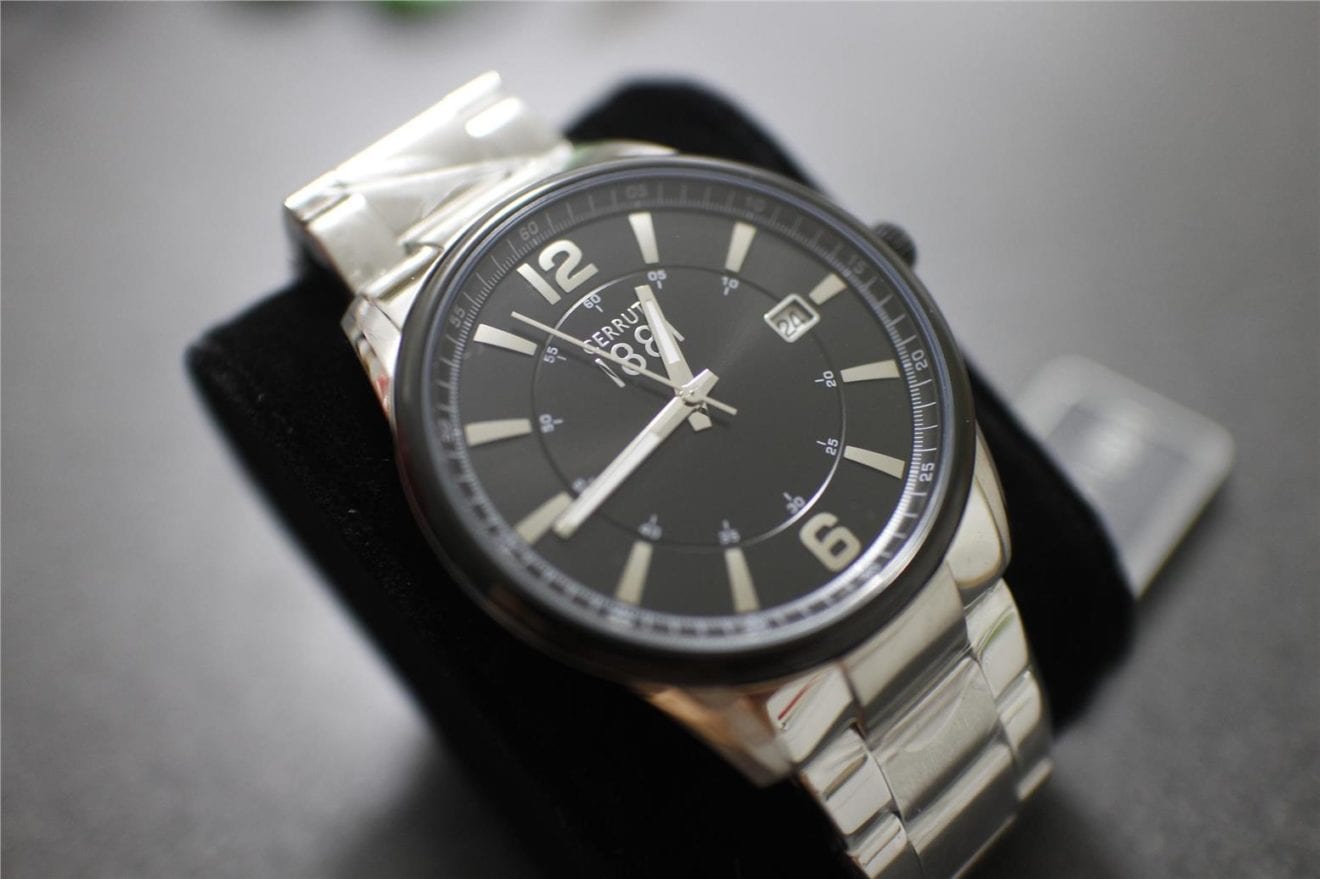
    Trinity Group, a Fung Retailing company, owns the Cerruti 1881, Kent & Curwen and Gieves & Hawkes brands and manages D’Urban under long-term licence in Greater China.

    CEO Richard Cohen says while the group took measures to mitigate against the expected lower consumer spend, the impact on same-store sales in the last quarter was far more significant than the retail sector predicted. However, the group’s overall performance was in line with that experienced by the wider high-end and premium retail sectors.

    “Our results, along with others in the industry, are disappointing but not wholly unexpected. Looking forward, we believe there are significant international wholesale, franchising and retail opportunities for the group in the long term.”

    Efficiency measures by the group last year included improvements to sourcing and inventory management. This involved a consolidation restructure, including moves to further reduce staff costs, which resulted in one-off full-year costs of HK$60 million.

    Fifty non-performing stores were closed, reducing the group’s outlets from 399 at the end of 2014 to 349.

    Cohen says the group was able to maintain gross-profit margins above 70 per cent despite the difficult retail environment.

    While maintaining its focus on the Chinese consumer, Cohen says the Trinity Group has revised its global strategy.

    “The growing middle class in China is increasingly travelling abroad, so our strategy is to continue to engage with these core customers when they travel, while also reaching out to new clientele.”

    Related to this strategy, the group signed an exclusive five-year agreement in September that will see international sports icon David Beckham play a multifaceted role in driving Trinity’s Kent & Curwen business globally.

  • Fung Group launches omnichannel retail lab

    Fung Group launches omnichannel retail lab

    Virtual-reality fitting rooms, magic mirrors and 3D printing are among innovations being trialled at a large-scale laboratory in Shanghai where businesses can experiment with omnichannel techniques and trends shaping the future of retail.

    The initiative is led by the Fung Group, the Hong Kong-based multinational with international brands and retail operations across China, and parent of sourcing giant Li & Fung.

    Named ‘Explorium’, the laboratory is being operated in partnership with data and analytics technology leader IBM, and brand activation company Pico. It is located within more than 23,000 sq m (nearly 250,000 sq ft) of trade exhibition space at LiFung Plaza, where it provides a controlled setting for businesses to observe and explore in real time how consumers interact with new technologies, products and environments.

    Brands are also using Explorium to understand opportunities in China for their products and services, based on consumer feedback collected and analysed at the laboratory. Retailers are using it to test different store concepts.

    Fung Group chairman Dr Victor Fung says the initiative is sparked by challenges occurring in retail across the world, especially in China.

    “Everything we thought we knew about how consumers decide upon what they buy, where they buy, when they buy, how they buy and how they pay is changing,” he explains.

    “Technology is the catalyst empowering consumers. The internet and mobile communications are disrupting the way consumers behave and, in so doing, providing unique opportunities for retailing to come up with new business models. Nowhere is this more evident than in China, one of the world’s most exciting, challenging retail markets.”

    Dr Fung adds that he believes the future for retail in China and globally is omnichannel – either online-to-offline (O2O) or a combination of bricks and clicks.

    “Chinese consumers are setting shopping trends globally, especially with their avid use of social media. And Shanghai is home, arguably, to China’s most vibrant, tech-savvy consumers. That is why we chose Shanghai as the launch pad for this major Fung Group initiative.”

    Participating brands and retailers are encouraged to experiment, incubate and iterate at high speed “while minimising their cost and risk,” with no preconceived ideas about which omnichannel business models would emerge from Explorium.

    IBM is gathering data in the Explorium and analysing it to help retailers “deliver personalised, relevant marketing interactions to consumers in real-time, delighting them and differentiating the retailer from the competition,” according to IBM global retail industry leader Stephen Laughlin.

    Consumers will be able to opt-in to receive offers and rewards from their favourite brands via social media and their mobile device – all tailored to their location and unique preferences.

    While children’s products such as toys are a special focus during Explorium’s first phase, it will go on to feature women’s and men’s apparel.

    “Explorium’s priority in coming months is to design, build, run and measure a greater number and variety of experiments to produce a pool of data that will enable participating brands and retailers to obtain unique insights for their individual businesses,” explains the project’s Shanghai-based director Simeon Piasecki.