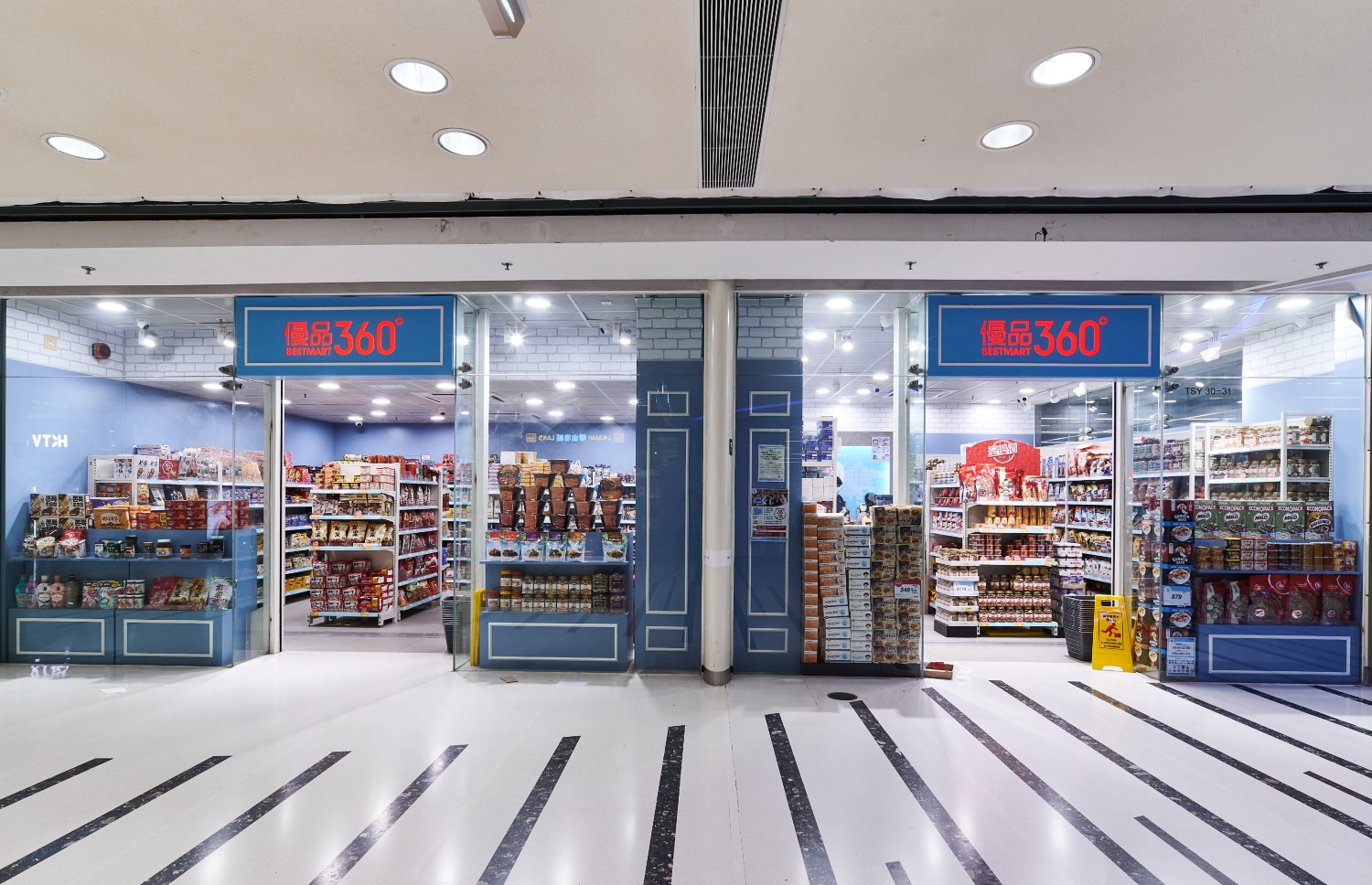
Hong Kong-headquartered, self-described “leisure food retailer” Best Mart 360 is on track to open its first store in Mainland China this month ahead of a broad expansion across the border.
The company set up a wholly-owned subsidiary in Shenzhen and relocated Hong Kong staff to open an office in the city’s Futian district earlier this year. In a statement announcing its half-year results, Best Mart 360 said the first store will open in Shenzhen later this month “with the objective of expanding its operating model to other cities in the Greater Bay Area, thereby extending the group’s sales network to the whole nation”.
The expansion plan follows a 10-per-cent increase in its Hong Kong and Macau store network to 129 stores in the year to September 30 as it sought opportunities to open in shopping centers and local residential communities instead of a previous focus on tourist areas.
In September, the company also opened the first of a new retail concept called FoodVille in Tseung Kwan O, which it describes as a global gourmet store. Responding to the consumer trend of preparing more meals at home, prompted by Covid-related restrictions on dining out, the store stocks medium-to-high-end quality food products including wines, chocolates, health foods, cheeses, western sauces and ingredients from around the world. An unspecified number of FoodVille stores in Hong Kong are planned, with the company targeting large and medium-to-high-end shopping malls in the city “as well as stores with larger area and locations with high customer traffic and population density”.
And in another expansion initiative, Best Mart 360 says it is looking to enter the B2B space by wholesaling its private-label products and other imported goods to other Hong Kong retailers, as well as distributors or retailers overseas.
Sales derived from private-label products in the company’s own stores nearly doubled during the period and now account for about 16 percent of turnover. Best Mart 360 now has 11 private labels covering more than 150 products, including masks, canned Chinese delicacies, cereals, milk, honey, nuts and dried fruits and a wide range of leisure food products.
While Best Mart 360’s Hong Kong stores have typically had small footprints, the company says it will be looking for larger sites in the future to enable it to expand its range of products and a more comfortable shopping experience for customers (Its smaller stores are renowned for being crowded.)
The retailer says it sold some 3000 SKUs from 900 brands during the period and that it is continuing to broaden its range while also discontinuing less popular products to make way for new lines. It expanded its range in the frozen and chilled food, sauces and condiments, Chinese delicacies, dairy products, and alcoholic beverage categories to meet market demand and changes for these daily household food products during the pandemic.
In the six months to September 30, Best Mart 360 recorded revenue of US$110.7 million, representing a 21.7-per-cent improvement over the same period last year, which is attributed to its expansion strategy and the optimization of its product mix. Same-store sales rose by 5.6 percent.
Profit attributable to shareholders reached $2.9 million, down from $4.58 million, year on year, a decline the company attributed to the absence of subsidy income from the Hong Kong government to support businesses through the Covid crisis. Excluding that from last year’s results, profit attributable to owners was up 56.5 percent.