Retail News CRM

Tag: gains

  • Kering’s Revenue on the Upswing: Luxury Brand’s Road to Recovery Gains Momentum

    Kering’s Revenue on the Upswing: Luxury Brand’s Road to Recovery Gains Momentum

    Kering, the luxury conglomerate that owns brands such as Gucci and Balenciaga, has noted a sequential improvement in its revenue for the first quarter, indicating that the company’s recovery is gaining momentum.

    Quarterly Revenue Trends

    The company reported a revenue of €3.568 billion (US$4.2 billion) for the quarter that concluded on March 31. This figure represents a 6% decline year-on-year on a reported basis, but remained steady on a comparable basis.

    The fashion and leather goods segment, however, witnessed a 9% reduction in sales as per reports, and a 3% drop on a comparable basis. Brands like Saint Laurent, Bottega Veneta, Balenciaga, and Brioni showcased year-on-year growth during the quarter, with North America emerging as a significant influencer of this positive trend.

    Brand Performance

    Gucci, one of Kering’s prime assets, saw a 14% dip in revenue on a reported basis, and an 8% decrease on a comparable basis. Despite a promising 8% increase in North America, declining trends in Asia-Pacific (Apac) and Western Europe overshadowed its performance.

    On the other hand, Kering’s jewelry section reported a 14% increase in sales on a reported basis and a 22% surge on a comparable basis. This rise was attributed to strong performance across key regions, with Japan and Apac leading the demand.

    Kering Eyewear also experienced growth, with a 3% increase in sales on a reported basis and a 7% increase on a comparable basis.

    CEO’s Statement

    Kering’s CEO, Luca de Meo, highlighted that the stabilizing revenue signals an essential first step towards the group’s recovery. He further added, “Nearly all our Houses delivered growth during the quarter, with a particularly strong contribution from jewelry. Gucci remains our top priority. A comprehensive turnaround is underway, with decisive actions across client, distribution, and, above all, the offer.”

    Attention to Conflict Zones

    The luxury group acknowledged the ongoing conflict in the Middle East as an area of ‘heightened attention.’ The region, with around 1100 employees and 79 stores, accounts for approximately 5% of total retail revenue. The first quarter saw an 11% decline in retail revenue in the region, following growth in the initial two months. Despite temporary disruptions in some areas, the entire retail network is currently operational, as per the company’s statement.

    Questions & Answers

    What was the overall revenue of Kering for the first quarter?
    The overall revenue for the first quarter was €3.568 billion (US$4.2 billion).

    Which brand under Kering saw significant growth in this quarter?
    The brands Saint Laurent, Bottega Veneta, Balenciaga, and Brioni reported year-on-year growth in the quarter.

    How has the conflict in the Middle East affected Kering’s retail revenue in the region?
    There was an 11% decline in retail revenue in the Middle East in the first quarter.
  • US Dollar Gains Momentum against Vietnamese Dong Amid Global Currency Shifts

    US Dollar Gains Momentum against Vietnamese Dong Amid Global Currency Shifts

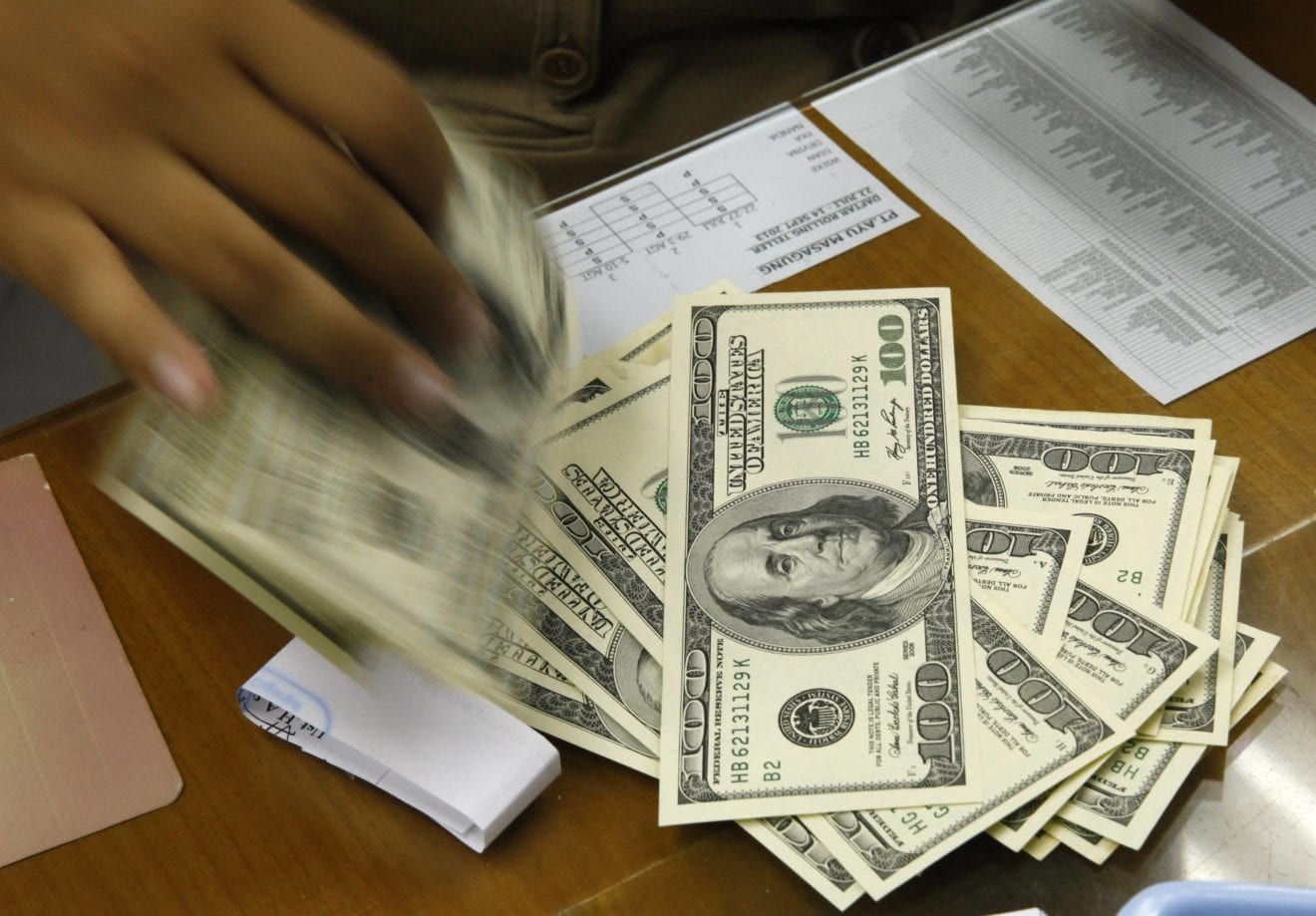
    On Wednesday morning, the US dollar experienced a surge against the Vietnamese dong while simultaneously witnessing a decline against several of its other major counterparts. In the currency exchange, Vietcombank sold the US dollar at VND26,309. This represented a marginal increase of 0.02% compared to the previous day’s rate. On the unofficial currency market, the US dollar saw a slightly larger gain of 0.1%, reaching around VND26,858.

    Monetary Policy Moves

    The State Bank of Vietnam responded to these fluctuations by increasing its reference rate by 0.02% to VND25,057. This move typically reflects the government’s effort to manage the value of the Vietnamese dong and ensure economic stability in the country.

    Global Currency Trends

    In broader international markets, Asian currencies made a recovery on Wednesday, bouncing back from losses sustained the previous day. Many investors are closely monitoring the US Supreme Court’s recent decision to block President Donald Trump’s tariffs that were imposed using emergency powers. They are also keenly observing his speeches for any potential indicators of future trade policy changes.

    The dollar index, a key benchmark used to gauge the value of the US dollar relative to a basket of other major currencies, including the yen and the euro, fell slightly by 0.05% to 97.84. In parallel, the euro saw a mild increase of 0.05%, reaching $1.1777.

    The value of the yen against the US dollar saw a modest uptick of 0.12%, reaching 155.7 per dollar. This comes after a significant drop of 0.8% on Tuesday.

    In other parts of the world, the Australian dollar experienced a rise of 0.3% to $0.7074. This followed a surge in inflation which has increased the likelihood of future rate hikes. Additionally, the New Zealand dollar saw a minor increase in its value, reaching $0.5971.

    Questions & Answers

    How did the US dollar perform against the Vietnamese dong on Wednesday?
    The US dollar saw a marginal increase against the Vietnamese dong on Wednesday, selling at VND26,309 in Vietcombank, which is a 0.02% increase from the previous day.

    How did other major currencies perform against the US dollar?
    The yen and the Australian and New Zealand dollars all strengthened against the US dollar. The yen increased 0.12%, while the Australian dollar rose by 0.3%. The New Zealand dollar also saw a minor increase.

    How did global events impact the currency market?
    Investors are closely monitoring recent decisions by the US Supreme Court and speeches from President Donald Trump for signals on future trade policy. These global events have an impact on currency movements and investors’ actions.

  • Sun PhuQuoc Airways Soars Globally: Vietnam’s Airline Gains License for International Flights, Boosts Regional Tourism

    Sun PhuQuoc Airways Soars Globally: Vietnam’s Airline Gains License for International Flights, Boosts Regional Tourism

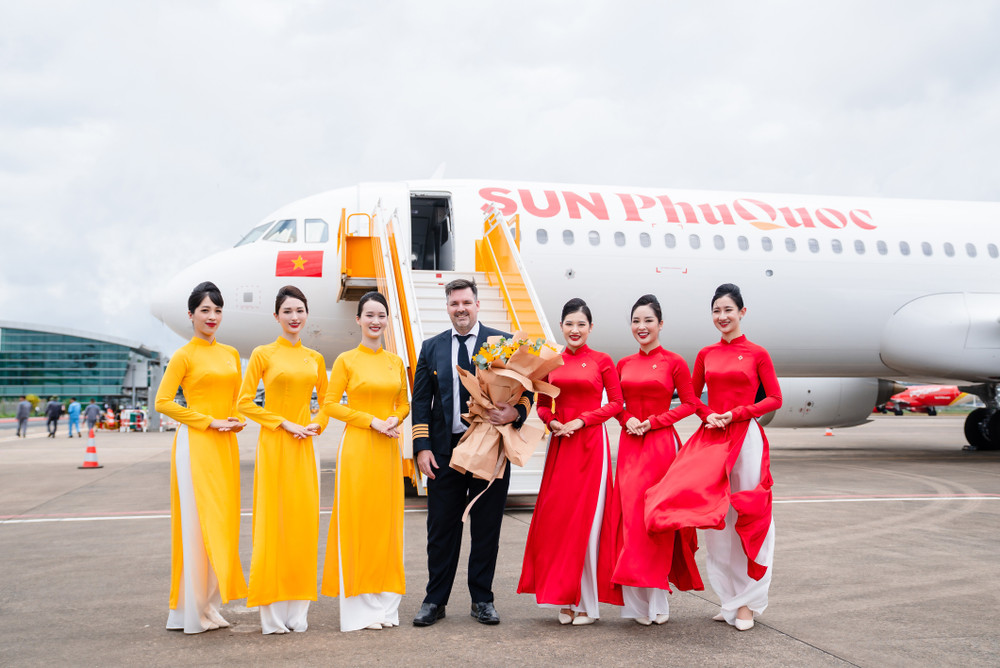
    Sun PhuQuoc Airways, a Vietnamese airline company, recently received extended certification from the Civil Aviation Authority of Vietnam, which now permits it to operate international flights. This significant development, following a stringent evaluation process involving the application of the highest safety standards, allows the airline to provide commercial flights to international destinations within the MID/ASIA region.

    Transition to International Services

    This certification marks a substantial milestone in Sun PhuQuoc Airways’ journey from being a domestic airline to becoming an international carrier. It opens up a wealth of opportunities in thriving tourism markets across the region.

    The airline is set to start offering international flights to South Korea and Taiwan in the upcoming year. Initially, the service will commence with flights from Phu Quoc to Seoul and Taipei in March, which will then be followed by flights to Busan in September and Kaohsiung in October. Tourist visits to Phu Quoc Island in Vietnam from these regions have witnessed a steady growth in recent years, making these markets a strategic choice for the airline’s expansion into major economic and tourism hubs in Northeast Asia.

    Strategic Partnerships

    To facilitate the smooth launch of its international services, Sun PhuQuoc Airways has aligned with general sales agents (GSAs) in both South Korea and Taiwan. The airline will be represented in South Korea by Pacific Air Agency, a reputable and experienced GSA group, which will be responsible for sales, distribution, and market development.

    In Taiwan, the airline has partnered with Hongyi Travel Service, a leading outbound operator and the first company to bring tourists from Taiwan to Vietnam in the 1990s. This collaboration will enhance the airline’s connectivity with the rapidly growing outbound travel market in Taiwan. These GSAs will facilitate the development of distribution networks, marketing activities, and tailored products for each customer segment before the new routes are launched.

    Fleet Expansion

    In addition to its service expansion, Sun PhuQuoc Airways has been investing in its fleet. On November 24, the airline’s fourth aircraft, an Airbus A321NX, was officially put into commercial service to accommodate the increased travel demand during peak seasons. The airline also expects to add another aircraft to its fleet this month.

    The airline views these developments as strategic steps toward establishing Phu Quoc as a new regional hub for tourism and aviation. The introduction of direct international routes will not only improve market access to two of Vietnam’s largest visitor sources but will also contribute to the integrated tourism ecosystem of Phu Quoc. Travellers will enjoy a seamless journey that encompasses flights, resorts, dining, entertainment, and leisure.

    The airline’s expansion into international markets aligns with Phu Quoc’s selection as the host city for APEC 2027. The island is making rapid strides in infrastructure and urban development projects to prepare for this global event. The airline’s growth is expected to enhance the island’s competitiveness and attract a higher calibre of visitors to Vietnam in the future.

    Questions & Answers

    What significant milestone has Sun PhuQuoc Airways recently achieved?
    Sun PhuQuoc Airways has recently been granted certification to operate international flights, marking a significant transition from being a domestic carrier to an international airline.

    Which international routes is Sun PhuQuoc Airways planning to introduce next year?
    Sun PhuQuoc Airways is planning to introduce flights to South Korea and Taiwan next year, beginning with Seoul-Phu Quoc and Taipei-Phu Quoc in March, followed by Busan-Phu Quoc in September and Kaohsiung-Phu Quoc in October.

    How is Sun PhuQuoc Airways preparing for the launch of its international routes?
    To facilitate the smooth launch of its international routes, Sun PhuQuoc Airways has appointed general sales agents in both South Korea and Taiwan to manage sales, distribution, and market development. Additionally, the airline is also expanding its fleet to meet the increased travel demand.

  • Metcash Battles Tough Trading Climate: Mixed Results and Strategic Market Gains Detailed in Interim Report

    Metcash Battles Tough Trading Climate: Mixed Results and Strategic Market Gains Detailed in Interim Report

    In the first half of the fiscal year, Metcash released a diverse range of results as the firm navigated a challenging trading period. The group’s revenue for the six months concluding on October 31 saw a slight increase of 0.1%, amounting to $8.5 billion. This figure rose to $9.6 billion, an increase of 0.4%, when charge-through sales were included.

    Segment Performance

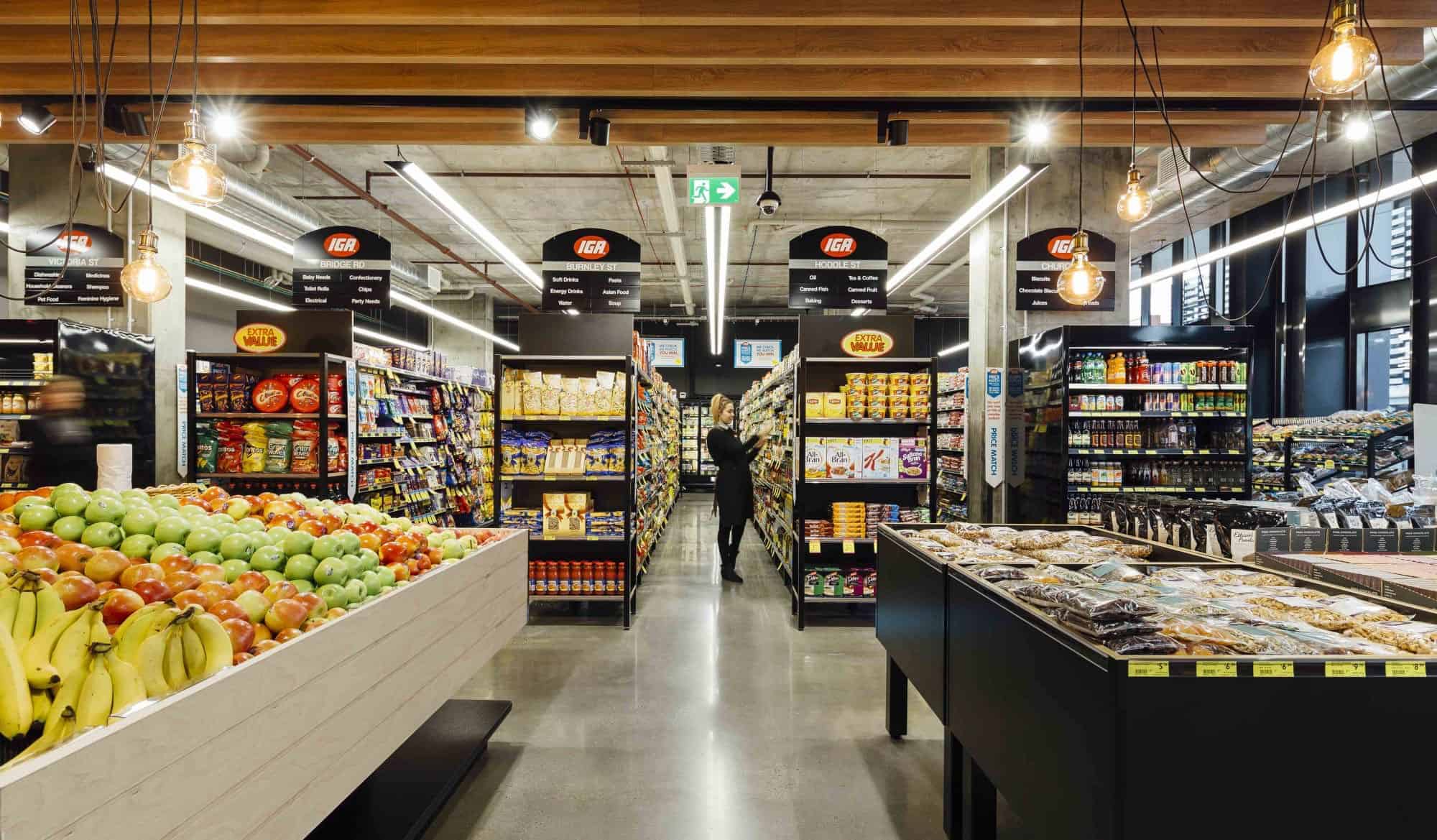
    Metcash’s food segment, with the exception of tobacco, witnessed a 7.2% surge, indicating growth in both its supermarket business (IGA) and foodservice and convenience operations (Campbells & Convenience and Superior Foods).

    However, when tobacco was included, food sales decreased by 0.8%. This decline in tobacco sales, which accelerated to 35%, was reportedly due to the implementation of new regulations in July.

    In the liquor sector, Metcash saw sales rise by 1.4%, reflecting a growth in market shares in Australian packaged liquor and a surge in wholesale sales to on-premise patrons.

    The hardware segment of the business also experienced growth, with sales rising by 2.4%. Similarly, Total Tools sales saw a 3% increase.

    Financial Outcomes

    Regarding the bottom line, the group’s EBITDA increased by 2% to $367.2 million. Contrarily, the underlying profit after tax witnessed a decline of 5.9%, amounting to $126.7 million. This decrease was due to a combination of lower hardware and liquor earnings, an increase in finance costs, and increased depreciation and amortization.

    Future Prospects

    Despite the challenging trading conditions, Metcash group CEO Doug Jones expressed satisfaction with the company’s results. According to Jones, the company has been making substantial progress in their strategy of extending through the value chain and ‘winning with independents’. This strategy presents opportunities to extend their addressable markets while also providing attractive margins.

    Jones went on to express optimism about Metcash’s future prospects, stating that the company is well set for continued success. He emphasized the company’s robustness, diversity, and resilience, as well as the considerable opportunities for accelerating growth.

    Questions & Answers

    What was the increase in Metcash’s revenue for the first half of the fiscal year?
    The revenue saw a slight increase of 0.1%, amounting to $8.5 billion.

    How did the new regulations in July affect Metcash’s tobacco sales?
    The decline in tobacco sales, which accelerated to 35%, was reportedly due to the implementation of new regulations in July.

    What is Metcash group CEO Doug Jones’s outlook for the company’s future?
    Jones expressed optimism about Metcash’s future prospects, emphasizing the company’s robustness, diversity, and resilience, as well as the considerable opportunities for accelerating growth.

  • HSBC’s Hang Seng Deal Bets on Long-Term Gains Beating CRE Risks

    HSBC’s Hang Seng Deal Bets on Long-Term Gains Beating CRE Risks

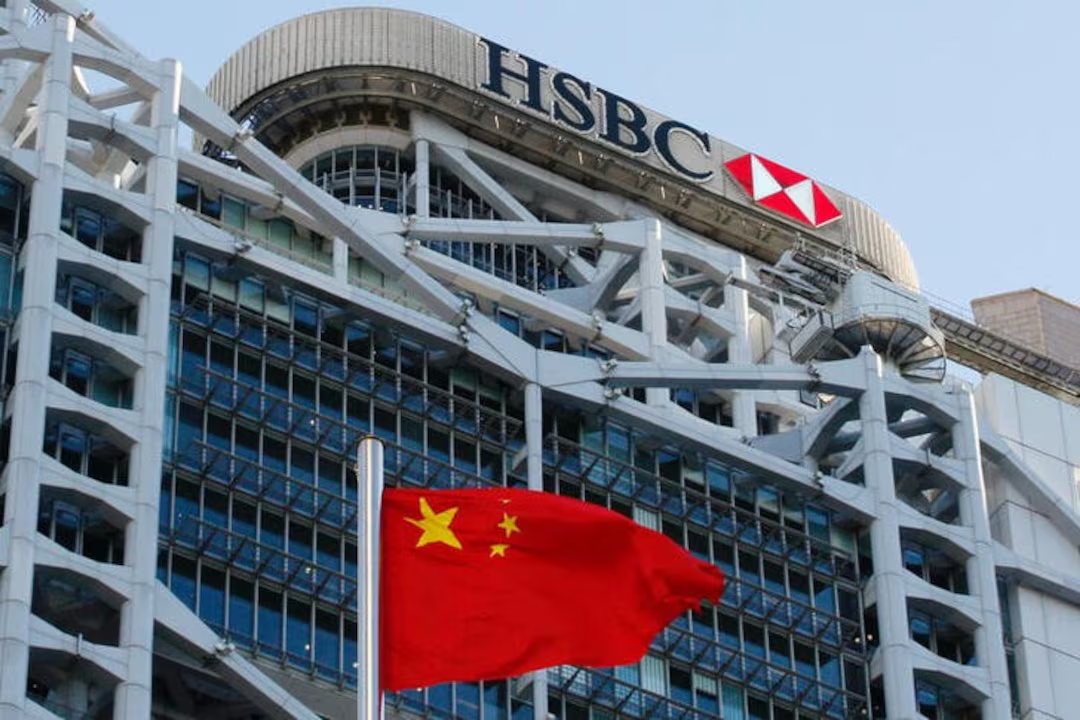
    HSBC’s recent proposal to purchase Hang Seng has raised questions due to the potential commercial real estate risk in Hong Kong. However, some experts believe that possible long-term advantages such as cost synergies may offset these concerns.

    Deal Details

    HSBC last week proposed to take over its Hong Kong-based subsidiary, Hang Seng Bank, by purchasing the remaining 37% stake currently held by minority shareholders for HK$106 billion ($13.6 billion). This transaction values Hang Seng at $155 per share, representing approximately a 30% premium at the time of the announcement. Hang Seng is expected to maintain its individual brand, banking license, and board.

    The acquisition will be entirely financed by HSBC, which plans to restore its CET1 ratio to its target operating range of 14-14.5% by generating capital organically and pausing any further buybacks for three quarters.

    Post-announcement, Hang Seng’s share price saw an increase of approximately 26%, while HSBC’s shares dropped by nearly 8%.

    Potential Bailout Concerns

    One of the most significant concerns surrounding the deal is Hang Seng’s exposure to Hong Kong’s commercial real estate (CRE) sector, which has been experiencing a sustained decline due in part to reduced rental demand and enduring vacancies. Close to half of HSBC’s Hong Kong CRE exposure is linked to Hang Seng, which reported HK$25 billion of impaired loans in the sector as of the first half of 2025.

    Reports indicate that Hang Seng was in the initial stages of selling more than $3 billion worth of property-backed loan portfolios following HSBC’s directive to its London-based global chief corporate credit officer and the head of its special credit unit to initiate such a process three months prior. Additionally, HSBC’s Hong Kong CEO Luanne Lim was appointed as Hang Seng CEO in September, replacing Diana Cesar who was promoted to Hong Kong vice chair at HSBC.

    However, HSBC CEO Georges Elhedery maintains that the deal aims to stimulate growth. He has stated that the Hang Seng transaction was not motivated by pressure to rescue the local lender and added that the British firm would consider further acquisitions in Hong Kong, with transaction banking and wealth identified as priority growth areas.

    Analysts’ Take

    The business community has offered mixed reactions to the deal, which is yet to receive approval.

    According to a UBS report, benefits could arise from increased exposure to the high return on tangible equity (ROTE) market in Hong Kong and simplified operations. However, concerns about provisions for CRE loans persist. Jefferies downgraded HSBC from a “buy” to a “hold” status after the planned $8.5 billion share buyback plan was scrapped, noting that the Hang Seng deal would have a neutral impact on earnings per share before synergies.

    Michael Makdad, a senior equity analyst at Morningstar, stated that “parent-subsidiary double listings are inherently problematic in terms of governance and in this sense, it’s a positive and long-overdue move. Of course, HSBC will need to pay a premium so it likely wouldn’t be positive in terms of my fair-value estimate for HSBC but there should be some opportunities for cost synergies.”

    Questions & Answers

    Q: What is the potential impact of the HSBC and Hang Seng deal?
    A: While increased exposure to the high ROTE market of Hong Kong and reduced operational complexity are expected benefits, there are concerns about provisions for CRE loans.

    Q: Has HSBC’s stock been affected by the announcement to buy Hang Seng?
    A: Yes, the announcement has led to an approximately 8% drop in HSBC’s share price.

    Q: Is there a risk of a bailout related to the HSBC and Hang Seng deal?
    A: There have been speculations about a potential bailout due to Hang Seng’s significant exposure to Hong Kong’s declining commercial real estate sector. HSBC’s CEO, however, maintains that the purchase is aimed at driving growth.

  • Nike Franchise Collapse Sparks Debate: Is The Retail Franchise Model Nearing Its Limits?

    Nike Franchise Collapse Sparks Debate: Is The Retail Franchise Model Nearing Its Limits?

    The franchise model has long been an effective method for expanding retail reach. However, the downfall of AF-1, an Australian franchisee that managed seven Nike stores in Sydney, has sparked questions about whether this model is reaching its limits.

    Challenges Facing Franchisees

    Operating costs are increasingly high, consumer demand is unpredictable, and the space for mistakes is shrinking. As global brands evolve at a rapid pace towards direct-to-consumer, data-informed decision-making, and experience-focused retail, franchisees that adhere to older structures and slower cycles are under strain.

    The closure of AF-1 led to more than 110 job losses, immediate store closures across Sydney, and the nullification of all existing store credits and gift certificates. This liquidation took place amidst difficult conditions for Australian retailers and marked the termination of almost twenty years of AF-1’s operations of Nike franchises in Sydney.

    Transformation of the Retail Landscape by 2025

    By 2025, the retail landscape is predicted to have undergone a significant shift, influenced by retailers’ digital integration, changing consumer expectations, and the move towards brand centralisation.

    This shift is indicative of a larger trend towards a centralised brand strategy. Here, the importance of consistency, data ownership, and customer experience surpass the benefits of decentralised franchising. Today’s consumers expect smooth, omni-channel experiences, and maintaining consistent brand standards across multiple franchises can pose a challenge.

    Although the franchise model remains feasible, it is less dominant than before, particularly for brands with the capability and resources to manage their own stores.

    The Potential Advantages of Nike Controlling Its Operations

    If Nike were to take full control of its retail stores, it could unlock significant benefits. This would mean prioritising brand control, customer experience, and data integration over rapid growth through franchising.

    A centralised brand control would enable Nike to offer a consistently premium worldwide experience, from cutting-edge store design to unified customer engagement and merchandising.

    Full ownership of data would give Nike the ability to apply insights from every customer interaction to strategic decisions, enabling a tailored customer experience. The brand would also gain operational agility, quickly introducing new technologies, sustainable practices, or innovative merchandising without dealing with delays from franchise partners.

    Direct ownership would also eliminate the need for profit-sharing with franchisees, allowing Nike to maintain higher margins and control pricing and promotions for maximum value.

    Enhancing the Nike Experience

    For consumers, store ownership by Nike would mean an improved and seamless journey, regardless of whether they are shopping online, in-store, or through the Nike app.

    Store teams directly trained by Nike would provide consistent expertise and premium service. Owned stores could offer exclusive access to unique product releases, customisation experiences, community events, and tech integrations specific to Nike’s brand ethos. The customer would also benefit from increased trust and transparency, with authenticity, ethical standards, and sustainability consistently maintained throughout the shopping experience.

    Questions & Answers

    What are the challenges facing franchisees in the retail industry?
    High operational costs, unpredictable consumer demand, and shrinking margins for error due to rapid changes in retail trends are some of the key challenges faced by franchisees.

    What are the potential benefits if Nike were to fully control its operations?
    Nike could unlock significant advantages such as prioritising brand control, customer experience, and data integration, maintaining higher margins, and controlling pricing and promotions for maximum value.

    What would store ownership by Nike mean for consumers?
    A seamless shopping journey across various platforms, consistent expertise and premium service, increased trust and transparency, and exclusive access to unique product releases and experiences would be the benefits for consumers.

  • Prada Sees 9% Revenue Boost, Credits Rising Star Miu Miu Amid Tough Luxury Market

    Prada Sees 9% Revenue Boost, Credits Rising Star Miu Miu Amid Tough Luxury Market

    Prada, a family-owned group known for its luxury fashion, recently reported a 9% spike in first-half net revenues at constant currencies. The company’s lesser-known yet rapidly growing Miu Miu brand played a significant role in this upswing, potentially signaling a positive shift in an otherwise sluggish sector.

    In terms of figures, Prada’s net revenue reached a substantial 2.74 billion euros ($3.16 billion), mirroring analysts’ expectations. This growth can be attributed to supportive performance across all regions.

    Brand Performances

    Despite the group’s overall success, the Prada brand experienced a 3.6% drop in retail sales in the second quarter. In contrast, the Miu Miu label saw a remarkable 40% increase in sales, accounting for a quarter of the group’s total revenues last year.

    Prada’s second quarter was adversely affected by reduced tourist influx into Europe and Japan, as well as unfavorable comparisons to last year’s performance. Company executives shared these insights during a conference call held after the results were announced.

    Andrea Guerra, the Chief Executive, informed analysts that he anticipates tourist traffic levels to rebound by the end of August.

    Management Changes

    In a noteworthy development, the Italian firm recently separated from Prada’s brand CEO, Gianfranco D’Attis. Guerra has temporarily assumed the additional responsibilities, with plans to retain them for an extended period. He stated, “If it is an interim (arrangement), it’s a long one.”

    Operating Profit and Future Acquisitions

    The group’s adjusted operating profit climbed 8% to 619 million euros in the first six months, falling slightly short of the 636 million euro operating EBIT projected by analysts.

    Prada Chairman Patrizio Bertelli commented on this solid performance, stating it was achieved amidst a challenging backdrop, somewhat unprecedented in our industry.

    In terms of upcoming developments, the group anticipates finalizing the acquisition of Versace from Capri Holdings between September and November this year.

    Luxury Industry Outlook

    Despite these positive developments for Prada, a robust recovery for the luxury industry remains uncertain. For instance, Gucci’s parent company, Kering, reported a 15% fall in quarterly revenues. Additionally, LVMH recorded a 4% drop in quarterly sales, and Hermes, despite a 9% sales surge, showed signs of being affected by the broader luxury downturn.

    Questions & Answers

    What accounted for Prada’s 9% increase in first-half net revenues?
    Prada’s growth in the first half was largely due to supportive performance across all regions and the exceptional growth of the Miu Miu brand.

    How has Prada’s management changed recently?
    Prada recently parted ways with its brand CEO, Gianfranco D’Attis. The company’s Chief Executive, Andrea Guerra, has taken on these additional responsibilities for the foreseeable future.

    What is the current outlook for the luxury industry?
    The luxury industry faces uncertain times. While some brands like Prada and Hermes have shown growth, others, such as Gucci and LVMH, have reported decreases in revenue. A robust recovery for the industry remains elusive.

  • EatKinda eyes US growth as cauliflower ice cream gains traction

    EatKinda eyes US growth as cauliflower ice cream gains traction

    New Zealand-based company EatKinda, which has garnered attention for its innovative cauliflower ice cream, is ramping up its expansion efforts in the United States as part of its global operational scaling.

    Established in 2023, EatKinda has pioneered a unique method for creating frozen treats. The company upcycles cauliflowers that may not be visually perfect, transforming them into plant-based ice cream. The eco-friendly approach extends to its packaging as well, with EatKinda opting for 100 per cent home-compostable tubs for its product.

    Mrinali Kumar, Co-founder and CEO of EatKinda, sees this expansion not only as a personal feat but also as an opportunity to highlight the inventive products emerging from Aotearoa, New Zealand. He emphasized the potential of building with a clear purpose in mind.

    According to EatKinda, the company’s ice cream formulation, which is free from dairy, gluten, soy, and nuts, has found favor among consumers looking for inclusive, sustainable sweet treats.

    In a strategic move, EatKinda is curbing its domestic operations to concentrate on its expansion in the US, a decision backed by investors such as Massey Ventures, WNT Ventures, and Beder Bite Ventures.

    EatKinda has made significant environmental contributions since its inception. The company has successfully redirected over 2900 kilograms of cauliflower from landfills and eliminated the necessity for over 45,000 plastic tubs through its compostable packaging.

    Questions & Answers

    What is unique about EatKinda’s ice cream?
    EatKinda’s ice cream is unique because it’s made from cauliflower, particularly those that are not cosmetically perfect, and it is free from dairy, gluten, soy, and nuts.

    What environmentally-friendly steps has EatKinda taken as a company?
    EatKinda has taken several steps to be environmentally friendly. They have diverted over 2900 kilograms of cauliflower from landfills and switched to 100 per cent home-compostable tubs for their product, eliminating the need for over 45,000 plastic tubs.

    What is the company’s focus in terms of its business operations?
    EatKinda is currently focusing on expanding its operations in the United States while curtailing its domestic operations in New Zealand. This strategic decision is backed by its investors.

  • Gold Prices Climb Higher as Global Markets Show Strong Gains

    Gold Prices Climb Higher as Global Markets Show Strong Gains

    Vietnamese gold prices saw an uptick Monday morning, reflecting a global trend as bullion rates climbed. The Saigon Jewelry Company reported a 0.68% increase, bringing its gold bar price to VND119.3 million (approximately US$4,597.04) per tael. Meanwhile, gold rings also experienced a rise, gaining 0.44% to settle at VND114.5 million per tael.

    Globally, the price of gold surged due to a softer dollar and resurgent trade tensions, particularly following U.S. Treasury Secretary Scott Bessent’s reiteration of President Donald Trump’s tariff threats, which have reignited safe-haven demand. According to Reuters, spot gold rose by 0.7% to $3,223.55 an ounce, while U.S. gold futures increased by 1.3% to reach $3,228.70.

    It’s worth noting that gold had a rough ride last Friday, shedding over 2% and experiencing its worst weekly performance since November, primarily due to increased risk appetite stemming from the U.S.-China trade agreement. However, the dollar’s decline on Monday made gold less expensive for overseas buyers, stimulating new interest.

    Tim Waterer, Chief Market Analyst at KCM Trade, commented on the recent market shifts: “The Moody’s downgrade of the U.S. credit rating and the subsequent market response has injected some energy back into the gold price.” He speculated on potential interest rate cuts from the Federal Reserve, suggesting that outcomes from Trump’s trade negotiations might play a crucial role in timing.

    Gold has long been seen as a refuge during times of political and economic uncertainty, thriving especially in low-interest-rate environments. Just when you thought the gold market was settling down, it turns out that geopolitical tensions can still stir the pot!

    Questions & Answers

    What are the current gold prices in Vietnam?
    Gold bars are priced at VND119.3 million per tael, while gold rings are at VND114.5 million per tael.

    What factors are influencing the rise in gold prices?
    A softer dollar, renewed trade tensions, and the downgrade of the U.S. credit rating have all contributed to the increased demand for gold.

    Why are low-interest rates significant for gold?
    Gold tends to perform well in low-interest-rate environments as it becomes a more attractive investment compared to interest-bearing assets.

  • VN-Index Hits New Heights with Third Consecutive Day of Gains

    Vietnam’s stock market is buzzing, with the VN-Index soaring by 1.26% to an impressive 1,309.73 points on Wednesday, marking the third consecutive session of growth. This robust performance follows a modest dip of 16.3 points, coming off a gain of 10 points the previous day. Interestingly, the index has experienced a surge in seven out of the eight trading days this month alone—quite the streak!

    Trading Activity Hits New Highs

    On the Ho Chi Minh Stock Exchange, trading volume witnessed a 10% increase, reaching VND 27.33 trillion (approximately US$1.05 billion), the highest level seen in three weeks. The VN-30 basket, which tracks the 30 largest listed companies, showcased a strong showing with 22 of its members recording gains. Among the standout performers, VPB, affiliated with private lender VPBank, remarkably hit its ceiling price.

    Tech giant FPT Corporation also made waves, with its stock climbing by 5.69%. The state-owned lender BIDV wasn’t far behind, rising by 4.61%. Yet, not all was rosy, as seven blue-chip stocks faced a decline. Vincom Retail’s VRE dropped by 2.76%, while property heavyweight Vinhomes, represented by VHM, ended 2.58% lower.

    Foreign Investment Takes Center Stage

    In a stroke of positivity, foreign investors emerged as net buyers, purchasing a net amount of VND 2.26 trillion, predominantly focusing on FPT and VPB stocks. Over on the Hanoi Stock Exchange, the HNX-Index, which features mid and small-cap stocks, edged up by 0.23%. Additionally, the UPCoM-Index for unlisted public companies increased by 0.24%.

    As the market continues to make significant gains, one can’t help but wonder: is it dancing with joy or just warming up for a more exhilarating performance?

    Questions & Answers

    What influenced the VN-Index growth recently?
    An increase in trading volume, particularly in large-cap stocks like VPBank and FPT, has significantly boosted the VN-Index.

    How have foreign investors impacted the market?
    Foreign investors have turned net buyers, acquiring a significant amount of shares, especially in top-performing companies like FPT and VPB.

    What trends are emerging in Vietnam’s stock market?
    The trend shows a strong recovery with consistent gains, indicating positive sentiment and increasing investor confidence in the market.

  • Vietnam ranks third in crypto gains

    Vietnam ranks third in crypto gains

    Vietnam ranked third globally in cryptocurrency gains last year with US$1.18 billion in profits, according to a report from U.S. crypto data provider Chainalysis.

    It was behind the U.S. ($9.36 billion) and the U.K. ($1.39 billion). China and Indonesia were in fourth and fifth places with $1.15 billion and $1.06 billion.

    Vietnam’s crypto gains were doubled that of Spain and the Philippines and triple that of Thailand.

    Eight countries recorded more than $1 billion.

    Chainalysis said the positive trends of 2023 have carried over into 2024, with notable crypto assets like Bitcoin achieving all-time highs in the wake of Bitcoin exchange-traded fund approvals and increased institutional adoption.

    “If these trends continue, we may see gains more in line with those we saw in 2021,” it said, adding that as of March 13 Bitcoin was up 65.4% and Ether was up 70.2%.

    The large crypto gains in Vietnam, however, might be enjoyed only by the minority.

    A report by Coin98 Insights earlier this year showed that 64% recorded no profit last year, with 44% of them making losses.