Tag: gambling laws

  • How Thailand’s Gambling Scene Differs From Other Southeast Asian Nations

    How Thailand’s Gambling Scene Differs From Other Southeast Asian Nations

    Southeast Asia is home to some of the most exciting countries in the world in terms of travel, culture, and industry. Many countries could be described as being conservative and traditional and because of this, gambling regulations can be relatively strict.

    Gambling laws are subject to significant differences between Southeast Asian countries, and this article will explore the differences between Thai gambling laws and those of other nearby countries.

    Thai Gambling Laws

    Gambling in Thailand is subject to strict regulations and only horse racing and the Thai Lottery are permitted. Thailand first passed a gambling act in 1930 before revising it in 1935.

    Before these acts were passed, gambling was a popular activity in Thailand, or Siam as the country was known until 1939. The country welcomed the steady immigration of Chinese settlers during the 17th and 18th centuries, and gambling helped them settle and contribute financially through taxation.

    Following the prohibition of gambling activities in the country, the government introduced a monthly lottery draw as an incentivized way to tax the public. 

    The state-backed lottery initially started as a monthly draw, before changing to bi-monthly draws in 1989. The draws typically take place on the 1st and 16th of the month with a total of 38 million tickets being made available to the public per round.

    60% of the revenue generated from the lottery is returned to players in prize money. 12% goes towards covering administration charges and management, with the remaining 28% going to the government.

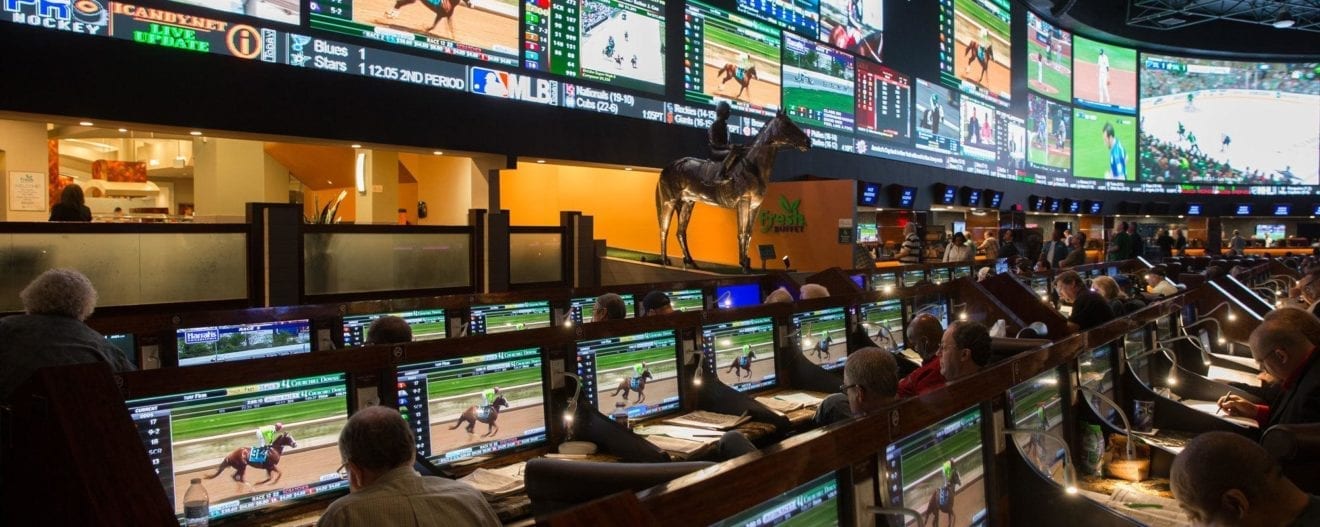
    Horseracing in the country dates back to 1897 when Siam’s King Chulalongkorn visited Europe and brought the tradition back. The Royal Bangkok Sports Club and Royal Turf Club were established in 1901 and 1916 respectively, and the sport grew in the years to come.

    Further restrictions took place after betting on horse racing was viewed as being immoral and it races were limited to being available once per week. 2018 saw Bangkok’s Royal Turf Club close and the country’s active racecourse circuit being reduced to six.

    As a traditional Buddhist country, gambling in Thailand is looked upon as being one of the four vices that can lead to ruin.

    Illegal gambling in the country is actively discouraged with the government enforcing restrictions.

    The rise in online gambling facilities has provided the people in Thailand with a loophole with online betting remaining unmentioned in Thai Law. There is still the risk that Thai law enforces regard online gambling as falling under the same regulations as traditional gambling.

    Offshore operators provide consumers with a wide variety of betting markets, including sports betting and casino games. This provides players with the opportunity to learn and enjoy a wider variety of betting options, including poker, slot machines, baccarat, and more. It is advisable to read more about each game before you start playing and to learn the regulations for the country you are playing from.

    Gambling Regulations Across Southeast Asia

    Some countries in Southeast Asia operate strict gambling policies that make gambling completely illegal for citizens and visitors. Indonesia and Brunei do not permit any form of gambling.

    Other countries recognise the value in allowing visitors to place bets and visit casinos, and Cambodia and Vietnam offer some forms of betting to tourists. 

    Some forms of betting in the Philipines, Myanmar, Laos, Singapore, and Malaysia are legal and these countries see great returns in revenue from legal betting operators every year.
     

  • Comparing Malaysia’s Gambling Scene to the Rest of Southeast Asia

    Comparing Malaysia’s Gambling Scene to the Rest of Southeast Asia

    Southeast Asia is home to many traditional, conservative countries, meaning their stances toward gambling are a bit sterner than those of most countries in the Western hemisphere. However, this region is far from homogenous. The situation differs from country to country, while online and offshore gambling are a story of their own.

    Still, where does Malaysia fit into all this? Perhaps even more importantly, how does it fare against some of its neighbors regarding the gambling scene?

    What form of gambling is legal in Malaysia?

    The only legal forms of gambling in Malaysia are betting on horse races (since 1961) and playing lotteries (since 1952). Sports betting, however, is illegal (both retail and online).

    Now, while online sites are illegal as long as they’re hosted in Malaysia, locals are not prohibited from offshore betting. For instance, a Malaysian can choose some of the apps in this list and legally play one of many typical casino games online or bet on their favorite sporting events.

    The same thing goes for the majority of countries in Southeast Asia, with a few exceptions. For instance, in Singapore, there’s a sort of state monopoly on online betting, while in the Philippines, everything is legal.

    Overall, online betting is hard to regulate, so local authorities usually ignore offshore betting, making it a very popular option.

    Casinos

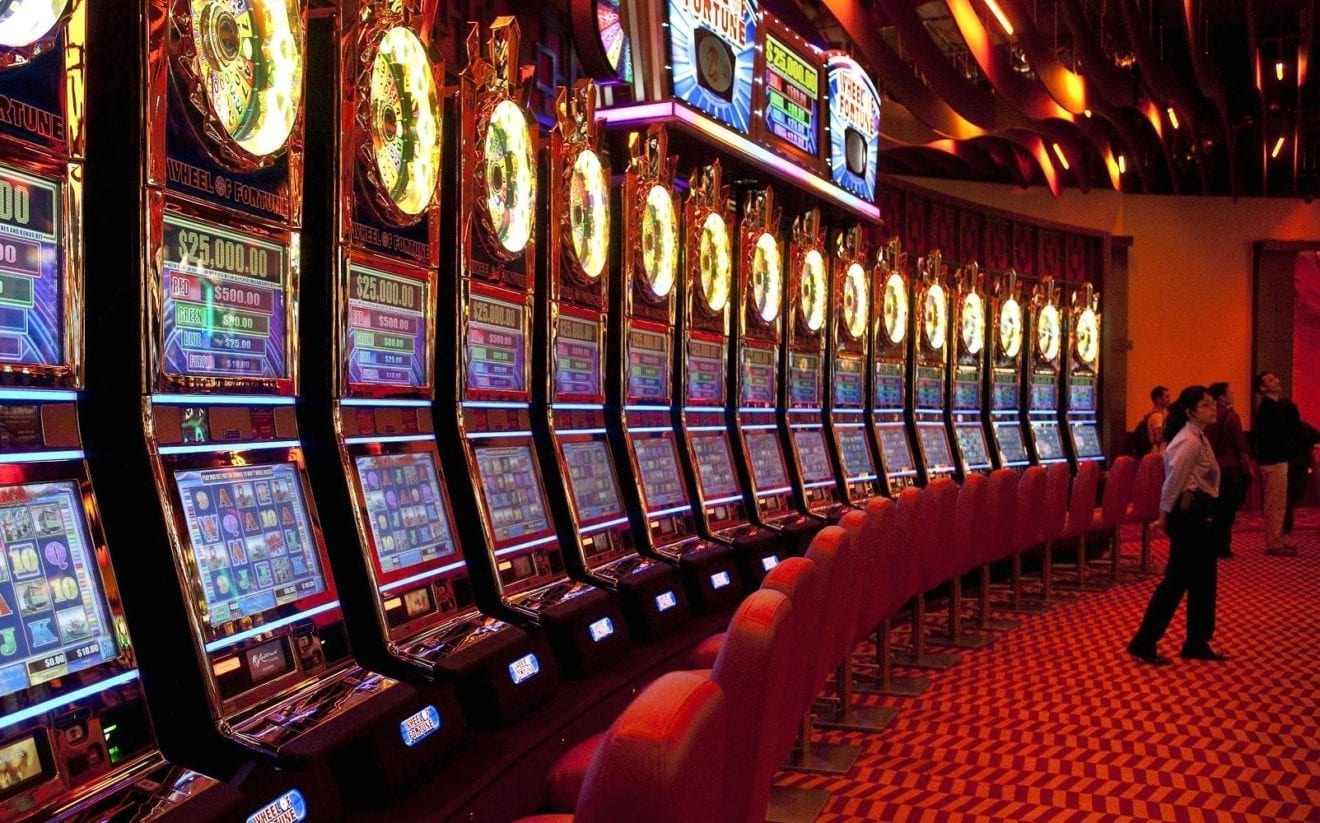
    While betting is mostly illegal in Malaysia, casinos are regulated (under some rules that we’ll discuss later). So, it’s home to Genting Resort Malaysia. Sure, it’s just this one casino, but it’s a behemoth with over 3,000 slot machines and over 400 gaming tables.

    In fact, in the whole of South East Asia, there are only three countries that directly ban casinos:

    • Thailand
    • Indonesia
    • Brunei

    Given the royal family’s proclivity for gambling, some find the last part particularly interesting.

    In Laos, casinos are legal in special economic zones only. Still, locals are not accepted. The same thing goes for betting, in general.

    Also, remember that Southeast Asia is relatively close to Macau (the Vegas of the East). Needless to say, it’s hard for anyone to deal with such competition in gambling.

    Is Malaysia a popular destination for gamblers?

    Not exactly!

    As we’ve already explained, outside of one casino (albeit gigantic) and the national lottery, there’s not much legal gambling in Malaysia.

    Tourists who are interested in gambling destinations in Southeast Asia are more likely to visit:

    • Sihanoukville in Cambodia
    • Entertainment City in the Philippines

    While it’s hard to pinpoint the exact numbers (due to flawed methodology), it’s widely believed that these two countries have the region’s highest number of gamblers per capita. Now, there’s a reason why this is so hard to determine. Namely, in most countries in Southeast Asia, gambling is illegal for locals either way. So, it’s hard to find someone who openly admits (even anonymously) that they’ve partaken in this activity.

    For instance, in Cambodia, while casinos are regulated, all other forms of gambling are illegal. Moreover, betting in these casinos is only legal for visitors, while locals are not accepted.

    Most countries in Southeast Asia have similar rules where they regulate casinos but don’t allow locals. In Malaysia, for instance, while casinos are regulated, Muslims are prohibited from participating. In this scenario, the prohibition is based on one’s religion, not regionality.