Tag: game-changing

  • Google Chrome Enhances User Experience with Game-Changing Vertical Tabs and Full-Page Reading Mode

    Google Chrome Enhances User Experience with Game-Changing Vertical Tabs and Full-Page Reading Mode

    Google has introduced two new features to its Chrome browser, aiming to elevate the user experience. These additions, which include vertical tabs and a full-page reading mode, have been available on other browsers, but Chrome users can now avail of these options.

    Introduction of Vertical Tabs

    Google’s Chrome browser now supports vertical tabs, a feature that arranges open tabs in a sidebar format rather than a row at the top. While previously available through advanced settings in recent Chrome builds, the feature is now easily accessible to all users. The “Show Tabs Vertically” option can be activated by right-clicking on any Chrome window.

    This new perspective offers an organized list of tabs on the side, effectively moving the address bar higher up in the window. This adjustment allows for additional vertical space for browsing. Furthermore, this innovative feature makes navigating through tabs significantly easier, making it an appealing addition for power users.

    One can further customize their browsing experience by diminishing the tabs sidebar to display only the websites’ favicons. This option virtually eliminates the Chrome interface, thus promoting a minimalist user experience.

    Full-Page Reading Mode

    The second feature that Google has introduced is a comprehensive page reading mode. As the name suggests, this mode eliminates any unnecessary elements on a webpage, thus creating a more reader-friendly view.

    Users can activate this mode by right-clicking on a page and selecting the “Open in reading mode” option.

    Keeping Pace

    The concept of vertical tabs is not a novel one. They have gained popularity through other modern web browsers that adopt a more minimalist approach. However, Google’s introduction of this feature allows users to maximize their horizontal screen space more efficiently, providing more room for vertical scrolling.

    The vertical tabs feature has been a significant factor in retaining users for competing browsers. Its ease of navigation and efficiency are touted as major benefits.

    With these new additions, Google hopes to replicate this success and potentially re-attract users who have migrated to other browsers.

    Questions & Answers

    How can I activate vertical tabs on Google Chrome?
    You can activate vertical tabs by right-clicking on any Chrome window and selecting the “Show Tabs Vertically” option.

    What is the new reading mode feature on Google Chrome?
    The new reading mode feature eliminates unnecessary elements on a webpage, thus creating a more reader-friendly view. This mode can be activated by right-clicking on a page and selecting the “Open in reading mode” option.

    What benefits do vertical tabs offer?
    Vertical tabs offer a more organized, efficient browsing experience by providing a list of tabs on the side rather than the top. This adjustment allows for additional vertical space for browsing and promotes ease of navigation.
  • Coming Soon: WhatsApp’s Game-Changing Feature to Revolutionize Your Messaging Experience

    Coming Soon: WhatsApp’s Game-Changing Feature to Revolutionize Your Messaging Experience

    WhatsApp, a messaging app widely used across the globe with over a billion downloads on both the App Store and Play Store, is known for its unique features, including high-quality image sharing, chat lock, and built-in integration with Meta AI. Despite these capabilities, there is one feature missing that is common in most messaging platforms: message scheduling. Fortunately, the implementation of this feature is on the horizon.

    Meta Takes Action

    In recent times, Meta has rolled out a series of significant updates to WhatsApp, which include a redesigned status section and enhanced privacy measures. Now, the company is turning its attention to the long-awaited message scheduling feature, which is predicted to be a highly anticipated upgrade.

    This inclusion was recently detected in a TestFlight beta of the WhatsApp iOS app, hinting that development is actively in progress and hinting at its imminent launch on the stable build. Accompanying this discovery, a screenshot of the Group Info interface has been circulated, displaying the Scheduled Messages option as part of the available features.

    The scheduling feature will provide the ability to compose a message and set it to be sent at a later time. This could be particularly useful in scenarios where you want to send a birthday message at midnight but are concerned about forgetting due to other obligations. The scheduling feature enables the user to pen the birthday greeting and set it to be delivered at the desired time.

    Rival Platforms Ahead of the Curve

    WhatsApp has a host of competitors, including Signal, Messenger, iMessage, and notably, Telegram. Unlike WhatsApp, Telegram has had the ability to schedule messages since 2019.

    Notably, Telegram also offers a “Repeat” function that enables users to schedule a specific message to be sent automatically at regular intervals. This feature is incredibly useful for sending recurring reminders or tasks. It remains unknown if WhatsApp will also provide this additional functionality or simply stick with the basic scheduling feature.

    Interestingly, Instagram — another Meta-owned platform — already includes the ability to schedule messages for later delivery.

    Early Stages of Development

    While the feature is in the pipeline, it is still in early developmental stages. When development is finalized, it will be made accessible to a select group of beta testers who will share feedback and relay their user experience. Upon completion of this phase, the feature will be made available to all users. However, it is estimated that several weeks remain before the scheduling feature becomes an integral part of WhatsApp’s day-to-day operation.

    Questions & Answers

    What is the new feature being added to WhatsApp?
    Answer: WhatsApp is adding a message scheduling feature, allowing users to compose a message and set it to be sent at a later time.

    When was this feature first introduced by WhatsApp’s competitor, Telegram?
    Answer: Telegram introduced message scheduling in 2019.

    What is the current status of the development for this feature on WhatsApp?
    Answer: The message scheduling feature is in its early stages of development on WhatsApp and will soon be tested by a select group of beta users. A general roll-out is expected to follow in the upcoming weeks.

  • Oppo Outpaces Samsung: Next Flagship Phone May Introduce Game-Changing Qi2 Magnetic Wireless Charging

    Oppo Outpaces Samsung: Next Flagship Phone May Introduce Game-Changing Qi2 Magnetic Wireless Charging

    Wireless charging continues to be a topic of contention for modern smartphone users. The feature provides the convenience of powering up your device without the need for cables. However, past experiences have proven to be less than satisfactory. This started to shift with the introduction of Apple’s MagSafe, leading to the development of Qi2. The latter is anticipated to gain more widespread acceptance in the near future.

    Potential Adoption of Qi2 by Oppo

    The launch of the Oppo Find X10 series is anticipated to be months away, but initial whispers about the device have begun to circulate. Speculation suggests that the new smartphone may incorporate magnetic wireless charging. The exact features are not clear at this time, but there is a possibility that the device could support Qi2 upon its launch in the latter half of 2026.

    Assuming these rumors hold true, Oppo will be the first Chinese smartphone manufacturer to incorporate magnets into their device. This will enable the Find X10 series to be compatible with the magnetic accessories that are part of Apple’s MagSafe and Google’s Pixelsnap ecosystem. However, there is still uncertainty as to whether the devices will support the latest Qi2.2 standard.

    Missed Opportunity by Samsung

    Apple and Google are currently the only major brands that offer smartphones equipped with built-in magnets. Samsung had been rumored to include native Qi2 support in their upcoming flagship, the Galaxy S26 Ultra. Despite this, recent leaks of potential official cases for the device suggest that there will not be integrated magnets.

    Apple stands as a pioneer in terms of magnetic wireless charging, having introduced MagSafe with the iPhone 12 series. Google has followed suit, launching its Pixelsnap system with the Pixel 10 series. However, no other major brand currently supports built-in magnetic charging.

    Samsung’s Galaxy S25 series and the Galaxy Z Fold 7, Galaxy Z Flip 7, and Galaxy Z Flip 7 FE are all Qi2-Ready. This means that users can purchase a Qi2-Ready case for these devices and take advantage of the improved charging speeds provided by the magnets in the case.

    The Oppo Find X9 series, which includes the Find X9 Pro and the upcoming Find X9 Ultra, support wireless charging. However, they do not have magnets and are not Qi2-Ready. Despite this, the Find X9 Pro outperforms the wireless charging speeds of the Galaxy S25 by offering 50W wireless charging, as opposed to Samsung’s 15W.

    While Oppo is not available in the US, OnePlus, another brand under the same company, is sold stateside. If past trends hold, we may see features from the Find X series make their way to OnePlus devices. This could be a major selling point for a brand that has been struggling recently.

    Questions & Answers

    What is the expected feature of the Oppo Find X10 series?
    The Oppo Find X10 series may include magnetic wireless charging, potentially supporting Qi2.

    Which major brands currently offer smartphones with built-in magnets?
    Currently, only Apple and Google offer smartphones with built-in magnets.

    Do the Oppo Find X9 series devices support wireless charging?
    Yes, the Oppo Find X9 series devices do support wireless charging, but they do not have built-in magnets, nor are they Qi2-Ready.

  • Game-Changing Telenor Pakistan Sale Complete: PTCL Takes Reigns in Boost to Telecom Sector

    Game-Changing Telenor Pakistan Sale Complete: PTCL Takes Reigns in Boost to Telecom Sector

    The Telenor Group, a leading global telecommunications company, recently finalized its sale of Telenor Pakistan to Pakistan Telecommunication Company Limited (PTCL), a member of the international technology conglomerate e&. The transaction, first announced on December 14, 2023, saw Telenor Pakistan valued at NOK 5.3 billion on a cash-and-debt-free basis. The completion of the transaction certifies this valuation, reaching NOK 5.4 billion when factoring in currency rates from September, subject to any final adjustments to be made at year’s end.

    An Overview of the Transaction

    In addition to the finalized sale, Telenor has also acknowledged receipt of NOK 0.9 billion in cash flow from Telenor Pakistan since the announcement of the transaction. For the past two decades, Telenor Pakistan has been a crucial player in providing digital services and connectivity to over 40 million customers. A significant achievement for the company is its introduction of 4G technology in regions that had previously been underserved, thereby promoting digital inclusion throughout Pakistan.

    Telenor Pakistan’s array of products and services have played a significant role in boosting key economic sectors in Pakistan. These sectors span agriculture, banking, and technology freelancing communities. A noteworthy aspect of the company’s journey has been its commitment to empowering local communities through initiatives focused on promoting safe internet use, digital skills, and mobile identity, thereby encouraging responsible connectivity and digital inclusion across the nation.

    Leadership Remarks on the Sale

    Benedicte Schilbred Fasmer, CEO of Telenor Group, commented on the transaction’s completion:

    “Finalizing this transaction signifies Telenor Group’s strategic emphasis on being an active owner of top market positions in Asia, while simultaneously facilitating consolidation and innovation in Pakistan’s telecom sector. As we conclude this sale today, I extend my heartfelt gratitude to our customers, partners, and, particularly, our workers who have been integral to this remarkable journey. Your unwavering support and faith in our mission have brought about transformative changes in Pakistan’s economy and society.”

    Jon Omund Revhaug, Head of Telenor Asia, also expressed his sentiments:

    “Our Telenor Pakistan team members have proven themselves to be genuine trailblazers. Their resilience, innovation, and unwavering commitment have not only propelled the company’s growth but have also had a profound impact on millions of Pakistanis nationwide. Your invaluable contributions have positioned Telenor Pakistan as a model of progress and inclusion. As you embark on this new chapter, your legacy will continue to inspire and shape the future of Pakistan’s digital society.”

    In conclusion, Telenor Group extends its appreciation to the more than 40 million customers of Telenor Pakistan, the partners who collaborated to deliver services, and the employees whose commitment and innovative ideas have shaped the company’s impressive legacy.

    Questions & Answers

    What was the valuation of Telenor Pakistan at the time of the sale?
    The company was valued at NOK 5.3 billion on a cash-and-debt-free basis.

    What has been Telenor Pakistan’s impact on the country’s digital inclusion?
    Telenor Pakistan has provided essential connectivity and digital services to over 40 million customers. This includes bringing 4G technology to underserved areas, thereby promoting digital inclusion throughout Pakistan.

    What sectors has Telenor Pakistan influenced?
    Telenor Pakistan’s products and services have boosted key economic sectors in Pakistan, such as agriculture, banking, and the technology freelancing communities.

  • Telkomsat Joins Forces with Space42: A Game-changing Leap Towards Universal 5G D2D Connectivity

    Telkomsat Joins Forces with Space42: A Game-changing Leap Towards Universal 5G D2D Connectivity

    Space42 and PT Telkom Satelit Indonesia (Telkomsat) have agreed upon a memorandum of understanding (MoU) that intends to investigate the potential of direct-to-device (D2D) connectivity collaboration. The partnership will utilize Equatys, a joint initiative of Space42 and Viasat, which was created to ensure seamless 5G connectivity across both satellite and terrestrial networks. This partnership aligns with the objectives of both companies to enhance D2D connectivity beyond conventional infrastructure, leading to a unified communication experience.

    Equatys: Bridging Connectivity Gaps

    Equatys was launched in September 2025 to solve connectivity issues by implementing a 3GPP Release 17+ non-terrestrial network (NTN) framework. It supports over 100MHz of harmonized global mobile satellite services (MSS) spectrum, which allows standard smartphones and IoT devices to connect directly with satellites. This extends seamless 5G access to over 180 markets globally.

    Exploring Potential Collaboration Areas

    The MoU signed by Telkomsat and Space42 is a commitment to explore potential collaboration areas related to NTN and D2D connectivity. This includes examining the possibilities of technical integration to assess the feasibility of technical, commercial, and regulatory cooperation related to D2D and satellite-enabled communication services. This will involve adjusting network infrastructure to ensure a seamless handover between terrestrial and satellite systems without the need for additional hardware and setting service benchmarks for latency, bandwidth, and reliability. Moreover, the partnership will also help to develop new 5G NTN capabilities, ensure local regulatory and security compliance, and uphold data privacy to meet both regional and international standards.

    Joint Innovation Labs and Pilot Programs

    In addition to the above, joint innovation labs and pilot programs will be established to test new technologies, enhance service capabilities, conduct field trials, and assess interoperability with existing 4G and 5G networks. Equatys will be the medium through which Telkomsat can provide improved user experiences, supporting its leading market position as a technology provider.

    Executives’ Statements

    Ali Al Hashemi, CEO of Space Services at Space42, highlighted the importance of this partnership, stating that Equatys represents the future of global connectivity as it addresses current gaps that leave billions unserved by terrestrial networks. On the other hand, Lukman Hakim Abd Rauf, CEO of Telkomsat, reiterated that satellite-based connectivity is crucial to the national network architecture, especially to ensure reliable communication in distant areas.

    The Future of Universal Connectivity

    Operating as a shared “space tower” company, Equatys uses a multi-tenant towerco model that minimizes redundant capital expenditure while offering cost-efficient capacity to multiple operators. Its architecture is designed to serve three market segments through a scalable, infrastructure-grade network, namely D2D, IoT, and MSS. By incorporating this scalable infrastructure with Telkomsat’s accessible markets, Equatys will transition from a mere concept to a commercial venture, transforming universal connectivity into a shared growth opportunity.

    Questions & Answers

    What is the purpose of the partnership between Space42 and Telkomsat?
    The partnership aims to explore potential collaboration areas related to non-terrestrial network (NTN) and direct-to-device (D2D) connectivity.

    What is Equatys and what is its role in this partnership?
    Equatys is a joint initiative between Space42 and Viasat designed to provide seamless 5G connectivity across both satellite and terrestrial networks. It will be a key tool in this partnership, allowing Telkomsat to offer enhanced user experiences.

    What is the significance of this partnership?
    The collaboration between Space42 and Telkomsat represents a new model for universal connectivity and has the potential to transform universal connectivity into a shared growth opportunity.

  • Tesla Shifts Gears: Embracing Apple CarPlay in Game-Changing Move

    Tesla Shifts Gears: Embracing Apple CarPlay in Game-Changing Move

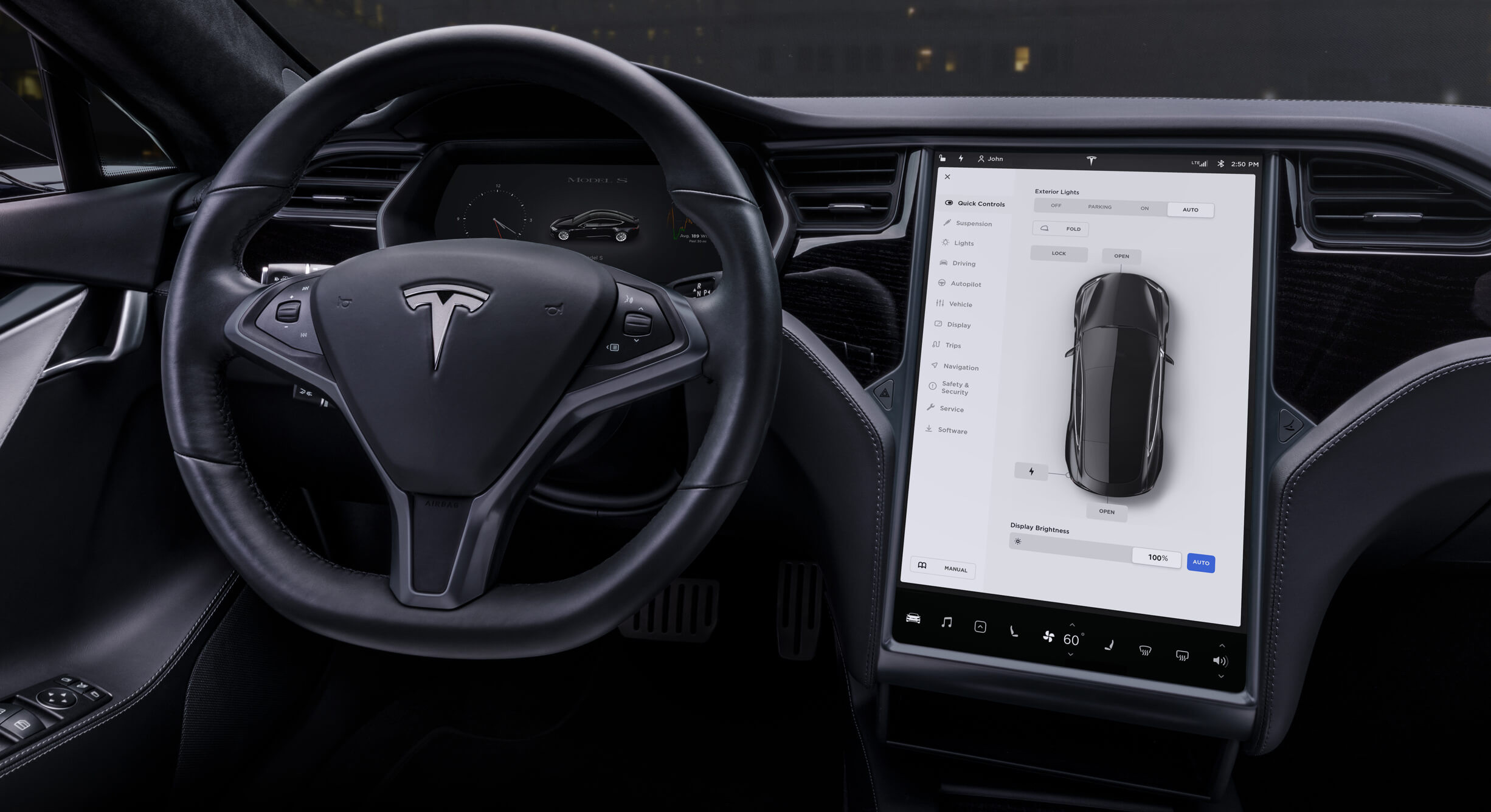
    Tesla, a renowned auto manufacturing powerhouse, is said to be on the cusp of incorporating Apple CarPlay into its vehicles. This decision is a significant shift from the stance of Tesla’s CEO, Elon Musk, who had previously opposed the integration of Apple’s entertainment system into Tesla cars.

    Tesla and Apple’s Gradual Convergence

    iPhone-using Tesla drivers have long awaited the integration of Apple CarPlay into their vehicles. Over the years, Tesla has been gradually integrating components of Apple’s ecosystem into its models. In 2022, it incorporated Apple Music, followed by the addition of Apple Podcasts in 2023. However, offering full CarPlay integration remained a stubborn line the company wouldn’t cross.

    This situation is on the verge of changing, however. Reportedly, Tesla is gearing up to launch full support for CarPlay, a move expected to occur in the coming months. For Tesla drivers immersed in the Apple ecosystem, this is a welcome development. It enables them to use their iPhone’s mapping, music and messaging applications seamlessly on the vehicle’s large display, offering what many consider a long-desired feature.

    Why the Change in Tesla’s Stance?

    Elon Musk’s resistance to CarPlay integration has been reportedly linked to the protection of Tesla’s proprietary infotainment system, a key aspect of the vehicles’ user experience. So, what caused this change in attitude? The primary reason appears to be the increasing competition in the electric vehicle market.

    Reports indicate that the evolving electric vehicle landscape has prompted this shift in Tesla’s strategy. The absence of CarPlay has increasingly become a notable drawback as global competition intensifies, potentially affecting Tesla’s sales. The expected standard of vehicle integration has been established by CarPlay, and its exclusion is a conspicuous deficit.

    Another contributing factor is Apple’s decision to halt its car production ambitions. It is speculated that Musk would have held out on integrating CarPlay if Apple continued to be a direct competitor in the car industry. However, with the absence of this potential threat and with sales targets to meet, Tesla has deemed it necessary and strategic to integrate the Apple system.

    Tesla Embraces the ‘If You Can’t Beat ‘Em, Join ‘Em’ Philosophy

    Tesla seems to be adopting the old adage: ‘If you can’t beat ’em, join ’em.’ Many believe this move has been long overdue. While slick, Tesla’s native system is not an iPhone. The advantage of CarPlay lies in its seamless, effortless integration with the device many people use for their entire digital life.

    Forcing users to use a different proprietary system for navigation and media, despite its high quality, creates friction. The persistent opposition to CarPlay has often been perceived as a personal vendetta rather than a decision made with the user’s best interests in mind. By integrating CarPlay, Tesla is improving the user experience for drivers by eliminating a major point of frustration and making their high-tech cars feel truly connected to the driver’s digital life.

    Questions & Answers

    Why has Tesla decided to integrate Apple CarPlay into its vehicles?
    This decision is primarily motivated by increasing competition in the electric vehicle market and the need to meet customer expectations for seamless, device-integrated experiences.

    Wasn’t Elon Musk resistant to integrating Apple CarPlay into Tesla vehicles? What changed?
    Reportedly, Musk’s resistance was rooted in the protection of Tesla’s own proprietary infotainment system. However, the evolving electric vehicle landscape and Apple’s withdrawal from car production have necessitated this strategic adjustment.

    What does the integration of Apple CarPlay into Tesla vehicles mean for drivers?
    The move means that drivers can now enjoy a seamless connection between their iPhones and their vehicles, using their favorite maps, music, and messaging apps directly from the car’s display, enhancing the driving experience and usability of the vehicle.

  • Elon Musk’s Starlink Takes Flight in Maharashtra: A Game-changing Leap for Rural Connectivity in India

    Elon Musk’s Starlink Takes Flight in Maharashtra: A Game-changing Leap for Rural Connectivity in India

    In an unprecedented move to combat the digital divide in India, the state of Maharashtra has pioneered a partnership with Elon Musk’s Starlink, a satellite-based internet service. The state government formalized this collaboration by signing a Letter of Intent (LoI) with Starlink Satellite Communications Private Limited. This is the illustrious debut of the SpaceX-affiliated venture in India.

    Expanding Internet Access

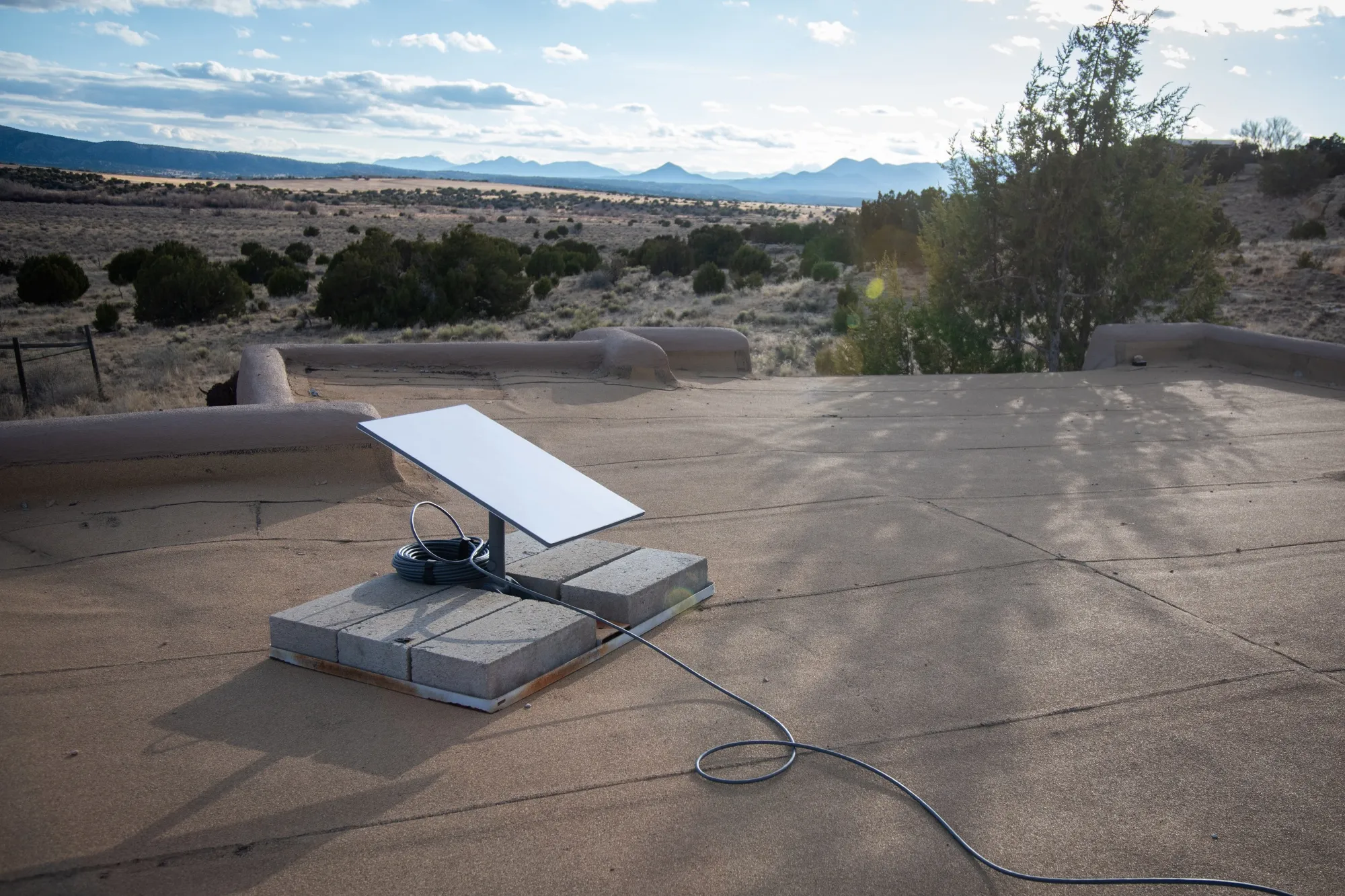
    The plan is to install Starlink’s satellite broadband across rural and remote sections of Maharashtra, thus offering high-speed, low-latency internet access to government bodies, public facilities, and neglected districts. This includes locations such as Gadchiroli, Nandurbar, Dharashiv, and Washim. This initiative is in line with the state’s Digital Maharashtra Mission, which seeks to ensure digital inclusivity across the state and enhance various sectors such as e-governance, education, healthcare, and intelligent agriculture.

    Devendra Fadnavis, the Chief Minister of Maharashtra, expressed his excitement about Starlink, stating it is a leading company in the ICT sector. He expressed his honor at welcoming the company to India and its partnership with Maharashtra.

    Improving Connectivity

    The collaboration between Maharashtra and Starlink is anticipated to dramatically improve connectivity in regions with challenging landscapes and inadequate telecommunication infrastructure. By utilizing low-Earth orbit (LEO) satellites, Starlink is capable of providing stable internet in areas where installing fiber or setting up mobile towers is not economically or logistically feasible. Officials have stated that the service will also heighten disaster response and emergency communication networks, especially in areas prone to floods or forested regions.

    As Starlink prepares to fully launch in India by the beginning of 2026, it plans to construct nine satellite gateway stations across India, including in Mumbai, Noida, Kolkata, Chandigarh, and Lucknow, to ensure uninterrupted national coverage. Starlink operates the world’s largest communications satellite network, boasting over 6,000 LEO satellites in orbit and providing broadband access in more than 70 countries.

    Competing in the Broadband Market

    Starlink is set to directly challenge Jio Satellite Communications and Eutelsat OneWeb, who are both undertaking comparable rural and enterprise broadband projects in India. Industry experts view the partnership between Maharashtra and Starlink as a significant development in India’s digital inclusion efforts, especially as the government is expediting the BharatNet project and advocating for universal high-speed internet access. If Maharashtra’s strategy proves successful, it could serve as a model for other Indian states and could potentially widen Starlink’s reach across the country’s most secluded regions.

    Questions & Answers

    What is the aim of Maharashtra’s partnership with Starlink?
    The goal of the partnership is to provide high-speed, low-latency internet access to rural and neglected areas in Maharashtra, aiding in the digital inclusion efforts of the state.

    How will Starlink improve connectivity in remote areas?
    Starlink aims to improve connectivity by using low-Earth orbit satellites to provide stable internet in areas where it is not feasible to install fiber or establish mobile towers.

    What are the broader implications of this partnership for India?
    If successful, the partnership could serve as a model for other states in India, expanding high-speed internet access and digital inclusivity efforts across the country.