Tag: gamification

  • Burberry launches online game Ratberry before Chinese New Year

    Burberry launches online game Ratberry before Chinese New Year

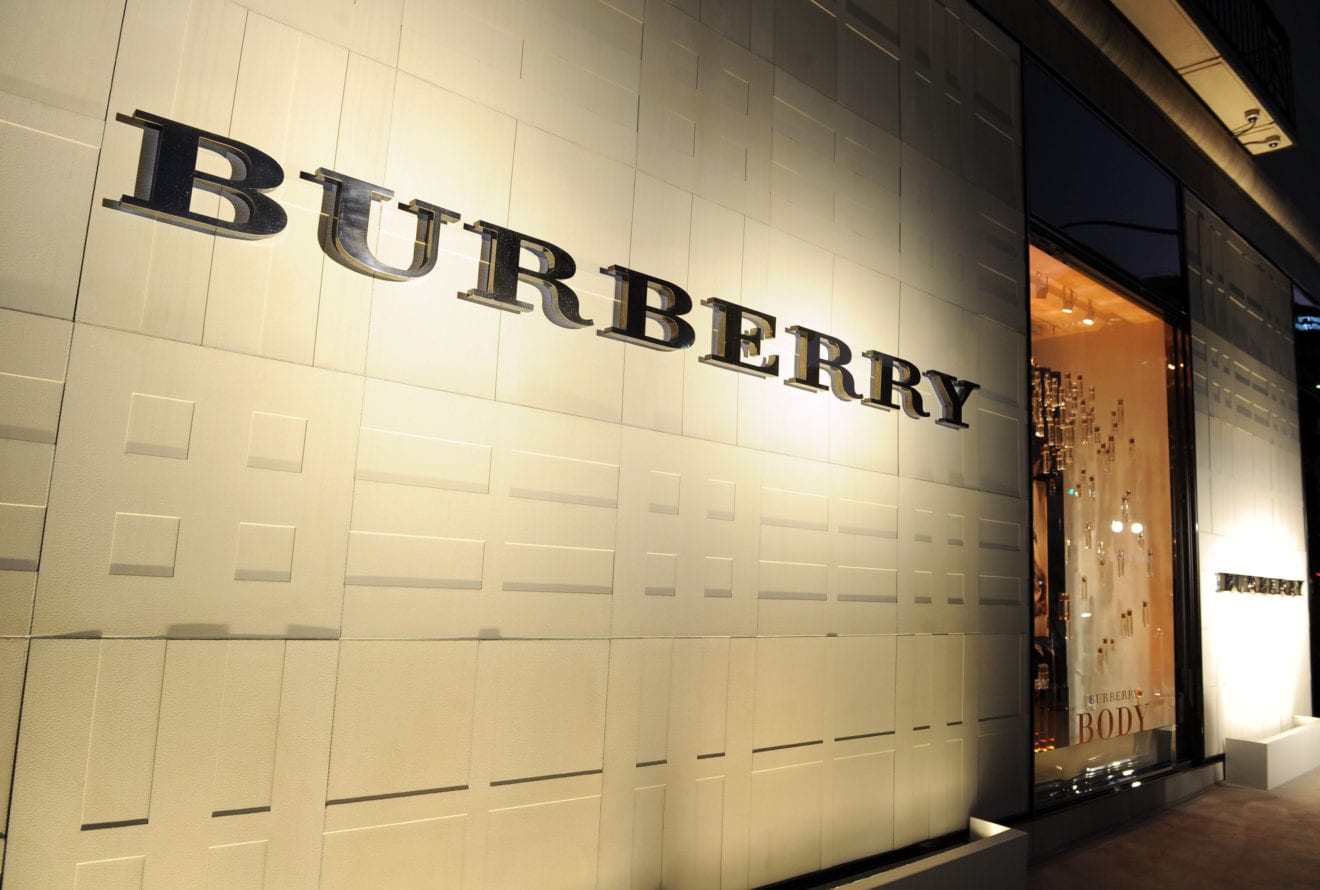
    Burberry has launched an online game called Ratberry as part of its 2020 Lunar New Year campaign.

    The game builds on the popularity of B Bounce, the brand’s first online game launched in October last year. In the new game, Ratberry is the central character in a world inspired by the limited-edition Thomas Burberry Monogram motif, in honour of the Chinese Year of the Rat.

    Players bounce Ratberry upwards between platforms, aiming to get as high as possible, collecting gold coins and catching Chinese lanterns along the way.

    Burberry has also released Lunar New Year stickers on WeChat, featuring Ratberry and products from the dedicated Luna New Year capsule collection.

    Burberry has seen a growing appetite for gaming among younger consumers, particularly in China. As interactive digital content is increasingly becoming a source of inspiration, Ratberry is another opportunity for consumers to connect with the Burberry community online.

  • How are luxury brands leveraging gamification in China?

    How are luxury brands leveraging gamification in China?

    This year, we have witnessed a surge in the number of luxury brands leveraging gamification to engage with Chinese consumers. From Hermès to Dior, a bevy of major luxury players have jumped on board, launching playful interactive games on their official WeChat accounts.

    What’s behind the trend?
    The growing domination of online gaming comes as no surprise when one considers the context in which Chinese millennials came of age. For many who grew up in single children homes, gaming was a way to fulfill a need for social connection and to forge an identity. Online gaming offers a way to connect to a larger community, the rules are clear and results are often celebrated and broadcast to millions of other users.

    It is estimated that the millennial generation (defined as those born between 1983 and 1997) will make up 65% of China’s consumption growth through 2020. A recent study by Bain reveals that Chinese millennials purchase luxury items more frequently and have more spending power than previous generations had at their age. As the highest potential consumer segment for luxury brands, it was only a matter of time before industry leaders introduced gaming to attract the millennial shopper.

    Curiosity China’s picks

    • Best Branding – Hermès

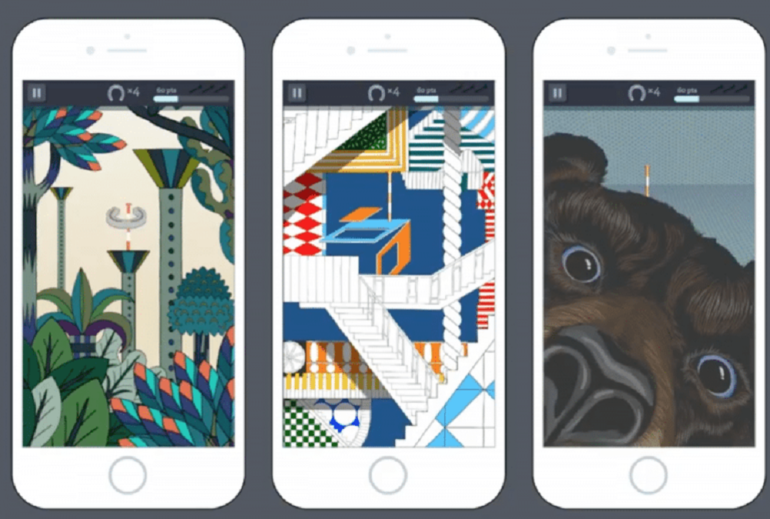
    The storied French fashion house looked to their roots for inspiration for this popular WeChat game. “H-pitchhh” is a virtual version of the classic horseshoe toss game which has been around since ancient Roman times. The game serves as nod to Hermes’ beginnings as a harness maker and makes great use of the smart phone’s interactive features.
    • Best O2O – Dior

    In celebration of the brand’s new store opening at Plaza 66, Dior launched a widely successful WeChat campaign that invited users to collect items from the latest collection via an interactive treasure hunt. Those users that successfully completed the game could launch a virtual hot air balloon for a chance to win tickets to the opening event.

    • Best Viral – Guerlain

    In partnership with Sunrise Duty Free, the French cosmetics brand launched a Tetris-inspired WeChat game. This highly addictive game attracted 18,582 page views and 10,000 players

    What’s in it for brands?

    • Education : Gamification opens up a whole new way to educate users about your brand history in an engaging and highly shareable manner.
    • Engagement : Their highly shareable nature not only increases follower engagement, but encourages viral sharing thereby growing the follower database.
    • Collect data : Online games present the perfect opportunity for brands to collect data from users. In the case of Guerlain, users were asked to share their personal info for a chance to win a lipstick.
    • Drive conversions : Games like those from Guerlain and Dior were designed to drive conversions. Guerlain selected 300 users to win a KissKiss lipstick to be picked up in store. By bringing users to the point of sales, there is a great opportunity to upsell additional items.
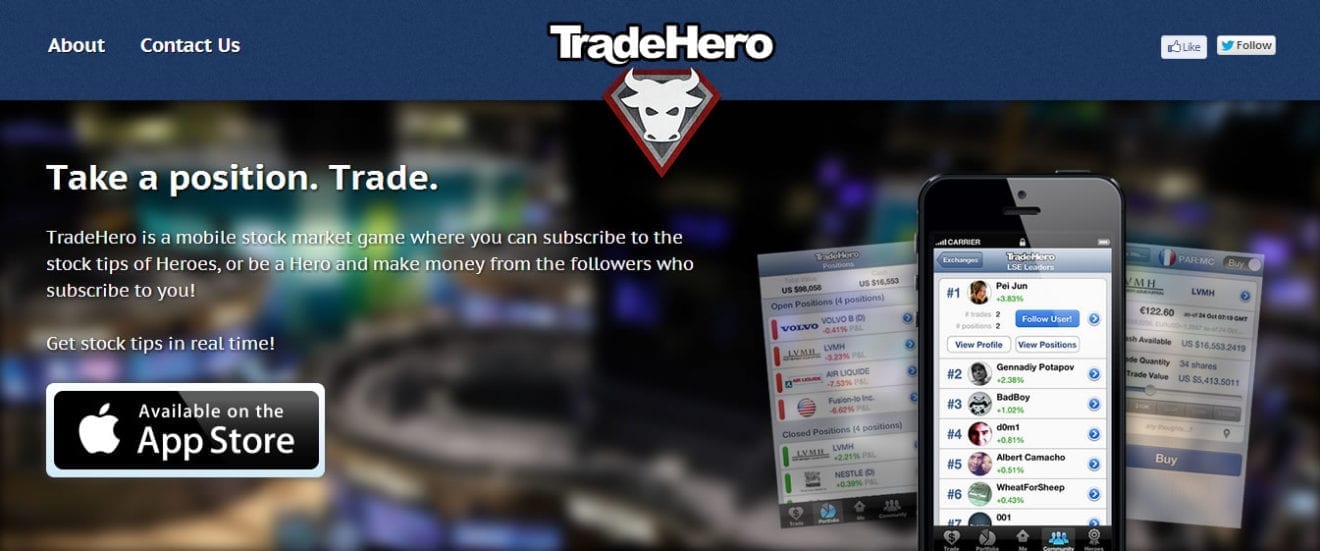
  • Gamified Trading App TradeHero’s Brand Acquired by Ayondo

    Gamified Trading App TradeHero’s Brand Acquired by Ayondo

    Ayondo, a social trading technology developer for the financial services industry, has acquired the TradeHero brand, a Singapore-based trading gamification app.

    The acquisition for TradeHero’s brand outside of China and the United States, expands ayondo’s footprint in Singapore nearly a year after it announced a partnership with KGI Fraser Securities Pte Ltd to launch KGI Contrax, a platform for investors to trade Contracts for Difference (CFD).

    Robert Lempka, CEO of the ayondo Group, says: “For ayondo, mobile technology is a big part of the Group’s strategy for expansion and growth. The TradeHero brand is extremely well established in Asia and was the missing piece in our product range. Following Top Traders and taking social trading to the next level, in offering fully automated execution is exactly what is in ayondo’s DNA.”

    Dominic Morris, co-founder of TradeHero and the new Head of Innovation for ayondo Group, adds: “ayondo and TradeHero share the same vision, that is to democratise the world of investing through easy-to-use disruptive technology and knowledge sharing.”

    The team of TradeHero’s mobile technology specialists built the foundation for ayondo’s Singapore based Mobile Lab, where the group’s latest research and development takes place. The group is engaged in advanced negotiations with a SGX-listed company on a Reverse Takeover (RTO) transaction. This could result in ayondo being the first fintech company to be listed on the Singapore Exchange (SGX) and the head office being moved to Asia’s fintech hub.

  • AI, Gamification and Blockchain at DBS Hong Kong Accelerator

    AI, Gamification and Blockchain at DBS Hong Kong Accelerator

    Showcasing innovative fintech solutions that leverage artificial intelligence, blockchain technology, gamification and more, the founders of seven startups from Hong Kong and around the world met with hundreds of potential investors at DBS Accelerator Demo Day, the finale of the second DBS Accelerator programme in Hong Kong.

    Accelerators play a vital role in the Asian startup ecosystem and in supporting innovation. Providing vast resources, mentor support and dedicated work and office space, DBS Accelerator aims to create opportunities for innovators from across Asia and globally.

    Financial Innovation Evolving Rapidly

    The seven startups in this year’s programme are Flowcast, FOMO Pay, Hampen Technology, Mindlayer.io, NetGuardians, Playbasis and XinGuo Technology. They were selected from more than 150 applicants from around the world, including Hong Kong, Singapore, China, Thailand and the U.S.

    «We believe FinTech has the ability to go beyond mere disruption and make a tangible difference to the experiences customers have in using financial products and services,» said Lawrence Morgan, CEO of Nest.