Tag: Gap Inc

  • Factory Fires Hit Apparel Suppliers in Cambodia and Bangladesh

    Factory Fires Hit Apparel Suppliers in Cambodia and Bangladesh

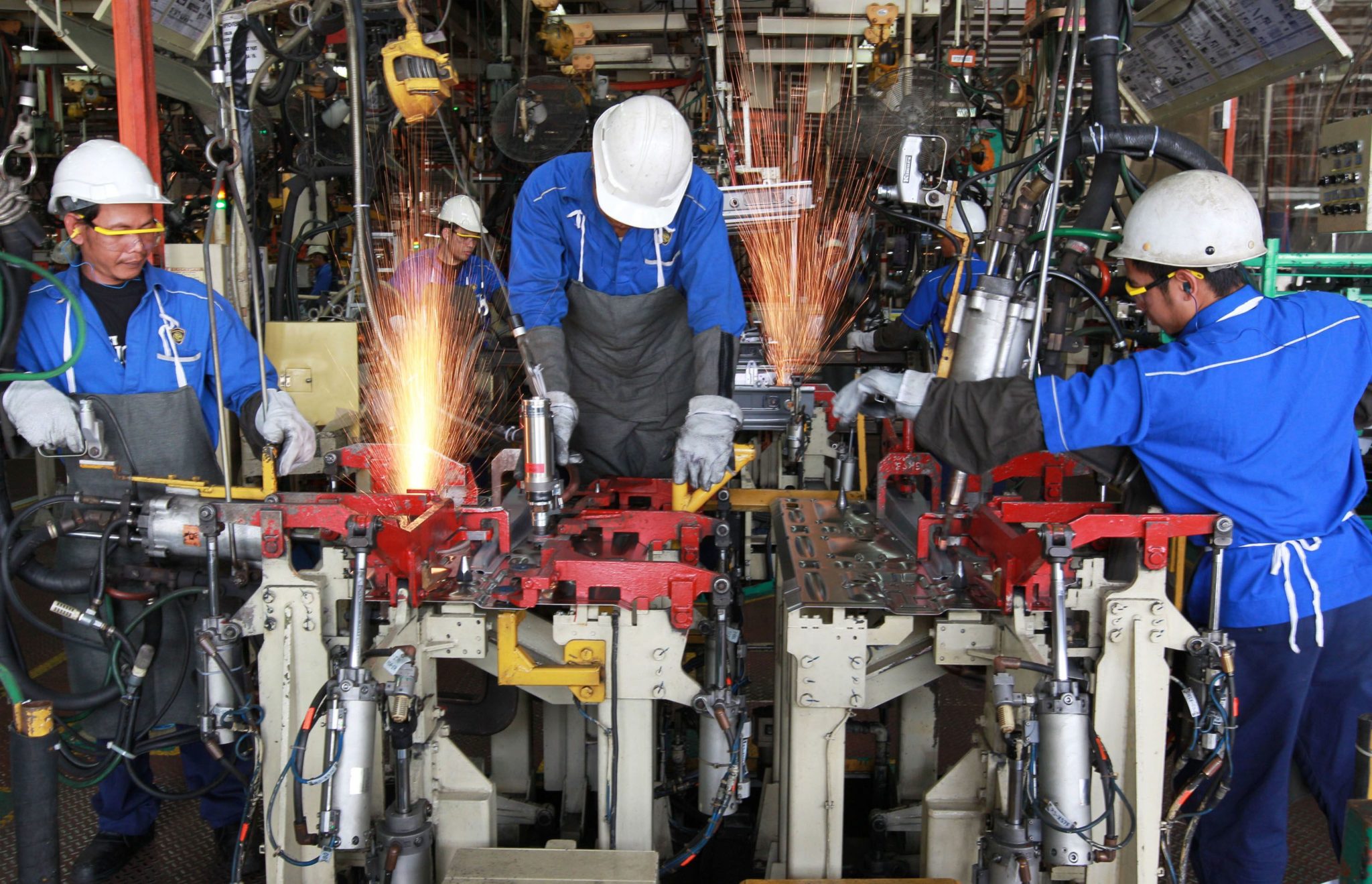
    A fire ripped through a fabric storage facility at YTC Corporation’s garment factory in Cambodia’s Kampong Speu province, destroying the building and 150 sewing machines. The site shipped apparel to multinational retailers including Gap Inc as recently as January.

    Emergency crews deployed 10 fire engines, 107 personnel and 61 truckloads of water over five hours to stop the flames from spreading across the industrial compound. No injuries were reported, though the primary storage building was lost.

    Disruption Hits Cambodian Apparel Hub

    The facility in Kampong Speu forms part of Cambodia’s export network for womenswear and children’s garments. Fabric stock and primary assembly hardware suffered heavy damage before municipal teams contained the blaze.

    Worker safety is the ministry’s top priority. Senior ministry officials, together with representatives of the provincial labor department and the National Social Security Fund, arrived at the scene immediately and coordinated with local authorities to facilitate workers’ evacuation from the factory and their safe return home, Sun Mesa, spokesman for the Ministry of Labour and Vocational Training, told local media. Police have not determined the cause of the ignition.

    Warehouse Fires in Gazipur

    Industrial disruptions extended to South Asia over the same weekend. In Bangladesh, fires struck two export operations in the manufacturing hub of Gazipur.

    Flames gutted a carton storage facility belonging to Supreme Stitch Limited, also operating as Supreme Garments. The blaze spread to a yarn warehouse owned by DBL Garments before nine firefighting units controlled the incident after three hours. The fire caused structural collapses in tin-shed units, though managers reported zero worker casualties.

    Supply Chain Volatility for Global Buyers

    The incidents hit suppliers at a time when apparel brands demand faster turnarounds and tighter audit compliance across Southeast and South Asia. For brands sourcing basic apparel across Phnom Penh and Dhaka, unexpected facility shutdowns trigger shipment delays and force immediate production reallocations.

    Replacement costs for machinery and lost textile inputs fall directly on local contract manufacturers already managing margin pressure. Factory operators face heightened scrutiny from regional safety inspectors and international audit teams assessing fire safety equipment and evacuation standards.

    Labor and Environmental Headwinds

    Operating conditions across Asian garment corridors face concurrent regulatory and environmental strains. In India, police in East Delhi arrested nine factory owners after freeing 19 minors working extended shifts in unlicensed garment and jewelry workshops in Gandhi Nagar.

    Climate pressures compound these workplace compliance challenges. International Labour Organization projections show heat stress risks stripping 145,000 full-time jobs in Sri Lanka even under a low-emissions pathway, and up to 6,100 positions in the Maldives under severe warming scenarios. In Kampong Speu, municipal investigators continue their inspection of the YTC Corporation site to clear debris and assess whether structural damage extends to adjacent production lines.
  • Gap Inc. Expands Into Beauty Market: Pilot Launch In Old Navy Stores This Fall

    Gap Inc. Expands Into Beauty Market: Pilot Launch In Old Navy Stores This Fall

    As part of a strategic move intended to diversify its revenue, Gap Inc. is stepping outside its primary clothing retail focus to launch a pilot of beauty and personal care products in Old Navy stores this fall.

    Pilot Launch in Old Navy Stores

    Gap Inc. plans to introduce a specially chosen array of beauty and personal care items in 150 Old Navy brick-and-mortar outlets, with some of these locations featuring dedicated shop-in-shop areas managed by Beauty Associates. The product line will encompass a variety of skincare, makeup, haircare, and nail polish products, each designed to be accessible to a mass-market audience.

    Expansion Plans

    The company has plans to extend the beauty product offerings to its Gap-branded stores starting next year, initiating with the introduction of fragrances. Furthermore, there are plans to increase the accessories category across the entirety of its brands.

    Strategy behind the Expansion

    In its statement, Gap Inc. highlighted that the beauty and personal care market is among the fastest growing and most robust retail categories in the United States, with projections suggesting it will exceed $100 billion by 2025. The company has recognized a significant opportunity to branch out into this category and has plans for a phased launch.

    The decision to diversify comes as Gap Inc. continues to adapt to various macroeconomic challenges, including increased tariffs and subdued consumer spending. By reducing its reliance on apparel, the company hopes to appeal to a wider consumer base.

    Previous Growth

    Last month, Gap Inc. reported an increase in comparable sales for the second quarter, which was driven by improved results across its three core brands: Gap, Banana Republic, and Old Navy.

    Questions & Answers

    What is Gap Inc.’s new strategic move?
    Gap Inc. is diversifying its focus from clothing retail to include beauty and personal care products, starting with a pilot launch in Old Navy stores this fall.

    How does Gap Inc. plan to introduce this new category?
    Gap Inc. will introduce a curated range of beauty and personal care products in 150 Old Navy stores. Some of these stores will feature dedicated shop-in-shop areas managed by Beauty Associates.

    What factors have led Gap Inc. to diversify its offerings?
    Gap Inc. is facing several macroeconomic challenges, including increased tariffs and subdued consumer spending. By diversifying its offerings, the company aims to reduce its reliance on apparel and appeal to a wider consumer base.

  • GAP sales report slumps in Q3

    GAP sales report slumps in Q3

    Gap brand sales fell 7 per cent globally in the last quarter as the US apparel retailer fails to re-engage consumers.

    However Gap Inc increased its overall sales by 6.5 per cent to US$4.09 billion on the back of solid growth in its Old Navy business and a modest 2 per cent improvement of the more upmarket Banana Republic banner. Net income rose to $266 million, up $37 million year on year.

    “Old Navy is doing all of the heavy lifting while the Gap brand languishes,” observed retail analyst Neil Saunders, MD of GlobalData Retail.

    “When it comes to Gap the numbers are particularly bad. Despite protestations from management that improvements to the range and inventory are coming through, we do not buy the story of recovery. Gap’s brand image is still lacklustre and it is not bringing anything new or exciting to the market. Products are still samey and boring and they are still being discounted because Gap is unable to sell them at full price.”

    Saunders said the sales results testify to the deep-seated problems at the Gap brand – especially when they are delivered against the backdrop of a robust consumer economy in which people are spending more on clothing than they have done for many years.

    “Our consumer data still shows that shoppers see Gap as bland and increasingly irrelevant in the apparel space. This is not healthy and it underlines the fact that Gap still has an enormous amount of work to do before it can even start down the road to recovery.”

    In contrast, Old Navy’s fashion edits and the brand’s ability to put out well-curated collections are attracting the attention and spend of family shoppers.

    “The strong economy is giving consumers a little more money to spend and we believe that Old Navy is benefitting from this as consumers buy more treats for themselves and their families. The strength of Old Navy’s brand is evidenced by the fact that all categories and channels have benefitted from growth.”

    Gap Inc will end the year with a net gain of about 70 new stores, including outlets in Canada and Mexico, where the brand continues to perform well.

    Banana Republic turns a corner

    Meanwhile, Banana Republic achieved a 9.2 per cent uplift in US sales due to store openings and a 2 per cent increase in comp sales.

    “The work to re-engineer the brand is paying off,” said Saunders. “Fall and winter collections were stronger than they have been for many years and there is now more cohesion between marketing and assortments. While the recovery remains in its early phases, Banana Republic is moving in the right direction.”

    Overall, said Saunders, despite poor Gap brand sales figures, the business is in a reasonable state. “However, the ongoing issues at the Gap brand are raining on what would otherwise be a sunny parade.”

  • Old Navy Drives Growth for Gap in First Quarter

    Old Navy Drives Growth for Gap in First Quarter

    The tried-and-true formula of trendy casual wear at a bargain price was the right formula for Old Navy, a division of Gap Inc.

    In its first-quarter earnings report for the period ending May 5, Gap Inc. said that Old Navy’s same-store sales were up 3 percent, but that was still off from the same period last year when Old Navy comps showed a strong 8 percent increase.

    Still having trouble was the San Francisco company’s principal nameplate, Gap. Gap’s same-store sales declined 4 percent in the first quarter compared with the same period last year.

    The Gap stores have been experiencing a lack of depth in some products and inventory overstock, left over from last year. The excess inventory led the company to slice prices to get rid of excess merchandise, said Teri List-Stoll, Gap’s chief financial officer and executive vice president, who was speaking on a May 24 earnings call. “During the quarter, we cleared inventory through sell-offs and cut prices,” she said. “It does set us up for cleaner stores in the second quarter and a better inventory position for the back half of the year.”

    Gap stores have been going through a difficult year. In February, the company fired its Gap brand president, Jeff Kirwan, and replaced him with Brent Hyder, who is the acting Gap brand president.

    In a welcome change, the company’s Banana Republic division saw comp-store sales rise 3 percent compared with last year’s negative 4 percent. Art Peck, Gap’s president and chief executive officer, said the company has been investing in quality yarns and fabrics for its Banana Republic clothing, which has been well received by customers. Items that sold well included sweaters, bottoms and dresses.

    Overall, same-store sales for the company were up 1 percent across the board compared with 2 percent last year.

    Gap Inc. reported that net income for the first quarter totaled $164 million, up from $143 million in the first quarter of 2017. Net sales came in at $3.8 billion, a 10 percent rise over last year.

    At the end of the quarter, Gap Inc. had 3,617 stores in 45 countries, of which 3,171 were company-operated. Gap executives said they continue to invest in stores such as Old Navy and its activewear brand store Athleta while closing less profitable Gap and Banana Republic stores, located mostly in malls.