Tag: gazipur

  • Only 35 Percent of Gazipur Garment Factories Open on Friday

    Only 35 Percent of Gazipur Garment Factories Open on Friday

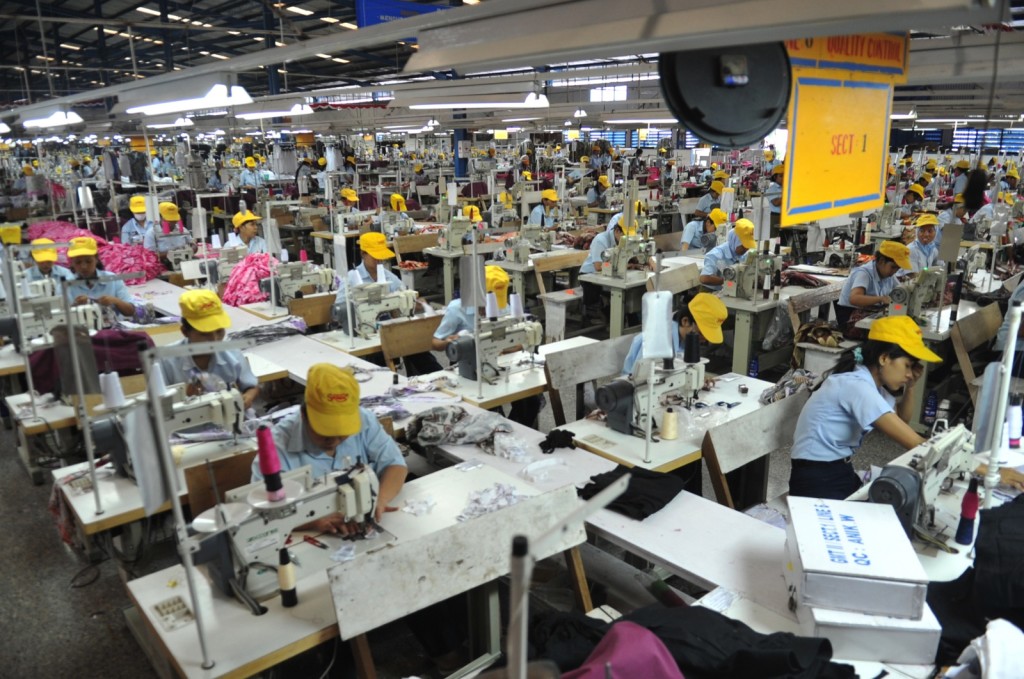
    Garment manufacturers in Gazipur operated only 35 percent of their production facilities on Friday as widespread factory shutdowns sent assembly line workers home across Bangladesh’s core apparel belt.

    Amjad Hossain, superintendent of Gazipur Industrial Police, confirmed the operating rate at 10:00am, leaving roughly two-thirds of the district’s export factories idle along key transport arteries including the Dhaka-Mymensingh Highway.

    Workers emptied out of the Taragachh industrial zone early in the morning after plant managers declared two-day closures. Ananta Garments suspended work at its Taragachh site, directing staff to leave the compound. Matrix Sweater in the Hajipukur area similarly halted operations for two days, citing local tensions.

    Uneven Operations Across the Cluster

    Disruptions remained selective rather than total across the manufacturing cluster. Parkstar Apparels and Parksin Bangladesh kept lines running in Barabari and Gachha, logging standard morning shift arrivals without incident.

    Freight corridors showed little physical obstruction despite the stoppages. Traffic Inspector Tarikul Islam reported clear vehicle movement through the Chandana Chourasta interchange, with commercial freight lanes operating normally throughout the morning.

    Sourcing Risks for International Buyers

    Sourcing directors across Europe and North America face immediate production bottlenecks when Gazipur pauses. The industrial hub accounts for a major share of Bangladesh’s readymade garment exports, serving global mass-market fashion brands that run tight inventory turns.

    When plants declare sudden multi-day shutdowns, delivery schedules for spring collections slip, forcing suppliers to absorb air freight penalties or renegotiate shipment windows. Sourcing desks at global fashion retailers are already monitoring South Asian capacity after months of volatile operating conditions in Dhaka’s satellite hubs.

    Production Continuity in Question

    Factory floors in Gazipur have experienced repeated friction between management and labour over working conditions, wage settlements, and local safety. Industrial police superintendent Amjad Hossain noted that Saturday coincides with a scheduled government holiday, giving operators a natural operational pause.

    A decision on whether garment factories would remain closed on Saturday would be announced this afternoon.
  • Factory Fires Hit Apparel Suppliers in Cambodia and Bangladesh

    Factory Fires Hit Apparel Suppliers in Cambodia and Bangladesh

    A fire ripped through a fabric storage facility at YTC Corporation’s garment factory in Cambodia’s Kampong Speu province, destroying the building and 150 sewing machines. The site shipped apparel to multinational retailers including Gap Inc as recently as January.

    Emergency crews deployed 10 fire engines, 107 personnel and 61 truckloads of water over five hours to stop the flames from spreading across the industrial compound. No injuries were reported, though the primary storage building was lost.

    Disruption Hits Cambodian Apparel Hub

    The facility in Kampong Speu forms part of Cambodia’s export network for womenswear and children’s garments. Fabric stock and primary assembly hardware suffered heavy damage before municipal teams contained the blaze.

    Worker safety is the ministry’s top priority. Senior ministry officials, together with representatives of the provincial labor department and the National Social Security Fund, arrived at the scene immediately and coordinated with local authorities to facilitate workers’ evacuation from the factory and their safe return home, Sun Mesa, spokesman for the Ministry of Labour and Vocational Training, told local media. Police have not determined the cause of the ignition.

    Warehouse Fires in Gazipur

    Industrial disruptions extended to South Asia over the same weekend. In Bangladesh, fires struck two export operations in the manufacturing hub of Gazipur.

    Flames gutted a carton storage facility belonging to Supreme Stitch Limited, also operating as Supreme Garments. The blaze spread to a yarn warehouse owned by DBL Garments before nine firefighting units controlled the incident after three hours. The fire caused structural collapses in tin-shed units, though managers reported zero worker casualties.

    Supply Chain Volatility for Global Buyers

    The incidents hit suppliers at a time when apparel brands demand faster turnarounds and tighter audit compliance across Southeast and South Asia. For brands sourcing basic apparel across Phnom Penh and Dhaka, unexpected facility shutdowns trigger shipment delays and force immediate production reallocations.

    Replacement costs for machinery and lost textile inputs fall directly on local contract manufacturers already managing margin pressure. Factory operators face heightened scrutiny from regional safety inspectors and international audit teams assessing fire safety equipment and evacuation standards.

    Labor and Environmental Headwinds

    Operating conditions across Asian garment corridors face concurrent regulatory and environmental strains. In India, police in East Delhi arrested nine factory owners after freeing 19 minors working extended shifts in unlicensed garment and jewelry workshops in Gandhi Nagar.

    Climate pressures compound these workplace compliance challenges. International Labour Organization projections show heat stress risks stripping 145,000 full-time jobs in Sri Lanka even under a low-emissions pathway, and up to 6,100 positions in the Maldives under severe warming scenarios. In Kampong Speu, municipal investigators continue their inspection of the YTC Corporation site to clear debris and assess whether structural damage extends to adjacent production lines.

  • Beximco Plans British and Chinese Deal to Reopen Shuttered Bangladesh Garment Plants

    Beximco Plans British and Chinese Deal to Reopen Shuttered Bangladesh Garment Plants

    Beximco Group is seeking government approval for a foreign leasing deal to reopen its shuttered apparel plants in Gazipur, backed by British and Chinese investors.

    The five-year agreement brings British investment firm Charter HCP and Chinese operator Besting into the industrial park. Factory restarts are targeted for April 2027.

    How the factory leasing structure works

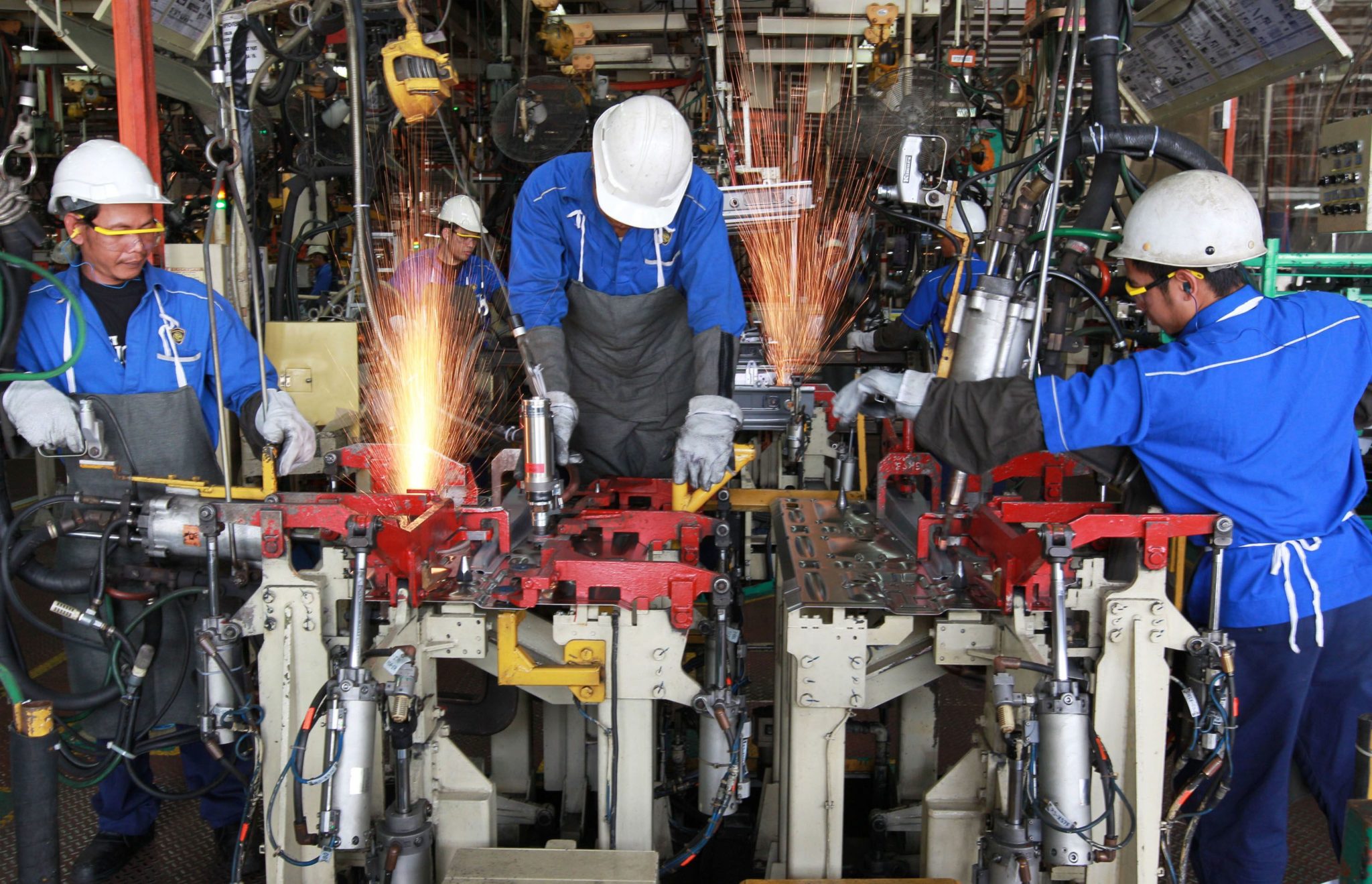
    Under the proposed plan, foreign backers will run Prefix Fashions, a specialized garment unit inside Beximco Industrial Park. Production will focus on outer garments, with export jackets accounting for roughly 90 percent of output. The first phase will restore approximately 2,500 manufacturing jobs.

    Revival Global, the asset manager for the investor group, designed a mechanism to ringfence cash flows and shield operations from Beximco’s domestic liabilities. Export proceeds will flow directly into bank accounts held by secured creditors. This prevents Beximco management from touching operational funds before paying debt obligations and working capital expenses, according to company executives.

    Phased expansion across Gazipur industrial park

    Prefix Fashions is the initial test case for a broader revival strategy. If operations and finances hold up, the consortium plans to reopen the remaining 15 shuttered apparel units in stages.

    A full rollout could rehire more than 30,000 garment workers across the complex. Beximco previously ranked among the largest private sector employers in Bangladesh. It operated vertically integrated facilities spanning spinning, weaving, denim washing and garment assembly before operations stopped.

    Supply chain shifts across South Asia

    Regional apparel sourcing faces severe turbulence. International fashion brands have spent recent months shifting purchase orders across South Asia to avoid production bottlenecks and delivery delays.

    Neighboring production hubs face their own bottlenecks. In India’s knitwear center of Tiruppur, roughly 460 dyeing facilities halted operations in October to protest raw material shortages and dye price spikes of up to 100 percent. The closures disrupted fabric supplies for export houses. Large-scale capacity in Bangladesh offers global buyers a hedge against regional limits, but confidence hinges on whether foreign management can insulate factory floors from political disruption.

    The collapse following political upheaval

    Beximco’s factory network shut down after the political collapse of the Awami League administration in Dhaka. The arrest of Beximco co-founder Salman F. Rahman, private industry adviser to former Prime Minister Sheikh Hasina, froze bank credit lines. That cut off working capital across the conglomerate’s textile, pharmaceutical and ceramics divisions.

    Plant closures in Gazipur displaced roughly 40,000 garment workers, triggering protests over unpaid wages and leaving multi-million-dollar export contracts unfulfilled. Local lenders took possession of assets. Foreign partnership leases remain the only viable route to restart production without direct government bailouts.

    Government regulators and creditor banks are reviewing the lease documentation for Prefix Fashions. State approval will determine whether maintenance teams can enter the Gazipur facility ahead of the planned April 2027 commercial restart.