Retail News CRM

Tag: Geely

  • Geely Defies Global Expansion Pause with Plans for New Auto Plant in Vietnam

    Geely Defies Global Expansion Pause with Plans for New Auto Plant in Vietnam

    Geely’s ambitious plan is to construct a US$168-million manufacturing plant in northern Vietnam is set to unfold as scheduled, despite broader concerns cast by its chairman and founder, Li Shufu. Just last Saturday, Shufu pointed out the global automotive industry is grappling with a “serious overcapacity,” leading Geely to pause new plant constructions and expansions at existing facilities, according to British news agency Reuters.

    Geely’s Promising Venture in Vietnam

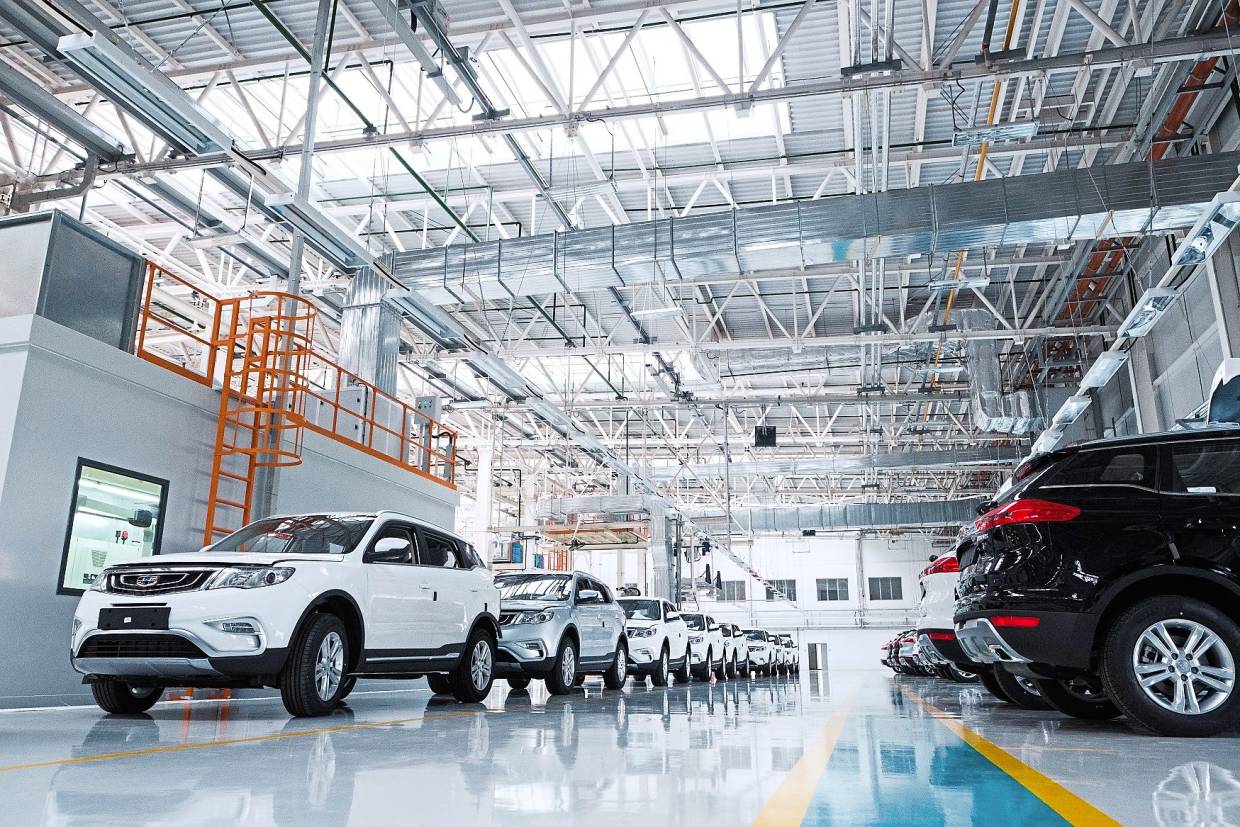
    The Vietnam plant is a collaboration between Geely and local distributor Tasco, with Geely holding a significant 64% stake. Groundbreaking is slated for this quarter in Thai Binh Province, where a sprawling 30-hectare site will eventually operate at a capacity of 75,000 vehicles annually in its initial phase.

    These vehicles will include models from Geely and its Chinese counterpart, Lynk & Co, specifically designed to cater to domestic demand and facilitate exports to countries with free trade agreements with Vietnam. The factory holds the potential for future expansion as it may begin assembling a wider variety of Geely vehicles.

    All cars produced at the plant will be constructed from “completely knocked down” kits—meaning they are assembled from parts sourced from various locations. The first vehicles are expected to hit the Vietnamese market early next year, while Geely currently offers the Coolray CUV imported from Malaysia.

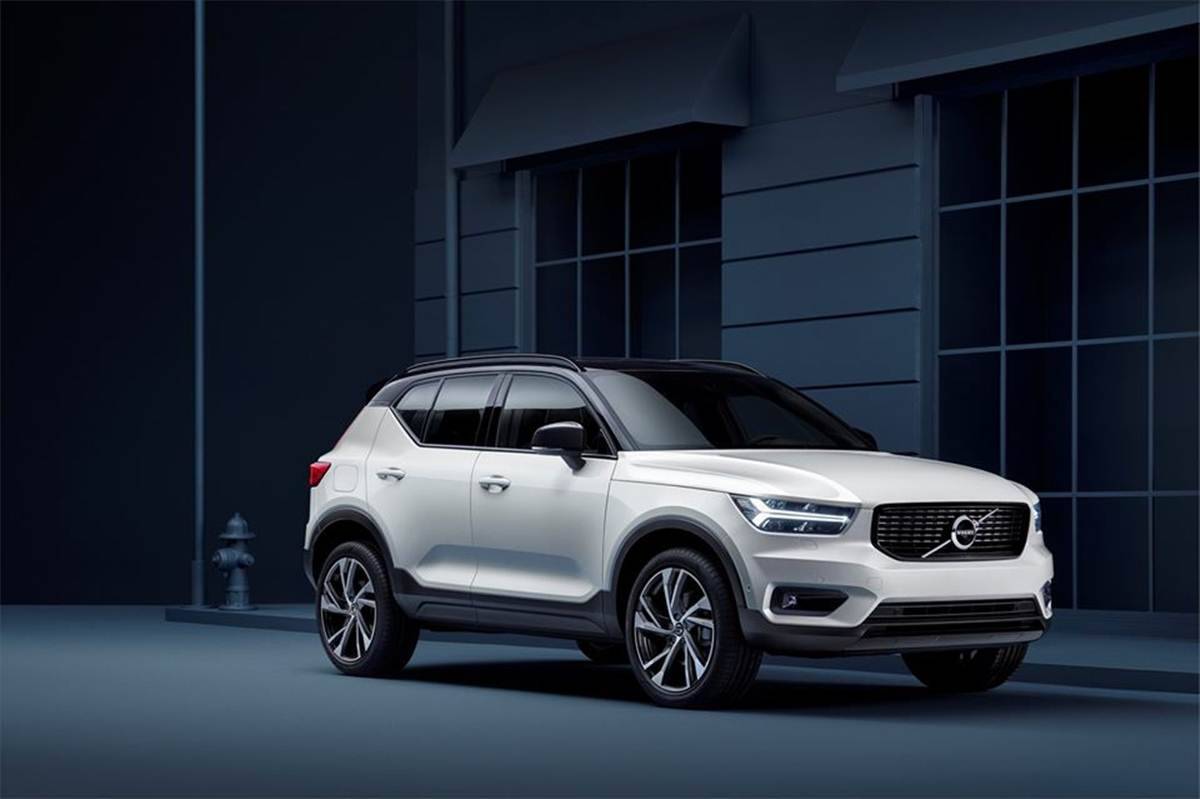
    Geely is a prominent player in China’s automotive sector, boasting a diverse portfolio that includes brands like Zeekr and Galaxy, along with a stake in the premium Swedish manufacturer Volvo. With 22 factories in China and three spread across the globe, Geely’s growth ambitions are clear.

    The Race for Automotive Investment in Vietnam

    Interestingly, Geely isn’t the only Chinese automaker eyeing Vietnam. Chery, another industry titan, plans to break ground on their own factory in Thai Binh Province in the third quarter through its partner Geleximco. With an investment of $800 million, Chery’s venture will focus on producing Omoda and Jaecoo models, with other potential vehicles in the pipeline.

    While Chery sets its sights on this strategic investment, major players such as BYD and SAIC have also explored opportunities in Vietnam but have yet to make significant moves. At present, the majority of Chinese passenger vehicles sold in Vietnam are imported from China, Thailand, or Malaysia.

    In a noteworthy development, the number of Chinese automotive brands in Vietnam jumped to 14 last year, surpassing Japan’s nine for the first time. However, their market presence remains relatively small compared to established Japanese and Korean brands, as well as the domestic contender, VinFast.

    As Geely prepares to roll out its manufacturing plant, the automotive landscape in Vietnam is likely to get even more interesting—where the thrill of competition could soon turn up the heat among industry giants.

    Questions & Answers

    What is Geely’s investment in the Vietnam plant?
    Geely is investing US$168 million in its new manufacturing facility in northern Vietnam.

    What models will be produced at the new plant?
    Initially, the factory will produce vehicles from Geely and Lynk & Co, catering to both domestic and export markets.

    When will the first vehicle arrive for Vietnamese consumers?
    The first vehicle is expected to be available to Vietnamese customers early next year.
  • Renault, Geely Ink Pact With Aramco For Engine Venture

    Renault, Geely Ink Pact With Aramco For Engine Venture

    Oil giant Saudi Aramco has agreed to take a minority stake in a new powertrain engine company that French car maker Renault SA and China’s Geely Automobile Holdings Ltd plan to set up jointly, they said on Thursday.

    Reuters reported in January that Aramco has been involved in advanced discussions to take up to 20% stake in a previously announced but still-unnamed Geely-Renault powertrain company that would develop and supply internal combustion engines (ICE) and hybrid technologies.

    They said on Thursday Geely and Renault are expected to retain equal equity stakes in the new independent entity, but did not disclose how much each would own and how much Aramco would invest.

    The new joint venture is aimed at developing more-efficient gasoline engines and hybrid systems at a time when the focus of much of the automobile industry has been on the capital-intensive transition to purely electric vehicles.

    “This partnership with Aramco will… give it a head start in the race towards ultra-low-emissions ICE powertrain technology,” Renault CEO Luca de Meo said in the statement.

    By carving out its internal combustion engine business, Renault plans to focus on electric cars, part of the French automaker’s broad restructuring that also involves overhauling its decades-old alliance with Nissan Motor Co.

    “Aramco’s entry brings to the table unique know-how that will help develop breakthrough innovations in the fields of synthetic fuels and hydrogen,” De Meo said.

    The deal would make Aramco the first major oil producer to invest in the car business, as the rise of electric cars threatens to cut demand for conventional fuels.

    Last year, Aramco announced a partnership with Hyundai Motor Co to study advanced fuels that could be used in hybrid engines to reduce CO2 emissions.

    For Geely, the deal with Renault extends its pattern of building partnerships to expand beyond China. Geely previously announced a hybrid gasoline engine development deal with Mercedes-Benz and holds a stake in the German automaker.

    The new company would have an annual production capacity of more than 5 million in

  • Geely Unit Lotus Tech Aims To Raise Up To $500 Million In Funds

    Geely Unit Lotus Tech Aims To Raise Up To $500 Million In Funds

    Lotus Technology, a new unit of China’s Geely set up to develop the technology to power Lotus sports cars, is planning to raise $400 million to $500 million before the end of this year, its chief financial officer told Reuters.

    Lotus Technology, part of Group Lotus which is in turn owned jointly by the Chinese automaker and Malaysia’s Etika Automotive, intends to kick off the funding round before Christmas, Alexious Lee said in an interview.

    That will give Lotus Technology a post-money valuation – the value of a company after a round of financing from external investors – of $5 billion to $6 billion, Lee added. Lee said the firm will launch its first product – an electric sports utility vehicle – in the first quarter of next year and aims to have three models within the next five years.

    “We have gotten a lot of traction, especially from international investors, because wow, this is Lotus,” said Lee, adding that the company was looking to sell a 10% to 15% stake.

    The company will spend more than half the new funds on research, and 30%-40% on marketing with the remainder going to working capital. Lee said Lotus Technology remained on track for a potential initial public offering as soon as 2023, likely in New York or Hong Kong. Lotus Cars, the maker of the Lotus Esprit, famously driven by James Bond in 1977’s “The Spy Who Loved Me”, positions its vehicles in a segment similar to rival Porsche. It is set to open a new factory in Wuhan, China next year.

    “We are an asset light business because we don’t own our own manufacturing. It’s owned by our parents,” said Lee.

    Premium and luxury car sales are growing in China as coronavirus pandemic travel restrictions leave consumers in the world’s biggest car market with more money to spend. Lotus Tech’s investors include Nio Capital, an investment firm founded by the CEO of Chinese electric vehicle maker Nio Inc, which valued the unit at 15 billion yuan in September.

  • Chinese Automaker Geely Auto Scraps STAR Market Listing Plan

    Chinese Automaker Geely Auto Scraps STAR Market Listing Plan

    China’s Geely Automobile Holdings Ltd said on Friday it is dropping plans to list new shares on the mainland’s Nasdaq-like STAR Market.

    Zhejiang-based Geely Auto, China’s highest-profile automaker thanks to parent Zhejiang Geely Holding Group’s investments in Daimler AG and Volvo Cars, is listed in Hong Kong with a market capitalization of HK$255 billion ($32.85 billion).

    In September, Geely Auto said in a filing that it planned to raise 20 billion yuan ($3.10 billion) from the STAR Market listing.

    Geely Auto is aiming to sell over 1.5 million vehicles this year. It also said would seek external funding for its newly-launched electric Zeekr brand.

    In February, Geely Auto said it abandoned the merger plan with sister company Volvo Cars.

  • China’s Geely sets sights on aerospace

    China’s Geely sets sights on aerospace

    China’s Zhejiang Geely Holding Groups, a global mobility technology group has plans to set up a commercial aerospace company, as announced by the local government.

    The company will develop and advance satellite and communications technologies in Guangzhou, by building low-orbit satellites to deliver high-speed connectivity. Geely will also be partnering with other rocket companies in Guangzhou.

    Geely owns Volvo Cars and 9.7 percent of Daimler AG. Last month, Geely posted a profit of US$850 million in 2020, representing a 32 percent drop in net profit as compared to the previous year as auto sales took a hit amid the pandemic.

  • Targeting Tesla, China’s Geely To Launch New Premium EV Brand

    Targeting Tesla, China’s Geely To Launch New Premium EV Brand

    China’s Geely plans to roll out electric vehicles under a new marque with different branding and sales strategies, people familiar with the matter said, as the Volvo owner looks to take on its main EV rival Tesla with higher-end vehicles. The brand, positioned in the premium segment and named “Zeekr”, will be housed under Geely’s to-be-launched EV entity Lingling Technologies, according to three people, who declined to be named as the plan is not yet public. Reuters reported the plans for Lingling last month.

    Geely, the owner of Volvo Cars and 9.7% of Daimler AG, will roll out models under the new marque based on its open-source EV chassis, announced in September and called Sustainable Experience Architecture (SEA), the sources said.

    It will be a new attempt to go up-market by Geely, and backs founder and Chairman Li Shufu’s long-held ambition to make premium cars “like Mercedes-Benz” in a bid to take on EV leader Tesla Inc.

    Geely will open showrooms, or “hubs”, in city centres to sell cars at a fixed price, departing from traditions to sell cars through dealerships – marketing tactics pioneered by Tesla, which last year saw sales expand quickly in China, the world’s biggest car market.

    The plan follows a flurry of tie-ups by Geely earlier this year as the automaker pursues its goal of becoming a leading EV contract manufacturer and engineering service provider.

    “Traditional gasoline cars and electric vehicles are two race tracks of business. Geely does not have a clear advantage in electric vehicles at the moment so it appears that it wants to complete its own innovation by creating a new brand,” said Alan Kang, analyst at auto consultancy LMC Automotive.

    China’s automakers largely compete with entry-level and mass-market manufacturers including Volkswagen and Toyota, but EV maker Nio Inc sells cars with higher prices and counts BMW as a rival.

    Hangzhou-based Geely also plans a broad array of sales and marketing strategies to seek deeper relationships with the EV buyers. It will open lifestyle lines for clothing and accessories and launch a car owner’s club, tactics used by Nio, sources said.

    Zeekr is also considering rolling out a share ownership plan that allows customers to become shareholders of Lingling, which management hopes will boost sales and the relationship between brand and customers.

    Geely declined to comment. Shares of its Hong Kong-listed company Geely Automobile fell 3% on Friday as Chinese equities dropped after a rise in global bond yields prompted selling in high-priced consumer and material stocks.

    Many conventional automakers have used a new brand to launch their EV units. Geely’s rivals including Great Wall, and SAIC Motor have rolled out their respective new standalone EV brands.

    China’s government has heavily promoted new energy vehicles (NEVs) – such as battery-powered, plug-in petrol-electric hybrid and hydrogen fuel cell cars – in response to chronic air pollution and a warming climate, spurring interest from technology companies and investors alike. China forecasts NEVs will make up 20% of its annual auto sales by 2025 from around 5% in 2020.

  • China’s Geely Sets Out To Become A Force In Electric Cars

    China’s Geely Sets Out To Become A Force In Electric Cars

    Like many others in his industry, Geely Chairman Li Shufu has been irked by skyrocketing valuations for electric car manufacturers such as Tesla Inc and Nio Inc, sources at the Chinese automaker say.

    Getting Geely, which owns Volvo Cars and 9.7% of Daimler AG, to a place where it too may claim a sizeable chunk of China’s burgeoning electric car market and burnish its share price at the same time, has preoccupied Li for much of the past year, they added.

    The result: a flurry of tie-ups unveiled last month that lay bare Geely’s intention to position itself as the go-to contract manufacturer for electric vehicles in China and beyond – assembly services that will also offer up its engineering and development expertise.

    “The chairman’s attitude towards contract manufacturing is clear: he is embracing it and actively pursuing it,” a Geely executive told Reuters.

    Outsourcing production of some models through original equipment manufacturing (OEM) deals is common in the auto industry, but Geely’s plans represent the most aggressive attempt yet by an automaker to build up a contract manufacturing business.

    Of the four deals announced, a venture with Taiwan’s Foxconn to provide electric vehicle (EV) contract manufacturing, is the most important, said the sources, who were not authorized to speak to media and declined to be identified.

    A subsequent agreement to build mass-market electric vehicles for embattled Los Angeles-based startup Faraday Future would be handled by the venture with Foxconn.

    Geely, which is China’s largest privately-owned automaker, has also made a separate pact to make smart electric cars for internet giant Baidu Inc, with the first model due to be launched next year. In addition, it is joining hands with Tencent Holdings Ltd on smart car control and autonomous driving technology.

    Geely declined to comment for this article or make Li available for comment.

    Geely has several electric car models on the market and in September launched a brand new EV-focused platform, developed at a cost of 18 billion yuan ($2.8 billion).

    But amid a two-year slump in sales, Li became convinced Geely was being too conventional in its approach and began pushing for an aggressive adoption of “Big Tech” partnerships, sources said. In doing so, Li returned to a more active running of the group after stepping back somewhat in 2017 and 2018.

    The shift did not come without some opposition. At management meetings, some people raised concerns that any big shift to contract manufacturing could make Geely a lesser partner in its relationships with tech firms and cause it to lose its edge as an independent automaker, senior sources said.

    Caution was also expressed about picking Faraday Future as the first client for the venture with Foxconn, as the startup has a track record of over-promising and slow progress in development.

    Li dismissed those concerns, they added.

    The deal with Faraday was not well received by the market with shares in its main unit, Geely Automobile, sliding some 16% over four days in the wake of the news.

    On the plus side, however, the deals could address chronic under-utilisation at Geely plants. For example, Geely Automobile, which houses its Geely brand cars, is capable of building more than 2 million vehicles a year but sold only some 1.3 million in 2020.

    The deals could also help Geely get the most out of the EV-focused platform, which is now open-sourced and can be used for small to large cars and even light commercial vehicles.

    That said, just how big contract manufacturing will become for Geely is uncertain and the company has no internal numerical targets to meet at the moment, the sources said.

    “Basically, it’s unclear now how many clients we will have in the coming years,” said one source.

    Li is also planning to shore up Geely’s financial base with a secondary listing for Geely Automobile on the mainland’s STAR board this year. Its Hong Kong listing values the unit at $37 billion, with shares having risen over 12% so far this year.

    That, sources say, has been a deeply unsatisfactory state of affairs for Li who compares it to the $800 billion-plus valuation for Tesla and the $98 billion valuation for Nio, which sold less than 44,000 cars last year.

    Geely had looked at investing in Nio previously, sources have said.

    Analysts describe the rush of new deals as bold, potentially allowing Geely to save much time and money in developing and launching electric cars. At the same time, there are risks.

    “Integrating one major partner is challenging enough for any company’s management regardless of the sector, so asking the management team to successfully launch all of them seemingly all at once is a pretty big ask,” said Tu Le, analyst at Sino Auto Insights.

  • Baidu Plans Smart EV Company, To Make Cars At Geely Plant

    Baidu Plans Smart EV Company, To Make Cars At Geely Plant

    China’s Baidu Inc plans to form a company to make smart electric vehicles (EV), two sources familiar with the matter said, with manufacturing to be carried out at plants owned by automaker Geely. Baidu, the leading search engine company in China, will take a majority stake and absolute voting power in the new company. The venture will revamp some of Geely’s existing car manufacturing facilities to make the vehicles, with in-car software input from Baidu and engineering know-how from Geely, sources told Reuters.

    The companies are in talks to use Geely’s EV-focused platform, Sustainable Experience Architecture (SEA), for future product development, one of the sources, who declined to be identified as the plan was private, said.

    Baidu, which is developing autonomous driving technology and internet connectivity infrastructure, did not immediately respond to a request for comment. Geely declined to comment.

    Baidu’s Nasdaq-listed shares jumped more than 4% after Reuters reported the plan.

    Reuters had already reported last month that Baidu was contemplating making its own EVs and had held talks with Geely, Guangzhou Automobile Group Co Ltd (GAC) and China FAW Group Corp Ltd’s Hongqi on a possible venture.

    Baidu’s rival Alibaba has formed an EV joint venture with China’s biggest automaker SAIC Motor Corp while China’s Didi Chuxing is making EVs designed for ride-hailing services with BYD. Cheered by Tesla Inc’s success in the commercialization of EVs, internet giants including Tencent Holdings Ltd, Amazon.com Inc and Alphabet Inc, have also developed auto-related technology or invested in smart-car startups. People familiar with the matter said last month Apple is pushing to design an electric vehicle and batteries, aiming at a possible 2024 launch.

    Hangzhou-based Geely, China’s highest-profile automaker due to group investments in Volvo Cars, Daimler AG and Malaysia’s Proton, is expanding EV production. Shares of its main listed company, Geely Automobile, which aims to sell 1.53 million vehicles this year, jumped over 10% on Friday.

  • Geely’s New EV Plant Will Build Premium Polestar Cars

    Geely’s New EV Plant Will Build Premium Polestar Cars

    An electric vehicle (EV) factory planned by the Chinese automaking group Geely will produce cars under the premium Polestar marque, two people with direct knowledge of the matter told Reuters on Monday. Zhejiang Geely Holding Group Co Ltd plans to build a plant with an annual manufacturing capacity of 30,000 premium EVs in the western city of Chongqing, run by a wholly-owned, newly registered company, showed documents on its website.

    Geely and Polestar declined to comment on the marque. The plan comes as foreign automakers including BMW AG and Tesla Inc expand EV production in the world’s biggest market, sourcing major EV components such as batteries locally and often exporting the end product.

    Hangzhou-based Geely is China’s most internationally known automaker. It owns Volvo Cars and Lotus, almost half of Proton and 9.7% of Daimler AG. Its Hong Kong-listed Geely Automobile Holdings Ltd is planning a Shanghai float.

    Through wholly-owned company Polestar, it builds low-volume Polestar 1 hybrid performance cars in the western city of Chengdu and Polestar 2 volume sedans in Taizhou in the east.

    It also plans to begin production of the Precept sedan, displayed at this year’s China auto show.

    Polestar aims to eventually offer bigger, more sporty vehicles at its showrooms, which currently span nine countries and whose number it plans to raise to 45 from 23 by year-end.

    Polestar Chief Executive Thomas Ingenlath told Reuters the firm is scouting markets in Asia-Pacific and the Middle East.

    Geely is also building a factory in China to make sport-utility vehicles under the Lotus marque, Reuters reported.

  • Fuelled By Volvo, China’s Geely Seeks Launchpad To Enter Auto Giant Orbit

    Fuelled By Volvo, China’s Geely Seeks Launchpad To Enter Auto Giant Orbit

    Chinese carmaker Geely plans to use a platform developed with input from Volvo to build new models in Malaysia for its partly owned Proton brand, a strategy that shows how it aims to accelerate its push to become China’s first global auto giant. The yet-to-be-finalized plans for Proton are just one strand of a Geely project to revamp factories at home and abroad using joint platforms it has been perfecting with Volvo since 2013. Geely bought the Swedish brand 10 years ago for $1.8 billion (1.4 billion pounds) – a deal that raised its international profile and sent shockwaves through the global auto trade.

    Senior Geely officials and engineers told Reuters that a project dubbed Compact Modular Architecture (CMA) will allow them to develop, design, and build different types of compact cars with similar mechanical layout faster than before – and at a lower cost.

    They said CMA, along with a platform for smaller cars known as B-segment Modular Architecture (BMA) that Geely plans to roll out for Proton, allows them to harness the Swedish automaker’s technologies and Geely’s capabilities in cost control, supply chain management, and local production.

    “CMA will be the core of Geely’s future architecture design … We learn technologies and build up talents through developing it,” said Li Li, vice president at Geely Automobile Research Institute, confirming the Proton plan during an interview in Ningbo, south of Shanghai. Li declined to disclose details of the general investment, financial targets, or a timetable for expansion plans.

    From its lowly foundation in 1986 in Taizhou on the east coast as a maker of refrigerator parts, Geely has grown into one of the biggest players in China, the world’s largest auto market accounting for nearly one in every three passenger cars sold around the planet. Geely now sells more than 2 million cars a year across all brands, ranking it not far from the world’s top 10 automakers by unit sales.

    The CMA platform in particular will allow Geely and Volvo to design vehicles more quickly and cost-effectively, Li said, providing a technological springboard towards a higher market share at a time when the auto industry must embrace a future featuring electric and autonomously driven transport.

    Like Geely – an anglicization of the Chinese word for ‘lucky’ – domestic peers Great Wall Motor and GAC have branched out with their own versions of vehicle platforms, harboring greater ambitions for selling cars in major Western markets.

    But grand plans have previously been delayed, or simply canceled, amid a lack of practical preparedness, analysts have said, against a backdrop of years of trade tensions between China and the United States that have roiled the global economy. At the same time, attention has been diverted to deal with stalling sales at home as the pace of China’s growth has slowed.

    Geely Automobile and its sister company Volvo Cars are planning to merge and list in Hong Kong and possibly Stockholm, giving Volvo access to public markets after it dropped a move to list its stock two years ago.

    In its pursuit of global automaker status, Hangzhou-based Geely is now holding talks to merge the Volvo Cars business with its Hong Kong-listed Geely Automobile – worth about $22 billion by market value, bigger then famed industry names like Fiat Chrysler Automobile and Nissan Motor.

    As well as the 49.9% stake it took in Proton three years ago, the broader Geely group – Zhejiang Geely Holding Group, led by Taizhou-born billionaire Li Shufu – now also comprises a 9.7% stake in Germany’s Daimler AG and a majority stake in British sports car brand Lotus.

    And while giants from Toyota Motor Corp to Volkswagen AG and General Motors Co have followed a similar shared platform project for their respective brands, Geely’s strategy is a first for a Chinese company.

    The automaker plans to develop all its future models for the Geely and Lynk & Co brands on CMA or other related product platforms, like BMA. It is also developing a new architecture to accelerate the launch of pure battery electric vehicles with intelligent connectivity functions, said Li, a former Ford engineer.

    In addition, Geely wants to shift the development of next generations of some popular existing models, like Borui and Emgrand sedans, to those architectures, he said. It takes around 18 months for Geely to significantly change a CMA-based car, versus 24-30 months to do so on a non-CMA-based model.

    Using CMA, plant managers can switch production of different models to maintain smooth overall capacity utilization rates at production lines, said Oskar Falk, the Volvo-trained head at Geely and Volvo’s first joint production site in Taizhou.

    The plant already exports Volvo Polestar 2 electric sedans to the United States and Europe, and is preparing to make Volvo’s first battery-powered electric vehicle, Falk said.

    Geely also plans to start exporting China-made Lynk & Co 01 SUVs to Europe this year.

  • Geely Automobile Steps Toward Mainland China Listing

    Geely Automobile Steps Toward Mainland China Listing

    Geely Automobile Holdings Ltd said its board has approved a preliminary proposal to list new renminbi shares on mainland China’s Nasdaq-like STAR board, sending its Hong Kong-listed shares up as much as 7% on Thursday.

    The Zhejiang-based automaker is currently listed on the Hong Kong Stock Exchange with a market capitalization that exceeded HK$120 billion ($15.48 billion) in morning trade.

    Geely Automobile and sister company Volvo Cars, which parent Zhejiang Geely Holding Group Co Ltd bought from Ford Motor Co in 2010, are planning to merge and list in Hong Kong and possibly Stockholm – as well as on the mainland, if Geely Automobile’s latest proposal receives final approval.

    Zhejiang Geely Holding Group, led by billionaire Li Shufu, has a number of other investments including owning 9.7% of Germany’s Daimler AG, 49.9% of Malaysia’s Proton, and a majority stake in British sport car brand Lotus.

    Luxury EV brand Polestar is gearing up to take on Tesla in China, while Alibaba-backed Xpeng also has its sights set on the U.S. brand.

    Geely Automobile in a filing late on Wednesday said the proposed renminbi shares would be listed on the Shanghai Stock Exchange’s STAR board and would not involve the conversion of existing shares. It said its board will hold further talks on the size of the issue.

    Funds raised will be used for “business development and general working capital of the Group,” it said, without elaborating.

    “We believe such proceeds are likely to be used for the Volvo merger, although Geely cannot explicitly state it before the merger approval by disinterested shareholders,” said analyst Shi Ji at Haitong International.

    “It is a good way for the company to raise funds as valuations in the A-share market are usually higher than the H-share market,” Shi said, comparing mainland and Hong Kong markets.

    Geely Automobile plans to introduce six models under the Geely, Lynk&Co and Geometry marques this year. It sold 1.36 million cars in 2019 and targets sales of around 1.4 million vehicles this year. It reported profit of 8.19 billion yuan ($1.16 billion) last year.

    Last month, it raised HK$6.48 billion from a share placement.

  • Geely’s Polestar Plans China Showroom Expansion To Compete With Tesla

    Geely’s Polestar Plans China Showroom Expansion To Compete With Tesla

    Polestar, the premium electric vehicle maker owned by China’s Geely, plans a big expansion of its showroom network in the mainland, sources said, as it prepares for delivery of cars to compete with Tesla Inc’s locally made Model 3.

    Showroom strength is becoming an important differentiator for electric vehicle (EV) makers in the world’s biggest auto and EV market, as they line up new model launches.

    Polestar, which plans to deliver Polestar 2 electric sedans in China from July, currently has one showroom, in the capital of Beijing. It plans to have 20 showrooms, with most of the opening in the third quarter of this year.

    Polestar plans to deliver Polestar 2 electric sedans in China from July 2020

    Unlike sales of cars through dealers that most traditional automakers rely on, Polestar will sell directly to customers, a strategy also pursued by other EV makers including Tesla, Nio Inc, and Xpeng Motors, backed by Alibaba.

    Direct sales to customers can help automakers to better manage a car’s retail price and its production and inventory. However, it also adds to costs if automakers need to invest in self-owned showrooms like Tesla.

    Polestar, however, will partner with investors to build and operate the showrooms while still managing sales and delivery of cars, said the people, who spoke on condition of anonymity as the plan is not public.

    A rocket ship designed and built by Elon Musk’s SpaceX has lifted off with two Americans on a history-making flight to the International Space Station.

    A Polestar representative declined to comment.

    The automaker, based in Gothenburg, Sweden, started producing Polestar 2 sedans earlier this year in China and will also export them to Europe and the United States.

    It will open showrooms firstly in Shanghai and then expand to coastal Ningbo, northern Tianjin and southern Guangzhou. The showrooms will be mostly in shopping malls.

    In China, Tesla has over 50 showrooms. Nio currently operates around 110 showrooms, with some of the properties belonging to partners. Xpeng plans to have over 200 outlets by the end of the year from about 150 now, many of them belonging to partners.

  • Daimler To Develop Smart Brand Together With Geely

    Daimler To Develop Smart Brand Together With Geely

    Daimler on Thursday said it will develop its next generation of Smart electric vehicles in China through a joint venture with rival Geely, deepening an alliance between the two carmakers.

    Daimler said it will build next generation Smart vehicles at a purpose built factory in China, and share its expertise in manufacturing, engineering and design with Geely.

  • Geely Holding Announces Management Change at Group Lotus

    Geely Holding Announces Management Change at Group Lotus

    Zhejiang Geely Holding Group (Geely Holding), China’s leading privately-owned automotive group, announced today that Mr. Feng Qingfeng, vice president and chief technical officer of Geely Auto Group, has been appointed to succeed Jean-Marc Gales as chief executive officer of Group Lotus effective immediately. Mr. Jean-Marc Gales has chosen to leave for personal reasons and will become Chief Strategic Advisor to Lotus Chairman, Daniel Donghui Li.

    Geely Holding, which acquired a controlling stake in Group Lotus in 2017, thanked Mr Gales for his contribution to the company over the past four years.

    Daniel Donghui Li, chief financial officer of Geely Holding and Lotus Cars Chairman, said: “Jean-Marc has stabilised and turned Lotus to profitability for the first time in the iconic brands history with new industry leading products and unique business models since joining the company in 2014. Lotus is poised for the next phase of growth under Feng Qingfeng’s leadership, where its expertise in lightweight materials and sport cars-engineering will form part of the wider expansion of Geely ‘s automotive portfolio. At the same time I will welcome Jean-Marc‘s Council as Chief Strategic Advisor to myself and the Board of Directors.”

    Geely acquired a majority holding in UK-based Lotus – a world leader in high-performance lightweight sports cars – as part of its agreement last year to acquire 49.9 percent of the shares of PROTON from HICOM Bhd (DRB) of Malaysia, Lotus’s former parent.

    Feng Qingfeng (Mr. Feng) said: “I am honoured to have been appointed to lead this iconic British sports car group. With Geely’s global synergies and total support I am confident that Lotus has an exciting opportunity to achieve its full potential as a luxury sports brand, based around its engineering legacy and its future product pipeline.”

    In 2017 Group Lotus sold 1600 sports vehicles, an increase of 10% versus 2016, produced at its plant in Norfolk, England. In 2017 the company showed a profit for the first time in history.

  • Geely makes US$9b Daimler bet against tech ‘invaders’

    Geely makes US$9b Daimler bet against tech ‘invaders’

    Chinese carmaker Geely has built up an almost 10% stake in Daimler in a US$9 billion (RM35 billion) bet by its chairman that he can access the Mercedes-Benz owner’s technology in the growing battle for the future of automotives.

    The purchase by Li Shufu, Geely’s founder and main owner, means China’s largest privately owned automaker is now the biggest shareholder in Germany’s Daimler.

    Geely said on Saturday there were no plans “for the time being” to raise the stake further. Instead, it will seek to forge an alliance with Daimler, which is developing electric and self-driving vehicles, to respond to the challenge from new competitors such as Tesla, Google and Uber.
    “No current car industry player is likely to win this battle against the invaders from outside without friends. To achieve and assert technological leadership, one has to adapt a new way of thinking in terms of sharing and combining strength. My investment in Daimler reflects this vision,” Li said.

    “Daimler is pleased to announce that with Li Shufu it could win another long-term orientated shareholder, which is convinced by Daimler’s innovation strength, strategy and future potential,” the German company said in a statement.

    Geely officials plan to travel to Stuttgart to meet Daimler executives early this week and also hope to meet top German government officials in Berlin, two sources familiar with the matter told Reuters.

    The Chinese firm plans to use the meetings to underline that it intends to be a supportive long-term investor, they said.

    Daimler had no immediate comment on any meetings. Geely and the German economy ministry declined to comment.

    Chinese investors in German technology companies have tended to take a consensual approach, buying incremental stakes in companies such as robotics firms Kuka and Kion, typically after long consultation with management and other stakeholders.

    In November, Geely asked Daimler to issue new shares so it could buy a stake, as a way to access Mercedes-Benz technology for electric cars and trucks, including battery technology, to help Geely comply with a Chinese crackdown on pollution.

    But the German company turned down the offer saying it did not want to dilute existing shareholders, sources at the time told Reuters.

    Li changed tactics, and quietly amassed a stake of 9.69% worth US$9 billion at Daimler’s current share price.

    The sources said former Morgan Stanley Germany CEO Dirk Notheis was the architect of amassing the Daimler stake, working with former Morgan Stanley China executive Yi Bao.
    Notheis declined to comment, while Bao was not reachable.

    German state secretary at the economy ministry, Matthias Machnig, said separately that EU trade ministers meeting this week in Sofia would discuss how better to protect strategically important European companies from unwanted investors.

    “It is important that Europe keeps a close eye on which key European technologies foreign strategic investors are setting their sights on,” he said.

    Machnig did not comment specifically on Daimler.

    Only two or three auto manufacturers will likely survive, a source familiar with Li’s thinking told Reuters, prompting Geely to seek access to carmakers with a technological edge.

    Daimler is also the only one of Germany’s three carmakers not to be controlled by a family. Volkswagen is majority-owned by the Porsche-Piech clan, while BMW is 47% owned by Susanne Klatten, Germany’s richest woman, and her brother Stefan Quandt.

    Geely’s move poses a challenge to the German carmaker, since Mercedes-Benz already has an industrial alliance to develop cars and trucks with Renault-Nissan, which owns a 3.1% stake in Daimler, and has announced plans to build electric cars with existing Chinese joint-venture partner BAIC Motor Corporation.

    Bernstein Research analyst Max Warburton said: “It’s not clear what Geely wants and how it’s going to work, but we view this move as part of a broader Chinese move to gain involvement in the European automotive industry.”

    “China wants a payback after spending a decade gifting the European auto industry super-normal growth and profits. Now it wants more direct access to technology, brands and profits,” he wrote in a note shortly after the stake was disclosed.

    Zhejiang Geely Holding owns Volvo Cars, LEVC, the maker of London’s black cabs, and last year took a majority stake in sports car maker Lotus, a 49.9% stake in Malaysian automaker Proton, a US$3.3 billion stake in Volvo Trucks and control of flying car start-up Terrafugia.

    Geely sees potential in Daimler because it is developing high-speed connectivity for autonomous cars at a time when Li believes satellite-based internet connections could become more important, the source familiar with his thinking said.

    The source said Daimler and Geely had not held concrete talks about how to structure a potential joint venture, adding: “You know we have to become a stakeholder in order to engage.”

    Swedish truck maker AB Volvo, one of Geely’s other investments, has objected to the Chinese firm’s stake-building in Daimler, citing anti-trust concerns, the source added.
    “We will protect interests of both companies by abiding laws in the country and the company’s governance structure. We are not seeking to have a controlling power in Daimler,” the source added