Tag: Generation Z

  • AS Watson unfolds the power of Generation Z

    AS Watson unfolds the power of Generation Z

    Health and beauty retailer AS Watson has gathered insight from its businesses around the world to compile an overview of what is driving Generation Z customers and how they can be attracted to its retail brands across the globe.

    “Generation Z is shaping up to have great spending power and they are the future of modern retail,” said AS Watson Group COO Malina Ngai. “It’s important to stay relevant to them, not only focusing on the products they want but also the stories and experiences that go with them. To best meet the demand of Gen Z, customer insight plays a vital role in helping us understand their needs, perceptions and even their shopping behavior.”

    This year, Gen Z became the largest consumer segment—now accounting for 32 percent of the global population of 7.7 billion. AS Watson operates more than 15,200 stores under 12 retail brands in 25 markets and using this extensive network the group’s insight shows a 23-per-cent increase in Gen Z’s spending power in last year’s figures.

    This shows that on average 86 percent of Gen Z are beauty shoppers, and more than 70 percent of Gen Z spending is on beauty, the highest among all generation groups. Essentially, Gen Z has become the growth driver of AS Watson’s business, and the linchpin of the firm’s current and future plans.

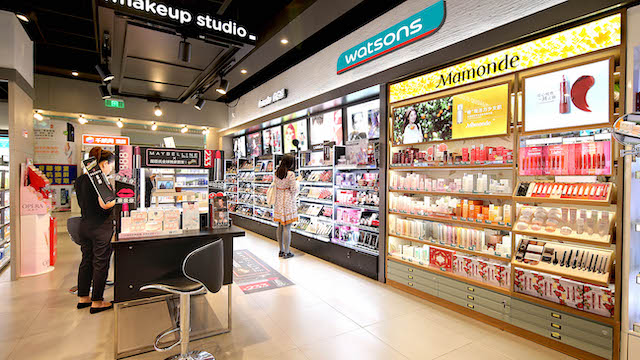
    While Gen Z is the first generation of digital natives, insight data shows that they prefer in-store shopping and they love the social and experiential aspects of browsing and shopping at physical stores with their friends. ASW’s customer insight shows that 99 percent of Gen Zers shop offline, and they like shopping in “destination stores” – stores in shopping malls and city centers.

    The digital natives spend most of their time on screen and they look for brick-and-mortar shopping coupled with technology, so in-store digital devices are key drivers to sales success. These include the introduction of AR and AI in the store environment, as well as the linking of offline and online experiences through apps and social media.

    Gen Zers choose their beauty products based on the trend, price, and quality and use their phones to read other users’ feedbacks and reviews while browsing in stores.

    Sustainability concerns are a big factor for Gen Z customers. Since 2014, AS Watson Group has banned the use of microplastic in its rinse-off own-brand cosmetics and personal care scrub products, and by the end of this year, this ban will extend to all brands, meaning no microplastic will be found in any rinse-off cosmetics or personal care products sold in the stores.

    “Generation Z is a very different customer to the Millennials that came before them,” said Ngai. “They are reinvigorating the retail industry with their desire for experience and activities, while at the same time helping shape a more sustainable future with their emphasis on the environment and doing good.”

  • All about Generation Z

    All about Generation Z

    People born in the year 2000 will turn 19 this year, entering university or finding jobs in a society struggling with slowing economic growth and a rapidly declining population. But as Korea adapts to a difficult economic environment, how will this new generation that prioritizes personal experiences and online communities fit in? The generation, known as Generation Z, follows the millennial generation, Generation Y, and refers to those born in the late ’90s and early 2000s.

    David Stillman, an expert and author on Generation Z, has named it as the first real global age group that has interacted with the world through mobile devices throughout their lives. He also said they are used to fierce competition after experiencing the realities of the global recession in the late 2000s.

    Korea’s Generation Z is unique in that it is the first to experience both low economic growth and a declining population.

    According to Statistics Korea, the number of births in the country decreased from 1 million in 1970 to 492,000 in 2002. The figure for last year is expected to be around 325,000.

    Economic growth has experienced a similar trajectory. While Korea recorded 8.9 percent in gross domestic product growth rate in 2000, the figure for 2018 was at 2.7 percent.

    The changing demographic toward smaller families, the shifting economic landscape and the availability of personalized technology have led Generation Z to place emphasis on personal standards and develop spending habits for products personalized for them.

    “They have a strong sense of individuality compared to past generations,” said Oh Jun-beom, a researcher at Hyundai Research Institute. “It is highly likely that they will become consumers with a lot of different needs.”

    A truly mobile generation

    Generation Z was raised with access to technology that connected them to the world. “If millennials are ‘digital natives’ of computers, Generation Z are ‘mobile natives’ used to smartphones,” said Hong Joo-eun, CEO of Ginger T Project, a consulting company specializing on non-profits.

    The technology allowed Generation Z to become more easily exposed to new and foreign cultures compared to previous generations. “Millennials were exposed to American TV shows by their experiences studying abroad,” said Hong. “Generation Z can watch YouTube videos from wherever they are.”

    According to the IBM Institute for Business Value’s survey on Generation Z, 74 percent of respondents said they spend their free time online, compared to 44 percent who said they spend time with their friends.

    The generation’s most preferred mobile device was the smartphone, at 75 percent. The preference for smartphones has led to a tendency to focus on personalized experiences.

    “Computers, largely used by previous generations, have a strong sense of co-ownership,” explained Shin Cheol-ho, CEO of mobile start-up OGQ. “On the other hand, smartphones have a sense of individualism.”

    Smartphones come with numerous apps and social media services, which Shin said allows users to create a completely individual experience, reflecting the generation’s preference for uniqueness.

    Korea’s Generation Z is different from Korea’s Generation Y, known for following trends en masse. Millennials played a leading role in the bench coat craze during their student years, with students wearing identical jackets as if they were uniforms advertised by famous celebrities.

    The new generation is different in that they are more accustomed to social media platforms and trust YouTube stars for product recommendations rather than advertisements by celebrities.

    With the rise of social media and content, the new generation also places importance on visual images.

    In a report by Park Hye-sook, a professor of design at Pyeongtaek University, the average concentration period of the new generation is eight seconds. It is more familiar with using emoticons and images rather than text. The study emphasized incorporating images in marketing to target young consumers.

    Very important babies

    Despite the slowing economy, Generation Z was brought up in an environment where their parents and grandparents went all out to invest in their upbringing. As they grew older, child-related industries in Korea developed a premium strategy to suit new demands.

    There are beauty parlors and skin care establishments that exclusively cater to children in the posh neighborhoods of Gangnam District in southern Seoul.

    Pharmaceutical company Yuhan even launched a premium skin care brand targeting young children in 2017.

    For baby products, imported goods have taken a market share of 64 percent in 2015 from around 20 percent in 2002.

    Expensive foreign children’s brands such as Rachel Riley, used by the British royal family, and Bonpoint, a premium French brand, have been widely popular in Korea.

    Meanwhile, local brands that have focused on mid-to-low range products have struggled.

    Agabang & Company, Korea’s first baby brand, was once the market leader, but its sales have decreased dramatically since the 2000s.

    “As more children are well cared for, almost like princes or princesses, sales for premium brands are on the rise each year,” explained Son Moon-guk, the head of the products division at Shinsegae Department Store.

    “There is a trend to emphasize distinction through premium or specialized services for younger children,” explained Hong. “The private education market will continue to grow separate from the government’s efforts to expand early childhood public education programs.”

    Through their upbringing, the Generation Z displays a strong sense of self-awareness and individualism, which reflects in their spending preferences.

    “Teenagers these days change their smartphone background image if someone else uses the same image, even if they really like it,” explained one mobile start-up executive.

    Living in the now

    Generation Z is different from previous generations as they place more importance on the present or the near future rather than long-term goals.

    Experts say the tendency to place importance on the present is based on the overall economic environment.

    “The 1997 Asian Financial Crisis changed the lives of Generation X [the parents of Generation Z],” said Shin Kwan-yeong, a professor of sociology at Chung-Ang University. “Generation Z seems to have come to the conclusion that it is meaningless to plan or save up for an uncertain future.”

    With the explosion of mobile technology and social media, Generation Z is familiar with the variety of apps and services that require effort to manage. This has led to a tendency to be strict in time management and prioritizing certain activities over others for the sake of efficiency.

    This trend is most noticeable in how the Generation Z does not spend much time on meals yet avoids fast food. Companies have picked up on the trend and Korea Yakult launched its meal kit business in 2017, targeting the younger generation with small, packaged dishes that were popular when they were children.

    With this focus on experience, Generation Z also avoids group tours.

    Airbnb launched its trip service, where the host provides local tours for visitors in 2016 and has found popularity among younger users.

    “It was neither a commercial nor generic trip,” said Kim Ye-seul, who used the service for a trip to Jeju in December. “It was very unique.”

    The retail industry is currently offering products that target Generation Z. Although they do not yet have purchasing power, younger consumers have a strong influence on their parents’ purchases based on their ability to get access to information on a wide variety of products for the best price.

    In December last year, the Ansan branch of the Lotte Department Store made a drastic change to its layout, placing a bar selling alcohol and drinks on the first floor instead of the usual cosmetics stores. The establishment installed a Muji store, which specializes in households goods with a no-logo policy, on the same floor and is popular with younger shoppers.

    “Retail companies can no longer ignore the preference of Generation Z on lifestyle and real experiences,” said Lee Seung-yun, a business professor at Konkuk University.
  • How to deal with centennials

    How to deal with centennials

    All eyes are on Southeast Asia as the world’s next consumer powerhouse, with its young population and increasing purchasing power. Almost 280 million centennials – those born since 1995, also known as Generation Z, currently call this region home. While the size of this new generation alone makes them attractive prospects for retailers, their distinct behaviours set them apart as the ones to watch to crack Asia’s hyper-competitive retail landscape during the next few decades.

    Born into the digital age and mobile natives, centennials will soon be one of the world’s most demanding consumer groups with high standards and expectations of the online-shopping experience.

    Here’s what we know about the centennials….

    Webrooming vs showrooming

    Almost all centennials in Southeast Asia use the internet as part of their buying journeys, but their route is much more converged than other generations. Latest research commissioned by Dentsu Aegis Network, Here Comes the Centennial reveals that centennials like to use both online and offline channels – 97 per cent browse for products online before purchasing online (‘webrooming’) and 90 per cent look for products in store before buying online (‘showrooming’). Detailed research is a key part of their buying decisions – whether online or offline – to ensure they get the best price, as well as the best quality by going into stores to experience the product. Some 70 per cent browse online to find the best price, while 67 per cent use the internet for checking out product details and specifications and 65 per cent are checking out reviews.

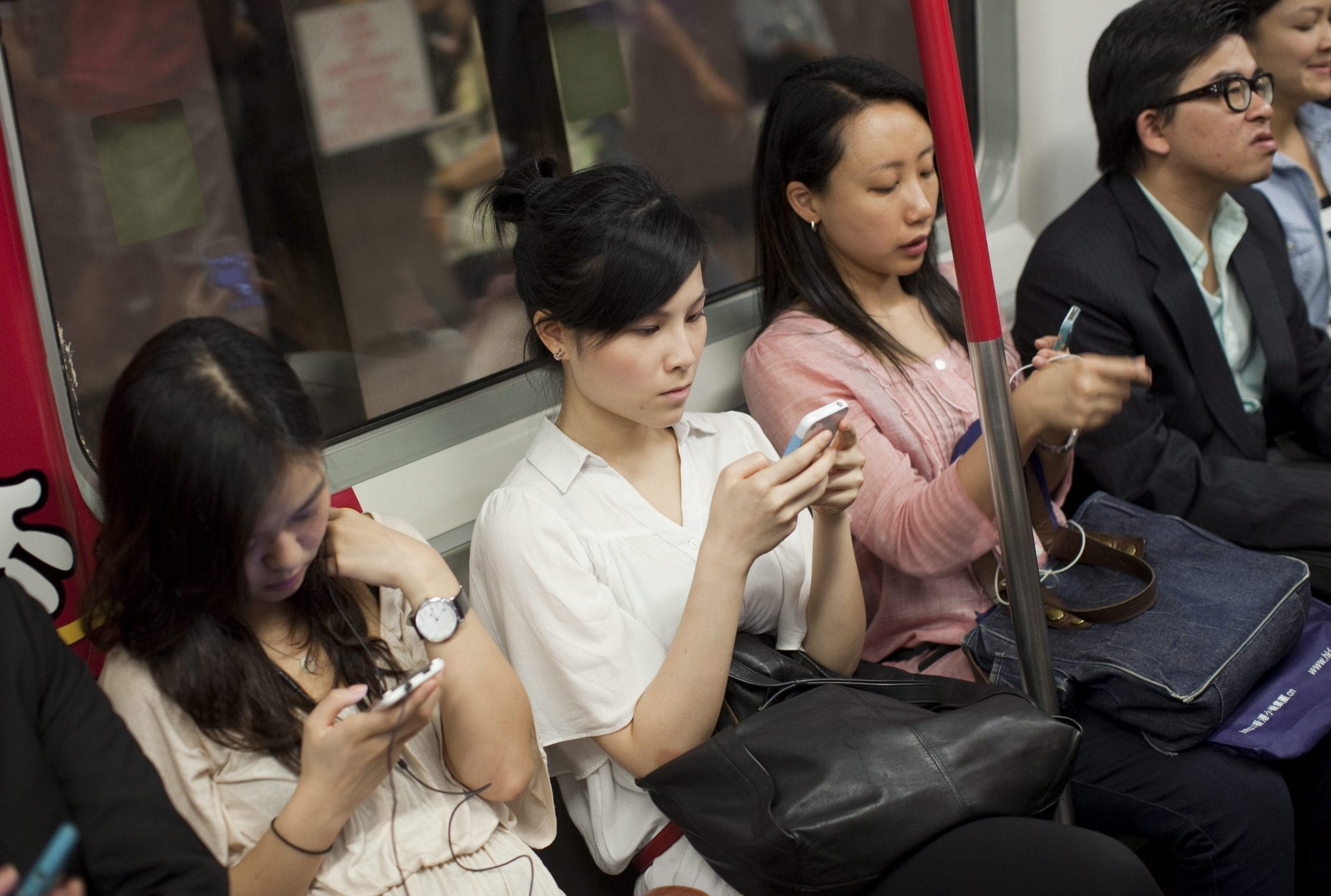
    Smartphones have also created an environment where centennials can browse products wherever they are, whatever they are doing – multi-tasking to the extreme. For example, 52 per cent look at products online while eating, watching TV or hanging out with friends or family, while 38 per cent do so while commuting, and 34 per cent browse products while at school or college.

    Centennials use social-media platforms differently to previous generations, as an important and intimate touchpoint in their purchase and decision-making journey.  Social media applications (47 per cent) such as Facebook and Instagram are the second most popular place for them to shop in, while 49 per cent turn to such platforms for research on their future purchases, rather than asking friends (45 per cent) or family (27 per cent). Even a good reputation with friends and family does not feature highly as a motivator to purchase – just 15 per cent choose this as an option.

    Digital natives

    As digital natives, centennials expect technology to be an integral part of the experience, and are highly optimistic about the use of technology.

    Eighty-two per cent of centennials are excited about futuristic shopping technology such as virtual reality. They demand fast-and-easy experiences that allow them to research and buy products with minimal frustration.

    To this audience, commerce has moved beyond “buying something on a website” to a series of interactions, from enticing them to view a product to providing a personalised purchase experience, to where and when the product should be delivered. In this context, online retailers need to focus on understanding the centennial customer journey, specific to the category being sold. This can be done by incorporating relevant technologies which seamlessly enhance engagement along the path to purchase. For example, the research showed that “Good customer service/reliability” ranks third among qualities of an online store with this audience, with delivering a superior and excellent customer service option using chatbots rather than call centres a more significant differentiator than low prices and free/fast delivery that every other marketplace claims to offer.

    Brand irrelevance

    Brand name and image are no longer a priority of centennials. Only 11 per cent of centennials cite having a prestigious or famous brand as one of their top three attributes when choosing where to shop online. Instead, personalisation and convenience are key, as 76 per cent of respondents are happy to share data with websites, if it makes more relevant recommendations.

    E-commerce payments provide a unique example of this; despite being digital natives, the concept of a cashless society has yet to fully take off for centennials in the six countries surveyed, with 56 per cent of respondents still preferring to pay cash on delivery for their purchases. Whilst preferring digital shopping experiences, the next generation of online shoppers enjoy having a variety of payment methods to choose from, and 43 per cent of centennials will readily abandon their purchases because their preferred payment option is not available.

    This is also accompanied by a shift towards values-based purchasing, with 82 per cent agreeing that they “prefer to buy products from ethical or sustainable brands,” while 70 per cent express a preference for local brands.

    With centennials less responsive to traditional campaign and brand-based purchasing, and increasingly influenced by disparate sources of dynamic information and opinions, retailers can no longer just rely on well-designed stores or brand campaigns to drive sales. Instead, driving a unified brand experience across multiple touchpoints will be key to unlocking the centennial consumer opportunity.

    This year

    So what does this all mean for retail this year and beyond?

    Southeast Asia’s internet economy is expected to exceed US$240 billion by 2025, according to research from Google and Temasek. One in two of centennials surveyed are already spending more than $30 per month online. Nine per cent indicated that they spend more than $100 a month – and as the centennial generation comes of age and joins the workforce, their disposable incomes will increase further.

    This combination of large populations, high connectivity and smartphone penetration rates, and increasing online spending power means the centennial opportunity in Asia is large and growing. We will increasingly see e-commerce technology accelerating this year to help create innovative and memorable brand experiences of the consumer.

    Centennials represent tomorrow’s consumer. They are looking for integrated solutions and a seamless experience that will allow them to purchase anywhere, anytime, and on their own terms. As this new group of consumers become increasingly elusive and multi-channel savvy, retailers need to harness creativity and technology in new ways. Combining new media and technology to deliver innovative and memorable brand experiences is the key to success – and brands are learning quickly in order to tap the huge centennial opportunity here in Asia.

    For example, in Thailand, Cotton USA worked with Vizeum and Isobar to launch the Cotton USA online store through an experiential shopping campaign “Shop the Runway”, partnering e-commerce marketplace 11Street.

    Targeted at the Centennial audience, Shop the Runway was the first real-time online shopping fashion show in Thailand which streamed the live programme on 11Street, while clothes from the catwalk were displayed in real time – within the same page – so viewers could purchase their favourite looks direct from the runway.

    At the heart of the campaign was a unique offline-to-online (O2O) feature within the 11Street mobile application which allowed fashion-show attendees to simultaneously view and shop the runway outfits.

    Shopping coupons were also given to all customers who downloaded and registered their details on the app to further encourage conversions. The campaign drew close to 500,000 campaign visitors, a 13 per cent increase in 11Street app downloads following the campaign, and ultimately boosted Cotton USA sales and brand awareness amongst the target centennial audience.

    Shop the Runway is one example demonstrating how brands can leverage technology and O2O features in innovative ways to reach consumers in today’s competitive e-commerce environment. Combined with a seamless shopping experience, and varied account and purchase options to suit different consumers, moments like these will attract tomorrow’s consumers on their terms, arrest their attention in a hyper-competitive commerce landscape, and allow brands to win in Asia’s digital-led retail landscape.

  • More bubble tea shops open in Vietnam

    More bubble tea shops open in Vietnam

    More and more Vietnamese entrepreneurs are banking confidently on the popularity of bubble tea among the nation’s youth.It was past 10 in the night, but the bubble tea shop was packed. “I opened this milk tea shop just a few months ago, but people have been pouring in every day. My six employees struggle to serve all customers, especially in the weekend,” 33-year-old Nguyen Quang Dung said.

    Located in northern Bac Ninh Province in an industrial area with some 10,000 young workers, Dung’s milk tea shop sells 150-200 cups every day, and he himself has to join his waiters in serving a large crowd.

    “It’s busy, but investing in milk tea shop is one of my best decisions. I have no regrets,” said Dung, who works fulltime as a manager at a nearby power plant.

    Dung is among many Vietnamese entrepreneurs who have been investing in the bubble tea industry in recent years, lured by good profit and high demand among the young population.

    The number of bubble tea stores in Vietnam reached 2,000 last year, with a new store opening every four days, according to the Vietnam Association of Small and Medium Enterprises.

    Even though bubble tea entered Vietnam in 2000, the surge in the number of outlets has only happened in recent years, mostly through franchising.

    Vietnamese brand TocoToco opened its first bubble tea outlet in 2013 and now has almost 200 across the country. Taiwanese brand Ding Tea also has around 200 outlets, while local brand Bobapop has over 100.

    About 30 major bubble tea brands are operating in Vietnam. They are all seeking to compete for a slice of the $282 million dollar market, according to British research firm Euromonitor International.

    Hoang Thi Hien, owner of bubble tea chain Pozaa Tea with outlets in Hanoi, Ho Chi Minh City and other localities, said that the number of outlets increased last year.

    “Many investors want to partner with us. In 2017 we had only eight shops, but the number has increased to almost 60 by the end of last year,” she said.

    She is confident that this figure will rise to 200 this year.

    Generation Z demand

    Visiting a bubble tea shop is among the most popular leisure activities among generation Z, people born between 1996 and 2015, according to a survey by market research firm Nielsen.

    The survey of 210 Gen Z people in Hanoi and Ho Chi Minh City last October found 81 percent of respondents saying bubble tea shops were their favorite hangouts.

    Vo Van Quang, a branding strategy consultant and marketing mentor, said: “Most 15-year-old girls don’t drink coffee, but they’ll gladly pay for a cup of bubble tea. Teenagers are a large customer group for tea-based drinks, hence the high demand for bubble tea.”

    High demand and high profits are irresistible lures for entrepreneurs.

    Nguyen Phi Van, a branding expert and board chairwoman of consulting firm Retail & Franchise Asia, said that an investor can earn up to 40 percent in profit on each cup of bubble tea, which sells for VND25,000-60,000 ($1-2.6).

    Therefore, entrepreneurs are willing to make big investments of up to VND1 billion ($43,000) for one store, including furnishing and brand franchising fees.

    “It takes less than a year for an investor to recover his capital, that’s why this business has been attracting so many,” Van said.

    Tran Thi Thuy Nga opened a bubble tea shop last September in the central Quang Ngai Province with an investment of almost VND800 million ($34,430).Many bubble tea entrepreneurs have other full time jobs and are using their savings to make more money. They can create their own brand or partner with a well-known brand.

    Even though Nga’s store is located in a very small town, students have been coming in every day with their friends and family. Nga often has to ask for help from her family members to join her eight employees in serving customers.

    “I haven’t recovered my capital yet, but so far I’m very happy with the revenue and demand,” Nga said, without revealing specific figures.

    She did reveal plans to open another shop soon.

    Dung, the bubble tea investor in Bac Ninh, has revenues of VND180 million a month ($7,760), and his profit is around half the amount. Dung estimates that he will recover his investment of VND700 million ($30,146) in just six months.

    He is also planning to open a second bubble tea store four kilometers away from the first one, which has been operating for only four months.

    “I’m confident that both stores will do very well.”

  • Introducing the tech-savvy Generation Z

    Introducing the tech-savvy Generation Z

    Meet Generation Z. The next big consumer retail power has grown up with social media and assuming instant access to almost all things digital, from music to video to information.

    They’re today’s image-savvy teens and tweens and they want it all – and they want it now as they acquire apparel, cosmetics and experiences.

    That’s the conclusion of a new report Gen Z: Get Ready for the Most Self-Conscious, Demanding Consumer Segment, from Fung Global Retail & Technology.

    “Retailers, restaurants and leisure companies will have to adapt to the wants and needs of Gen Zers, who have not all even been born yet and so possess substantial growth potential as a demographic group”, explains Deborah Weinswig, MD of the think tank.

    Born in 2001 and later, and the first generation to grow up “in public” online, Gen Zers attach great importance to their physical appearance. Their presence on social media also pressures them and those who support them to spend on travel and events, Weinswig writes, a phenomenon she dubs “the Instagram effect.”

    “The new technology products and services have broadened consumers’ range of choice and quickened the pace of life,” Weinswig observes. “It is hard not to see these creating a more demanding, image-conscious consumer.”

    Fung Global Retail & Technology estimates that consumers in the US spent $829.5 billion on Gen Zers last year, and that approximately $66 billion of that was spent on discretionary categories. Generation Z comprises 19 per cent of the US population, and will rise to 25 per cent in 2020. In the EU, the generation accounts for 16 per cent of the population, and is forecast to peak at 21 per cent in five years. Across Asia, that percentage is higher in most markets.

    The influence of technology on these consumers’ habits cannot be underestimated. The first members of Generation Z are only a few months older than the Apple iPod, which debuted in 2001. The generation is typified by three dominant characteristics related to its relationship with tech:

    • The importance of self-image, with their vanity influenced by social media, dating apps and video chat.
    • The demand for experiences, and a change in consumption habits shaped by booking and delivery apps as well as social media; and
    • The demand for immediacy, propelled by Amazon Prime Now, among other delivery apps.

    Social media and selfies have spurred Gen Zers to be more concerned with personal appearance than any other previous generations, boosting sales of cosmetics, skincare and hair products among boys and girls, the report notes. New brands are even emerging from social media stars such as Kylie Jenner from the US and British blogger Zoella.

    This generation’s habit of documenting interesting and fun experiences on social media means they are spending more on events, dining out and travel. Mobile connectivity makes it ever easier to book these activities, and in 2015 UK consumers increased their spending on recreational services by 15.9 per cent and their spending on cultural services by 6.7 per cent, while retail sales rose just 1.9 per cent. In the US, restaurant and hotel spending rose by 7.4 per cent and 7.3 per cent, respectively, in 2015, while retail sales rose just by 3.5 per cent.

    “While these figures reflect all consumer spending, not just Gen Z’s spending, we think that the forces driving leisure spending are likely to be stronger for Gen Z than they will be for older age groups,” Weinswig writes. “Gen Zers are, and will almost certainly continue to be, the heaviest users of technologies, including apps that allow users to find and book leisure services.”

    The only generation to grow up with the on-demand economy, Gen Zers likely will continue to be highly demanding consumers, whether they are requesting instant access to video, ride-hailing apps or delivery services.

    “Exposure to near-infinite choice and access to near-endless information makes this generation more demanding than any of its predecessors. As Generation Z matures, it will become more discerning, but its demanding nature is unlikely to be diluted,” Weinswig says. “We think brands and retailers will be the ones that need to change, because Generation Z looks unlikely to compromise on its high expectations.”

    Fung Global Retail & Technology is a think tank whose research team, based in New York, London and Hong Kong, follows emerging retail and tech trends, specialising in the ways retail and technology intersect, and in building collaborative communities.

    Led by Deborah Weinswig, a former Wall Street and retail tech analyst and startup advisor, the team publishes ongoing thematic and global market research on topics such as the Internet of Things, digital payments, omni-channel retail, luxury and fashion trends and disruptive technologies.

  • Li & Fung proves nimble

    Li & Fung proves nimble

    Hong Kong-listed global supply chain management company Li & Fung has proved nimble weathering one of the most challenging retail environments for many years.

    Yet despite an overall increase in trading volume, its revenue for the year ended December 31 fell 2.4 per cent to US$18.8 billion for the year.

    Mainly servicing US and EU brands, department stores, hypermarkets, specialty stores, catalogue-led companies and eCommerce sites, the family-led company reorganised during the year with the aim of delivering innovation and product differentiation while focusing on client solutions.

    Growth was strong in its e-logistics division, thanks to the eCommerce boom, and with an unprecedented drop in ocean freight rates, its logistics network grew in both turnover and unit volume.

    Adding to the difficulties of the year were political uncertainties in Europe and Asia. Meanwhile, increased competition from fast-fashion, off-price and eCommerce players continue to challenge retail customers, resulting in margin pressure across the board.

    Turnover eased by 2 per cent year-on-year to $18.8 billion, largely because of soft macroeconomic conditions and the challenging retail environment.

    Turnover in Asia decreased by 2.5 per cent to $2 billion, with distribution being hit by the slowdown in China, geopolitical issues in Southeast Asia and Asian currencies depreciating against the US dollar.

    However, Li & Fung’s logistics network continued to grow in Asia, largely thanks to support by new contracts and expansion, particularly into Southeast Asia.

    Across its trading network, the company served a diversified group of customers including brands, department stores, specialty stores, clubs, hypermarkets and pure-play eCommerce ventures. The network covers more than 40 economies, and the top three sourcing countries continue to be China (more than half of products), Vietnam and Bangladesh.

    The company’s entrance into Indonesia, Japan and Korea also began to generate positive contribution, and it launched a regional distribution centre in Singapore.

    “Globally, our industry is going through an unprecedented structural change, led by the changing conditions at retail,” says group CEO Spencer Fung, the great-grandson of the company’s founder.

    “Retail is becoming more competitive as more eCommerce players enter the marketplace, and global competition overall is being augmented by cloud computing, mobile connectivity and cross-border logistics.”

    He says consumer preferences and buying patterns are also changing, led by millennials and the newer Generation Z.

    “The way these consumers discover, socialise and finally make a purchase decision has had immense consequences to brand loyalty, to sustainability and to the sharing economy… the speed of change is only increasing as we look ahead.”

    Li & Fung is partnering with companies that offer technology and innovation to create products “with more excitement”, and has simplified its structure and business to improve speed and flexibility.

    “With fewer acquisitions in 2015 compared to previous years, we have been very focussed on growing organically and increasing our market share with our existing customer base,” says Fung.

    “All indications point toward a challenging 2016, but I am confident we will weather these changes as we build for the future.”

  • Generation Z to make big retail impact

    Generation Z to make big retail impact

    New challenges lie ahead for retailers in Asia as Generation Zers embrace technology and earn more.

    In its newly released report How We Like to Shop Online, CBRE says Generation Z is expected to have significant influence over the retail market in the coming years as their income levels are set to increase rapidly upon joining the job market.

    Generation Z refers to people born after the Millennial Generation, loosely defined as from around 2000.

    “Having spent most of their lives using the internet and other related technology, Generation Z’s demographic of consumers has distinct shopping behaviors in comparison to other demographic segments,” says Jonathan Hsu, head of occupier markets research, CBRE Asia Pacific.

    “Key aspects of their online shopping habits include stronger trust in online information; more activity on social media; and needing a sense of differentiation. These factors demonstrate the increasingly important role of technology in shaping the decision-making process of consumers,” said Hsu.

    In order to remain competitive in the digital age, retailers and landlords need to be proactive in reaching out and engaging with their consumers. Mobile shopping is most prevalent in emerging markets, and in many places, smartphones are the first – and sometimes only – point of internet access for many consumers, therefore, are playing a key role in driving the growth of online retail.

    Smartphone apps and social media can provide valuable information and insights into consumer behavior, for example, push notifications for smartphone apps or social media platforms based on consumers’ shopping history, location and preferences can help personalise their shopping experience.

    “Landlords and retailers need to be more digital-savvy, keeping pace with the latest trends in smartphone applications and social media so they can build a stronger relationship with consumers especially those from Generation Z,” said Joel Stephen, senior director, head of retailer representation, CBRE Asia.

    “These digital platforms are two essential mediums of online retailing, which should be integrated into retailers’ omni-channel strategies in order to capture Online-to-Offline (O2O) business opportunities.”

    With around 70 per cent of consumers in Asia Pacific collecting their online orders in-store – and 90 per cent of them purchasing additional items when picking up their online order – click-and- collect services are also an effective way to drive in-store sales, creating a synergy between both online and offline platforms.

    CBRE says landlords should thus collaborate with tenants to help merge their online and offline offering by providing the necessary facilities and regular renovations.