Tag: getup

  • GetUp Targets Hundreds of Coles Stores over Palantir AI Deal

    GetUp Targets Hundreds of Coles Stores over Palantir AI Deal

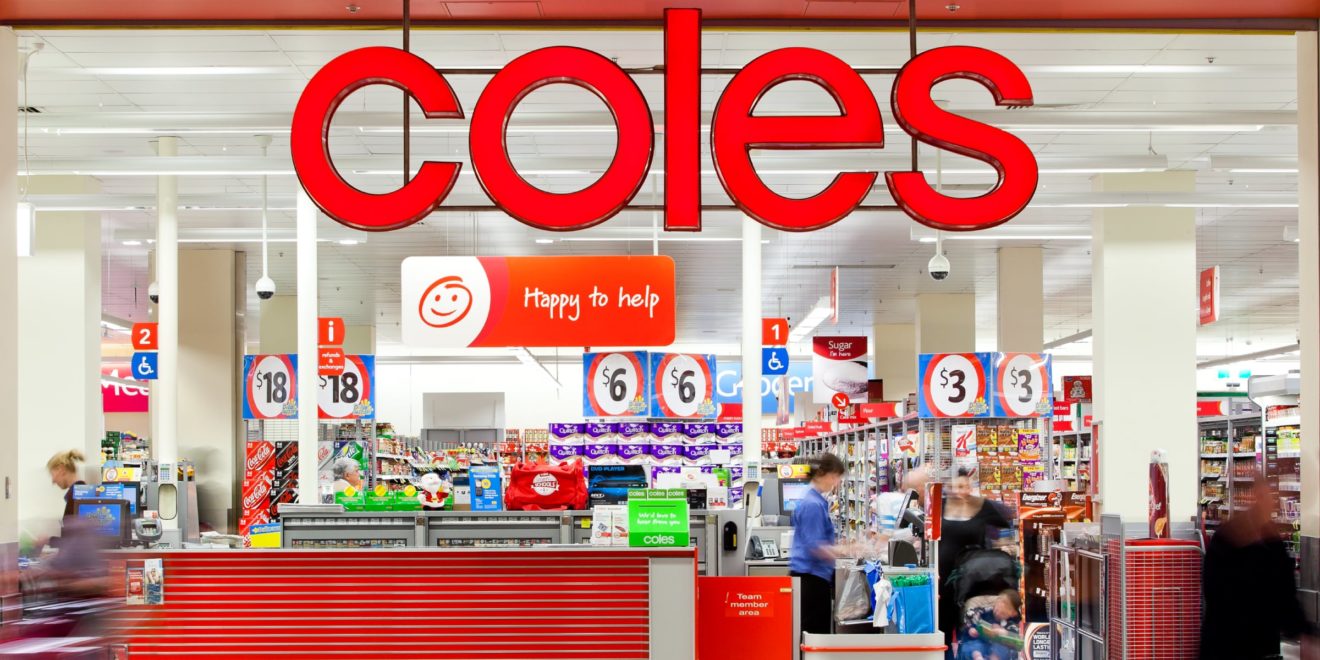
    Community advocacy group GetUp targeted hundreds of Coles stores across Australia with spoof digital billboards, challenging the supermarket operator over its enterprise partnership with US analytics vendor Palantir. The advertisements ran outside store entrances in July, mimicking the retailer’s signature red and white branding with the slogan: “Here at Coles, we’re always watching you.”

    The pushback followed Coles deploying software from the controversial US technology company to sharpen artificial intelligence and operational efficiency across its supermarket network. While the digital billboards were taken down quickly, the campaign triggered public debate over how large grocery chains handle customer data and explain tracking tools to shoppers.

    Public Scrutiny Over Store Analytics

    Supermarket operators across the Asia-Pacific region have accelerated investments in predictive analytics, automated inventory forecasting, and computer vision systems. Enterprise partnerships with overseas defence and intelligence contractors carry brand risks that standard retail IT upgrades do not. Consumer groups increasingly scrutinise the boundary between back-end supply chain optimisation and customer-facing surveillance.

    For grocery chains operating in concentrated retail markets, transparency around data architecture has become an operational necessity rather than an investor relations footnote. When retailers fail to define where data processing stops, third-party advocacy groups easily fill the information vacuum with negative messaging right at the store entrance.

    Retail AI Strategy Under Pressure

    The dispute reflects broader friction across Australian retail as grocers test advanced algorithmic tools to cut shrink and streamline operations. Coles had framed its AI rollout as an efficiency play, intended to modernise store workflows and stock management across its national footprint. Linking store-level operations to specialised analytics vendors has instead tested customer goodwill at a time of heightened consumer sensitivity around commercial data collection.

    Grocers managing similar automation rollouts across regional markets now face tighter questions regarding data sovereignty, third-party software governance, and in-store customer communications. Retailers will need to clarify operational boundaries as advocacy campaigns continue tracking corporate technology procurements.

  • Coles Drops Palantir Contract After Activist Campaign over Data Use

    Coles Drops Palantir Contract After Activist Campaign over Data Use

    Coles will end its enterprise partnership with United States software vendor Palantir. The decision follows an 85,000-signature petition against deploying military-grade data systems in Australian supermarkets.

    Company officials confirmed the business will let the three-year agreement expire in 2027 rather than sign an extension.

    Rostering and Supply Chain Deployment

    The grocer brought in Palantir in early 2024 to manage backend administration across its store network. The software scheduled shift rosters and coordinated bakery production runs. It also modelled inventory flow through distribution centres.

    Community advocacy group GetUp launched a campaign against the deal shortly after the contract took effect. Activists cited Palantir’s contracts with the United States Immigration and Customs Enforcement agency and the Israeli Defence Forces. They argued military-grade systems had no place in retail operations.

    A spokesperson for the chain rejected claims that the platform ever tracked shoppers or gathered aisle surveillance feeds. “Palantir’s technology has delivered value across Coles’ operations, particularly in rostering, store operations and supply chain planning,” the spokesperson said.

    The Enterprise Risk in Retail AI

    Supermarket operators across the Asia-Pacific region are rushing to automate workforce management and stock replenishment. Yet vendor selection brings brand exposure that procurement teams often underestimate. When enterprise software providers run heavy defence and state intelligence divisions, consumer-facing retailers absorb the reputational fallout directly at the checkout.

    Coles chose to let the contract lapse quietly at its natural term rather than terminate immediately. That approach lets the grocer run down existing IT commitments while scouting replacement platforms for store-level forecasting and labor scheduling.

    A Push Toward Neutral Systems

    Earlier, the company maintained Palantir never controlled internal grocer data or held rights to repurpose operational metrics. It declined to detail commercial reasons for walking away from the contract when asked for clarification.

    Chains across Australia and the wider region face sharper scrutiny over in-store data management. Woolworths and Coles both encountered customer resistance in recent years when testing automated checkout monitoring and digital loss-prevention systems.

    Attention now turns to how the retailer will transition its store scheduling and supply chain workflows to alternative software providers before the agreement concludes in 2027.