
Retail News CRM

Tag: ghost

  • Meta Tests Monthly Message Caps On Whatsapp To Curb Spamming

    Meta Tests Monthly Message Caps On Whatsapp To Curb Spamming

    Meta is planning on introducing a message limit for both individual users and businesses on its platform, WhatsApp. This move is designed to deter messages being sent en masse to unknown contacts without eliciting a response.

    Details of the New Limit

    The tech giant’s new strategy is to implement a monthly cap on the number of messages that can be sent without receiving a reply. All the messages dispatched on the platform will count towards this proposed limit. The exact number constituting the monthly cap remains undisclosed with Meta confirming that it is still in the process of testing various thresholds.

    In the upcoming weeks, the company plans to initiate trials of these new restrictions in multiple countries, although the specifics have yet to be determined.

    User Notifications and Alerts

    WhatsApp will proactively alert users who are nearing the set limit through a pop-up notification. This alert will indicate the remaining number of messages that can be sent before the limit is reached, thus enabling users to manage their activity and avoid being completely barred from sending messages.

    Impact on the Average User

    Meta assures that the average user will not be impacted by this new measure. The company explains that the limits are primarily intended to combat spam and will therefore not affect most users. As long as users are not excessively sending messages to a wide range of contacts, they are expected to remain unaffected by this change.

    This is not the first instance of WhatsApp taking measures to combat spam. Previous features introduced by the company were aimed at enabling users to easily exit unfamiliar group chats, block messages directly from the lock screen, and entirely block messages from unknown users.

    Curbing the Spread of Spam

    While Meta acknowledges that the new message limit will not entirely resolve the issue of spam on WhatsApp, it believes that it will effectively curtail its proliferation. The company is optimistic that this measure will deter spammers who indiscriminately send messages to random WhatsApp numbers, thereby making the process of spamming more challenging.

    Questions & Answers

    What is the new limit that Meta is introducing on WhatsApp?
    Meta is implementing a monthly cap on the number of messages that can be sent on WhatsApp without receiving a reply. The exact number constituting this limit is still being tested.

    How will users know if they are approaching the message limit?
    WhatsApp will alert users nearing the set limit through a pop-up notification. This will indicate the number of messages remaining before the limit is reached.

    Will the average user be affected by this new limit?
    According to Meta, most users will not be affected by this new measure as it is primarily being introduced to combat spam. If users are not excessively sending messages to a wide range of contacts, they are likely to remain unaffected.

  • Johnnie Walker launches new Ghost and Rare in Hong Kong

    Johnnie Walker launches new Ghost and Rare in Hong Kong

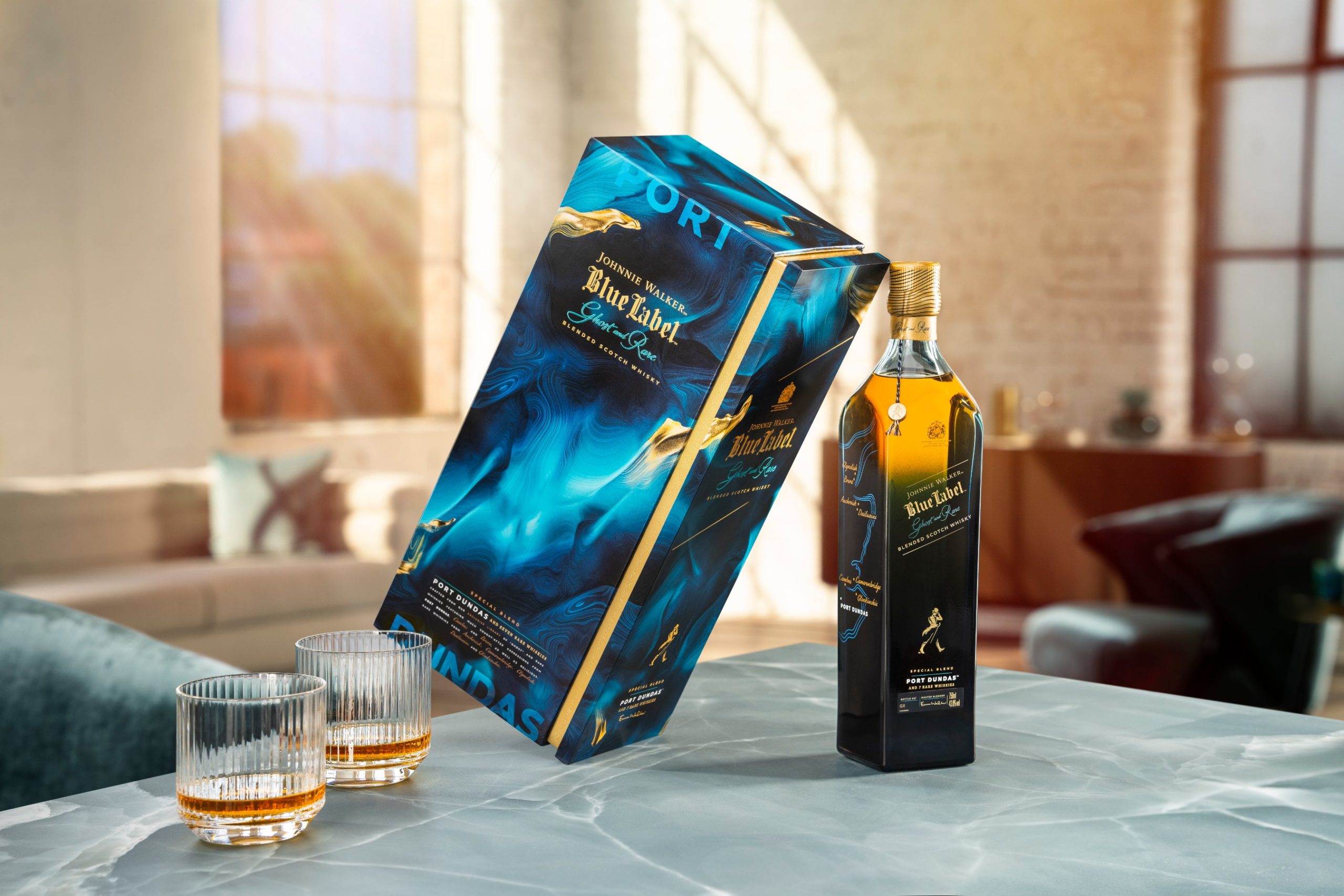
    Christmas is just around the corner. Get ahead on your shopping for all the nice people who have been good to you this year. If you’re looking for something classy, boozy, and rare, to give to a special someone, a quality bottle of liquid gold is always a good choice. And the good news is, starting today, you’ll be able to purchase the fifth edition of Johnnie Walker Blue Label Ghost and Rare in Hong Kong. Give the gift of rare whiskies from one of the world’s most famous grain whisky distilleries with more than 100 years of distilling history.

    This new release marks the first Ghost and Rare expression from Johnnie Walker master blender Emma Walker following the releases of Johnnie Walker Blue Label Ghost and Rare Pittyvaich in 2021, Johnnie Walker Blue Label Ghost and Rare Glenury Royal in 2019, Johnnie Walker Blue Label Ghost and Rare Port Ellen 2018, and Johnnie Walker Blue Label Ghost and Rare Brora 2017.

    Port Dundas closed its doors in 2010 and its precious and dwindling stocks of whisky can only be found in special bottlings like this latest release from Johnnie Walker. This new bottling explores the creamy, wood notes of Port Dundas blended with the vanilla and soft smoke from other ‘ghost’ whiskies of Cambus and original stocks of Brora.

    Johnnie Walker Blue Label Ghost and Rare Port Dundas (43.8% abv, 750ml) is available for $2,860,

  • Singapore startup opening ghost kitchens globally

    Singapore startup opening ghost kitchens globally

    Singaporean food tech firm TiffinLabs is creating an international network of ghost kitchens based in more than 1000 locations across the US, Europe and Asia.

    The move is designed to take advantage of the rapid global transformation and growth of the online food-delivery market, with the kitchens rolling out progressively from the last quarter of this year following 12 months of negotiations.

    According to material released by the firm, the traditional restaurant industry – largely structured for dine-in – has led to a mismatch between customer demand and the supply of cuisines due to current production capability. TiffinLabs’ solution, focused on creating cuisines linked to consumer needs, is an attempt to innovate in the food delivery and restaurant industry in reshaping the business model and tapping new growth opportunities.

    TiffinLabs currently operates nine digital-first restaurant brands out of its kitchens in Singapore, including Publico Pastabar and Hureideu – Korean Fried Chicken, as well as soon-to-be-launched Singapore Makan.

    “Singapore is known globally for its quality standards and as a food lover’s paradise, with its wide mix of local and western foods,” said Tiffin Labs founder & chairman Kishin RK, “and TiffinLabs looks forward to sharing this globally.”

    TiffinLabs will leverage its AI-driven kitchen operating and management system across its network to deliver an international menu from digital-first restaurant brands, with a potential reach of more than 15 million households. The team also harnesses data analytics to identify food trends and changing consumer preferences while optimizing its supply chains with local smart kitchens to fill gaps in delivery zones.

    “What customers get when they order food for delivery is dramatically different from a dine-in experience,” said Kishin. “By enabling over 1000 kitchens for delivery-focused operations globally, we are making food ordering relevant for the future, at scale. In the next three years, we see two very different winners in this space – the local niche specialty cuisine player that can create value through distinction for a specific segment of the market.

    “The other will be global delivery businesses which will scale brands and menus with suppliers and delivery platforms and invest in innovation specifically to create food for delivery, reinventing customers’ experience of in-home dining.

    “As someone who has been in this industry for the last 10 years, I strongly feel that the value of real estate and the monetization capability of its adjacent business models will be determined by how well it integrates into the digital economy. Our business aims to help all players in the food industry tap into the growth of this sector.”

    The online food delivery market is expected to more than double to US$200 billion by 2024.