
Tag: Gieves & Hawkes

  • Gieves & Hawkes exploring RFID route

    Gieves & Hawkes exploring RFID route

    The new Gieves & Hawkes store in The Mailbox, Birmingham is using RFID technology to help the retailer gain a clearer view of stock inventory and to aid the business’s loss prevention strategy.

    Further installations of the technology are being discussed with solutions provider Catalyst, but for now the menswear retailer is solely monitoring results in the West Midlands store, which opened last summer.

    Sam Thompson, regional IT manager for Gieves & Hawkes parent company Trinity Group, said: “The technology has been easy to deploy and the store appreciates the benefits it offers.

    “The data generated is useful in managing store stock levels.”

    Catalyst, which is owned by global supply chain organisation Li & Fung, operates a cloud-based data platform and is providing Hawes & Curtis with handheld readers for scanning products and overhead readers, which are invisible to the customer but offer the company’s staff item level intelligence. The tech range is showcased in the company’s London, New York and Hong Kong showrooms, allowing retailers to walk in and see the solutions in action in a mock-up store scenario.

    We visited the Catalyst London showroom in 2014 and witnessed how the readers can be combined with other technology such as smart changing room systems or digital screens, to boost the customer’s in-store experience.

    Catalyst works alongside Smartrac for the Gieves & Hawes project, with the latter’s UCode 7 Web RFID tags printed, encoded and applied to all garments delivered to the store. The tags are deactivated using Catalyst’s ePay readers at the till point, with the information fed straight into the retailer’s point of sale system, giving the business a real-time view of stock inventory.

    The RFID solution also provides an alternative to electronic article surveillance in the fight against theft.
     

  • Trinity Group confident despite loss

    Trinity Group confident despite loss

    With revenue totalling HK$1.9 billion (US$245 million), Hong Kong-listed retailer Trinity Group lost HK$88.5 million last year.

    Trinity Group, which sells premium menswear brands in greater China and Europe, says it continued to be dragged down by the dampened consumer spending environment in China, but has implemented business reforms as well as restructuring aimed at improving its position long term.

    As well as the slower growth in China, its main market, the group also lost money with one-off restructuring costs and the impact of the RMB’s depreciation.

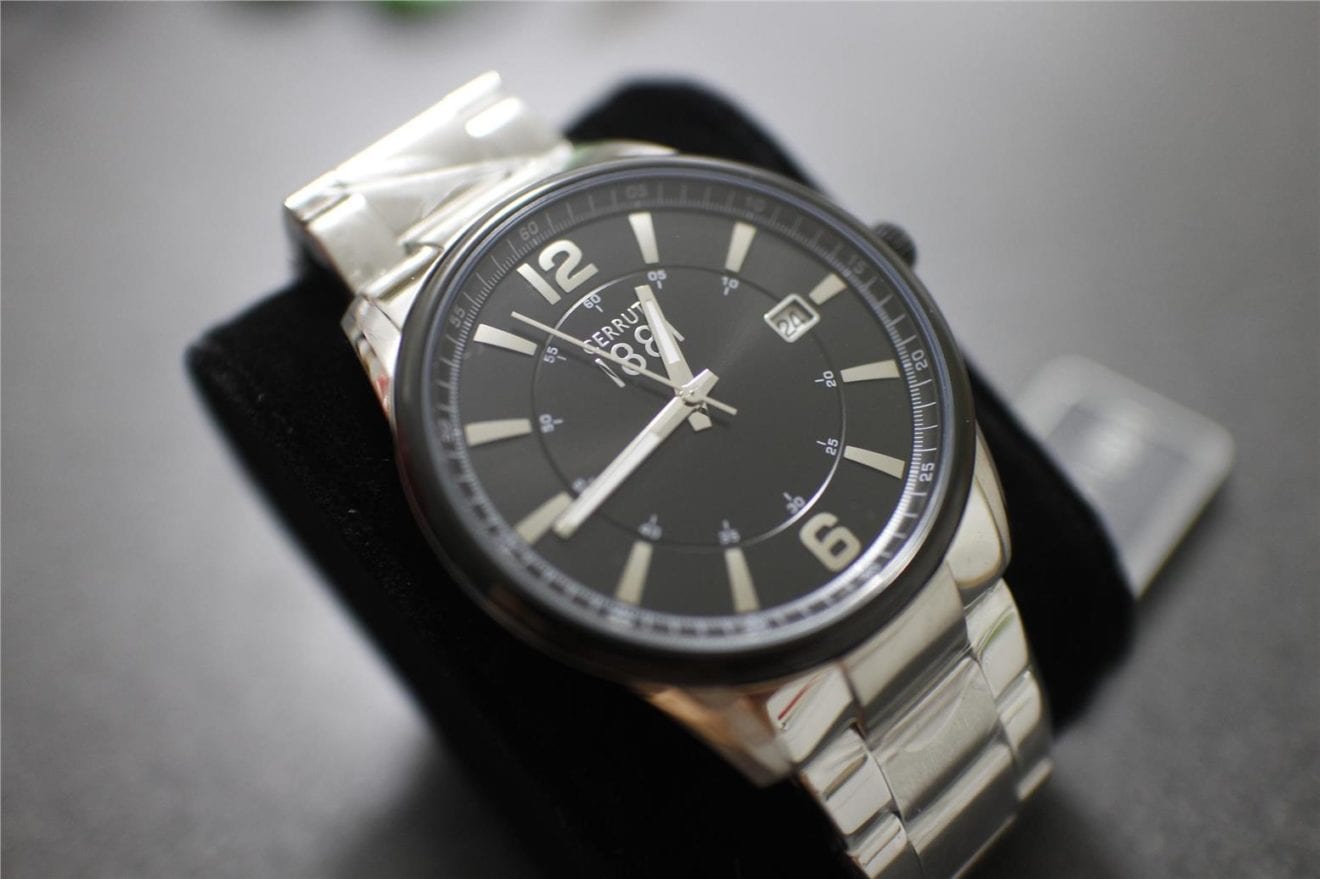
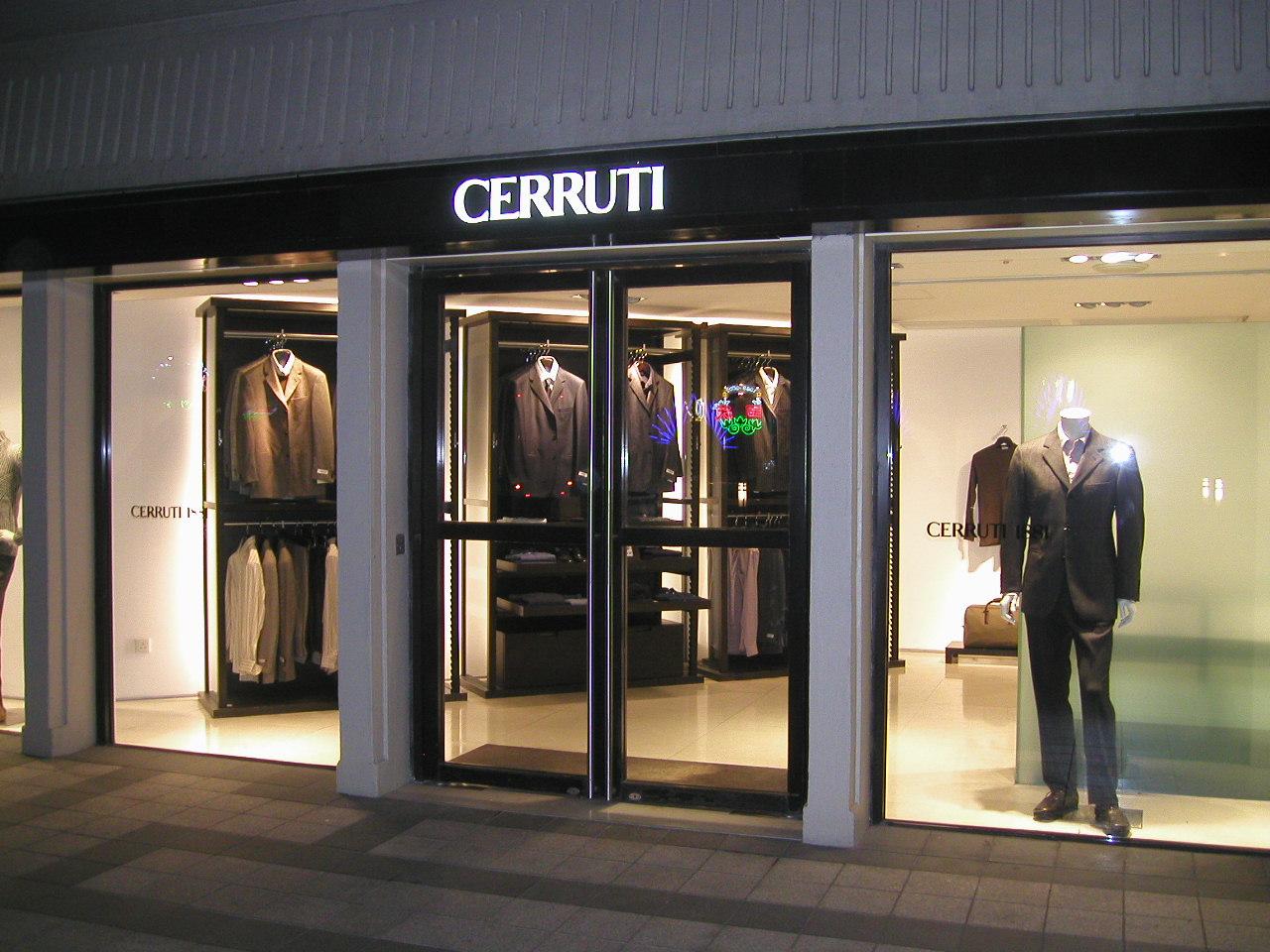
    Trinity Group, a Fung Retailing company, owns the Cerruti 1881, Kent & Curwen and Gieves & Hawkes brands and manages D’Urban under long-term licence in Greater China.

    CEO Richard Cohen says while the group took measures to mitigate against the expected lower consumer spend, the impact on same-store sales in the last quarter was far more significant than the retail sector predicted. However, the group’s overall performance was in line with that experienced by the wider high-end and premium retail sectors.

    “Our results, along with others in the industry, are disappointing but not wholly unexpected. Looking forward, we believe there are significant international wholesale, franchising and retail opportunities for the group in the long term.”

    Efficiency measures by the group last year included improvements to sourcing and inventory management. This involved a consolidation restructure, including moves to further reduce staff costs, which resulted in one-off full-year costs of HK$60 million.

    Fifty non-performing stores were closed, reducing the group’s outlets from 399 at the end of 2014 to 349.

    Cohen says the group was able to maintain gross-profit margins above 70 per cent despite the difficult retail environment.

    While maintaining its focus on the Chinese consumer, Cohen says the Trinity Group has revised its global strategy.

    “The growing middle class in China is increasingly travelling abroad, so our strategy is to continue to engage with these core customers when they travel, while also reaching out to new clientele.”

    Related to this strategy, the group signed an exclusive five-year agreement in September that will see international sports icon David Beckham play a multifaceted role in driving Trinity’s Kent & Curwen business globally.

  • Trinity warns of looming loss

    Trinity warns of looming loss

    Menswear model Trinity has warned it expects to submit a loss within the half yr to June based mostly on preliminary buying and selling figures.

    The Hong Kong listed retailer and producer, majority owned by Li & Fung, says it has confronted challenges adapting to the weak retail market within the Chinese language mainland and a lower within the variety of mainlanders visiting Hong Kong and Macau.

    In a inventory trade submitting, the corporate stated it had incurred greater one time restructuring prices to mitigate these on-going unfavourable circumstances.

    “As well as, whereas unit gross sales remained comparatively secure, common promoting costs have been adjusted, putting strain on margins and mixed with the restructuring prices, the group’s efficiency was adversely affected.”

    In March, Trinity reported revenues of HK$2.6 billion (US$335.2 million) and a gross revenue of HK$1.9 billion ($244.95 million). The gross revenue margin was 74.1 per cent representing a 1.four proportion level decline as a consequence of liquidation of extra stock, a administration precedence within the second half.
    In Monday’s warning, Trinity stated administration is taking “vital actions” to enhance second half yr efficiency however expects the subdued retail market surroundings in Larger China will proceed.

    Trinity retails high-end menswear in Larger China and Europe. Its manufacturers embrace D’City, Gieves & Hawkes, Cerruti 1881, Intermezzo and Kent&Curwen.

    In March, CEO Richard Cohen stated Trinity was on monitor with its medium-term technique.
    “We goal globally and assume regionally,” he stated. “We’re optimistic for the close to and medium-term, and stay assured about the long run potential for our enterprise.
    He stated the corporate was setting up “the best retail technique and construction” to ship constant, sustainable returns into the longer term.
    “We’ve considerably strengthened our groups up and down the organisation and proceed to enhance stock administration. Up to now six months we’ve got developed centralised shared providers throughout all departments and improved our provide chain to make it less expensive and versatile.”