
Tag: gig economy

  • Grab Cuts Maximum Take on Vietnam Rides to 32% from 40%

    Grab Cuts Maximum Take on Vietnam Rides to 32% from 40%

    Singapore-based ride-hailing operator Grab will reduce its maximum take from rides in Vietnam to 32 per cent from roughly 40 per cent, according to the country’s antimonopoly regulator.

    The ceiling reduction follows an official review prompted by driver complaints, which culminated in a two-day boycott in Ho Chi Minh City during September.

    Regulatory Pressure Drives Platform Changes

    Vietnam’s antimonopoly authority intervened after drivers lodged formal complaints regarding platform deductions from passenger fares. Across the broader region, fee adjustments and driver support measures are set to cost the Singapore-headquartered mobility group $115 million.

    The policy overhaul follows a similar intervention in Indonesia, where regulators capped ride-hailing commissions to shield gig workers from escalating platform fees. Southeast Asian antitrust authorities are increasingly targeting take rates that platforms expanded during their push toward profitability.

    The Cost of Driver Retention

    Aggressive fee reductions compress margins across Grab’s core mobility arm, altering unit economics in one of its key growth markets. For fleet operators and individual drivers, an eight percentage point cut in maximum platform deductions provides immediate relief against rising vehicle operating costs.

    Competitors across Southeast Asia face identical pressures. Platforms that extracted higher commissions to satisfy public market investors must now calculate whether absorbing the $115 million cost hit will insulate them from deeper statutory fee limits in neighbouring jurisdictions.

    Labor Friction Preceded Intervention

    Driver dissatisfaction boiled over into operational disruption in Ho Chi Minh City during September, when drivers staged a two-day boycott protesting excessive fees. That strike accelerated regulatory scrutiny, pushing authorities to review how the company structures driver compensation.

    Southeast Asian transport authorities are tracking whether the 32 per cent ceiling stabilizes driver supply before deciding on formal nationwide statutory caps.
  • Grab Cuts Maximum Take on Vietnam Rides to 32% from 40%

    Singapore-based ride-hailing operator Grab will reduce its maximum take from rides in Vietnam to 32 per cent from roughly 40 per cent, according to the country’s antimonopoly regulator.

    The ceiling reduction follows an official review prompted by driver complaints, which culminated in a two-day boycott in Ho Chi Minh City during September.

    Regulatory Pressure Drives Platform Changes

    Vietnam’s antimonopoly authority intervened after drivers lodged formal complaints regarding platform deductions from passenger fares. Across the broader region, fee adjustments and driver support measures are set to cost the Singapore-headquartered mobility group $115 million.

    The policy overhaul follows a similar intervention in Indonesia, where regulators capped ride-hailing commissions to shield gig workers from escalating platform fees. Southeast Asian antitrust authorities are increasingly targeting take rates that platforms expanded during their push toward profitability.

    The Cost of Driver Retention

    Aggressive fee reductions compress margins across Grab’s core mobility arm, altering unit economics in one of its key growth markets. For fleet operators and individual drivers, an eight percentage point cut in maximum platform deductions provides immediate relief against rising vehicle operating costs.

    Competitors across Southeast Asia face identical pressures. Platforms that extracted higher commissions to satisfy public market investors must now calculate whether absorbing the $115 million cost hit will insulate them from deeper statutory fee limits in neighbouring jurisdictions.

    Labor Friction Preceded Intervention

    Driver dissatisfaction boiled over into operational disruption in Ho Chi Minh City during September, when drivers staged a two-day boycott protesting excessive fees. That strike accelerated regulatory scrutiny, pushing authorities to review how the company structures driver compensation.

    Southeast Asian transport authorities are tracking whether the 32 per cent ceiling stabilizes driver supply before deciding on formal nationwide statutory caps.

  • Zomato and Blinkit Help 210,000 Delivery Partners Claim Rs 33.6 Crore

    Zomato and Blinkit Help 210,000 Delivery Partners Claim Rs 33.6 Crore

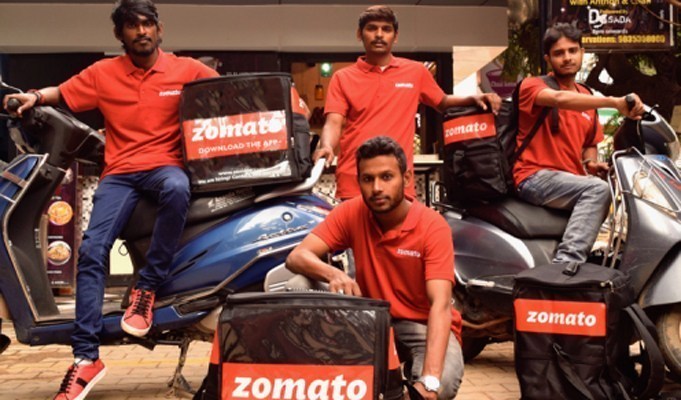
    Zomato and quick-commerce subsidiary Blinkit processed income tax returns for 210,000 delivery partners this year, recovering Rs 33.6 crore in tax refunds. Three out of four riders who used the service filed a return for the first time in their lives.

    Each delivery partner who completed the filing received an average refund of approximately Rs 1,600. The filings resolved tax deducted at source withheld at a standard rate of 1 per cent on platform payouts.

    Chatbot filings inside the partner app

    Filing took place entirely inside the Zomato and Blinkit delivery partner mobile applications. A dedicated chatbot guided riders through a automated process managed by an external tax service provider at a subsidised fee.

    The workflow removed manual paperwork and tax consultant visits, which previously prevented informal workers from claiming withheld earnings. Riders verified identity details and payout histories directly against tax records before submitting their forms.

    Credit history for gig workers

    Establishing an official tax record gives platform workers formal documentation that banks require for consumer loans, two-wheeler financing and rental agreements.

    “For many delivery partners, this may be their first experience with formal financial services,” said Aditya Mangla, CEO of Zomato. “The aim is to make that experience useful and accessible, and help delivery partners get easier access to credit and become more financially secure over time.”

    Platform retention and worker churn

    Fleet turnover remains the single largest operational cost for instant delivery operators across India. Zomato, Swiggy and Zepto compete constantly for riders across major metropolitan areas, where monthly churn routinely exceeds double digits.

    Value-added services such as tax recovery give platforms a retention tool that does not increase base delivery payouts. When riders recover withheld earnings directly through the company app, platforms build worker stickiness while positioning themselves as responsible employers ahead of pending gig-work labor regulations in states like Karnataka and Rajasthan.

    Tax deductions at source

    Indian tax regulations mandate e-commerce operators to deduct 1 per cent TDS on gross sales and contractor payouts. Most delivery workers earn below the basic taxable income exemption threshold, meaning the entire deducted balance is refundable upon filing an annual return.

    Unclaimed withholding balances previously stayed with the government when delivery personnel lacked the paperwork to submit formal claims. Zomato and Blinkit plan to maintain the automated tax integration for the upcoming assessment cycle as fleet sizes expand across tier-two and tier-three Indian cities.