Retail News CRM

Tag: Givenchy

  • LVMH chief Bernard Arnault to visit China in June

    LVMH chief Bernard Arnault to visit China in June

    LVMH.PA chief Bernard Arnault is set to visit China, two sources told Reuters on Thursday, as European luxury goods makers closely track the pace of recovery of the key market following three years of COVID disruptions.

    One of the sources close to the matter said Arnault’s visit to the all-important Chinese market, which comes after high-profile visits to the country this week by JPMorgan Chase & Co JPM.NCEO Jamie Dimon and Tesla chief Elon Musk, will take place later this month.

    LVMH, home to brands ranging from Moet to Givenchy, declined to comment.

    The sources didn’t give a reason for the trip or say where in the country Arnault was likely to visit.

    The LVMH chairman and chief executive met with Chinese Commerce Minister Wang Wentao in Paris in April at the Avenue Montaigne flagship store of the group’s Christian Dior label.

    Arnault’s daughter Delphine Arnault, CEO of Dior, as well as other top LVMH executives attended the meeting, and the group pledged take part in China’s International Import Expo, which will be held in Shanghai in November.

    Chinese officials have been eager to emphasize the country is open for business since lifting lockdowns in December. The recovery has been patchy but the luxury sector has outperformed other consumer categories as wealthy consumers have maintained their spending habits on the Mainland.

    The planned visit for Arnault comes at a critical time for LVMH’s reboot of U.S. jeweler Tiffany, its largest acquisition ever, which it seeks to expand in China as part of a strategy to catch up with larger rival Cartier.

    A rebound in China helped lift LVMH’s first-quarter sales, which grew 17%.

    Executives from other luxury companies are also emphasizing China, especially as sector sales in the United States show signs of easing off of a strong, post-pandemic surge.

  • Record results for LVMH in 2018

    Record results for LVMH in 2018

    The world’s largest luxury retailer LVMH shrugged off broader market pessimism overnight reporting record revenue of €46.8 billion last year, up 10 per cent over 2017. Excluding the closure of the unprofitable Hong Kong airport duty-free business in December 2017, the group’s organic growth was 12 per cent. Every business division delivered what the company described as “excellent performances”.

    Group profit rose a staggering 21 per cent to €10 billion with operating margin reaching 21.4 per cent, an increase of 1.9 percentage points.

    “LVMH had another record year, both in terms of revenue and results,” said chairman and CEO Bernard Arnault. “The desirability of our brands, the creativity and quality of our products, the unique experience offered to our customers, and the talent and the commitment of our teams are the group’s strengths and have once again made the difference.”

    Arnault said this year the company would continue to innovate and target investments combining tradition and modernity.

    “In an environment that remains uncertain, we can count on the appeal of our brands and the agility of our teams to strengthen, once again, our leadership in the universe of high-quality products.”

    The company’s flagship Louis Vuitton business was a standout for the group, contributing much of the 15 per cent organic sales growth of the fashion and leather goods business division where profit from recurring operations was up 21 per cent.

    “Christian Dior had an excellent first full year within LVMH thanks to the creativity of Maria Grazia Chiuri for the women’s collections and to the arrival of Kim Jones, the new artistic director of Dior Homme,” the company said in its earnings statement.

    “Fendi and Loro Piana continued to assert their know-how throughout their collections. Celine entered a new and ambitious stage of its development with the arrival of Hedi Slimane as artistic, creative and image director of the brand.”

    Givenchy, Loewe and Kenzo “progressed well” while the other brands, Berluti and Rimowa continued to gain momentum.

    Watches and jewellery profit soars

    LVMH’s watches and jewellery business recorded organic revenue growth of 12 per cent – and a stunning 37 per cent increase in profit from recurring operations.

    “Bulgari performed very well and gained market share. Its iconic jewellery and watchmaking lines Serpenti, Diva’s Dream, B.Zero1, Lvcea and Octo grew strongly.”

    Chaumet’s growth was driven by the success of the Liens and Joséphine collections, particularly in Asia.

    In the watchmaking sector, Tag Heuer continued to expand its range and Hublot enjoyed strong growth, partly due to high visibility as the FIFA World Cup official timekeeper.

    DFS returns to profit

    A return to profitability for the travel-retail business DFS after it exited its Hong Kong airport concessions at the end of 2017 was a highlight of LVMH’s ‘selective retailing’ business unit last year. The business group achieved a 12 per cent improvement in organic revenue growth (excluding the airport business from the 2017 base comparison) and a 29 per cent improvement in profit.

    “DFS progressed strongly thanks to a particularly good performance in Hong Kong and Macau. The recently opened Gallerias in Cambodia and Italy also grew rapidly,” said LVMH.

    Sephora enjoyed unspecified growth in sales and market share, with strong online sales growth in Asia and North America. About 100 new stores opened worldwide, including the new Nanjing Road store in Shanghai and the first Sephora-branded stores in Russia.

    Scents of success

    The perfumes and cosmetics business division achieved organic revenue growth of 14 per cent, driven by the performance of its flagship brands, with profit from recurring operations up 13 per cent.

    “Parfums Christian Dior experienced remarkable growth and increased its market share in all regions of the world. The launch of its new perfume Joy and the exceptional worldwide success of Sauvage and the other iconic perfumes J’adore and Miss Dior are behind the strong growth of the Maison,” said LVMH.

    “Makeup and skincare also grew rapidly. Guerlain progressed well, driven in particular by the success of Abeille Royale in skincare and Rouge G in makeup. Benefit strengthened its leading position in the eyebrow segment and Parfums Givenchy accelerated its performance, thanks in particular to makeup and its new perfume L’interdit. Fresh and Fenty Beauty by Rihanna continued their exceptional growth.”

    Strong spirits

    The wines and spirits business group achieved organic revenue growth of 5 per cent and profit from recurring operations also increased by 5 per cent.

    “The business group reaffirmed its leadership position by pursuing its value strategy and balanced geographic development.”

    The Hennessy business enjoyed “strong momentum” in Mainland China, LVMH said.

  • Retail sector Korea in future

    Retail sector Korea in future

    Technology and e-commerce trends are reshaping the global retail industry in profound ways, as the rise of online channels threatens to displace more traditional shopping experiences. However, Korea’s retail sector seems to be thriving in the face of this upheaval, with a 6% year-over-year increase in retail sales by Q3 2018. What are the factors fuelling this encouraging retail growth?

    Firstly, improved relations with China and North Korea have energised the retail sector, with duty-free sales registering an impressive 34% year-over-year growth by Q3 2018. While this retail boost can primarily be attributed to the recent surge of Chinese tourists in Korea, it also reflects the growing international popularity of Korean beauty and lifestyle brands.

    E-commerce is also emerging as a key driver of Korea’s retail sector. Online channels have experienced rapid growth since 2010, and will only keep expanding their foothold as Korean consumers start shifting away from brick-and-mortar stores. With Korea’s e-commerce market predicted to grow by 21% this year, traditional retailers will need to find new ways of adapting to this rapidly evolving landscape.

    Some retailers are already turning to artificial intelligence and other Industry 4.0 technologies in an effort to provide consumers with more innovative shopping experiences. For instance, Hyundai Department Store is using Naver’s virtual assistant Clova to answer customer inquiries – whether they relate to store locations or specific purchases.

    Another interesting example is retail giant Lotte Home Shopping, which has developed its own augmented reality system so that customers can visualize how products would look in their home. As these new technologies get ushered into the mainstream, we can expect to see more and more retailers jumping on the AI bandwagon in the next few years.

    However, this doesn’t mean that we should write off the traditional brick-and-mortar experience just yet. Major brands are still banking on attracting consumers with the enduring prestige of high street locations – such as Maison Kitsuné, which recently opened its flagship store in Seoul’s trendy Garosugil district.

    Many global retailers continue to view Seoul, one of the world’s most famous shopping destinations, as a test bed in Asia. With cosmetics brands like Givenchy Beauty and Armani Beauty making their debut in Seoul this year, and renowned F&B brand Blue Bottle Coffee preparing to enter the Korean market in 2019, it’s clear that leasing demand from foreign retailers is still going strong.

    If we look to other segments of the retail industry that are experiencing growth, it’s worth highlighting the surge of fresh food delivery services across the country. With double-income families emerging as a major consumer force, demand for overnight fresh food delivery has also been rising – and major retailers as well as food startups are turning their attention towards this potentially profitable market.

    The rapid expansion of the food delivery market – and of the e-commerce sector in general – is proving to be a windfall for Korea’s logistics industry. Logistics developers are recognizing the need for large-scale modern logistics centers capable of storing and delivering goods nationwide, with faster delivery remaining the market’s key competitive measure. The growing demand for cold chain facilities is expected to fuel a mass redevelopment of older warehouses, especially in the Greater Seoul area.

    So far, Korea’s retail industry has shown remarkable resilience against a backdrop of technological disruption. More brick-and-mortar retailers are offering F&B, AI and entertainment options to differentiate themselves from their e-commerce counterparts; and this trend will only grow as consumers seek out unique shopping experiences. The question is, will Korea’s retail market keep thriving in the long term?  As long as technology continues to enhance – and not supplant – existing retail experiences, we can venture to hope that a bright future is in store for this challenging and dynamic sector.

    -CBRE-

  • Celine and Givenchy joins Paris menswear show schedule

    Celine and Givenchy joins Paris menswear show schedule

    After Hedi Slimane premiered Celine menswear via a co-ed catwalk show on September 28, the brand has announced that it will join the Paris menswear calendar in January 2019. Celine is currently negotiating a show date with the Fédération de la Haute Couture et de la Mode, and it is not yet known whether the brand will present solely menswear, or whether Slimane will pepper the offering with womenswear as per his debut.

    The move is indicative of the fact that Celine’s parent company LVMH has got its sights set on the burgeoning menswear market.

    When Slimane took the helm in February 2018, it was made clear that the new category will be a key sales driver, along with leather goods, accessories and fragrances.

    “The objective with him is to reach at least two billion to three billion euros, and perhaps more, within five years,” LVMH chairman and CEO Bernard Arnault said of Slimane’s appointment.

    In the last year, LVMH has appointed new head designers at Berluti, as well as the menswear divisions of Louis Vuitton and Dior. And, just weeks ago, Givenchy, another brand within the French conglomerate’s stable, announced that it will rejoin the menswear calendar for the autumn/winter 2019 season.

    As a growing number of brands, including Maison Margiela, Stella McCartney, Balenciaga, Haider Ackermann and Sonia Rykiel, merge their menswear and womenswear for the sake of presentations, LVMH is making great strides to make a splash on both schedules and to take a hold of both markets.

  • Matching mom-and-daughter outfit is a new trend

    Matching mom-and-daughter outfit is a new trend

    The luxury childrenswear market is forecast to reach $6.6 billion in 2018, up by 3.8 percent year-on-year, presenting ample growth opportunities as spending power increases and parents dish out upwards of $500 for a pair of miniature Gucci loafers to match their own.

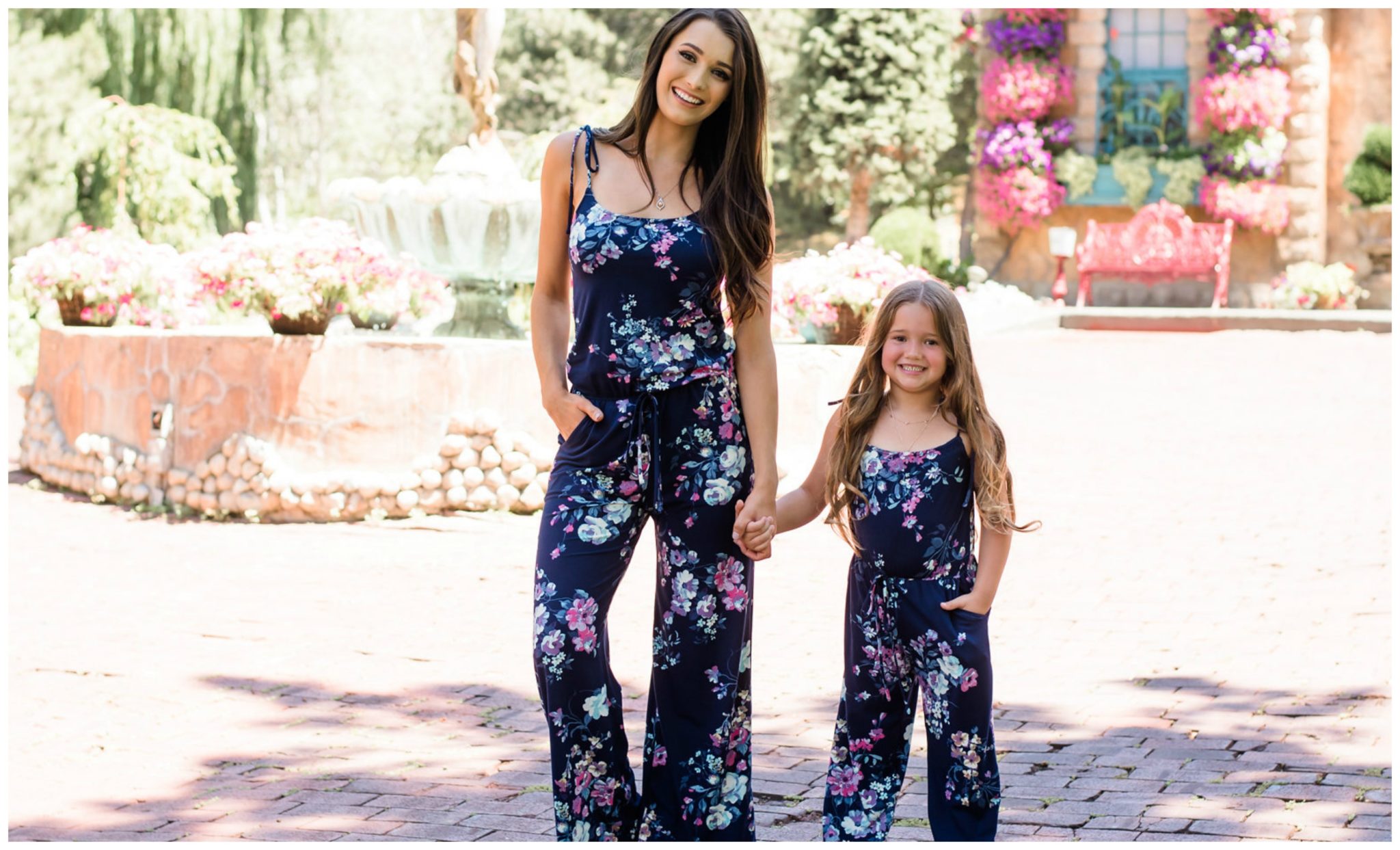
    Brands from Gucci and Balenciaga through to Burberry have their own multi-million dollar childrenswear lines (the latter made £117 million in revenue in 2017, about $153 million) which largely shrink runway looks from ready-to-wear collections to fit young children rather than designing them from scratch, hoping to bank on a mother’s desire to wear matching pieces with her daughter.

    But putting celebrity power to one side, as Kim Kardashian West signaled that mini-me dressing is once again big business by stepping out in a matching outfit with her daughter, what else is driving this phenomenon that seems to reappear every few years?

    “Childrenswear is increasingly trend-oriented,” says Nathalie Christen-Genty, the founder of Paris-based Melijoe, the luxury e-commerce site dubbed “the Net-a-Porter for childrenswear.” “A few years ago, childrenswear was dictated by just a few kids-only brands and parents’ motivation to buy was first and foremost driven by practicality,” meaning pieces for children were designed specifically for them with a timeless and classic design in mind.

    In the recent past, matchy-matchy ensembles were considered passé, reminiscent of bygone eras like the 1960s when women would make garments for themselves and their children from the same piece of fabric.

    When luxury brands began launching childrenswear lines in the 2000s, “they didn’t think it would be big business,” says Giuliana Parabiago, a consultant at Pitti Bimbo, a key international childrenswear trade show where the latest trends are often discovered. They would use past-season styles that would be delayed by six months or a year, she says, but now childrenswear and ready-to-wear runs at the same speed. “This new generation wants to be young — and matching.”

    Chloé launched its children’s line in 2010 with licensee Children Worldwide Fashion (CFW), which also makes lines for Givenchy, DKNY and Little Marc Jacobs.

    For the current season, stand-out pieces include a velvet bomber jacket with horse embroidery and a pair of suede ankle boots — mini-versions of products creative director Natacha Ramsay-Levi sent down the runway.

    “The pieces which are obviously Chloé, [for instance] the horse pattern, tend to perform better,” says Geoffroy de la Bourdonnaye, the brand’s chief executive who credits the success of mini-sized versions to the fact that some “mothers take pride in seeing their daughters look like themselves” and that others want “to share the brand’s DNA of being ‘free’ with their children.”

    “The [childrenswear] business has consistently grown for the last eight years,” he adds. “The countries that spend a lot of money to dress their kids tend to be Russia and the Middle East, along with China. Countries in Latin America also invest in their kids.”

    While Chloé’s relationship with its licensee means there is constant contact with the ready-to-wear design studio and the capacity for CWF to select the runway pieces it wants to adapt for children, Dolce & Gabbana’s approach was to take its line in-house allowing it to have complete control like Ralph Lauren, Burberry and Dior Baby who also go it alone.

    However, such arrangements are still unusual; most luxury brands sign with a handful of specialist licensees. Simonetta produces childrenswear for Balmain and Fendi Kids; Kidiliz Group has the license for Kenzo Kids, Paul Smith and Levi’s Kids; and Brava Kid takes care of the brands under the OTB umbrella which include Diesel, Marni and Trussardi Junior.

    The reason that the license route is so popular is that childrenswear requires an expert hand since it is not as simple as it may seem to scale down a garment pattern to fit the body shape of a child. The specialist experience on offer by the licensed manufacturers means they also understand intuitively how to make an outfit appropriate for children.

    The movement has also helped drive childrenswear into the same trend cycle as womenswear as brands respond to demand by bringing out more novelty.

    “Children’s lines [now] have their long-awaited collections as much as the ready-to-wear for the parents,” says Emi Ozmen, the mother of one of the child vloggers behind Silver and Lux.

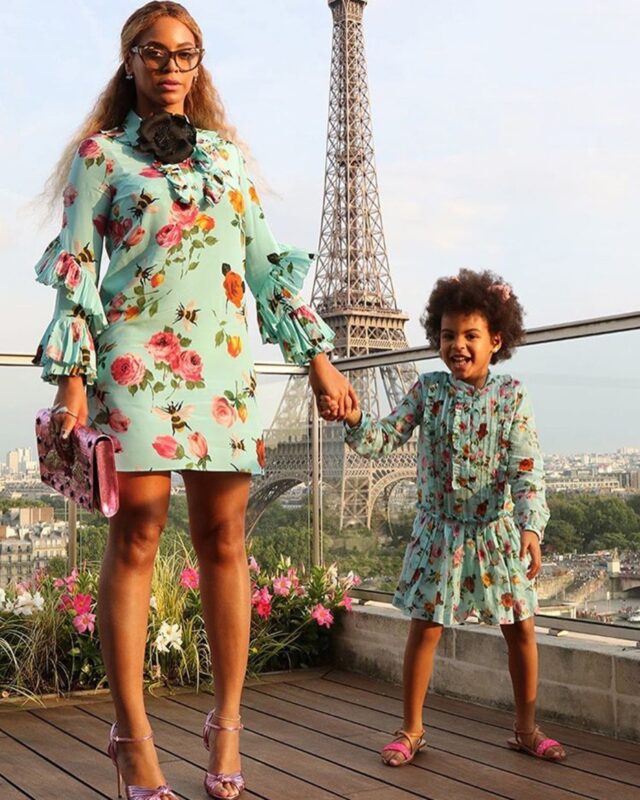
    Source: @beyonce

    Dolce & Gabbana launched a four-week kids pop-up at Net-a-Porter, including a £1,100 tiered fil-coupé silk-blend dress for ages two to six, a £775 satin-trimmed brocade suit for ages two to five and an array of handbags and footwear.

    “When [the mini-me trend] is executed well, it’s incredibly fun and expressive,” says the site’s global buying director Elizabeth von der Goltz. “It’s performed particularly well in the Middle East.” Having launched Gucci and Dolce & Gabbana capsules, Net-a-Porter’s next collaboration is with Moncler for miniature-sized puffer jackets.

    However, not everyone sees the trend as a harmless way for kids to bond with their parents; some find it incredibly uncomfortable and question the subtle messages it seems to underscore.

    “Two troubling phenomena converge in this mommy-and-me thing,” said Natalia Mehlman Petrzela, an associate professor at the New School in Manhattan. “There’s the infantilisation of women to look like little girls and, on the flip side, [the pressure] for young girls to always look older— to wear bikinis and crop tops.”

    Some mini-me dressing is criticised as a gimmick; there is a fine line between matchy-matchy dressing and ill-fitting clothing to be worn once and thrown away.

    “It’s clever marketing and appeals to emotional values,” says Jane Lewis, the founder of womenswear line Goat.

    In August, the brand launched a mini-me line of dresses for girls with the design remaining unmodified bar reducing the size — the crepe dresses have a timeless feel to them. “Again, it depends — I’m not going [to do] a pink bomber jacket. There’s going to be a distinction between viable mini-me childrenswear and the theatrical element.”

    Foraying into theatre is something SemSem founder Abeer Al Otaiba is also weary of.

    The Emirati entrepreneur launched the brand after seeing a gap in the market — there was an absence of stylish yet understated occasionwear for mothers and daughters. “It’s more of a lifestyle, and mothers in [markets like Russia and the Middle East] enjoy elegant pieces for themselves and their daughters all within one brand. It’s unique to find a brand that caters to both,” she says.

    SemSem’s Spring/Summer 2019 collection features matching lamé mother-daughter dresses and shirt dresses made from the same cotton fabric. Rather than shrinking women’s dresses to children’s size, Al Otaiba prefers to play around with fabrics and silhouettes.

    A far cry from Kardashian’s more literal matchy-matchy approach.

    Yet, social media and Instagram influencers continue to be the main driver of mini-me mother-daughter dressing.

    While the trend has long been popular in the Middle East and Russia, it has rapidly expanded to the US thanks, in part, to celebrities like Beyoncé, whose Instagram in matching Gucci with her daughter Von der Goltz cites as an example of celebrity culture popularising mini-me.

    Indeed, mommy-and-me looks drive likes and engagement, becoming good reasons for multi-brand retailers such as The Tot, a Dallas-based childrenswear store founded by Nasiba Adilova, to approach companies and ask for small-sized pieces of womenswear best-sellers.

    “The era when childrenswear was entirely functional is over,” says Christen-Genty. “It’s now firmly in the territory of fashion.”
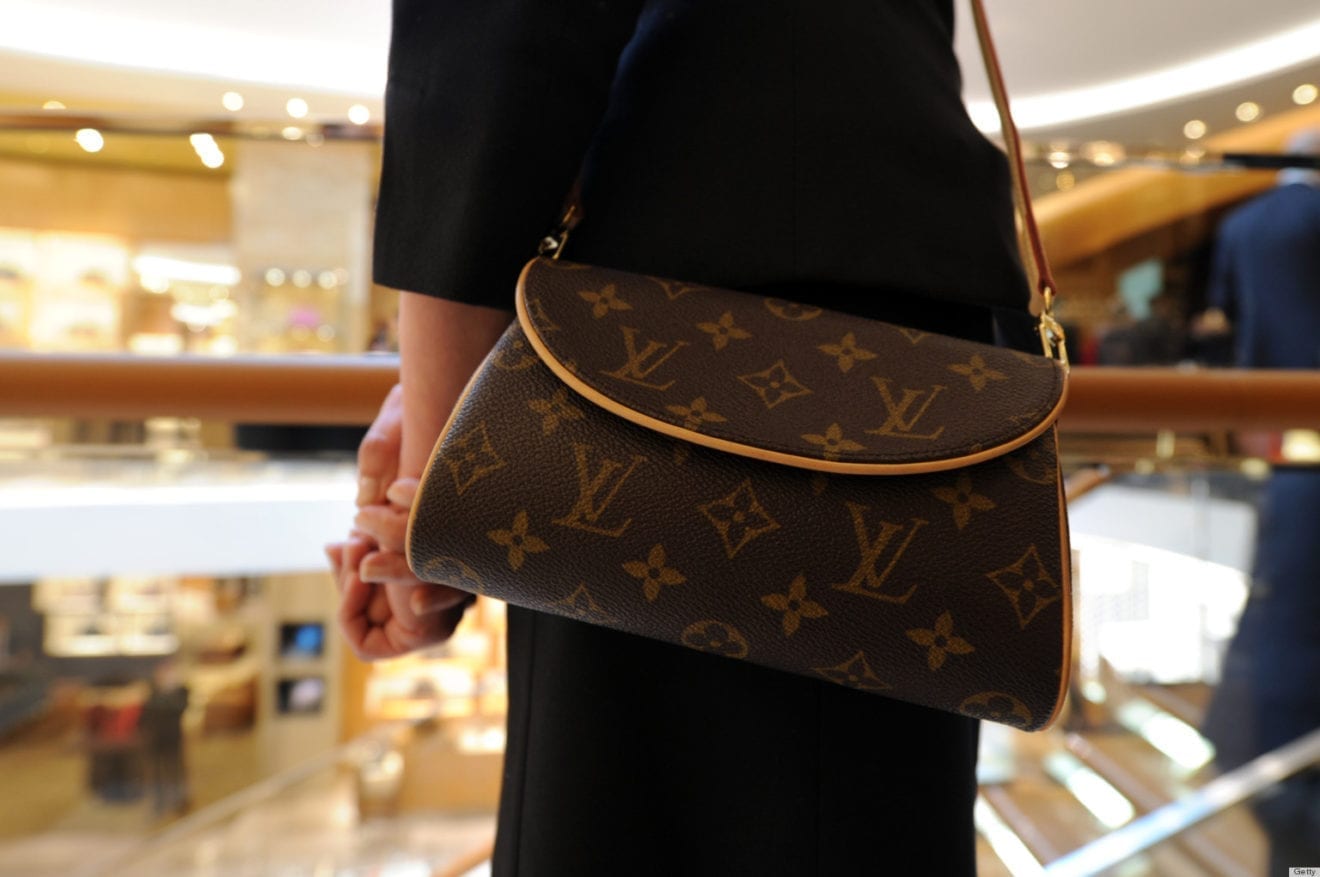
  • Strong growth for LVMH Moet Hennessy Louis Vuitton

    Strong growth for LVMH Moet Hennessy Louis Vuitton

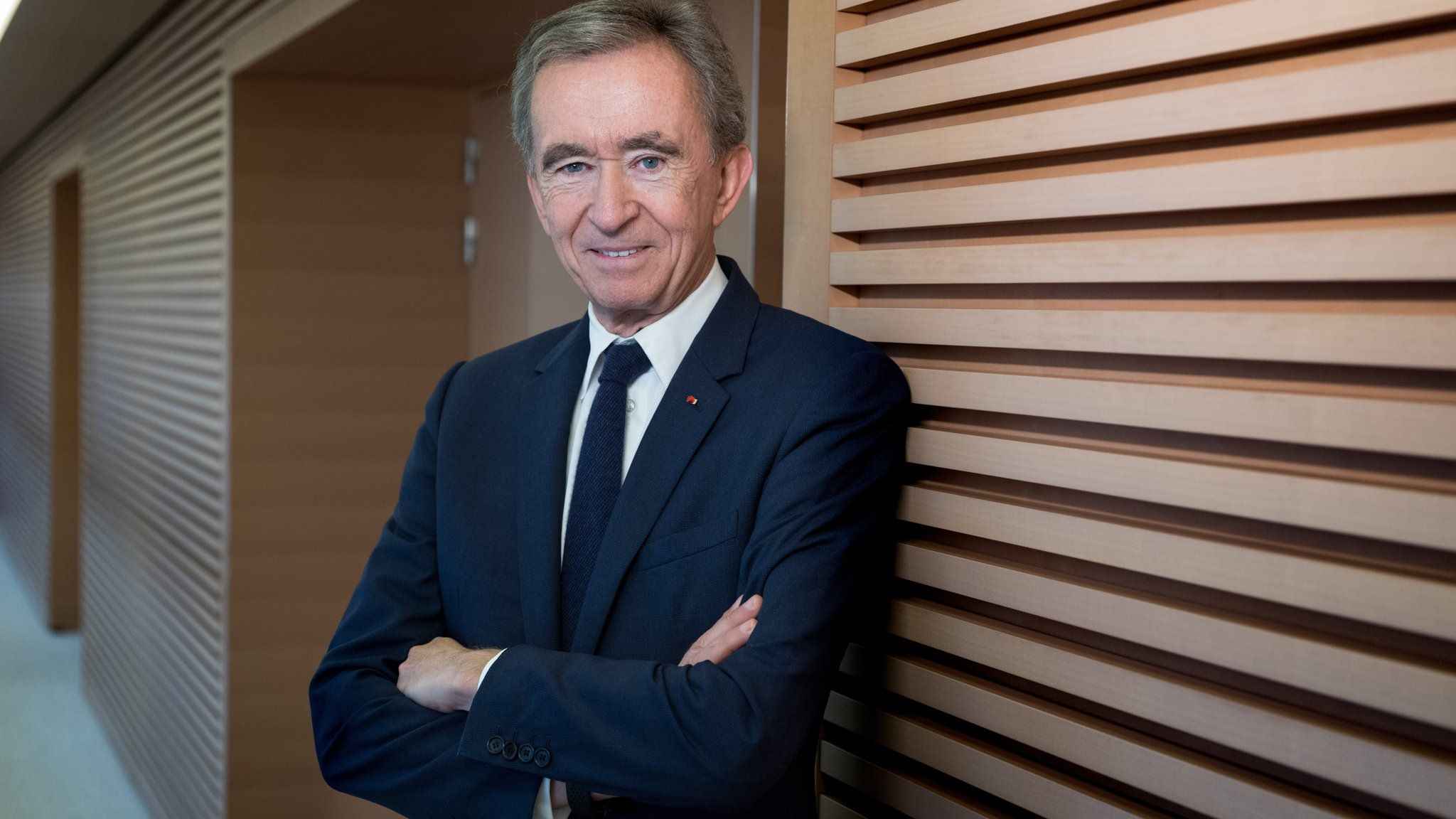
    LVMH Moet Hennessy Louis Vuitton boosted revenues by 10 per cent to €33.1 billion in the first nine months of this year.

    Organic sales grew 11 per cent compared to the same period last year and by 13 per cent after excluding the impact of the closed DFS concessions at Hong Kong International Airport at the end of the year. Every geographic market performed well, the company said. Third quarter revenue was up 10 per cent.

    The wines & spirits business group recorded organic revenue growth of 7 per cent during the first nine months, with Champagne volumes stable and Hennessy cognac volumes increased by 4 per cent, led by the US and Chinese markets.

    The fashion & leather goods business group achieved organic revenue growth of 14 per cent and 20 per cent reported, with the flagship Louis Vuitton brand the standout performer.

    “Ready-to-wear and shoes, in particular, experienced strong momentum with an excellent reception of the last two fashion shows of womenswear and menswear,” the company said in a statement.  “A new communication for Louis Vuitton perfumes was unveiled, marking the launch of the brand’s latest perfume creation. Christian Dior, consolidated since the second half of last year, enjoyed an excellent performance.

    Celine made progress and began a new chapter in its history with the first runway show of Hedi Slimane, which was a great success and created enormous resonance. Fendi and Loro Piana continued to grow. The other brands continued to strengthen,” the company said.

    LVMH Moet Hennessy Louis Vuitton’s perfumes & cosmetics business group recorded organic revenue growth of 14 per cent, driven in particular by the performance of its star brands Christian Dior, Guerlain and Givenchy.

    The watches & jewellery business group achieved organic revenue growth of 14 per cent, with Bulgari delivering “an excellent performance and gaining market share”.

    The selective retailing business group achieved organic revenue growth of 8 per cent in the first nine months of 2018, and 14 per cent excluding the airport concession closures in Hong Kong.

    Sephora’s organic revenue growth was strong, particularly in North America and Asia. The expansion and renovation of its distribution network is continuing with a new store concept in China and the first Sephora-branded store in Russia.

    “DFS performed well, especially in Hong Kong and Macao. The recent openings of T Galleria in Cambodia and Italy progressed well.”

    The company said that in an “uncertain geopolitical and monetary context, LVMH will continue to be vigilant” in the months ahead.

  • Givenchy Beauty opens first shop in Korea

    Givenchy Beauty opens first shop in Korea

    International luxury fashion and perfume house Givenchy has just launched in Korea.

    Its first Givenchy Beauty outlet opened on 31 July at the Hyundai Department Apgujeong store in the posh neighborhood in Southern Seoul.

    A Hyundai Department Store official said “Hyundai Department Store in Apgujeong has very trendy customers who have a big purchasing power. We will focus more on enhancing the competitiveness among luxury cosmetics.”

    Hyundai Department Store in Apgujeong decided to strengthen imported cosmetics division by establishing exclusive perfume zone on the second basement floor in the second half of the year.

    Givenchy Beauty is the French luxury brand cosmetics line launched in 1989 by Givenchy. It has outlets in the world’s top upmarket department stores including Galeries Lafayette and Le Bon Marche in France and Isetan in Japan.

    It has named Shinchon, university district in Western Seoul as the site for its second outpost.

    Givenchy Beauty will offer nearly 200 types of products, including makeup and skin care, as well as perfumes.

    Givenchy Beauty Korea plans to offer various products from makeup products to skin care goods and perfume to engage glamorous Korean women, according to a company official.

    Following the opening of Givenchy Beauty stores, Hyundai Department Store will become the first Korean retailer to offer global top five premium beauty brands including Chanel, Dior, YSL and Tom Ford. It aims to transform its Apgujeong outlet into a luxury beauty house.

  • Givenchy Beauty debuts in Korea with Hyundai

    Givenchy Beauty debuts in Korea with Hyundai

    Givenchy Beauty will open its first South Korean store this month.

    The cosmetics and skin-care line of the French luxury fashion house Givenchy has taken space in the Hyundai Department Store in the trendy southern Seoul district of Apgujeong.

    The first store will open on July 31 and a second, at another Hyundai Department store in Sinchon, northern Seoul, will open next month.

    With the huge growth of the Korean beauty industry over recent years, Givenchy Beauty believes its broad range of makeup, skincare and perfume products will appeal to local women comfortable spending on premium solutions.

    Once the Givenchy Beauty stores are open, Hyundai Department Store will become the first Korean retailer to host stores from five global premium beauty brands, the others being Dior, YSL, Chanel and Tom Ford.

  • Alibaba backs virtual showroom startup Ordre

    Alibaba backs virtual showroom startup Ordre

    Alibaba Group has bought a minority stake in Ordre, a European online luxury wholesale platform.

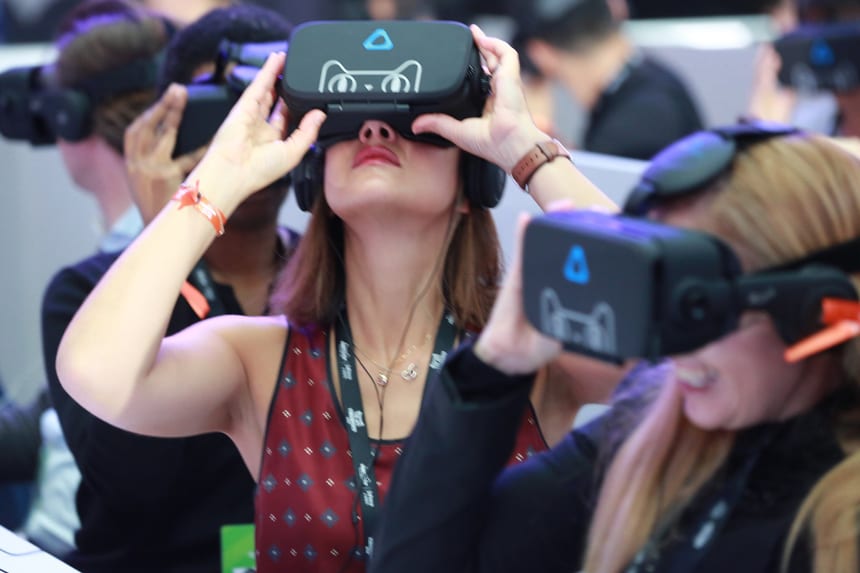
    Ordre, launched in 2015, allows fashion designers to show off their collections via 360-degree photography and virtual reality to interested wholesale buyers. The technologies make it more convenient for buyers, who aren’t always able to travel due to time and distance constraints, to build inventory each season. The reduced travel translates into lower carbon emissions at a time when sustainability is increasingly important to the industry, said Ordre.

    Dianne Von Furstenberg, Vivienne Westwood and Jason Wu are among the world’s leading designers who have established digital showrooms on Ordre. They also work with fashion brands such as Joseph.

    For Alibaba, the investment is a further push into the luxury sector, which is among its top strategic priorities, given the rising spending power and increasingly sophisticated tastes of Chinese consumers. The Hangzhou, China-based company plans to leverage Ordre’s technologies for consumers, however, delivering a more-enhanced shopping experience on platforms such as B2C marketplace Tmall.

    “Matching Ordre’s technology with Alibaba’s unique data insights and capabilities – of which our recently launched Luxury Pavillion is a great illustration—we can provide our consumers with a personalised and differentiated experience, helping brands develop a deeper engagement with them,” said Jessica Liu, president of Tmall Fashion and Luxury.

    The Luxury Pavillion, which lives within Tmall, was launched last August to deliver to China’s high-end consumers the same kind of brand exclusivity and tailored shopping experience online that they would expect at a brick-and-mortar store. About 50 brands, including l, offer products ranging from apparel and cosmetics to watches and luxury cars.

    The pavillion is driven by Alibaba’s New Retail technologies, which blend online and offline commerce to deliver a better buying experience for consumers. Simon Lock, founder and CEO of Ordre, said the company’s digital assets, including 360-degree images, 360 video and VR fashion shows and designer interviews, are in line with this strategy and could serve Tmall shoppers and brands.

    “Our 360-view allows consumers to understand every aspect and every view of a garment,” he said. “When you’re purchasing online, as much detail as can be provided is going to make your purchasing decision much more confident,” which can help drive down the product return rates.

    The companies are currently discussing a number of potential initiatives that would expand on these technologies. One of which would create new direct-to-consumer channels for Ordre’s partner brands by leveraging content to communicate their brand story and provide more information about products. For example, Ordre’s VR technology was able to recreate Stella McCartney’s Coachella-inspired 2018 fall show and the theatrical experience of Thom Browne’s latest showcase in Paris, so that buyers could watch fashion shows from the front row.

    Other potential collaborations include “fit avatars,” which allow buyers to see collections on models in 360-view and technology that allows buyers to remotely feel fabrics on a touch pad.

    Lock said he was also interested in Alibaba’s “See Now, Buy Now” technology, as well as the company’s artificial intelligence and cloud-computing capabilities.

    “We can work together to create the ultimate global fashion cloud,” he said.

  • Givenchy opens WeChat store in China

    Givenchy opens WeChat store in China

    France’s Givenchy is revamping its retail reach in Asia, with the rollout of a WeChat store in China.

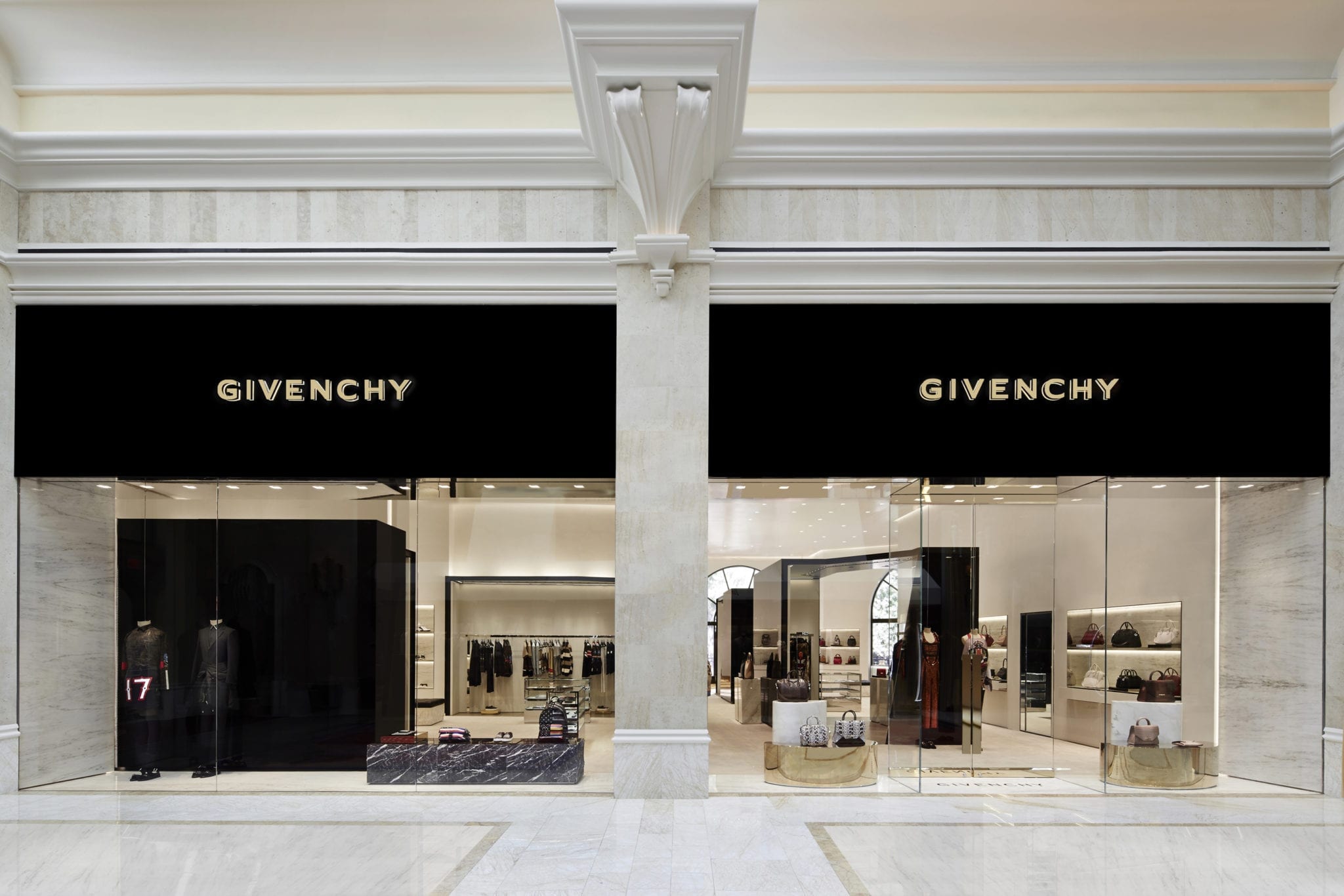
    Bowing 15 May 2018, the new WeChat boutique store is an extension of Givenchy’s premium offline service, and aims to offer a convenient yet immersive shopping experience for wealthy Chinese consumers, according to a statement from the Paris brand.

    Via WeChat, Chinese users can now browse through an exclusive, limited-edition collection, with pieces from ready-to-wear apparel and leather goods to accessories, allowing shoppers to place orders directly on the app.

    The WeChat store was designed by the newly appointed Creative Director, Clare Waight Keller, who was also named the couturier behind the bridal gown worn by the newly crowned Duchess of Sussex, Meghan Markle, commemorating her marriage to Prince Harry.

    The LVMH Group-owned maison becomes the latest in a slew of stellar brands to open a WeChat store for Chinese customers, following the digital footprint of rivals Christian Dior and Gucci.

    Prior to WeChat, Givenchy targeted offline shoppers in Chian through collaborations with the country’s top-tier fashion KOLs – gogoboi and Mr.Bags.

    WeChat’s monthly users figure hit 1 billion per month in March this year and the app has become a marketing must-have for international luxury brands looking to build a connection with Chinese consumers.

    LVMH group has been witnessing solid sales growth in Asia. Demand from Asian shoppers has boosted makers of high-end handbags, clothing and watches the past year, thanks in particular to thriving Chinese demand.

    In 2017, shopping, food, and travel increased exponentially, up 22.2 percent to 333.9 billion RMB (approximately $52.22 billion).

  • Hubert de Givenchy Dies at 91, Fashion Pillar of Romantic Elegance

    Hubert de Givenchy Dies at 91, Fashion Pillar of Romantic Elegance

    French couturier Hubert de Givenchy, a pioneer of ready-to-wear, has died at the age of 91.

    Paying homage to its founder, the house of Givenchy says he was “a major personality of the world of French haute couture and a gentleman who symbolised Parisian chic and elegance for more than half a century”.

    Givenchy designed Audrey Hepburn’s little black dress in the movie Breakfast at Tiffany’s.

    “He revolutionised international fashion with the timelessly stylish looks he created for Audrey Hepburn, his great friend and muse for more than 40 years,” the house says. “His work remains as relevant today as it was then.”

    Givenchy was part of the elite cadre of Paris-based designers, including Christian Dior and Yves Saint Laurent, who redefined fashion after World War II. He forged close friendships with his famous clients including Elizabeth Taylor, Jackie Kennedy and Princess Grace of Monaco.

    He was born into an aristocratic family in the provincial city of Beauvais on February 21, 1927, and founded his label in 1952, selling it to luxury conglomerate LVMH in 1988. He retired several years later.

    Clare Waight Keller, who has been at the helm of the brand since last year, said on her official Instagram account she was “deeply saddened by the loss of a great man and artist I have had the honor to meet”.

    LVMH CEO Bernard Arnault says he is “deeply saddened” by Givenchy’s death. “He was among those designers who placed Paris firmly at the heart of world fashion post-1950.”

  • Tmall taps 10 beauty brands for omnichannel growth

    Tmall taps 10 beauty brands for omnichannel growth

    Tmall will this year work with top beauty brands such as Estee Lauder and Lancome to help them surpass RMB 1 billion (US$157.9 million) in annual sales on the platform.

    The increased focus on the beauty sector will also see Tmall deliver an updated suite of New Retail solutions so that all merchants can better serve Chinese consumers, the Alibaba Group-owned B2C shopping site says.

    Tmall plans to partner closely with about 10 beauty brands in particular, also including SK-II and Olay, to help them break that sales threshold. New Retail initiatives include a new “try-before-you-buy” feature, where users pay a 10 per cent deposit to test a product with the promise of a simpler and faster refund process.

    “Our partnership with brands will cover every corner from online to offline,” Tmall president Jet Jing said. “We will be consistently involved in daily operations ranging from product innovation, brand building, channel management, supply chain to customer operations.”

    Tmall Supermarket would also expand its one-hour delivery service to more customers, as faster service is also a part of New Retail, Jing said. However, the biggest changes won’t come until the 11.11 Global Shopping Festival, which is typically when Alibaba rolls out its New Retail initiatives.

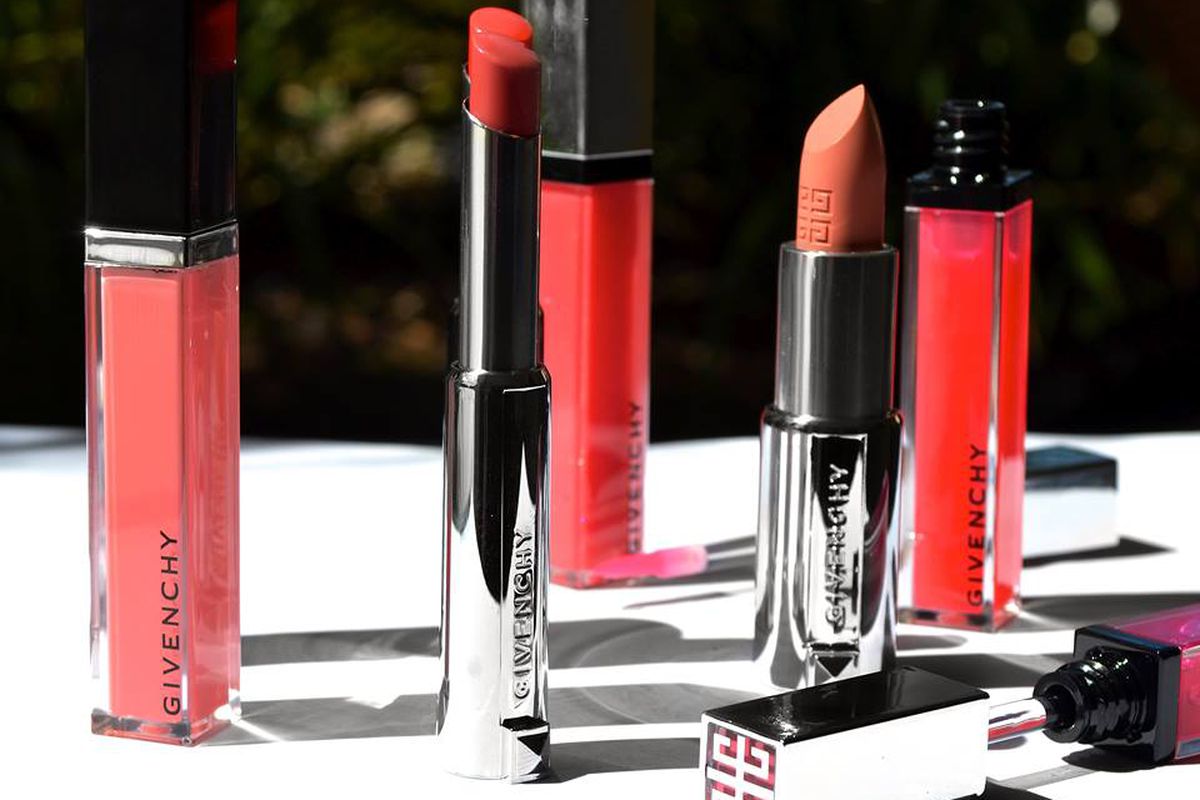
    The initiatives were announced during the Tmall Beauty Awards in Shanghai, where more than 1000 beauty professionals, from both international and home-grown brands, gathered for the annual event. This year, Estee Lauder, SK-II, Giorgio Armani Beauty and Givenchy each took away a “Super Brands Award,” for their outstanding performance in brand influence, marketing creativity and consumer engagement. Newcomer Givenchy on March 1 broke the single-day sales record, selling more than 58,000 lipsticks and generating over RMB 16 million – all in the first 12 hours of the day.

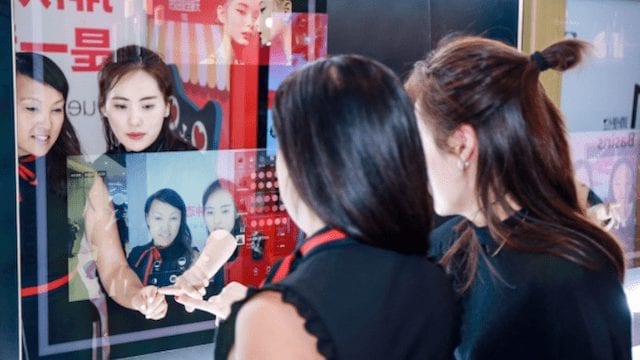
    Since launching in 2015, the awards largely have spotlighted New Retail-driven innovations. Featured technology at this year’s awards included the “Cloud Shelf” and the latest iteration of the augmented reality-powered “Magic Mirror,” which allows users to virtually try on new hairstyles, lipstick, eyeshadow and blush. Tmall said it would partner with with French cosmetics company L’Oreal to install Magic Mirrors in 50 of the beauty giant’s physical stores in China.

    Tmall hosts more than 3000 beauty brands on its platform, according to a report released by Tmall and Chinese research firm CBNData last year. Some of the newest entrants include LVMH-owned Givenchy, L’Oreal’s Giorgio Armani Beauty and Estee Lauder’s Darphin.

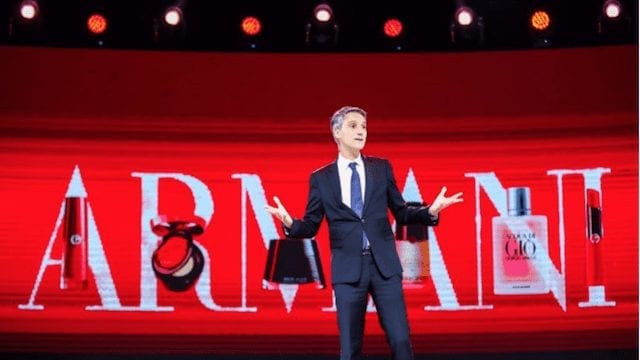
    “After two years of very successful acceleration in China, we felt this is the right timing to join Tmall to push artistry and premium-ness of the brand,” said Andrea Yann, GM of the China market at Giorgio Armani Beauty. “Our plan is really to understand from [Alibaba’s] database what are the main beauty concerns of Chinese women to solve their beauty issues, be very personalised still being [seen as] very artistry and premium.”

    Andrea Yann, GM of the China market at Giorgio Armani Beauty, speaks on stage.

    Younger more focused on beauty

    According to a report released by Tmall and market research consultancy Kantar, what they want is a more elaborate skincare regimen. Thirty-five per cent of respondents said they have added more steps to their beauty routines, and therefore are spending more on skincare products and cosmetics. Tmall attributed 53 per cent of the sales of beauty products on Tmall to consumers making more purchases per person.

    Beauty consumers in China – the world’s largest and fastest-growing beauty market at $22 billion – are also becoming younger than ever, the report noted. In 2017, users born after 1990 made up over 40 per cent of shoppers on Tmall Global, the site’s cross-border e-commerce channel, overtaking those born in the 1980s as the main consumption force on Tmall Global, the site’s cross-border e-commerce channel.

    Consumers born after 1990 like to try new products from new brands and less familiar origin countries, the report said.

    Embracing the new

    “In China, there’s more willingness to try new products at a faster rate than what you would see in different markets,” said Danielle Bailey, head of Asia Pacific research at digital agency L2.

    “It’s not that [Chinese beauty consumers] are less loyal, but their desire to explore is much higher,” she said. “This makes it more challenging for brands to sell to the market, but also creates new opportunities.”

    Tmall’s latest report also showed momentum for homegrown brands, particularly for skincare, where they accounted for 56 per cent of sales last year – up from 54 per cent in 2016. However, foreign brands still dominate the cosmetics category with 56 per cent of total makeup sales.

    Chinese brands are trying to boost their profiles by launching new prestige product lines or creating new products within an existing line, said Bailey. “It will be interesting to see if local brands can successfully transition to that space. It’s still a bit unclear because Western brands tend to be associated with better quality,” she added.

    From a product development standpoint, the pace of innovation in Asia has forced brands in the West to shrink development timelines to stay relevant, said Bailey. Where Western companies may take two years to release a product,” he said, “in Korea, some brands are launching new product every three months.”

    Time-to-market is indeed very important for beauty brands, said Ye Guohui, GM of Tmall’s new retail division.

    “Conducting market research alone can be very time-consuming, taking up to over a year,” he said. “But brands in China can leverage Alibaba’s data capacities to really shorten that timeline, and accelerate product development.”

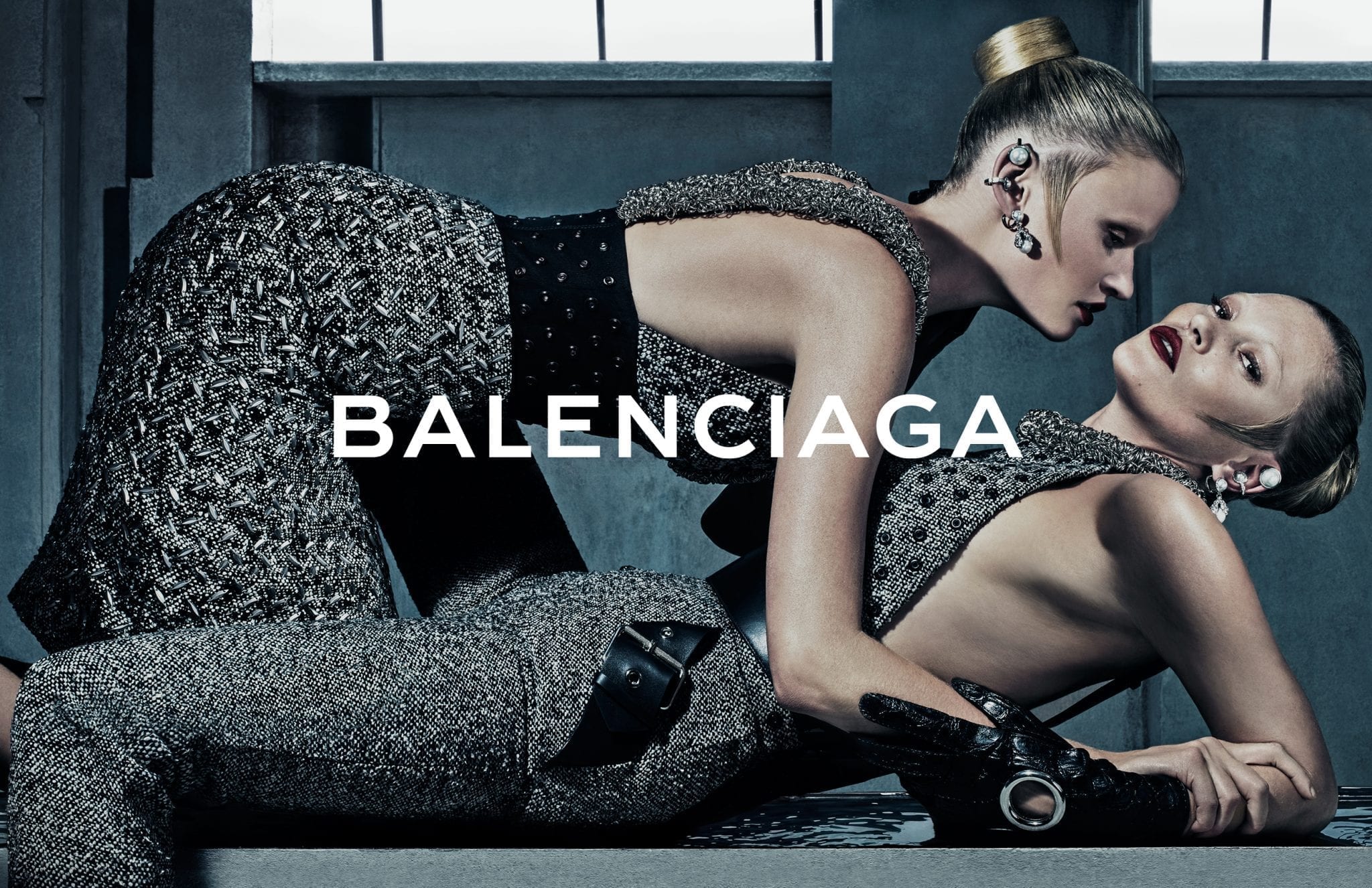
  • Balenciaga is the hottest fashion label

    Balenciaga is the hottest fashion label

    Balenciaga has overtaken Gucci as the hottest fashion label, according to the latest Lyst Index.

    The index draws on data analysis by fashion-search platform Lyst in conjunction with the Business of Fashion website. The 4.5 million data points analysed include sales, searches and consumer perceptions of 5 million products and 12,000 brands.

    Its result is despite Louis Vuitton, Hermes and Gucci being named best fashion brands globally just last month by Interbrand consultancy.

    Ranking the world’s hottest brands and top-selling products, the Lyst Index ranked Gucci first in this year’s second quarter, followed by Kanye West’s Yeezy and Balenciaga. However, the Spanish fashion brand continued to rise, displacing Gucci in the third quarter, with Virgil Abloh’s Off-White rising to third – a jump of 31 places in three months.

    Lyst says Balenciaga’s rise was because of a new logo and the Colette residency in Paris keeping the brand top of mind “while Demna Gvasalia continues to design products that drive the fashion narrative online”.

    Additionally, the platform praised Gucci for being a “consistent performer”, reports High Snobiety.
    Rounding out the top 10 are Vetements, Givenchy, Valentino then Saint Laurent, while Stone Island leaped from 41st to eighth, followed by Moncler (previously 20th) and finally Raf Simons (previously 21st).

    Lyst Index also looked at the most influential rappers in fashion for the quarter, listing (in order) Kanye West, Nicki Minaj, Pharrell Williams, Cardi B, Drake and A$AP Rocky.

  • Givenchy Wins on Gogoboi’s New E-Commerce Channel

    Givenchy Wins on Gogoboi’s New E-Commerce Channel

    It was only in April that top Chinese KOL Gogoboi launched his own WeChat boutique “Bu Da Jing Xuan,” a platform on which he curates selections of goods from luxury e-commerce retailers like Yoox, Net-A-Porter and Farfetch to sell to his fans (he’s got over 7 million followers on Weibo).

    But Gogoboi has already gotten his first luxury brand on his platform, Givenchy.On July 14, Givenchy launched its new Duetto handbag collection on this platform and became the first luxury brand to test out this influencer’s own e-commerce channel.

    The official price of the new collection is 7490 yuan, which is consistent with the offline price. This exclusive online sale includes seven styles (in addition to black and white, the bag also came in a variety of colors), and for each style, there were six bags available for purchase.

    The result was a success. The featured black-and-white style was sold out after half an hour after the campaign went live, and within 72 hours, all of the available styles were sold out.

    With a background in fashion editorial, Gogoboi’s distinct writing style is what first garnered him a loyal fan base. His witty humor and harsh comments on celebrity styles make his blog stand out in the competitive KOL landscape.

    Mr. Bags recently wore in a handbag collaboration with Tod’s and “Miss Shopping Li” stepped out of fashion to embark on her first collaboration with the car brand MINI and is in the midst of launching her own brand.

    It’s never a one-way street, while bloggers are busy broadening their horizons, brands are also looking for better ways to take advantage of their massive fan economy.

  • Christine Edman named Givenchy Japan CEO

    Christine Edman named Givenchy Japan CEO

    Luxury fashion brand Givenchy has recruited Christine Edman to head up its Japan operations on behalf of the French maison.

    Effective June 16, Edman has taken of the role of Givenchy Japan president and CEO, under the helm of the Paris-based parent firm LVMH Group. She replaces Seiko Masuda, former president and CEO of Givenchy Japan. It has not been disclosed where Masuda will be heading to.

    Most recently, Edman served as president of H&M Japan, in which she managed the Swedish retailer’s operations and expansion across Japan, before retiring form H&M last year. She took up the Japanese chief role in 2008, after serving for one year as H&M area manager for Hong Kong.

    Prior to that, Edman served as business development manager, and then a marketing consultant, for Aunt Stella in Japan, after serving as an assistant brand manager for Mattel Japan for two years, after graduating.

    Edman is an MBA graduate from the Stockholm School of Economics and received her undergraduate degree from Lafayette College in Pennsylvania, USA.