Retail News CRM

Tag: glasses

  • Essilor Luxottica and Meta Unveil Affordable AI Glasses for the Masses

    Essilor Luxottica and Meta Unveil Affordable AI Glasses for the Masses

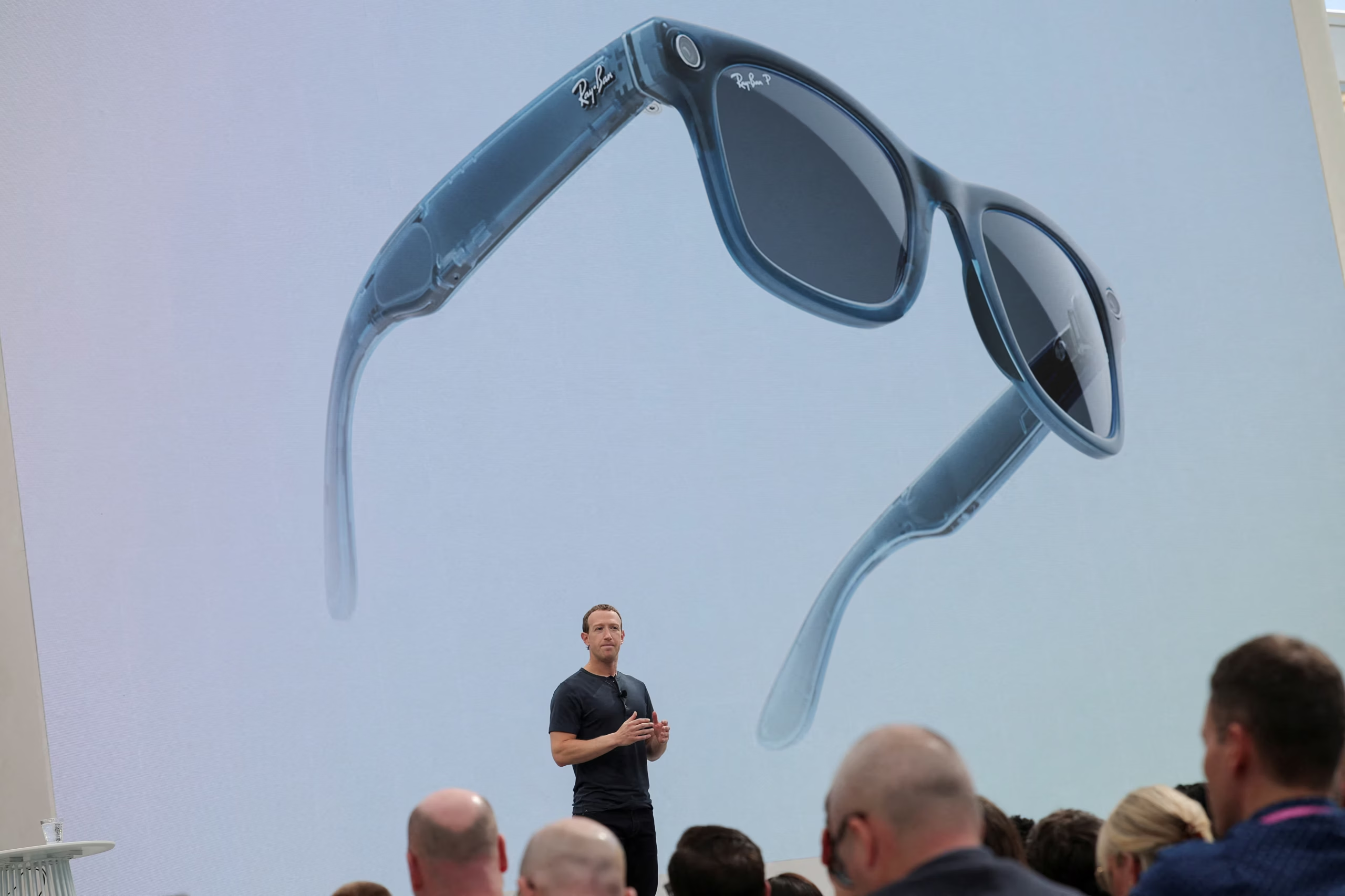
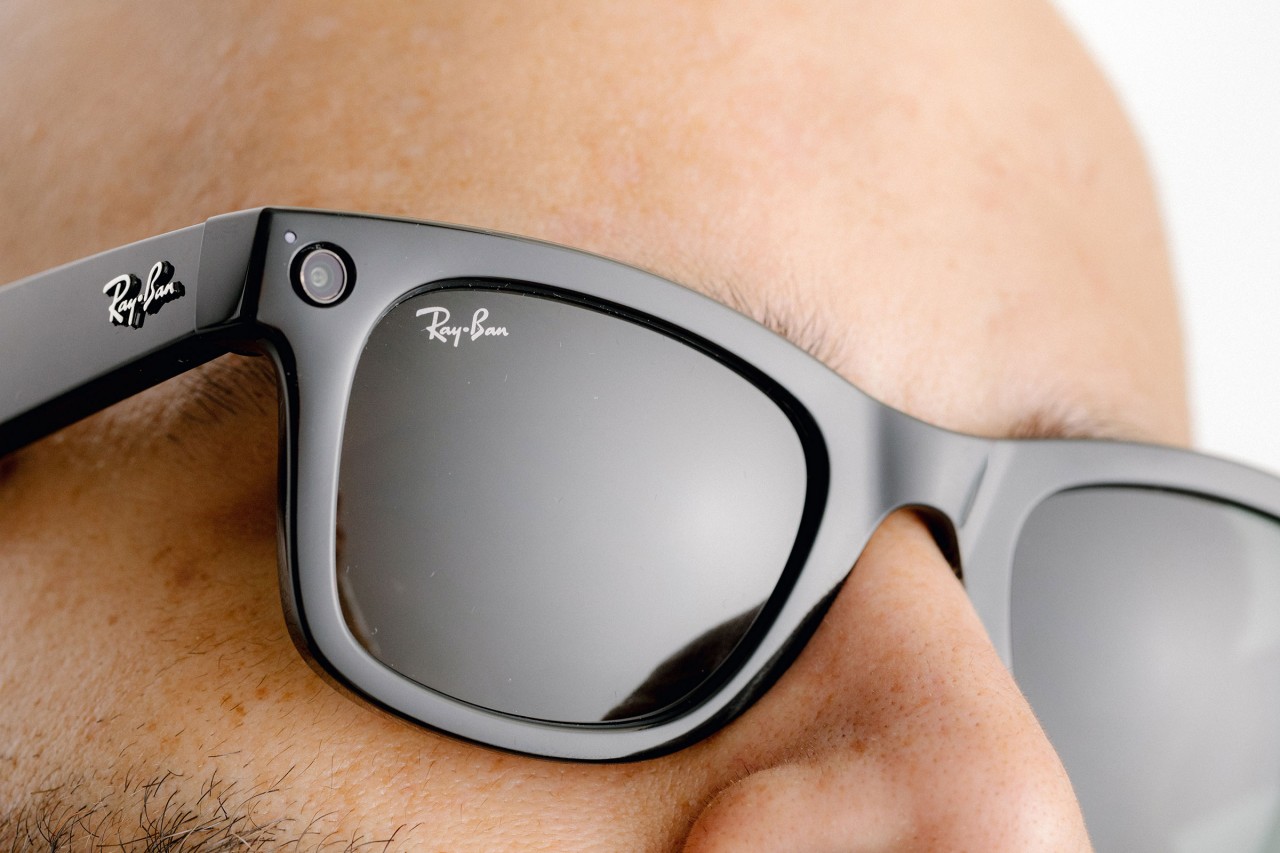
    Renowned eyewear manufacturer, Essilor Luxottica, has entered into a collaboration with Mark Zuckerberg’s Meta for the creation of a more affordable range of AI glasses, targeting price-conscious customers. This move follows the successful release of AI glasses under the Ray-Ban and Oakley brands, with the Ray-Ban line becoming the top-selling AI glasses on the market.

    Creating Affordable AI Glasses

    The Essilor Luxottica range, priced from just $299, promises to bring the company’s innovation in smart eyewear to a wider audience, offering consumers around the globe enhanced and more integrated experiences. The CEO of Essilor Luxottica, Francesco Milleri, expressed his excitement at this cutting-edge development in the realm of smart eyewear. He asserted the launch provides an opportunity for budget-conscious consumers to experience the transformative effect of wearable tech in their daily lives.

    According to Milleri, Essilor Luxottica’s range of “iconic brands” have been instrumental in boosting the adoption of their products in the market. The company, a result of the 2018 merger of lens manufacturer Essilor and frames producer Luxottica, boasts a remarkable portfolio that includes global brands such as Ray-Ban, Oakley, and Oliver Peoples. In addition, they produce glasses for luxury brands like Chanel, Prada, Coach, and Armani.

    The Future of Eyewear

    Meta CEO Mark Zuckerberg was enthusiastic about the partnership with EssilorLuxottica, highlighting the aim to integrate potent AI into eyewear frames that consumers will want to wear. Zuckerberg suggested that glasses could become a primary medium for individuals to access personal superintelligence, and with the new Meta Glasses, this possibility could become a reality for a much broader audience.

    The new collection will initially offer three styles, coupled with a variety of lens options. Currently, the range is available online for customers in the US, Canada, and a select number of European countries, with plans to extend further into additional markets later in the year.

    Questions & Answers

    What is the pricing for the new Essilor Luxottica AI glasses?
    The AI glasses will start retailing from $299.

    Who is Essilor Luxottica partnered with for this new venture?
    Essilor Luxottica is partnering with Mark Zuckerberg’s Meta for the production of these glasses.

    Where are the new AI glasses currently available?
    They are available online for customers in the US, Canada, and select European countries.
  • Meta’s Project Phoenix: Mixed Reality Glasses Launch Delayed, Aims for Superior Quality over Speed

    Meta’s Project Phoenix: Mixed Reality Glasses Launch Delayed, Aims for Superior Quality over Speed

    Meta, a tech giant known for its innovative projects, seems to have hit a temporary halt on its advanced mixed reality glasses project. The anticipated launch, previously expected in late 2026, will likely be delayed until sometime in 2027.

    A Shift in Timeline for Project Phoenix

    The tech enthusiasts looking forward to experiencing Meta’s pioneering holographic glasses might need to modify their anticipations. The company recently announced that the launch of their state-of-the-art mixed reality glasses, internally referred to as “Phoenix”, will be deferred.

    Previously, the company planned to release the product in the latter half of 2026, but recent statements from Meta executives suggest a shift to the first half of 2027. According to CEO Mark Zuckerberg, the delay is strategic as the firm aims to prioritize a sustainable business plan and a superior product experience over haste.

    Project Phoenix: What We Have Learned So Far

    The highlight of the Phoenix project is the External Compute Module, where the glasses will be linked to a “puck-like” power and compute source via a wire. This design is intended to reduce the weight on the wearer’s face.

    The glasses will prioritize visual fidelity, aiming to deliver the immersive experience of mixed reality headsets in a form similar to traditional eyewear. Furthermore, they will incorporate advanced sensor technology for an enhanced digital overlay on the real world.

    The delay in the project’s timeline is designed to give the product development team more time to refine the product details.

    The Mixed Reality Market Landscape

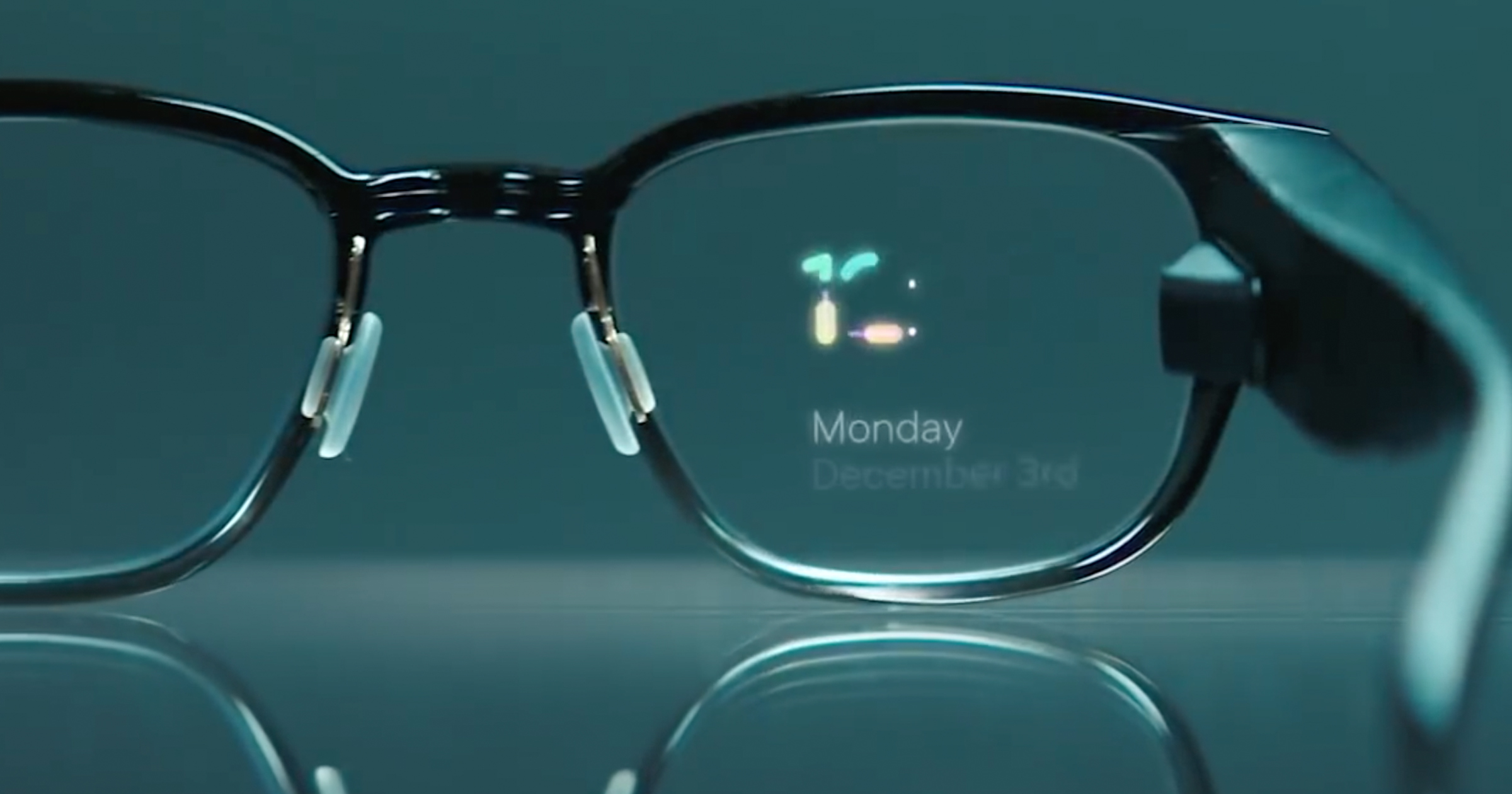
    Currently, the mixed reality market is experiencing a unique phase. On one hand, there is the Apple Vision Pro, a remarkable but hefty and expensive device that tends to isolate its users. On the other hand, there are Meta’s Ray-Ban Meta AI glasses, which integrate AI, cameras, speakers, microphones, and a monocular screen display for notifications and information.

    While the Ray-Bans are ideal for quick interactions, they do not offer a “true” mixed reality experience. Project Phoenix aims to bridge this gap by combining the immersive experience of Vision Pro with the wearability of the Ray-Bans.

    The delay in the project launch indicates that Meta is closely observing its competitors. The mixed reactions to Apple’s bulky headset might have prompted them to realize that a mediocre product will not suffice. These developments come at a time when Meta is reportedly reducing its metaverse budget by approximately 30%, indicating that they cannot risk a major hardware failure.

    Questions & Answers

    Why is the Project Phoenix launch delayed?
    The launch delay is strategic, allowing Meta to focus on developing a sustainable business model and a superior product experience.

    What are the key features of the Project Phoenix glasses?
    The Phoenix glasses will connect to a “puck-like” power and compute source via a wire, incorporate advanced sensor technology for digital overlaying, and prioritise visual fidelity to deliver an immersive experience similar to mixed reality headsets.

    How is Project Phoenix different from other products in the market?
    Project Phoenix aims to bridge the gap between extreme immersion and practical wearability, offering a “true” mixed reality experience in a form similar to traditional eyewear.

  • Alibaba Takes on Global AI Wearables with Quark Glasses: A New Contender in the Meta-Dominated Market

    Alibaba Takes on Global AI Wearables with Quark Glasses: A New Contender in the Meta-Dominated Market

    On Thursday, Alibaba announced the release of its Quark artificial intelligence (AI) glasses in China, signalling the tech giant’s entry into the AI wearables market that is currently led by Meta.

    The headset, priced starting from 1899 yuan (equivalent to US$268.25), is powered by Alibaba’s Qwen AI model and app. This device, unlike many other headsets, is designed to resemble regular eyeglasses with a black plastic frame. Alibaba shared that these glasses will be fully compatible with its suite of applications, including Alipay and the e-commerce platform, Taobao. Users of the Quark glasses will be able to perform tasks like translating languages on the go and recognizing prices instantly.

    Beijing-based electronics industry expert, Li Chengdong, noted that Alibaba’s core competencies lie in shopping, payments, and navigation. Therefore, the AI glasses are more of a life assistant. This move into AI wearables comes as Alibaba is trying to gain ground in the consumer AI market where it has traditionally faced strong competition. Its pursuits in this space included a significant upgrade to its AI chatbot earlier this month.

    Li explained that Alibaba’s approach to AI glasses is primarily about securing future online traffic in the face of fierce competition in China’s e-commerce industry. He added, “Alibaba’s hopes for AI are tied to cementing its position in the next wave of digital commerce.”

    Available on leading Chinese e-commerce platforms including Tmall, JD, and Douyin, the Quark AI glasses are Alibaba’s latest product in the race for the next generation of AI-powered entertainment and computing devices. This race is currently led by the likes of Meta, which controls approximately 80% of the virtual reality headset industry, Apple with its Vision Pro headset, and Samsung Electronics with its Galaxy XR extended reality headset that utilizes AI technologies from Google.

    Alibaba isn’t alone among Chinese tech companies in exploring AI-powered eyewear. Xiaomi introduced a similar product in June, while Baidu also has an AI eyewear product on the market.

    Questions & Answers

    What is the cost of Alibaba’s Quark AI glasses?
    The glasses are priced starting from 1899 yuan, or approximately US$268.25.

    What are some of the features of the Quark AI glasses?
    The glasses, which look like regular eyewear, are powered by Alibaba’s Qwen AI model and app. Users can perform tasks such as on-the-go translation and instant price recognition directly from the glasses.

    Which other tech companies have released similar AI-powered glasses?
    Other Chinese tech companies, including Xiaomi and Baidu, have also released similar AI-powered glasses.

  • Meta Unveils New Ray-ban Display: A Leap Forward In Smart Glasses Technology

    Meta Unveils New Ray-ban Display: A Leap Forward In Smart Glasses Technology

    During the recent Meta Connect event, CEO Mark Zuckerberg unveiled the Meta Ray-Ban Display, their latest innovation in smart glasses technology. This newly introduced product, featuring an integrated display, is not classified as an Augmented Reality (AR) device; however, Meta is fully engaged in the development of AR technology. There is speculation that the company might unveil another unexpected product before launching a comprehensive AR glass.

    The Potential of Smart Glasses

    Mark Gurman, a notable figure in the tech industry, disclosed his impression of the Ray-Ban Display in a recent newsletter. According to Gurman, this is the first instance where he recognized the considerable potential of smart glasses technology. He also revealed that Meta is in the process of designing another pair of smart glasses equipped with dual displays.

    Interestingly, the upcoming model, despite being non-AR, will be launched during the same year as the consumer-oriented Orion AR smart glasses. Although it may seem unusual, the company is presumably aware that the AR smart glasses will carry a hefty price tag. The Ray-Ban Display, retailing at $799, is currently incurring losses for Meta. Despite a decade of financial investment into its XR (Extended Reality) division, Reality Labs, Meta continues to face financial losses in its drive to become a leader in the future of computing technology.

    The Functionality of Ray-Ban Display

    The existing Ray-Ban Display projects a screen to one side of the user’s vision. It is expected that the forthcoming dual-display model will expand upon this feature, potentially projecting two screens on either side and possibly granting the user the ability to operate two or more apps concurrently.

    Even though XR enthusiasts are eagerly awaiting the release of the AR glasses set for 2027, the current Meta Ray-Ban Display serves as an effective tool for practice.

    A Dual Display Smart Glasses in the Pipeline

    In other news, a beautifully illustrated book titled “Iconic Phones: Revolution at Your Fingertips” is set to release this fall. The book promises to offer a unique insight into some of the most distinctive and unforgettable phones from the past two decades. It is expected to be a must-have for tech enthusiasts, chronicling the stories of over 20 fan-favorite phones and their contribution to the technological revolution.

    Questions & Answers

    What is the Meta Ray-Ban Display?
    The Meta Ray-Ban Display is the latest innovation in smart glasses technology from Meta. It features an integrated display.

    What does the future hold for Meta’s smart glasses?
    Meta is reportedly working on another pair of smart glasses that will feature two displays. In addition, the company plans to release the Orion AR smart glasses in 2027.

    What is the “Iconic Phones: Revolution at Your Fingertips” book about?
    “Iconic Phones: Revolution at Your Fingertips” is an illustrated book that details the stories of more than 20 fan-favorite phones from the past two decades, highlighting their impact on the technological revolution.

  • Walmart Exits Japan, Amplifies E-commerce In Other Asian Markets: A Strategic Pivot

    Walmart Exits Japan, Amplifies E-commerce In Other Asian Markets: A Strategic Pivot

    In a notable shift within the Asian retail landscape, Walmart is making headlines by announcing the closure of its stores in Japan, yet continues to navigate the maze of international markets by expanding its e-commerce services in other regions. The retail giant, known for its expansive reach, has acknowledged that the Japanese market presents unique challenges that have led to this strategic retreat.

    Walmart’s Departure from Japan: A Strategic Move

    Walmart’s decision to close its Japanese stores underscores the fierce competition and distinctive consumer preferences characteristic of the market. The retail behemoth failed to gain the foothold it expected, despite its innovative attempts to adapt. The company will fully shutter its 85 locations by the end of the year, a transition that underscores its need to recalibrate priorities.

    Yet, don’t count Walmart out just yet. While it pulls back from the Land of the Rising Sun, it is ramping up its investments in markets like India and China, where e-commerce is booming. By enhancing its digital capabilities and refining its supply chain, Walmart hopes to capture the growing consumer base flocking online.

    Boosting E-Commerce: A Focus on Digital Growth

    Across Asia, Walmart is ramping up its efforts in e-commerce, which is no small feat given the rapid digital transformation taking place. The company is heavily investing in technology, aiming to streamline its operations and improve the shopping experience for customers. With interactive websites and user-friendly apps, they are poised to draw in more shoppers seeking convenience and efficiency.

    As part of this digital push, Walmart is also eyeing partnerships with local delivery services to facilitate faster shipping, bringing a fresh twist to the traditional retail model. This shift not only showcases Walmart’s adaptability but also reflects the ever-evolving demands of today’s consumers.

    With its sights set on revitalizing its international strategy, Walmart’s actions present an intriguing chapter in the retail narrative, raising the question: Is agility the new competitive advantage in retail?

    As we watch how these dynamics unfold, one thing is for certain—there’s never a dull moment in retail.

    Questions & Answers

    Why is Walmart closing its stores in Japan?
    Walmart is closing its Japanese locations due to challenges in gaining significant market share and adapting to unique consumer preferences.

    How is Walmart expanding its operations in Asia?
    Walmart is focusing on boosting its e-commerce presence, particularly in markets like India and China, investing in technology and local delivery partnerships.

    What does this mean for the future of retail in Asia?
    Walmart’s shift highlights the importance of adaptability and digital transformation, signaling a trend where agility may become a key competitive advantage.

  • Apple Glasses could also correct your vision, new patent shows

    Apple Glasses could also correct your vision, new patent shows

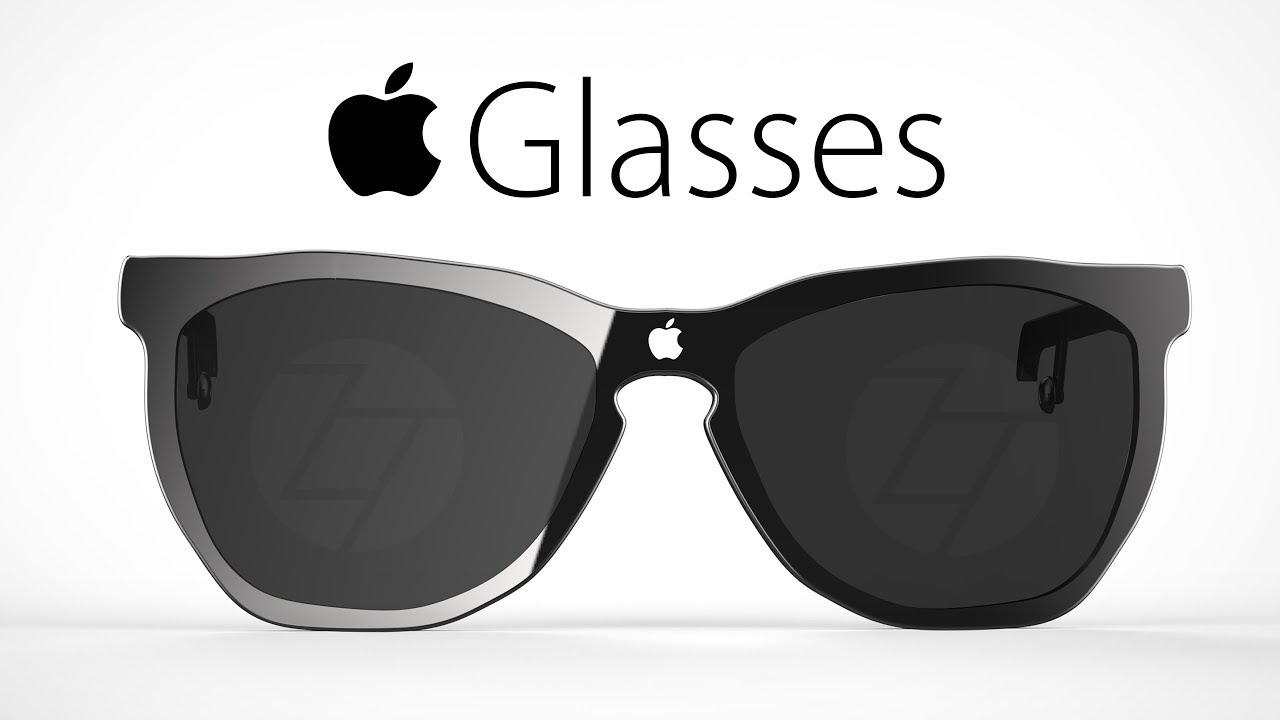
    There aren’t many new products to gather the attention and hype that the Apple Glasses AR/VR headset has managed to accumulate in the past few months. Apple’s rumored wearable often occupies headlines and leaks about its features are flying left and right.

    The latest Apple Glasses rumored feature could benefit people with prescription glasses. According to a new patent, granted to Apple on Thursday, the new Apple Glasses might feature a system of lenses that adjust to match the user’s prescription.

    The patent in question is titled “Tunable and foveated lens systems,” and describes a clever system of lenses that can be manipulated to act as a regular pair of glasses. The difference is that the system adjusts the position of the lenses automatically, and any person – with or without prescription glasses – could use it without any problems.
    This can be achieved by using a stack of liquid crystal lenses – the liquid material inside can change its optical properties when a current passes through it. Apple says in the patent documents that such a system can also help people with various vision problems, such as presbyopia (inability to focus at a certain distance).

    The clever system manages to circumvent one big obstacle that lies before smart glasses technology – users with regular prescription glasses. Using another pair of smart glasses on top of your prescription glasses is far from comfortable, and manufacturers normally would have to offer different models with different dioptric parameters to suit every consumer out there. Using this futuristic adjustable lens system could not only make smart glasses much more comfortable and approachable but help advance vision-correction technology.

    Bear in mind, though, that Apple (and every other big tech company) files for hundreds of patents every year. Seeing this cool feature on paper doesn’t mean that the actual product will have it onboard. Let’s quickly browse through all Apple Glasses patents that we’ve unearthed so far. One of the latest and most futuristic patents so far was the “Direct retinal projector.” As the name suggests, Apple is looking for ways to project the image directly onto the user’s retina.

    Another cool patent from last year describes Apple Glasses adjusting to ambient lighting, decreasing the ambient light in order to boost the brightness of the projected image.  Much less high-tech was the patent filing describing how Apple Glasses could be used to unlock other gadgets nearby – most wearable devices already have such functionality.

    The rumored self-cleaning feature of the Apple Glasses is far more interesting. The patent involved describes a way to “shake” the device free of dust using vibration.

    Finally, another patent filing showed how Apple Glass might detect sound and direct you to its origin. That might turn out to be a very useful feature for a device you wear on your head and look (kinda) through it.

    • Plastic or metal frames
    • Two 8K resolution displays
    • 120Hz refresh rate
    • Wi-Fi 6E connectivity
    • LiDAR in the frame
    • Gesture and voice controls
    • UI called Starboard
    • Adjustable lenses
    • Price: $499
    • Release date: 2025

    A major Apple Glass leak revealed a $499 price, and also suggested an announcement date sometime in Q3/Q4 2021, which is clearly not happening. According to tech analyst and insider Ming-Chi Kuo, Apple Glasses won’t be ready until 2025.

  • You can now control your Ray-Ban Stories glasses with your voice

    You can now control your Ray-Ban Stories glasses with your voice

    Meta and Ray-Ban’s Stories glasses just received their latest software update, which broadens up the voice capabilities of their product.

    The newest Stories glasses update enables you to control them with your voice. You can tell the built-in voice assistant to send texts and make calls using Messenger.

    The Ray-Ban Stories assistant can now also read the received messages. Another new feature introduced with the latest update is the ability to use your voice to control the audio playback. You can now pause, play, and control the volume by telling the voice assistant what you want it to do.

    To use the voice control of the Ray-Ban Stories, you will have to say “Hey Facebook” first and then continue with the command.

    Before the latest update, the only way to control the Ray-Ban Stories was to use the built-in control panel. Because the glasses have two built-in cameras, three microphones, and two open-ear micro speakers, you could use them to take videos, photos, make calls, and listen to music.

    More updates to the Ray-Ban Stories are coming in 2022, said Mark Zuckerberg in a post on Facebook when announcing the new update.

  • Owndays partners with Wagyumafia to launch new eyewear range

    Owndays partners with Wagyumafia to launch new eyewear range

    Eyewear retailer Owndays has launched a new sunglass range branded Chateaubriand in collaboration with restaurant brand Wagyumafia.

    The collaboration model is all about portraying the theme handmade in Japan with simple and basic in mind, the company says.

    The Chateaubriand collection has two types of sunglasses, both with a bold “Chateaubriand” logo on the temple. The normal type features a heavy- duty acetate black frame made from thick fabric and transparent green lens. The sporty type has a light gray frame and a polarised lens.

    Meanwhile, the restaurant has created a special VIP set menu where customers can “enjoy this collaboration of sunglasses and a gorgeous meal” with Wagyumafia and Owndays.

    Wagyumafia is an exclusive restaurant brand set up by Takafumi Horie and Hisato Hamada. Wagyumafia operates eight restaurants around the world with its mission to educate consumers and the restaurant industry on the appropriate application of high-end Japanese Wagyu beef.

    Bookings are strictly limited.

  • David Beckham launches eyewear line with Safilo

    David Beckham launches eyewear line with Safilo

    Football legend David Beckham has launched his own eyewear collection, Eyewear by David Beckham, in partnership with Safilo Group.

    Made in Italy, the collection features both optical frames and sunglasses with clean, modern silhouettes and a focus on “timeless” frame styles. His collection has been described by critics as “contemporary with traditional craftsmanship.”

    Last year, Safilo Group and David Beckham signed a global 10-year agreement to license for sunglasses and prescription glasses.

    “Safilo has a long history of creating high-quality eyewear brands. I wear sunglasses all the time and this is a category that I love,” said Beckham. “So, it’s important to me to work with a partner who cares as much about the design and craftsmanship of the product as I do.”

    Eyewear by David Beckham’s Spring/Summer 2020 Collection will be available to buy at selected retailers from March.

  • Apple AR glasses launch in 2020 reiterated as more details emerge

    Apple AR glasses launch in 2020 reiterated as more details emerge

    Apple is betting heavily on augmented reality is the next big thing and a new report by Bloomberg suggests the public could soon see the results of years of development.

    According to Mark Gurman, Apple is targeting next year for the release of its highly anticipated AR glasses. These will reportedly feature a pair of holographic displays and synchronize with the user’s iPhone to display useful information such as text, emails, or the weather. Rumors also suggest Apple Maps integration will be supported in addition to multiple games. The latter means Apple Arcade subscribers may be able to play a range of AR-backed titles while wearing the glasses.

    Apple is said to be hiring experts in both graphics and game development to ensure a range of titles are available at launch. This should help position the glasses as the instant leader in the category and hopefully replicate the long-term success of the Apple Watch. Speaking of which, Apple is reportedly considering a dedicated App Store for its AR glasses similar to the one that was recently launched for its smartwatch. From here, owners of the glasses will be able to download the range of compatible games in addition to a long list of other apps

    Like Gurman, analyst Ming-Chi Kuo believes Apple’s AR glasses will arrive next year, although he goes one step further by predicting a release halfway through 2020. This means the official announcement may happen in early 2020, perhaps alongside the iPhone SE 2 and iPad Pro (2020).

    Long-term, Apple hopes its AR glasses will eventually replace the iPhone, but in the meantime, it’ll focus on pushing its AR technologies through its other devices. Specifically, the next-gen iPad Pro is reportedly going to include a dedicated 3D sensor for AR content while next year’s iPhone 12 Pro series is expected to follow suit in September with the same sensor.

  • Apple’s rumored mixed-reality headset could use gloves as a controller

    Apple’s rumored mixed-reality headset could use gloves as a controller

    By now, many of you know that Apple’s next big thing is NOT going to be the HomePod. Actually, for a few years now, analysts have been expecting Apple to introduce AR glasses as soon as 2020-2021. There have been two schools of thought here; one is that this will be a standalone device while others, including reliable TF International analyst Ming-Chi Kuo, expect your iPhone to carry the brains of the headset. Kuo, in fact, says that production on the Apple Glasses will start no later than the second quarter of next year.

    A couple of patent applications filed by Apple reveals a pair of features that the company is apparently working on for the headset which has been dubbed Apple Glasses. The patent applications were submitted with the U.S. Patent and Trademark Office (USPTO) in February. The first one, titled Scanning Mirror Display Devices, discusses the technology that uses lasers and mirrors to project images directly into the eyes of the person wearing the glasses in lieu of a display. This could be done in a way to support Augmented Reality (AR) by allowing the images to be overlayed over a real-world view. The patent application says that this technology might be used to replace “overly complex, bulky, and uncomfortable to wear” head-mounted displays.

    The second patent application, Magnetic Sensor Based Proximity Sensing, uses magnetic sensing technology to detect the position of a user wearing a special glove on his or her hand. This could be used to control VR or AR features on the Apple Glasses through the use of hand gestures. A person wearing the headset would also don the gloves which have special material on the fingertips.

    Last month, a report stated that Apple had decided to terminate the Apple Glasses project, but that might not have been the case based on subsequent reports. In fact, just 10 days after that story made the rounds, a huge leak revealed that the tech giant was working on a mixed-reality headset supporting both AR and VR. The glasses will supposedly offer 8K resolution of  7680×4320 for each eye. The device has a codename of T288, according to this leak, and uses a newly developed operating system called rOS for reality Operating System. A 5nm chip will reportedly power the glasses and TSMC is expected to start producing components using this process starting next year.

    The same report said that Apple’s headset would also include eyebrow and jaw sensors to determine the expression being made by the user, hand sensors (which might include the technology found in the second patent that we discussed in this article), sensors to track the eyes and left and right cameras. Many of these features were also discovered in a patent that Apple filed with the USPTO this past March.

    Back in June of 2017, analyst Gene Munster, now with Loup Ventures, said that the Apple Glasses would end up being bigger than the iPhone. At the time, Munster said, “In 10 years we expect the iPhone will be around, but be a much smaller part of Apple’s business as Apple Glasses slowly gains market adoption.” The analyst originally expected the glasses to launch in 2020, but changed that forecast to December 2021 back in May. Munster forecasts that 10 million Apple Glasses will be rung up during the device’s first year on the market.

  • Los Angeles’ Dita opens second store in Tokyo

    Los Angeles’ Dita opens second store in Tokyo

    Los Angeles eyewear brand Dita has opened its latest Tokyo store this week, marking its second Japanese and global location.

    Located in the capital’s Minami Aoyama 5-chome, the Dita store covers 69 square metres andrepresents Dita’s latest retail concept, combining “the focus of a design showroom with the attentive service of an optical laboratory,” according to the company.

    Dita stores have been conceptualised by Mandi and Mehdi Rafaty of West Hollywood’s Tag Front. Italian stone mingles with plated aluminium, for a contemporary simplicity known to the America design dup. The Aoyama store also boasts a window on the south-facing facade extending from the floor to the ceiling.

    “We focused on materials and techniques that combine the warmth of turn-of-the-century design movements, like the Vienna Secession, rendered with contemporary technology and materials,” Dustin Edward Arnold, creative director of Dita Group, said in a statement.

    As well as Dita’s premium sunglasses, the store offers a range of technical services as part of its specialised ‘Dita Lab,’ including the provision of lens and frame prescriptions. Collections from Thom Browne Eyewear and Christian Roth, which Dita acquired last year, will also be on sale.

    Dita first entered the international retail space with a store opening in Daikanyama, Tokyo, in 2003.

  • Travel Blue hails success of Z-ZOOM launch at TFWA Asia Pacific

    Travel Blue hails success of Z-ZOOM launch at TFWA Asia Pacific

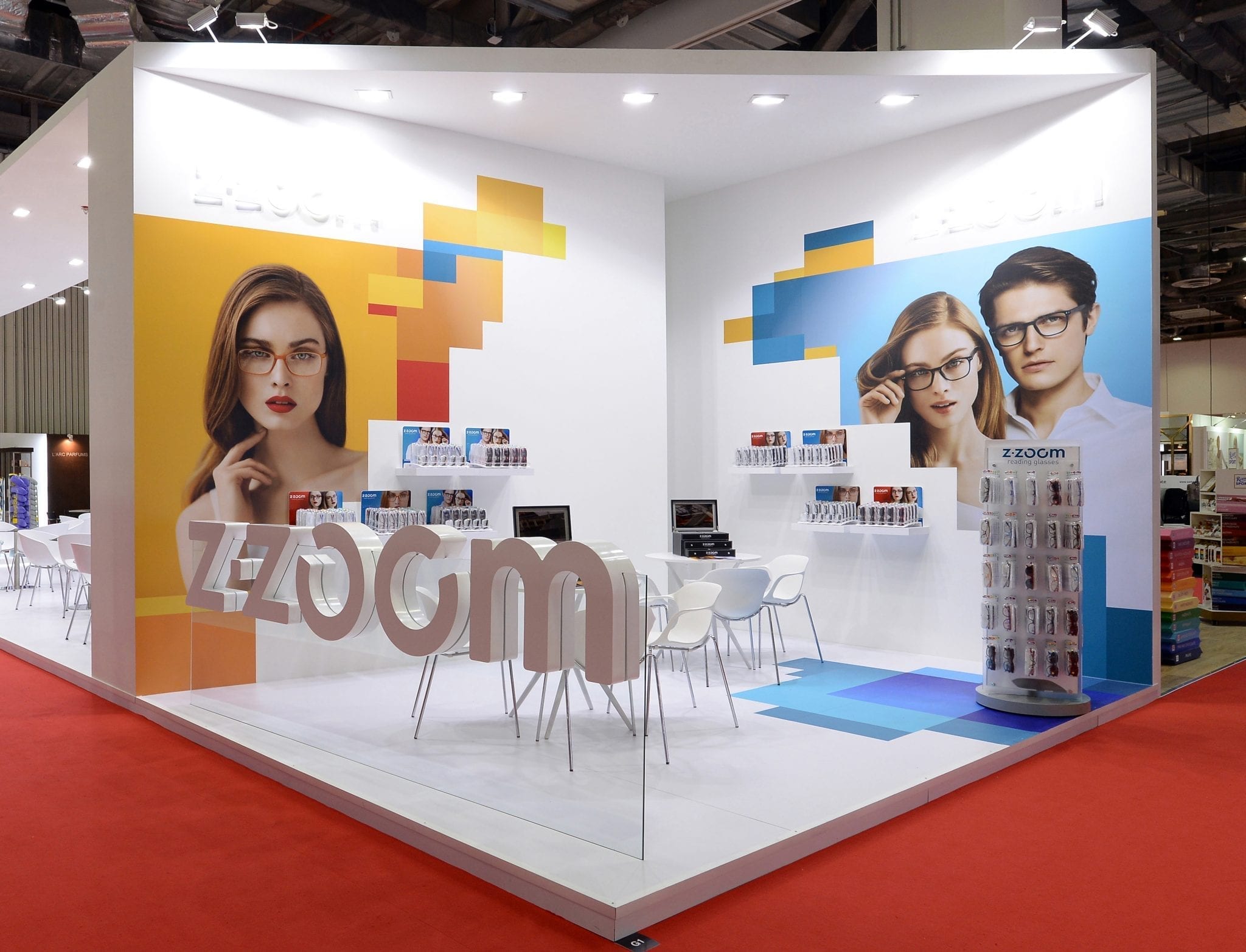
    Travel Blue has secured several listings for its Z-ZOOM reading glasses brand which launched at the recent TFWA Asia Pacific Exhibition.

    Travel Blue said the brand received a lot of positive feedback from buyers and that footfall to Z-ZOOM’s booth was strong.

    All eyes on Z-ZOOM: The team was out in force at TFWA Asia Pacific to showcase its reading glasses to customers

    Z-ZOOM Travel Retail Director Jonathan Smith said: ‘’The launch of Z-ZOOM at TFWA was a great success. We couldn’t have hoped for a better first showcase. The atmosphere surrounding the place was fantastic. There was a genuine sense of excitement and a great energy both amongst our team and the visitors to our stand.”

    Smith continued: “We appreciate the importance of the Asia Pacific region to the industry and how it is an essential market in the travel retail sector as it continues to grow. Asia will definitely be a key focus for the development of Z-ZOOM and we look forward to the opportunities that the region will present us.’’


    In Singapore, Z-ZOOM highlighted colourful reading styles, blue light filter glasses to protect eyes at computer screens and reading glasses with a magnetic sunglass attachment. All of its styles come in acrylic cases and were presented on POS units and countertop displays at the TFWA show.

    Z-ZOOM said its commitment to the consumer is to be stylish, functional and inclusive for all. The brand also said it aims to stay relevant to the changing fashion trends.

    According to Z-ZOOM, a variety of shapes and lenses are available to suit every face shape.

    Smith commented: ‘’Investment in market research, design and product development emphasises our commitment to getting it just right and shows that we are an innovative high quality brand. Exciting times ahead for Z-ZOOM.’’