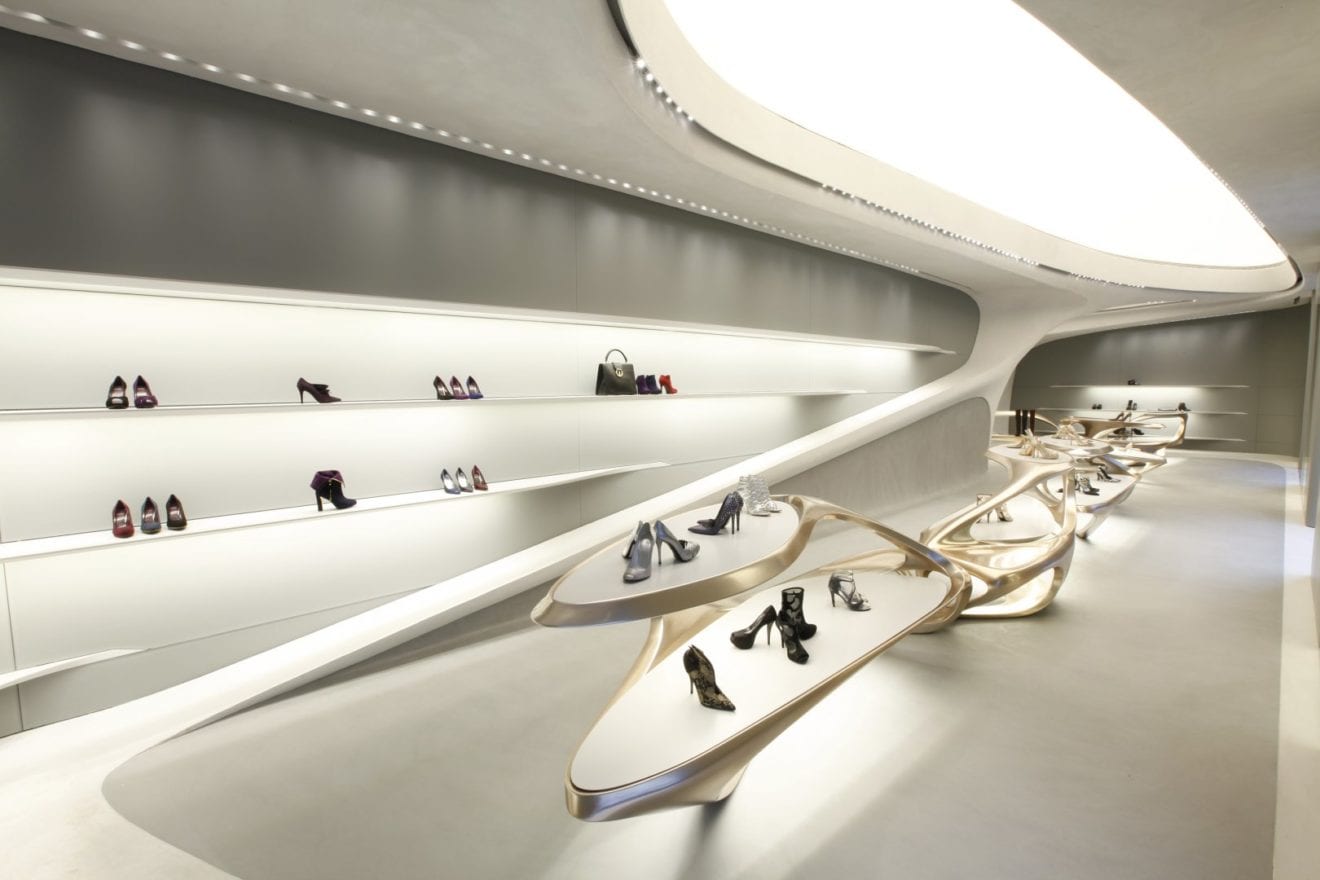
Amid ongoing challenges in the global retail landscape, several industry giants are adapting their strategies to capture the unique opportunities presented by the Asian market. The latest results from major players like Uniqlo, Zara, and H&M underscore a notable shift toward localized approaches that blend global best practices with regional insights.
Retail Behemoths Adapt to Local Markets
In a vibrant display of resilience, Uniqlo, part of SoftBank Group Corp., reported robust sales growth in its Asian segments, buoyed by a renewed focus on in-store experiences and digital integration. With consumers seeking both convenience and connection, the brand has revamped its store layouts to reflect local tastes while maintaining its commitment to quality and affordability. In just one of several delightful turns, their new store design in Singapore now features interactive zones where shoppers can test the innovative fabric technology firsthand. Who wouldn’t want a sneak peek at the future of fashion while browsing through their favorite essentials?
Zara and H&M: The Fast Fashion Frontier
Zara’s parent company, Inditex, has also made waves by enhancing its customer engagement strategies. Recently, the brand launched its “Zara Everywhere” initiative in Southeast Asia, optimizing mobile shopping experiences and expanding its online presence. This agile response comes as retailers race to stay relevant in a fast-changing retail environment. Meanwhile, H&M is championing sustainability through its Conscious Collection, carefully produced with eco-friendly materials, making it a hit among increasingly conscientious consumers. A single glance at their collection may leave you questioning—can fashion really save the planet?
The Online Shopping Boom
The pandemic may have pushed many retail operations online, but in Asia, the ascent of e-commerce has been dramatic. Brands are doubling down on digital platforms, innovating payment options, and enhancing logistics to ensure a seamless consumer journey. The convenience of mobile shopping, particularly in countries like China and India, is reshaping the retail environment, making it essential for brands to adapt quickly. As savvy shoppers continue to embrace the convenience of buying online, retailers are finding that capturing their attention requires more than just a website—it demands creativity and excitement.
Amid these changes, consumer expectations are ever-evolving, driven by a blend of local culture and international influence. Retailers are realizing that traditional marketing tactics won’t cut it anymore; they need to engage, entertain, and inspire.
The Asian retail scene is not just a marketplace; it’s a dynamic stage where innovation meets tradition, and brands that can dance to this rhythm are likely to thrive.
Questions & Answers
How are Uniqlo and other retailers enhancing their store experiences in Asia?
Uniqlo is implementing redesigned store layouts that reflect local tastes, incorporating interactive zones for consumers to engage with products, while emphasizing digital integration.
What strategies are Zara and H&M employing to remain competitive in the Asian market?
Zara is launching its “Zara Everywhere” initiative to optimize mobile engagement, while H&M is focusing on sustainability with its Conscious Collection, targeting eco-conscious consumers.
Why is the e-commerce boom significant in Asia for retail brands?
The rapid growth of e-commerce is transforming retail, as consumers in Asia increasingly prefer the convenience of mobile shopping, prompting brands to innovate their online presence and logistics capabilities.