Tag: global

  • Chinese Hotpot Giant, Banu, Ignites Global Expansion with First Hong Kong Outlet

    Chinese Hotpot Giant, Banu, Ignites Global Expansion with First Hong Kong Outlet

    Banu, a premier hotpot brand originating from Mainland China, has broadened its horizons by launching its very first establishment in Hong Kong.

    Established in 2001, Banu has seen rapid expansion, operating over 200 outlets across Mainland China. The brand’s debut in Hong Kong, with its maiden store located in Hysan Place, Causeway Bay, signifies the commencement of its ambitious global expansion plan.

    A Market Leader

    Banu is recognized as the largest revenue-generating brand in China’s premium hotpot market, recently ascending to occupy the second spot in the country’s overall hotpot market standings. The previous year witnessed an impressive 88.7% year-on-year surge in profits, alongside the opening of 44 new locations.

    In anticipation of its Hong Kong debut, Banu acknowledged the region’s reputation as a global culinary hub, boasting a mature catering industry with stringent standards for ingredient quality and culinary processes. They noted that Hong Kong’s hotpot market is distinctly divided: budget brands compete for footfall with their value-for-money offerings, while high-end establishments focus on deluxe seafood offerings. However, they believe there is a yet unexplored niche for boutique hotpot that harmoniously blends authentic Sichuan flavors with meticulous ingredient selection, all packaged within a sophisticated premium dining experience.

    Future Plans

    Towards aiding its global expansion, Banu is considering an initial public offering (IPO) in Hong Kong. Current market data indicates that themed restaurants, such as Banu, account for one-third of Hong Kong’s hotpot market.

    The brand’s unique positioning, centered around their signature beef tripe, is anticipated to unlock new growth opportunities in the market.

    Questions & Answers

    What is Banu’s market position in China’s hotpot market?
    Banu is recognized as the largest revenue-generating brand in China’s premium hotpot market and holds the second position in the country’s overall hotpot market standings.

    What is Banu’s expansion strategy?
    Banu is considering an initial public offering (IPO) in Hong Kong to aid its global expansion. It aims to explore the untapped niche for boutique hotpot that blends authentic Sichuan flavors with meticulous ingredient selection in a premium dining experience.

    What is Banu’s unique selling proposition?
    Banu’s unique selling proposition is its signature beef tripe, which it hopes will unlock new growth opportunities in the market.
  • HCMC’s Overseas Remittances Drop 23% Amid Global Economic Challenges in H1 of 2026

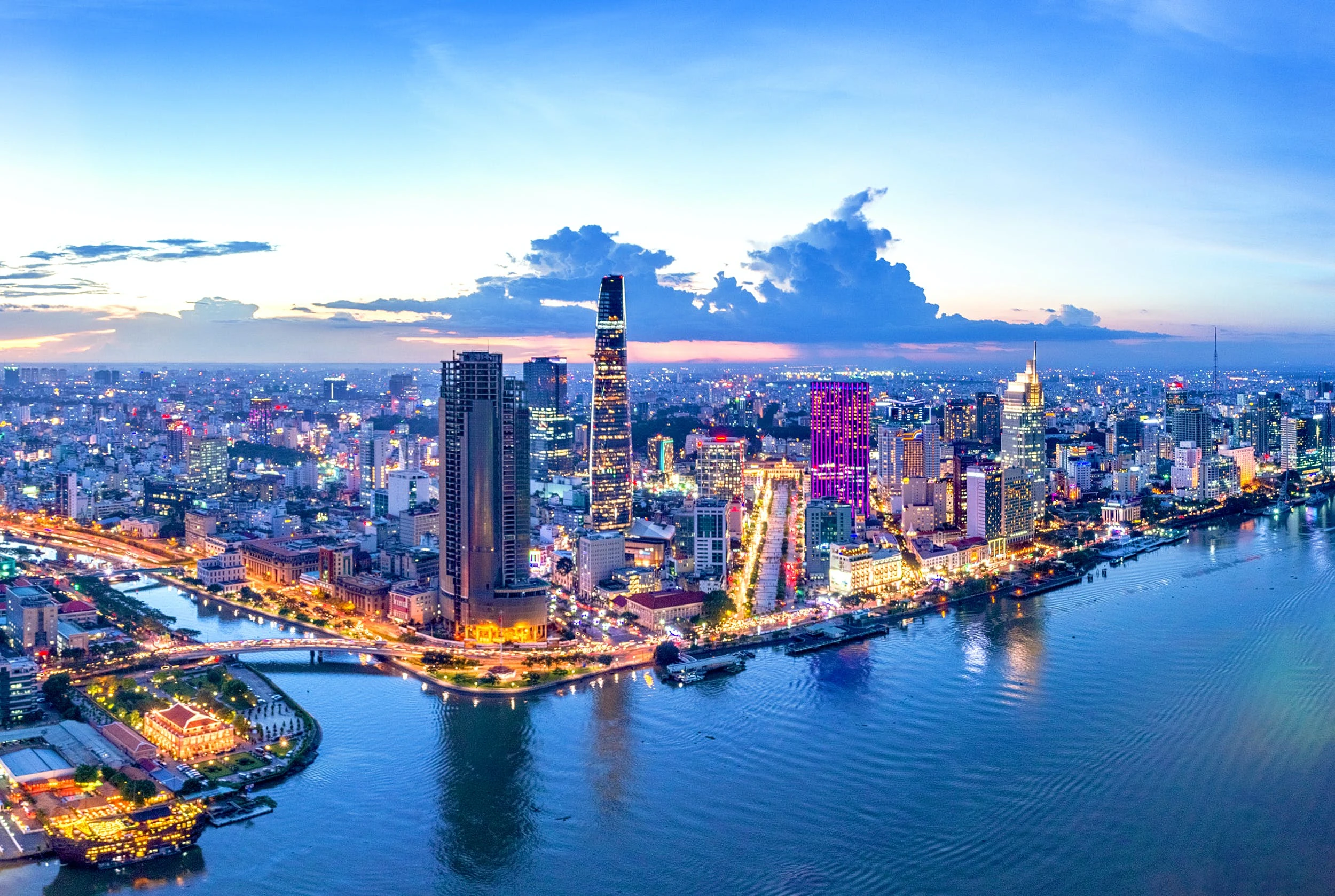
    HCMC’s Overseas Remittances Drop 23% Amid Global Economic Challenges in H1 of 2026

    In the first half of 2026, Ho Chi Minh City (HCMC) received over $4 billion in remittances, marking a considerable decrease of almost 23% compared to the same period in the previous year. Factors contributing to this downward trend include a sluggish global economy, more restrictive immigration policies, and shifts in capital flows, all of which negatively affected overseas Vietnamese transfers.

    During the second quarter, remittances that were transferred via credit institutions and economic organizations amounted to $2.03 billion. Although this reflects a slight increase of 1.4% from the first quarter, it is a significant decrease of 27.9% compared to the same quarter last year, as reported by the State Bank of Vietnam (SBV)’s Region 2 Branch.

    Geographical Distribution of Remittances

    Tran Thi Ngoc Lien, the Deputy Director of the SBV’s Region 2 Branch, disclosed that Asia continued to be the most significant source of remittances, contributing over $1 billion, representing 49.3% of total inflows. This figure is up by 9.8% from the previous quarter. The Americas came in second, contributing $672.6 million, making up over 33% of the total.

    In the first quarter, remittances from Asia increased by 9.8%, becoming the primary force of recovery. However, inflows from Europe, the Americas, and Oceania decreased.

    For the first six months, Asia and the Americas remained the leading sources, accounting for over 81% of total remittances. Asia led the way with $1.92 billion, accounting for 47.5% of the total. The Americas followed with $1.38 billion, or 34.1%, and Oceania contributed $418.3 million or 10.4% of the total.

    Contributing Factors and Future Projections

    According to Lien, the decline in remittances is attributed to a mix of international and domestic factors. Slow global economic growth, the strong U.S. dollar, and stricter immigration policies in several countries have all affected employment and income, impeding the ability of overseas Vietnamese to send money home.

    Inflationary pressures, increased living costs, labor market changes, and tax policy adjustments related to certain money transfer transactions have also impacted the Americas, particularly the U.S. – a significant remittance market for HCMC.

    Domestically, the SBV’s Region 2 Branch pointed out that some investment channels have not been attractive enough to absorb remittance capital. Moreover, the interest rates for foreign currency deposits have remained at 0%, leading some overseas Vietnamese to keep their funds abroad or shift them to other investment assets.

    Nevertheless, the SBV’s Region 2 Branch predicts a potential recovery, provided the global economy avoids major disruptions, and the current recovery trend persists in the second half of the year. The projections suggest that HCMC’s total remittance inflows in 2026 could reach between $8.6 and $8.9 billion.

    Despite being below levels recorded in previous years, remittances are expected to recover more noticeably on a quarterly basis, bolstered by the easing of international interest rate conditions, exchange rate stability, and the continued effectiveness of banks’ remittance promotion programs.

    Questions & Answers

    Why have remittances to HCMC reduced significantly in the first half of 2026?
    The decline can be attributed to global economic challenges, tighter immigration policies, and shifts in capital flows that have affected overseas Vietnamese transfers.

    Which regions are the main contributors to remittances to HCMC?
    Asia and the Americas are the two principal sources of remittances to HCMC, collectively accounting for over 81% of total remittances.

    What are the expectations for HCMC’s remittances in the second half of 2026?
    If the global economy remains stable and the current recovery trend continues, HCMC’s total remittance inflows are projected to reach between $8.6 and $8.9 billion in 2026.

  • Cathay Pacific Airways Sees Skyrocketing Profits on the Horizon Amidst Rising Global Demand

    Cathay Pacific Airways Sees Skyrocketing Profits on the Horizon Amidst Rising Global Demand

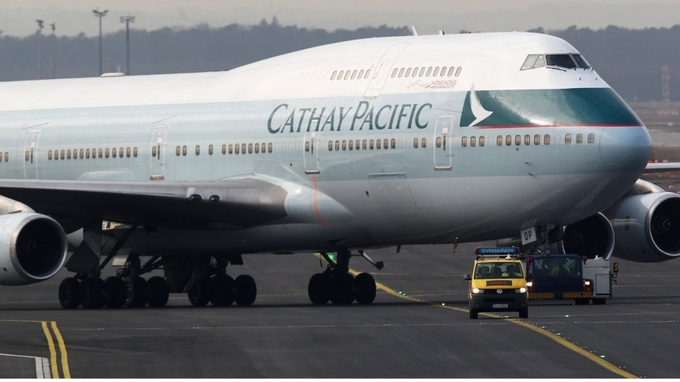
    Cathay Pacific Airways, the third most highly ranked airline globally last year, has announced its potential to realize a profit surge of up to 76% for the first half of this year. This surge, driven by robust passenger and cargo demand, is in comparison with the corresponding period last year.

    Financial Forecasts and Market Performance

    On Wednesday, the airline group projected a profit ranging from HKD6 billion to HKD6.5 billion ($765.39 million to $829.12 million) for the six months concluding on June 30. This projection marks a significant jump from HKD3.7 billion recorded during the same period last year. These estimations integrate a one-off gain of around HKD1.4 billion, attributable to the airline’s partial dilution of its stake in Air China.

    Without this one-off item, the sound underlying performance is reliant on robust demand within both passenger and cargo operations. This prediction shows resilience, as the wider aviation industry contends with a drastic surge in fuel costs. The International Air Transport Association (IATA) had projected that airlines’ fuel expenditures would skyrocket to $350 billion this year from $252 billion in 2025, driven by average jet fuel prices of $152 per barrel—nearly 70% higher than 2025 levels. Despite this, Cathay has acknowledged this hurdle whilst also reporting stronger earnings.

    Shares of Cathay, listed in Hong Kong, climbed more than 3% in the afternoon session after experiencing a slight dip in the morning. This rise was attributed to the optimistic profit prediction, which outperformed some analysts’ forecasts.

    Operational Performance

    The cargo division of Cathay, in June, transported 9% more cargo than the previous year, resulting in a 9% increase in total tonnage for the first half of the year. Lavinia Lau, Chief Customer and Commercial Officer, attributed this growth to semiconductor and pharmaceutical shipments which fuelled their specialist product lines, Cathay Expert and Cathay Pharma.

    On the passenger front, Cathay Pacific recorded a 12% increase in passenger numbers in June year-on-year, coupled with a 6% rise in available seat kilometers. For the first half of the year, passenger numbers swelled by 17%.

    Despite June traditionally being a more relaxed month, load factors remained stable, partially boosted by rerouted traffic via Hong Kong amidst the ongoing Middle East conflict. Demand in premium cabins also sustained strong corporate and premium leisure travel. “The outlook for the summer peak remains encouraging, particularly across our long-haul network,” Lau stated.

    HK Express, the group’s budget unit, experienced a slight dip with passenger numbers falling by 4% in June after the carrier reduced capacity to counterbalance higher fuel costs. However, Lau stated that bookings for July were trending ahead of the previous year.

    The group’s complete interim results are anticipated to be released in August. Cathay Pacific Airways clinched the third spot in 2025’s Skytrax’s ranking of the world’s best airlines, only surpassed by Qatar Airways and Singapore Airlines.

    Questions & Answers

    What is Cathay Pacific’s projected profit for the first half of this year?
    Cathay Pacific predicts a profit ranging from HKD6 billion to HKD6.5 billion ($765.39 million to $829.12 million) for the first half of this year.

    What contributed to Cathay Pacific’s robust performance?
    The airline attributed its sound performance to strong demand across both its passenger and cargo operations, along with a one-time gain from partially diluting its stake in Air China.

    Despite a dip in June, how is HK Express, Cathay Pacific’s budget unit, performing in July?
    July bookings for HK Express are currently outpacing those from last year, despite a 4% drop in passenger numbers in June.

  • Global Tensions Fuel Surge in Vietnam’s Gasoline Prices

    Global Tensions Fuel Surge in Vietnam’s Gasoline Prices

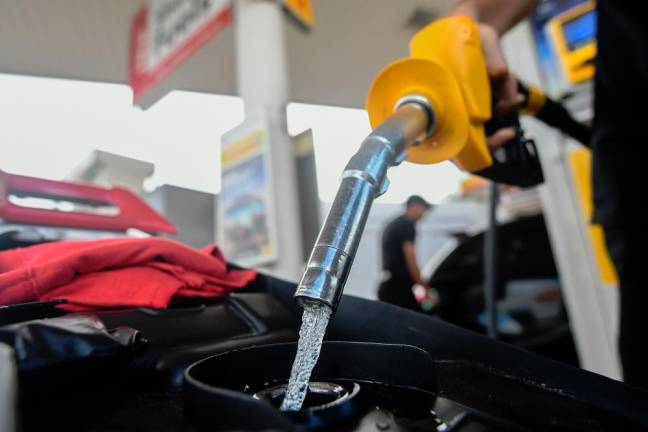
    On Thursday, petrol prices in Vietnam saw a significant hike due to a surge in global fuel prices. The country’s most widely consumed fuel, E10 RON95, experienced a 4.28% price rise, bringing its cost to VND21,430 (US$0.81) per litre.

    There were similar increases across other types of fuel. Biofuel E5 RON92 saw a 5.35% increase, raising its price to VND20,880. Diesel prices saw the most substantial jump, with a 10.5% increase taking the cost to VND25,760 per litre.

    Global Market Trends

    These price hikes have been attributed to the shifting conditions of global fuel markets, which have been trending higher in recent times. The surge in global fuel prices has been exacerbated due to escalating political tensions and conflicts, including those between the U.S. and Iran. In addition, the maritime blockade declared by the Houthi movement in the Red Sea has also contributed to the upward price trends.

    The rise in international fuel prices has had a global impact. For instance, RON95 gasoline prices rose by 11.4% to $115.5 per barrel, while diesel saw a 10.8% increase, taking its price to $150.9 per barrel. Fuel oil, also known as mazut, also experienced a significant increase, climbing by 12.3% to a staggering $546.3 per ton.

    Questions & Answers

    What led to the increase in Vietnam’s fuel prices?
    The increase in fuel prices in Vietnam was a direct result of the surge in global fuel prices, which has been driven by escalating political tensions and conflicts.

    How much did the price of the most popular fuel in Vietnam increase?
    The price of E10 RON95, the most popular fuel in Vietnam, increased by 4.28% to VND21,430 (US$0.81) per litre.

    What are the current global market trends for fuel prices?
    Fuel prices are currently trending higher globally, mainly due to escalating political tensions and conflicts, including the U.S. and Iran conflict, and the maritime blockade declared by the Houthi movement in the Red Sea.

  • US Dollar Climbs Against Vietnamese Dong in Black Market Amid Global Uncertainties

    US Dollar Climbs Against Vietnamese Dong in Black Market Amid Global Uncertainties

    The U.S. dollar saw an incremental increase against the Vietnamese dong in the unofficial market on Thursday morning. Independent exchange centers traded the U.S. dollar 0.19% higher, at VND26,380, while Vietcombank maintained its rate at VND26,500.

    Global Currency Trends

    Globally, the U.S. dollar stabilized largely on Thursday. The escalating U.S.-Iran tensions fostered a sense of uncertainty among investors, bolstering the demand for the U.S. dollar, a widely recognized safe-haven currency. Concurrently, the Japanese yen hovered around a 40-year low, with no imminent signs of recovery.

    The dollar index, a metric that juxtaposes the U.S. dollar against a selection of currencies including the yen and the euro, slightly declined by 0.06%, settling at 101.05. The increasing geopolitical tensions between Washington and Tehran have triggered a rise in oil prices, intensifying inflation fears. This in turn has facilitated an appreciable gain for the greenback.

    Meanwhile, the euro experienced a minor increase of 0.07%, closing at $1.1418. The European Central Bank (ECB) is scheduled for a meeting later on Thursday. It is expected that the ECB will maintain its interest rates, but will leave room for a potential rate hike in September. This anticipated move is in response to the recent surge in energy prices, which threatens to exert additional inflationary pressure.

    Questions & Answers

    What impact did the U.S.-Iran tensions have on the U.S. dollar?
    The escalating tensions between the U.S. and Iran fostered investor uncertainty. This led to increased demand for the U.S. dollar, a well-known safe-haven currency.

    What changes were observed in the euro and the Japanese yen?
    The euro saw a slight increase of 0.07%, while the Japanese yen remained around a 40-year low with no clear signs of improvement.

    What is the expected move of the European Central Bank in response to the recent surge in energy prices?
    The European Central Bank is anticipated to maintain its current interest rates but may consider a rate hike in September to counter the potential inflationary pressure stemming from the recent surge in energy prices.

  • China’s New Renaissance: How AI and Digital Economy Could Transform Global Investments

    China’s New Renaissance: How AI and Digital Economy Could Transform Global Investments

    After enduring years of economic adjustments and investor uncertainty, China is on the cusp of entering a fresh chapter. This revival is anticipated to be powered by advancements in manufacturing, artificial intelligence (AI), and the digital economy, potentially presenting vast implications for global investors, according to the Bank of Singapore.

    Reassessing China’s Economic Prospects

    The Bank of Singapore suggests a reevaluation of China’s economic potential. In its report titled “2026 Supertrends: Cycles, Halos and Moonshots,” the private bank identifies China’s renaissance as one of five key trends expected to shape investment markets by 2030. The other trends include geopolitical chokepoints, a refreshed approach to portfolio development, the expansive influence of artificial intelligence, and the rapidly growing longevity economy. However, the resurgence of China’s economy is deemed particularly significant for Asian investors.

    The bank asserts that China is transitioning from an era of economic recalibration to a new phase of renaissance. The economic opportunities are projected to stem from high-value products and services as China intensifies the development of its digital economy. The bank also forecasts that the emerging strength in advanced manufacturing in North Asia, especially industries contributing to AI development, will be a crucial source of investment returns. A robust Chinese renminbi is also expected to be a favorable contributing factor.

    This hypothesis signals a significant shift in outlook, following several challenging years for Chinese assets characterized by a prolonged property downturn, dwindling domestic demand, and geopolitical tensions.

    The Transformative Role of AI in Investments

    The potential resurgence of China is closely linked to another significant investment theme identified by the Bank of Singapore: artificial intelligence. The bank anticipates that the investment sectors benefiting from AI expansion will extend far beyond a select group of technology stocks. Possibilities are expected to arise across asset classes, including equities and fixed income as well as public and private markets.

    This could be advantageous for North Asia, where advanced manufacturing, semiconductors, and the broader technology supply chain are gaining increasing importance in the global AI ecosystem.

    Geopolitics, however, remains a significant risk, expected to shape investment strategies in a world increasingly influenced by strategic chokepoints. Control over resources and infrastructure could be wielded for strategic or economic leverage, as exemplified by China’s position in rare earths and other critical materials. This could result in a more volatile global climate, contributing to higher inflation, elevated government deficits, and fluctuating long-term bond yields.

    The evolving global landscape could also significantly impact currencies. The Bank of Singapore predicts modest short-term strengthening for the US dollar but a more bearish outlook in the long term. Large fiscal and current account deficits, coupled with potential political pressure on the Federal Reserve, could trigger a multi-year downtrend for the greenback.

    Consequently, safe-haven assets such as gold, the Swiss franc, and the Singapore dollar may gain prominence as investors seek alternatives to traditional government bonds for portfolio hedges.

    For investors, the inference is clear: the forthcoming phase of Asian growth is expected to be drastically different from the past, characterized by less dependence on traditional globalization and more emphasis on technology, strategic supply chains, and the competition for critical resources.

    Questions & Answers

    What is the anticipated economic shift in China?
    The Bank of Singapore suggests that China is transitioning from a period of economic recalibration to a new phase of renaissance, powered by advancements in manufacturing, AI, and the digital economy.

    What role does artificial intelligence (AI) play in this shift?
    AI is considered a major catalyst for the expected economic resurgence in China, with opportunities expected across asset classes. It is also perceived as instrumental in advancing North Asia’s manufacturing and technology sectors.

    What implications could the changing global landscape have on currencies?
    The Bank of Singapore anticipates modest short-term strengthening for the US dollar but a bearish outlook in the long term, which could result in a multi-year downtrend for the greenback due to large fiscal and current account deficits, and potential political pressure on the Federal Reserve.

  • Aussie Swimwear Sensation Seafolly Dives into China Market: A Global Expansion Milestone

    Aussie Swimwear Sensation Seafolly Dives into China Market: A Global Expansion Milestone

    Seafolly, the renowned Australian swimwear brand, has officially entered the Chinese market, marking another significant milestone in its ongoing global expansion. This move trails closely behind the brand’s recent launches in the United States and the United Arab Emirates.

    Engaging the Chinese Market with a Tailored Strategy

    Recognizing the increasing demand for high-quality swimwear in China, Seafolly has developed a unique ‘go-to-market’ strategy. This approach is designed to facilitate consumer discovery and engagement with the brand while promoting its shopping experience.

    To bolster this expansion, Seafolly has laid the groundwork by inaugurating an office in Shanghai. This move equips the brand with an on-site team to manage local operations, forge partnerships, and steer the brand’s development in the Chinese market.

    In addition, Seafolly has marked its presence on popular Chinese social commerce platforms such as Rednote, Douyin, and Tmall. This digital outreach aims to leverage the advantages of these platforms to introduce the brand to potential customers and engage with them effectively.

    Creating Connections through Influencer Partnerships

    As part of its introductory phase, Seafolly has partnered with influencers and launched livestream campaigns. These initiatives have already garnered high engagement rates and positive consumer sentiment, paving the way for a successful official launch.

    Brendan Santamaria, CEO of Seafolly, commented on the expansion, stating that their international markets have demonstrated impressive momentum, and there is a growing affinity for premium Australian lifestyle brands in China. He further added that having a local base in Shanghai enables the brand to establish an authentic connection with its consumers and build the brand effectively.

    In the coming months, Seafolly plans to launch physical stores in China, providing a tangible, immersive experience to its customers.

    Questions & Answers

    What is Seafolly’s strategy for its expansion into China?
    Seafolly’s approach is a locally tailored ‘go-to-market’ strategy, aimed at helping Chinese consumers discover and engage with the brand. The company has also opened an office in Shanghai to manage local operations and brand development.

    How is Seafolly leveraging digital platforms in its Chinese market entry?
    Seafolly has marked its presence on multiple Chinese social commerce platforms, including Rednote, Douyin, and Tmall. It has also established partnerships with influencers and launched livestream campaigns, which have generated strong consumer engagement.

    What are Seafolly’s future plans in China?
    In addition to its digital outreach, Seafolly plans to establish physical stores in China later this year, providing customers with a more immersive, tangible brand experience.

  • Vietnam’s Gold Prices Tumble: Global Market Trends and Implications Explored

    Vietnam’s Gold Prices Tumble: Global Market Trends and Implications Explored

    Gold prices in Vietnam witnessed another slump on Monday afternoon, following an earlier decrease of 0.2% in the same session. Saigon Jewelry Company reported a fall in the price of gold bars by 0.82% from the morning rate, settling at VND146 million (US$5,552.39) per tael. This resulted in an overall loss of approximately 1% for the day.

    Additionally, the price of gold rings also declined by 1%, reaching VND145 million per tael. It should be noted that a tael is equivalent to 37.5 grams or 1.2 ounces.

    Global Gold Price Trend

    Internationally, gold prices remained stable on Monday. Investors worldwide were assessing the influence of the escalating tensions between the U.S. and Iran on oil prices. Concurrently, U.S. Federal Reserve policymakers hinted at potential interest rate hikes to alleviate inflationary pressure.

    The spot price of gold lingered at $4,018.75 per ounce. Meanwhile, U.S. gold futures for August delivery slightly advanced by 0.1%, reaching $4,023.20.

    UBS analyst Giovanni Staunovo noted the negative correlation between gold and oil prices. He stated that market players are vigilantly monitoring the developments in the Middle East. Staunovo predicted a weaker dollar would bolster gold prices in the next 6 to 12 months, with expectations of the precious metal surpassing the $5,000 per ounce mark.

    Questions & Answers

    How much did gold prices in Vietnam fall on Monday?
    Gold prices in Vietnam fell by approximately 1% on Monday.

    What is the recent global trend in gold prices?
    Globally, gold prices have remained steady. However, the impact of the U.S.-Iran conflict on oil prices and possible interest rate hikes by the U.S. Federal Reserve are being closely observed by investors.

    What are the predictions for gold prices in the future?
    According to Giovanni Staunovo, a UBS analyst, a weaker dollar is expected to support an increase in gold prices over the next 6 to 12 months, potentially moving above the $5,000 per ounce mark.

  • Uber’s $14.8 Billion Acquisition of Delivery Hero Bolsters Global Food Delivery Dominance

    Uber’s $14.8 Billion Acquisition of Delivery Hero Bolsters Global Food Delivery Dominance

    Uber, one of the leading global mobility and food delivery platforms, has confirmed its decision to acquire another significant player in the industry, Delivery Hero. The agreement, which values Delivery Hero at approximately €13.0 billion (US$14.8 billion), follows earlier disclosures by the latter about being in advanced talks with Uber amidst market rumors of a potential takeover.

    Uber’s proposal outlines a voluntary public takeover offer, which will see it pay Delivery Hero shareholders €41.50 per share in cash. This move will significantly broaden Uber’s global delivery operations through the integration of Delivery Hero’s portfolio of brands. These include Foodpanda, Glovo, Talabat, HungerStation, and PedidosYa. Consequently, the amalgamated businesses will operate in 99 markets, offering services in ride-hailing, food delivery, and quick commerce.

    Future Plans and Investments

    Niklas Östberg, the co-founder and CEO of Delivery Hero, has expressed his confidence in the acquisition. He asserts that the deal, along with Uber’s planned investment in Germany, highlights the appeal of the European tech ecosystem. Furthermore, he expresses the company’s intent to continue contributing to its growth.

    To ensure regulatory approval for the acquisition, Delivery Hero will divest its operations in 14 markets where it overlaps with Uber. The divestment will be done to investment firm SSW Partners before the transaction is finalised.

    Uber, for its part, has pledged to uphold Delivery Hero’s Berlin headquarters and its staff until at least the end of 2029. In addition, the company has promised to invest €2 billion in Germany by 2031.

    The transaction is anticipated to be concluded in the second half of 2027, subject to shareholder acceptance and regulatory approvals.

    Questions & Answers

    What is the value of the proposed acquisition of Delivery Hero by Uber?

    The deal values Delivery Hero at approximately €13.0 billion (US$14.8 billion).

    How will the acquisition expand Uber’s business?

    The acquisition will allow Uber to integrate Delivery Hero’s portfolio of brands, including Foodpanda, Glovo, Talabat, HungerStation, and PedidosYa. This will significantly expand Uber’s operations across 99 global markets.

    What commitments has Uber made towards Delivery Hero’s existing operations and workforce?

    Uber has committed to maintaining Delivery Hero’s Berlin headquarters and workforce until at least the end of 2029. It also plans to invest €2 billion in Germany by 2031.

  • Vietnam Gold Prices Hit Two-Week Downtrend Amidst Global Market Shifts

    Vietnam Gold Prices Hit Two-Week Downtrend Amidst Global Market Shifts

    On Tuesday, Vietnam witnessed its lowest gold prices since the start of July, resulting from a decline in worldwide prices due to escalating tensions in the Middle East. The price of a gold bar from the Saigon Jewelry Company fell 0.88%, to VND147.1 million (equivalent to US$5,604.76) per tael. In Vietnam, a tael is a unit of weight equivalent to 37.5 grams or 1.2 ounces.

    Gold Market Trends

    The price of gold rings also saw a decrease, falling by 0.54% to VND146 million per tael. The drop in gold prices this year has amounted to a 3.7% decrease overall.

    On the worldwide stage, after experiencing a 3% drop on Monday, gold prices made a minor recovery. This was following an announcement by U.S. President Donald Trump that he was re-establishing a naval blockade on Iran. This action led to a rise in oil markets, renewed fears about inflation, and the potential for the longevity of higher U.S. interest rates. As a result, spot gold increased by 0.28% to $4,011.10 per ounce.

    Expert Insights

    Market analyst at Forex.com, Fawad Razaqzada, commented on the situation, explaining that the rally in oil prices was a result of the conflict in the Middle East and suggested policy tightening by the Federal Reserve. He also noted that these developments spelled bad news for assets like gold, which yield no interest.

    Razaqzada further speculated, “If oil prices continue to surge, gold prices might experience a downfall, potentially dropping to the $3,800 level initially. There is also a chance they could drop to $3,500 over time if the selling pressure intensifies.”

    Questions & Answers

    What caused the drop in Vietnam’s gold prices?
    The decrease was primarily due to a dip in global gold prices, spurred by increased tensions in the Middle East.

    How has the global gold market reacted to recent events?
    After a 3% plunge on Monday, global gold prices have slightly recovered following the US President’s decision to reinstate a naval blockade on Iran.

    What impact could rising oil prices have on the gold market?
    According to market analysts, if oil prices continue to surge, gold prices could potentially drop significantly, possibly down to $3,500 over time if the selling pressure increases.

  • US Dollar Takes a Dip against Vietnamese Dong Amid Global Uncertainties

    US Dollar Takes a Dip against Vietnamese Dong Amid Global Uncertainties

    The performance of the United States dollar presented a mixed picture on Tuesday, as it dipped slightly against the Vietnamese dong while maintaining its position against other key currencies. The state-owned Vietcombank recorded a 0.04% reduction in the greenback’s value, with an exchange rate set at VND26,450. However, in contrast, the black market saw the US dollar appreciate by 0.11%, pegged at the same exchange rate.

    Global Performance of the Dollar

    In the wider international scene, the dollar remained relatively stable as markets anticipated the release of U.S. inflation data. Rising tensions in the Middle East provided a boost to oil prices which, in turn, had a knock-on effect on currency exchange rates. The Japanese yen traded in a cautious manner, due in part to potential interventions and recent comments made by policymakers regarding the allocation of state pension funds.

    The dollar index, a tool used to compare the value of the greenback against a selection of international currencies such as the yen and euro, also recorded a slight decrease of 0.04%, resulting in a figure of 101.23.

    Meanwhile, the euro showed a strengthening trend against the dollar, trading at a rate of $1.1388. The British pound also saw a minor gain of 0.07%, resulting in an exchange rate of $1.3355.

    Questions & Answers

    What was the exchange rate of the US dollar against the Vietnamese dong?
    The state-owned Vietcombank listed an exchange rate of VND26,450 for the US dollar, showing a minor drop of 0.04%.

    What influenced the performance of the Japanese yen?
    The Japanese yen was affected by several factors, including potential interventions and recent policy-related comments on state pension fund allocations.

    How did the euro and the British pound perform against the US dollar?
    Both the euro and the British pound displayed a strengthening trend against the dollar. The euro traded at a rate of $1.1388, while the British pound gained 0.07%, resulting in an exchange rate of $1.3355.

  • VinFast Vietnam Doubles Capital to $388M, Streamlining Global Auto Design and Sales

    VinFast Vietnam Doubles Capital to $388M, Streamlining Global Auto Design and Sales

    VinFast Vietnam, a budding organization specializing in the design and sale of VinFast vehicles, recently increased its capital funds substantially. The company doubled its capital from VND5.18 trillion to VND10.18 trillion, equivalent to US$388 million, by issuing 500 million preference shares. This significant financial move was announced on July 13 via the National Business Registration Portal. Alongside this, it was revealed that foreign ownership within the company has seen a decline from 10.4% to 5.3%.

    Company Restructuring and Roles

    The creation of VinFast Vietnam was initiated on June 19, following the sale of the automaker’s manufacturing operations, VFTP, to Tuong Lai Company. This company is financially backed by billionaire Pham Nhat Vuong along with a group of investors. VinFast Vietnam has been assigned the responsibilities of global research and development, managing after-sales services, and overseeing sales operations.

    The managerial roles within VinFast Vietnam have been clearly delineated. Pham Nhat Vuong, the founder of the parent organization, serves as the company’s CEO. On the other hand, Thai Thi Thanh Hai, a seasoned executive from Vingroup, has been appointed as the chairwoman.

    Questions & Answers

    What led to the creation of VinFast Vietnam?
    The company was established after the sale of automaker manufacturing operations, VFTP, to Tuong Lai Company.

    What are the primary responsibilities of VinFast Vietnam?
    The company is in charge of global research and development, after-sales services, and sales operations.

    Who are the key executives of VinFast Vietnam?
    Pham Nhat Vuong serves as the company’s CEO, while Thai Thi Thanh Hai is the chairwoman.

  • Gasoline Takes a Dip while Diesel Climbs: Fuel Price Fluctuations Amid Global Tensions

    Gasoline Takes a Dip while Diesel Climbs: Fuel Price Fluctuations Amid Global Tensions

    On Thursday afternoon, fluctuations in global rates resulted in a decrease in gasoline prices and an increase in diesel prices. The popular gasoline variant, E10 RON95, saw a 2.01% drop pricing it at VND20,000 (US$0.76) per liter.

    Diesel Prices Rise as Biofuel Demand Increases

    Contrarily, diesel prices experienced a 2.73% surge, amounting to VND21,740. Despite the recent increase, the cost of diesel has seen a significant reduction, dropping by half from its peak price in April of this year. In addition, Biofuel E5 RON92 saw a 2.69% increase, bringing the price to VND19,190.

    Global fuel prices have been considerably influenced by recent tensions in U.S.-Iran relations, as reported by the Ministry of Industry and Trade and the Ministry of Finance. Over the last week, the price of RON95 fell 2.6% to $97.5 per barrel, while diesel prices increased 4.2% to $116.5 per barrel. The cost of Mazut also decreased by 1% to $428.3 per ton.

    Vietnam’s Fuel Consumption Trends

    Vietnam authorities have announced that they will continue to eliminate fuel-related taxes, excluding the special consumption tax, through the end of September. Following the widespread introduction of E10 gasoline just a month ago, Vietnam has reported a consumption of approximately 980 million liters of biofuel gasoline. Out of this total, E10 gasoline made up for 924 million liters or 96%.

    Questions & Answers

    What changes were observed in the fuel prices recently?
    Gasoline prices fell by 2.01%, while diesel prices increased by 2.73%.

    What factors are influencing the global fuel prices?
    The recent U.S.-Iran tensions have had significant impacts on the global fuel prices.

    What has been the consumption trend for biofuel gasoline in Vietnam?
    In the past month, Vietnam consumed around 980 million liters of biofuel gasoline, out of which E10 gasoline accounted for 96%.

  • Uniqlo Owner Fast Retailing Reports Stellar 45.7% Profit Boost Amidst Global Challenges

    Uniqlo Owner Fast Retailing Reports Stellar 45.7% Profit Boost Amidst Global Challenges

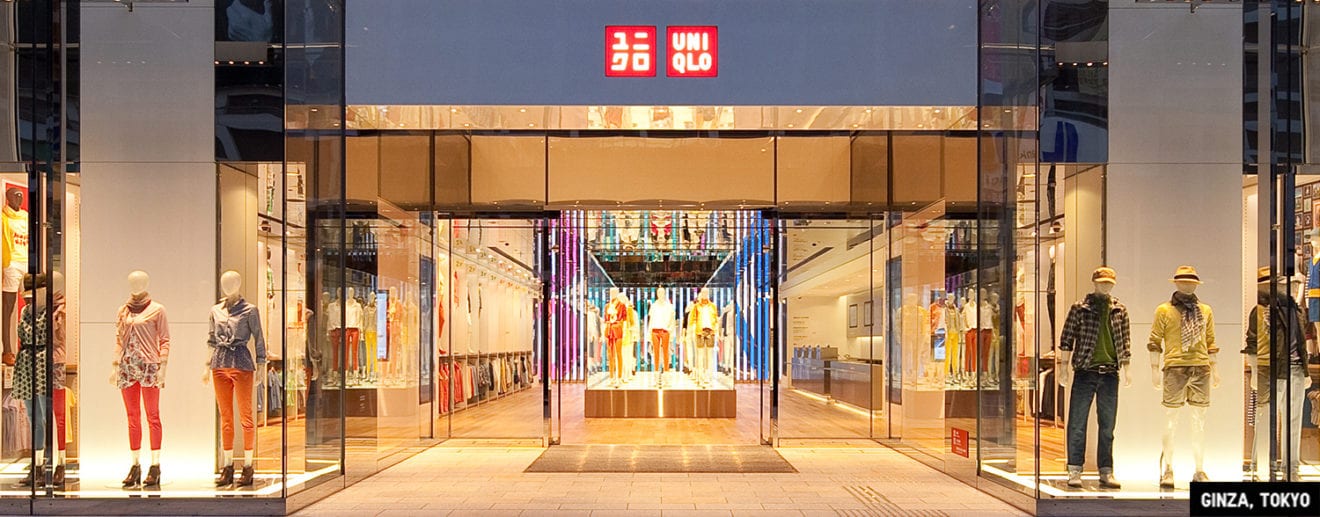
    Fast Retailing, the Japanese firm that owns the popular clothing brand Uniqlo, reported a 45.7% quarterly profit surge, despite facing challenges from the Iran war’s impact on supply chains and logistics. Achieving this milestone puts the company on track for its fifth consecutive year of record earnings.

    Over the three months through May, Fast Retailing’s operating profit reached 213.79 billion yen (US$1.32 billion), a substantial increase compared to 146.74 billion yen during the same period in the previous year. This figure significantly surpassed the average estimate of seven analysts, which stood at 177.73 billion yen. As a result of this positive performance, Fast Retailing raised its full-year operating profit forecast from 700 billion yen to 730 billion yen.

    Uniqlo’s Global Appeal and Challenges

    Fast Retailing’s success is a key indicator of consumer spending trends in Japan and mainland China, with nearly 900 stores in these regions. Starting as a single store in Hiroshima, western Japan, in 1984, the company now operates more than 2,500 Uniqlo stores worldwide, with its products primarily manufactured in Asian hubs.

    In recent times, the brand has seen rapid expansion in Europe and North America as it seeks growth beyond China, its largest overseas market. However, this expansion has come with challenges. In Japan, sales have been bolstered by a tourism boom and a weak yen, but growth in China has slowed, leading to store closures and restructuring.

    The ongoing Middle East conflict and changing weather patterns have also posed challenges for Fast Retailing, along with other global fashion retailers. Supply and logistic disruptions, as well as weather impact on clothing demand, have become significant concerns.

    Fast Retailing’s CFO, Takeshi Okazaki, highlighted these issues earlier this year, indicating that the Iran war had complicated air freight from production bases in Southeast Asia, and that sustained oil price increases could affect the costs of synthetic fibers.

    Questions & Answers

    What was Fast Retailing’s operating profit for the three months through May?
    The company’s operating profit was 213.79 billion yen (US$1.32 billion) during this period.

    How has Fast Retailing’s expansion into Europe and North America impacted the company?
    While the expansion has opened up new markets for Fast Retailing, it has also presented challenges such as coping with the effects of the Middle East conflict on supplies and logistics, and adapting to changing weather patterns impacting clothing demand.

    What factors have affected Uniqlo’s growth in China?
    The growth of Uniqlo in China has been affected by weak consumer sentiment, which led to store closures and restructuring.

  • Vietnam’s Gold Market Dips Amid Global Uncertainty: A Look into the Future of Precious Metal Prices

    Vietnam’s Gold Market Dips Amid Global Uncertainty: A Look into the Future of Precious Metal Prices

    Gold prices in Vietnam experienced a downward trend on Wednesday, continuing a 0.3% dip from earlier in the trading day. The Saigon Jewelry Company suffered a 0.67% price drop of their gold bars from the morning, bringing the total loss for the day to 1.1%. The new price for a tael of gold now stands at VND148.5 million (US$5,647.56). The price of gold rings also followed suit with a 1.1% decrease, rendering each tael to be VND148.2 million. For context, a tael is equivalent to 37.5 grams or 1.2 ounces.

    Global Gold Market and Geopolitical Factors

    On a global scale, gold prices remained relatively stable on Wednesday as investors awaited new indicators on the U.S. Federal Reserve’s interest rate projections. Renewed U.S. airstrikes on Iran raised fears that energy costs and inflation might experience an upsurge. Spot gold showed a slight increase of 0.4% to $4,123.55 per ounce after declining to its lowest since July 2 earlier in the trading day. U.S. gold futures for August delivery, however, fell by 0.5% to $4,135.

    Simultaneously, oil prices surged by over 3%, with U.S. Treasury yields rising and the dollar reaching its highest value in a week. Investors were keenly waiting for the minutes of the Federal Open Market Committee’s June 16-17 meeting, set to be released later that Wednesday, for hints on the Fed’s rate path under Chair Kevin Warsh.

    While gold is typically viewed as a safeguard against inflation and often sees gains during periods of geopolitical uncertainty, high interest rates usually put pressure on the non-yielding asset. Since the onset of the Iran conflict in late February, the precious metal’s value has dropped by more than a fifth.

    Views from Industry Experts

    Carsten Menke, Head of Next-Generation Research at Julius Baer Group Ltd., emphasized that the primary concern for gold and silver markets currently is whether the U.S. Federal Reserve will increase interest rates. He noted, “We do not expect the Fed to raise rates, as part of the inflationary pressure should turn out to be temporary.”

    Questions & Answers

    **What happened to gold prices in Vietnam on Wednesday?**
    Gold prices fell, with the Saigon Jewelry Company experiencing a 0.67% decrease in their gold bars from the morning, totalling a 1.1% loss for the day.

    **How has the recent geopolitical situation affected global gold prices?**
    The recent U.S. airstrikes on Iran have caused some anxiety in the market, contributing to a relatively stable gold price as investors wait for fresh signals on the U.S. Federal Reserve’s interest rate outlook.

    **What are experts saying about the U.S. Federal Reserve’s potential actions?**
    Industry experts, such as Carsten Menke of Julius Baer Group Ltd., do not expect the U.S. Federal Reserve to raise interest rates, believing that the current inflationary pressure could be temporary.