Retail News CRM

Tag: GlobalData

  • Ted Baker reaches balancing point

    Ted Baker reaches balancing point

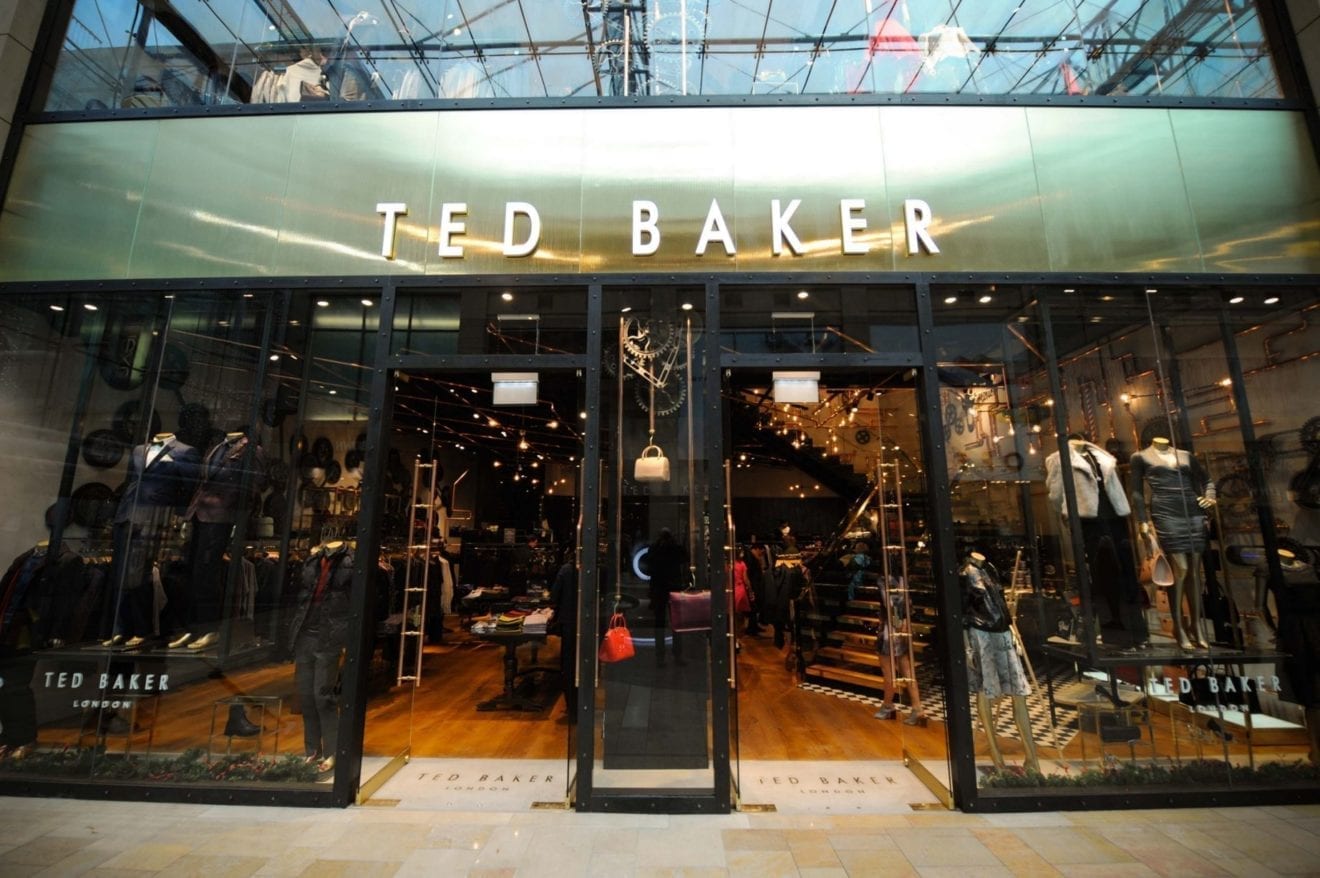
    Shares in UK-headquartered Ted Baker slumped 25 per cent as the latest financial results show the fashion label may be losing its mojo.

    After years of strong growth, the previously infallible Ted Baker says retail revenue fell by 1.1 per cent on a reported basis, and by 2.9 per cent at constant currency during the 19 weeks to June 8. The company warned shareholders its profit for the current financial year may fall by as much as 20 per cent to somewhere in the range of £50 million to £60 million.

    CEO Lindsay Page blamed the result on weaker trading due to unseasonable weather in North America and a highly promotional retail environment worldwide which impacted on gross margins.

    “As a team, we are proactively addressing the challenges we face as an industry,” said Page.

    “Several of our new product initiatives will commence imminently and we are confident in our collections for the coming season. We are relentlessly focused on achieving cost efficiencies as well as further cost savings throughout the business.”

    Sofie Willmott, lead retail analyst at GlobalData, believes Ted Baker is suffering from overexposure.

    “As a result of its past success and demand for the brand, Ted Baker products are widely available from department store players like John Lewis and House of Fraser, and online pureplays including Asos and Very.co.uk. But overexposure can damage brand appeal particularly when it is positioned at a premium level.

    “Alongside this, the struggles of department store retailers coupled with the misconduct allegations against the brand’s founder, Ray Kelvin, who stepped down permanently in March, will not have helped its performance. To reverse its sales decline, Ted Baker must rein in the number of distribution partners it has, to reaffirm its premium positioning.”

    Willmott said Ted Baker has reached a point where “it will either sink or swim”.

    “For the brand to be able to survive without its former leader and retain its loyal shopper base, it must seize the opportunity to shake up the business and re-establish its brand identity.”

  • Abercrombie & Fitch sales continue to climb

    Abercrombie & Fitch sales continue to climb

    Abercrombie & Fitch sales rose for the second consecutive year as its restructure and new store format begins to pay off. Comparable sales rose by 3 per cent in the year to February 2, to US$3.6 billion and operating income, after excluding extraordinary items, was $138.6 million compared to $100.8 million last year. However fourth-quarter sales fell by 3 per cent.

    CEO Fran Horowitz said the fashion retailer achieved an improvement in gross profit and reduced operating expenses, resulting in a 77-per-cent improvement in net income.

    “We continue to keep the customer at the centre of everything we do and are excited about the future of our brands. Our transformation initiatives are gaining traction and keeping us on track to deliver our previously disclosed fiscal 2020 targets.”

    Neil Saunders, MD of GlobalData Retail, said while the sales decline during the fourth quarter looks poor on the surface, the dip is a function of a calendar shift and a shorter trading period compared to last year.

    “The comparable Abercrombie & Fitch sales figure, which strips out these negative influences, provides a more balanced assessment of performance and here we believe A&F continues to deliver good growth. The comparable growth rate of 3 per cent is particularly impressive when set against last year’s stellar 9 per cent uplift.”

    He said there was now a clearly evident divergence between the performance of the Abercrombie and Hollister brands. The former posted a 2 per cent decline in comparables with the latter recording an impressive 6 per cent uplift.

    “In our view, Hollister is a brand that is strongly connected to its core customer base, both through impressive marketing and an assortment that is attuned to their needs and tastes. Our own tracking shows that the brand has strong traction and is attracting and converting a core group of shoppers on a regular basis at the same time as adding some new shoppers into the mix. Provided Hollister remains on trend with its range – and we see no reason why this should not be the case – we believe it should continue to perform well as the company moves into its new fiscal year.”

    Saunders said that while Abercrombie’s performance was a little soft this time around, the brand was up against tougher prior year figures.

    “Nevertheless there has clearly been a loss of momentum. Our data show that affinity to the brand, although much improved, is a more tenuous than Hollister. This means that Abercrombie was more exposed to the loss of consumer momentum in the general economy after Thanksgiving and Black Friday.”

    But he said the brand continues to show good potential and there were a number of fashion wins over the period, including good traction in outerwear.

    “Despite the slowdown we remain confident that Abercrombie is on the right track and can improve its numbers as it fine-tunes both marketing and merchandising.”

  • China will flood US with its product

    China will flood US with its product

    Turnover in the Chinese retail industry will eclipse that of the US later this year, according to analyses. “Nothing is going to stop them,” said one commentator as new data emerged showing a fast-narrowing gap between the two markets. The fact China would overtake the US was never in doubt – China’s population of 1.4 billion is vastly more than the US population of 325 million.

    According to data from eMarketer, total Chinese retail sales will grow 7.5 per cent this year to reach US$5.636 trillion. But growth in the US is likely to be significantly slower at just 3.3 per cent, reaching $5.529 trillion.

    Not even the slowdown in China’s economic growth is likely to affect the figures – a rebound may even hasten the milestone.

    GlobalData Retail MD Neil Saunders says a big factor in the speed of China’s retail growth is the way the industry has evolved. In the US, retailers were established well before the advent of the internet meaning adapting to the new online environment has meant managing their brick-and-mortar stores while pursuing growth online.

    But in the US, the market began to mature in an online world, and online spending there will account for more than 30 per cent of total retail sales this year. In the US, online is predicted to account for less than 11 per cent.

    “The US retail environment grew up in a very different era,” says Saunders. “It grew up before the internet. There is a historical difference and an evolutionary difference, which has created this very different backdrop to retail.”

    The rapid rise of the Chinese retail industry has been fuelled by rising incomes across the country, the urbanisation of the population and a burgeoning middle class.

  • L Brands loss revealed, Victoria’s Secret faces challenge

    L Brands loss revealed, Victoria’s Secret faces challenge

    Lingerie brand Victoria’s Secret needs to reinvent itself, says retail analyst Neil Saunders, commenting in the wake of a US$42.8 million loss by its parent L Brands. “The brand is simply not connecting and resonating with consumers in the way that it once did. Its overt sexuality, its focus on airbrushed glamour, and its dark-and-moody stores are completely out of step with the mood of most modern consumers,” said Saunders, MD of GlobalData Retail.

    “However, this is not a new phenomenon, Victoria’s Secret has been out of kilter for a long period of time – and has seemingly done very little to bring itself back into line.”

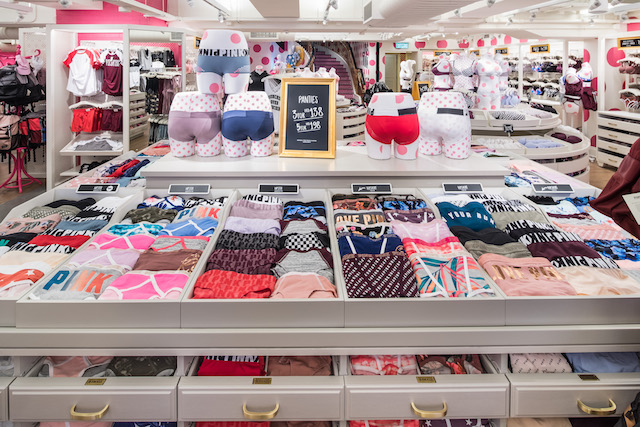
    Sales at Victoria’s Secret have fallen in seven out of the last eight quarters, mainly due to its weak diffusion brand Pink, launched in 2002 and aimed at college-aged women.

    “In Pink, fashion errors in loungewear have driven a recent deceleration in performance,” the company admitted in its earnings statement.

    L Brands’ third-quarter results showed an increase in same-store sales of 4 per cent across the group, to $2.77 billion, but Victoria’s Secret store sales fell by 2 per cent.

    The top line was boosted by L Brands’ Bath & Body Works brand. But one-off costs from the closure of Henri Bendel, impairments at Victoria’s Secret and ongoing losses in the La Senza business drove the net loss.

    Saunders described the Victoria’s Secret performance as disappointing, “not only with the sales numbers but by the inertia within the business”.

    He said much of the brand’s failure to change came down to embedded attitudes within management.

    “The recent insensitive comments about transsexuals from chief marketing officer, Ed Razek, in a Vogue interview characterise the problems. Not only are such remarks bad for the brand’s image, but it also earned a sharp public rebuke from the CEO of more incisive rival ThirdLove which has been stealing share from Victoria’s Secret for some time.

    “In theory, the departure of Jan Singer as CEO should help herald in changes someone coming in will have fresh ideas about reviving the fortunes of Victoria’s Secret.”

    L Brands has appointed John Mehas from lifestyle brand Tory Burch as the new CEO of Victoria’s Secret. He will take up the role early next year.

    Pink CEO Denise Landman retired after the release of the L Brands half-year results and she was replaced on October 1 by former Bath & Body Works president for merchandising and product development, Amy Hauk.

    “Our new leaders are coming in with a fresh perspective and looking at everything … our marketing, brand positioning, internal talent, real estate portfolio and cost structure,” said CEO Leslie Wexner.

    Saunders said Bath & Body Works was a stark contrast to the core brand.

    “The company’s wholesome brand image and its focus on small indulgences are paying real dividends – especially in a consumer economy where shoppers have more money to treat themselves. Its strong range development which means assortments are constantly changing encourages regular visits to online and stores. It also means that the company is good at jumping on trends like aromatherapy-based scents and the ongoing popularity of candles. Second, good marketing and promotions help to drive volumes through the business,” said Saunders.

    “Both of these things stem from the fact that the BBW team is much more attuned to the market and consumer trends than is the case at Victoria’s Secret. Indeed, the cultures at the two divisions could not be more different, and we believe that Victoria’s Secret should take a leaf out of its sister brand’s playbook as it looks to reinvent itself.”

  • Amazon joins Apple in trillionaire’s club

    Amazon joins Apple in trillionaire’s club

    Amazon briefly became the second US company to join the trillionaires club overnight.

    Like Apple just one month ago, Amazon’s market capitalisation has exceeded US$1 trillion.

    Neil Saunders, MD of GlobalData Retail, described the achieved as “extraordinary” after just 24 years in business.

    “That Amazon has achieved this demonstrates its dramatic advancement in both the retail and technology sectors, as well as the influence it now wields over large parts of the consumer landscape. Amazon is a very customer-centric retailer that has earned and deserves its success.”

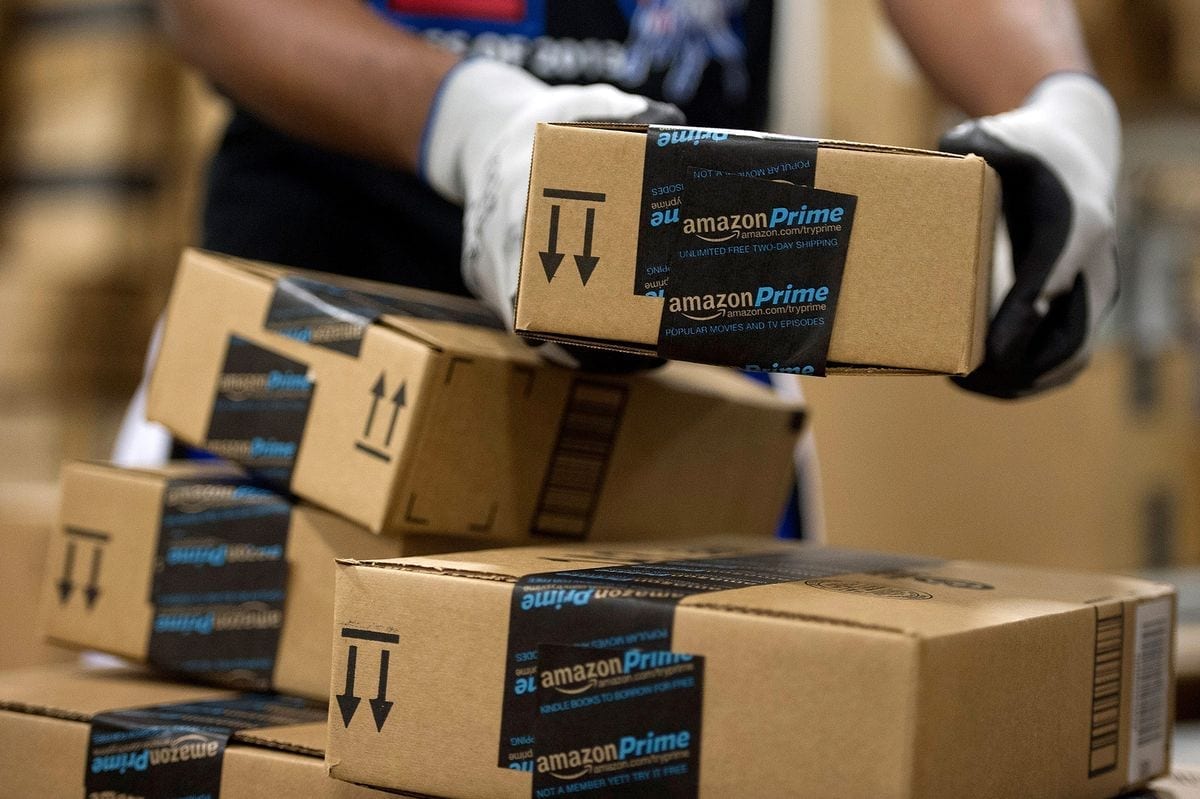
    The e-commerce behemoth posted losses for many years when it launched in the relative infancy of the online shopping industry. But in recent times its growth has been stellar, based on creating a subscription platform (Amazon Prime), developing smart devices like the Alexa and acquiring and opening retail businesses to expand its reach offline, including upmarket grocer Whole Foods and its cashierless Amazon Go format currently in trial phase.

    Saunders said the valuation reflects the forward potential of the company. “Despite its size and scale, there is still something young about Amazon. It might be mature in a sector like books and media, but in categories like grocery and home furnishings, Amazon is really only just getting started. The same applies to geographic expansion – there are many global pockets of demand that Amazon has yet to fully tap into.”

    Saunders has no doubt Amazon will make the most of all of those opportunities.

    “We also believe it will move more heavily into new areas like pharmacy and healthcare. Its future success will be predicated on the same basis as its past victories: finding innovative ways of delivering on customer’s needs and identifying unique ways of solving their problems.”

    Apple was not the world’s first trillionaires club member: Chinese government-controlled company PetroChina briefly reached a stock market value of about $1.1 trillion in 2007, however it is now worth only about $200 million.

  • Tapestry takes back Kate Spade China business

    Tapestry takes back Kate Spade China business

    Tapestry, the fashion retailer formerly known as Coach, has taken back operational control of its Kate Spade China joint ventures in Hong Kong, Macau, Taiwan and the mainland.

    CEO Victor Luis described the move as “an important business development initiative” and part of a plan by the group to assume greater direct control over its international distribution.

    The company has also entered into a purchase agreement to acquire the Stuart Weitzman business in Northern China from its distributor.

    “These transactions are in keeping with our strategic priority to maximise the opportunity with Chinese consumers globally across our brands,” said Luis.

    “In addition, we are excited to announce the buyback of the Coach business in Australia and New Zealand from our distributor, with an expected closing in the third fiscal quarter. As a result, we will be creating a Tapestry hub and center of excellence in Sydney to drive growth across our portfolio, further unlocking the value of a multi-brand operating model.”

    The news was included in the company’s second quarter results announcement in which Tapestry revealed a 35 per cent increase in sales, largely fuelled by the addition of the Kate Spade operations to its figures after its acquisition last July.

    Net sales totalled $1.79 billion for the second quarter, up from $1.32 billion in the prior year, while net income was $63 million.

    Luis said the second quarter performance exceeded the company’s expectations, with a return to growth for Coach, improved sales at Stuart Weitzman and the contribution of Kate Spade which continued to make progress after its integration into the business.

    A “significant step forward”

    Neil Saunders, MD of GlobalData Retail, said after removing the Kate Spade data from Tapestry’s comparable sales numbers, a modest growth rate of 2.2 per cent was achieved, which was still a “a significant step forward for the group”.

    “Most pleasing is the return to growth of the Coach brand which has, for some time, seen revenue slide as the result of a pullback from a number of sales channels, including department stores. The 2.2 per cent increase signals that this period of painful adjustment is mostly over and that Coach has a stable platform from which to expand. A more disciplined approach to discounting and promotions helped margins at the brand, which flowed through to some healthy gains in operating income. In short, Coach’s game plan of becoming less ubiquitous and selling more at higher price points is now delivering.”

    Saunders said Coach deserves credit for an on-trend holiday line up, a compelling marketing campaign, and great in-store execution.

    “However, we also believe that gains were aided by a confident consumer and flattered by a very soft prior year comparative. Both factors were particularly influential in the key North American market.

    This leads us to be a bit more cautious about prospects over the upcoming quarters, especially as comparatives become tougher and gifting sales are less significant.”

    But he said any softness in the North American market can be offset by a more aggressive and coordinated approach to international expansion.

    “On this front, we are encouraged that Tapestry is taking back direct control of the Coach business in Australia and New Zealand and believe that this will help to improve the brand’s presence and influence in the region.”

    Looking beyond Coach, Tapestry’s newest brand, Kate Spade performed less well. Global comparable sales declined by 7 per cent over the period, driven in part by a fall in e-commerce.

    “As much as this looks disastrous, the dip is mostly the result of a deliberate change in strategy, with Tapestry pulling back from the flash sales and heavy discounting that Kate Spade previously used to drive revenue. Predictably, this has resulted in a dramatic volume decline and waning interest among some consumer segments.

    “The intention is clear: Tapestry wants to take Kate Spade through the same process used to rebuild Coach. This is a necessary step to bolster brand value as Kate Spade had become too value-oriented and overly reliant on excessive, and margin depleting, promotions to drive results. We are conscious that weaning Kate Spade off the discounting drug will be far from easy and better numbers will only come through over the medium to longer term.”

  • Amazon posts largest profit in its history on sales

    Amazon posts largest profit in its history on sales

    Amazon’s quarterly profit reached a record US$1.86 billion in the three months to December 31, fuelled by millions of new customers to its Prime fast-shipping club.

    There was also a provisional $789 million boost to its bottom line from the US government’s tax bill which was passed in December.

    “This was another blow-out quarter for Amazon,” said GBH Insights analyst Daniel Ives. “The retail strength was eye-popping as the company had a banner holiday season and looked to capture roughly 50 per cent of all e-commerce holiday season sales.”

    “Our 2017 projections for Alexa were very optimistic, and we far exceeded them,” said founder and CEO Jeff Bezos.

    Neil Saunders, MD of GlobalData Retail, said that with 38.2 per cent sales growth in the final quarter, Amazon was one of the clear winners over the holiday season.

    “Admittedly this number is flattered by the inclusion of Whole Foods revenue, but even when this is stripped out, Amazon still increased sales by an impressive 27.9 per cent. Given this is above the trajectory of recent growth, it is safe to say that Amazon shows no signs of slowing down.”

    Saunders said the figures clearly show Amazon’s primary growth opportunities now lie in services.

    “Prime and subscription revenue, for example, increased by 46 per cent over the prior year. This is an impressive uplift and demonstrates Amazon is pulling more and more consumers into its ecosystem of content and services.”

    Allied with the increase in Prime membership is the rise in sales of Echo devices.

    “Our data show these were popular gifting and self-purchase items over the holiday period. Amazon now has a clear edge over other smart device manufacturers. This, and the fact Prime offers far more benefits and services than rivals, means Amazon should be able to withstand increasing competition from Apple, Google, and others as they launch and upgrade their smart speakers and connected home products

    Growth from services, as well as the addition of Whole Foods, is helping to strengthen Amazon’s bottom line. This quarter, net income increased by a stellar 147.8 per cent while operating profit rose by a very respectable 69.5 per cent.

    “This is in spite of increased investment and higher losses from the international operation. Notably, the better profit outcome also masks the pressure on margins from increased delivery and fulfillment costs: these rose by 56.9 per cent over the prior year and as a proportion of product sales rose to 21.7 per cent from 18.7 per cent in the same period last year.

    “Although Prime revenue offsets some of the fulfillment costs, this income is also used to fund content production, and various other benefits members enjoy. As such, we believe Prime makes only a small contribution to covering Amazon’s fulfillment costs. However, over the longer term, we believe this contribution may increase as Amazon starts to raise the price of membership.”

    Saunders said that while Amazon has grown sharply, it is still nowhere near its potential. “There are categories, like home and apparel, where it is underpenetrated and with tweaks to its proposition should be able to make further gains. There are markets around the world, like Australia, where Amazon is just getting started and has significant scope to boost sales. There are areas, like healthcare, that it is seeking to disrupt in the future. And there is Whole Foods, where some progress has been made – but which has yet to feel the full force of Amazon’s innovative approach.

    “In other words, Amazon has a lot more runway to grow.”

  • Target’s holiday sales are stronger than expected

    Target’s holiday sales are stronger than expected

    US discount department store chain Target has raised its quarterly profit and sales forecasts, after a better than expected festive trading period.

    Comparable sales growth of 3.4 percent in the November/December period was driven by strong traffic growth and continued strength in digital sales, which are expected to grow more than 25 percent in 2017.

    Stores fulfilled 70 percent of Target’s digital volume in November/December, meaning that stores enabled approximately 80 percent of the company’s comparable sales growth in that period.

    “As we look ahead to 2018, we will build on the foundation we established this year by launching additional exclusive brands, enhancing our digital capabilities, opening approximately 30 small-format stores and tripling the size of our remodel program to more than 325 stores,” said Brian Cornell, chairman and chief executive officer of Target Corporation.

    While Target’s holiday growth is respectable and makes it a holiday winner, GlobalData Retail managing director Neil Saunders prior year comparatives – when same-store sales fell by 1.3 per cent – are very weak and since that time Target has undertaken a raft of initiatives that should have boosted performance.

    “All that said, the growth does indicate that Target is on the right track and that it’s various ventures are starting to pay dividends. However, we believe that it also highlights some deficiencies in execution – especially in stores.”

    “Target’s holiday focused Wondershop is another example of a lost opportunity. Like last year, Target’s range of holiday decorations and sundries was comprehensive and, in our view, one of the best in the market. However, also like last year, Target buried this offer at the back of the store and, as a consequence, lost custom. We note that more effort was made to signpost the collection this year, but this proved to be inadequate.”

    Digital was the undoubted success, according to Saunders, with robust online growth underpinning performance.

    “Overall, this is a positive outcome. It shows Target is doing the right things and that its ideas have merit. However, it also indicates the need for more care in execution, a faster roll-out of the initiatives, and a greater sense of ambition. Ultimately, Target is doing well, but it could be doing better.”

  • Lululemon sales skyrocket sales

    Lululemon sales skyrocket sales

    Canadian activewear retailer and manufacturer Lululemon has posted a 14 per cent uplift in total sales in the third quarter; same-store sales rose 8 per cent.

    Kevin Wathey, a consultant with GlobalData Retail, says that while other players in the sports and athleisure market struggle, Lululemon sales continue to go from strength to strength.

    While income dropped by 14 per cent, the increase in sales by either measure underlines that Lululemon is still attracting new customers – and getting existing shoppers to spend more both online and offline, he said. The drop in profit was the result of asset impairments and restructuring costs associated with the Ivivva closedown, rather than symptomatic of any fundamental issues with the business. Excluding the exceptional $21 million of fees, net income rose by a healthy 17 per cent year on year.

    “Exceptional items notwithstanding, the strength of Lululemon’s bottom line is mostly thanks to its ability to resist the temptation of excessive discounting – even in a market that has become steadily more promotional. In our view, this is made possible by the fact that Lululemon, unlike so many of its rivals, has a line-up of products that people want and for which they are prepared to pay full price. Constant innovation and a laser-like focus on functionality and quality are central to this,” said Wathey.

    International growth – including in Asia – and product innovation should continue to fuel sales.

    “The former is particularly helpful in driving revenue, and we remain excited about Lululemon’s prospects in both Asia and Europe. The latter gives the numbers a softer boost but also plays a critical role in keeping existing shoppers coming back for more. On the product side, we feel that Lululemon has some potentially significant wins ahead, especially in categories like footwear where it has just launched its first range of sneakers in collaboration with California-based Athletic Propulsion Labs.”

    Wathey said he remained optimistic about Lululemon.

    “It is true that the company has had a good run of growth and it is also the case that overall market conditions will continue to be challenging. However, Lululemon’s careful control of its brand, along with its efforts to position itself as a company that helps people achieve their lifestyle ambitions, will help it to speed through prevailing negative headwinds.”

  • Abercrombie opens eyes after a long sleep

    Abercrombie opens eyes after a long sleep

    After an extended run of decline, Abercrombie & Fitch is finally back with a market-beating 4.5 per cent uplift in total sales.

    Although the result comes off the back of a weak prior year comparable, it nevertheless provides comfort that the group’s strategies are starting to bear fruit.

    As good as the headline figure is, it masks disparities between A&F’s two core brands. Hollister’s 8 per cent increase in comparable sales is impressive and represents a significant acceleration from the first half of the year. Meanwhile, Abercrombie is still in the red with a 2 per cent drop in same-store numbers – a disappointing outcome, but one that marks a significant improvement over the double-digit declines the brand was previously recording.

    That Hollister is performing better than Abercrombie is not surprising. Hollister’s brand reinvention program is more advanced, and initiatives like the Club Cali loyalty program have had much longer to play out. As a result, the brand is engaging far more with its customer base and enticing them with relevant on-trend product across categories like denim and intimates.

    Abercrombie has not been neglected, but the division’s reinvention is at an earlier stage and so financial results are nowhere near as positive. Arguably, the task of finding a new voice and pitch for a brand that carries so much baggage has been far more difficult than Hollister’s reasonably gentle evolution. However, having seen the work undertaken at Abercrombie, it is clear that progress is being made and that the direction of travel is correct.

    Ditching the logos

    On the product front, there have been significant improvements in quality, especially to fabric and stitching. Subtle detailing, like more stylish buttons on shirts, has also helped to give basic garments a lift. On top of this, the big logos of the past have been firmly ditched in favour of no-branding or very subtle A+F monograms. The net effect is a range that is more mature and sophisticated, with much more emphasis on fit and function than branding.

    The new Abercrombie prototype store, which has been opened in a select number of locations, is impressive. It is revolutionary rather than evolutionary and is a significant step forward for the brand. The two most immediately striking things about the new design are how light and open it is, and how subtle the branding is. Alone, these make the shops almost unrecognisable as A&Fs.

    Beyond these significant shifts, there are more subtle changes, foremost among them a smaller footprint, with some new prototypes being around half the size of older stores. This is made possible by a much more efficient use of space and also because ranges have been thinned out.

    A&F is now putting more weight behind key items and cutting back on slower, less relevant lines.

    The consumer impact of all these changes is positive. The new format is more pleasant to shop, and the ‘less is more’ approach makes putting outfit ideas together easier. From A&F’s perspective, the new format provides financial benefits, with higher sales densities and lower rents.

    With only a few new stores open so far, the impact on Abercrombie’s sales is currently small.

    However, this should grow as the concept is rolled out further. In the meantime, there is much more work to do to reconnect the brand with customers. While initiatives like the loyalty scheme are working well, Abercrombie needs to communicate its new essence more effectively and more widely.

    Overall, Abercrombie & Fitch is still a company in transition and is not back to full health.

    However, it is now showing some encouraging signs of life.

  • Gap results to be saved by Old Navy

    Gap results to be saved by Old Navy

    At headline level, the latest Gap Inc results are not too bad. Overall revenue rose by 1.1 per cent, a respectable increase that is some way above that posted over the last two quarters. Net income also increased by 12.3 per cent compared to the previous year.

    Unfortunately, behind the headline, it is the same old story. Old Navy is driving group performance while the other two leading brands are struggling. Admittedly, the 0.8 per cent US revenue decline at Gap and the 2.6 per cent dip at Banana Republic are better than recent reporting periods, but neither demonstrates a fully-fledged recovery.

    Management has been keen to emphasise the changes that are being made to revitalize the challenged brands. On the ground, there is some evidence of this happening. At Gap, for example, there have been marginal improvements in quality and greater emphasis has been placed on in-demand products like athletic wear. However, the majority of the offer remains samey, as do things like store environments and point of sale material. In our view, Gap has very little newness to communicate and, as such, is still finding it difficult to inspire customers.

    The new marketing campaign, ‘Meet me in the Gap’, is not terrible, but neither is it particularly compelling. As such, while it has helped rather than hindered sales, it has not succeeded at pulling in new shoppers or getting lapsed shoppers to take a fresh look. Given the offer has not shifted very much, perhaps this is just as well.

    In essence, the change at Gap is lacklustre – especially when compared to a brand like Abercrombie & Fitch which has ripped up the rulebook and completely reinvented itself. Gap needs to emulate this bravery and do something radical to put the business back on a sustainable growth trajectory.

    Stuck in a rut

    If Gap has made some progress, Banana Republic still seems stuck in a rut. Despite a change of leadership, the proposition still lacks energy and focus. As such, it is hard to understand who the brand is targeted towards or what needs it is trying to address. Until these things are resolved, Banana Republic will remain on the back foot. To be fair, management always said that the latter part of this year would be about stabilising the brand rather than reinventing it, but this could amount to a tacit admission of not knowing what changes to make or how to make them.

    Fortunately, Gap Inc has been able to rely on Old Navy to push up performance. While sales growth moderated this quarter, the brand remains a popular destination for younger and family shoppers. The new winter and fall collections are compelling, which should benefit sales over the holiday quarter.

    There has been good progress within Gap’s stable of smaller brands like Athleta and Intermix. Both of these concepts have significant potential, with Athleta in particular positioned to grow its market share. Unfortunately, the revenue contribution of these divisions is insufficient to make a material difference to the group’s overall numbers.

    In summary, Gap has become a more stable business and sales declines appear to be starting to bottom out. However, the company has no real sense of direction or ambition for two of its major brands.

  • Walmart US’s online sales soars by 50 per cent

    Walmart US’s online sales soars by 50 per cent

    Walmart’s online sales in the US soared 50 per cent during the latest quarter, described as a stellar rate of increase which shows Walmart is growing its digital market share at pace.

    The world’s largest brick and mortar retailer recorded a revenue rise of 4.2 per cent, which equates to a US$5 billion increase in sales over the three months. Walmart US led the way with a 4.3 per cent increase in revenue and a 2.7 per cent increase in comp-store sales.

    GlobalData Retail MD Neil Saunders described that result as “impressive” and underscoring the company’s determination to not only defend its leading position but to extend it.

    That most of the online growth came from the core Walmart.com operation rather than from new additions, highlights the success of initiatives such as free two-day shipping and an expanded online selection, which now encompasses over 70 million products, said Saunders.

    “From GlobalData Retail’s figures, it is clear that Walmart is not only getting existing customers to spend more online but is also attracting new shoppers.

    “With a solid e-commerce base, Walmart is now looking to deepen its offer and experience in a select number of categories. This is one of the reasons it has struck deals with partners like Lord & Taylor in fashion and is building relationships with premium brands like KitchenAid and Bose.

    Walmart’s longer-term aim is clear: it wants to become the go-to online destination for both everyday and specialty items. The push into higher-end products should also help to bolster online margins.”

    Strong traffic

    However, although online has been a success story for Walmart, the second reason for its US growth is the performance of stores. Traffic held up well across the US, with price cuts helping to keep customers loyal, especially in categories like grocery. Some modest improvements to store layout and design have also aided conversion rates, particularly in non-food categories.

    “For a retailer of its size and scale, Walmart’s ability to keep its stores growing is impressive,” said Saunders.

    While he cautioned that some of the US sales success could be attributed to post-hurricane spending and recent acquisitions, the core business is performing well, with a broad pickup in both customer traffic and spending across all of Walmart’s channels.

    Sales outside the US also picked up. He said the Mexican operation is benefitting from investments in e-commerce, including an expanded online offer. Revenue in Canada has increased, mainly thanks to sharper pricing and expansion of the number of locations offering grocery pickup.

    In the UK, Asda posted its second consecutive quarter of comparable growth. “While this result comes off the back of a long run of weak performance and does not yet constitute a return to sustainable growth, we believe the investments made in price, offer, and service are starting to pay dividends.”

    Saunders said the latest results show Walmart is a retailer on the front foot.

    “Admittedly, the investments it is making in price and e-commerce are taking their toll on the bottom line, but they are also positioning the company for significant future success.”

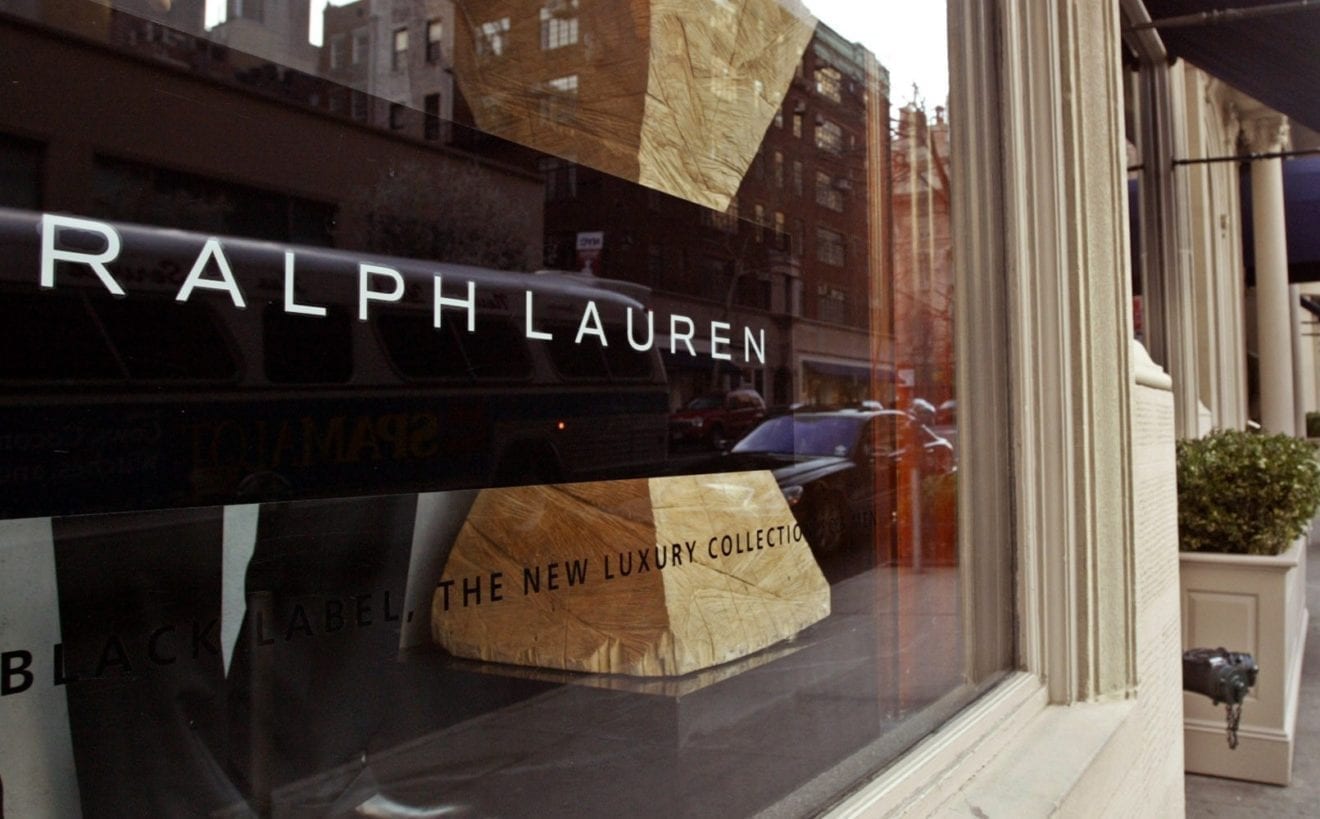
  • Rise in sales for Ralph Lauren Asia

    Rise in sales for Ralph Lauren Asia

    Ralph Lauren Asia sales rose marginally in the second quarter as the company continued with its turnaround strategy.

    Group-wide global sales, however, fell 9 per cent to US$1.7 billion, as the troubled brand pursued initiatives aimed at increasing the quality of sales, reduced promotional activity and improved distribution. North American revenue fell 16 per cent to $877 million.

    However, on the positive side, the average unit sale across Ralph Lauren’s direct-to-consumer network was up 5 per cent year-on-year.

    Ralph Lauren Asia sales reached $217 million, up 4 per cent on a constant-currency basis, driven by strength in both retail and wholesale channels. Same-store sales rose 3 per cent driven by improved store footfall and conversion of browsers into shoppers.

    “I am pleased with the progress we are making as we continue to strengthen the foundations of our business and elevate the expression of our iconic brand,” said Ralph Lauren, executive chairman and chief creative officer. He said incoming CEO Patrice Louvet has “already proven to be an invaluable partner who is embracing our core values, bringing unique expertise and uniting and empowering our capable teams”.

    Louvet said that while there remains a lot of work to be done to restore the company to its previous level of success, he is encouraged by the early progress being made in strengthening the brand and better connecting with consumers.

    “Faint light at end of long tunnel”

    Neil Saunders, MD of GlobalData Retail, said that while the results again showed declining sales, there is “finally a faint light at the end of Ralph Lauren’s long tunnel of reinvention”. Net profit rose 215 per cent, largely due to the streamlining of the business reducing costs, favourable exchange rates and reduced product discounting, improving gross margin.

    “While the turnaround plan is delivering a bottom line improvement, the impact on the top line is less obvious,” observed Saunders.

    He also believes there is more work to do in consolidating the company’s ranges and choice.

    “The company still has too many sub-brands, capsule collections and labels. In theory, these are supposed to cater to different constituents of the market. In practice, there is no real delineation between many of the elements, and the result is a confused mass of product that is vaguely referred to as ‘Ralph Lauren.’ Trimming back here is necessary if the brand is to have any chance of cutting through in a very crowded and competitive marketplace,” he said.

    “One of the positives we take from both this and the previous set of results is that Ralph Lauren and his new CEO, Patrice Louvet, seem to be working well together. The dynamic between the two gentlemen is crucial as it will ultimately determine whether the turnaround plan succeeds or fails. As the founder and iconic head of the brand, Ralph Lauren’s input and vision are vital, but it remains important that he allows a CEO to steer the business towards more fruitful waters. After some false starts, this now seems to be happening,” Saunders concluded.

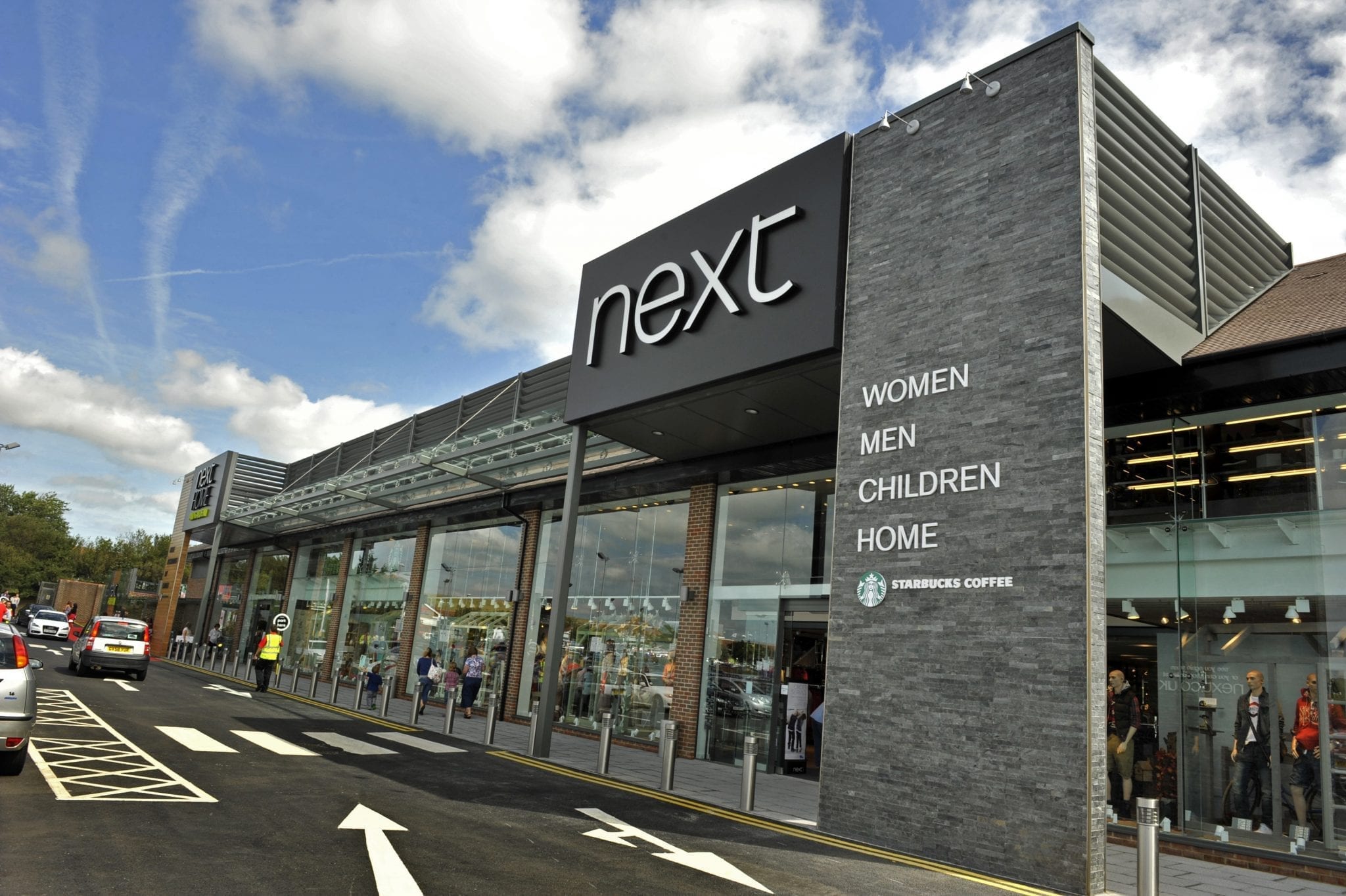
  • Next faces a downturn

    Next faces a downturn

    Next profits have fallen for the first time in nearly a decade.

    The UK high street fashion retailer said pre-tax profits fell 3.8 per cent to  £790.2 million last fiscal year.

    Emily Stella, a senior retail analyst with GlobalData, says the company has faced numerous challenges over the last year: erratic weather, rising import costs as the pound depreciated, and Next Directory being hit by increased competition from online pure-plays Asos and Boohoo.

    “Not to mention a more general shift away from clothes buying in favour of spending on leisure,” she commented.

    “Next’s stance on discounting – only marking down items during sale periods – has been a good thing for the retailer, sustaining consumer perceptions of product value and allowing Next to retain high margins. However, full-price retail sales were down 4.6 per cent, indicating that shoppers are not buying into its current proposition – and Next admits it has not been fast enough at responding to new trends.”

    But she says the retailer remains one of the best-run brands on high street – the issue is that the clothing market is “far tougher than before”.

    Next says it anticipates a difficult first half of the new trading year with improved performance in the latter half.

    “But the retailer could find the next few years a challenge as competition intensifies and Next struggles to keep up,” concludes Stella.

  • Ted Baker stronger on America and China

    Ted Baker stronger on America and China

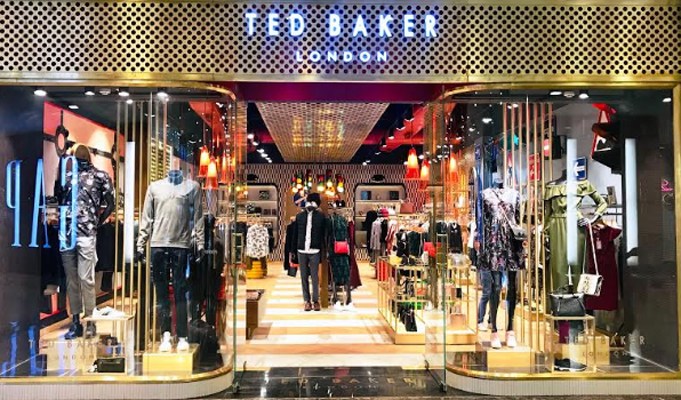
    New stores in North America and China have paid off for British fashion retailer Ted Baker, which has reported a 4.4 per cent increase in pre-tax profit, despite the challenging global retail environment.

    It achieved a profit of £63 million for the year to January 28, as total revenues rose 16.4 per cent to £531 million.

    Online sales rose 35.1 per cent, while 14 new stores in the US and Canada fuelled a 28.3 per cent increase in sales there.

    Ted Baker also commenced a new focus on Greater China, opening a store in Beijing.

    Fiona Paton, an associate retail analyst with GlobalData, says the falling demand for premium goods presents challenges in Asia.

    “However with British heritage brands remaining popular in the region, Ted Baker should lean upon this trait through its marketing and store environment while working hard to gain more exposure.”

    Even in the tough UK and European markets, Ted Baker thrived last year, sales rising 10.7 per cent.

    Observers can expect to see even better results next year, Paton believes.

    “While it has a measured approach to expansion, new stores and concessions are planned throughout Europe, North America and Asia in 2017-18, bolstering growth amid difficult domestic trading conditions.”

    In range terms, womenswear was a highpoint for Ted Baker achieving 19.7 per cent growth for the year, accounting for 57.3 per cent of sales, while menswear grew 12.2 per cent.

    “Menswear will simultaneously be a challenge and an opportunity for Ted Baker. While men are becoming more interested in fashion and buying more regularly, the sector is also becoming increasingly competitive as players such as Superdry extend their menswear ranges,” says Paton.

    “Unlike rivals such as Whistles, Ted Baker benefits from unisex appeal but will need to monitor the competition to ensure that its designs remain distinctive enough to differentiate itself.”