Brand Collective bought youth fashion chain Glue Store, online outlet The Dom and activewear label Running Bare to expand its Australian retail footprint.
The deal adds three distressed apparel brands to a portfolio of more than 30 operating labels owned by billionaire Larry Kestelman.
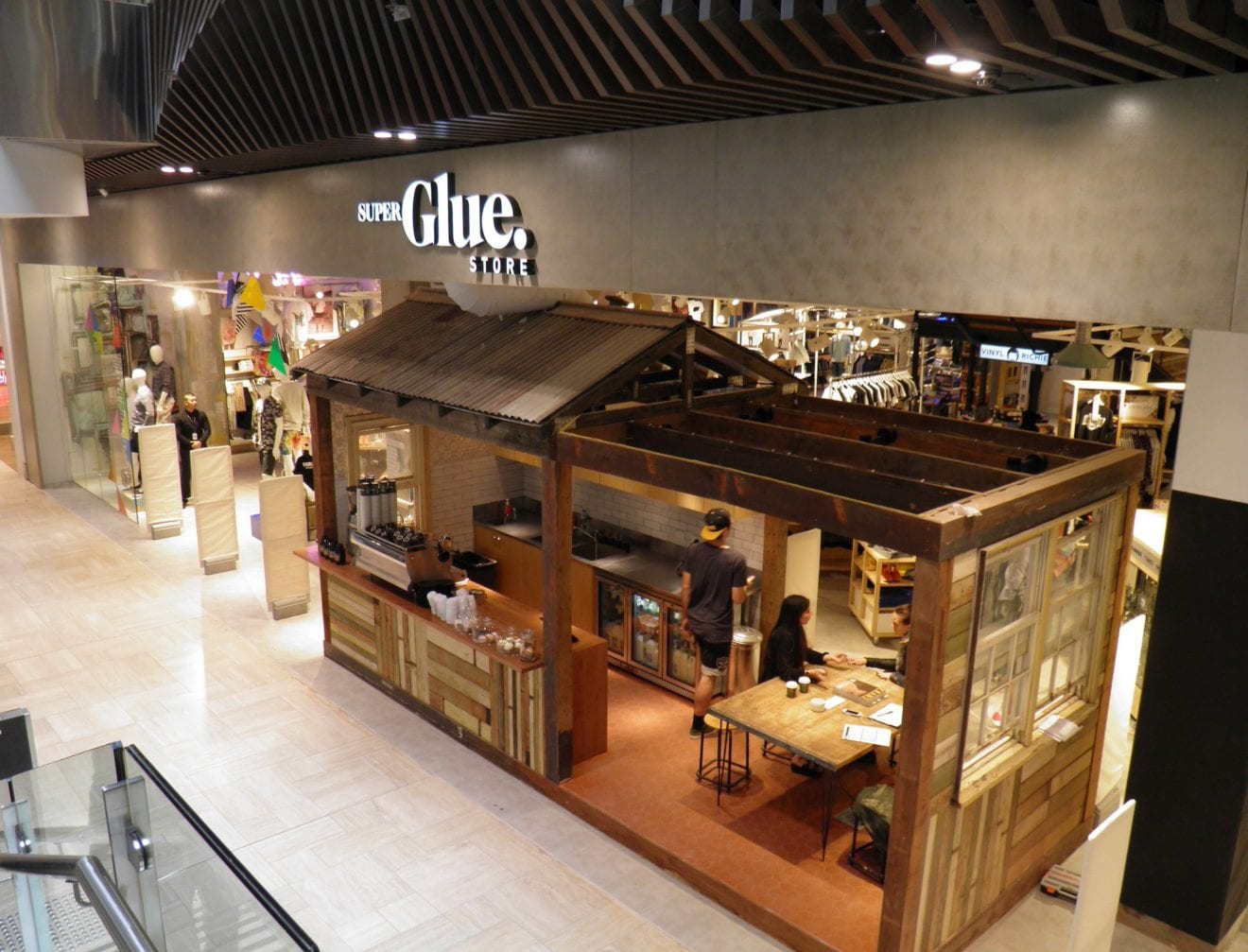
Under the terms, Brand Collective acquired Glue Store’s intellectual property and customer database from footwear operator Accent Group. Accent shuttered the streetwear chain in mid-June after an 8.4 million dollar loss and multiple store closures. The new owner plans to reopen physical stores targeting Gen Z and millennial shoppers. It will also upgrade the brand’s digital sales platform.
Building a Discount Marketplace Unit
The transaction also includes The Dom. That online factory outlet platform folded in April following cash constraints. Brand Collective will use its digital marketplace infrastructure to anchor a broader clearance portal selling apparel, footwear and accessories.
Running Bare enters the fold after six months out of business. Brand Collective plans a digital overhaul for the activewear label while keeping its design identity intact.
These acquisitions demonstrate Brand Collective’s ongoing evolution and innovation as a business. Brand Collective has considerable experience in taking brands to new levels of success, and we see enormous potential across all three.
Picking Through Distressed Inventory
Buying dormant brand assets allows multi-brand groups to secure established customer databases without taking on legacy lease liabilities. Accent Group offloaded Glue Store after less than five years of ownership. High mall rents and promotional pressure had eroded youth streetwear margins.
Similar pressures hit Running Bare and The Dom as discretionary fashion spending slowed across Australian metropolitan centers. Folding all three into a single back-end operating unit cuts warehousing, marketing and digital fulfillment costs across the combined group.
Shifting Channel Exposure
The strategy mirrors consolidation seen across regional department stores and specialty apparel groups chasing online volume. Traditional storefronts have struggled against direct-to-consumer labels. Discount marketplaces offer an alternative route to clear excess inventory.
For shopping center landlords, the planned revival of physical Glue Store outlets offers replacement tenancy in youth-focused retail precincts. Those locations lost foot traffic following Accent Group’s June exit.
Operational Integration Ahead
Accent Group walked away from Glue Store after restructuring costs failed to stem operating losses across mall locations. The divestment allows Accent to refocus capital entirely on its core footwear chains.
Chief executive David Thomas said Brand Collective will announce rollout timelines and opening locations for the revitalised brands over the coming months.