Tag: good

  • Aldi Australia Embraces Digital Era: Launches First Grocery Delivery Trial With Doordash

    Aldi Australia Embraces Digital Era: Launches First Grocery Delivery Trial With Doordash

    Aldi Australia Goes Digital

    Aldi’s low-cost, no-frills approach has distinguished it in Australia’s hyper-competitive supermarket industry. However, the German supermarket chain is transitioning into a new era that emphasizes comfort, while preserving its fundamental principles.

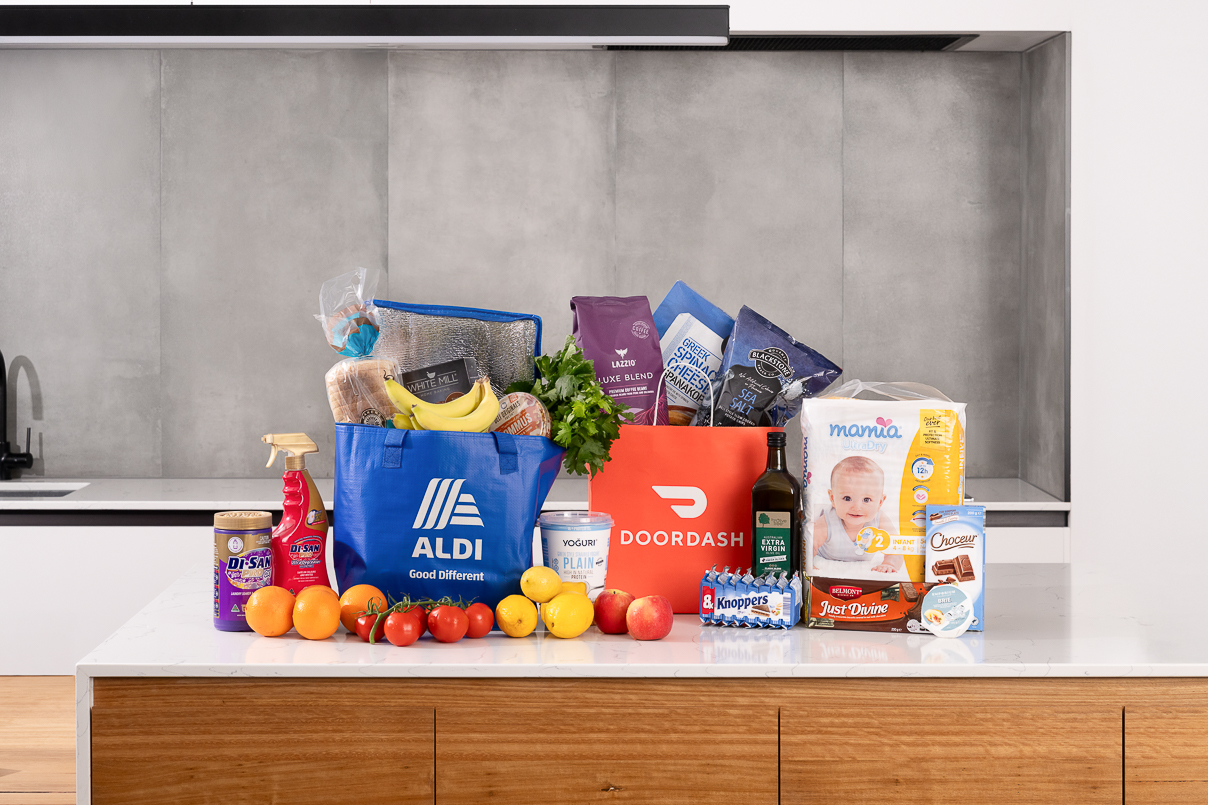
    In a surprising move, Aldi Australia is trialling its first grocery delivery service, collaborating with DoorDash to provide on-demand shopping to customers in Canberra.

    The pilot program began on July 8, allowing ACT residents to use the DoorDash app or website to order a selection of over 1800 Aldi products. These range from fresh produce and meats to home necessities, all of which can be delivered directly to customers’ homes.

    This trial denotes a notable strategic evolution for Aldi, a company that has traditionally maintained a distance from digital channels. It also brings up an intriguing query: how can a brand like Aldi, renowned for its simplicity, adapt to a world where an omnichannel approach is mandatory?

    Aldi Australia’s Chief Commercial Officer, Jordan Lack, stated that Aldi’s mission since entering the Australian market has been to offer high-quality groceries at the lowest possible prices for Australian households, and this aim remains steadfast. He expressed his excitement for Canberra customers to shop with Aldi from the comfort of their homes, bringing their “Good Different” shopping experience to a wider audience with the click of an app.

    Cost-effective Convenience

    Aldi’s approach to this trial is calculated. Instead of investing in expensive logistics infrastructure or in-house e-commerce capabilities, the retailer has transferred the complexity to DoorDash. DoorDash’s delivery contractors, known as Dashers, will select, package, and deliver orders from local stores. This model enables Aldi to maintain operational effectiveness and cost control.

    This third-party approach is capital-light and allows for rapid expansion of the trial if it proves successful, without the strain of warehousing or internal fulfilment logistics.

    Anticipating Market Shifts

    Teresa Sperti, founder and director of digital consultancy Arktic Fox, believes Aldi’s move into e-commerce mirrors wider changes in how Australians shop for groceries and their expectations from retailers.

    On the other hand, Aldi’s decision to partner with DoorDash holds on to its famously lean cost base. However, it also comes with both strengths and strategic limitations.

    Aldi’s model may not build the same customer loyalty as major supermarkets that use proprietary data to personalize experiences, and help understand preferences to drive repeat sales. In Aldi’s case, DoorDash owns the shopping basket and the customer relationship, not Aldi.

    There are also potential challenges around pricing transparency. Aldi will need to navigate this carefully as historically, grocery and supermarkets offering different pricing in-store vs online, have eroded customer trust.

    Strategic Moves in Digital Transition

    Unlike its competitors, Coles and Woolworths, Aldi’s digital transition has been slower but seemingly intentional. Aldi’s every digital step, from checkout upgrades to delivery trials, has been meticulously planned and operationally efficient.

    Aldi has also been trialing self-checkout kiosks in 10 stores across New South Wales since 2021, indicating another strategic move for a retailer known for thin profit margins and high staff productivity.

    Last-mile delivery may attract new customer segments such as busy professionals, young families, and urban residents who appreciate Aldi’s low prices but lack the time to shop in person. By partnering with DoorDash, Aldi can offer convenience without the financial burden of infrastructure.

    This trial will not only examine operational feasibility but also gauge customer appetite. It remains to be seen if Aldi can replicate its in-store experience online or maintain its low prices while sharing the margin with DoorDash.

    Questions & Answers

    What is Aldi’s strategic shift in Australia?
    Aldi has begun a trial of home grocery delivery in Canberra, a notable shift from its traditional approach of keeping digital channels at arm’s length.

    How does Aldi’s partnership with DoorDash work?
    DoorDash’s delivery contractors, known as Dashers, will select, pack, and deliver orders from local Aldi stores to customers’ homes. This third-party approach enables Aldi to maintain operational efficiency and cost control.

    What challenges might Aldi face with its move into e-commerce?
    Aldi’s business model may not build the same level of customer loyalty as other supermarkets that use proprietary data to personalize experiences. Additionally, there may be challenges around pricing transparency, an important cornerstone of Aldi’s brand.
  • Leak reveals that iOS 14 will include Android features that iPhone users have long wanted

    Leak reveals that iOS 14 will include Android features that iPhone users have long wanted

    In the long-running smartphone OS war known as iOS vs. Android, one of the biggest complaints about Apple’s mobile OS is that it is not as customizable as Android. But Twitter tipster @DongleBookPro has shared some screenshots allegedly showing some changes to iOS 14. These changes could be included in the next version of the software that could drop this coming September. Google gave its Pixel phones a huge advantage over iOS in this department by adding its Styles & wallpapers feature last year. This allows Pixel users to change the shape and color of the icons on their phone.

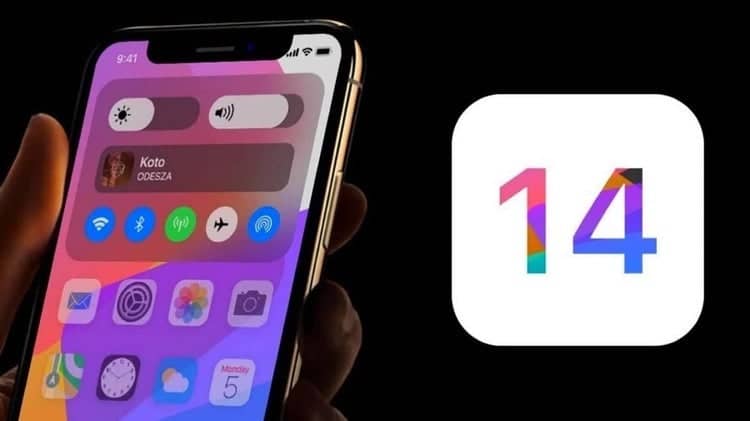
    Will iOS 14 brings more customization to iPhone users? It appears from the screenshots that iPhone users will be able to browse through default wallpaper separated into collections with choices like “Classic Stripes,” “Earth & Moon,” and “Flowers.” Another screenshot shows a “Home Screen Appearance” feature similar to the one found on the Apple Watch. Users will be able to create smart dynamic wallpaper for the home screen. But even more exciting for iPhone users is the possibility that Android-style widgets could be coming to the iPhone.

    Another feature on iOS 14 that is being called “Avocado” internally and is related to the SpringBoard app that controls the Home screen on iOS. If Apple decides to implement this on iOS 14, iPhone and iPad users will be able to select widgets from selected apps and add them to the Home screen, moving them around at will. And this would also suggest that at last iOS users will be able to move around app icons at will rather in a left to the right format. Otherwise, you would see app icons on the Home screen placed around widgets, some of which might take up a more significant portion of the screen than others.

    It’s not like Apple hasn’t listened to its customers-eventually. Remember, iOS 13 finally got rid of that clunky volume heads-up display (HUD) that covered much of the center of the screen. The point being, of course, that while iOS users might have been hoping for more app icon customization and Android-style widgets for some time, eventually the complaints do make it through to the ears of the appropriate people in Cupertino.

    Keep in mind though, that there is always the possibility that Apple will decide not to keep any of the aforementioned features in the final version of iOS 14. If that is the case, it simply could mean that Apple plans on offering all of this customization in a future version of the operating system. Speaking of iOS 14, we probably will see Apple introduce it online during its annual WWDC Developers Conference. Held every June in San Jose, Apple had no choice but to move the conference online after the coronavirus outbreak.

    With a redesign for the iPhone and the addition of 5G connectivity, this might be a good time for Apple to add some long-desired customization features to iOS. Still, some iOS users might not be terribly happy to see blank icon slots on their iPhone screens. On Android, this is quite common because when an app is uninstalled, it doesn’t call for a seismic shift with all of the remaining app icons. When an app is uninstalled on the iPhone, the remaining icons all move in order to prevent that one blank spot from appearing on the display. If Apple does add “Avocado” to iOS 14, blank spots just might be the price that users have to pay to get that customizable app icon grid that they have been jealously watching Android users mess around with with going back so many years.

  • India’s Quikr Acquires Zefo marketplace

    India’s Quikr Acquires Zefo marketplace

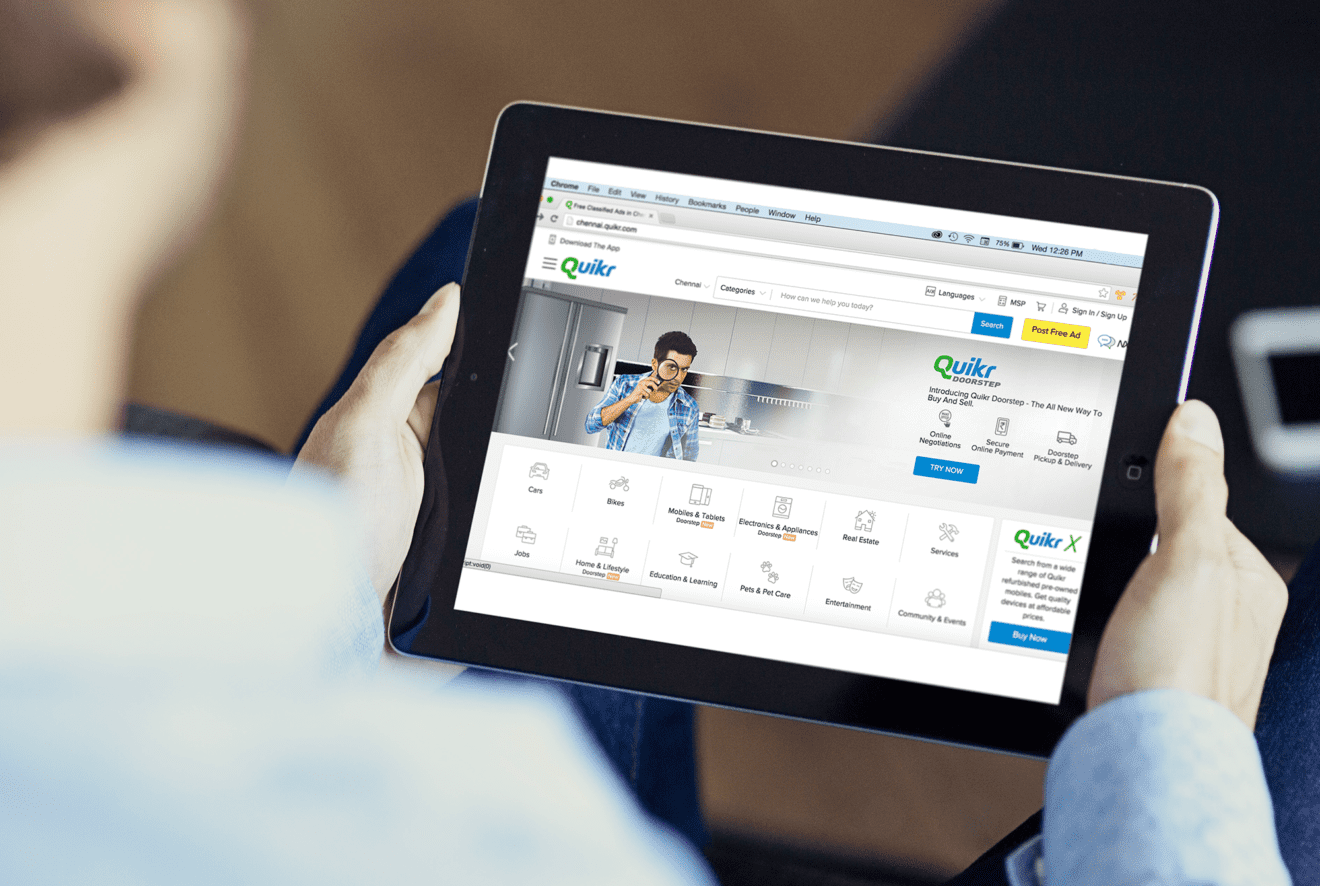
    Indian online classifieds site Quikr has bought refurbished goods marketplace Zefo, headquartered in Bangalore.

    The acquisition allows an exit strategy for Zefo’s current investors, including Sequoia Capital, and gives Quikr a pathway to expand and strengthen its pre-owned product range.

    Zefo, has a portfolio of more than 10,000 products in four cities, including Bengaluru, Mysore, Delhi NCR and Mumbai.

    “With Quikr and Zefo as a combined entity, we will be able to offer a broader selection of products at even more competitive prices along with as strong a focus on quality,” said Quikr founder and CEO Pranay Chulet.

    “With this transaction, the capabilities we have built and the offerings we have honed can now be offered to Quikr’s large customer base,” said Zefo CEO Rohit Ramasubramanian.