Tag: grade a office

  • Metro Manila Office Completions to Hit 231,600 Square Metres in Q4 2026

    Metro Manila Office Completions to Hit 231,600 Square Metres in Q4 2026

    Metro Manila faces 231,600 square metres of Grade A office space scheduled for delivery in the final quarter of 2026 after construction slippages left third-quarter handovers at just 16,900 square metres. The delivery pileup threatens to tip metropolitan vacancy past 20 percent before January.

    Property data from Savills Philippines shows the fourth-quarter concentration accounts for roughly 70 percent of the 329,800 square metres projected for completion across all of 2026. Developers completed only 9 percent of the 183,400 square metres originally slated for handover between July and September.

    Delays Funnel Handouts into Year-End

    Three developments slipped out of the third quarter: Yuchengco Centre, Offices at the Galleon, and SM North EDSA Tower 5. These join Southfield Center and Spectrum in a crowded fourth-quarter schedule that adds about 2.3 percent to the capital region’s total office stock in three months.

    The supply arrives as tenant demand weakens. Metro Manila recorded negative net absorption of 23,900 square metres in the third quarter, down from positive take-up of 144,700 square metres in the second quarter. While gross leasing took up 118,200 square metres, tenants surrendered 142,100 square metres as business operators consolidated, relocated, or trimmed their operating floors.

    Rents Resist Mounting Vacancy Across Key Hubs

    Average Grade A monthly rents across Metro Manila still rose 0.5 percent quarter on quarter to 861.10 pesos per square metre, logging a third straight quarterly advance. Bonifacio Global City stood out as the sole major commercial district to discount space, with rents sliding 0.4 percent to 1,089.60 pesos per square metre.

    Other districts pushed rates higher despite mounting vacancies. Alabang posted the steepest climb at 2.8 percent, while Ortigas Center and Quezon City recorded 1.5 percent increases. Total vacant space across the metropolis reached 1.96 million square metres at the close of September, lifting the overall vacancy rate to 19.2 percent from 18.9 percent in June.

    Makati and Quezon City Face Supply Pressure

    Makati central business district faces sharp vacancy increases once Yuchengco Centre opens its doors. Savills projects the district rate will jump to around 23 percent by December, up from 20.9 percent in the third quarter, after Makati shed 2,100 square metres of occupied space. Gross leasing in the district fell to 13,700 square metres from 24,800 square metres in the prior quarter, though monthly rents rose 0.8 percent to 999.50 pesos per square metre.

    Quezon City registered the sharpest deterioration among all submarkets, with vacancy jumping to 23.1 percent from 19.8 percent in the previous three-month period. A major corporate departure triggered negative net take-up of 30,900 square metres, and completions before December could elevate district vacancy to 26 percent.

    Bay Area Leads Vacancy as Ortigas Center Tightens

    Ortigas Center proved an outlier by logging four straight quarters of declining vacancy, ending September at 18.6 percent with positive net absorption of 7,800 square metres. That reprieve will prove short-lived, with 81,700 square metres of new offices due by the end of the first quarter of 2027, an addition equal to 6 percent of the district’s footprint that could drive vacancy back to 22 percent.

    The Bay Area remains the most oversupplied market in Metro Manila, sitting on an empty-space rate of 35.3 percent despite absorbing 11,600 square metres during the third quarter. Projections indicate Bay Area vacancies will reach 36 percent by year-end and hover near that band through 2027 as more buildings finish construction.

    The contraction in third-quarter absorption broke a streak of six straight quarters of positive net absorption that had held firm since late 2024. Corporate real estate directors now face an aggressive tenant-favoured market as 231,600 square metres of new office space is scheduled for delivery in the fourth quarter.
  • Hanoi Grade A Towers Add Retail Floors as Office Pipeline Hits 495,000 Sq M

    Hanoi Grade A Towers Add Retail Floors as Office Pipeline Hits 495,000 Sq M

    Hanoi commercial developers are allocating ground floors and podium levels to retail tenancies to protect leasing rates ahead of 495,000 square metres of new Grade A office supply entering the market by 2028.

    Eighteen office projects, concentrated heavily in Hanoi’s western business district, are introducing dedicated retail, dining and wellness hubs to compete for multinational tenants.

    The Starlake Model and Layout Shifts

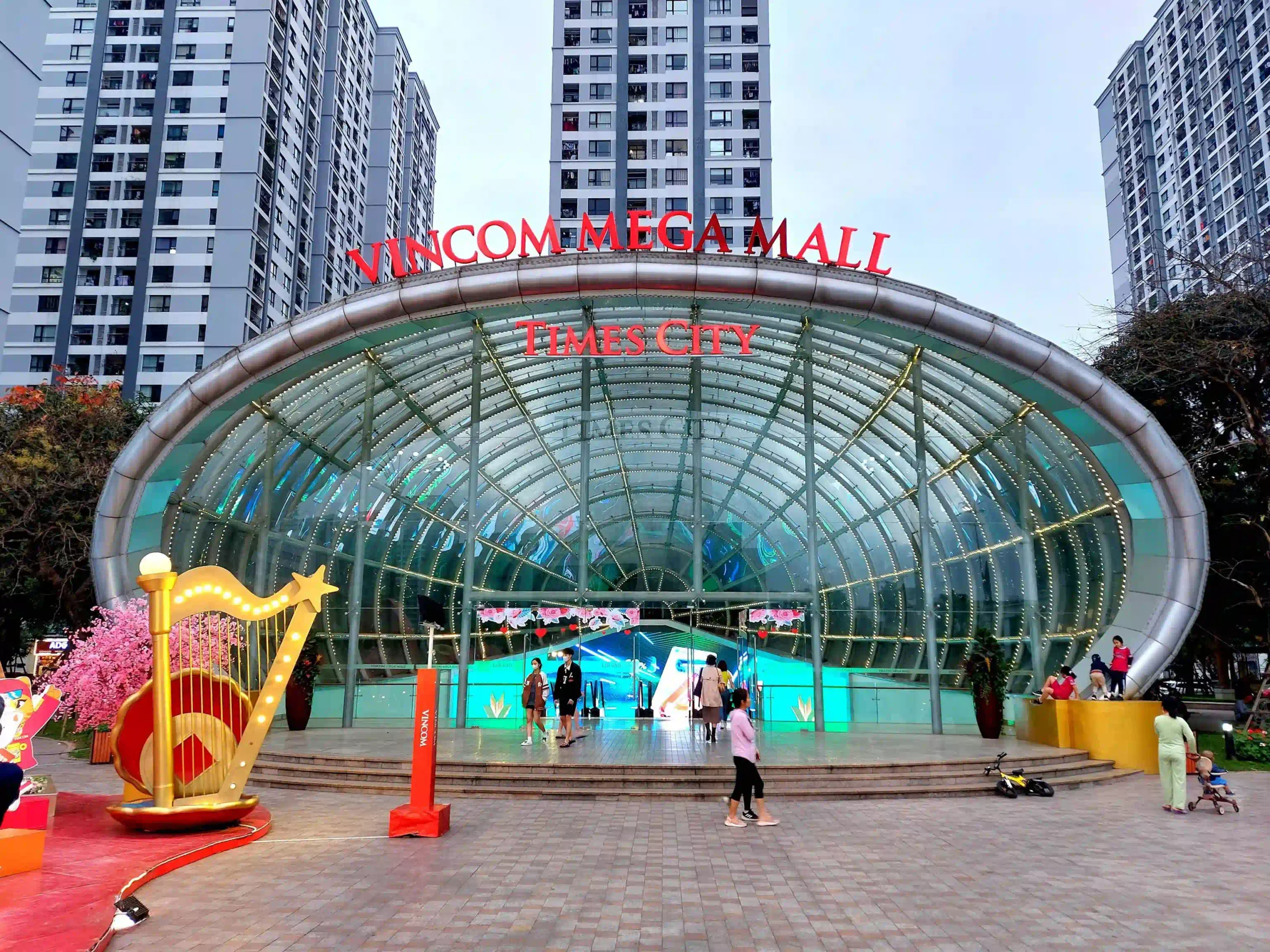
    Parc Hanoi, a Grade A office project in the Starlake township, has dedicated its entire ground floor to consumer retail and dining. The developer placed a wellness centre, meeting suites and open event spaces across Level 2, pairing physical workspace with consumer services in a bid to secure corporate leases.

    The push reflects shifts in corporate occupier demands across Southeast Asia. A CBRE occupier survey showed 92 per cent of corporate respondents ranked collaborative zones and lifestyle amenities as critical to employee retention and productivity, while 64 per cent prioritized green spaces and natural ventilation.

    Regional Blueprints in Singapore

    Hanoi landlords are replicating models tested in Singapore, where mixed-use office towers use food and beverage to generate revenue outside core business hours. The PLUS tower in Raffles Place runs two floors of retail, gyms and spas underneath prime office suites.

    Marina One in Singapore operates 14,000 square metres of commercial floor plate across its retail podium, The Heart. That space combines supermarkets, gyms and food operators that draw foot traffic through the weekend, ensuring seven-day tenant revenue rather than relying purely on weekday office workers.

    Yield Risks for Commercial Landlords

    Integrating retail into Grade A office towers shifts the commercial risk profile for developers. Office leases in Hanoi typically run on fixed three-to-five-year commercial terms, whereas food and lifestyle tenants require lower base rents, revenue-share structures and higher capital outlays for exhaust, plumbing and grease traps.

    Landlords that misjudge the mix face dead ground-floor space that damages the building’s corporate positioning. Success depends on securing anchor food and convenience brands that turn daily office footfall into steady cash flow without crowding corporate lobbies.

    Supply Pipeline Builds in Western Hanoi

    The developer push comes after five years of decentralized expansion across Hanoi, where western districts drew corporate tenants away from the central Hoan Kiem district. The western submarket now accounts for the largest share of modern floor space under construction in the city.

    Developers will deliver the bulk of the 495,000 square metres across western Hanoi over the next 24 months. Leasing teams are tracking whether podium retail commitments can hold Grade A effective rents steady as all 18 towers open for handover before the end of 2028.

  • Nearly 20% of Asia-Pacific Firms Expect AI to Cut Office Space, CBRE Finds

    Nearly 20% of Asia-Pacific Firms Expect AI to Cut Office Space, CBRE Finds

    Nearly one-fifth of surveyed companies in the Asia-Pacific region believe wider adoption of artificial intelligence will reduce their real estate needs, a study by property consultancy CBRE has found.

    More than half, 56 per cent, held a neutral view, believing either that AI had no impact on office space demand or that it was too early to determine its effect, while 25 per cent said AI adoption would require them to expand their office footprint.

    The survey of 651 corporate real estate executives, conducted between May 26 and July 10 across nine regional markets, showed that AI currently has a more significant impact on office operations than on physical space requirements, according to Ada Choi, head of research for Asia-Pacific at CBRE.

    Operational Shift Outpaces Desk Reductions

    Corporate deployment of machine learning in property management expanded sharply over the past two years. The survey, conducted between May 26 and July 10 across nine markets including Hong Kong, mainland China, Singapore, Japan, Australia and India, found that 46 percent of occupiers now classify themselves as active AI adopters in corporate real estate functions. That represents a steep increase from 9 percent recorded in 2024.

    Automation currently assists facility monitoring, leasing analytics, space planning and workplace energy management rather than eliminating core real estate demand. Property teams use algorithmic tools to streamline building maintenance schedules and track daily badge swipes, turning automation into an administrative efficiency tool rather than a headcount guillotine.

    Regional leasing patterns show that companies rebalance rather than abandon their commercial leases. Fifty percent of surveyed occupiers project portfolio expansions through 2029, with 60 percent citing organic corporate growth as the primary catalyst.

    The Flight to Prime CBD Assets

    Commercial tenants are executing a deliberate flight to quality across major Asian financial centres. Eighty-five percent of surveyed occupiers specify Grade A buildings or higher for future commitments, and 48 percent demand space inside central business districts.

    This consolidation into top-tier commercial towers squeezes secondary and decentralised office parks. Landlords holding modern assets with green credentials and flexible floorplates capture leasing activity, while older secondary stock faces structural vacancy as corporate tenants offload low-grade square footage to fund premium addresses.

    The bifurcation penalises owners of dated suburban business parks who banked on decentralisation during earlier cost-cutting cycles. Institutional capital in Asia is now forced to either invest heavily in asset enhancement programmes or accept prolonged rent discounts to retain secondary tenants.

    Stabilised Attendance Anchors Space Requirements

    Physical workplace presence has normalised across the region at levels far higher than in North America or Western Europe. Eighty-eight percent of respondents confirmed their employees work in the office at least three days per week, marking the highest rate recorded since the start of the pandemic. An additional 85 percent stated that desk attendance has reached a permanent equilibrium.

    “With attendance and utilisation largely stabilised at higher levels, companies are no longer focused only on bringing employees back to the office,” said Tom Gaffney, head of leasing for Asia-Pacific at CBRE.

    Space shortages are most acute in Tokyo and major Indian tech hubs, where tight supply limits available Grade A options. In mainland China, corporate expansion continues at a measured pace, led by domestic technology, software development and clean energy enterprises taking advantage of softened prime rental rates in top-tier cities.

    Labour Market Realities and Future Leases

    The resilience of physical leasing contrasts with broader corporate polling on long-term workforce headcounts. A World Economic Forum survey conducted last year across 55 economies found that 41 percent of employers planned to reduce headcount as software automated standard white-collar tasks, raising questions about future desk utilisation.

    Asia-Pacific commercial occupiers have sidestepped immediate floorplate cuts by redirecting automated productivity gains into higher transaction volumes and new service lines. Corporate real estate directors are structuring three- to five-year leases around steady headcounts while monitoring whether generative workplace tools eventually alter administrative staffing models.

    Commercial landlords now watch the final quarter of 2026, when a heavy schedule of prime Hong Kong and Tokyo lease renewals will test whether tenant expansion pledges turn into binding long-term contracts.