Tag: grapefruit

  • Australia looks into delays to 20 per cent of grape exports to China

    Australia looks into delays to 20 per cent of grape exports to China

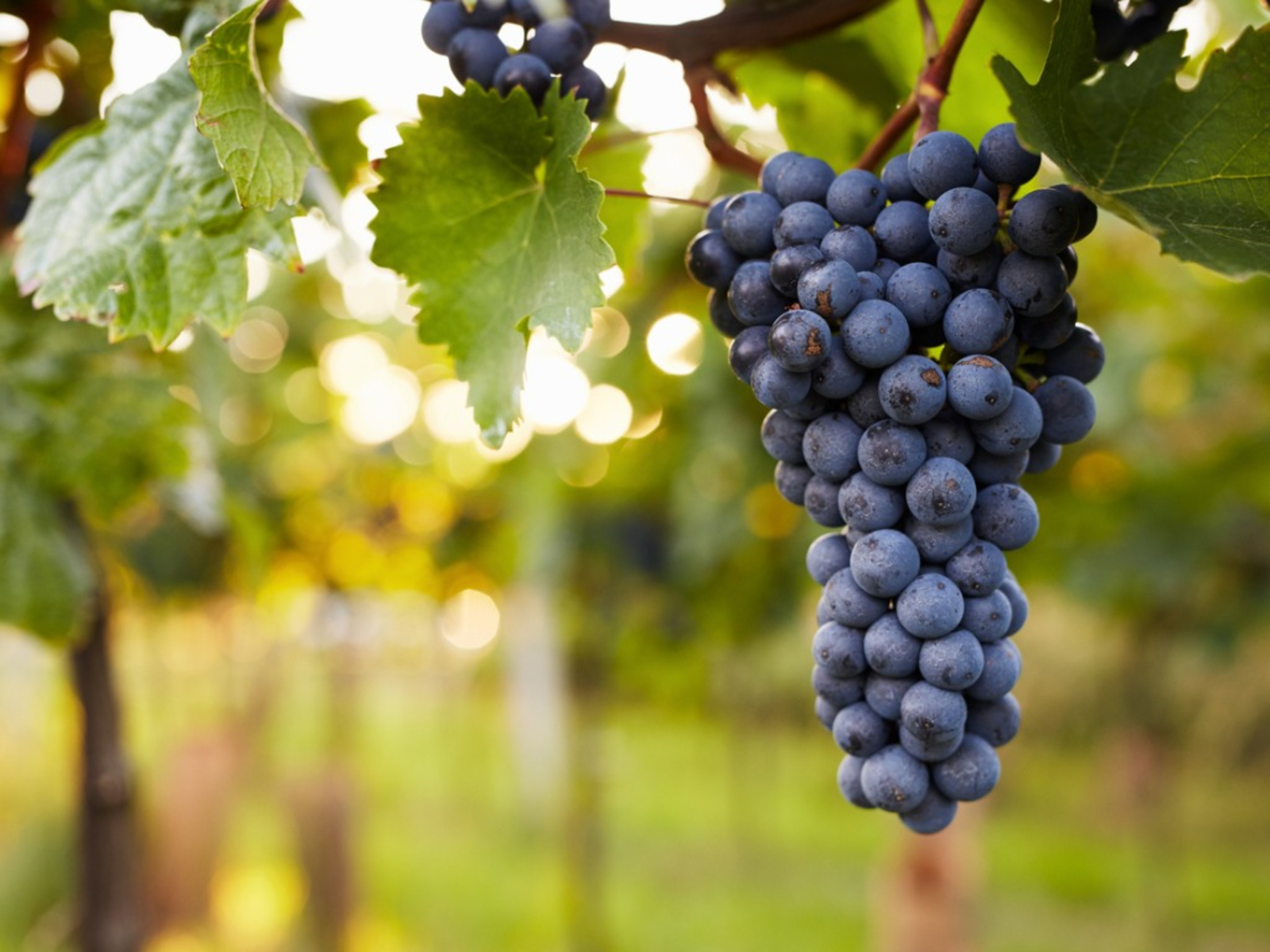
    Australia is looking into delays in table grape exports to China, with Trade Minister Dan Tehan saying about 20 percent of fruit shipped to the mainland is stuck at the border in yet another sign of deteriorating relations.

    “We’re trying to work out what is the cause of the hold-up,” Tehan told the Australian Broadcasting Corp in an interview published on Thursday.

    “I’ve been in discussions with the industry around what they’re seeing and what they’re hearing and we also have our post talking to Chinese officials about this.”

    Bilateral ties have sunk to their lowest point in decades after Prime Minister Scott Morrison led calls for a global inquiry into the origins of Covid-19, angering China which has since restricted imports of Australian products such as barley, cotton, wine, and lobsters.

    China was Australia’s largest customer for table grapes last year, taking about 60,000 tonnes worth around A$240 million ($186 million), or about 40 percent of total exports.

    Reuters reported last month that shipments of Australian table grapes were struggling to enter Chinese ports, leaving some exporters thousands of dollars out of pocket.

    Australian grape exporters said the majority of custom delays were across southern Chinese ports, most notably the Port of Shenzhen.

    “About 80 percent of table grape exports seem to have got in seamlessly. It seems to be the last 20 percent where there are some issues,” Tehan said.

    “We don’t want to jump to any conclusions,” he added when asked if table grapes were the latest target of the trade spat.

    “We’re trying to work through all of this and we’ll keep assessing it,” Tehan added.

    Despite the row, the value of Australia’s overall exports to China has held up due to strong prices for iron ore, its single biggest trade item. In the 12 months to March, Australia exported A$149 billion ($116 billion) of goods to China.
  • Vietnamese supermarkets go back to leave packaging

    Vietnamese supermarkets go back to leave packaging

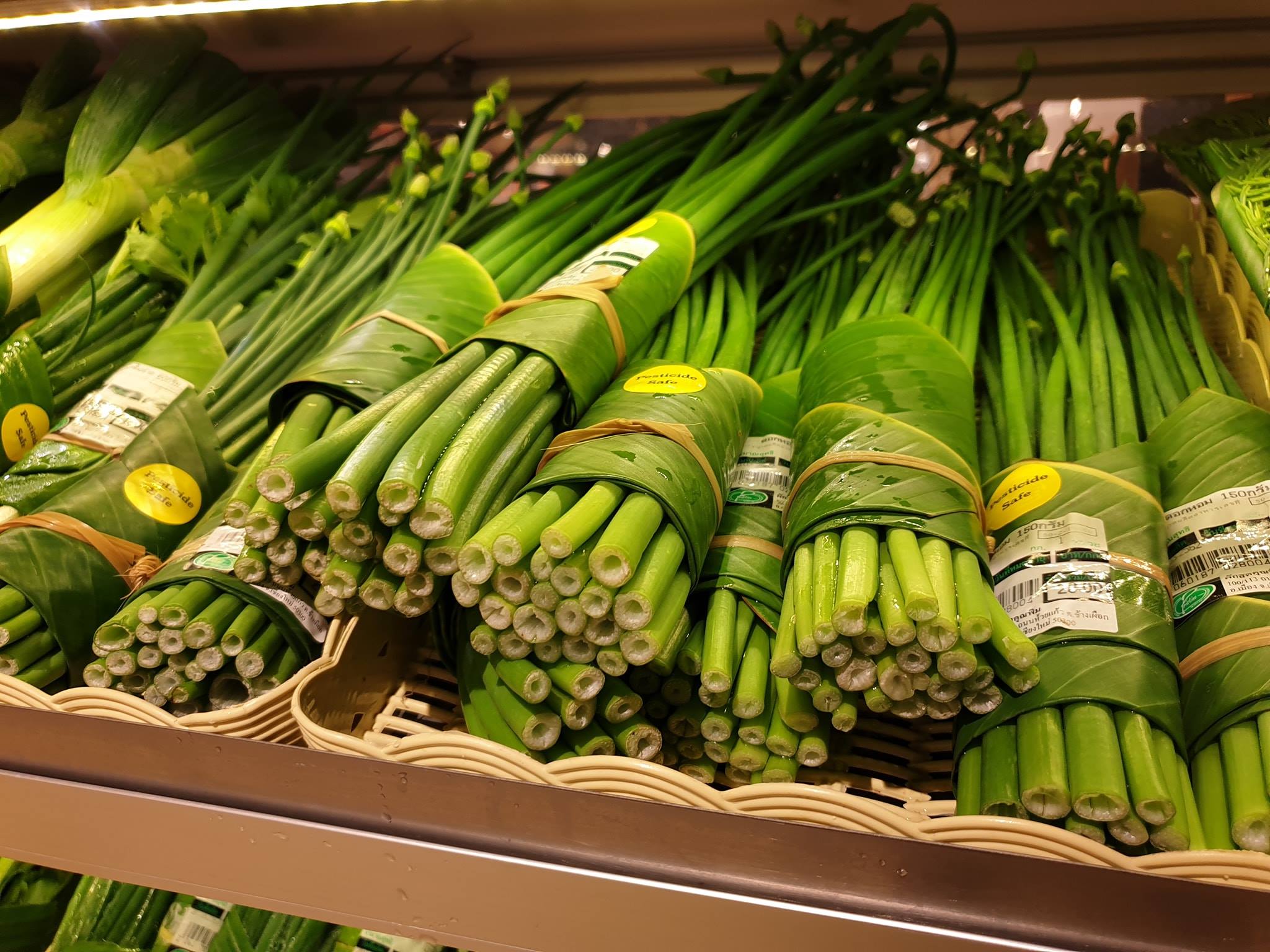
    Shoppers at Lotte Mart in Ho Chi Minh City’s District 7 were recently surprised to see scallions, okra and other vegetables produce wrapped in banana leaves.

    A representative of the supermarket chain said that the company is experimenting with using leaves to wrap veggies in one outlet, and plans to expand this later to the entire chain in the country.

    This is part of a plan to increase the use of environment-friendly products, not just for vegetables but also for fresh meat, the representative added.

    Local shoppers expressed support for the move. “When I see vegetables wrapped in these beautiful banana leaves I’m more willing to buy in larger quantities. I think this initiative will help locals be more aware of protecting the environment,” said Hoa, a District 7 resident.

    The Big C supermarket chain in Hanoi has also started using banana leaves to wrap veggies since Monday, and plans to do so in its central and southern supermarkets in the next few days. The trial is set to last a month.Saigon Co.op is also using banana leaves to wrap vegetables to replace their biodegradable wraps in some of its outlets in HCMC and other southern localities of Phan Thiet, Tay Ninh, Quy Nhon and Tam Ky.

    The supermarket chains are also providing customers with other environmental-friendly products. Lotte Mart said it is selling paper straws and food boxes made with sugarcane waste. Eggs are wrapped in paper packages instead of plastic boxes.

    Big C is offering shoppers bags made with corn powder which is completely biodegradable.

    These moves come after report highlights the large amount of plastic waste generated by Vietnamese people. The country disposes about 2,500 tons of plastic waste a day, according to official figures.

    Vietnam ranks fourth globally in the amount of plastic waste dumped into the ocean, according to the United Nations Environment Programme (UNEP).

    Some local cafes and restaurants have also been encouraging the reduction of plastic use by offering straws made with recyclable or biodegradable materials.