
Tag: great

  • Lululemon Issues Apology in China for Cultural Misstep at Great Wall Event

    Lululemon Issues Apology in China for Cultural Misstep at Great Wall Event

    Lululemon, the popular athleisure brand, has publicly apologized in China following controversy surrounding a performance during a company-sponsored event at the Great Wall. The incident incited negative reactions on social media due to the apparent use of a Japanese drum, viewed as culturally insensitive by some.

    Controversy and Apology

    The company expressed remorse on Weibo, the Chinese social media platform, acknowledging that they had failed to anticipate the potential cultural sensitivities associated with the drum performance. They attributed this oversight to “limitations in professional knowledge”. Lululemon went on to apologize both to their customers and brand ambassador Zhu Yilong, a well-known Chinese actor. The company also announced that they had taken down all promotional materials related to the event.

    The controversy was triggered by a grand yoga festival organized near Beijing in the previous month to commemorate Lululemon’s decade-long presence in mainland China. The event attracted over 2,000 participants and was part of the brand’s broader initiative to further engage with Chinese consumers through community-centered experiences.

    A drum performance featuring Zhu Yilong and the HiiKo Drum Group became a hot topic of debate when some social media users noted the drum used resembled a Japanese taiko drum, not a traditional Chinese one. The criticism rapidly proliferated across Chinese social media platforms.

    In their public apology, Lululemon stated that the event was designed to honor Chinese culture, but conceded that they had underestimated the cultural implications. They expressed that they have “learned profound lessons” from the experience and will improve their review processes for upcoming events.

    Challenges for International Brands

    This incident underscores the difficulties global brands can encounter when attempting to understand and respect cultural nuances in foreign markets. Earlier in the year, French fashion brand, Lemaire, also found itself apologizing after a fragrance campaign was criticized by Chinese consumers who felt the brand had used culturally insensitive imagery and messaging.

    Questions & Answers

    What was the cause of the controversy involving Lululemon in China?
    The controversy was sparked when Lululemon used a drum in a performance that was alleged to be a Japanese taiko drum instead of a traditional Chinese drum. This was viewed as culturally insensitive by some.

    What was Lululemon’s response to the backlash?
    Lululemon issued a public apology on Weibo, acknowledging their failure to anticipate potential cultural sensitivities. They also removed all promotional materials connected to the event and apologized to their customers and brand ambassador, actor Zhu Yilong.

    What lessons has Lululemon learned from this experience?
    According to their public apology, the company “learned profound lessons” and intends to strengthen its review processes for future events to better recognize and respect cultural nuances.
  • Great Eastern Unveils Exclusive High Net Worth Services: Tailored Insurance and Elite Lifestyle Perks

    Great Eastern Unveils Exclusive High Net Worth Services: Tailored Insurance and Elite Lifestyle Perks

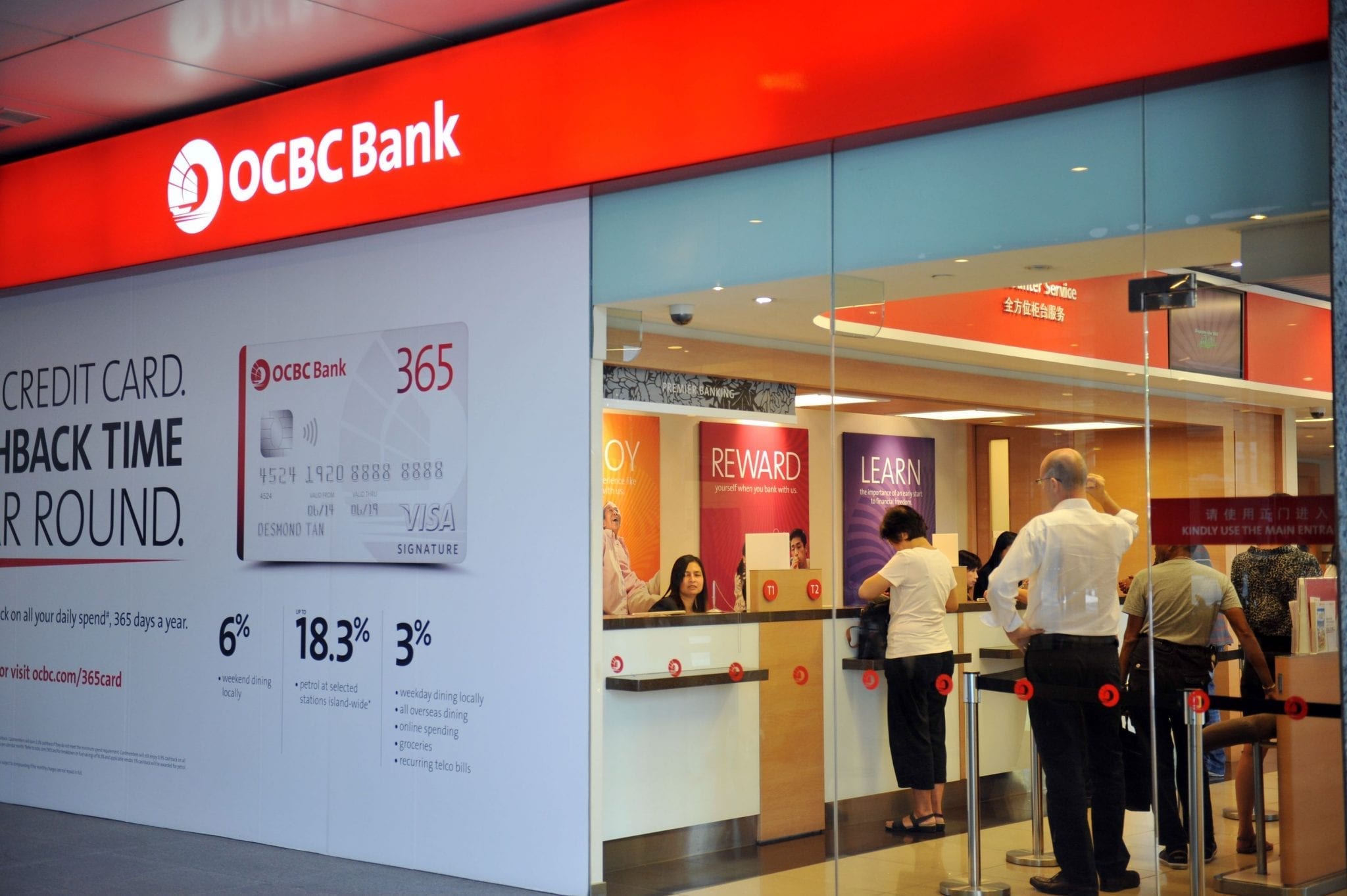
    Great Eastern, the insurance division of OCBC, has introduced a new service tailored specifically for high net worth (HNW) individuals and families across Asia.

    Great Eastern Private: A Tailored Experience

    The newly unveiled proposition is named Great Eastern Private. This service aims to bring together custom-designed HNW insurance solutions with a curated panel of expert advice and services spanning seven spheres. These domains encompass next-generation leadership, family advisory and trust services, health and longevity, international tax advisory, legal advisory, philanthropy, and global lifestyle concierge.

    In collaboration with Singapore Management University Executive Development, Great Eastern will conduct a cross-generational family program. This initiative will provide a platform for founders and family members to delve into topics like values, enterprise continuity, leadership transition, and long-term legacy.

    The Hewton Fair Suite: An Exclusive Offering

    Great Eastern is also offering HNW clients access to an exclusive area dubbed the Hewton Fair Suite, a nod to the company’s founder Alfred Hewton Fair. This premium space will feature on-site medical services in collaboration with Raffles Medical Group.

    CEO of Great Eastern, Greg Hingston, commented on the new proposition. He noted that as clients successfully amass wealth, the focus is now shifting to the careful and effective preservation and transfer of wealth. Great Eastern Private, he said, is a strategic move to invest in capabilities and services that meet this evolving customer need. He also affirmed the company’s commitment to remain the trusted insurance partner of customers throughout all life stages and generations.

    Questions & Answers

    What is the Great Eastern Private proposition?
    Great Eastern Private is a new service introduced by Great Eastern, the insurance arm of OCBC, designed specifically for high net worth individuals and families. It offers tailored insurance solutions and curated expert services across various domains.

    What are some of the services offered as part of Great Eastern Private?
    Services offered under Great Eastern Private encompass next-generation leadership, family advisory and trust services, health and longevity, international tax advisory, legal advisory, philanthropy, and global lifestyle concierge.

    What is the Hewton Fair Suite?
    The Hewton Fair Suite is an exclusive area offered to high net worth clients utilizing the Great Eastern Private service. It includes on-site medical services provided in partnership with Raffles Medical Group.

  • Great Wrap Collapses Under Debt: Unfortunate End For Sustainable Plastics Innovator

    Great Wrap Collapses Under Debt: Unfortunate End For Sustainable Plastics Innovator

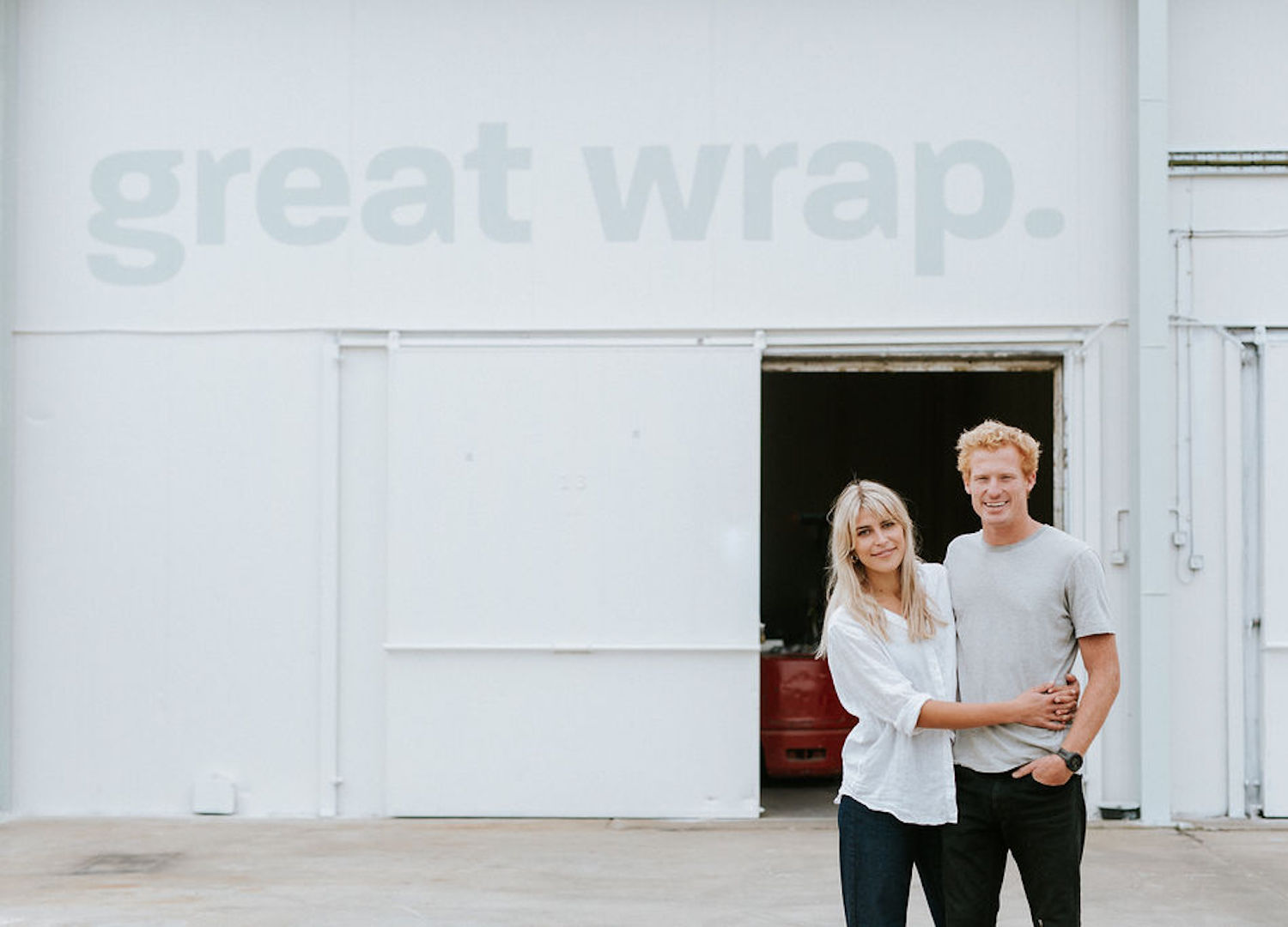
    Great Wrap, an emerging leader in the alternative plastics industry, has unfortunately been forced to cease operations due to mounting debts. The company has reportedly accumulated about $39 million in debts, culminating in an unexpected end almost six years after its inception.

    Company Shutdown

    The Australian Securities and Investments Commission (ASIC) has confirmed that administrators were named to handle the insolvency proceedings on September 17. The shutdown has led to a complete halt in the company’s operations and the dismissal of all employees.

    Jordy Kay, co-founder and CEO of Great Wrap, verified the company’s closure in a professional networking platform post. He acknowledged the end of the company’s journey and expressed his gratitude to all supporters. Kay affirmed his commitment to work with the administrators to liquidate all company assets and repay the creditors in full.

    Innovation and Challenges

    Great Wrap, which Jordy and Julia Kay established in 2020, enjoyed recognition for its compostable cling film and pallet wrap manufactured from potato waste and other organic materials. The business had positioned itself as a sustainable substitute to petrochemical-based plastics. Their target customers were retailers and fast-moving consumer goods (FMCG) companies as well as logistics providers aiming to decrease plastic waste.

    Regrettably, changing market situations and a decrease in demand for compostable packaging were key factors in the company’s downfall. Kay explained that retailers and FMCG companies had started to transition from using compostable alternatives to establishing their own plastic recycling operations. This shift led to a slow-down in their business and a weakening demand for their products.

    While the company had plans to expand into the US market, the persistent struggle to make the Australian plant profitable left them without adequate time or capital to continue. The inability to turn a profit from the Australian plant, combined with a depletion of time and capital for US expansion, ultimately led to the company’s collapse.

    Despite the unfortunate development, Kay remains hopeful that their journey would inspire others to continue exploring opportunities in the challenging domain of alternative plastics.

    Questions & Answers

    Why did Great Wrap cease operations?
    Great Wrap was forced to shut down due to financial struggles, including a reported $39 million in debt.

    Who were the primary customers of Great Wrap?
    Great Wrap’s primary customers were retailers, FMCG companies, and logistics service providers looking to reduce plastic waste.

    What led to the reduction in demand for Great Wrap’s products?
    A shift in strategy from retailers and FMCG companies led to a decline in demand. These companies transitioned from using compostable alternatives to setting up their own plastic recycling operations.