Tag: greenwashing

  • Edgewell Faces Legal Action Over Alleged ‘greenwashing’ Of Sunscreen Products

    Edgewell Faces Legal Action Over Alleged ‘greenwashing’ Of Sunscreen Products

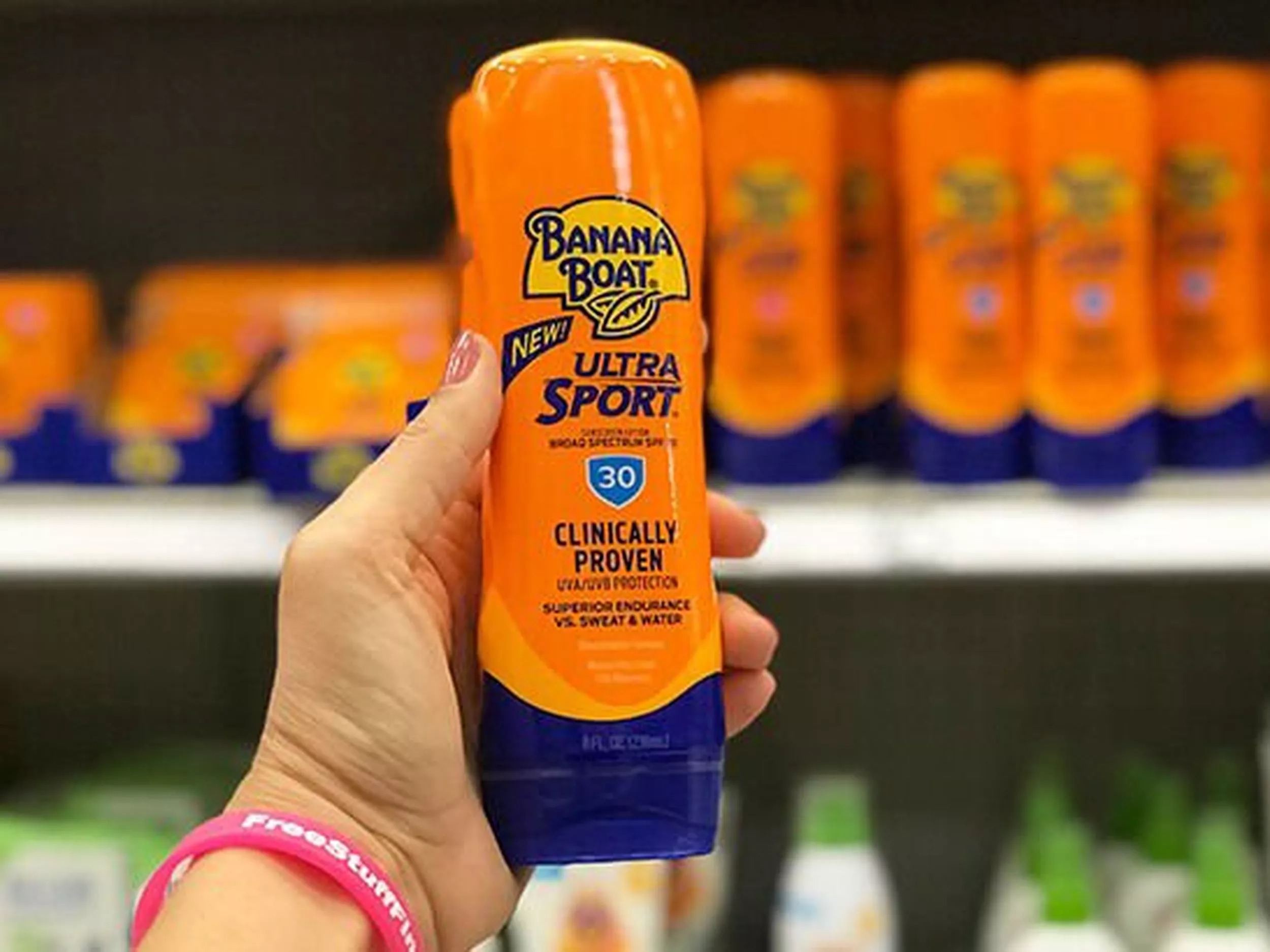
    Edgewell Personal Care Australia, the firm behind the well-known Banana Boat and Hawaiian Tropic sunscreens, is embroiled in a legal dispute with the Australian Competition and Consumer Commission (ACCC). The ACCC claims that the company misled consumers by inaccurately promoting their products as “reef-friendly.”

    Legal Action Initiated

    The ACCC has initiated a court case in the Federal Court against Edgewell Personal Care Australia and its American parent company, Edgewell PCC. The consumer protection organization alleges that more than 90 of Edgewell’s sunscreen products were falsely marketed as reef safe from August 2020 through December 2024. The promotion was done through various channels, including websites, social media, retail catalogs, and product packaging. Some of the promotional materials even featured images of coral reefs alongside the claims.

    Misleading Claims

    Despite the fact that the products do not contain oxybenzone and octinoxate, two chemicals banned in areas like Hawaii due to their proven toxicity to coral reefs, they contain other ingredients. These include octocrylene, homosalate, 4-MBC, and avobenzene, which are either known or suspected to be harmful to marine ecosystems.

    According to the ACCC, Edgewell was aware of scientific research indicating these potential environmental hazards but did not conduct independent testing to verify these findings. Even though “reef-friendly” labels were removed from the company’s US product line around 2020, the misleading claim continued in the Australian market until late 2024.

    “Greenwashing” Accusations

    ACCC Deputy Chair, Catriona Lowe, referred to Edgewell’s actions as “greenwashing,” suggesting that the company’s misleading marketing could have influenced consumer purchasing decisions.

    “The company’s behavior has potentially misled a significant number of consumers,” Lowe said. “The sunscreen products were distributed across Australia over a four-year period, available in large stores and online platforms.”

    Lowe added that companies should not hesitate to promote their product’s environmental credentials but they must ensure they can back up such claims with reputable third-party certification or reliable scientific evidence.

    The ACCC now seeks penalties, declarations, injunctions, and legal fees in its court case against Edgewell.

    Questions & Answers

    What are the ACCC’s allegations against Edgewell Personal Care Australia?

    The Australian Competition and Consumer Commission alleges that Edgewell falsely marketed its sunscreen products as “reef-friendly” when they contain ingredients that are potentially harmful to marine life.

    What chemicals are in question in Edgewell’s sunscreen products?

    The chemicals that are known or suspected to be harmful to marine life in Edgewell’s sunscreen products include octocrylene, homosalate, 4-MBC, and avobenzene.

    What action is the ACCC seeking against Edgewell?

    The ACCC is seeking penalties, declarations, injunctions, and legal costs from Edgewell in their case against the company.

  • Deutsche Bank Raided Over Alleged Greenwashing

    Deutsche Bank Raided Over Alleged Greenwashing

    German prosecutors raided the offices of asset manager DWS and its controlling shareholder Deutsche Bank over allegations of greenwashing, according to media reports.

    Deutsche Bank and its around 80 percent-owned asset manager DWS were raided over allegations DWS misled investors about how green the investments marketed as green or greener really were, the reports said.

    The move may send shivers down the spine of investors globally as green investments, or investments marketed as using environmental, social and governance (ESG), indicators have surged in popularity. In early 2021, global ESG assets were projected to top US$53 trillion by 2025, or more than a third of the projected total of assets under management of US$140.5 trillion in that timeframe.

    The German authorities said they were responding to news reports and a whistle-blower’s allegations about DWS’ marketing tactics greenwashing its offerings, adding sufficient factual evidence has emerged» about how little ESG factors were allegedly used to determine investments.

    In a statement, DWS said it has fully cooperated with authorities in the matter and will continue to do so. DWS has previously denied the allegations.

    We understand a variety of actions are required to ensure a thorough and complete investigative process. We remain committed to working with any authorized bodies to clarify any and all queries they may have, DWS said.

    Deutsche Bank has previously said they would cooperate with authorities. Deutsche Bank said the raid was directed at «unknown people» in connection with the DWS allegations.

    DWS has stopped using the label ESG integrated, in a move that came after DWS’ former sustainability head, Desiree Fixler, alleged the label didn’t result in meaningful moves by fund managers. Fixler was fired last year, and lost her unfair dismissal case in Frankfurt in January.

    Both U.S. and German regulators had begun investigations in 2021 into allegations from Fixler over potential greenwashing, noting both U.S. and EU regulators are working to create rules to define greenwashing.

  • Kiwis confused about sustainability talks

    Kiwis confused about sustainability talks

    Despite the growing support for sustainable business practices in New Zealand, most Kiwis say the way businesses talk about their social and environmental commitments is confusing.

    That is the finding of the latest Colmar Brunton “Better Futures” survey, which asked 1000 consumers about their attitudes and behaviours around sustainability and environmental record.

    Eight-three per cent of respondents said the way businesses talked about their social and environmental commitments was confusing, which is 11 per cent more than the previous survey found.

    At the same time, there is still too much “greenwashing”, or companies jumping on the bandwagon to gain consumer support, without really being sustainable.

    “Those are two aspects of the same issue,” Francesca Lipscombe, New Zealand Ecolabelling Trust general manager, said.

    “On the one hand, companies get away with unsupported claims which may not breach the Fair Trading Act but they’re still misleading and unhelpful.

    “On the other hand, companies who are genuinely doing the right thing don’t promote their good works enough.”

    According to the survey, only two brands got more than 1 per cent recognition as being sustainable brand leaders: the Malcolm Rands-founded ecostore, named by 5 per cent of people, and Fonterra, which scored 3 per cent awareness.

    “New Zealand organisations do a much better job of communicating their sustainability efforts internally than they do of letting the public know,” Lipscombe said.

    At the same time, there is ample opportunity for sustainable brands to communicate their actions to consumers, since 86 per cent of Kiwis surveyed said it was important to work for a socially and environmentally responsible company, up from 72 per cent in 2018.

    “Even more tellingly, 90 per cent of respondents – up from 83 per cent last year – said they would stop buying a company’s products or services if they heard about the company being irresponsible or unethical,” said Lipscombe.

    Another strong finding from the survey was the emergence of plastic waste as the issue consumers are most concerned about.

    Nearly three-quarters (72 per cent) rated it the number one problem, compared with 63 per cent last year.

    The survey also found eight out of 10 Kiwis had dispensed with single-use plastic supermarket bags in favour of reusable options – a huge jump on last year’s figure – 30 per cent, while 85 per cent agreed that reducing disposable packaging in general was the right thing to do.