
Tag: Growing

  • China-ASEAN Trade Rockets to $643B in H1 2026 Bolstered by Growing Supply Chain Integration

    China-ASEAN Trade Rockets to $643B in H1 2026 Bolstered by Growing Supply Chain Integration

    In the first half of 2026, trade between China and the Association of Southeast Asian Nations (ASEAN) reached an impressive 4.34 trillion yuan (US$643.2 billion), marking an 18.2% increase from the same period the previous year. With an upswing of 24.5%, intermediate goods trade, including parts, components, and production inputs, accounted for roughly two-thirds of the total trade, amounting to around 2.86 trillion yuan.

    Integration of Chinese and ASEAN Industrial and Value Chains

    The General Administration of Customs of China (GACC) spokesperson, Lyu Daliang, attributed the steady growth in intermediate goods trade to the deepening integration and connectivity between Chinese and ASEAN industrial and value chains.

    In parallel, the latest statistics from Nanning Customs revealed that trade between China’s Guangxi Zhuang Autonomous Region and ASEAN reached 248.21 billion yuan in the first seven months of 2026 – a 2.5% increase year-on-year. This represented a new record for the period. Of note is the fact that trade with Vietnam increased by 3.3% to 183.71 billion yuan.

    Freight trains between Guangxi and Vietnam now operate daily, up from three services a week. These trains carry electronics and machinery southbound and transport tropical fruits like durians and mangosteens northbound.

    Boosting Trade through the Regional Comprehensive Economic Partnership

    The Regional Comprehensive Economic Partnership (RCEP), a 15-member trade agreement involving China, Japan, the Republic of Korea, Australia, New Zealand, and 10 ASEAN countries, has been a crucial framework supporting regional trade.

    All 15 signatories have fully implemented the RCEP since June 2023. The agreement’s rules of origin stipulate that materials originating in one member country and used in production in another member country are considered originating materials of the latter.

    The head of the Institute of International Market Research under China’s Ministry of Commerce, Xu Yingming, stated that the RCEP and the China-ASEAN Free Trade Area have reduced transaction costs and facilitated the closer integration of regional industrial chains.

    An ever-expanding China-ASEAN transport network continues to facilitate the smooth movement of resources while driving a surge in trade. The China-Laos Railway, which began operations in December 2021, recorded 17.17 billion yuan in import-export cargo value in the first half of 2026, a year-on-year increase of 33.8%.

    Questions & Answers

    What was the total value of China-ASEAN trade in the first half of 2026?
    The total value of China-ASEAN trade reached 4.34 trillion yuan (US$643.2 billion) in the first half of 2026.

    How has the Regional Comprehensive Economic Partnership (RCEP) impacted regional trade?
    The RCEP has significantly reduced transaction costs and facilitated a closer integration of regional industrial chains, thereby boosting regional trade.

    What has been the impact of the China-Laos Railway on trade?
    The China-Laos Railway has facilitated the smooth movement of resources and driven a surge in trade, recording 17.17 billion yuan in import-export cargo value in the first half of 2026.
  • Surge in Durian Imports: Chinas Growing Craving Boosts Trade for Thailand and Malaysia

    Surge in Durian Imports: Chinas Growing Craving Boosts Trade for Thailand and Malaysia

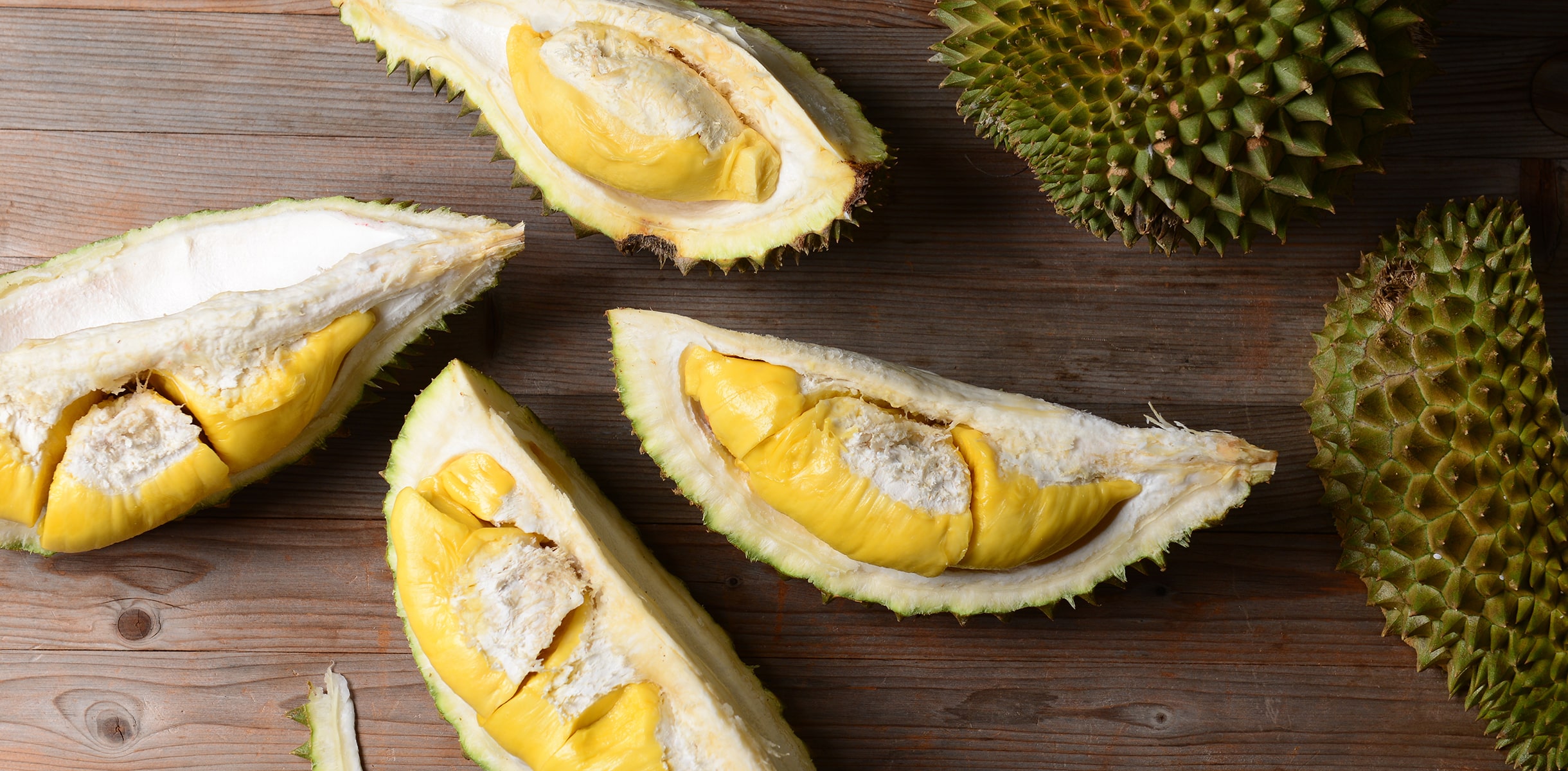
    In the first half of 2026, China’s durian imports saw a significant increase of 47% compared to the previous year. This was largely due to surplus stock from Southeast Asian exporters, such as Thailand and Malaysia, following a decrease in durian prices. According to Chinese customs data, Thailand exported roughly US$3.79 billion worth of durians to China within this period, dominating 81% of the market share.

    The Durian Market

    Vietnam came in second in the durian export market throughout the first half of 2026, with exports reaching an estimated value of $846 million. This makes up 18% of the total durian imports into China. Despite this, Thailand’s durians remain a favorite among Chinese consumers, thanks to a robust logistics and quality-control system that effectively enhances the fruit’s reputation.

    Vietnam has also increased its durian exports to China since it received the green light to export fresh durians in 2022. However, some challenges were faced concerning quality control. Malaysia, a newcomer to China’s fresh durian market, exported roughly $30.26 million worth of the fruit within the first half of 2026, marking a whopping 342% increase compared to the same period the previous year.

    The Changing Durian Landscape

    In total, the volume of durian imports from all countries reached 1.07 million tonnes in the first half of 2026, increasing from 708,000 tonnes in the same period a year earlier. Factors such as improved services on the China-Laos Railway and the growth of Chinese e-commerce platforms have significantly boosted Southeast Asian durian exports to China, which is the world’s largest market and accounts for 90% of global durian consumption.

    Currently, durian producers like Malaysia, Thailand, and Vietnam are experiencing an oversupply due to the peak durian harvest season. This is a result of orchards reaching full production capacity and an output growth that surpasses demand.

    Despite the strong long-term demand from China, an imbalance has been noted where production has not expanded at the same pace as demand. This has resulted in a fall in durian prices during peak season. Officials in Malaysia are seeking permission from China’s General Administration of Customs to open a land-based shipping route in response to the oversupply.

    There has been a notable drop in durian prices in China, between 14% and 20%, due to factors such as increased supply from different origins, high inventories, and cautious consumer spending.

    Questions & Answers

    What caused the significant increase in China’s durian imports?
    There was a surplus of durians from Southeast Asian exporters due to a decrease in prices, leading to an increased supply to China.

    Which country is the largest exporter of durians to China?
    Thailand is the leading exporter, supplying approximately 81% of China’s durian imports in the first half of 2026.

    Why are durian prices falling in China?
    The decrease in durian prices in China can be attributed to increased supply from different countries, high inventories, and more conservative consumer spending.

  • Cotti Coffee Takes on the UK: China’s Rapidly Growing Chain Brews Up European Expansion

    Cotti Coffee Takes on the UK: China’s Rapidly Growing Chain Brews Up European Expansion

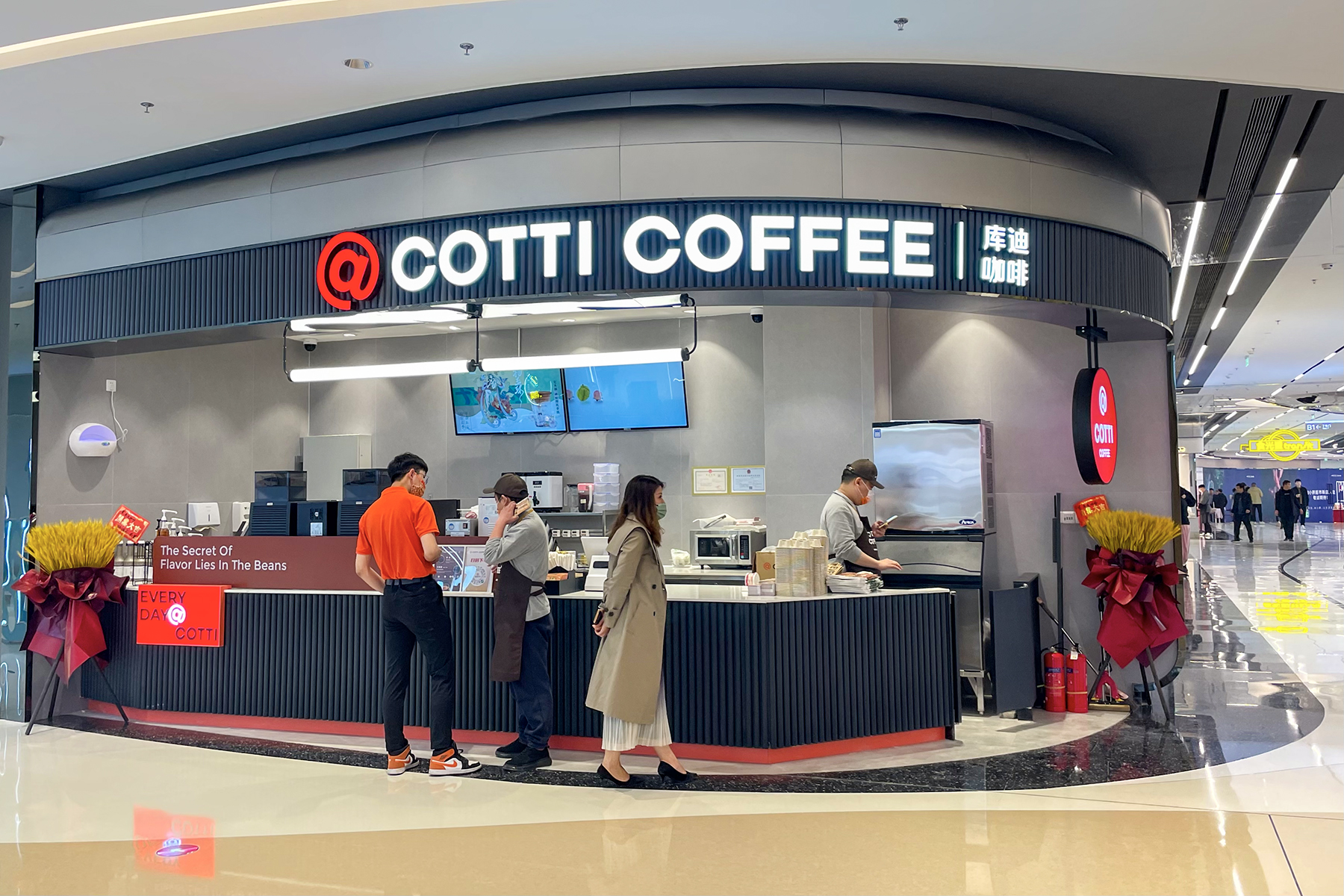
    Cotti Coffee, a rapidly expanding Chinese coffee chain, has announced plans to venture into the UK market. This move is part of a wider strategy to accelerate the brand’s growth across Europe.

    Unveiling in London

    The budget-friendly coffee chain will make its UK debut with two stores in London, set to open on Middlesex Street and Camden High Street. This comes after Cotti Coffee’s recent successful launches in European cities such as Paris, Cologne, Düsseldorf, Hamburg, Barcelona, and Madrid. These continental outlets mark the brand’s first steps into the European market.

    Digital-First Strategy

    Cotti Coffee operates with a digital-first, small-format store model and is noted for offering aggressive discounts. This approach has earned the brand recognition in its home country of China, where it is seen as a key competitor to Luckin Coffee.

    Future Expansion Plans

    Beyond the UK, Cotti Coffee has plans for further expansion into several other European countries, including Italy, Belgium, Portugal, and the Netherlands.

    Cotti Coffee was established in 2022 by a pair of former Luckin Coffee executives. Today, the brand is operational in 28 countries worldwide, including locations in Vietnam, South Korea, Australia, and Malaysia.

    Questions & Answers

    Question 1: What is Cotti Coffee’s store model?
    Answer: Cotti Coffee operates a digital-first, small-format store model, which means they prioritize their online presence and compact store locations.

    Question 2: Where is Cotti Coffee planning to expand in Europe?
    Answer: The company has plans to expand into Italy, Belgium, Portugal, and the Netherlands as part of its broader European growth strategy.

    Question 3: Who founded Cotti Coffee and when was it established?
    Answer: Cotti Coffee was founded in 2022 by two former executives from Luckin Coffee, another major coffee chain in China.