Retail News CRM

Tag: gsm

  • Oppo details AI pivot that brings innovative features to all phones

    Oppo details AI pivot that brings innovative features to all phones

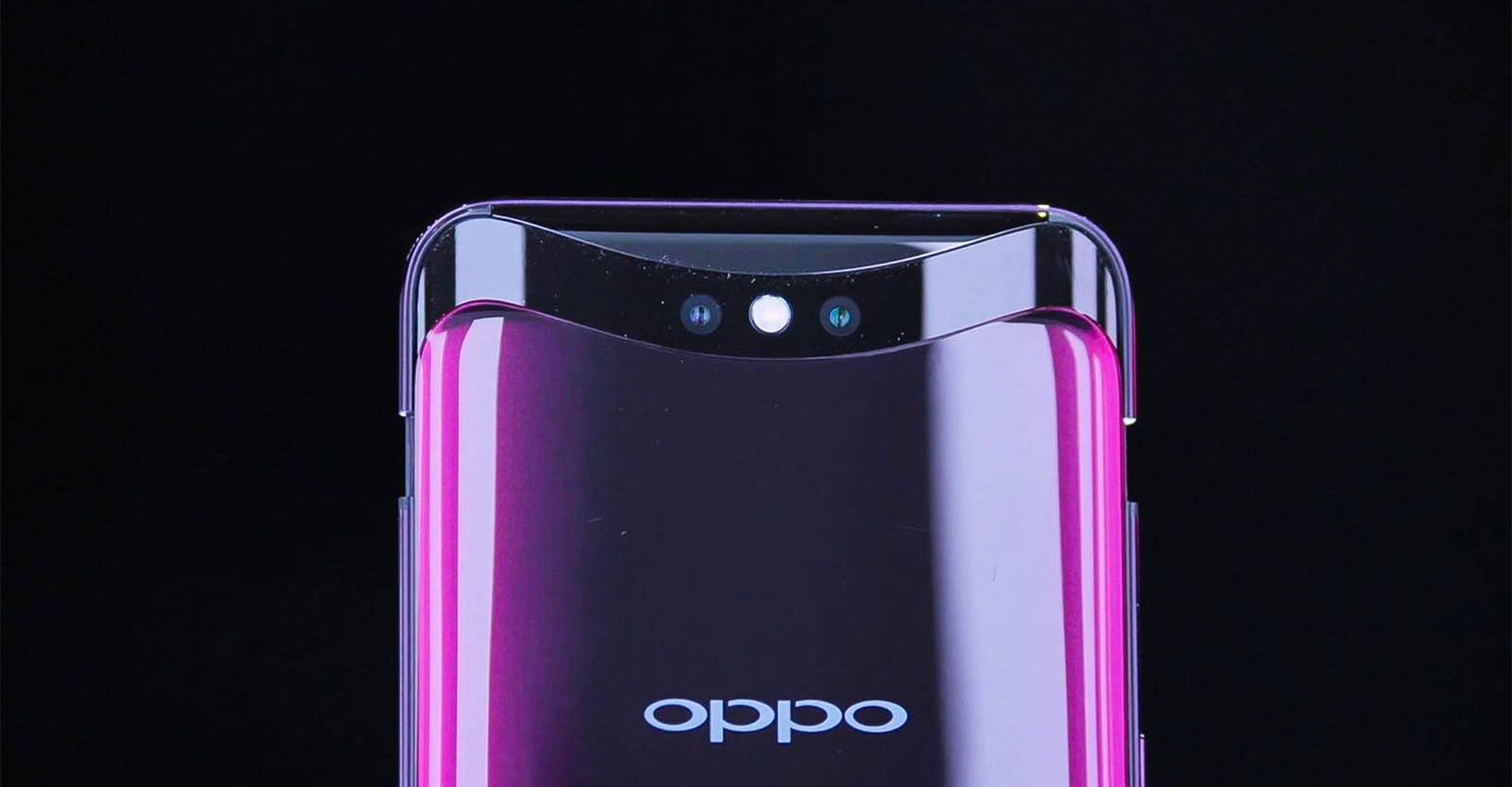
    Oppo will be democratizing the access to the most suitable device to take advantage of the AI era – the phone – by bringing its productivity and creativity features downmarket to virtually all of its handsets.

    The company behind the excellent Find X7 Ultra and foldable Find N3 phones used the festivities around its sponsorship of the UEFA Champions League and its Bouissia Dortmund – Real Madrid final to present its vision for artificial intelligence that it simply calls the AI Phone.

    However, the abovementioned flagships won’t be the only ones getting Oppo’s AI Summary, real-time Translation, or the popular AI Eraser function, which removes unwanted objects and areas in your photo with the flick of a finger.

    In fact, Oppo plans to release a coordinated set of AI features created in a partnership with juggernauts like Google, Microsoft, or MediaTek, by year’s end. These, however, won’t be reserved only for Oppo’s flagship Find- and N-series, but will trickle down to the Reno midrangers and even to the budget A- and F-series.

    According to Billy Zhang, Oppo’s President of Overseas Marketing, Sales and Services during the dedicated presentation at London’s beautiful Renaissance St. Pancras:

    OPPO is bringing generative AI to all product lines for the first time in the industry. By the end of this year, we expect to bring generative AI features to about 50 million users. That is 50 million people that may get their first glimpse of an AI-induced function or feature on their Oppo phone, no matter its price range, and the best that the industry can offer at that, like chatbots, large language models, and productivity or entertainment suites.

    Alongside its own innovation, OPPO is working closely with other industry leaders to bring better AI phone experiences based on an on-device and cloud Hybrid AI Architecture. In partnership with Google, OPPO’s Reno12 series and the next-generation Find X Flagship will feature the Google Gemini family LLMs, bringing OPPO users even more innovative and convenient AI features such as AI Toolbox including AI Writer and AI Recording Summary features. In collaboration with MediaTek, both parties are tuning chips to enhance chip storage and computational efficiency on future OPPO flagship models. And through its partnership with Microsoft, the next-generation OPPO phones will be equipped with Microsoft capabilities to bring a more efficient, accurate, and natural voice and text conversion experience and improved connectivity between desktop AI and phones.
  • Vietnamese billionaire’s taxi firm to expand to Laos

    Vietnamese billionaire’s taxi firm to expand to Laos

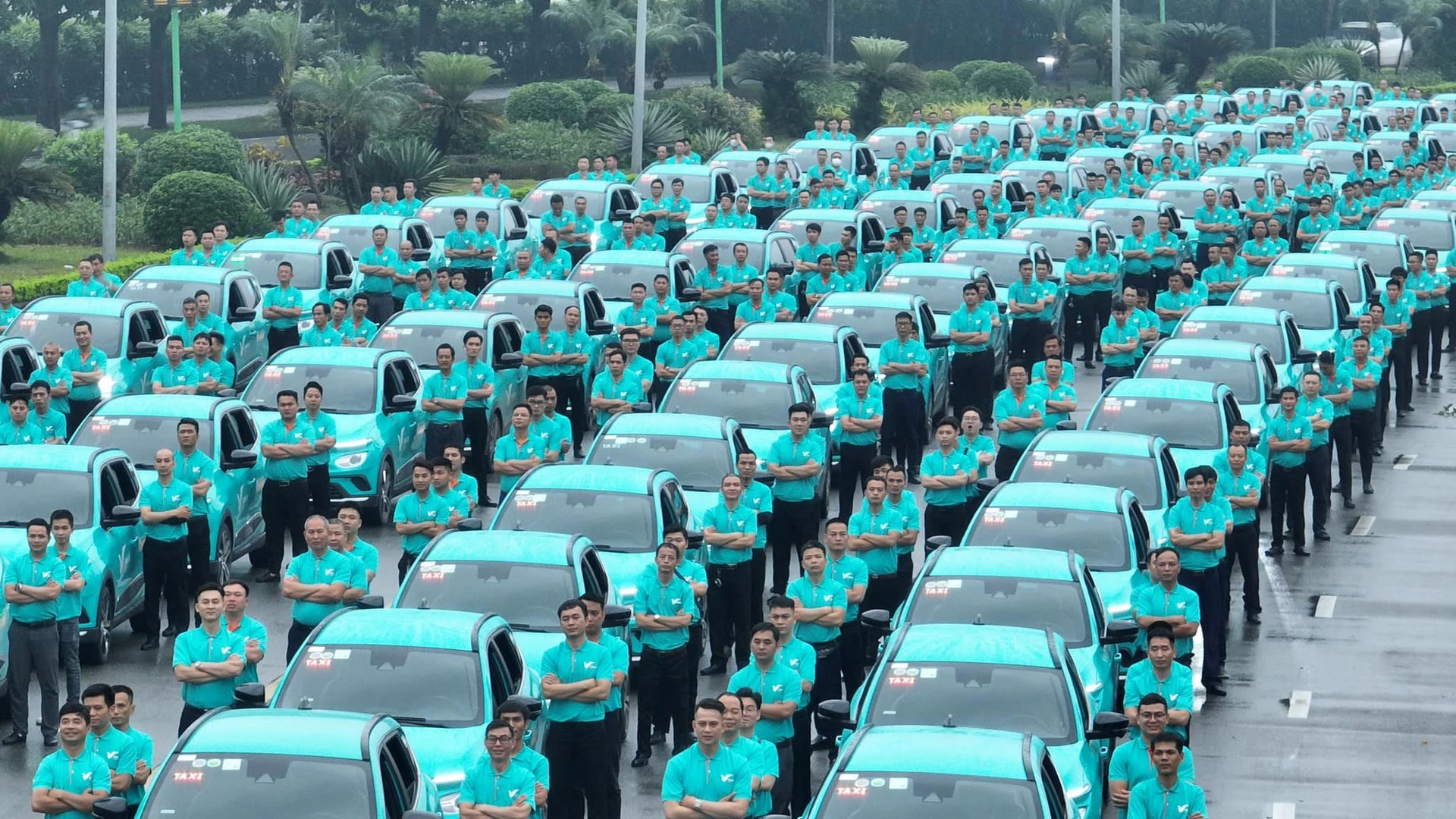
    GSM, an exclusively all-electric taxi company owned by Vietnam’s richest man Pham Nhat Vuong, plans to open services in Laos this year.

    The company, which uses only VinFast electric vehicles, aims to ship 150 electric cars to Laos first, and then increase the number to 1,000 by the end of the year. The cars will be the VF 5 Plus and VF e34 models.

    It will eventually sell and lease VinFast electric cars, similar to its services in Vietnam.

    “This is the first step in GSM’s plan to go overseas, giving it a place in the regional and global markets, is to help introduce electric vehicles to users,” GSM CEO Nguyen Van Thanh wrote on his personal social media page.

    GSM was established in March by Vingroup chairman Pham Nhat Vuong, who owns a 95% stake. It offers taxi and motorbike ride-hailing services.

    The company has partnered with ride-hailing Be Group to incorporate VinFast vehicles in the taxi service.

    GSM is the largest buyer of VinFast cars, according to a report VinFast sent to the U.S. Securities and Exchange Commission in the second quarter.

    GSM had received 7,100 electric cars from VinFast by the end of the second quarter. It had earlier signed a deal with VinFast to buy 200,000 electric bikes and 30,000 electric cars.

  • Oppo Thailand opens Bangkok flagship Store

    Oppo Thailand opens Bangkok flagship Store

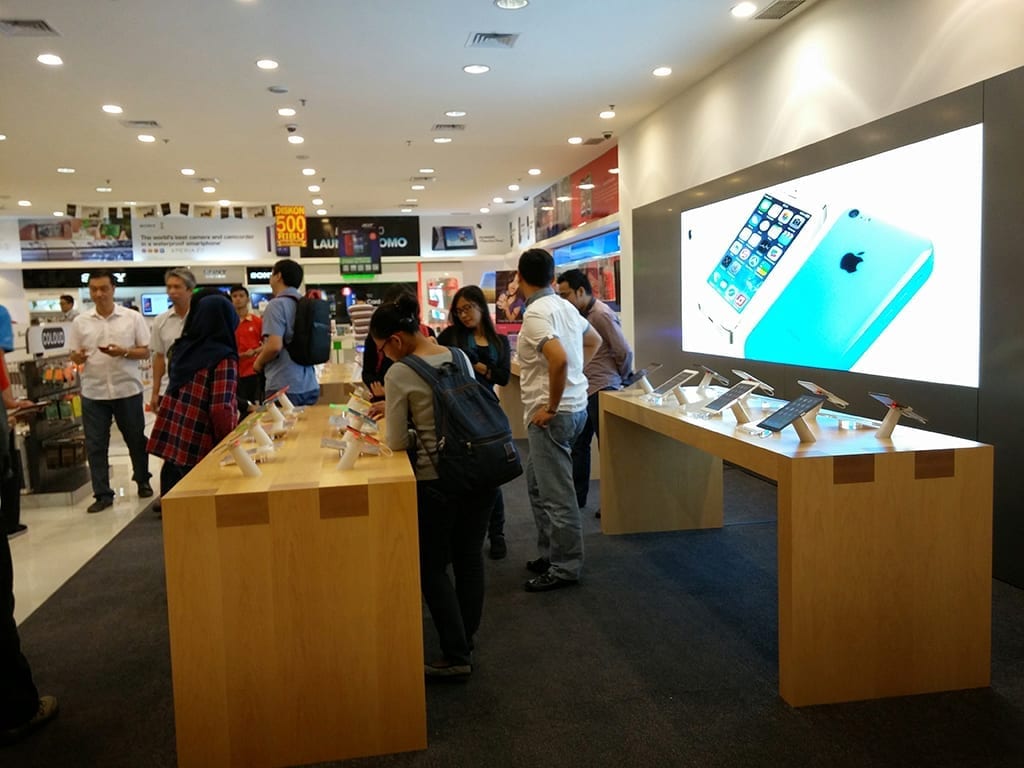
    Consumer electronics firm Oppo Thailand has opened a flagship at the Emquartier Mall in Bangkok

    The store was launched by Oppo Thailand executive VP Khun Chanon Chirayakul and The Emporium Group senior VP Manathet Annawat, who announced the brand’s intentions to penetrate a more premium market with higher levels of experience and service.

    The store offers a superior retail experience heavy on IoT and 5G innovations and a premium aesthetic interior design, allowing customers to experience interactions ranging from big-screen to smartphone-screen scale technologies. Drones, cameras, Bluetooth speakers, wireless headphones, flash chargers, AR/VR smartwear and robots make up part of the product range on offer.

    The Oppo Thailand Super Flagship offers exclusive services to users with a one-hour repair service, software upgrades and delivery service for customers.

  • Nokia 9 PureView update fixes one issue and Creates a new One

    Nokia 9 PureView update fixes one issue and Creates a new One

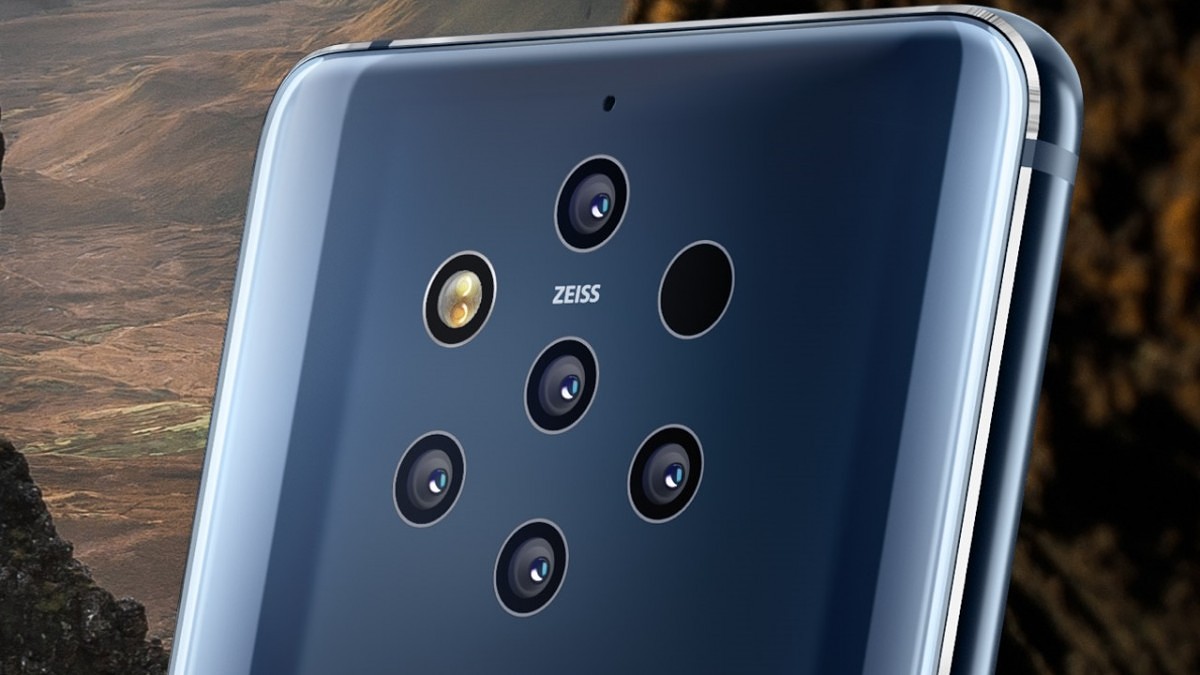
    Last week, the Nokia 9 PureView received a software update which was meant to fix the unreliable fingerprint sensor. And while bad reads are now far less frequent, we won’t go as far as to say that the fingerprint reader works better. Over the weekend, reports emerged on Twitter that after the update, users were able to unlock the Nokia 9 with unregistered fingerprints. Naturally, we put our unit to the test as well. Unfortunately, we can confirm that it is possible to unlock it with an unregistered finger.

    The false positive appears to be somewhat random, it’s not just the phone mistaking another fingerprint for the real one consistently. There’s no way to always force the error, but it didn’t take too much time before we were successful with our attempts. This means that if someone gets a hold of your phone they’ll likely be able to unlock it eventually. The most likely explanation for the vulnerability seems to be that Nokia tweaked the fingerprint reader algorithms to give a positive read with less certainty of a match.

    Original article:

    You might have read our review of the Nokia 9 PureView from earlier this month and noticed that we gave the phone a score of “4” out of 10. We discovered that the optical in-display fingerprint scanner would not always register our attempts to unlock the phone. Sometimes it requested that we press harder, or told us to try again. But help is on the way to those Nokia 9 PureView owners who have suffered from the same problems.

    A tweet disseminated on Friday by HMD chief product officer Juho Sarvikas revealed that an update is being pushed out to improve the in-display biometric reader on the phone. The message suggests that after the update is installed, Nokia 9 PureView users should register their fingerprints again for the “best experience.” The executive also notes that while the update is being sent out in stages, it is already available in most markets.

    One Nokia 9 PureView owner who already received the 250.4MB update says that he saw a big improvement after installing it; he was able to unlock the phone using the in-display fingerprint scanner 9 times out of 10 without having to press hard. The update also improves the quality of photographs taken with the phone’s cameras and speeds up the processing of such photos. It also boosts the color accuracy and contrast of the display and includes the April Android security patch.

    If you own the device and have yet to receive the update, you can always try the face unlock option to open the handset. However, as we pointed out in our review, it is not as secure as the fingerprint scanner and can’t be used to validate payments. In addition, facial recognition on the Nokia 9 PureView is not only slow, but is also a hit or miss proposition. Using a PIN might be the best bet until the update is received.

  • Motorola is taking pre-orders on the phone it says will last up to three days

    Motorola is taking pre-orders on the phone it says will last up to three days

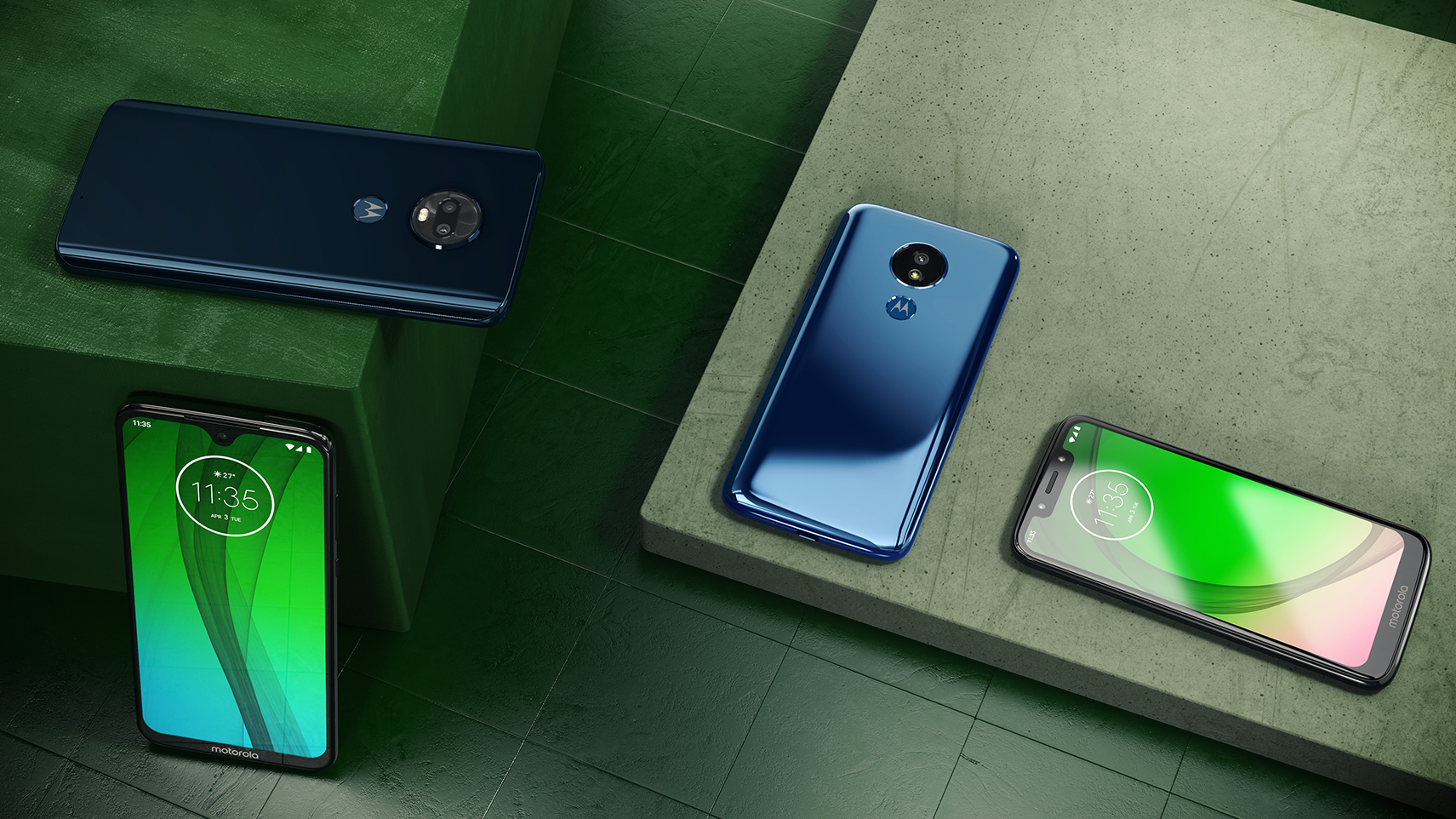
    If a huge battery is the most important feature you want on a new smartphone, you are in luck. Motorola has started accepting pre-orders for the Moto G7 Power. The phone’s claim to fame is the 5000mAh battery that Motorola says will keep the phone running as long as three days on a single charge. Hence, the use of the word “Power” in the phone’s name. With Turbo Charge, you’ll get up to 9 hours of battery life in just 15 minutes. The device is priced at $249.99.

    The Moto G7 Power comes equipped with a 6.2-inch LCD panel carrying a resolution of 720 x 1570 (HD+) and an aspect ratio of 19.63:9. The Snapdragon 632 Mobile Platform is under the hood along with 3GB of RAM and 32GB of native storage. A 512GB capacity microSD slot is available for those seeking additional storage. A 12MP camera adorns the back of the device (f/2.0 aperture) and there is a front-facing 8MP selfie camera. The phone is protected from spills, light rain and sweat thanks to P2i’s nano coating process.

    The Moto G7 Power is available in Marine Blue, and is priced at $249.99. If you finance the purchase, you’ll make 24 monthly payments of less than $11 each. And if you live in the states, the handset is compatible with each of the four major U.S. carriers including Verizon, AT&T, T-Mobile and Sprint. Pre-order the Moto G7 Power directly from Motorola, and you will get a $20 coupon to use on a future Motorola.com purchase.

    The Moto G7 Power is expected to be released on March 22nd.

  • Smartphone brand Realme expanding in Southeast Asia

    Smartphone brand Realme expanding in Southeast Asia

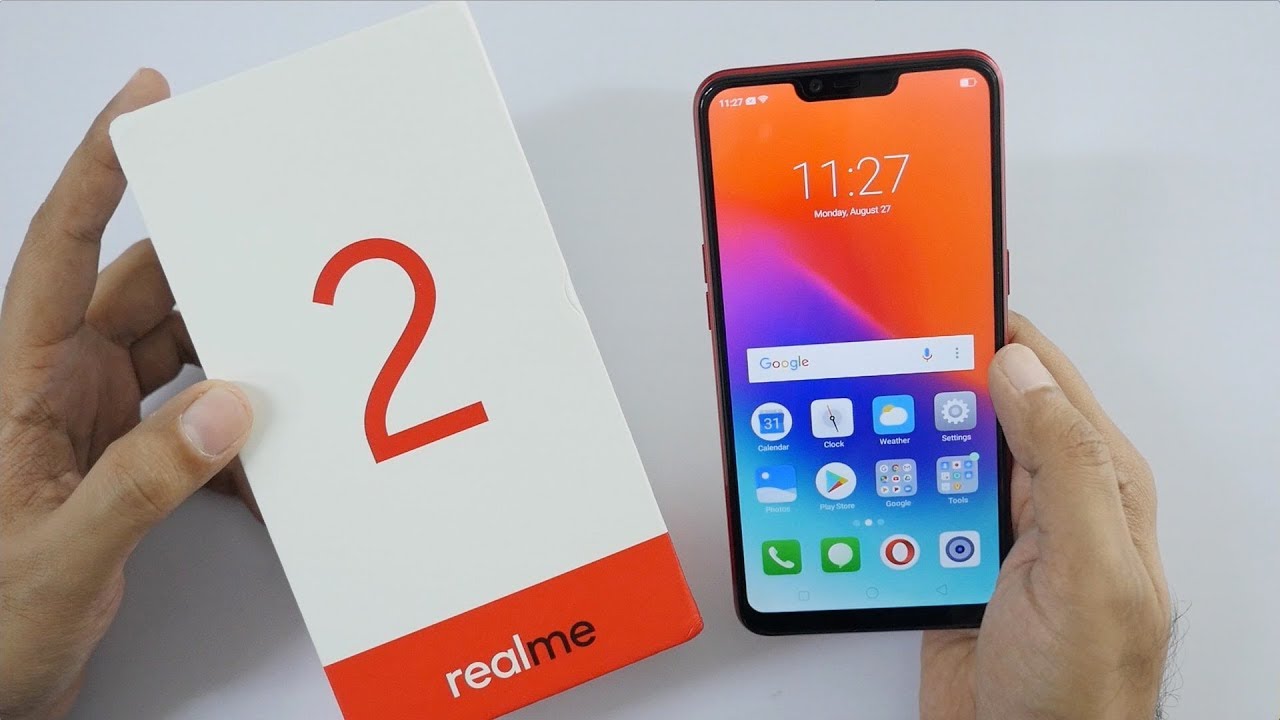
    BBK Electronics’ budget smartphone brand Realme is eyeing expansion into Southeast Asia, Africa and Europe.

    The company’s online distribution strategy has brought it success in the Indian market and makes broader expansion possible, according to Realme global CEO Sky Li Bingzhong.

    “The company’s asset-light operations and focus on online sales allow it to keep costs low. That way, more young consumers can afford its products, which makes the brand more competitive in the market,” said Li.

    Realme launched in India in May last year with handsets priced at INR8,990 (US$129) – becoming the second top-selling smartphone brand during the Diwali festival season from October to November. The brand has joined a number of Chinese phone manufacturers seeking to build strength in the Indian market as they challenge more established international competitors in more saturated markets.

    BBK also owns the Oppo, Vivo and OnePlus brands, selling mid- to high-end models. Independent Realme runs its own R&D operations, but partners with Oppo in smartphone production. Its expansion moves are indicative of Chinese phone manufacturers’ larger strategy to deploy varying brands that each target specific markets globally.