Retail News CRM

Tag: guangzhou

  • FedEx expands its capabilities in Guangzhou

    FedEx expands its capabilities in Guangzhou

    FedEx Express recently signed a memorandum of understanding (MOU) with the Guangzhou Municipal Government to form an in-depth strategic collaboration.

    Under the MOU, FedEx and the Guangzhou Municipal Government will fully cooperate on customs clearance, cross-border e-commerce, and the establishment of the South China Operations Center.

    The two sides will jointly promote FedEx strategy and business development in Guangzhou, expand e-commerce logistic services, and support Guangzhou’s development as an international cargo hub.

    The FedEx APAC Hub is located at the Guangzhou Baiyun International Airport. Since its initiation in 2009 as a major hub in APAC, the facility currently operates more than 210 international flights weekly.

    In 2022, FedEx launched an AI-powered sorting robot at the company’s South China E-Commerce Shipment Sorting Center in Guangzhou to handle the ever-growing volumes of e-commerce-related shipments in the region. This was followed by the announcement that it would expand its Guangzhou Gateway by establishing a new South China Operations Center at Guangzhou Baiyun International Airport.

  • Cebu Pacific to launch Clark-Guangzhou flights

    Cebu Pacific to launch Clark-Guangzhou flights

    Cebu Pacific said it is set to launch in November direct flights between Clark in Pampanga and Guangzhou, China amid increasing demand for leisure and business travel.

    “Cebu Pacific will launch next month direct flights between the Clark International Airport and Guangzhou, China, becoming the first Philippine carrier to link the two cities,” the low-cost carrier said in a statement on Saturday.

    Flights between Clark and Guangzhou will be operating four times a week beginning Nov. 11: Monday, Wednesday, Friday, and Saturday.

    “The flight departs Clark at 11:35pm; while the return flight departs at 3:15am of the next day,” it said.

    Cebu Pacific said the new route will cater to “increasing demand for leisure and business travel” and it will “further enhance the potential for investments in the special economic zones in Central Luzon, including the 9,450-hectare New Clark City.”

    It noted that the Clark International Airport is within proximity to Manila-Clark passenger railway connecting Manila to Clark and a cargo railway connecting Subic to Clark, which are both expected to be operational by 2022.

    “With direct air service between Clark and Guangzhou, it will be easier for entrepreneurs and businessmen in the e-commerce space to meet up with suppliers, Cebu Pacific Vice-President for Commercial Alex B. Reyes was quoted as saying in the statement.

    Guangzhou, one of China’s nine National Central Cities, is a wholesalers’ “haven for retail and popular consumer goods,” the budget carrier noted.

    The low-cost airline currently flies 27 times weekly between the Philippines and mainland China, with direct flights between Shanghai, Manila and Cebu; as well as Manila and Beijing, Guangzhou, Xiamen and Shenzhen.

    Cebu Pacific operator Cebu Air, Inc. recorded a 116% growth in its net income in the first half to P7.14 billion, driven by its increased passenger volume and higher average fares.

    Shares in Cebu Air went up 20 centavos or 0.22% to close at P92.20 apiece on Friday.

  • Hong Kong high-speed rail link to Guangzhou ready to go

    Hong Kong high-speed rail link to Guangzhou ready to go

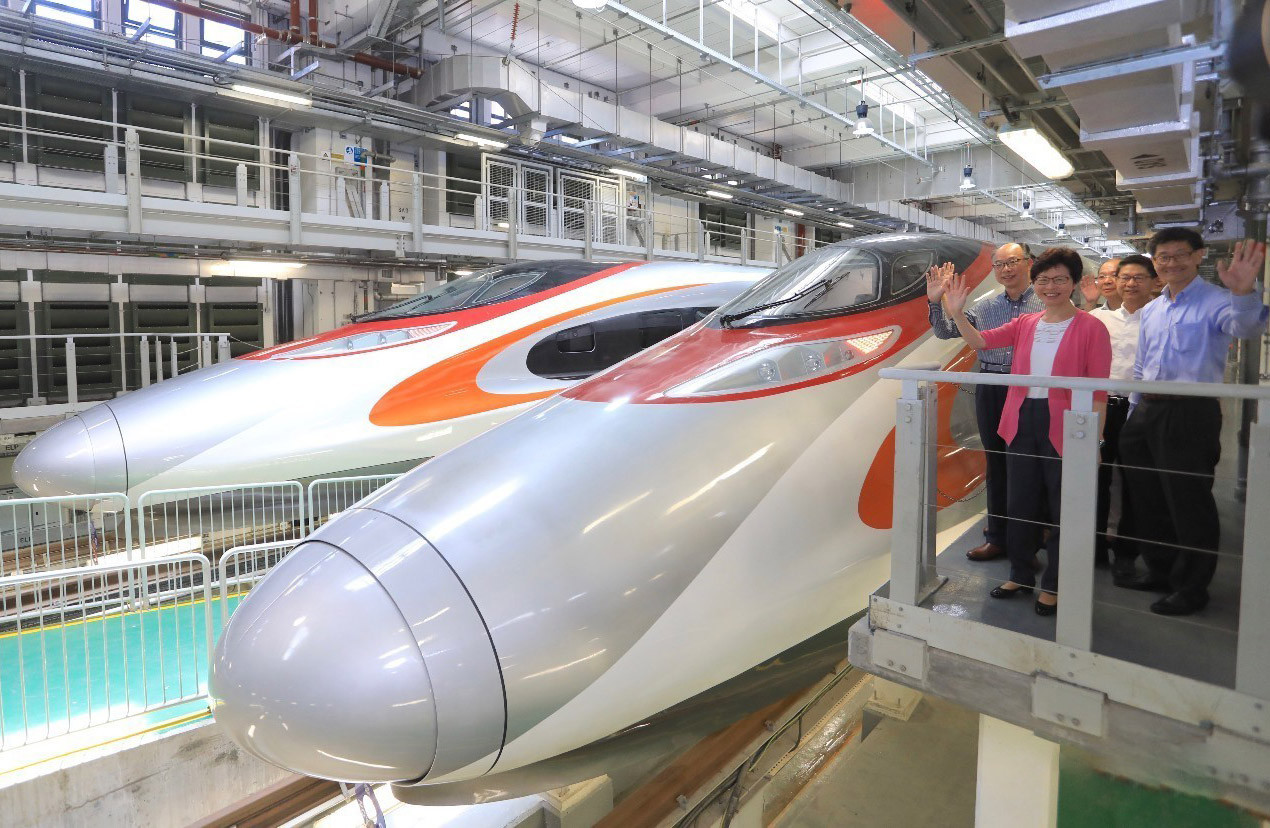
    The 26km Hong Kong section of the Guangzhou-Shenzhen-Hong Kong Express Rail Link is set to debut on September 23, forecasting 80,100 passengers daily. The cross-border service will link the city to 44 destinations on mainland China.

    Last weekend, 20,000 people who obtained tickets last week were poised to catch a first glimpse of the station.

    On the first basement level, 23 counters will sell tickets to 44 mainland destinations, with various modes of payment accepted, such as Octopus, Alipay, WeChat Pay and Samsung Pay.

    Five counters will offer tickets to destinations in mainland China’s rail network or those beyond the 44 stops.

    Passengers can also buy tickets from 39 machines. However, the automated systems only accept home-return permits for Hong Kong and Macau residents as well as second-generation mainland resident IDs. Up to 10 tickets may be bought at a time.

    Those holding other travel documents are required to buy tickets from the counters.

    There are about 40 shops and a large food court located on-site. The nine Hong Kong-owned trains at the terminus do not offer food services in their carriages.

    Other shops will offer banking facilities, as well as souvenirs, fashion products and cosmetics. Brands include Sasa, Asia Favourites, Pocket Noir, Okashi Land, 7-Eleven and Mannings.

    Delayed three years and over budget by one-third of its total costs, the rail line has sparked controversy over a “co-location” arrangement allowing mainland officials to enforce their laws in a port area leased to them.

    A designated zone – including two office floors, a waiting hall for departing passengers, station platforms and connecting passageways and escalators, as well as train compartments – will be subject to mainland jurisdiction and laws.

    Supporters of the joint checkpoint plan have argued the plan would be more convenient for passengers as customs clearance would be consolidated. But critics say the arrangement contravenes the Basic Law, the city’s mini-constitution, which states that mainland legislation shall not apply on Hong Kong soil except in matters of defence, foreign affairs and those “outside the limits” of local autonomy.

    Mainland officials start work at the station today.

    This new connection is part of the bigger plan of interaction in the Greater Bay Area, and will definitely have an impact on the retail industry.

    The long-established business of Chinese visitors going to HK for shopping will now see the same flow of people going from HK to Shenzhen to chill out in the fast-developing so called megacity. Shenzhen is rapidly transforming and working on its infrastructure to welcome visitors, but also its growing population.

  • CapitaLand and CRCT to jointly acquire 100% interest in company that owns Rock Square

    CapitaLand and CRCT to jointly acquire 100% interest in company that owns Rock Square

    CapitaLand and CapitaLand Retail China Trust (CRCT) have formed a joint venture to acquire all the shares in a company that owns an operational shopping mall, currently known as Rock Square, located in Haizhu District in
    Guangzhou. CRCT is the majority shareholder with a 51% stake in the joint venture, while CapitaLand owns the remaining 49%. This marks CapitaLand’s second mall and CRCT’s first in Guangzhou, the provincial capital of Guangdong Province in South China and one of four first-tier cities in China.

    Total purchase consideration payable is about RMB3,360.7 million (about S$688.9 million), which includes but is not limited to the company’s interests in Rock Square with an agreed value of RMB3,340.7 million (about $684.8 million). The transaction is expected to be completed by 1Q 2018.

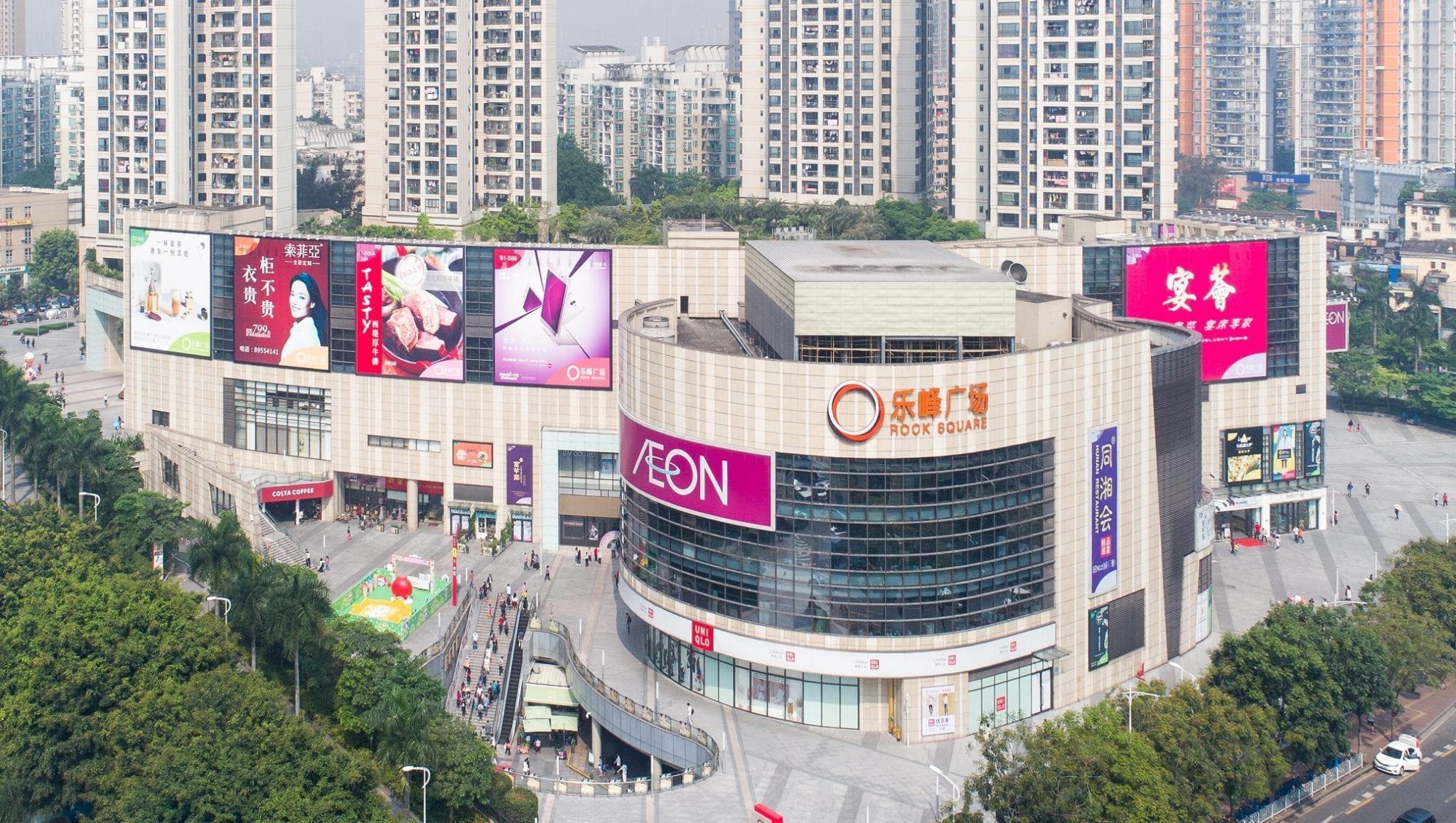
    Rock Square is one of the largest malls in Haizhu District with a gross floor area (GFA) excluding car park of about 83,591 sq m. Surrounded by densely populated residential estates, the mall caters to about 800,000 residents from middle- and high-income households within a three-kilometre radius. The mall is directly connected to Shayuan metro station, which serves Line 8 that links Guangzhou’s eastern and western areas, and
    Guangfo Line that connects Guangzhou with Foshan. The planned extension of Line 8 and Guangfo Line by 2019 is expected to increase the mall’s population catchment.

    Mr Jason Leow, CEO of CapitaLand Mall Asia, said: “China is an important core market to CapitaLand. We continue to invest in our China shopping mall business under our ‘core city clusters, dominant assets’ strategy, which focuses on strengthening our presence in five city clusters with quality assets that command a dominant market position. Given Rock Square’s significant scale and strategic location with excellent transport links, the acquisition presents a rare opportunity to increase our exposure to the high-growth retail market in a first-tier city.

    As an operational mall with upside potential, the acquisition will also help CapitaLand to increase our recurring income base as we continue to expand our business.”

    Mr Leow added: “When completed, the acquisition will boost CapitaLand’s retail presence in Guangzhou, where we currently own and manage CapitaMall SKY+, which opened in 2015. By leveraging on our experienced team in Guangzhou to manage the new mall, we will be able to benefit from the network effect of an enlarged portfolio.”
    Mr Tan Tze Wooi, CEO of CapitaLand Retail China Trust Management Limited, said: “The acquisition marks CRCT’s strategic entry into another first-tier city after Beijing and Shanghai.

    It represents a progression of our portfolio reconstitution strategy, whereby capital from the sale of CapitaMall Anzhen is recycled into a multi-tenanted mall with a longer balance tenure and stronger growth potential. The addition of Rock Square serves to diversify CRCT’s tenant base and improve the quality of earnings by increasing our exposure to more varied and higher-yielding trade categories. Post-completion, the accretive acquisition will boost CRCT’s portfolio size by about 28% to approximately RMB15.1 billion (about S$3.1 billion).”

    Mr Tan added: “In view that leases accounting for over half of the mall’s total rent are up for renewal between 2018 and 2020, the timely acquisition will present us with a window of opportunity to achieve rental uplift through active tenant mix adjustments, unit reconfiguration and improvements to the layout. This is supported by the mall’s current mix of popular retailers, which serves as a strong base to attract more quality brands to enhance
    the overall shopping experience. Coupled with the cost synergies from working with our sponsor CapitaLand to manage the mall, we are confident of driving the growth of Rock Square and turning it into a significant contributor to our overall performance.”

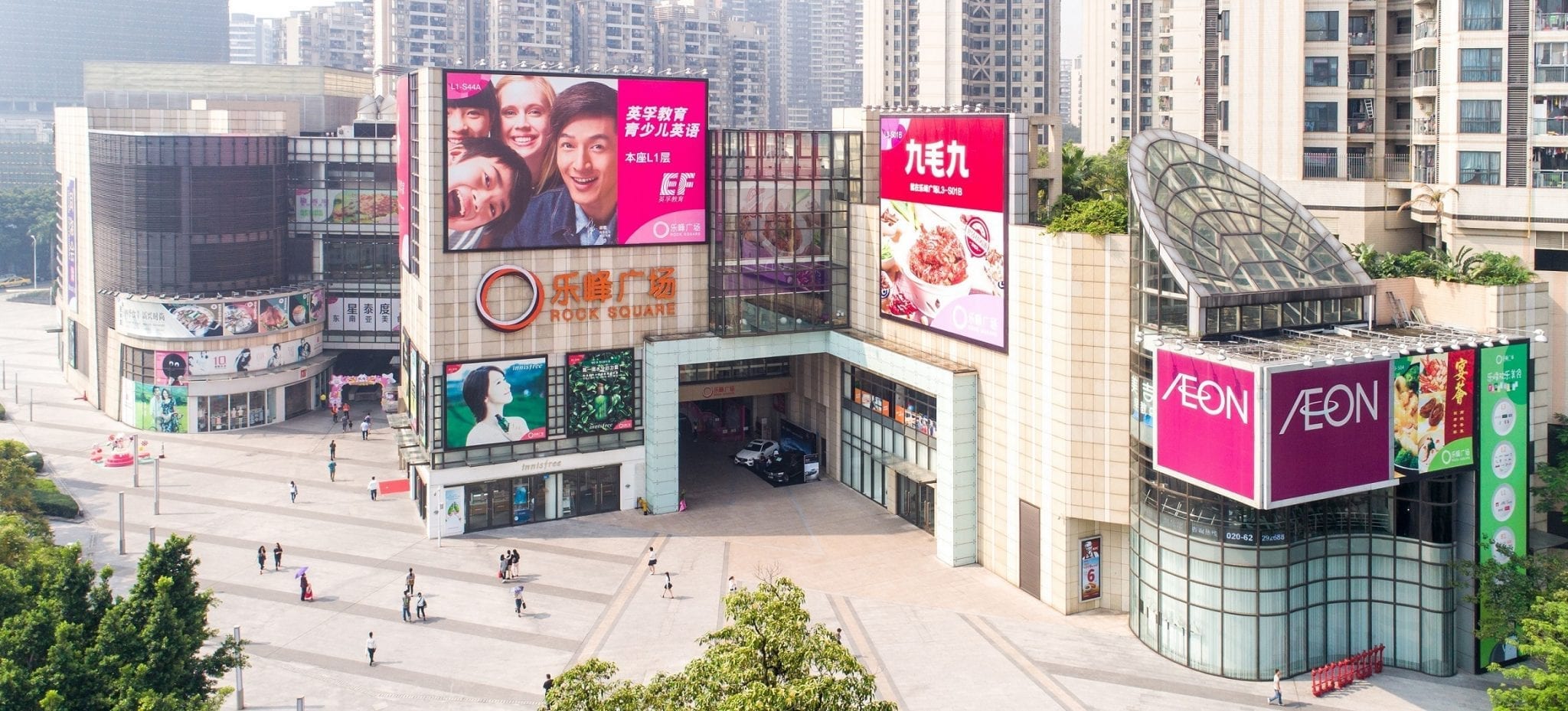
    Opened in 2013, Rock Square is a five-storey shopping mall with three levels above ground and two basement levels. Positioned as a modern and trendy retail destination offering a wide range of fashion, F&B, children-oriented and entertainment options, the mall houses well-known international brands such as AEON, UNIQLO, ZARA and Victoria’s Secret. As at June 2017, the mall was 96.4% committed.

    The mall is located in Haizhu District, Guangzhou’s second most populous urban district that also ranks high in terms of disposable income per capita4. A popular residential area for Guangzhou’s new affluent class, Haizhu District is home to the Creative Industry Zone (where leading technology firms such as Tencent are based), the city’s landmark Canton Tower and top tertiary institution Sun Yat-sen University.

    Guangzhou is the most populous city of Guangdong Province with a population of 14 million. It is an important communications and transportation hub in South China with a flourishing high-tech industry. In 2016, Guangzhou’s GDP grew 8.2% year-on-year, outpacing the national average of 6.7%. In the same period, both disposable income per capita rose and total retail sales rose by 9.0%. These positive indicators are expected to see further growth support, as Guangzhou transforms into a major commercial centre in South China with a
    fast-evolving retail scene and an increased emphasis on driving domestic consumption.

  • Link REIT buys Guangzhou mall

    Link REIT buys Guangzhou mall

    Link REIT has bought a shopping mall in Guangzhou for RMB4.065 billion (HK$4.57 billion; US$588.4 million).

    The property, Metropolitan Plaza, is located at No. 8 Huangsha Road in Liwan District. It comprises retail space from basement level one to the third floor and two levels of parking.

    Its gross lettable area is about 85,732 sqm.

    Link REIT said in a stock exchange filing the acquisition was in line with its investment strategy to invest in income-producing real estate which has potential for long-term income and capital growth and to build a large and diversified portfolio of retail and/or commercial real estate in Hong Kong and in Tier-1 cities of the PRC.

    “Guangzhou (being such a Tier-1 city) is mature and the disposable income of Guangzhou residents has been rising. The property will add to Link’s portfolio of investments in Tier-1 cities of the PRC along with its shopping mall in Beijing and an office/retail property in Shanghai.”

    As at February 28, there were 219 tenancies at the property, occupying approximately 94.1 per cent of the total gross lettable area.

    The monthly gross income of the property (excluding management fees) was approximately

    RMB16.06 million. Food & beverage, fashion/accessories and kids/education account for, respectively, 33.4 per cent, 24.7 per cent and 13.7per cent of the total leased retail area.

    Link REIT said Liwan District is one of the most popular mass market shopping and leisure destinations in the city.

    It is also one of the most densely populated districts of Guangzhou, with a population of approximately 930,000 as of 2016. The property is strategically located on top of the intersection of Metro Lines 1 & 6 among the busiest Metro Lines in Guangzhou, with direct access to the station concourse.

    The Guangzhou mall opened for business in 2012.

  • Garuda Indonesia to Open Lombok-Guangzhou Route

    Garuda Indonesia to Open Lombok-Guangzhou Route

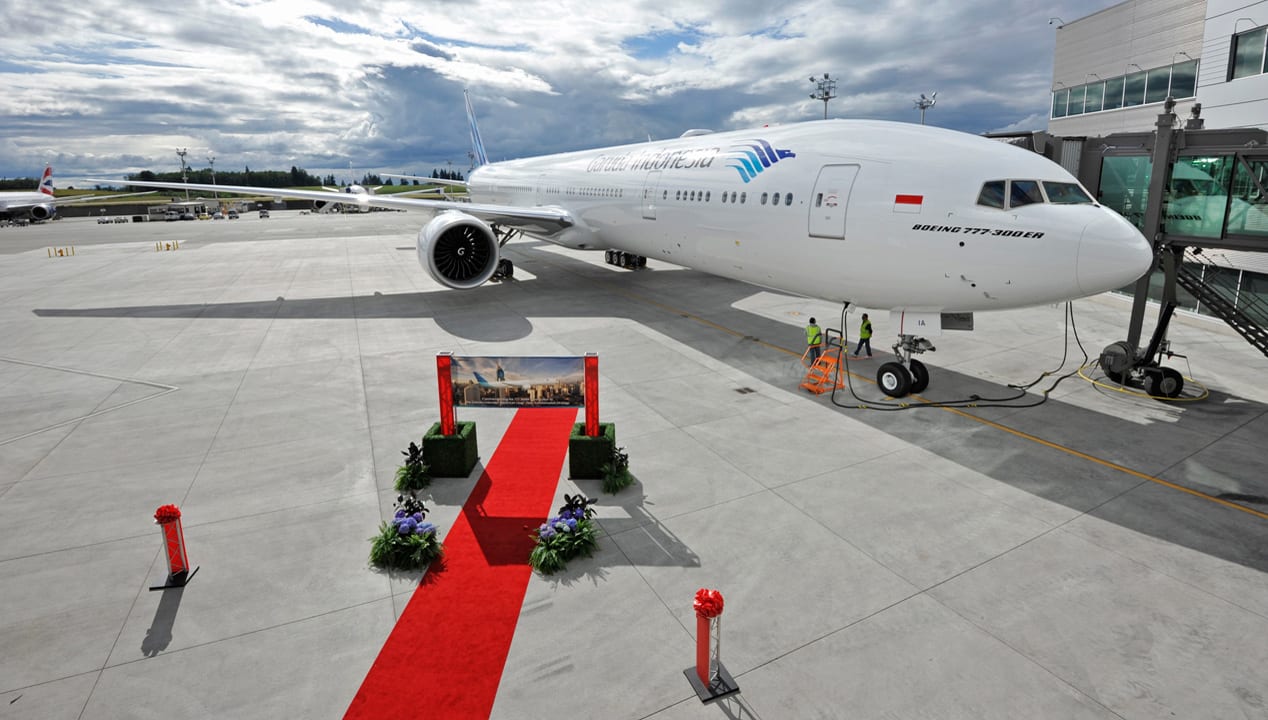
    General Manager of national carrier PT Garuda Indonesia of Mataram branch Mochammad Yansuerio said that in the near future, Garuda Indonesia would open a direct flight serving Lombok–Guang Zhou, China.

    “Lombok and Sumbawa are getting more popular both at the national level and at the international level. This has become our consideration to add frequency of flights in several routes, including by opening up Lombok – Guangzhou route,” Yansuerio said in Mataram on Friday.

    “The flight is twice a week,” he added.

    In addition to opening Lombok-Guangzhou route, Yansuerio Garuda Indonesia would also increase flights serving Lombok, including Lombok-Yogya and Lombok and Makassar from once week into twice a week.

    “As for Lombok-Surabaya route and Lombok-Jakarta route whose occupancy reach 80-85 percent, we plan to increase the frequency of flights,” he added.

  • China’s Century 2017 to be hosted in Guangzhou

    China’s Century 2017 to be hosted in Guangzhou

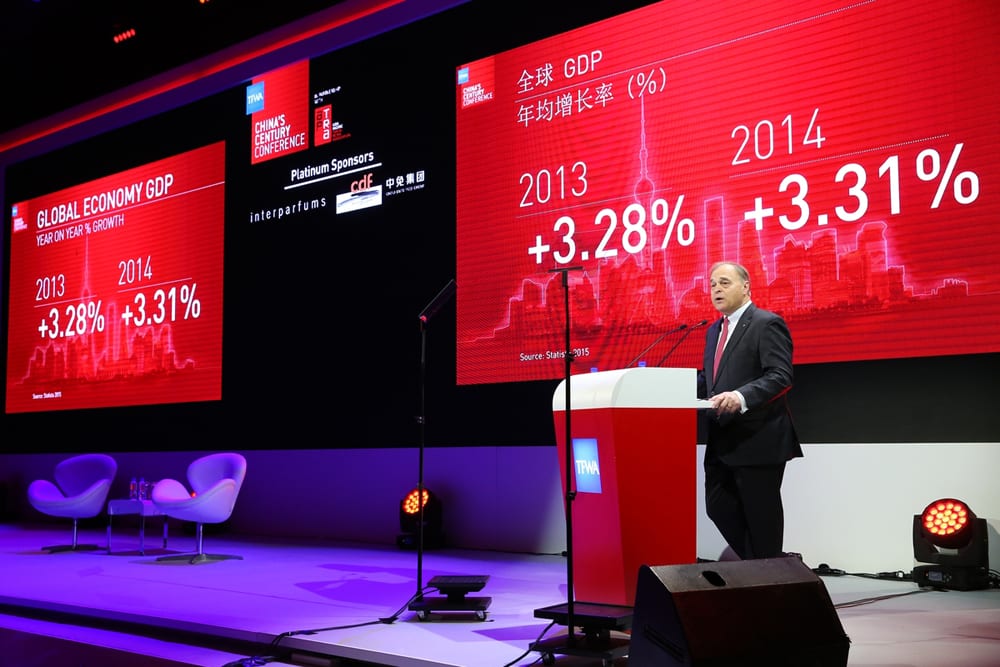
    Erik-Juul-Mortensen-China's-Century-lead The TFWA China’s Century Conference will take place from 7-9th March 2017 in Guangzhou, at the port city’s Four Seasons Hotel. The official host of the event will be Guangzhou Baiyun International Airport Co.

    Erik Juul-Mortensen, president TFWA said: “TFWA China’s Century Conference is an essential diary date for anyone interested in the considerable commercial opportunities the Chinese market presents, as well as all those who want to gain a deeper understanding of the Chinese traveller both at home and outside China.”

    The city of Guangzhou – northwest of Hong Kong on the Pearl River – is the third largest city in China and is said to have played ‘a pivotal role in the country’s economic development.’

    CENTRAL BUSINESS DISTRICT

    Its Central Business District, where the event will be located, underwent a major renovation in preparation for the Asian Games of 2010. The city now boasts a rapidly developing international airport, which is home to China Southern Airlines, and connects Guangzhou to the rest of China, Europe, Asia Pacific and beyond.

    A spokesperson from Guangzhou Baiyun International Airport Co said: “Guangzhou Baiyun International Airport Co is delighted to be the Official Host for next year’s TFWA China’s Century Conference.

    “As the premier event for the duty free and travel retail industry in China, the conference brings together all the major companies involved in the market, and we believe Guangzhou is the perfect venue for such a gathering.

    “Our city is one of the historic centres of trade in China and is attracting increasing numbers of business and leisure travellers, partly thanks to the efforts we are making to develop Guangzhou Baiyun as an international hub airport. We are confident this conference will be a big success and we look forward to welcoming delegates to our airport and to this vibrant city.”

    SHANGHAI CONFERENCE DRAWS ALMOST 400 DELEGATES

    The Four Seasons is located in the centre of Guangzhou’s Central Business District, close to the famous landmark Canton Tower. Occupying the top third of the 103-storey Guangzhou International Finance Center, which is one of the world’s tallest skyscrapers, it can truly claim to offer visitors ‘a room with a view’.

    The first TFWA China’s Century Conference took place in 2013 in Beijing. The second conference, which was held in Shanghai in 2015, welcomed 388 delegates including senior executives from numerous airlines, airports and duty free and travel retail operators.

    Over the two days, 120 meetings took place between the industry’s airports, concessionaires and brands. TFWA China’s Century Conferences have featured speakers from leading airports, airlines and retailers, as well as high profile researchers, academics, authors, editors and specialist consultancies.

    TFWA’s unique ONE2ONE meeting service has played a key role in the event’s continuing success, while an exciting social programme with a range of glittering events held in the most impressive venues ensures that there is plenty of opportunity for more informal networking.


  • Young, rich, e-savvy will transform Chinese economy

    Young, rich, e-savvy will transform Chinese economy

    China has been one of the world’s fastest-growing consumer markets in recent decades and there’s no sign that is going to change anytime soon, slowing economy or not, US management advisory firm Boston Consulting Group says in a new report.

    However, the profile of Chinese consumers and the products they buy will change over the coming five years, according to BCG’s report, The New China Playbook: Young, Affluent, E-savvy Consumers Will Fuel Growth, which predicts three trends to watch in the country’s consumer market through 2020: upward mobility, a new generation of consumers and the continued rise of eCommerce.

    BCG expects China’s upper middle class and affluent households to overtake the emerging middle class as the main drivers of consumption growth. At the same time, a younger generation of sophisticated consumers will rise in prominence, and eCommerce through online marketplaces such as Alibaba Group’s Taobao and Tmall.com will play an increasingly important role in the Chinese economy.

    “The growing role of richer, younger, Internet-savvy consumers will boost demand for different kinds of products purchased through different kinds of retail channels,” BCG said in the report. “Indeed, this emerging consumer class will transform the structure of China’s economy.”

    This transformation is already underway as Chinese consumers increasingly go online to make purchases via desktop computers and smartphones, according to BCG. In 2010, eCommerce made up just three per cent of total private consumption, but that number will reach 20 per cent five years from now, generating $1.6 trillion in sales. In the US, eCommerce accounted for 7.4 per cent of total consumption in the third quarter of this year, according to the US Department of Commerce. Also, within this category, 15 per cent of Chinese eCommerce transactions will be cross-border, another burgeoning sales channel as the Chinese government takes steps to make the import and export of goods via eCommerce easier for both consumers and retailers.

    The report, which was carried out in partnership with AliResearch, the research arm of Alibaba Group, arrives as investors across the globe watch growth targets for China’s gross domestic product decline in the face of decreased exports, once the backbone of the economy. But Chinese consumers are unfazed, BCG said.

    The consultancy predicted that even if China’s economic growth slows to 5.5 per cent – well below the 6.5 per cent target – the country’s consumer economy will expand by about half to $6.5 trillion by 2020 from $4.2 trillion now. The $2.3 trillion differential over those five years is still 1.3 times larger than Germany’s entire $1.8 trillion consumer market.

    Rising incomes will help to fuel that growth. The number of upper middle class and affluent households – those with more than $24,000 and $46,000 in annual disposable income, respectively – will double to 100 million by 2020, and they’ll account for 81 per cent of total consumption growth during that period.

    Increasing affluence will also help to push shopping trends in new directions and to new locales. Where consumer goods such as personal care products once dominated sales, the next five years will see the demand for services take over, especially in areas such as healthy foods, education and travel, BCG researchers wrote. Moreover, merchants that want to reach this growing demographic will have to move beyond major cities such as Beijing, Shanghai and Guangzhou. BCG said that about half of the 46 million new upper middle class and affluent households expected by 2020 will be located in fourth-tier cities or lower, or those outside China’s top 100 cities.

    eCommerce sites such as Taobao have made moves to capture this growth in services. The report pointed to Taobao’s lifestyle service channel, which had customers in 300 cities only six months after launch. And most of those customers were 35 or younger and they were making online arrangements for home-based services such as house cleaning, with as many as 2600 maids booked in a single day at one point.

    Omnichannel retailing, where consumers are driven from online promotions to offline services accessed via smartphones, will be another key area of growth, BCG said. eCommerce purchases made on mobile devices currently generate 51 per cent of all online sales in the country – well above the global average of 35 per cent. Mobile transactions will account for nearly three out of every four online purchases by 2020, BCG predicted, as Chinese consumers increasingly rely on the internet to obtain local services and purchase products, such as organic foods, that they can’t find in local brick-and-mortar stores.

    An ability to attract a younger demographic, those born in the 1980s, ’90s and the first decade of the 2000s, will increasingly spell success or failure for companies selling into China, BCG said. The country’s up-and-coming crop of college-educated shoppers under the age of 35 are sophisticated and brand conscious in ways the previous generation was not. Their consumption is growing at 14 per cent annually, double that of consumers over 35, and they spend more than their elders – as much as 40 per cent more in many product categories. By 2020, BCG said the young generation’s share of total consumption is projected to reach 53 per cent in 2020 from 45 per cent.

    Companies that wish to remain competitive in China – or those entering for the first time – will need to adjust their strategies to fit in with these shifting demographics, BCG said, as the days of ubiquitous and insatiable Chinese demand across all product categories are over.

    “Even though overall consumption will continue to boom in China over the medium term, targeting the wrong income segment, playing in the wrong categories, and being underrepresented in the fast-growing online channels will be a formula for slow growth,” the report said.

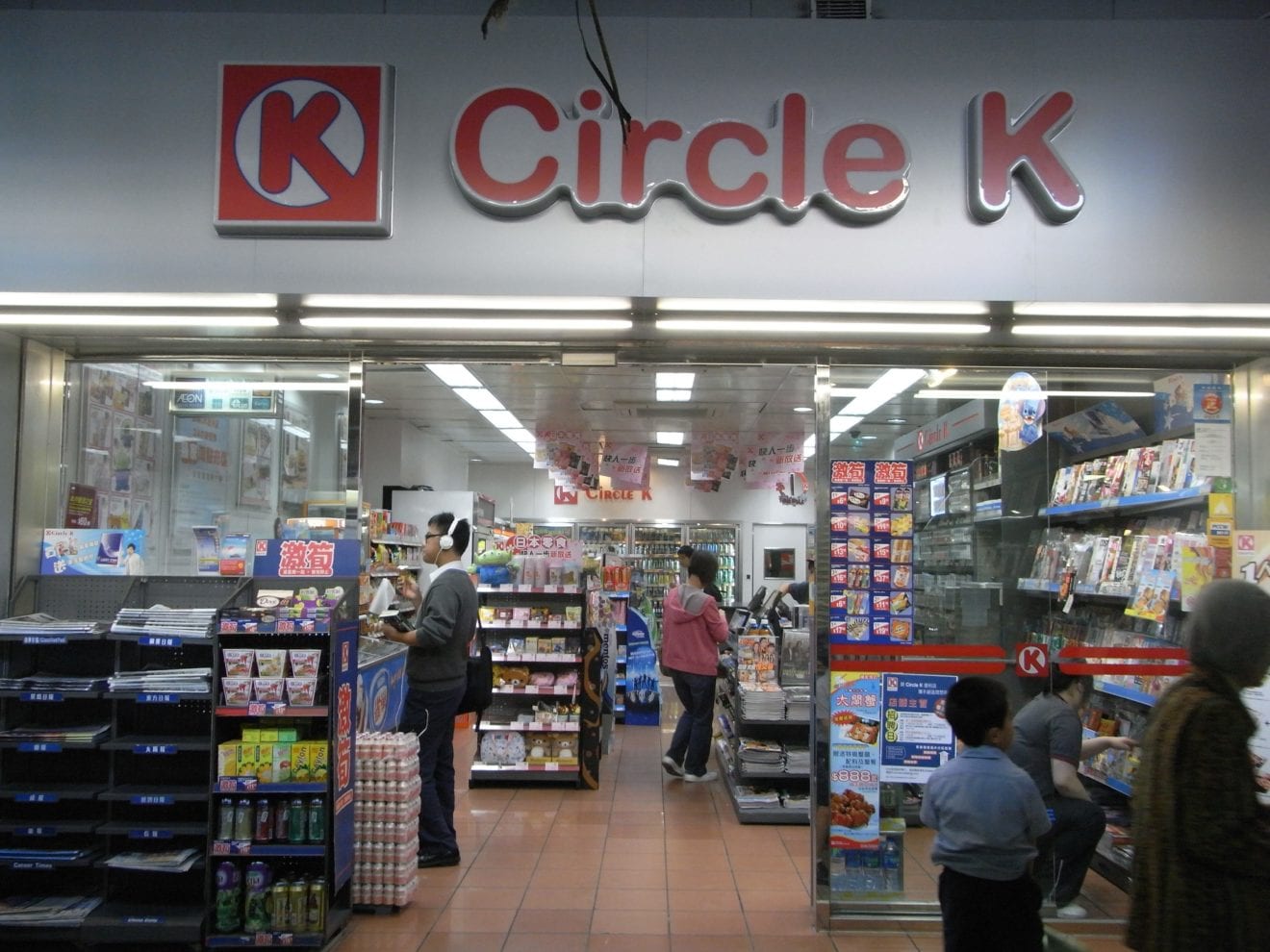
  • Convenience Retail to offload Circle K Guangzhou

    Convenience Retail to offload Circle K Guangzhou

    Convenience Retail Asia, the Hong Kong-listed operator of Circle K convenience stores and Saint Honore Cake Shops in Hong Kong, Macau and Guangdong province, has reported a 36.8 per cent decline in first half year profit.

    While sales increased 5.8 per cent in the half year to HK$2.368 billion, labour and raw material costs increased, reducing its gross margins, and it incurred substantial investment costs in its eCommerce business.

    Along with its results, the company announced it would sell its stake in the loss-making Circle K Guangzhou business to its controlling shareholder and focus on the Circle K business in Hong Kong and Macau. Fung Holdings (1937) Limited will pay CRA HK$104.5 million for its share of the business.

    “The sale of the Circle K Guangzhou will help to create positive momentum for the Group’s financial performance in a difficult retail and economic environment that continues to place pressure on the results of the group,” said Richard Yeung, CRA CEO.

    “This sale, which will also result in a one time gain ($50 million), underlines our focused commitment to delivering long-term growth, profitability and shareholder value.”

    In the half year, turnover for the Circle K business increased 5.7 per cent to HK$1.902 billion, with comparable store sales rising 8.8 per cent in Hong Kong and 2.6 per cent in southern China.

    Turnover for Saint Honore Cake Shops rose 5.5 per cent to HK$498 million, with 4.1 per cent growth in comparable stores sales in Hong Kong. Core operating profit of the group decreased by 34.6 per cent to HK$42 million and net profit declined by 36.8 per cent year on year to HK$31 million.

    During the first half, the group incurred higher expenditure to support intensive marketing campaigns for its e-commerce platform FingerShopping.com, and because of investment in a pilot programme launched in late 2014 with Sinopec Marketing. The pilot program manages 10 petrol stations in addition to Easy Joy convenience stores on behalf of Sinopec Marketing in Guangzhou. Excluding the Projects expenses, core and net operating profit would have decreased, respectively, by 18.5 per cent to HK$57 million and by 16.1 per cent to HK$45 million.

    Gross margin and other income as a percentage of turnover decreased slightly by 0.8 per cent to 36 per cent compared to the same period in 2014, due to rising raw material prices and factory labour costs. Operating expenses as a percentage of turnover increased from 33.9 per cent to 34.2 per cent because of the higher operating costs as well as increased marketing and investment expenditure in projects.

    “Our ability to drive higher comparable store sales despite adverse external conditions is also a reflection of our unwavering commitment to excellent customer service, in-demand products and services, and timely, effective marketing,” Yeung added.

    “We believe these indications of strong brand equity and customer loyalty will be invaluable once the retail sector begins to improve. However, we anticipate that higher costs and declining spending will continue to affect our operations for the remainder of 2015.”

    Yeung said the company’s online consumer platform, FingerShopping.com, continued to make encouraging progress in the first half of the year. Health and beauty is the platform’s most successful anchor category.

    “FingerShopping.com is enjoying increasing customer loyalty and continues to expand its product roster, which includes a number of popular brand names. The group is now testing FingerShopping.com’s delivery services in Guangzhou and has also secured partnerships with leading Hong Kong banks as well as promotional campaigns with major retailers in Hong Kong.”

    CRA says it expects the retail market to remain weak in the foreseeable future and operating costs are likely to remain high.

    “We are trying our best to mitigate the adverse market conditions through our exit from the convenience store business in Guangzhou while continuing to invest in FingerShopping.com, strengthening our operations to retain talent, delivering first-rate customer service and driving cost efficiency,” Yeung concluded.

  • Chinese bookstores rank among ‘world’s coolest’

    Chinese bookstores rank among ‘world’s coolest’

    Three Greater Chinese bookstores have been ranked amongst ‘the world’s coolest’ by US-based global news organisation CNN.

    In a newly-released selection posted online CNN observes that old or new, all of the stores round the world its editors selected for the “World’s Coolest” list have fascinating stories, serving as “historic sites, sanctuaries, salons of culture and must-visit entries in any travel itinerary”.

    The three Asian stores making the list are Eslite Bookstore in Taipei, Librairie Avant-Garde in Nanjing, China and 1200 Bookshop in Guangzhou, China.

    The 17,000 sqm Eslite store, which opened in 1999, trades 24-seven and stocks books and magazines in a multitude of languages. Its success has been followed with more stores in Taipei and another in Hong Kong’s Hysan Place.

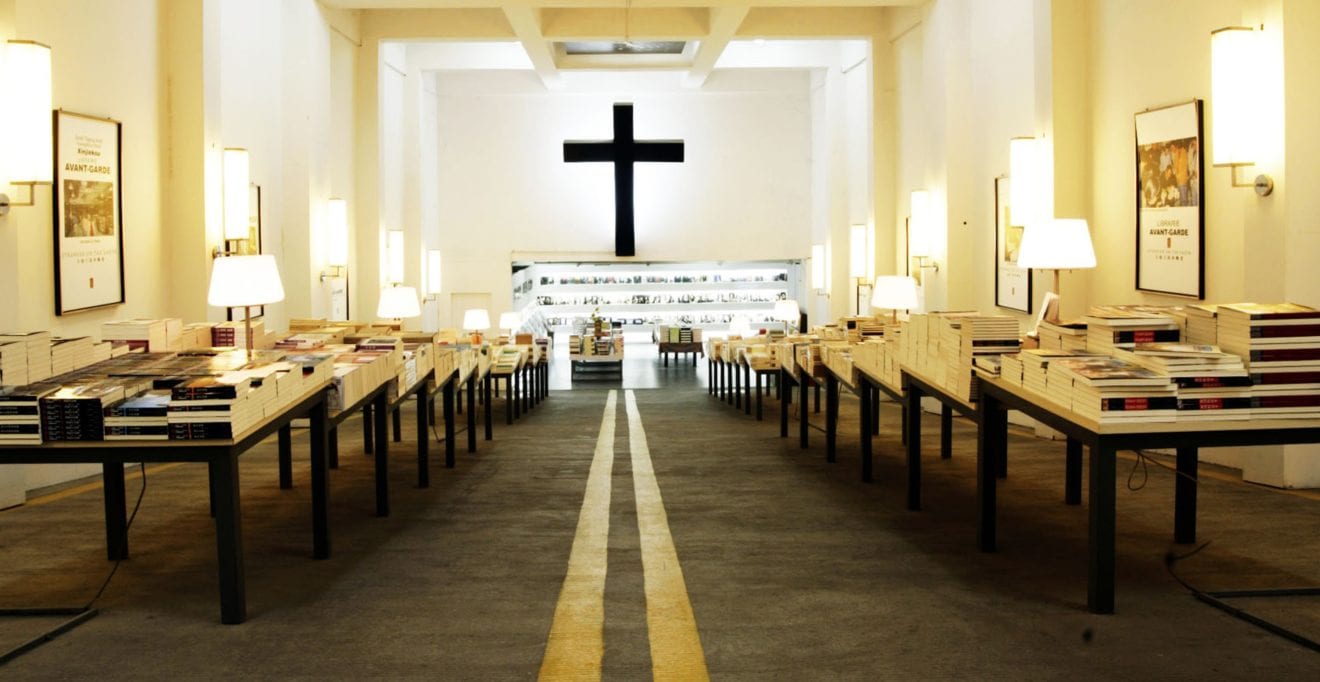
    The Librairie Avant-Garde is described by CNN as “China’s most beautiful bookstore”, located in a massive underground parking lot once used as a bomb shelter.

    “The 4000 sqm store’s unusual features include large crosses, a copy of Rodin’s ‘The Thinker’ and a checkout counter built out of thousands of old books,” writes CNN.

    “A good bookshop should provide space, vision and nurture the city with its humanitarian spirit,” owner Qian Xiaohua told CNN. “It’s a place for people to have dreams in the city.”

    And the 1200 Bookshop, which also trades around the clock, has earned a reputation for great books and coffee as well as a haven for travellers, with backpackers invited to stay in a private room in-store.

    “We are doing business at the store during daytime but making friends at night,” says founder Liu Erxi.


  • Aqua Fair Asia Sets the Future Trend for the Aquarium Industry in Guangzhou

    Aqua Fair Asia Sets the Future Trend for the Aquarium Industry in Guangzhou

    Boosted by recent innovations, the aquarium industry is experiencing a period of rapid development in China both for export and the domestic market, urging the need for a modern, reliable trade platform that listens to the professionals and understands the changing dynamics of our industry.

    Aqua Fair Asia (AFA), is created by industry professionals and held in Guangzhou, at the heart of the global aquarium industry. It meets these needs and brings the business to the next level. Designed to be not only an exhibition but a comprehensive business accelerator ecosystem, Aqua Fair Asia combines high level conferences, business talks, trade match-making, factory tours and educational programs.

    Aquarium industry leaders, including HAILEA, Minjiang Aquarium, BOYU, RESUN, SUNSUN, Chuangxing Electric, JEBO, Lenyo Aquatics, have expressed strong support. Many more will exhibit at AFA, after many years away from any exhibition in China. The president of the Guangdong Aquarium Industry Association, Yang Qinquan, recently declared: “The existing aquarium trade platforms were relying on old models that failed to modernize and do not fit our industry any more. Let us seize the opportunity of this modern trade event to revitalize the aquarium industry, promote better practices and develop a sustainable and healthy global aquarium industry.”

    Aqua Fair Asia makes business happen. Its modern approach to trade breathes new life into the aquarium industry and brings three key elements to the equation that professionals expect from a trade show: the right audience, forward-thinking content and high level of service. For overseas buyers, it’s the chance to discover the new face of the Chinese aquarium industry, better identify their future suppliers and develop their business with innovative and affordable solutions. Major buyers are encouraged to contact the organizer to learn about the programs (hosted buyers, factory tours, etc.)

    Jointly hosted by VNU Exhibitions Asia and the Guangdong Aquarium Industry Association, Aqua Fair Asia will take place on October 8-11, 2015 at Guangzhou Poly World Trade Center Expo (PTWC – Next to the Canton Fair Pazhou Complex). The show is expected to attract 300 exhibitors and over 12000 aquarium professional visitors from China and overseas.

  • China’s on-line cross-border buying growth

    China’s on-line cross-border buying growth

    Guangzhou has taken the lead in a pilot cross-border purchasing eCommerce scheme, offering each challenges and large alternatives for Hong Kong companies.

    Cross-border on-line purchasing is more and more in style on the Chinese language mainland. Generally known as haitao, the apply permits shoppers to order merchandise by way of abroad on-line buying platforms, and have their purchases dispatched by worldwide couriers or collected and shipped to China by forwarding brokers. Its reputation has been spurred by the comparatively restricted vary of abroad items out there throughout the mainland and the premium costs of such gadgets when obtainable.

    A number of mainland cities have been authorised to hitch the pilot program for cross-border e-commerce. However solely six cities – Shanghai, Chongqing, Hangzhou, Ningbo, Zhengzhou and Guangzhou – have been assigned the proper to undertake complete import-export actions. This has given these cities the prospect to determine typical retailers designed to facilitate abroad on-line purchasing. Guangzhou has been on the forefront of maximising this chance.

    Three cross-border eCommerce companies – MeijoyBest (Guangzhou MeijoyBest E-commerce Co Ltd), zero20 (Guangzhou Lingerling Cross-Border E-Commerce Co) and Ieasy (Guangzhou Yangxitai E-Commerce Co Ltd) – lately commenced operation within the metropolis. A fourth, Nansha Cross-Border Direct Purchasing Expertise Centre, will open shortly. On its first day of buying and selling, almost 100,000 individuals visited MeijoyBest’s 230 sqm retailer, a transparent indication of the large demand in Guangdong for imported items.

    1. Decrease costs

    General, costs are typically some 30 to 60 per cent cheaper than comparable items obtainable elsewhere. In line with the procedures for basic commerce, imported items are required to pay three taxes – a customs tariff, VAT and a consumption tax.

    The tax charges differ in line with the class of the products. The tax price for cosmetics, for instance, might be as excessive as 50 per cent. Moreover, each logistics step within the distribution of a product, from the importing agent to wholesalers and retailers, provides to the general value.

    As abroad on-line bodily shops place orders on-line and gather items offline, the one tax payable is on baggage and private postal articles, thus significantly decreasing the general tax burden. Moreover, these shops are entitled to supply tax exemptions for single purchases valued beneath Rmb50. This, along with the shortage of a day by day ceiling (although every buy might not exceed Rmb1000 in worth and the unit worth of indivisible commodities might not exceed Rmb1000), drastically boosts shopper’s inclination to spend.

    The tax on baggage and private postal articles is a type of import tax levied by the Chinese language customs on baggage and articles carried by incoming travellers, in addition to on private postal articles. This tax has 4 tax bands – 10 per cent (meals, toys, and books and periodicals), 20 per cent (textiles, residence electrical home equipment and audio-visual gear), 30 per cent (high-end watches and golf golf equipment), and 50 per cent (tobacco, wine and spirits, and cosmetics).

    2. Peace of thoughts and authenticity

    There have been some situations of eCommerce websites promoting counterfeit items in recent times. There have additionally been many instances the place individuals didn’t obtain items that they had paid for. These incidents have prompted shoppers to return to bodily retail channels, that are perceived as decrease danger. Sometimes, shoppers have larger religion in items they will contact and look at and that they will pay for on the spot.

    Gross sales at abroad on-line bodily shops are monitored in real-time by the related authorities departments. The sources and high quality of products and the monitoring procedures are extra clear than is the case with online-only buying, thus they’re extra dependable. Guangdong shoppers appear to have welcomed these abroad on-line buying bodily shops as a most popular and extra reliable buy route.

    three. On-site assortment

    In accordance with Tao Zili, chairman of Meijoybest E-Commerce Co, on-site pick-up is simply attainable on the firm’s bodily retailer within the Guangzhou Bonded Space. Its Guangzhou Pearl River New Metropolis retailer nonetheless has to dispatch on-line orders to shoppers. Upon customs approval, the acquisition is dispatched from the bonded space and delivered by the suitable logistics corporations. This course of takes as much as 48 hours, quicker than the prevailing supply association for items bought at abroad on-line buying web sites. The corporate is constructing a 50,000sqm abroad on-line purchasing bodily retailer within the Guangzhou Bonded Space, which is because of open subsequent month. This new retailer will permit on-site pick-up and supply buyers with an expertise similar to that of typical purchasing. The power is predicted to offer a further increase to the uptake of abroad on-line purchasing within the metropolis.

    The bodily retailer at Pearl River New Metropolis is, actually, primarily a promotional outlet for its abroad on-line shopping center within the bonded zone. To draw clients, the Pearl River New Metropolis retailer has a “obligation paid part”. All items bought right here have the three taxes pre-paid and can be found for instant on-site assortment. The disadvantage is that costs are similar to typical market costs elsewhere within the metropolis.

    four Eradicating language and transaction obstacles

    Most abroad eCommerce websites, sometimes that includes an English interface, will not be obtainable in Mandarin. If shoppers encounter issues with their purchases, they need to make long-distance calls and talk with the seller who typically doesn’t converse Chinese language. As well as, most of the bank cards issued by mainland banks are usually not accepted by abroad purchasing web sites. Establishing abroad on-line buying bodily shops on the mainland addresses each of those issues.

    When it comes to Hong Kong companies, the emergence of those shops has two clear implications:

    1. Fewer cross-border purchasing journeys by Guangdong residents

    Whereas costs for many items at these shops are greater than these for comparable items in Hong Kong (after taking the tax on baggage and private postal articles under consideration), if journey time and prices are factored in, it’s nonetheless cheaper than buying immediately in Hong Kong. This can inevitably have an effect on Hong Kong’s retail enterprise and scale back commerce between the 2 cities. It might, nevertheless, assist to alleviate Hong Kong’s gray market items drawback.

    2. Larger entry to home gross sales channels

    Provided that there are not any restrictions on the sorts of products bought in these shops, there’s appreciable scope for Hong Kong-sourced gadgets.  Tao, for example, welcomes the chance for elevated cooperation with Hong Kong suppliers. As MeijoyBest will maintain points referring to taxation, promotion, advertising and logistics, this provides Hong Kong companies that haven’t any advertising community in Guangdong a streamlined route into the huge mainland market.

    When it comes to the operation of those shops, Tao believes there are three key parts required for fulfillment – a vendor system (administration of provide and suppliers); a gross sales system (eCommerce platform and cost system); and a logistics system (administration of dispatch and transportation of products). These all require customs approval and should adjust to the related customs monitoring techniques.

    Whereas Tao was reluctant to reveal the precise quantity of funding required to ship this, he did point out that an eight-figure sum went into creating these three techniques over the previous two years.