Retail News CRM

Tag: Hải Phòng

  • Vingroup Launches Construction of Vietnam’s Largest LNG Power Plant, Paving the Way for Energy Advancement

    Vingroup Launches Construction of Vietnam’s Largest LNG Power Plant, Paving the Way for Energy Advancement

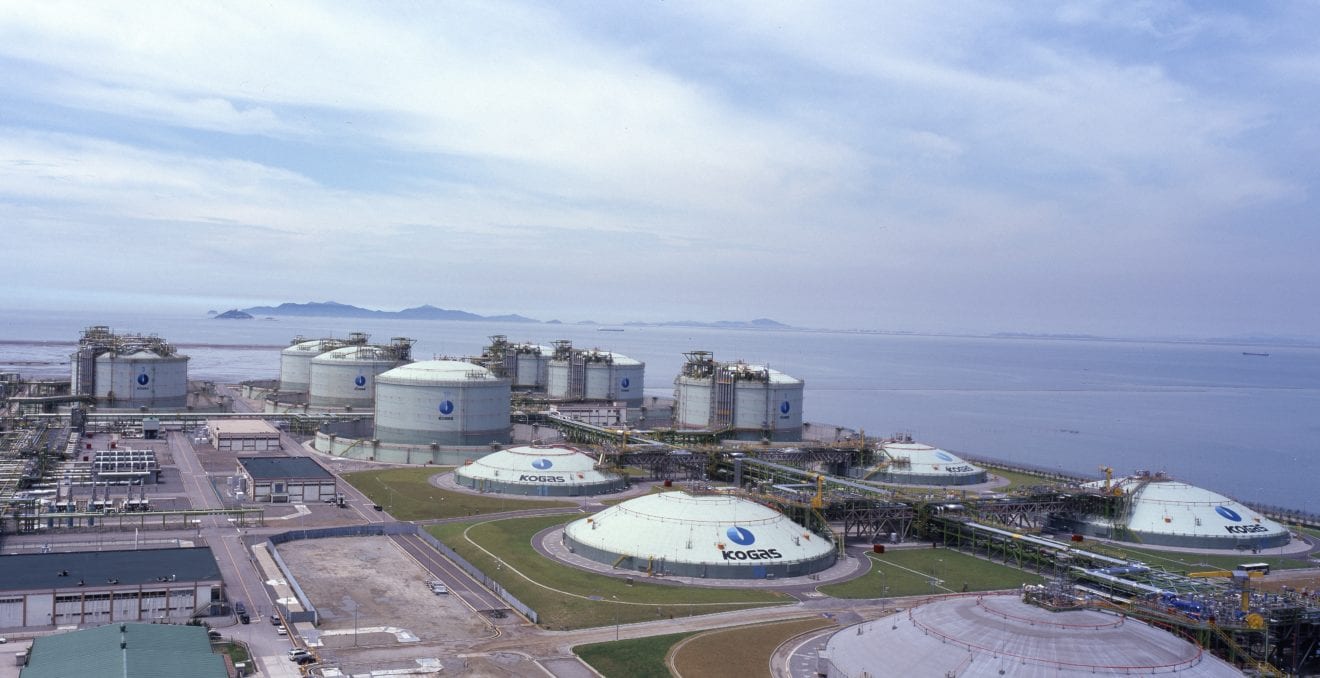
    In Hai Phong, a new chapter in the region’s energy landscape is underway as Vingroup, along with VinEnergo, kickstarts the construction of a significant liquefied natural gas (LNG) power plant. This ambitious project, stretching across 100 hectares and boasting a capacity of 4,800 megawatts, is set to energize the national grid by 2030, marking a pivotal step towards a cleaner and more sustainable energy future.

    Eco-Friendly Energy Takes Center Stage

    The plant’s utilization of LNG—a cleaner alternative to coal and oil—promises to curtail emissions, dust, and toxic gases, illustrating the ongoing transition towards sustainable energy sources. Located at the Tan Trao Industrial Park, which recently had its groundbreaking ceremony, the facility represents more than just a power source; it’s a catalyst for eco-friendly industrial development.

    Building a New Industrial Hub

    The Tan Trao Industrial Park itself covers 227 hectares with an investment of VND4 trillion, orchestrated by Vingroup’s property arm, Vinhomes. Over the next five years, construction is set to reshape this area into a nexus of new industries and technologies, with an aim to attract tens of thousands of skilled professionals. Amidst the hustle and bustle of construction, one might even wonder if Hai Phong will soon become the Silicon Valley of Vietnam—minus the tech giants!

    Government Support Fuels Development

    During the groundbreaking ceremony, Prime Minister Pham Minh Chinh underscored the strategic importance of these projects, highlighting their potential to advance industrial growth, attract foreign investment, and boost green energy initiatives. He urged rapid progression in the development of both the power plant and industrial park, particularly focusing on attracting high-tech clients.

    Aiming for Acceleration

    The Prime Minister called for accelerated procedures to enable the LNG power plant to potentially be completed a year ahead of schedule, by 2029. This calls for cooperation with foreign investors for technology transfer and a gradual mastery of the necessary tech. “Vingroup should push up progress while ensuring quality, safety, and environmental hygiene, to create numerous high-quality jobs for the people of Hai Phong,” he stated emphatically.

    Vingroup’s Vision for the Future

    Nguyen Viet Quang, Vingroup’s vice chairman and CEO, echoed the Prime Minister’s sentiments by discussing the synergy between the industrial park and the power plant. He believes that this integrated development model has the potential to attract significant investments and promote sustainable growth throughout the nation.

    A Manufacturing Powerhouse

    Hai Phong is not just any city; it’s a key manufacturing hub for Vingroup’s automaker, VinFast. Since the factory’s inauguration in 2019, VinFast has been a major driver of economic growth, elevating Hai Phong’s standing among Vietnam’s top-performing localities in recent years. As these new developments unfold, the city is poised to become a beacon of innovation and economic opportunity in the region.

    Questions & Answers

    What is the capacity of the new LNG power plant in Hai Phong?
    The LNG power plant in Hai Phong has a capacity of 4,800 megawatts and is expected to be operational by 2030.

    How does the LNG power plant contribute to cleaner energy?
    By using liquefied natural gas, the plant significantly reduces emissions, dust, and toxic gases compared to traditional coal and oil, aiding Vietnam’s transition to cleaner energy sources.

    What strategic goals did Prime Minister Pham Minh Chinh outline for these projects?
    The Prime Minister emphasized the importance of accelerating development, attracting foreign investment, and promoting high-tech industries, all while ensuring quality and creating job opportunities in Hai Phong.

  • Vingroup Unveils Ambitious $14B Port and Logistics Complex Project in Hai Phong

    Vingroup Unveils Ambitious $14B Port and Logistics Complex Project in Hai Phong

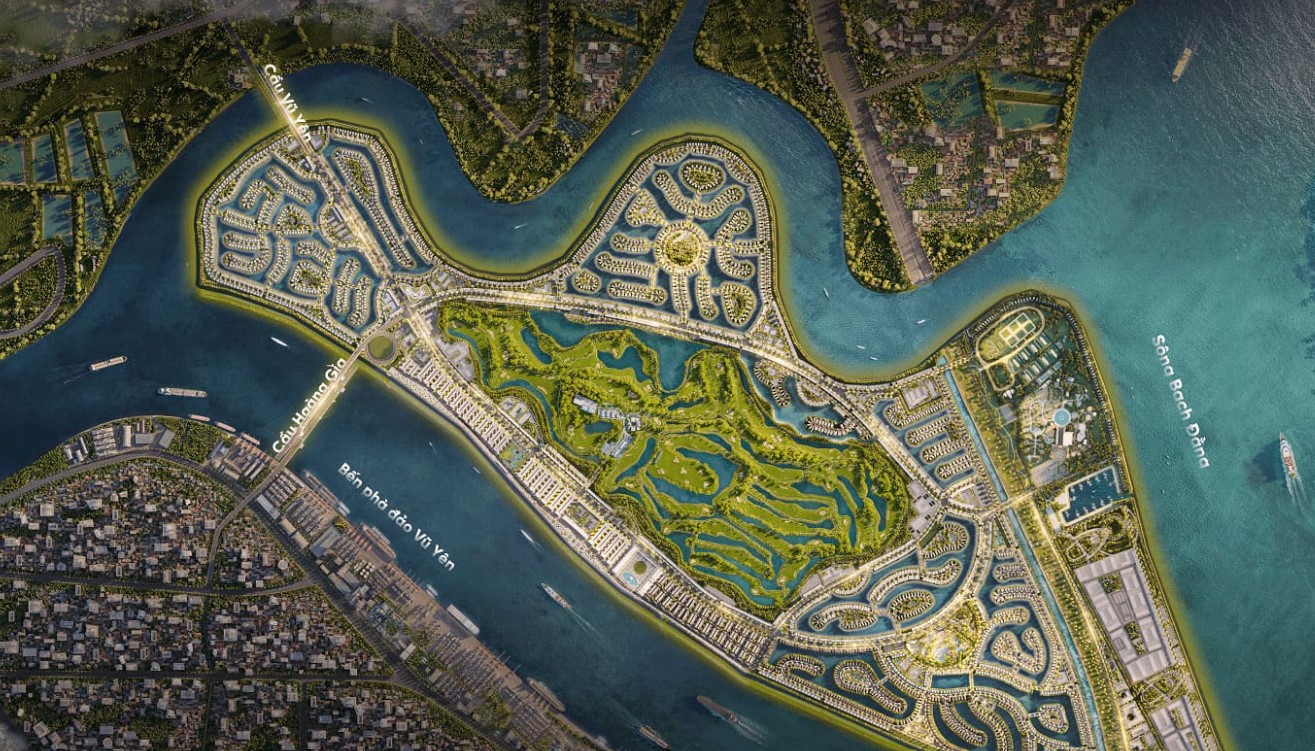
    In a significant development plan for Hai Phong, a sprawling 4,400-hectare complex in the southern part of the city will unfold over three phases, as announced by the board of directors. The initial phase is set to kick off next year, aiming for completion by 2030, while the following phases are slated for 2031 to 2035 and 2036 to 2040.

    Vingroup intends to finance 15% of the project from its own resources, with plans to secure the remaining funds through external partnerships. In recent years, the Vietnamese conglomerate has made substantial investments in Hai Phong, including the notable $1.5 billion VinFast automobile factory located in the industrial zone on Cat Hai Island.

    The real estate arm, Vinhomes, is simultaneously broadening its footprint in Hai Phong, currently developing its fourth project across 240 hectares. This expansion complements its successful completion of three key residential projects: Royal Island, covering 870 hectares; Imperia, at 78 hectares; and Mariana, encompassing 50 hectares.

    New Industrial Parks on the Horizon

    In addition to its residential developments, Vingroup has ambitious plans in the industrial sector, as it prepares to break ground on two new industrial parks in Hai Phong next year. There’s also an upcoming liquefied natural gas-to-power project, further underscoring Vingroup’s commitment to enhancing the region’s infrastructure.

    Positioned as a burgeoning industrial hub, Hai Phong has firmly established itself as a leader in northern Vietnam’s production landscape. Following its recent merger with Hai Duong Province in July, the city now boasts 15 large industrial parks and one of the country’s most extensive deep-water port networks. This strategic geographical advantage is paying off, with cargo throughput at Hai Phong’s ports consistently rising by 12-15% annually.

    In 2024, the port facilities managed an impressive 190 million tons of cargo, and expectations are set even higher for this year, with projections reaching 212 million tons. Meanwhile, the city’s plans for a southern coastal economic zone, announced last year, indicate a need for 20,000 hectares and an investment ranging between VND 400-600 trillion (approximately $15-23 billion).

    Local leaders acknowledge that foreign industrial investment has been a pivotal factor in driving economic growth over the past decade. However, challenges remain, particularly with the Dinh Vu-Cat Hai economic zone, which, established in 2008, is nearing full capacity and struggling to accommodate new projects.

    Questions & Answers

    What are the key phases of Vingroup’s development project in Hai Phong?
    The development will unfold in three phases: the first starting next year and set for completion by 2030, with subsequent phases planned from 2031-2035 and 2036-2040.

    How much is Vingroup planning to invest in the project?
    Vingroup is set to invest 15% from its own resources while seeking additional funding through other sources.

    What challenges does Hai Phong face with its industrial zones?
    The Dinh Vu-Cat Hai economic zone, established in 2008, is almost fully developed and lacks available land for new projects, which poses challenges for future growth.

  • Uniqlo set to come to Hai Phong

    Uniqlo set to come to Hai Phong

    Japanese fashion brand Uniqlo plans to open its first store in the northern city of Hai Phong this summer.

    It will be a 2,000-square-meter outlet at Aeon Mall Le Chan.

    Uniqlo, which came to the Vietnamese market two years ago, now has 10 stores in Hanoi and HCMC.

    Globally, it has over 2,300 in 25 countries and territories.

    German research firm Statista estimates Vietnam’s fashion industry to grow at an average annual rate of 22.5 percent in 2017-22 to reach US$988 million.

  • 1.4 million super saving Vietjet tickets priced from MYR0 up for grabs for three days!

    1.4 million super saving Vietjet tickets priced from MYR0 up for grabs for three days!

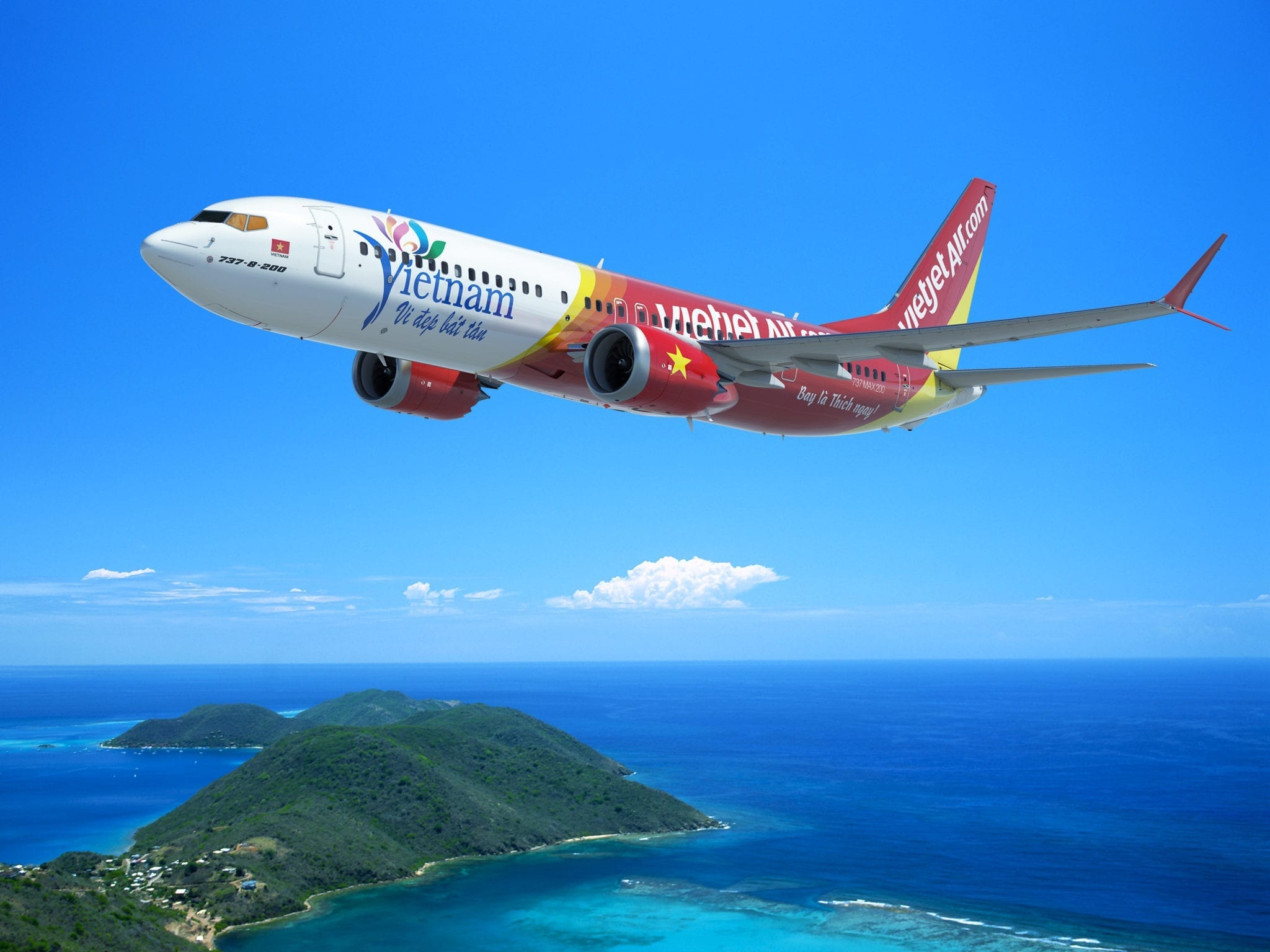
    With the arrival of the vibrant summer season, Vietjet has opened ticket sales on three new domestic routes, including Can Tho – Hai Phong, Can Tho – Vinh and Can Tho – Thanh Hoa which will operate from April 26, 2019.

    Celebrating this special occasion, Vietjet is offering 1.4 million super saving tickets priced only from MYR0 (*) on three golden days from March 20 to March 22, 2019 via the airline’s website. The promotional tickets are available during the golden hours from 1.00pm to 3.00pm, and applicable for all domestic routes in Vietnam. Travel time is from May 21, 2019 to December 31, 2019?

    The Can Tho – Hai Phong route will operate daily return flights; flying time is around 1 hour and 55 minutes per leg. The Can Tho – Vinh route will operate return flights on Monday, Wednesday, Friday, Sunday; flying time is around 1 hour and 50 minutes per leg. Meanwhile the Can Tho – Thanh Hoa route will operate return flights on Tuesday, Thursday, Saturday; flying time is around 1 hour and 55 minutes per leg.

    Subsequently in May 2019, Vietjet will introduce two more new routes from Can Tho to Nha Trang (Khanh Hoa province) and Dalat (Lam Dong province). With the addition of these new routes, Vietjet will have the distinction of being the only airline with the most routes and flights from and to Can Tho – the capital city of the Mekong Delta area.

    With a network comprising 39 domestic routes and 69 international routes, Vietjet operates safe flights with a technical reliability rate of 99.64% — the highest rate in the Asia Pacific region. As a fully-fledged member of International Air Transport Association (IATA), Vietjet has obtained the IATA Operational Safety Audit (IOSA) certificate and has been awarded a 7-star ranking, the world’s highest rate for safety, by AirlineRatings.

  • Tourism expected to drive Hải Phòng forward

    Tourism expected to drive Hải Phòng forward

    Favourable transport infrastructure and the beautiful landscape are expected to boost tourism in the northern port city of Hải Phòng.

    Cát Bi International Airport and the Hà Nội-Hải Phòng expressway, which were put into service in early 2016, have helped reduce travel time from Hà Nội to Hải Phòng.

    Direct flights between Hải Phòng and countries such as Thailand and the Republic of Korea, localities such as HCM City and Phú Quốc Island District in Kiên Giang Province in the south, Đà Lạt City in the Central Highlands province of Lâm Đồng and Nha Trang City in the central coastal province of Khánh Hoà have been launched.

    Along with favourable transport infrastructure, efforts made by agencies to promote tourism and the involvement of large investors have turned Hải Phòng into a popular tourist destination.

    At a workshop on Hải Phòng tourism held by the municipal Department of Tourism, leading experts in this field from across the country discussed ways to boost local tourism through social communication and developing standard tourism products.

    Various tourism promotion activities have been conducted in Cát Hải District, which is the administrative management unit of the Cát Bà Archipelago, an attractive tourist site with leisure, exploration and ecological tourism in the Cát Bà National Park in the island commune of Việt Hải.

    Firms such as Vingroup, Sungroup and Him Lam have invested in luxurious resorts in Cát Bà and Đồ Sơn. Once operational, the projects are expected to become ideal destinations for both domestic and foreign holidaymakers.

    According to the Vietnam National Administration of Tourism (VNAT), Hải Phòng, particularly Đồ Sơn beach town, has experience in tourism development.

    The northern port city welcomes a large number of visitors every year. In 2017 the locality is expected to greet 5.7 million tourists, the agency said, noting that the target is within reach as about 5.6 million tourists visited Hải Phòng last year.

    Nguyễn Quý Phương, head of VNAT’s Travel Department, at a recent workshop on tourism development in Hải Phòng said the city should make a breakthrough in tourism and consider the sector a driving force for local economic development.

    He also suggested the city step up State management to synchronously conduct tourism activities.

    To that end, Hải Phòng should revamp the municipal Tourism Department, ensuring it has enough human resources capable of implementing the city’s guidelines and plans, Phương said.

    At the same time, it is necessary to develop spearhead tourism products, such as leisure tourism on Cát Bà Island in a sustainable manner, he added.

    Nguyễn Thị Hà, director of Viettravel Hải Phòng, described tourism products as decisive to tourism promotion, saying Hải Phòng should connect with other localities to promote tourism products for the northern coastal region.

    Travel companies will introduce products for their customers, she said, underlining the need for Hải Phòng to turn into an attractive and safe destination, different from others in culture and landscape.

    Channels should be built and updated with new mechanisms, policies and information about tourist attractions and Hải Phòng’s connection with foreign and domestic localities, Hà suggested.

    In particular, information about Cát Bi International Airport needs to be updated more regularly for partners and tourists, she added.

    Trần Thị Kim Quy, deputy director of Hùng Vương Investment JSC, investor of international brand names such as Cát Bà Resort and Flamingo Đại Lải in the northern province of Vĩnh Phúc, said the Cát Bà Archipelago has advantages for tourism development, with the most noteworthy being its biodiversity and Cái Bèo, the most ancient fishing village in Việt Nam.

    However, Cát Bà has failed to fully tap its potential, she said, suggesting Hải Phòng extend the duration of tourism projects on the islands to 70 years and shorten the time for administrative procedures while upgrading infrastructure in Cát Bà.